My dog once destroyed a “heavy duty” chew toy before I finished making dinner. Fifteen minutes, tops. If that sounds familiar, you’re shopping for the wrong chews.
Finding the longest lasting dog chews takes more than grabbing whatever’s on sale at the pet store. Material density, your dog’s jaw strength, chewing style, and even tooth safety all play a role in how long any chew actually survives.
This guide covers what makes certain chews outlast others, ranks the top natural and synthetic options by actual chew time, and breaks down which picks work best for aggressive chewers, puppies, and seniors. You’ll also get real cost-per-hour comparisons so you stop wasting money on treats that vanish in minutes.
What Makes a Dog Chew Long-Lasting?
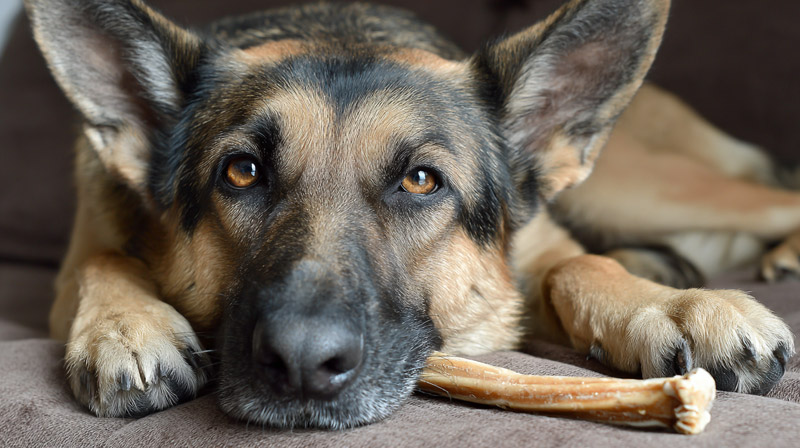
Not all chews are built the same. Some dissolve in minutes, others survive weeks of daily gnawing. The difference comes down to material density, manufacturing method, and how well the chew matches your dog’s jaw strength.
Material density is the biggest factor. Compressed collagen, natural rubber, nylon, elk antler, and yak milk cheese all resist chewing longer than soft-baked treats or thin rawhide strips. A dense, tightly packed chew simply takes more effort to break down.
But density alone doesn’t tell the whole story.
Your dog’s size, breed, and chewing style change everything. My 80-pound Lab can reduce a standard bully stick to nothing in 20 minutes. My neighbor’s Beagle will work that same stick across three separate sessions. Jaw strength varies hugely between breeds, and even between individual dogs of the same breed.
Manufacturing process matters too. Baked chews crumble faster than dehydrated or cold-pressed ones. Raw, air-dried treats hold their structure differently than something cooked at high heat. Compression changes durability, which is why a braided bully stick outlasts a straight one of the same thickness.

Here’s something most people get wrong: “durable” and “safe” are not the same thing. A chew can last forever and still crack your dog’s teeth. The AVMA reports that 80% to 90% of dogs show signs of periodontal disease by age three. Dental health already takes a beating without adding rock-hard chews to the mix.
According to VCA Animal Hospitals, the most commonly broken teeth in dogs are the canine teeth and the upper fourth premolar, often from chewing on hard objects like antlers, bones, or non-bending toys. A root canal for a dog runs anywhere from $1,500 to $3,000, depending on the tooth.
The thumbnail test is the simplest safety check. Press your thumbnail into the chew. If it doesn’t indent at all, the chew might be too hard for your dog’s teeth. The Veterinary Oral Health Council (VOHC) recommends that dog chews should have some give to them.
No single chew lasts the same time for every dog. That’s just reality. But understanding what drives durability (and what crosses the line into dangerous) helps you make smarter picks.
Longest Lasting Natural Dog Chews
Natural chews are the go-to for most dog owners who want something that lasts. They’re single-ingredient or close to it, digestible, and dogs tend to love them. The tricky part is figuring out which ones actually hold up.
Elk and Deer Antlers
Antlers are probably the most durable natural chew you can buy. They don’t splinter the way cooked bones do, and a whole elk antler can last weeks or even months for a moderate chewer.
The catch? They’re hard. Really hard.
Veterinary dentists have raised repeated concerns about antlers for dogs and fractured teeth. A 2024 article in Veterinary Practice News noted that bite forces in dogs can reach up to 3,417 Newtons at the molars, while canine tooth enamel averages only 0.35 to 0.44 mm thick. That’s a fraction of human enamel thickness. Cornell University’s veterinary college specifically advises avoiding antlers because of fracture risk.
If you still want to try them, split antlers are softer than whole ones. The exposed marrow center gives dogs something to scrape at without as much force on their teeth. When deciding between elk versus deer antlers, elk are generally larger and slightly softer, making them a better fit for heavy chewers.
Always know when to take an antler away from your dog. Once it’s small enough to swallow or has sharp edges, it’s done.
Himalayan Yak Chews
Himalayan yak chews are made from hardened yak and cow milk with a bit of salt and lime juice. They’re dense, low-odor, and last significantly longer than most edible chews.
For a medium-sized dog, a good yak chew typically lasts several days to over a week of daily chewing sessions. That’s genuinely impressive for something fully digestible. Curious about the exact composition? Here’s a breakdown of what yak chews are made of.
The microwave trick is worth knowing. When the chew gets too small to safely chew on, you can microwave the remaining piece for 30 to 60 seconds. It puffs up into a crunchy, airy treat. No waste.
If you’re wondering whether Himalayan dog chews are safe, the short answer is yes for most dogs, with supervision. They’re hard enough that dogs with weak teeth or very aggressive chewing styles might run into trouble, though. For large breeds, look into XL Himalayan dog chews to get a longer session out of them.
Bully Sticks
Bully sticks are one of the most popular natural dog chews on the market. They’re made from a single ingredient (beef pizzle), fully digestible, and most dogs go absolutely nuts for them.
Duration varies a lot. According to Best Bully Sticks, a standard 6-inch stick lasts about 15 to 45 minutes for an average dog. Small breeds can stretch one across several days. Large dogs? Under an hour for a standard stick, sometimes way less.
If you want them to last longer, go thicker. Thick bully sticks and braided varieties add serious chew time. Freezing them before giving them to your dog also helps. For the toughest chewers, bully sticks designed for aggressive chewers use extra-thick or woven construction.
One thing to keep in mind: bully sticks are safe for dogs overall, but they’re calorie-dense. A 6-inch stick can pack 90 or more calories. Adjust your dog’s regular meals when giving them. And always take the stick away once it’s chewed down to about 2 to 3 inches. That’s choking territory.
Wondering how long bully sticks actually last? It really depends on your dog. But the cost adds up quickly, which is why many owners look for alternatives that give more chew time per dollar.
Raw Bones and Water Buffalo Horns
Raw beef knuckle bones and marrow bones can last days when given in supervised sessions. Dogs gnaw at the connective tissue, scrape the marrow, and work the surface. Unlike cooked bones, raw ones are less likely to splinter.
But “less likely” doesn’t mean “won’t.” Supervision is always required. And weight-bearing bones from large animals (like femur bones) are often too hard, creating the same tooth fracture risk as antlers. If you’re curious about whether dogs can safely eat bone marrow, the marrow itself is fine in small amounts but high in fat.
Water buffalo horns are another durable option. They’re hollow in the center, which lets dogs scrape and gnaw without applying the same concentrated force as a solid antler. They typically last longer than bully sticks and carry less tooth fracture risk than antlers. Still, they’re not soft. The thumbnail test applies here too.
Antlers vs. Yak Chews for Heavy Chewers
These two get recommended interchangeably, but they perform differently. Here’s a direct comparison:
| Feature | Antlers | Yak Chews |
|---|---|---|
| Hardness | Very hard (no give) | Hard but slightly softer |
| Tooth fracture risk | Higher | Lower |
| Duration (medium dog) | Weeks to months | Days to 1–2 weeks |
| Digestibility | Not digestible | Fully digestible |
| Cost per chew hour | Lower (lasts longer) | Moderate |
For power-chewing breeds like American Pit Bull Terriers or Labrador Retrievers, I’d lean toward yak chews. Yes, antlers last longer. But the dental risk isn’t worth it for a lot of dogs. Yak chews are a solid option that balances durability with safety.
If your dog is a gentler gnawer, a whole elk antler might work fine. Just check the safety considerations for antler chews and monitor for wear patterns that could indicate tooth stress.
Longest Lasting Synthetic and Rubber Dog Chews
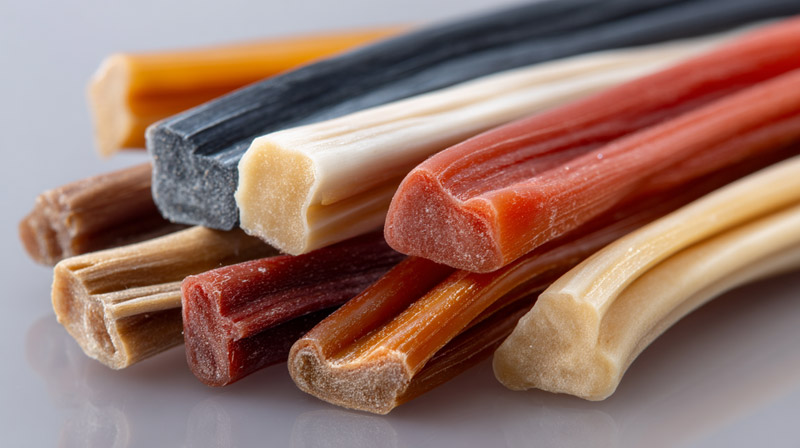
Not every dog does well with natural chews. Some have protein allergies. Others blow through organic materials so fast that the cost-per-chew gets ridiculous. Synthetic and rubber chews fill that gap.
Nylon Chews
Nylabone DuraChew and Benebone are the two biggest names here. They’re designed to be gnawed on over time, slowly wearing down rather than breaking apart in chunks. A nylon chew can last months for a moderate chewer.
The trade-off is that nylon is hard. Very hard. Some veterinary dentists put nylon chews in the same risk category as antlers for tooth fractures. VCA Animal Hospitals recommends throwing out any chew that doesn’t readily bend. Nylon bones definitely don’t bend.
That said, plenty of dogs chew Nylabones for years without dental problems. The risk depends on your dog’s jaw strength and chewing style. If your dog is a “grinder” who works the surface slowly, nylon tends to be fine. If your dog is a “cruncher” who bites down hard, steer clear.
Replace nylon chews when the knobs or textured pieces wear down to sharp nubs, or when the chew becomes small enough to swallow.
Rubber Chew Toys
Kong Extreme (the black ones), West Paw Zogoflex, and GoughNuts represent the top tier of durable rubber chews. Unlike nylon, rubber has give to it. That flexibility is exactly what makes it safer for teeth.
GoughNuts actually builds a safety indicator into their products. A red inner layer becomes visible when the toy is chewed through far enough that replacement is needed. Took me way too long to discover that feature with my own dog’s GoughNuts ring.
Kong Extreme toys aren’t technically “chews” in the traditional sense. Dogs don’t consume them. But they provide serious engagement, especially when stuffed. West Paw’s Zogoflex line comes with a guarantee against damage, which tells you something about their confidence in durability.
The dog chew market was valued at $5.43 billion in 2024, and rubber chews represent a growing segment of that figure, according to Verified Market Reports. Natural rubber options keep gaining ground as owners look for safe dog chews that won’t wreck their pet’s teeth.
Stuffable Rubber Chews and How to Make Them Last Longer
A frozen, stuffed Kong can outlast nearly any natural chew for certain dogs. This sounds too simple to be true, but it works.
The layering method:
- Spread a thin layer of peanut butter at the bottom (make sure it’s xylitol-free)
- Add a layer of kibble or small healthy dog treats
- Pour in some low-sodium bone broth
- Top with mashed banana or plain yogurt
- Freeze for at least 4 to 6 hours
A Kong prepped this way can keep a dog busy for 30 to 90 minutes, depending on their determination. Compare that to a pig ear that vanishes in five minutes.
Rotate fillings to keep things interesting. Sweet potato puree, canned pumpkin, and blueberries all freeze well. You can batch-prep multiple Kongs on a Sunday and pull them from the freezer throughout the week.
Dog Chews Ranked by Average Chew Time
This is the comparison most people actually want. Below are estimated chew times for a medium-sized dog (30 to 50 lbs) with a moderate chewing style. Your dog may be faster or slower.
| Chew Type | Average Chew Time | Notes |
|---|---|---|
| Pig ears | 5–15 minutes | Gone fast, high fat content |
| Thin bully stick | 10–20 minutes | Better for small breeds |
| Collagen sticks | 15–30 minutes | Digestible, moderate durability |
| Standard bully stick (6″) | 15–45 minutes | Single ingredient, fully digestible |
| Braided bully stick | 30–60+ minutes | Woven structure adds chew time |
| Frozen stuffed Kong | 30–90 minutes | Reusable, customizable fillings |
| Yak cheese chew | Multiple sessions over days | Excellent value per chew hour |
| Nylon bone (Nylabone/Benebone) | Weeks to months | Not consumed, higher tooth risk |
| Elk antler (whole) | Weeks to months | Very durable, highest tooth risk |
| Rubber chew (Kong Extreme) | Months to years | Not consumed, safest for teeth |
A few things stand out here.
Pig ears are popular but barely qualify as lasting chews. They’re treats, not chew sessions. Same goes for most dental chews. Products like Greenies and Whimzees clean teeth decently, but they disappear in under a minute for most dogs. If you’re trying to decide between those two, here’s a comparison of Whimzees versus Greenies.
The real value play for most owners is either yak chews or frozen stuffed Kongs. Both give you extended engagement without the dental risk of the hardest options.
According to the APPA, total U.S. pet industry spending hit $152 billion in 2024. Food and treats represent the largest single category. Dog owners are spending more than ever, but many are looking for better value per chew rather than just buying whatever’s cheapest.
Longest Lasting Chews for Aggressive Chewers
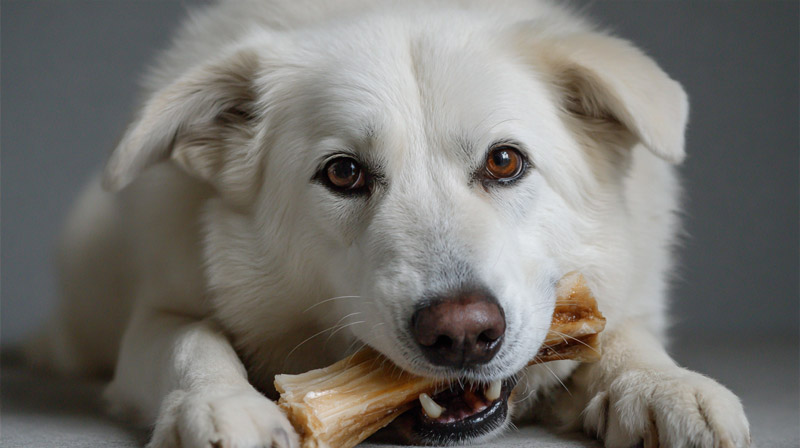
Some dogs destroy everything. Within minutes. You know the type.
Breeds like German Shepherds, Rottweilers, Boxers, and American Bulldogs tend to be power chewers by nature. But honestly, any dog can be an aggressive chewer regardless of breed. I’ve seen a Jack Russell Terrier destroy a “heavy duty” chew toy in less time than it takes to make coffee.
What actually survives:
- GoughNuts Black ring (the toughest in their lineup)
- Kong Extreme (black rubber, stuff and freeze for maximum engagement)
- Bullymake nylon and rubber toys (subscription box for heavy chewers)
- Whole elk antlers (durable but watch for tooth damage)
- Frozen raw bones, supervised sessions only
Products that claim “indestructible” often aren’t. Took me exactly one afternoon to watch my dog prove a “guaranteed indestructible” toy wrong. Read reviews from owners with large, determined chewers. Not reviews from someone with a Maltese.
The 15-minute rule: Give your dog a new chew and watch closely for the first 15 minutes. If they’re making alarming progress, breaking off chunks, or biting down with full force in ways that concern you, the chew isn’t right for them. Better to lose $15 on an unsuitable chew than $2,000 on a root canal.
For dogs that need the best chews for heavy chewers, the answer is usually a rotation system. No single product handles every session. Alternate between a frozen Kong, a yak chew, and a rubber toy to keep engagement high without overloading any one chew type.
Signs a Chew Is Too Hard or Too Soft for Your Dog
Too hard:
- Fails the thumbnail test (you can’t dent it with your nail)
- Your dog bites down with visible full-jaw effort
- You hear loud cracking or popping sounds during chewing
- The chew shows no wear at all after extended gnawing
Too soft:
- Consumed in under 5 minutes
- Breaks into large swallowable chunks
- Your dog barely chews before swallowing pieces
Knowing how long dogs can safely chew on hard chews matters more than most people realize. Extended chewing on something too hard causes cumulative stress on teeth. The damage doesn’t always show up immediately.
The canine teeth and upper fourth premolar are the most frequently fractured teeth in dogs, according to multiple veterinary sources. Treatment typically requires either root canal therapy or extraction under general anesthesia. Neither is cheap, and both require recovery time that’s unpleasant for your dog.
Chews to Avoid and Why They Don’t Last (or Aren’t Safe)
Some chews are popular for no good reason. Others last plenty long but create real health problems. Let’s go through the worst offenders.
Rawhide
Rawhide is the chew most veterinarians wish would disappear from pet store shelves. It’s processed animal skin, often treated with chemicals during manufacturing. Wondering whether cow ears are rawhide? They’re not the same product, but they share some processing concerns.
The real problem with rawhide is digestion. Dogs don’t break it down well. Large swallowed chunks can cause intestinal blockages that require emergency surgery. And despite all that risk, rawhide doesn’t even last that long for most dogs.
Cooked Bones
Cooking changes the structure of bone. It becomes brittle and prone to splintering. A raw knuckle bone is a reasonable chew option. A cooked one from your dinner plate is a veterinary emergency waiting to happen.
Splinters can puncture the stomach or intestines. Just don’t do it.
Dental Chews (Greenies, Whimzees)
Look, these are fine products for what they’re designed to do. They clean teeth. The VOHC gives several dental chew brands their seal of acceptance for reducing plaque and tartar. If you’re looking for the best natural dental chews for dogs, there are solid options out there.
But they’re not long-lasting chews. Not even close. Most dogs finish a Greenie in under 60 seconds. Whimzees last slightly longer because of their shape, but we’re still talking minutes. If you want something that occupies your dog while you’re on a phone call, dental chews won’t cut it.
Weight-Bearing Bones from Large Animals
Femur bones, marrow bones cut into thick rounds, and similar weight-bearing bones are dangerously hard. They’re denser than other bone types because they support hundreds of pounds of animal weight.
These cause slab fractures of the upper fourth premolar more than almost any other chew type. Slab fractures are exactly what they sound like: a slab of tooth shears off. Best Friends Veterinary Center notes that these fractures are most common in large breed dogs who are given hard objects to chew.
Thin Collagen Sticks and Compressed Chews
Some compressed chews market themselves as rawhide alternatives. And they are, technically. But many dissolve so fast they barely count as chews. A thin collagen stick might last 5 to 10 minutes for a medium dog. That’s a treat, not a chew session.
If you want collagen-based chews that actually last, go for thicker options or look into collagen supplements for dogs as a separate addition to their diet.
The pet treats and chews market reached an estimated $12.8 billion in 2024 in the U.S. alone, according to Packaged Facts. With that much money flowing, not every product on the shelf deserves to be there. Knowing what to skip saves you money and keeps your dog safer.
How to Make Any Dog Chew Last Longer
You don’t always need a tougher chew. Sometimes you just need a better strategy.
Most dogs burn through chews faster than they need to because they get unlimited access to one thing until it’s gone. A few simple changes can double or triple the life of whatever you’re giving them.
Rotate Chews Between Sessions
Dogs fixate. Give them the same chew every day and they’ll work it down to nothing out of pure habit.
Rotation breaks that pattern. Keep three or four different chew types on hand and swap them out every session. A yak chew on Monday, a frozen stuffed Kong on Tuesday, a rubber toy on Wednesday. Each one feels novel again when it comes back around.
This is the same logic behind why BarkBox and Bullymake subscription services send different items monthly. Variety keeps engagement high without burning through any single chew. Whole Dog Journal notes that most subscription boxes offer a 20-40% discount over buying items individually on longer plans.
Freeze What You Can
Freezing works for: stuffable rubber toys (Kong, West Paw), bully sticks, raw bones, and even some yak chews.
Skip freezing for: nylon chews (already hard enough), antlers (won’t change anything), and thin collagen sticks (they’ll just crack).
A frozen bully stick takes noticeably longer to break down than a room-temperature one. Same chew, more time. It’s free to do and takes zero extra effort beyond putting it in the freezer the night before.
Supervised Access vs. Free Access
Leaving a chew out all day is the fastest way to lose it. Dogs chew more aggressively when bored, and an unattended chew becomes a project they’ll finish just because it’s there.
Timed sessions work better. Give the chew for 20 to 30 minutes, then put it away. Your dog gets the mental stimulation without demolishing the chew in one sitting. This approach also helps you monitor wear and catch choking hazards early.
The APPA’s 2025 report shows that 68 million U.S. households now own at least one dog. That’s a lot of chews getting consumed every week. Even small savings per chew add up across a year.
Combine Chew Types in One Session
Start with a frozen Kong (high engagement, safe for teeth), then follow with a quality yak chew once the Kong is empty. Two different textures, two different experiences, and the whole session stretches well beyond what either chew would provide alone.
This combination approach works especially well for dogs who get destructive when left alone. A 30-minute frozen Kong followed by a 15-minute yak chew buys you nearly an hour of calm, focused activity. Most dogs are ready for a nap after that.
How Much Do Long-Lasting Dog Chews Cost?
Price per chew is the wrong metric. Cost per chew hour is what actually matters.
A $2 pig ear that lasts 5 minutes costs $24 per hour of chewing. A $12 elk antler that lasts 3 weeks costs pennies per hour. The sticker price on the package tells you almost nothing about real value.
Price Ranges by Chew Type
| Chew Type | Typical Price | Cost Per Chew Hour (Est.) |
|---|---|---|
| Pig ears | $2–4 each | $12–48 |
| Standard bully stick (6″) | $3–7 each | $4–14 |
| Braided/thick bully stick | $6–12 each | $3–8 |
| Yak cheese chew (medium) | $8–15 each | $1–3 |
| Elk antler (whole, large) | $12–25 each | $0.10–0.50 |
| Kong Extreme (stuffed) | $12–18 (reusable) | Filling cost only |
According to Bully Sticks Direct, a $5 stick lasting 45 minutes works out to $6.67 per chew hour, while a $7 premium stick lasting 90 minutes drops to $4.67. Thickness and quality make a bigger difference than brand name.
Are Subscription Boxes Worth It?
BarkBox Super Chewer runs $30 to $45 per month depending on your plan. Bullymake is around $29 to $31 for annual subscribers. Both include durable toys plus treats and chews.
For power chewers who destroy everything, subscription boxes can be a decent deal. You get a steady rotation of new items (which we already covered as a strategy for making chews last longer), and the per-item cost usually beats retail.
But if your dog is a moderate chewer, you’re probably better off buying high-quality antlers or yak chews in bulk. A single elk antler at $15 can outlast two months of subscription boxes for the right dog.
Bulk Buying Options
Bully sticks: Buying a 12-pack of thick 6-inch sticks typically saves 25-35% over individual purchases. Sites that sell direct to consumers cut out retail markup.
Yak chews: Multi-packs of 3 to 5 chews drop the per-unit price significantly. Look for packs sized for your dog rather than buying the cheapest option and hoping it lasts.
Owning a dog is not cheap. Between food, vet bills, and supplies, the costs stack up quickly. A dog can be surprisingly expensive over its lifetime, and treats are one area where smarter shopping actually makes a noticeable difference.
Total U.S. pet industry spending reached $152 billion in 2024 according to the APPA. The treats and chews category is one of the fastest-growing segments. Spending more per chew to get something that lasts is the move most experienced dog owners eventually make.
Picking the Right Long-Lasting Chew for Your Dog
There’s no universal “best” chew. What works depends on your dog’s age, size, chewing style, and any dietary restrictions they might have.
Puppy Chews vs. Adult Chews
Puppies under six months have baby teeth that are fragile and easily damaged. Hard chews like antlers, nylon bones, and thick bully sticks are off limits during this stage.
Safe options for teething puppies include:
- Frozen rubber toys (Kong Puppy, specifically designed softer than the adult version)
- Frozen wet washcloths for gum relief
- Soft, puppy-specific edible chews from brands like Nylabone Puppy or Whimzees Puppy Stix
The American Kennel Club recommends matching chew hardness to your puppy’s chewing strength and always supervising. Once adult teeth are fully in (usually around 6 to 7 months), you can start introducing appropriate chew bones for puppies that are slightly more durable. And if you’re curious about what age puppies can start chewing antlers, most vets say to wait until all permanent teeth are in and fully set.
Senior Dogs with Dental Wear
Older dogs often have worn enamel, missing teeth, or gum disease. Hard chews that were fine at age three can cause fractures at age ten.
Best picks for seniors: softer natural chews like thin bully sticks, beef tendons, or frozen stuffed Kongs. Split antlers can work since the exposed marrow lets dogs lick and scrape rather than crunch. Avoid whole antlers, nylon bones, and weight-bearing bones for any senior dog.
A Banfield Pet Hospital study analyzing over 3 million records found that dogs aged eight and older were over three times more likely to be diagnosed with periodontal disease. Chew selection matters more as dogs age, not less.
Dogs with Protein Allergies
Many popular chews are beef-based. Bully sticks, rawhide, collagen sticks, cow ears. If your dog reacts to beef, that rules out a huge chunk of the market.
Single-ingredient treats make it easier to isolate the protein source. Turkey tendons and lamb ears are common alternatives. Yak chews avoid the issue entirely since they’re dairy-based. For dogs with multiple sensitivities, look into treats specifically made for sensitive stomachs.
Rubber chews (Kong, West Paw) sidestep the protein question altogether since dogs don’t consume the chew itself.
Matching Chew Type to Chewing Style
Not all chewers are the same. Knowing your dog’s pattern helps you avoid wasting money on the wrong product.
| Chewing Style | Best Chew Types | Avoid |
|---|---|---|
| Gnawers (slow, steady) | Antlers, yak chews, nylon bones | Soft treats (gone too fast) |
| Destroyers (intense, fast) | Kong Extreme, GoughNuts, frozen items | Hard items (tooth risk) |
| Lickers (tongue-focused) | Stuffed Kongs, lick mats, split antlers | Standard chews (low interest) |
Destroyers are the trickiest group. They need something durable enough to withstand force but soft enough to not crack teeth. That’s a narrow window, and rubber chews usually land right in it.
Breeds like Golden Retrievers and Siberian Huskies tend to be moderate gnawers. Breeds like Cane Corsos, Bullmastiffs, and Great Danes can generate enough force to split most natural chews open. For large guardian breeds, understanding their temperament and jaw strength helps you pick chews they’ll actually use without risk.
At the end of the day, the best long-lasting chew is the one your dog uses safely and comes back to again and again. Sometimes that takes trying three or four options before you find it. Start with the safest choice in your dog’s size range, watch how they interact with it, and adjust from there.
FAQ on Longest Lasting Dog Chews
What dog chew lasts the longest?
Elk antlers and nylon bones like Nylabone DuraChew last the longest overall. Antlers can survive weeks to months of daily chewing. For edible options, Himalayan yak chews offer the best durability while still being fully digestible.
Are bully sticks long-lasting?
Moderately. A standard 6-inch bully stick lasts 15 to 45 minutes for a medium dog. Braided and extra-thick varieties last longer. For small breeds, a single stick can stretch across multiple sessions over several days.
What chews are safe for aggressive chewers?
Kong Extreme toys, GoughNuts rubber rings, and frozen stuffed rubber toys are the safest picks. These have enough give to protect teeth while withstanding heavy jaw pressure. Avoid antlers and nylon for dogs that bite down with full force.
Can dog chews break my dog’s teeth?
Yes. Antlers, bones, hooves, and nylon chews can all cause tooth fractures. VCA Animal Hospitals recommends the thumbnail test. If you can’t dent the chew with your nail, it may be too hard for your dog’s teeth.
How do I make dog chews last longer?
Freeze them before giving them to your dog. Rotate between different chew types daily. Limit sessions to 20-30 minutes instead of free access. A frozen, layered Kong alone can keep most dogs busy for up to 90 minutes.
Are yak chews better than bully sticks?
For longevity, yes. A yak chew lasts days to weeks versus minutes for a bully stick. Bully sticks win on taste and digestibility for most dogs. Many owners rotate both for variety, using yak chews when they need longer engagement.
What chews should I avoid giving my dog?
Skip rawhide (choking and blockage risk), cooked bones (splintering), and weight-bearing bones from large animals (too hard). Thin compressed chews marketed as rawhide alternatives often dissolve too fast to provide real chew time.
What are the best chews for puppies?
Frozen Kong Puppy toys, soft rubber teething rings, and puppy-specific edible chews like Whimzees Puppy Stix. Avoid hard chews until all adult teeth are fully in, usually around 6 to 7 months old. Always supervise teething puppies.
How much should I spend on dog chews?
Focus on cost per chew hour, not sticker price. A $12 elk antler lasting weeks costs far less per hour than a $3 treat gone in minutes. Buying thick bully sticks or yak chews in bulk saves 25-35% over single purchases.
Are dental chews long-lasting?
No. Products like Greenies and Whimzees clean teeth well but most dogs finish them in under 60 seconds. They serve a different purpose. If you need something that occupies your dog for extended periods, natural chews or rubber toys are better choices.
Conclusion
Choosing the longest lasting dog chews comes down to knowing your dog. Their breed, age, dental health, and chewing intensity all shape which products actually hold up and which ones become expensive garbage in five minutes.
Yak cheese chews, rubber toys like Kong Extreme and GoughNuts, and properly sized elk antlers consistently outperform everything else in chew duration. Pair those with a rotation system and frozen prep, and you’ll stretch every dollar further.
Skip the rawhide. Be careful with anything that fails the thumbnail test. And always supervise, especially with a new chew your dog hasn’t tried before.
The perfect durable dog chew doesn’t exist. But the right combination of two or three safe, long-lasting options tailored to your dog’s size and chewing style gets pretty close. Start with the safest pick, observe how your dog handles it, and build from there.