Over 80% of dogs past age three have some form of active dental disease. Most owners have no idea. And by the time bad breath shows up, plaque and tartar have usually been building for months.
Finding the best natural dental chews for dogs means sorting through a lot of marketing noise. Bully sticks, yak cheese, collagen rolls, raw bones. They all claim to clean teeth, but the reality is more complicated than any label suggests.
This guide breaks down which natural chews actually reduce plaque, which ones carry hidden risks, what veterinarians say about them, and how to match the right chew to your dog’s size, age, and chewing style.
What Counts as a Natural Dental Chew for Dogs
“Natural” gets thrown around a lot on dog treat packaging. My dog’s treat drawer is proof of that. Half the bags say “natural” somewhere on the front, and half of those have ingredient lists that tell a different story.
A truly natural dental chew is made from single-ingredient or minimally processed animal or plant sources. Think bully sticks, raw bones, yak cheese, collagen chews, and sweet potato-based options.
The “dental” part matters just as much. A chew only qualifies as a dental chew if it actually creates mechanical abrasion on your dog’s teeth during the chewing process. Plenty of soft treats get marketed as dental products when they do basically nothing for plaque.
How the VOHC Seal Applies to Natural Options
The Veterinary Oral Health Council awards its Seal of Acceptance to products that reduce plaque or tartar by at least 20% in controlled trials. That’s the only independent standard in the pet dental space.
Here’s the tricky part. Most natural chews like bully sticks and raw bones don’t appear on the VOHC list because manufacturers haven’t submitted them for testing. The seal costs money to obtain, and many smaller natural chew brands skip it.
That doesn’t mean those chews are ineffective. It just means they haven’t gone through the formal review process. Products that do carry the seal include Greenies, Whimzees Brushzees, and several options from Virbac and Hill’s Pet Nutrition.

What “Natural” Does Not Mean
Free from processing: Even bully sticks go through drying and sometimes smoking. The question is whether chemicals like bleach, formaldehyde, or artificial preservatives were added during that process.
Automatically safe: Raw bones can splinter. Himalayan yak chews can be too hard for some dogs. Natural is not the same as risk-free.
Regulated terminology: Unlike “organic,” the word “natural” on pet product labels has loose oversight. Always flip the bag over and read the actual ingredients.
How Dental Chews Clean a Dog’s Teeth
Banfield Pet Hospital analyzed data from over 3 million pets in 2024 and found that 73% of dogs had some form of diagnosed dental issue. VCA Animal Hospitals reports that over 80% of dogs past age three have active dental disease.
So why do dental chews help? It comes down to what happens when your dog gnaws on something firm for a sustained period.
Mechanical Scraping and Saliva Production
The primary mechanism is simple friction. As a dog chews, the textured surface of the chew scrapes against tooth enamel. This physically disrupts the soft layer of plaque before it hardens into tartar.
Chewing also triggers a flood of saliva. Saliva contains antibacterial compounds that rinse away food particles and bacteria clinging to the gum line. The longer the chewing session lasts, the more effective this rinse cycle becomes.
A Rutgers University study found that natural chews reduced oral bacteria significantly. Raw bones reduced bacteria by 79%, brushing by 70.3%, and bully sticks by 60.2%. None of the treatments were statistically different from each other.
Why Texture, Shape, and Duration Matter
Not all chews clean teeth equally. Three factors determine how well a dental chew actually works:
| Factor | Why It Matters | What to Look For |
|---|---|---|
| Texture | Ridges and grooves increase surface contact with teeth | Chews with visible grooves or fibrous surfaces |
| Hardness | Too soft does nothing; too hard fractures teeth | Should indent slightly with your fingernail |
| Chew duration | Longer sessions mean more plaque disruption | Chews lasting 10+ minutes for your dog’s size |
The chew duration piece is something a lot of people overlook. If your Labrador Retriever demolishes a dental treat in 30 seconds flat, it barely touched the teeth. You need something that forces sustained gnawing.
The American Veterinary Medical Association notes that plaque reforms on tooth surfaces within 24 hours after cleaning. So dental chewing needs to be a regular habit, not an occasional thing.
Best Natural Dental Chews for Dogs by Category
The pet dental health market was valued at over $10 billion globally in 2024, according to Global Market Insights. Dental chews and treats alone accounted for about 41% of the pet oral care products market in 2025, per Mordor Intelligence research.
That’s a lot of options on the shelf. Here’s what actually works, broken down by type.
Bully Sticks
These are dried beef pizzle. Single ingredient, high protein, and fully digestible (unlike rawhide). The fibrous texture frays as dogs chew, creating a natural scrubbing action against teeth and gums.
According to Rutgers University research, bully sticks reduced oral bacteria by 60.2%, making them roughly 85% as effective as brushing. They also outperformed purpose-made VeggieDent chews in the same study.
Look for grass-fed, odor-free options from reputable sources. A 6-inch bully stick averages about 88 calories, so factor that into your dog’s daily intake. If you have a power chewer, thicker varieties will last longer and provide more chewing time.
Yak Cheese Chews
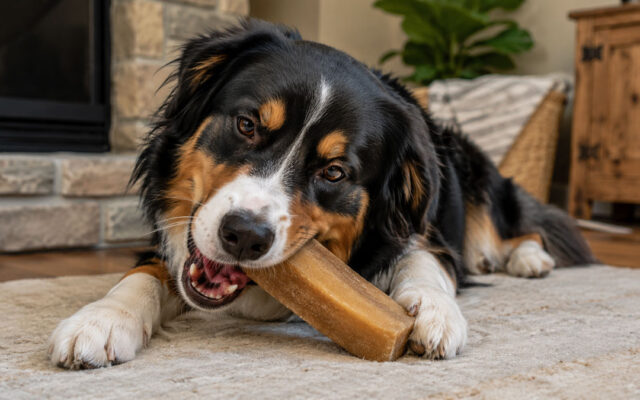
Made from hardened yak and cow milk (sometimes with a bit of lime juice and salt), these chews are extremely dense. They force extended gnawing sessions, which is exactly what you want for plaque removal.
Brands like Himalayan Dog Chew dominate this category. The hardness makes them some of the longest lasting chews on the market. For large breeds, XL-sized versions hold up better.
One concern: they can be too hard for some dogs, especially older ones or breeds prone to dental fractures. If you can’t indent it with your fingernail, monitor closely. Understanding what goes into these chews helps you pick the right hardness level.
Raw Bones
Raw beef knuckle bones scored highest in the Rutgers bacteria study at 79% reduction. The scraping action of bone against enamel is hard to beat for mechanical plaque removal.
But raw bones come with real risks. Splintering, tooth fractures, and bacterial contamination (Salmonella is a genuine concern). Never give cooked bones, as cooking makes them brittle and far more likely to splinter.
Size the bone to your dog. A Golden Retriever needs a different bone than a French Bulldog. The bone should be larger than the length of your dog’s muzzle to prevent swallowing attempts.
Collagen Sticks
Brands like Earth Animal’s No-Hide chews are the poster child here. These are made from rolled collagen (typically beef or chicken) and baked. They soften as the dog chews, which reduces the risk of tooth fractures compared to harder options.
They’re a solid rawhide alternative for dogs that need something chewy but digestible. The trade-off is they don’t last as long as bully sticks or yak chews for aggressive chewers.
Sweet Potato and Vegetable-Based Chews
For dogs with protein sensitivities or allergies, sweet potato chews and vegetable-based dental sticks fill the gap. Whimzees, for instance, uses potato starch, and their Brushzees have earned the VOHC seal for tartar control.
These tend to be lower in calories than animal-based options, which is a plus if your dog is watching their weight. If you’re wondering how synthetics compare to natural picks, the differences between Whimzees and Greenies are worth looking into.
Best Picks for Small Dogs
Small breeds face a disproportionate dental burden. Waltham Petcare Science Institute research found that extra-small breeds (under 14.3 pounds) are up to five times more likely to develop periodontal disease than giant breeds.
Breeds like Yorkshire Terriers, Chihuahuas, and Dachshunds are particularly affected. Zoetis Petcare data confirms small breed dogs and brachycephalic breeds like Shih Tzus and Bulldogs rank among the most prone to dental issues.
For these guys, go with appropriately sized chews. Thin bully sticks, small yak chews, and mini collagen rolls. If the chew is too big, they won’t get enough jaw movement. Too small, and it’s a choking risk. Treats designed for sensitive stomachs often work well for toy breeds too.
Best Picks for Aggressive Chewers
If your dog goes through a standard bully stick in under five minutes, you need something tougher.
Top options for heavy chewers:
- Braided or extra-thick bully sticks that take significantly longer to break down
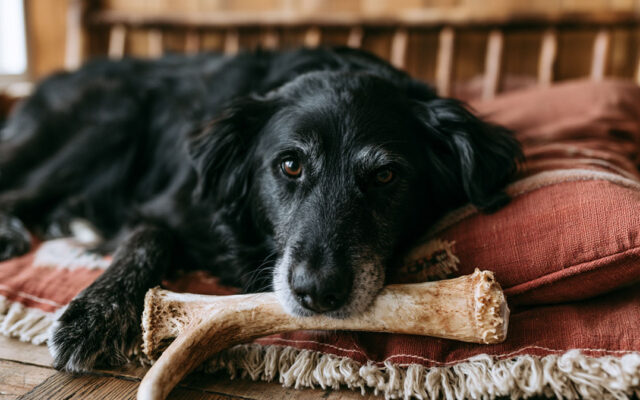
- Antler chews (elk and deer), though these carry a higher tooth fracture risk
- Large Himalayan yak chews that can withstand powerful jaws
- Dedicated heavy-chewer products designed for durability
Powerful breeds like American Pit Bull Terriers, Rottweilers, and German Shepherds can destroy most standard chews fast. Match the chew to the jaw, not the marketing. Always supervise, because aggressive chewers are the ones most likely to break off dangerous chunks.
Natural Dental Chews vs. Rawhide and Synthetic Options
This is where things get heated in any dog owner forum. Took me a while to sort through the noise myself.
The Rawhide Problem
Rawhide is the inner layer of cow or horse hides, dried and pressed into chew shapes. Dogs love them. The problem is everything else about them.
Digestibility: The American Kennel Club notes that rawhide is not easily digested. Large swallowed chunks can sit in a dog’s stomach for months or get lodged in the intestines, sometimes requiring emergency surgery.
Chemical processing: Most rawhide is manufactured overseas and treated with high-salt brines, bleach, and sometimes formaldehyde during production. The FDA has issued multiple recalls over the years due to bacterial contamination, including Salmonella and E. coli.
Choking hazard: Rawhide softens unevenly as dogs chew, and aggressive chewers can tear off large pieces that block the esophagus or intestinal tract. Some products marketed as alternatives still contain rawhide, so always check labels carefully.
Synthetic Dental Chews: Greenies and Similar Products
Greenies hold VOHC acceptance for plaque and tartar control and are the most recognized brand in the dental chew space. Mars Petcare (their parent company) accounted for a significant portion of the market in 2024.
They work. The question is whether you want the ingredient profile. Greenies contain wheat flour, glycerin, and several additives. For dogs with grain sensitivities or owners who prefer minimal processing, that’s a deal-breaker.
Calorie content is another consideration. Many synthetic dental chews approach or exceed the 10% daily calorie limit recommended by veterinary nutritionists, according to Today’s Veterinary Practice.
Side-by-Side Comparison
| Feature | Natural Chews | Rawhide | Synthetic (Greenies, etc.) |
|---|---|---|---|
| Digestibility | High (fully digestible) | Poor (can cause blockages) | Moderate to high |
| Ingredients | 1–3 ingredients typically | Chemically processed hide | Multiple additives |
| Dental efficacy | Good (varies by type) | Moderate when intact | Good (VOHC tested) |
| Price per chew | $1.50–$5.00 | $0.50–$2.00 | $0.75–$2.50 |
| Safety risks | Varies (bone splintering, hardness) | Choking, blockages, chemicals | Lower overall risk |
Natural chews generally win on ingredient simplicity and digestibility. Synthetics win on consistency and VOHC testing. Rawhide? It has the lowest price point, and that’s about it.
Ingredients to Avoid in Dog Dental Chews
My vet once told me something that stuck: “If the ingredient list is longer than a paragraph, your dog probably doesn’t need it.” Bit oversimplified, but the principle holds up.
Chemical Preservatives
BHA and BHT: Butylated hydroxyanisole and butylated hydroxytoluene show up in cheaper dental treats as shelf-life extenders. Both have been flagged in some studies as potentially carcinogenic. Not banned in pet food, but not what you want showing up regularly.
Ethoxyquin: Originally developed as a rubber stabilizer, it’s still permitted as a preservative in some pet products. Look for treats preserved with mixed tocopherols (vitamin E) instead.
Sweeteners and Fillers
Xylitol: Extremely toxic to dogs. Even small amounts can cause rapid insulin release, leading to hypoglycemia, seizures, and liver failure. It sometimes appears in dental products designed for humans that well-meaning owners repurpose for pets. Never do this.
Added sugars, corn syrup, and glycerin pad out ingredient lists in many commercial dental chews. They add calories without any dental benefit. Single-ingredient treats eliminate this problem entirely.
Misleading “Natural” Labels
Watch for these on packaging:
- “Natural flavors” can mean almost anything derived from a plant or animal source, processed in almost any way
- “Meat by-products” tells you nothing about quality or specific source
- “Made with real chicken” might mean 3% actual chicken content
The healthiest dog treats keep their ingredient lists short and specific. If a bag says “beef” or “sweet potato” and nothing else, you know what your dog is eating.
How Often Should Dogs Get Dental Chews
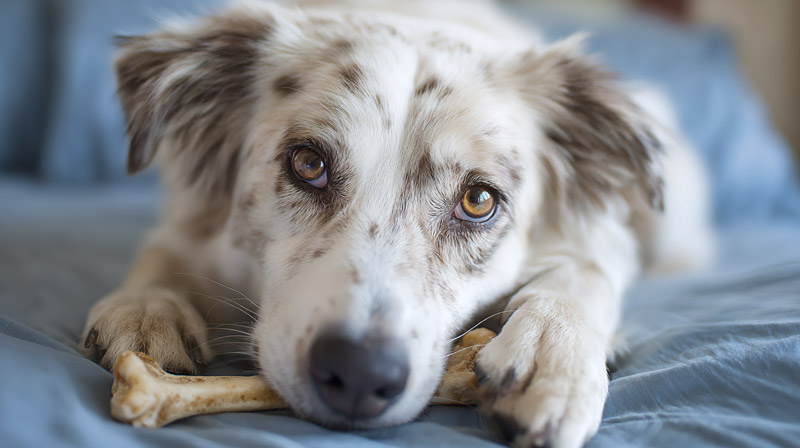
There’s no universal answer here, and anyone who gives you one is oversimplifying. The right frequency depends on the type of chew, your dog’s size, and their overall dental condition.
General Frequency Guidelines
Today’s Veterinary Practice notes that plaque recolonizes tooth surfaces within 24 hours of cleaning. Without homecare for one week, gingivitis can develop in some dogs. Within three weeks, it can affect all dogs.
That timeline tells you something important: dental chewing needs to happen often to make a difference.
Daily chewing: Softer dental chews like Greenies or vegetable-based options are designed for daily use. One per day, matched to your dog’s weight range.
3-4 times per week: Harder natural chews like bully sticks, yak cheese, and antlers work better on a rotation. These are calorie-dense and put more stress on teeth, so daily use is overkill for most dogs.
Calorie Budgeting
Veterinary nutritionists recommend that treats (including dental chews) make up no more than 10% of a dog’s daily caloric intake. A 6-inch bully stick packs around 88 calories. For a 20-pound dog eating roughly 600 calories a day, that’s already pushing the limit.
Reduce meal portions on days you give high-calorie chews. I cut my dog’s dinner by about a quarter-cup on bully stick days, and it keeps things balanced.
Age-Specific Considerations
Puppies: Teething puppies benefit from softer chews that soothe gums without damaging developing teeth. Chews specifically made for puppies are usually the right call. Avoid hard chews like antlers until your puppy’s adult teeth are fully in.
Adult dogs: This is the sweet spot for most natural dental chews. Rotate between types to keep things interesting and cover different areas of the mouth.
Senior dogs: Teeth get weaker with age. Stick with softer options like collagen sticks or appropriately sized bully sticks. Hard yak chews and antlers become riskier as dogs age. Look for softer alternatives like beef tendons that still provide chewing satisfaction. Managing how long your dog chews on hard options also matters more as they get older.
Do Veterinarians Recommend Natural Dental Chews
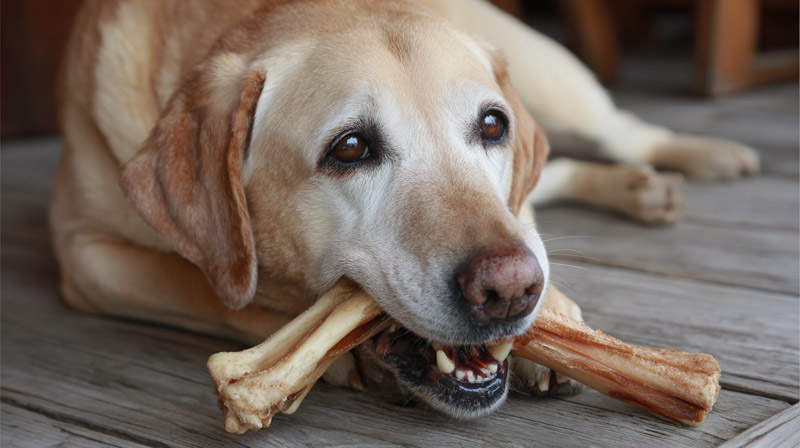
Short answer: most do, but with conditions. IntelMarketResearch data shows over 65% of veterinarians now recommend daily dental chews for dogs and cats to prevent periodontal disease.
The longer answer depends on the type of chew and the dog sitting in front of them.
What the VOHC List Actually Tells You
Only about 32 dog products have earned VOHC acceptance, according to dvm360. That’s out of thousands of dental chews on the market.
Most natural chews (bully sticks, raw bones, yak chews) aren’t on the list. Not because they failed testing, but because their manufacturers never submitted them. The VOHC process costs money and requires controlled clinical trials.
Greenies (Mars Petcare), Purina DentaLife, and OraVet all carry the seal. So does Hill’s Prescription Diet Dental Care. These are the products vets can point to with published efficacy data behind them.
Where Vets Draw the Line
Hard chews concern most veterinary dentists. Antlers, hooves, and large raw bones rank among the top causes of tooth fractures. The rule of thumb from veterinary sources: if you can’t indent it with your fingernail, it’s too hard.
The American Animal Hospital Association has endorsed the VOHC system, and its dental care guidelines recommend a multi-modal approach. Chewing alone won’t prevent gum disease. Brushing, professional cleanings, and water additives all play a role.
Vet-Recommended vs. Vet-Sold
There’s a difference worth knowing. Veterinary hospitals accounted for about 48.7% of distribution in the pet dental health market in 2024, per market data. Clinics sell dental products, and those products generate revenue.
That doesn’t make the recommendations invalid. But it does mean the products your vet stocks are usually from the big brands with VOHC testing. Natural options like grass-fed bully sticks or Himalayan yak chews rarely show up in clinic retail. Ask specifically about natural alternatives if that’s what you’re after.
Signs a Dental Chew Is Actually Working
You bought the chews. Your dog loves them. But are they actually doing anything for their teeth?
Banfield’s 2024 data found that only 20% of pet owners believed their dogs had any dental disease, while the clinical reality showed 73% of dogs actually did. Most of us aren’t great at spotting dental problems, which means we’re probably not great at spotting improvements either.
Visual Changes to Watch For
Gum color: Healthy gums are pink and firm. Red, swollen, or bleeding gums indicate gingivitis. If your dog’s gums look less inflamed after a few weeks of consistent chewing, that’s progress.
Tartar buildup: Look at the back molars and the canine teeth, where plaque hardens into tartar first. A yellowish-brown crust means buildup is winning. Reduced discoloration after regular dental chewing is a visible sign.
Breath: Bad breath is the most obvious symptom. But here’s the thing. Halitosis alone isn’t a reliable metric. Some dogs have mild gum disease with tolerable breath, and some healthy dogs just have stinky mouths after eating certain foods.
Realistic Timeline for Results
| Timeframe | What to Expect |
|---|---|
| 1–2 weeks | Fresher breath if using chews consistently |
| 3–4 weeks | Noticeable reduction in soft plaque on accessible teeth |
| 6–8 weeks | Visible difference in tartar levels on molars and canines |
| Ongoing | Maintenance effect only; chewing won’t reverse existing disease |
Today’s Veterinary Practice research notes that plaque recolonizes within 24 hours and gingival pockets can reinfect within two weeks without homecare. Consistency matters more than which brand you pick.
When Chews Aren’t Enough
Dental chews cannot reach below the gum line. That’s where periodontitis does its real damage.
Banfield data showed dogs with advanced periodontal disease were 2.3x more likely to develop chronic kidney disease and 6.3x more likely to develop endocarditis. A Purdue University study of 59,296 dogs confirmed this, finding that cardiovascular risk increased with periodontal severity. When disease reaches that stage, only a professional cleaning under anesthesia can address it. Natural chews support healthy teeth, but they don’t replace professional care.
Safety Risks With Natural Dental Chews
Every chew has trade-offs. Even the “safest” natural options carry risk if used incorrectly. I learned this the hard way when my dog cracked a premolar on a chew I assumed was fine.
Choking and Intestinal Blockage
The biggest safety concern across all chew types. The risk profile differs depending on the product:
- Bully sticks: Become a choking hazard once chewed down to a small nub that can be swallowed whole
- Raw bones: Can splinter into sharp fragments, especially cooked bones (never give cooked bones)
- Yak chews: Hard enough that broken-off chunks may not soften quickly in the stomach
Always take a chew away when it gets small enough to swallow. This is the single most important safety rule, and it applies to every chew type regardless of marketing claims. Knowing when to remove a chew from your dog can prevent emergency vet visits.
Bacterial Contamination
In October 2025, the FDA flagged Nature’s Own Pet Chews Bully Bites after samples tested positive for Salmonella. Best Buy Bones recalled four lots distributed through Wisconsin retailers.
This isn’t an isolated case. A Tufts University study found Salmonella, Clostridium difficile, and E. coli on store-bought bully sticks. The bacteria risk extends to humans who handle the chews, especially children and immunocompromised individuals.
Risk reduction steps: Wash hands after handling any natural chew. Store them in a sealed container. Buy from manufacturers with transparent sourcing and third-party testing.
Tooth Fractures
Hard chews rank among the top causes of dental emergencies in dogs. Antler safety is a real concern that splits opinion among vets. Same goes for split antler varieties, which expose the softer marrow but still present hard outer edges.
The WSAVA reports that roughly 10% of dogs experience cracked teeth with painful pulp exposure. High-risk items include antlers, hooves, and weight-bearing bones from large animals.
Size Matching
A chew sized for a Great Dane can break the jaw of a Pomeranian. A chew sized for a toy breed becomes an instant choking hazard for a Mastiff.
Always follow weight-range guidelines on packaging. If your dog falls between sizes, go up rather than down. Bigger is almost always safer.
How to Pick the Right Natural Dental Chew for Your Dog
All of the information above comes down to one question: which chew belongs in your dog’s mouth? The answer is specific to your dog.
Match the Chew to Bite Strength
| Dog Profile | Best Chew Types | Avoid |
|---|---|---|
| Small/toy breeds | Thin bully sticks, small collagen rolls, soft dental sticks | Antlers, large raw bones |
| Medium breeds | Standard bully sticks, medium yak chews, dental chews | Weight-bearing bones |
| Large/power chewers | Thick bully sticks, large yak chews, beef knuckle bones | Small chews of any kind |
| Senior dogs | Collagen sticks, soft dental treats, thin bully sticks | Hard antlers, hooves, hard yak chews |
Breeds like Boxers and Cane Corsos have jaw pressure that can crush most standard chews in minutes. Breeds like Cavalier King Charles Spaniels and Maltese need much gentler options, especially since small breeds face higher periodontal disease risk.
Allergy and Sensitivity Considerations
Dogs with protein allergies need careful selection. Bully sticks are beef-based. Yak chews contain dairy. Lamb ear chews bring a different protein into the rotation.
Rotate protein sources if your dog tolerates multiple proteins. If they don’t, stick with what works and add a plant-based dental chew (like Whimzees) for variety.
Turkey tendons and pig ears offer alternative protein options, though pig ears are higher in fat and not the best choice for dogs watching their weight.
Where to Buy and What to Look For
Pet specialty stores: Better selection of natural options. Staff usually knows the products. Higher price point but better quality control.
Online retailers: Wider variety, competitive pricing, subscription options. Read ingredient lists and check sourcing details before buying. Platforms like Chewy and Amazon carry everything from premium grass-fed bully sticks to bargain options of questionable origin.
Direct-from-brand: Often the freshest product with the most transparent sourcing. Brands like Earth Animal and Himalayan Dog Chew sell direct. Owning a dog is expensive enough without wasting money on chews that don’t work, so buying from trusted sources pays off.
Reading Labels
Look for: Single or minimal ingredients, country of origin (USA, New Zealand, and South America tend to have stricter sourcing), and specific protein identification (“beef collagen” not “animal by-product”).
Ignore: Vague marketing terms like “premium,” “gourmet,” or “vet-formulated” without VOHC backing or specific claims. The safest chews are the ones with the shortest, most specific ingredient lists.
Buy a variety pack first if you’re unsure what your dog prefers. Some dogs go crazy for bully sticks and ignore yak chews. Others want nothing to do with collagen but love jerky-style treats. Let the dog cast the deciding vote, then stock up on what they actually chew long enough to clean their teeth.
FAQ on Best Natural Dental Chews For Dogs
Do natural dental chews actually clean dogs’ teeth?
Yes. The mechanical scraping action of chewing removes soft plaque before it hardens into tartar. A Rutgers University study found bully sticks reduced oral bacteria by 60.2%, close to the effectiveness of brushing.
Are bully sticks safe for dogs?
Generally yes, when supervised. They’re fully digestible and single-ingredient. The main risks are choking once they get small and potential Salmonella contamination from poorly sourced products. Always remove the nub before your dog swallows it.
How often should I give my dog a dental chew?
Softer dental treats work daily. Harder natural chews like yak cheese or bully sticks are better 3-4 times per week. Adjust meal portions accordingly since most chews add significant calories.
What is the VOHC seal on dental chews?
The Veterinary Oral Health Council awards its seal to products proven to reduce plaque or tartar by at least 20% in clinical trials. Only about 32 dog products currently carry the seal. Most natural chews haven’t been submitted for testing.
Can dental chews replace brushing my dog’s teeth?
No. Dental chews can’t reach below the gum line where periodontal disease does its worst damage. Think of chews as a supplement to brushing and professional veterinary cleanings, not a replacement for either.
Are rawhide chews natural?
Rawhide comes from animal hides but undergoes heavy chemical processing, including bleaching and preservation with salts. It’s poorly digestible and poses choking and intestinal blockage risks. Most vets recommend natural alternatives like collagen sticks instead.
Which natural dental chews are best for small dogs?
Thin bully sticks, small collagen rolls, and appropriately sized dental sticks work best. Small breeds face up to five times higher periodontal disease risk than large breeds, so consistent dental chewing matters even more for them.
Are antler chews good for dogs’ teeth?
Antlers provide long-lasting chewing but are extremely hard. They rank among top causes of tooth fractures in dogs. If you can’t indent the chew with your fingernail, it’s likely too hard for safe daily use.
What ingredients should I avoid in dental chews?
Skip products with BHA, BHT, xylitol (toxic to dogs), added sugars, corn syrup, and vague labels like “natural flavors” or “meat by-products.” The shortest ingredient list is usually the safest choice.
How do I know if a dental chew is working?
Check for reduced tartar on the back molars, healthier pink gums, and fresher breath over 4-6 weeks of consistent use. If you see no improvement, schedule a vet dental exam. Existing disease needs professional treatment.
Conclusion
Picking the best natural dental chews for dogs comes down to knowing your dog. Their jaw strength, size, age, and any protein sensitivities all shape the right choice.
No single chew fixes everything. Bully sticks handle plaque removal well. Yak cheese gives aggressive chewers extended gnawing time. Collagen sticks work for senior dogs with weaker teeth.
Skip the rawhide. Read ingredient lists. Look for the VOHC seal when buying commercial options, and buy from transparent brands when going the single-ingredient route.
Pair whatever you choose with regular brushing and professional dental cleanings. Periodontal disease affects the majority of adult dogs, and dental chews alone won’t stop it once it starts.
Start with a variety pack. Let your dog decide what they’ll actually chew long enough to make a difference. Then build a consistent oral care routine around it.