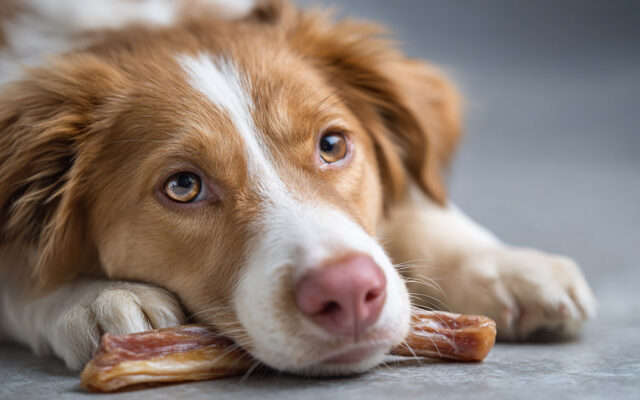
My dog’s treat bag used to have an ingredient list longer than my grocery receipt. That changed the day our vet suggested an elimination diet and I realized I couldn’t identify half the stuff in those “natural” snacks.
One ingredient dog treats solve that problem. One protein or one whole food, processed through freeze-drying or dehydrating, with nothing else added. No fillers, no glycerin, no mystery additives.
This guide covers what qualifies as a true single ingredient treat, which proteins and plant-based options work best, how to make them at home, and which brands actually deliver on the promise of a clean label. Whether you’re managing food allergies, training a new puppy, or just want to know exactly what your dog is eating, everything you need is here.
What Are One Ingredient Dog Treats?
One ingredient dog treats are exactly what they sound like. A single whole food source, nothing else. No fillers, no glycerin, no preservatives, no binding agents tucked into the fine print.
My dog’s treat bag used to read like a chemistry textbook. Took me a while to realize that “natural flavoring” and “meat byproducts” were doing a lot of heavy lifting on those labels.
The concept is simple. Take one protein or one plant food, process it through freeze-drying, dehydrating, or air-drying, and package it. That’s the entire ingredient list.
How to Tell if a Treat Is Truly Single Ingredient
Flip the bag over. The ingredient panel should list one item. Beef liver. Chicken breast. Sweet potato. If you see anything else, even something harmless-sounding like “mixed tocopherols” or “rosemary extract,” it’s not a true single ingredient treat.
Some brands market themselves as “limited ingredient” but still sneak in glycerin as a humectant or citric acid as a preservative. These aren’t the same thing.
According to the AAFCO, pet food labels must list ingredients in descending order by weight. A genuinely single ingredient product makes this easy to verify.

Common Forms You’ll Find
| Form | Process | Texture |
|---|---|---|
| Freeze-dried | Flash-frozen, then moisture removed via sublimation | Light, crumbly |
| Dehydrated | Low heat over extended time | Chewy to crisp |
| Air-dried | Circulated air at controlled temperatures | Dense, jerky-like |
| Raw | Unprocessed, kept refrigerated or frozen | Soft, moist |
Freeze-dried treats tend to retain the most nutrients because the process skips heat entirely. Dehydrated options last longer on the shelf and hold up better in a treat pouch.
The freeze-dried pet food market was valued at roughly $2.6 billion in 2023 and is growing at about 5.4% annually, according to Grand View Research. That growth tells you something about where pet owners are putting their money.
Why Dog Owners Choose Single Ingredient Treats

People don’t switch to single ingredient dog snacks because they’re trendy. They switch because something went wrong with their dog’s health and they got tired of guessing which ingredient caused the problem.
Food Allergies and Elimination Diets
Here’s the thing most people don’t realize. True food allergies are actually uncommon in dogs. PetMD reports that only about 0.2% of dogs are genuinely affected by food allergies, though the number climbs to around 6% among dogs with skin conditions.
BMC Veterinary Research found that beef is the top allergen, responsible for 34% of food allergy cases in dogs. Dairy comes in at 17%, chicken at 15%.
When a vet suspects a food allergy, the standard protocol is an elimination diet lasting 8 to 12 weeks. During that time, the dog eats only a prescribed diet, and every treat must align with that restriction. Single ingredient treats made from a novel protein (something the dog hasn’t eaten before) become one of the few safe reward options during this process.
If you’re dealing with a dog who has a sensitive stomach, these treats make the detective work a lot easier.
Transparency and Trust
Reading pet food labels shouldn’t require a biochemistry degree. But for a lot of commercial treats, it basically does.
OC&C Strategy Consultants reported that single-ingredient pet food products have been gaining serious traction, with brands like Nacho Eats hitting roughly 60% annual growth between 2021 and 2023. The clean label movement is driving this. Pet owners want treats where what you see on the label is exactly what’s inside the bag.
One ingredient means one ingredient. No interpreting vague terms like “animal digest” or “poultry meal.” You know exactly what your dog is eating.
Vet Recommendations for Specific Conditions
Dogs with pancreatitis need low-fat options. Dogs with IBD need easily digestible proteins. Dogs with kidney issues need controlled phosphorus intake.
Single ingredient treats let you control exactly what goes in. A dehydrated chicken breast has a known nutritional profile. A multi-ingredient commercial treat with 15 components? Much harder to manage around a specific health condition.
The American Kennel Club notes that food allergies are diagnosed in up to one-fourth of dogs showing allergic skin reactions. For those dogs, simple treats aren’t a preference. They’re a medical requirement.
Best Meat-Based One Ingredient Dog Treats
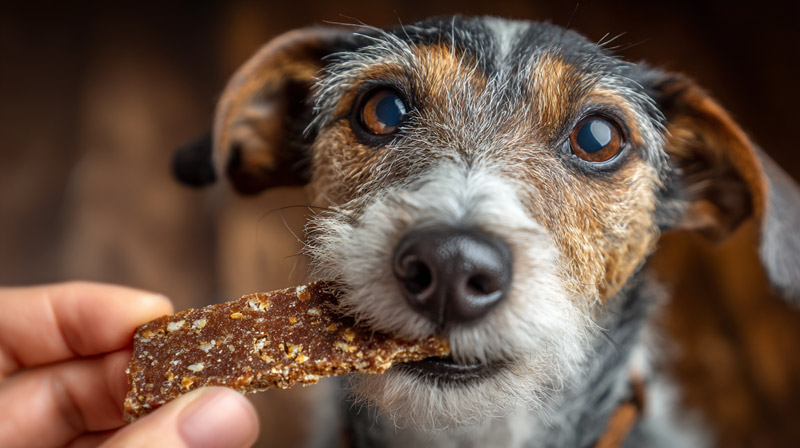
Meat-based single ingredient treats are the workhorses of the category. High protein, high palatability, and most dogs go absolutely bonkers for them.
US dog treat sales hit $4 billion in 2024, up 2.1% from the prior year, according to Pet Food Processing. Freeze-dried and jerky treats are the fastest-growing subcategory within that market, expanding at an 8.8% compound annual growth rate through 2030 (Mordor Intelligence).
Freeze-Dried Beef Liver
This is the gold standard for training treats and probably the single most popular one ingredient option on the market. My dog can smell these through a zipped pocket.
Why it works: Extremely high value reward, strong aroma, breaks apart easily into small training pieces. Professional dog trainers have been using freeze-dried liver for decades because nothing gets a dog’s attention faster.
PureBites and Stewart Pro-Treat are two of the most widely available brands in this category. Both list beef liver as the sole ingredient.
Dehydrated Chicken Breast
Chicken breast strips are the entry point for most people trying single ingredient treats. They’re affordable, available everywhere, and dogs that aren’t allergic to poultry tend to love them.
The texture after dehydration is chewy and dense. Good for dogs that like to work on a treat for a few minutes rather than inhale it.
One thing to watch. Chicken is one of the top three allergens in dogs. If your dog has itchy skin or recurring ear infections and eats chicken regularly, this might not be the best pick. If you’re looking for other healthy dog treat options, there are plenty of alternatives worth exploring.
Less Common Protein Options
Lamb lung: Light, airy texture after dehydration. Low in fat compared to other organ meats. Good option for dogs on weight management plans.
Turkey hearts: Freeze-dried turkey hearts are nutrient-dense and work well for medium to large dogs. The size makes them a natural single-serving treat.
Bison liver: A novel protein for most dogs, which makes it useful during elimination diets. Less commonly found in regular dog food, so fewer dogs have developed sensitivities to it.
Vital Essentials offers a wide range of freeze-dried raw treats across these proteins, including some more exotic options like rabbit and duck.
Freeze-Dried vs. Dehydrated Meat Treats
| Factor | Freeze-Dried | Dehydrated |
|---|---|---|
| Nutrient retention | Higher (no heat used) | Moderate (low heat applied) |
| Texture | Crumbly, light | Chewy, dense |
| Shelf life | 12–18 months typical | Often longer |
| Price point | Higher | Lower |
Most dogs don’t care about the science. They care about the smell. But if you’re picking between the two for a dog with digestive issues, freeze-dried tends to be gentler on the stomach because the cellular structure of the food stays more intact.
Best Fish-Based One Ingredient Dog Treats
Fish treats fill a specific gap that meat-based options can’t. They’re loaded with omega-3 fatty acids, and for dogs allergic to common proteins like beef or chicken, fish is often the workaround.
Dried Salmon Skin Rolls
These are basically the longest lasting chews in the single ingredient fish category. The skin is rolled tight and dehydrated until it’s crunchy enough to keep a dog occupied for a while.
Omega-3 content is the real selling point here. Salmon skin is one of the most concentrated natural sources of EPA and DHA, which support coat health, joint function, and brain development in puppies.
Dehydrated Cod Skins and Whole Sardines
Cod skins are thinner and crispier than salmon skins. They work better for smaller dogs or as a quick reward rather than an extended chewing session.
Freeze-dried minnows and sardines fall into the whole-prey treat category. The dog eats the entire fish, bones and all. Sounds weird if you’ve never tried it, but the bones are tiny and fully digestible after freeze-drying. These provide calcium and phosphorus alongside the protein.
Sourcing Considerations
Not all fish treats are equal when it comes to mercury and heavy metals. Smaller fish (sardines, minnows, anchovies) accumulate far less mercury than larger species like tuna or swordfish.
Wild-caught sourcing matters here more than with most other treat types. Look for brands that specify the origin. Alaskan salmon or Atlantic cod from sustainable fisheries are generally safer bets than generic “fish” with no sourcing information.
The global pet treats market reached $31.55 billion in 2025, according to Mordor Intelligence, with specialty products like single-protein fish treats carving out a growing niche within that number.
Fruit and Vegetable One Ingredient Dog Treats
Not every treat needs to be a protein bomb. Plant-based single ingredient options are lower in calories and work well as everyday snacks for dogs that don’t need the extra protein hit.
Dehydrated Sweet Potato Chews
Sweet potato is probably the most popular plant-based dog treat ingredient, and for good reason. It’s naturally sweet, high in fiber, and holds up well after dehydrating.
Wholesome Pride built a whole brand around this concept. Their sweet potato chews contain one ingredient. That’s it.
Best for: Dogs on low-fat diets, overweight dogs needing a satisfying chew without the calorie density of meat treats, or dogs that need a grain-free option.
Freeze-Dried Fruits
Freeze-dried blueberries make surprisingly good training treats. They’re tiny, easy to handle, and packed with antioxidants. My dog treats them like candy.
Banana chips (no sugar added, obviously) and dried apple slices also work. But be careful with portions. Fruit contains natural sugars, and too much can upset a dog’s stomach.
Fresh Options That Count
Raw carrots. Sliced cucumbers. Watermelon chunks with the seeds removed. These technically qualify as single ingredient treats, and they cost almost nothing.
Frozen pumpkin cubes are a summer favorite in my house. Just puree plain canned pumpkin (not pie filling) into silicone molds and freeze.
Toxic fruits and vegetables to avoid: grapes, raisins, onions, garlic, avocado, and anything containing xylitol. This isn’t an exhaustive list, so check with your vet before introducing anything new.
One Ingredient Dog Treats You Can Make at Home

Store-bought single ingredient treats work fine. But making them yourself costs less and gives you total control over sourcing and freshness.
APPA data shows Americans spent $65.8 billion on pet food and treats in 2024. If even a fraction of those treat dollars shifted to homemade options, that’s real savings for families already stretched by the overall cost of owning a dog.
Oven-Dried Chicken Breast Strips
Set your oven to 200 degrees Fahrenheit. Slice boneless, skinless chicken breast into strips about a quarter-inch thick. Place on a parchment-lined baking sheet.
Bake for 2 to 2.5 hours, flipping once halfway through. The strips should be completely dry with no moisture remaining. Let them cool on a wire rack.
No seasoning. No oil. No salt. Just chicken. Store in an airtight container in the fridge for up to two weeks, or freeze for longer storage.
Dehydrator Method for Beef Liver
A food dehydrator does the job more efficiently than an oven, especially for organ meats. Slice beef liver into thin, uniform pieces (about an eighth of an inch thick).
Set the dehydrator to 155 degrees Fahrenheit and run it for 8 to 10 hours. The finished product should snap cleanly when you bend it.
Nesco and Excalibur are two popular dehydrator brands among pet owners who make treats regularly. The Nesco models tend to be cheaper. Excalibur units give you more tray space and better airflow control.
Frozen Treats for Summer
Frozen watermelon cubes. Frozen blueberries. Pumpkin puree frozen in ice cube trays. These take about five minutes of prep and dogs love them when it’s hot out.
You can also freeze plain bone broth (no onions, no garlic, no salt) in silicone molds for a treat that takes longer to finish. Good for dogs that need mental stimulation, or breeds like the Labrador Retriever that tend to eat everything at top speed.
Storage and Food Safety
Homemade treats don’t contain preservatives, so they spoil faster.
- Refrigerate oven-dried or dehydrated treats in airtight containers (up to 2 weeks)
- Freeze for longer storage (up to 3 months)
- Ensure internal temperature during cooking reaches at least 165 degrees F for poultry
- Avoid adding any seasoning, oils, or marinades
When in doubt, smell it. If a homemade treat smells off or shows any signs of mold, toss it. Your dog’s gut isn’t as bulletproof as they’d like you to believe.
How to Use One Ingredient Treats for Training
Training treats need to be small, smelly, and fast to eat. Single ingredient options check all three boxes, which is why professional trainers have relied on them for years.
APOP’s 2023 survey found that 58% of dog owners give treats more than once a day, with training cited as the top reason for daily treat-giving in dogs.
High-Value vs. Low-Value Treats
High-value: Freeze-dried beef liver, dehydrated chicken hearts, lamb lung. These are the treats you pull out when you need your dog’s full attention. Recall training, new environments, working around distractions.
Low-value: Freeze-dried blueberries, dehydrated sweet potato pieces, plain kibble from the daily food allotment. Fine for reinforcing behaviors your dog already knows well.
The difference matters. Using high-value treats for everything dulls their effect over time.
Portion Control During Training Sessions
Both the WSAVA and AAHA recommend that treats should not exceed 10% of a dog’s daily caloric intake. The remaining 90% needs to come from complete, balanced food.
For a 40-pound dog eating around 800 calories a day, that’s roughly 80 calories from treats. A single piece of freeze-dried beef liver runs about 5 to 8 calories, so you’ve got room for 10 to 16 pieces per day.
Break treats into smaller pieces for repetition-heavy sessions. My dog doesn’t care if the liver chunk is the size of a pea or a marble. Same enthusiasm either way.
Why Freeze-Dried Liver Dominates Training
| Trait | Why It Matters for Training |
|---|---|
| Strong aroma | Gets attention even in distracting environments |
| Crumbly texture | Breaks into tiny pieces easily |
| Quick to eat | No chewing delay between repetitions |
| Low moisture | Will not make a mess in your treat pouch |
Breeds with strong food drive, like Golden Retrievers and Beagles, respond especially well to freeze-dried liver during puppy training sessions.
How to Pick the Right One Ingredient Treat for Your Dog
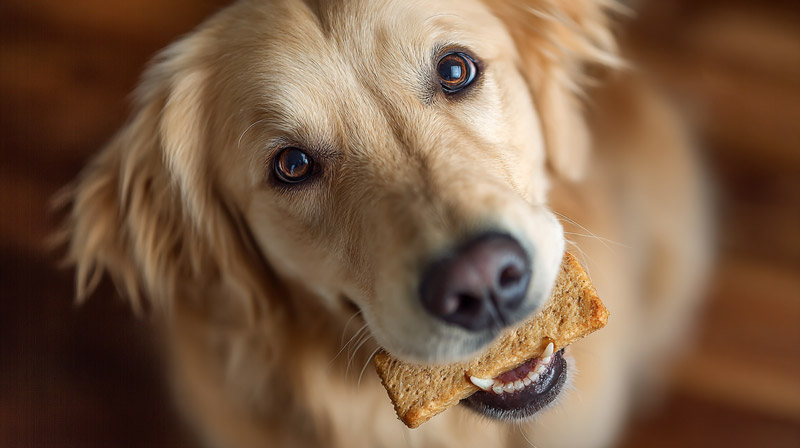
Not every single ingredient treat works for every dog. Age, size, health conditions, and even chewing style all factor into what you should grab off the shelf.
The Association for Pet Obesity Prevention’s 2022 survey classified 59% of dogs as overweight or obese. Treat selection plays a direct role in that number, especially when owners don’t account for calorie density differences between treat types.
Matching Treats to Life Stage
Puppies: Stick with softer textures. Freeze-dried options that crumble easily work best. Avoid hard chews that could damage developing teeth. Look for puppy-appropriate proteins and check that the treat isn’t too large for their mouth. Here are some safe chew options for puppies to consider.
Adults: Most single ingredient treats are fair game. Match protein choice to any known sensitivities and adjust portions based on activity level.
Seniors: Dental issues are common. Dehydrated jerky can be too tough for older dogs with worn teeth. Freeze-dried treats or soft air-dried options work better. Dogs with breed-specific health conditions may need treats approved by their vet.
Treats for Dogs on Elimination Diets
Novel proteins are the key here. If your dog has eaten chicken, beef, and lamb their whole life, those are off the table during an elimination diet trial.
- Venison, bison, rabbit, or duck are common novel protein choices
- Vital Essentials and Stella & Chewy’s both offer single ingredient treats in these proteins
- Make sure the treat is truly a single ingredient, not just “limited ingredient” (which can still contain multiple components)
A BMC Veterinary Research review found that unlabeled ingredients were detected in up to 45% of pet foods tested, including those marketed as “novel” or “limited” ingredient. Prescription treats from your vet are the safest bet during a formal diet trial.
Size and Breed Considerations
A Chihuahua and a Great Dane shouldn’t be eating the same sized treat. Sounds obvious, but a lot of people just grab one bag and call it done.
Small dogs need smaller pieces because their daily calorie budgets are tiny. A 10-pound dog might only need 350 calories total. That 10% treat allowance is just 35 calories. Two big liver treats and you’ve already blown past it.
Large and giant breeds, on the other hand, can handle bigger chews like natural chew options alongside their single ingredient snacks.
Common Problems with One Ingredient Dog Treats

These treats aren’t perfect. Knowing the downsides helps you decide whether the trade-offs are worth it for your dog.
Shorter Shelf Life
No preservatives means faster spoilage. That’s the trade you make for a clean ingredient list.
Freeze-dried treats generally last 12 to 18 months unopened. Once you break the seal, that window shrinks. Dehydrated treats can go longer if they’re completely dry, but moisture is the enemy either way.
Store them in airtight containers, away from heat and light. In humid climates, toss a food-safe desiccant packet in the bag.
Price Per Bag
Single ingredient treats cost more than conventional ones. The freeze-dried pet food market alone hit $916 million in US sales in 2024 (Grand View Research), and those premium price points reflect the cost of specialized processing.
A bag of PureBites freeze-dried beef liver runs roughly $12 to $15 for 4 ounces. A similar-sized bag of standard multi-ingredient training treats might cost $6 to $8. That’s nearly double.
Homemade treats cut this cost significantly if you’re willing to put in the time.
Texture and Crumbling Issues
Freeze-dried liver turns into powder at the bottom of the bag. That’s just how it goes. The crumbly texture that makes it great for training also means you’ll lose some to dust.
Some dogs flat out refuse certain textures or proteins. My neighbor’s French Bulldog won’t touch fish treats. Acts like they’re an insult. But goes wild for anything chicken-based.
Misleading “Single Ingredient” Marketing
This is the one that really gets me. Some brands label their product as “single ingredient” on the front of the package, then list glycerin, citric acid, or rosemary extract on the back.
A BMC Veterinary Research review of pet food labeling accuracy found that between 33% and 83% of products marketed with “novel” or “limited” ingredients contained unlabeled species. The pet food industry has a real transparency problem, even among brands that position themselves as clean and simple.
Read the back label. Every time.
Brands That Sell One Ingredient Dog Treats

These are widely available brands that genuinely list a single ingredient on their treat packaging. Not “limited ingredient.” Not “simple recipe.” Actual one ingredient products.
The US dog treat market reached $4 billion in 2024, according to Pet Food Processing, and the freeze-dried and jerky subcategory is driving most of the growth. These brands are leading that shift.
PureBites
Probably the most recognized name in single ingredient treats. Their freeze-dried line includes beef liver, chicken breast, duck, lamb, and shrimp. Each bag lists one ingredient.
Available at PetSmart, Petco, Amazon, and Chewy. Pricing sits in the mid-range for the category.
Stewart Pro-Treat
The original freeze-dried liver treat. Stewart has been making these since before “single ingredient” was a marketing buzzword. Their beef liver and chicken liver options are staples in professional dog training circles.
They sell in resealable tubs, which solves the crumbling problem better than most bag-style packaging.
Wholesome Pride and Vital Essentials
| Brand | Specialty | Best Known For |
|---|---|---|
| Wholesome Pride | Plant-based, single ingredient | Sweet potato, banana bites |
| Vital Essentials | Freeze-dried raw proteins | Rabbit, duck, turkey, minnows |
Wholesome Pride fills the gap for dog owners who want a low-calorie, grain free single ingredient treat that isn’t meat-based. Good option for overweight dogs or dogs on restricted fat diets.
Vital Essentials goes the other direction. Their freeze-dried raw line reads like a butcher’s menu. They offer some of the widest protein variety in single ingredient treats, including novel proteins like rabbit, which is useful for dogs on elimination diets.
The Honest Kitchen
Known primarily for dehydrated dog food, but their treat line follows the same philosophy. Single-protein options in beef, chicken, and fish.
The Honest Kitchen uses human-grade ingredients, which means their products are manufactured in facilities that meet FDA standards for human food production. That’s a step above most pet treat manufacturers in terms of quality control.
Where to Buy
- Pet specialty stores: PetSmart, Petco (best for browsing and comparing in person)
- Online: Amazon, Chewy (widest selection, subscription discounts often available)
- Direct from brand: Some brands sell on their own websites with loyalty programs
Chewy’s autoship discount typically runs 5% to 10% off per order. If you’re buying freeze-dried liver regularly, that adds up. Mordor Intelligence data shows online pet treat sales growing at 9.1% annually, making it the fastest-expanding distribution channel in the category.
FAQ on One Ingredient Dog Treats
What counts as a one ingredient dog treat?
A treat made from a single whole food source with nothing else added. No preservatives, no binding agents, no glycerin. The ingredient panel should list exactly one item, like beef liver or sweet potato.
Are single ingredient treats good for dogs with allergies?
Yes. They’re ideal for dogs on elimination diets because you can isolate exactly which protein your dog is eating. Vets often recommend novel protein single ingredient treats during food allergy trials lasting 8 to 12 weeks.
What is the best single ingredient treat for training?
Freeze-dried beef liver. It has a strong smell, breaks apart easily into small pieces, and dogs find it highly motivating. Most professional dog trainers consider it the gold standard for positive reinforcement training.
Can puppies eat one ingredient treats?
Yes, but choose softer options. Freeze-dried treats that crumble easily work best for puppies. Avoid hard dehydrated chews that could damage developing teeth. Always cut or break treats into puppy-appropriate sizes.
How should I store single ingredient dog treats?
In an airtight container, away from heat and moisture. Refrigerate homemade treats and use them within two weeks. Store-bought freeze-dried treats typically last 12 to 18 months unopened but less once the seal is broken.
Are freeze-dried treats better than dehydrated ones?
Freeze-dried treats retain more nutrients because the process skips heat. Dehydrated treats are chewier and often last longer on the shelf. Neither is strictly better. It depends on your dog’s texture preferences and your budget.
How many single ingredient treats can I give my dog per day?
Treats should not exceed 10% of your dog’s daily calories, according to WSAVA and AAHA guidelines. For a 40-pound dog eating 800 calories daily, that’s about 80 calories from treats. Break them into small pieces to stretch further.
Do one ingredient treats expire faster than regular treats?
Generally, yes. Without preservatives, they have a shorter shelf life than conventional treats loaded with additives. Proper storage matters more with these products. Check for mold, off smells, or unusual texture changes before feeding.
Can I make single ingredient dog treats at home?
Absolutely. Oven-dried chicken breast strips and dehydrated beef liver are simple to make. A food dehydrator like a Nesco or Excalibur makes the process easier. No seasoning, no oil, just the single protein source.
Why are one ingredient treats more expensive?
Freeze-drying and careful processing cost more than mass-producing multi-ingredient kibble treats. You’re also paying for ingredient transparency and the absence of cheap fillers. Homemade versions can cut costs significantly if you buy protein in bulk.
Conclusion
One ingredient dog treats strip away the guesswork that comes with reading complicated pet food labels. What you see is what your dog gets.
Whether you’re working through a food allergy diagnosis with your vet, managing weight with low calorie options, or just want a high-value training reward you can trust, these treats deliver on simplicity.
Brands like PureBites, Vital Essentials, and Wholesome Pride make it easy to find freeze-dried and dehydrated options across proteins and plant-based choices. And if the price bothers you, a basic food dehydrator pays for itself within a few batches of homemade beef liver treats.
Check the label every time. If it lists more than one item, it’s not what you’re looking for. Your dog deserves that level of honesty in their food.