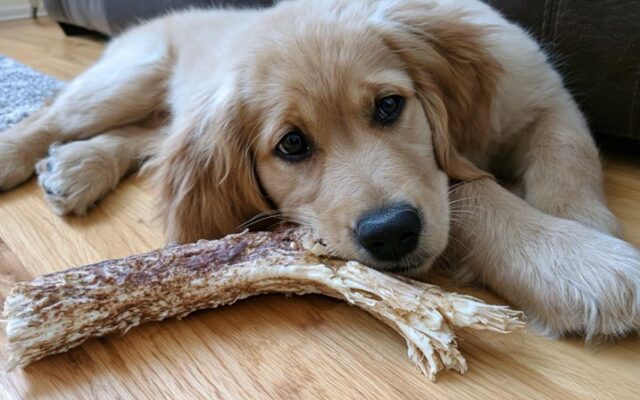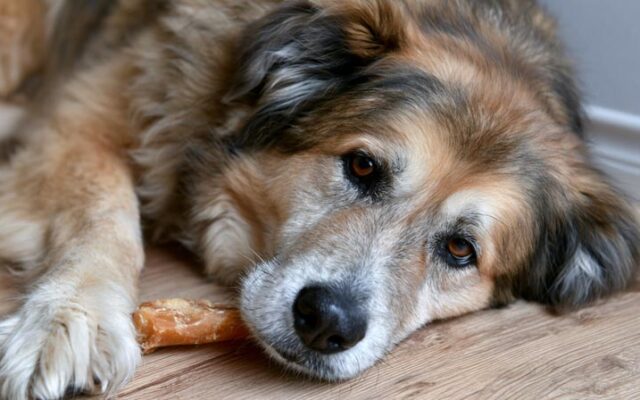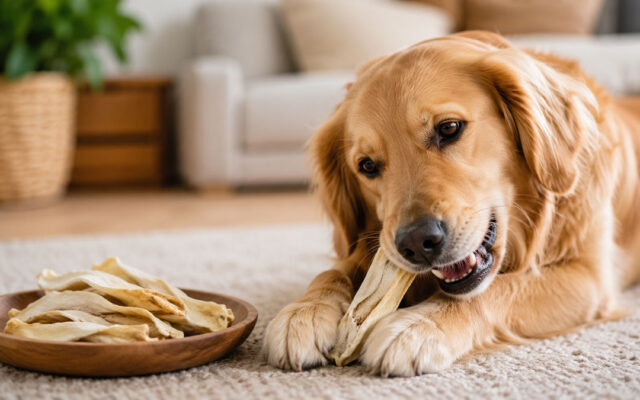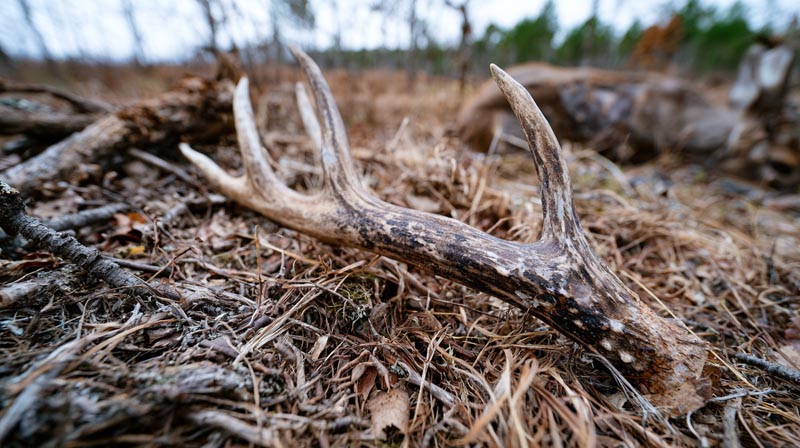
That antler keeping your dog busy might be doing more damage than you think.
Knowing when to take antler away from dog is one of the most overlooked parts of safe chew supervision. Most owners pull it when it gets small. Few know the other 6 removal triggers that matter just as much.
Tooth fracture prevalence in dogs runs between 20% and 27%, and antlers are among the most common causes, according to veterinary dental research. The damage often happens silently, with no obvious signs until a vet finds it.
This guide covers every signal that means the antler needs to go: hardness, size, splinter risk, session length, age, and contamination.
What Is a Safe Antler Chew for Dogs?
A safe antler chew is one that matches your dog’s jaw strength, is large enough to prevent swallowing, and passes the thumbnail press test. If you can’t press your thumbnail into the surface and leave a dent, the antler is too hard.
Not all antlers for dogs carry the same risk level. Type, cut, and density all determine whether a chew session stays safe or ends with a vet visit.
| Antler Type | Density | Splinter Risk | Best For |
|---|---|---|---|
| Whole elk antler | Moderate | Low | Moderate to heavy adult chewers |
| Split elk antler | Low (exposed marrow) | Very low | Beginners and softer chewers |
| Whole deer antler | High | High | Aggressive adult chewers only |
| Split moose antler | Very low | Very low | Senior dogs and lighter chewers |
Deer antlers are denser than elk and carry a higher fracture and splinter risk (Tibetan Dog Chew, 2024). Elk antler is approximately 30 to 40% less dense than deer antler at equivalent piece size, which makes it the safer starting point for most dogs (Heartland Antlers, 2025).
Size relative to the dog matters just as much as species. The antler must be longer than the dog’s lower jaw and thick enough that it can’t fit between the back molars. Anything smaller becomes a choking hazard.
What Does a “Safe” Grade of Antler Look Like?
Grade A+ antlers are fresh, brown, and dense. They account for less than 5% of all shed antlers on the market (Mountain Dog Chews, 2016).

White or chalky antlers are weathered, brittle, and prone to unpredictable splintering. Those are the ones to throw out immediately, or never buy in the first place.
- Brown surface color: fresh, high mineral density
- Chalky white surface: aged, brittle, high splinter risk
- Chemical smell or bright color: dyed or treated, avoid entirely
The Thumbnail Press Test
Press your thumbnail firmly into the antler surface. If it leaves no mark at all, the chew is too hard for safe chewing (Cornell University College of Veterinary Medicine, 2024).
VCA Animal Hospitals and the American Veterinary Dental College both use this as the baseline test. It takes two seconds and it’s the most reliable quick check a dog owner can do before handing anything over.
When Is an Antler Too Hard for a Dog to Chew Safely?
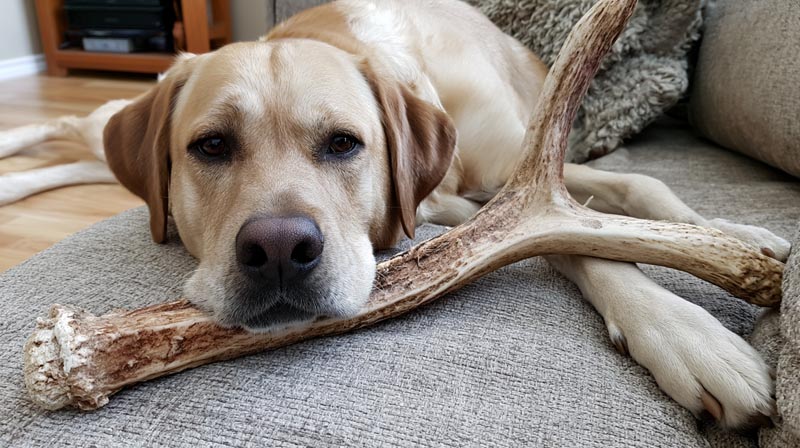
An antler is too hard the moment the thumbnail test fails. That’s the line. Every other signal is secondary to that one check.
Tooth fracture in dogs has a reported prevalence of 20% to 27%, and many owners have no idea their dog has a fractured tooth until a vet finds it during a routine cleaning (Vettimes, 2022). Antlers are one of the most common causes, specifically targeting the carnassial teeth in the back of the mouth.
Which Teeth Break First
The upper 4th premolar (carnassial tooth) is the most frequently fractured tooth from hard chews. It’s the largest shearing tooth in the dog’s mouth, and it’s exactly where dogs position hard objects to bite down.
According to Today’s Veterinary Practice (2024), antlers have become one of the most common causes of carnassial tooth fractures in clinical settings. Dogs most often fracture these teeth by positioning the antler between the back molars and applying their full bite force.
Bite force in dogs ranges from 13 to 1,394 Newtons depending on size and breed (Lindner et al., 1995). The maximum force the carnassial tooth can sustain before fracturing is between 494N and 630N. For large breeds, their bite force can easily exceed this threshold.
What Tooth Fractures from Antlers Look Like
A dog with a fractured tooth often shows no obvious signs at first. Dogs are good at hiding oral pain.
Watch for these 4 behavioral signals:
- Avoiding food on one side of the mouth
- Dropping hard kibble or treats mid-chew
- Pawing at the face or mouth after eating
- Suddenly losing interest in chews they used to love
Tufts Cummings School of Veterinary Medicine notes that pets rarely stop eating entirely from oral pain, which means owners can miss a fracture for weeks. By the time a dog shows obvious discomfort, the tooth may already be infected.
Which Dog Breeds Face the Highest Risk
Heavy chewer breeds drive the most antler-related fractures. Their jaw muscle mass generates bite forces that routinely exceed what any hard chew can safely absorb.
The highest-risk breeds include the Rottweiler, German Shepherd Dog, and American Pit Bull Terrier. These dogs are not candidates for whole antler chews regardless of age or dental health.
Breeds like the Labrador Retriever and Golden Retriever tend to be enthusiastic chewers too, though their bite mechanics differ. The issue isn’t just raw force. It’s the habit of moving a hard object to the back of the mouth and clamping down.
When Does Antler Size Require Removal?
Remove the antler the moment any piece becomes small enough to fit entirely past the back molars. At that point, the choke and obstruction risk outweighs any benefit.
Gastrointestinal blockages from antler fragments require emergency surgery in many cases. Veterinary reports describe fragments blocking both the stomach exit and intestinal tract (Pet Expertise, 2024). Neither location is safe, and neither resolves on its own.
The Size Rule
The antler must always be larger than the dog’s muzzle width. That’s the simplest working rule for safe sizing.
A more precise check: hold the antler next to your dog’s lower jaw. If the antler is shorter than the jaw is long, it can be angled into the throat. Size up immediately.
| Dog Size | Remove When Antler Reaches | Reason |
| Small (under 25 lbs) | Shorter than 4 inches | Fits past soft palate |
| Medium (25–60 lbs) | Shorter than 5–6 inches | Swallow risk increases sharply |
| Large (60+ lbs) | Shorter than 7–8 inches | Back molars can grip and swallow the whole piece |
Gulping Behavior as an Immediate Signal
Some dogs switch from chewing to gulping as the antler gets smaller. That shift in behavior is a hard stop.
If your dog starts working the antler toward the back of the throat rather than chewing it laterally, take it away immediately. This is especially common in food-motivated breeds like the Beagle, Labradoodle, and Cocker Spaniel.
Smaller breeds face a compounded risk. An antler piece that a large dog could pass may fully obstruct the intestinal tract of a small dog. Dr. Buzby’s ToeGrips (2024) notes that ingested antler pieces that cannot break down may require surgical removal, with obstruction procedures costing between $3,000 and $7,000.
What Are the Signs a Dog Should Stop Chewing an Antler Immediately?
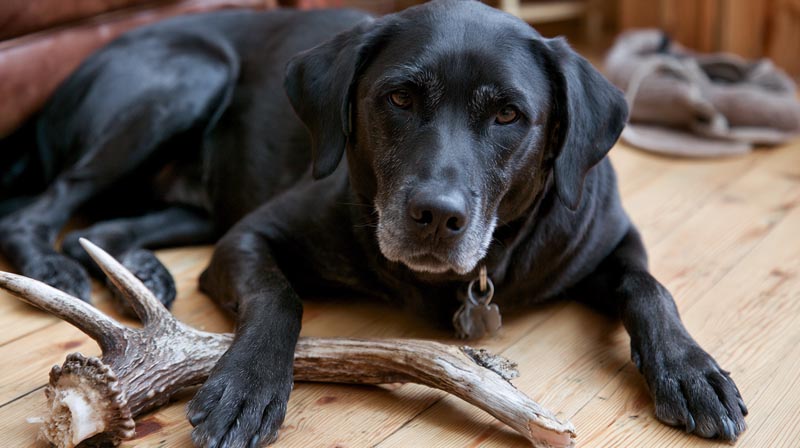
Take the antler away the moment any of these appear. Don’t wait to see if the problem resolves on its own. It won’t.
A study found that 1 in 4 animals presented for a dental cleaning has a traumatic dental injury, and 50% of those are fractured or broken teeth (Dr. Buzby’s ToeGrips, 2024). Most owners didn’t know until the vet found it.
Physical Warning Signs During a Chew Session
Bleeding gums are the clearest immediate signal. Even minor gum bleeding during an antler session means the surface is cutting tissue. Stop the session and inspect the mouth.
Other physical signs that require stopping immediately:
- Visible crack or fracture in a tooth surface
- Audible cracking sounds coming from the antler
- Sharp longitudinal splits appearing along the antler shaft
- Excessive drooling with no prior pattern of it
Behavioral Warning Signs
Dogs can’t tell you the chew hurts. Watch the behavior instead.
Sudden loss of interest in an antler a dog previously loved is often the first sign of tooth pain. The American Veterinary Dental College notes that clinical signs of a fractured tooth include preference for soft food, lip licking, pawing at the face, and decreased interest in chew toys (Today’s Veterinary Practice, 2022).
Resource guarding that intensifies around the antler, specifically snapping or growling at approach, can also indicate oral pain. A dog in pain protecting its mouth is predictable. Don’t confuse it with general possessiveness. For dogs that already show resource guarding tendencies, this is a pattern worth tracking separately as part of broader chew-related behavioral monitoring.
Signs the Antler Itself Has Become Dangerous
The antler’s physical condition matters as much as the dog’s reaction to it.
- Sharp edges: any point that catches your finger needs to go
- Exposed marrow cavity with jagged rim: the edges around a worn-down split antler can cut gum tissue
- Surface flaking: thin layers peeling off signal the antler is drying out and becoming brittle
Replace on any of these. A $15 antler is not worth a $2,000 dental extraction.
How Long Should a Dog Chew an Antler Per Session?
10 to 15 minutes per session is the standard recommendation from veterinary sources. That applies to adult dogs with healthy teeth. Puppies and senior dogs need shorter windows.
Chew session length directly affects cumulative enamel wear. Dog enamel is less than 0.6mm thick, roughly 10 times thinner than human enamel (Today’s Veterinary Practice, 2022). Repeated pressure across multiple sessions wears that down faster than most owners realize.
Session Length by Dog Type
Adult dogs with healthy teeth: 10 to 15 minutes maximum per session, with at least one rest day between sessions.
Puppies under 18 months: 5 minutes maximum, supervised throughout, and only with split antlers once adult teeth are confirmed fully erupted. Most veterinary dentists recommend skipping antlers entirely until 18 months (VCA Animal Hospitals, 2024).
Heavy chewers regardless of age: Shorter sessions matter more for these dogs, not less. More chewing force over the same 15 minutes creates more cumulative damage than lighter chewing over the same window.
What to Do After Each Session
A quick post-session inspection takes 30 seconds and catches problems early.
- Check the antler surface for new cracks, splits, or sharp edges
- Check the dog’s gumline for redness or minor bleeding
- Smell the antler for any off or sour odor suggesting bacterial buildup
- Store the antler in a dry spot away from direct sunlight
UV exposure dries out antlers and makes them brittle faster. An antler left outside or near a sunny window can degrade in a few weeks, even if it looked fine when you bought it.
Chew Rotation Scheduling
Rotating between antlers and softer chews reduces cumulative enamel wear. Alternating 1 antler session with 2 softer chew sessions per week keeps chewing needs met without stacking daily pressure on the same teeth.
Pet Expertise (2024) recommends limiting chew time and observing your dog’s chewing technique to assess whether they’re at risk of forcing too much pressure through a single tooth surface. The technique matters as much as the duration.
When Do Antler Splinters Signal Removal?
Splinters and slab fractures are different problems. A slab fracture breaks off a large chunk of the antler’s outer cortex. A splinter creates long, thin shards that can puncture soft tissue in the mouth, esophagus, or intestinal wall.
Both require removing the antler immediately. The distinction only matters because splinters are harder to spot than a cracked slab.
How to Identify Dangerous Splintering
Longitudinal cracks running along the antler shaft are the earliest sign of dangerous splintering. These are hairline fractures that run parallel to the bone grain, and they typically appear before the antler actually breaks.
Run your finger along the antler after each session. If you feel a ridge or catch a fingernail on a crack that wasn’t there before, the structural integrity is compromised. That antler is done.
- Surface flaking: thin layers separating from the cortex
- Pale coloring spreading from a central crack
- Any piece that broke off cleanly with a sharp edge
Split Antlers vs. Whole Antlers: Splinter Behavior
Split antlers are less likely to produce dangerous shards because the inner marrow is already exposed. The dog chews down into soft material rather than forcing through a dense cortex. Whole antlers require the dog to crack through the outer bone layer, which is where most splintering originates.
That said, even split antlers can develop sharp edges as the marrow cavity wears down. The jagged rim of a spent split antler is one of the most overlooked cut risks in dog chew safety. Replace split antlers when the marrow cavity is fully exposed and the surrounding rim has thinned out.
Elk vs. Deer vs. Moose: Which Splinters Most
Deer antlers carry the highest splinter risk of the 3 main types. Their density is higher and their cortex is more uniform, which means cracks propagate faster once they start.
Elk antler has a softer outer layer and is less likely to splinter than deer (Tibetan Dog Chew, 2024). Moose antler, when properly split and sourced from a reputable supplier, has the lowest splinter risk of all three. Whole Dog Journal (2024) notes that moose antler splits, when sourced correctly, rarely splinter or break apart under normal chewing conditions. The catch is that moose is frequently mislabeled. Buying from suppliers who can verify species is the only way to be certain.
For a detailed breakdown of how these two most common types compare, the elk vs. deer antler comparison covers density, marrow content, and safety differences side by side.
At What Age Should Puppies Not Have Antlers?
No antler of any kind before 10 months. That’s the minimum threshold. Most veterinary dentists recommend waiting until 18 months for most medium and large breeds.
Over 90% of veterinary dentists advise against antlers for puppies under 6 months (Devil Dog Pet Co., 2024). That figure climbs even higher for whole antlers at any age under 12 months. The teeth are not the only issue. Developing jaw bones are also at risk, and a jaw fracture in a puppy is a serious injury.
Why Puppy Teeth Cannot Handle Antler Hardness
Deciduous teeth have short roots and thin enamel. They are not built for the resistance of any hard chew, and antlers sit near the top of the hardness range for commercial dog chews.
A cracked deciduous tooth often requires full extraction rather than repair because the root structure is too shallow for endodontic treatment. Veterinary dentists report antler-related fractures in dogs under 12 months averaging $1,500 to $3,000 per incident (Devil Dog Pet Co., 2024).
Adult teeth begin replacing deciduous teeth around 3 to 4 months of age, with the full adult set typically in place by 6 to 8 months (Ruff Valley, 2023). But tooth eruption is not the same as root maturation. The roots of newly erupted adult teeth continue anchoring into the jaw through month 9 to 10. Applying hard chew pressure to teeth with shallow roots is how jaw stress fractures happen.
The Puppy Chewing Timeline for Antlers
Under 10 months: no antler of any kind. Use rubber chews, frozen washcloths, or age-appropriate teething toys instead.
10 to 12 months: split deer antler only, sized to current weight, with 5-minute supervised sessions. Elk antler is still too dense at this stage. Heartland Antlers (2025) specifies that elk antler is approximately 30 to 40% denser than deer at equivalent piece size, which places excessive load on roots that are still anchoring at this age.
12 to 18 months: split elk can be introduced, still supervised, still limited to short sessions.
18 months and up: whole elk at appropriate adult sizing, with standard session length limits applied. Giant breeds like the Great Dane or Mastiff should stay on split deer until 14 to 16 months given their extended skeletal maturation window.
For dogs that seem eager to chew well before the 10-month threshold, the best chew options for puppies covers safer alternatives matched to developmental stage.
Breed Size Affects the Minimum Age
Small breeds reach skeletal maturity earlier than large breeds. A Chihuahua at 10 months is closer to full maturity than a Rottweiler at the same age.
This does not mean small breeds can start antlers earlier. Their smaller teeth and narrower jaw structure actually make them more vulnerable to fracture from any hard chew, not less. A small antler piece that a large dog chews safely can still shatter a small dog’s tooth.
For small breeds like the Chihuahua, Pomeranian, or Yorkshire Terrier, many veterinary dentists recommend skipping antlers entirely and staying with VOHC-approved dental chews. The fracture risk never fully disappears for dogs under 15 lbs regardless of age.
When Should Senior Dogs Stop Chewing Antlers?
Senior dogs should stop chewing antlers at the first sign of existing dental disease, and in most cases, antlers should be retired entirely once a dog reaches 7 to 8 years old.
Dogs aged 8 years and older have approximately 3 times the odds of periodontal disease compared to dogs aged 2 to 4 years (Frontiers in Veterinary Science, 2026). An antler pressing against already-compromised gum tissue and thinning enamel is a reliable path to a fracture or abscess.
What Changes in a Senior Dog’s Mouth
Summit Animal Health (2025) describes the process clearly: once a dog passes 7 years, enamel begins thinning through natural wear and becomes more susceptible to cracks and fractures.
3 structural changes that make antlers dangerous for older dogs:
- Enamel thinning from cumulative wear over years of chewing
- Reduced jaw cushioning as cartilage degenerates with age
- Pre-existing periodontal bone loss, especially in smaller breeds
Devil Dog Pet Co. (2025) puts it plainly: a chew that was safe for a dog at age 3 can cause a fracture by age 8 or 9. The antler hasn’t changed. The teeth have.
Pre-Existing Dental Disease as a Hard Stop
Periodontal disease prevalence reaches 80 to 89% in dogs over 3 years of age (PMC, 2020). For dogs over 7, the odds climb steeply.
Any dog with diagnosed periodontal disease should not have antler chews. Full stop. The AAHA 2023 Senior Care Guidelines specify that senior pets need thorough oral examination at every veterinary visit, with particular attention to broken or resorbing teeth before any chew recommendation is made.
A dog chewing an antler through inflamed, infected gum tissue is not enrichment. It’s a source of pain that the dog has no way to communicate until the damage is severe enough to show behavioral signs.
How to Assess a Senior Dog Before Allowing Any Chew
Get a dental exam first. Many senior dogs have fractured or resorbing teeth their owners haven’t noticed (AAHA Senior Care Guidelines, 2023).
After a clean dental exam, use this 3-point check before each session:
- Run a finger along the gumline for swelling, redness, or recession
- Check for any loose teeth by gentle lateral pressure
- Press thumbnail into the antler: no dent means too hard for any senior dog
For senior breeds already prone to dental disease, such as the Pug, Shih Tzu, or Dachshund, many veterinary dentists recommend skipping antlers entirely and moving to VOHC-approved soft chews from the moment the dog enters senior years.
Softer Chew Alternatives for Senior Dogs
The goal is still enrichment and dental maintenance. It just needs a softer delivery method.
Best senior-safe chew options:
- VOHC-approved dental chews: Greenies (appropriately sized), Whimzees, and Virbac C.E.T. chews all carry the VOHC seal and flex under chewing pressure
- Bully sticks: single-ingredient, fully digestible, and significantly softer than antler
- Collagen chews: gentle on worn enamel, long-lasting, and easy on digestion
For a comparison of how Whimzees compare to Greenies across texture, ingredients, and VOHC status, that breakdown covers the key differences for dogs that need softer dental support.
When Does a Contaminated or Damaged Antler Need to Go?
The antler itself can become the hazard even if the dog is perfectly healthy. Physical degradation and contamination create removal triggers that have nothing to do with the dog’s chewing behavior.
Salmonella is the most commonly reported bacterial risk in dried dog chews (Kepinska-Pacelik and Biel, Animals, 2021). Split antlers, which expose the inner marrow, are especially vulnerable to bacterial buildup when stored in humid conditions or left outside.
Signs of Mold and Bacterial Contamination
Split antlers with exposed marrow can develop contamination faster than whole antlers because the porous inner surface absorbs moisture.
Discard immediately if you notice any of these:
- White, green, or gray fuzzy patches anywhere on the surface
- Sour, off, or rancid smell that wasn’t there before
- Slimy texture on the marrow cavity after storage
- Visible discoloration spreading from a crack
An antler that sat in a damp garage, got rained on in the yard, or was stored in a plastic bag without drying fully is a contamination risk. Summit Dog Chews (2025) confirms that outdoor exposure to moisture or mud can cause split antlers to go bad, specifically because the exposed marrow is vulnerable in ways the outer cortex is not.
UV Degradation and Structural Breakdown
UV exposure is one of the most overlooked causes of antler brittleness. It doesn’t create visible mold, but it makes the antler structurally dangerous.
An antler left near a sunny window or outside in the yard undergoes the same UV degradation that turns Grade A+ brown antlers into chalky white Grade B or C chews. White, chalky coloring is the visual marker of UV-degraded antler. These break unpredictably under chewing pressure and splinter in ways that fresh antlers do not.
Store antlers in a cool, dry location away from direct light. A kitchen drawer or sealed container works. A windowsill does not.
Treated, Dyed, or Chemically Processed Antlers
Artificially colored antlers should never be given to any dog, regardless of age or size. Chemical treatments used in dyeing weaken the antler’s internal structure and eliminate the mineral content that makes natural antlers worth using in the first place (Mountain Dog Chews, 2016).
Red flag signs of a treated antler:
- Uniform, bright, or unnatural coloring (bright white, orange, or deep brown coating)
- Chemical smell when you first open the package
- No visible grain or natural variation in the bone surface
Bleached antlers, commonly sold at lower price points, fail the thumbnail test more often than natural antlers and carry the added risk of the dog ingesting bleaching agents. The grade and sourcing of the antler matters as much as the species. For a full guide on what separates a well-sourced antler from a low-grade one, the breakdown of the best antlers for dogs covers quality markers and what to look for on the label.
Pre-Session Inspection Checklist
A 60-second check before each chew session catches most problems before they reach the dog.
| What to Check | What to Look For | Action If Found |
|---|---|---|
| Surface color | Chalky white or unnatural discoloration | Discard |
| Smell | Sour, rancid, or chemical odor | Discard |
| Cracks or splits | Longitudinal cracks or flaking layers | Discard |
| Size | Antler is shorter than the dog’s lower jaw | Discard |
| Thumbnail test | No indentation possible with your thumbnail | Too hard; retire it |
What Do Vets Recommend Instead of Antlers?
93% of veterinarians do not recommend antlers for dogs (Pet Expertise, 2024). The good news is that safe dog chew alternatives exist that satisfy the same chewing drives without the fracture and splinter risk.
In 2023, the dog chew and treat market reached $2.97 billion in spending, with continued growth projected (Future Market Insights, cited in Vetstreet, 2025). Owners are not going to stop buying chews. The question is which ones work safely.
VOHC-Approved Dental Chews
The Veterinary Oral Health Council seal is the only evidence-based standard for dental chew safety and efficacy. No antler product carries the VOHC seal.
The VOHC reviews independently submitted clinical data and awards its seal only when a product demonstrably reduces plaque or tartar when used as directed (VOHC, 2025). That’s a meaningful bar that most chews on the market do not meet.
VOHC-approved options that veterinary dentists consistently recommend:
- Greenies (5 sizes, also available in puppy formulation)
- Whimzees (vegetable-based, unique shapes for gumline contact)
- Virbac C.E.T. Enzymatic Oral Hygiene Chews (enzymatic action on bacteria)
- Hill’s Prescription Diet Dental Chews (veterinary-only for dogs with active dental disease)
Bully Sticks for Heavy Chewers
Single-ingredient, fully digestible, and flexible enough to pass the thumbnail test. Bully sticks are the most common antler alternative recommended by veterinary dentists for dogs that need durability without the fracture risk.
They do have limits. Bully sticks are calorie-dense, and large dogs going through one per session can add meaningful calories to their daily intake. A 6-inch standard bully stick runs approximately 88 to 130 calories depending on thickness. For dogs on calorie-restricted diets or those managing weight, that math matters.
Thicker options hold up longer for power chewers. For dogs like the Siberian Husky, Boxer, or Staffordshire Bull Terrier, a bully stick rated for aggressive chewers provides the durability without the dental risk antlers carry.
Rubber Chew Toys for the Strongest Chewers
Kong and West Paw (Zogoflex) are the 2 most consistently recommended rubber chew brands across veterinary dental sources.
Both pass the thumbnail test with room to spare: the rubber surface dents under finger pressure and flexes rather than fracturing under bite force. Cornell University College of Veterinary Medicine lists Kong toys specifically as safe alternatives to antlers for dogs prone to tooth fractures (Cornell, 2024).
Stuffed Kong toys solve the enrichment gap that antlers fill for many dogs. Frozen peanut butter or wet food inside a Kong extends engagement time significantly, often well past what an antler session would provide. The dog is working for a reward rather than grinding against unyielding bone.
Himalayan Yak Chews: A Middle Ground
Harder than bully sticks, softer than antlers. Himalayan yak chews occupy a useful middle position for dogs that genuinely need more resistance than a bully stick provides but cannot safely chew antler.
They do fail the thumbnail test on the harder end of the scale, which is worth noting. Vetstreet (2025) flags yak chews as prone to splintering and tooth damage if dogs are not supervised. The rule applies here too: 10 to 15 minutes maximum, supervised, with the piece removed once it gets small enough to swallow.
For dogs with sensitive digestion, how Himalayan chews affect digestion is worth reviewing before introducing them, especially for breeds with known gastrointestinal sensitivities like the French Bulldog or Irish Setter.
Collagen Chews: The Senior and Puppy Option
Collagen chews are the softest durable option on the market and the most appropriate single alternative for dogs at the two ends of the age spectrum.
Why they work for dogs that can’t have antlers:
- Fully digestible: no obstruction risk from swallowed pieces
- Soft enough to pass the thumbnail test every time
- Long-lasting relative to their softness
For puppies in the teething phase, collagen chews satisfy the chewing instinct without the fracture risk. For senior dogs with worn enamel or diagnosed periodontal disease, they provide chewing enrichment that harder options cannot safely offer. More on their specific benefits is covered in the full collagen chews for dogs breakdown.
FAQ on When To Take Antler Away From Dog
How do I know when an antler is too small for my dog?
Remove it when the piece is shorter than your dog’s lower jaw. At that size, it can be angled past the back molars and swallowed whole. Choking hazard risk increases sharply once this threshold is crossed.
Can antlers splinter and hurt my dog?
Yes. Deer antlers splinter more than elk or moose due to higher density. Look for longitudinal cracks along the shaft. Sharp shard fragments can lacerate gum tissue and cause gastrointestinal perforation if swallowed.
How long should a dog chew an antler per session?
10 to 15 minutes maximum for adult dogs. Puppies and senior dogs need shorter windows, closer to 5 minutes. Enamel wear accumulates across sessions, so rest days between chews matter.
At what age can puppies have antlers?
No antler of any kind before 10 months. Most veterinary dentists recommend waiting until 18 months. Deciduous teeth have shallow roots and fracture differently than adult teeth, often requiring full extraction.
What are the signs my dog has a fractured tooth from an antler?
Watch for dropping food, chewing on one side, pawing at the mouth, or sudden loss of interest in chews. Many dogs show no visible signs until a vet finds the fracture during a routine exam.
Is a split antler safer than a whole antler?
Generally yes. Split antlers expose the softer marrow, so dogs chew into soft material rather than forcing through the dense outer cortex. Still supervise closely and check the marrow cavity rim for sharp edges as it wears down.
Which antler type is safest for dogs?
Elk antler is the safest entry point for most dogs. It is 30 to 40% less dense than deer antler. Moose split antlers carry the lowest splinter risk, but are frequently mislabeled by suppliers.
Should senior dogs chew antlers?
No. Dogs over 7 years have thinning enamel and a significantly higher rate of periodontal disease. An antler safe at age 3 can fracture a tooth at age 8. Switch to VOHC-approved soft chews instead.
How do I store antlers to keep them safe between sessions?
Store in a cool, dry place away from direct sunlight. UV exposure turns Grade A+ antlers brittle and chalky. Never seal a damp antler in a plastic bag. Mold growth on split antlers can develop quickly in humid conditions.
What should I give my dog instead of antlers?
VOHC-approved chews like Greenies or Whimzees, bully sticks, rubber toys from Kong or West Paw, and collagen chews are all safer options. Match the chew to your dog’s age, jaw strength, and dental health status.
Conclusion
This conclusion is for an article presenting the specific removal triggers every dog owner needs to know about antler chew supervision.
Hardness, session length, splinter behavior, size thresholds, age, and contamination all signal when to pull the chew. None of these operate in isolation.
Carnassial tooth fractures don’t announce themselves. By the time behavioral signs appear, the damage is often already done.
Puppies under 10 months, senior dogs with worn enamel, and any dog with pre-existing dental disease should skip antlers entirely. For everyone else, the thumbnail press test and a 15-minute session limit are the two rules that prevent most injuries.
When in doubt, a VOHC-approved chew does the job without the risk.