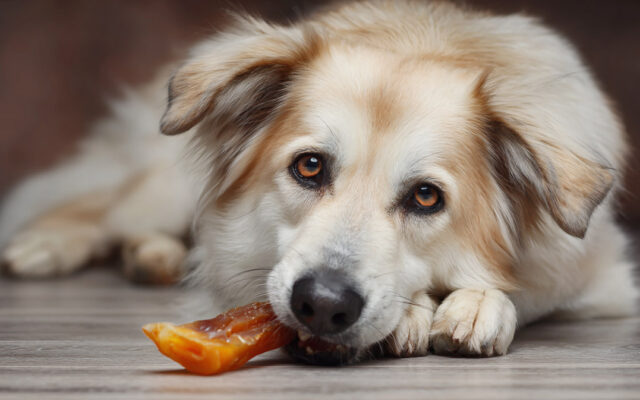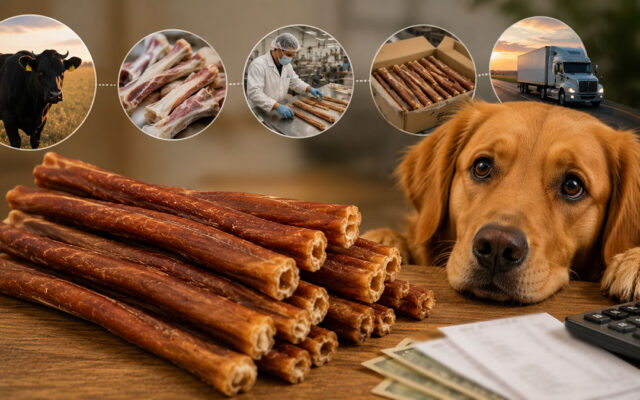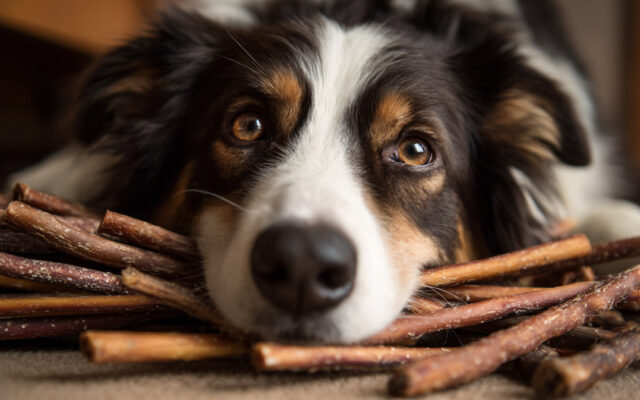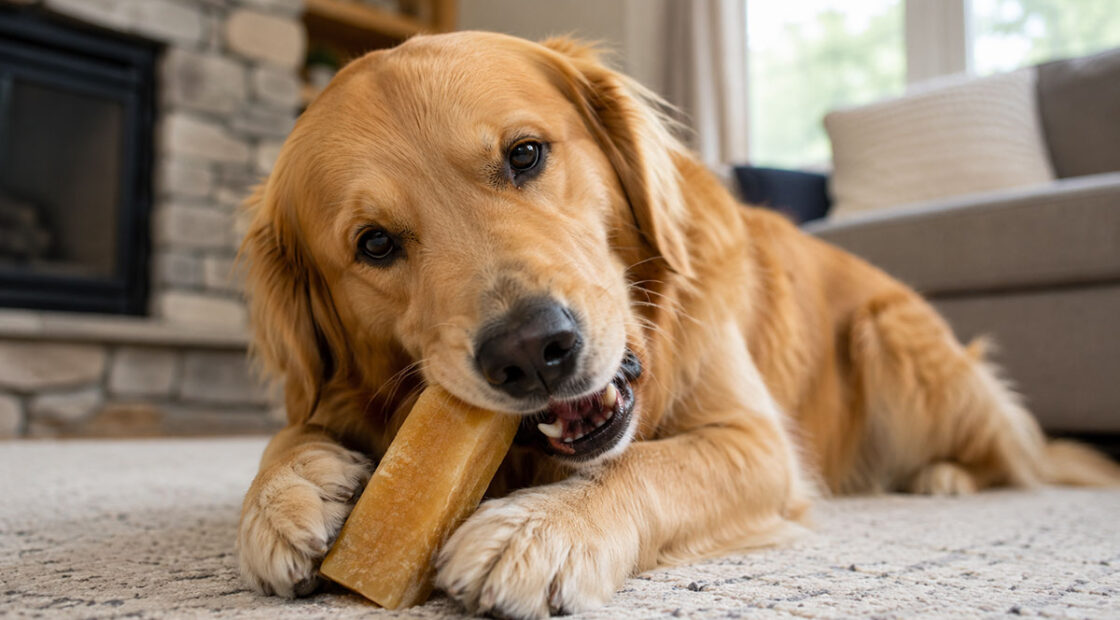
My dog destroyed a pair of boots, two remote controls, and a couch cushion before I found the best yak chews for dogs. These Himalayan cheese chews changed everything.
Made from yak milk, lime juice, and salt, they’re one of the few long-lasting natural dog chews that actually hold up against aggressive chewers. No preservatives, no artificial junk, fully digestible.
But not all yak chews are worth buying. Some crack teeth, some fall apart in minutes, and some aren’t even real yak milk.
This guide covers the top picks by category, how to size them correctly, safety concerns your vet would flag, and how they compare to bully sticks, antlers, and rawhide. Everything you need to pick the right chew without wasting money or risking a trip to the emergency vet.
What Are Yak Chews?
Yak chews are hardened cheese treats made from a traditional Himalayan recipe that’s been around for centuries in Nepal and Tibet. The original version was food for people, not pets. Somewhere along the way, dog owners figured out their pups went absolutely wild for it.
The recipe is dead simple. Yak milk (sometimes blended with cow milk), a bit of lime juice, and salt. That’s it. The mixture gets boiled, compressed into bars, and then smoked and dried over several weeks until it turns rock-hard.
No preservatives. No artificial flavors. No grain, gluten, or chemicals anywhere in the process.
The result is a dense, protein-rich chew that most dogs can’t demolish in five minutes. My dog will gnaw on one for days before it even starts to wear down. Compare that to a bully stick that’s gone in twenty minutes and you start to see why these things took off.
According to APPA’s 2025 State of the Industry Report, U.S. pet industry spending hit $152 billion in 2024, with single-ingredient natural treats driving a big chunk of the growth. Yak chews fit right into that trend.

There’s one distinction worth knowing up front. 100% yak milk chews produce a harder, denser bar. Blends that use both yak and cow milk come out slightly softer. Neither is better or worse, but the difference matters if you have an aggressive chewer versus a casual nibbler.
The global yak cheese chew market was valued at roughly $257 million in 2024, according to 360iResearch, growing at about 5.7% annually. North America accounts for the biggest share of that. Online sales through Amazon and Chewy made up around 34% of global sales in 2024, making these chews easier to find than ever.
Top Yak Chews for Dogs Compared
Not all yak chews are the same. Some brands use 100% yak milk while others blend in cow milk. Some are smoked for flavor, others are plain. The price per ounce swings wildly depending on where the chew is made, how it’s processed, and what size options are available.
Here’s a breakdown of the top picks across different needs.
| Category | Top Pick | Key Strength | Price Range |
|---|---|---|---|
| Best Overall | Himalayan Pet Supply | Original brand, consistent quality | $$ |
| Aggressive Chewers | Mighty Paw Yak Chews | Ultra-hard, 68g protein per stick | $$$ |
| Small Dogs | Amazon Wag Yak Cheese | Sized for dogs under 15 lbs | $ |
| Budget Option | EcoKind Yak Chews | Assorted size bundles, good value | $$ |
| Puppies | Native Pet Yak Chews | Vet-endorsed, sensitive stomach friendly | $$$ |
Best Overall Yak Chew
Himalayan Pet Supply is the brand that started the whole category. They’ve been making these chews using traditional Nepalese methods for years, and there’s a reason they’re still the go-to recommendation.
Available in multiple sizes from extra-small to extra-large. Ingredients are 100% natural with no additives. The chews hold up well for moderate chewers and most medium-sized breeds.
Slightly pricier than newer competitors, but the consistency is hard to beat. If you own a Golden Retriever or a similar mid-energy breed, this is the safe starting point.
Best for Aggressive Chewers
Mighty Paw makes an ultra-hard yak chew specifically built for dogs that destroy everything. Each stick packs around 68 grams of protein and is crafted in Nepal from yak milk, salt, and lime juice only.
The real selling point? Their microwave-to-puff instructions. When the chew gets too small, you soak the nub in water, microwave it for 45 to 60 seconds, and it turns into a crunchy cheese puff. No waste, no choking hazard from the leftover piece.
At about $27 for a 4-pack (roughly 14 to 15 ounces), the upfront cost stings. But one stick can outlast a six-pack of bully sticks, so the per-hour cost is actually lower. Breeds like the Labrador Retriever or German Shepherd are the exact audience for this one.
Best for Small Dogs
Amazon’s Wag brand sells yak cheese in 3.3-ounce, 3-count packs sized specifically for dogs under 15 pounds. It’s the easiest entry point if you’ve never tried yak chews before.
Small breeds like the Chihuahua, Shih Tzu, or Pomeranian need appropriately sized chews. Giving them something too big means they lose interest. Something too small becomes a choking risk. These hit the middle ground.
Price is the lowest on this list, making it a low-commitment trial run.
Best Budget Option
EcoKind sells assorted yak chew bundles by the pound. You get a mix of sizes in one bag, which is great if you have multiple dogs or want variety without buying separate packs.
Their smoked recipe gives the chews a stronger aroma that tends to hook picky eaters. The trade-off is the smell. It’s not odor-free the way plain yak chews are.
Around $26 to $27 per pound puts EcoKind right at the category median. If you have a Beagle that needs convincing, the smoky scent does the trick.
Best for Puppies
Native Pet’s yak chews are calibrated for dogs between 25 and 60 pounds, but their real strength is the digestibility factor. They publish a veterinarian letter of endorsement online and back orders with a 30-day satisfaction guarantee.
For puppies going through the teething phase, yak chews offer a safe outlet. They’re firm enough to satisfy the urge to chew on everything (shoes, furniture, your hands) without being so hard they damage developing teeth.
The best approach for young dogs is to match the right chew bone for their age and size. Start with a softer yak-cow milk blend rather than a pure yak milk chew, and always supervise those first few sessions.
What Makes a Good Yak Chew?
Price and brand name only tell you so much. The actual quality of a yak chew comes down to a handful of things that are easy to check once you know what to look for.
Ingredient Purity
Fewer ingredients means better quality. The best yak chews contain three or four things: yak milk, cow milk, lime juice, and salt. Full stop.
If you see added preservatives, binding agents, artificial flavors, or anything you can’t pronounce on the label, move on. Some brands add chicken or beef flavoring, which defeats the purpose of a single-ingredient treat and introduces potential allergens.
Hardness and Density
A general rule from veterinary dentists: if you can’t make an indentation with your thumbnail, the chew might be too hard for your dog’s teeth.
Quality yak chews come in one hardness level. There’s no legitimate “extra hard” variety. Brands that market extreme hardness are often just selling drier, more brittle chews that increase the risk of tooth fractures. Higher yak milk percentage does produce a harder chew, but that’s different from an artificially over-dried product.
Sourcing and Manufacturing
Country of origin matters. Most reputable yak chews are handcrafted in Nepal using traditional methods. Some brands manufacture in other countries with less oversight.
Look for:
- Clear country of origin on the label
- USDA compliance or FDA-acknowledged manufacturing standards
- Lot traceability (the ability to track a specific batch back to its source)
Dogsee Chew, one of the larger manufacturers, raised $8 million in Series B funding in February 2025 to expand production of Himalayan cheese-based dog treats. That kind of investment signals the category is maturing, and manufacturing standards are rising with it.
Smell and Messiness
One of the biggest practical perks of yak chews over other long-lasting options? They barely smell. Bully sticks have a strong odor. Antlers leave residue. Rawhide gets slimy.
A good yak chew produces minimal crumbs and no staining. Your couch stays clean. Your hands don’t stink afterward. For anyone who’s ever peeled a soggy rawhide off the carpet, this alone is a selling point.
Are Yak Chews Safe for Dogs?
This is the question that stops most people before they buy. My vet gave me the green light, but with a few conditions that are worth passing along.
Digestibility Compared to Rawhide
Yak chews are fully digestible. That’s the single biggest safety advantage over rawhide, which is a by-product of the leather industry treated with chemicals like bleach.
Rawhide doesn’t break down easily in a dog’s stomach. It can swell, get stuck in the esophagus, or cause intestinal blockages that sometimes require surgery. Yak chews soften gradually through saliva and pass through the digestive system without the same risk. The AVMA reports that over 200,000 pets experience choking emergencies annually in the U.S., and chew-related incidents account for a meaningful share of those cases.
If your dog has a history of stomach issues, yak chews are also grain-free, gluten-free, and lactose-free (the curing process removes the lactose). That makes them a solid option for dogs with food sensitivities. You might also consider checking if your pup does well with treats made for sensitive stomachs.
Choking Hazard and the Small Piece Problem
Every chew becomes a choking risk once it’s small enough to swallow whole. Yak chews are no exception.
The rule is straightforward. Once the piece gets small enough to fit entirely in your dog’s mouth, take it away. Don’t let them try to gulp the last bit. This applies to every edible chew on the market, from yak cheese to bully sticks to collagen chews.
The microwave trick solves most of this. Soak the leftover nub in water for a few minutes, then microwave it for 45 to 60 seconds. It puffs up into a light, crunchy treat that’s easy to eat and much harder to choke on.
Tooth Fracture Concerns
This is the real risk with yak chews. They’re hard. Not antler-hard, but hard enough to crack a tooth if your dog bites down at a bad angle or is an “ambush chewer” rather than a steady gnawer.
Board-certified veterinary dentists tend to be cautious about any hard chew. The teeth most commonly damaged are the upper fourth premolars, the big ones in the back of a dog’s mouth. Older dogs and dogs with existing dental issues face higher risk.
Supervision matters here. Watch how your dog chews during the first few sessions. If they’re grinding and gnawing slowly, you’re fine. If they’re biting down hard and trying to crack chunks off, the chew may be too dense for them.
Lactose and Dairy Sensitivity
Even though yak chews start as a dairy product, the smoking and drying process removes most of the lactose content. Most dogs tolerate them without any stomach upset.
That said, some dogs are genuinely allergic to dairy proteins, not just lactose intolerant. If your dog has a known dairy allergy, skip yak chews entirely and look at other safe chew alternatives.
Yak Chews vs. Other Long-Lasting Dog Chews
Yak chews aren’t the only option for keeping a dog busy. They compete with bully sticks, antlers, rawhide, collagen chews, and rubber toys like Kongs. Each has trade-offs.
| Chew Type | Digestible? | Tooth Risk | Duration | Smell |
|---|---|---|---|---|
| Yak Chew | Yes | Moderate | Hours to days | Minimal |
| Bully Stick | Yes | Low | 15–60 min | Strong |
| Antler | No | High | Weeks | None |
| Rawhide | Poorly | Low | 30–90 min | Moderate |
| Collagen Chew | Yes | Low | 30–60 min | Low |
| Rubber Toy (Kong) | N/A | Low | Indefinite | None |
Yak Chews vs. Bully Sticks
Bully sticks are high in protein and soften as dogs chew, which makes them easier on teeth. But they don’t last nearly as long as yak chews, and the smell can fill an entire room.
They’re also pricier per hour of chew time. A $12 six-pack of bully sticks might last your dog a single afternoon. One yak chew at a similar price can keep them occupied for multiple days. If you’ve wondered why bully sticks cost so much, the short answer is processing. They require significant handling and drying compared to the relatively simple production of yak cheese.
The calorie content is another factor. Bully sticks run high in calories. Dogs on a restricted diet or those prone to weight gain may do better with yak chews, which tend to be lower in fat.
Yak Chews vs. Antlers
Antlers last forever. That’s the appeal. It’s also the problem.
They’re extremely hard. Hard enough to crack teeth. Veterinary dentists across the board advise caution with antler chews, and many flat-out recommend against them. Yak chews rank below antlers on the hardness scale, which makes them a safer middle ground for dogs that need something durable.
Antlers also don’t break down in the digestive tract. If a piece splinters off and gets swallowed, it can cause internal damage. Yak chews soften and dissolve naturally.
Yak Chews vs. Rawhide
Rawhide is cheap and widely available, but it comes with serious safety baggage. It’s made from animal hide processed with chemicals. It swells in the stomach and doesn’t digest well. It’s one of the most common culprits behind emergency vet visits for obstructions.
Yak chews cost more upfront but pose a fraction of the digestive risk. If you’re currently giving your dog rawhide, switching to yak chews (or even checking whether cow ears count as rawhide) is a straightforward upgrade.
When Yak Chews Are the Wrong Choice
They’re not for every dog. Skip them if:
- Your dog has a confirmed dairy protein allergy
- Your dog has weak, damaged, or missing teeth
- Your dog is a “gulp and swallow” eater who doesn’t actually chew
- Your senior dog has advanced dental disease
For dogs that fall into these categories, softer options like turkey tendons or other healthy treat alternatives are better fits.
How Long Do Yak Chews Last?
“How long will this last?” is the first thing every dog owner asks. The honest answer: it depends entirely on your dog.
Duration by Dog Size
Small dogs (under 20 lbs): A single yak chew can last anywhere from several days to two weeks. My friend’s French Bulldog takes about a week to get through a medium chew.
Medium dogs (20 to 50 lbs): Expect a few days to a week, depending on chewing intensity. Moderate chewers get the best value here.
Large dogs (50+ lbs): This is where expectations need adjusting. A large, aggressive chewer, think Rottweiler or Mastiff, can power through a yak chew in 30 minutes to a few hours. For these breeds, always size up to the XL options.
What Affects How Long They Last
Three things matter most:
- Chewing style: Gnawers get more time. Biters and crunchers go through chews faster.
- Chew hardness: Higher yak milk percentage produces a harder, longer-lasting chew.
- Size match: A chew that’s too small for your dog disappears fast and becomes unsafe.
Making Yak Chews Last Longer
A few tricks that actually work. Briefly soaking the chew in water before giving it to your dog can make the surface slightly tacky, which slows down aggressive gnawing. Some owners freeze the chew first for added firmness.
Choosing a size up from what the packaging recommends is another move. If your dog falls between medium and large, go large. You get more chew time and reduce the risk of the piece getting small enough to swallow too quickly.
The U.S. dog treats, chews, and toppers market was worth $7.9 billion in 2025 according to Future Market Insights, with long-lasting chews being one of the fastest-growing segments. Dog owners are clearly gravitating toward products that deliver more value per dollar, and yak chews fit that profile. If you’re interested in other options that hold up well, check out the longest-lasting dog chews currently available.
How to Choose the Right Size Yak Chew
Getting the size wrong is the most common mistake with yak chews. Too small, and it becomes a choking hazard in minutes. Too big, and your dog loses interest because they can’t get a good grip on it.
The chew needs to be longer than your dog’s muzzle and thick enough that it can’t wedge between their back molars. Weight alone doesn’t tell the full story.
| Dog Weight | Chew Size | Approximate Dimensions |
|---|---|---|
| Under 15 lbs | Small / XS | 3–4 inches, thin |
| 15–35 lbs | Medium | 4.5–6 inches, moderate |
| 35–65 lbs | Large | 5–7 inches, thick |
| 65+ lbs | XL / Jumbo | 6+ inches, extra thick |
Why Sizing Matters for Safety and Value
A chew that’s too small for a 60-pound dog will get chewed down to a swallowable piece within minutes. You’ve just spent $5 on something that lasted less time than a milk bone, and now you’re watching your dog try to gulp the last chunk.
Always size up if your dog falls between categories. A medium-weight power chewer should get a large bar. Jaw architecture matters more than body weight. A 30-pound Staffordshire Bull Terrier with a wide, square jaw puts out more bite force than a 50-pound dog with a narrow muzzle.
General Weight-to-Size Guidelines
Small breeds (under 15 lbs): Look for chews in the XS or small category, roughly 1.5 to 2 cm thick. Puffed yak chews work well here since they’re softer and lighter on small teeth.
Medium breeds (15-35 lbs): The most common buyer group for yak chews. Standard medium bars in the 2 to 3 cm thickness range give the best balance of durability and safety.
Large breeds (35-65 lbs): Go thick. Look for consistent color throughout the cross-section of the bar. Pale patches or air pockets inside mean uneven density, which causes the chew to snap into large pieces under pressure.
Giant breeds (65+ lbs): XL or jumbo only. If you own a Great Dane or Siberian Husky that chews hard, never compromise on length.
Multi-Dog Households
This gets tricky. If you have a Yorkshire Terrier and a Boxer living under the same roof, buying one size for both dogs is a bad idea.
Brands like EcoKind sell assorted size bundles for exactly this reason. One bag, multiple sizes. It saves you from ordering separately and makes sure each dog gets a chew that fits their mouth.
Separate them during chew time, too. Dogs will resource guard high-value treats, and yak chews definitely qualify.
What to Do with Small Yak Chew Pieces
Every yak chew eventually gets gnawed down to a nub. And that nub is the one part of the process that actually requires you to pay attention.
When to Take the Chew Away
Remove it when the remaining piece is small enough to fit entirely in your dog’s mouth. A good benchmark: if the leftover chunk is shorter than about 1.5 inches (roughly 3.5 to 4 cm), it’s time to pull it.
Some dogs won’t let go easily. My dog gives me a look of pure betrayal every time. But this is non-negotiable. Swallowing a hard piece that size can cause a blockage, even though yak cheese is digestible. The size of the piece matters more than the material.
The Microwave Puff Trick
This is the best part about yak chews, honestly. Took me a while to actually try it, but now I do it every time.
How it works:
- Soak the leftover piece in water for about 5 minutes
- Place it on a microwave-safe plate
- Microwave for 45 to 60 seconds
- Let it cool completely before giving it to your dog
The piece puffs up into a light, crunchy cheese treat. It’s bigger, softer, and way safer than the hard nub it started as. Zero waste. Your dog gets a bonus snack, and you don’t have to worry about them choking on the leftovers.
If you’re the type of person who likes getting every cent of value out of what you buy (and let’s be honest, owning a dog is expensive enough), this trick alone justifies the price of yak chews over alternatives that just get thrown away.
How Often Can Dogs Have Yak Chews?
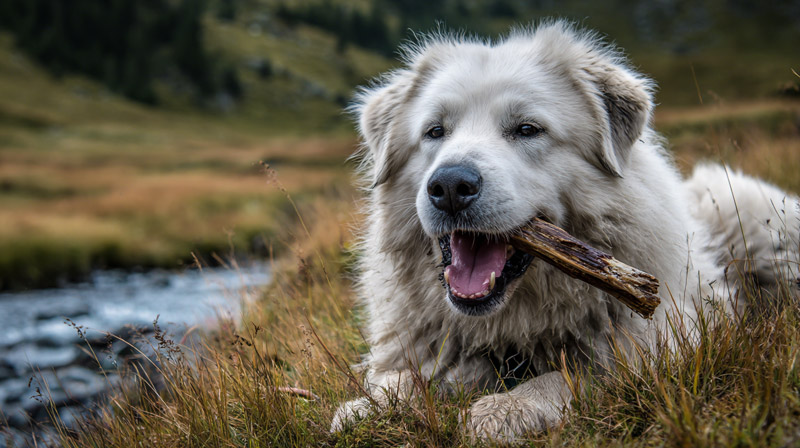
Yak chews are treats, not meals. That distinction matters more than most people realize, because the calorie content adds up faster than you’d expect.
Calorie Content Per Chew
Most yak chews contain between 285 and 370 calories per 100 grams, depending on the brand. A single standard-sized stick can pack close to 300 calories.
For a small breed like a Pug that only needs about 320 calories per day total, one yak chew could represent nearly the dog’s entire daily intake. That’s a problem if you’re also feeding regular meals.
WSAVA and the American Animal Hospital Association both recommend that treats make up no more than 10% of a dog’s daily caloric intake. So for a 50-pound dog eating around 1,200 calories a day, that’s a maximum of 120 treat calories. About half a standard yak chew at most.
Signs of Overconsumption
The Association for Pet Obesity Prevention’s 2022 survey found that 59% of dogs in the U.S. are overweight or obese. A big contributor? Treats.
APOP’s follow-up data showed 58% of dog owners give treats more than once a day. That habit, combined with high-calorie chews, is how extra weight sneaks on.
Watch for these signals:
- Loose stools or increased gas after chew sessions
- Decreased interest in regular meals
- Gradual weight gain over weeks
Finding the Right Frequency
One to two yak chews per week is a reasonable starting point for most dogs. Some owners use them daily for dogs that need the mental stimulation of heavy chewing, but they reduce the regular food portion to compensate.
The right frequency depends on the dog’s size, activity level, and what else they’re eating. A Border Collie that runs five miles a day can handle more treat calories than a Basset Hound that mostly naps.
Think of yak chews as enrichment, not nutrition. The chewing itself has value (stress relief, dental scraping, mental occupation). The calories are just the cost of entry.
Where to Buy Yak Chews
You can find yak chews almost anywhere pet products are sold these days. The question isn’t really where, it’s how to tell the good ones from the junk.
Online Retailers vs. Direct Brand Websites
Mordor Intelligence reports that digital commerce penetration reached 23% in the U.S. pet treats market by 2024, and it’s still climbing. Most yak chew purchases happen through Amazon, Chewy, or direct-to-consumer brand sites.
Amazon: Biggest selection, fastest shipping, but quality varies wildly between sellers. Their house brand Wag offers a budget-friendly entry point for small dogs. Read reviews carefully and check seller verification.
Chewy: Carries most of the major brands (Himalayan Pet Supply, EcoKind, Native Pet). Subscription options with autoship discounts make repeat purchases cheaper. Chewy generated 80% of its Q4 2024 sales from subscription customers, according to Mordor Intelligence.
Direct brand sites: Often more expensive per unit, but you get lot traceability, customer service, and sometimes satisfaction guarantees that marketplaces don’t offer. Native Pet, for instance, has a 30-day return policy on their yak chews.
Pet Specialty Stores
PetSmart and Petco both stock yak chews in-store now. The advantage of buying in person: you can see the actual size and density before committing.
Smaller independent pet shops tend to carry higher-end brands with better sourcing transparency. If you have a local store that specializes in natural pet products, it’s worth checking there first.
Red Flags When Buying
Not every product labeled “Himalayan dog chew” is the real thing. Some are mass-produced with filler ingredients or manufactured outside of Nepal with lower quality control.
Avoid any yak chew that has:
- More than four ingredients listed
- No country of origin on the packaging
- Prices that seem too low (below $3 to $4 per ounce is suspicious)
- Vague terms like “milk blend” without specifying yak or cow milk
Himalayan Pet Supply, one of the original brands, sources from Nepal using traditional recipes and maintains lot traceability. That kind of transparency is the baseline you should expect. If a brand won’t tell you where their chews are made, move on.
Bulk Buying and Shelf Life
Yak chews have a long shelf life because there’s basically nothing in them that spoils quickly. The drying and smoking process acts as natural preservation. Most brands list a shelf life of 3 to 5 years when stored properly.
Buying in bulk makes financial sense if your dog goes through them regularly. Mighty Paw sells a 38-count bucket of large yak chews for multi-dog households or owners who just don’t want to reorder every few weeks.
Store them in a cool, dry place. Avoid airtight containers that trap moisture, as that can encourage mold growth. A pantry shelf or a drawer works fine. If you spot any white or dark discoloration on the surface that wasn’t there when you bought it, toss the chew. Your dog will survive the disappointment. Explore other details about Himalayan chew safety if you’re still weighing your options.
FAQ on The Best Yak Chews For Dogs
Are yak chews safe for puppies?
Yes, but choose a softer yak-cow milk blend rather than a pure yak milk chew. Puppies have developing teeth that can’t handle the hardest options. Always supervise and pick an appropriate size for their weight.
How long do yak chews last for dogs?
It depends on your dog’s size and chewing style. Small dogs can take a week or more. A large aggressive chewer might finish one in 30 minutes to a few hours. Sizing up helps extend the duration.
Can yak chews break a dog’s teeth?
They can, especially for dogs that bite down hard rather than gnaw slowly. Yak chews rank below antlers on the hardness scale but still carry some dental fracture risk. Watch your dog’s chewing behavior during the first session.
What are yak chews made of?
Most are made from yak milk, cow milk, lime juice, and salt. That’s it. The mixture gets boiled, compressed, then smoked and dried for weeks in Nepal using traditional Himalayan methods.
Are yak chews better than bully sticks?
They last longer, smell less, and have lower fat content. Bully sticks are softer on teeth but disappear fast. Yak chews win on value per hour of chew time. Both are fully digestible, unlike rawhide.
How do you microwave yak chew leftovers?
Soak the small leftover piece in water for five minutes. Microwave it for 45 to 60 seconds on a plate. It puffs into a crunchy cheese treat. Let it cool completely before giving it to your dog.
Are yak chews good for dogs with allergies?
They’re grain-free, gluten-free, and lactose-free after the curing process. That makes them a solid option for dogs with food sensitivities. But if your dog has a confirmed dairy protein allergy, skip them entirely.
How many yak chews can a dog have per day?
One per day maximum, though one or two per week is more common. Yak chews contain 285 to 370 calories per 100 grams. Treats should stay under 10% of your dog’s total daily caloric intake.
What size yak chew should I get for my dog?
Match the chew to your dog’s weight and jaw width. Dogs under 15 pounds need small or XS. Dogs over 65 pounds need XL or jumbo. When in doubt, always size up rather than down.
Where are yak chews manufactured?
Most reputable brands manufacture in Nepal, where the traditional recipe originated. Some companies process in other countries with less oversight. Check the label for country of origin and look for USDA compliance before buying.
Conclusion
Finding the best yak chews for dogs comes down to three things: ingredient purity, correct sizing, and matching the chew to your dog’s jaw strength. Get those right and you’ve got a safe, high-protein treat that lasts longer than most alternatives on the market.
Skip anything with vague labeling or more than four ingredients. Stick to brands that source from Nepal and list yak milk, cow milk, lime juice, and salt. Nothing else belongs in there.
Size up when you’re between options. Supervise the first few sessions. Pull the chew once it gets small and microwave the nub into a cheese puff instead of tossing it.
Keep treats under 10% of daily calories, rotate with other dental chews, and watch your dog’s weight. Simple rules, but they make the difference between a great chew habit and an expensive vet visit.