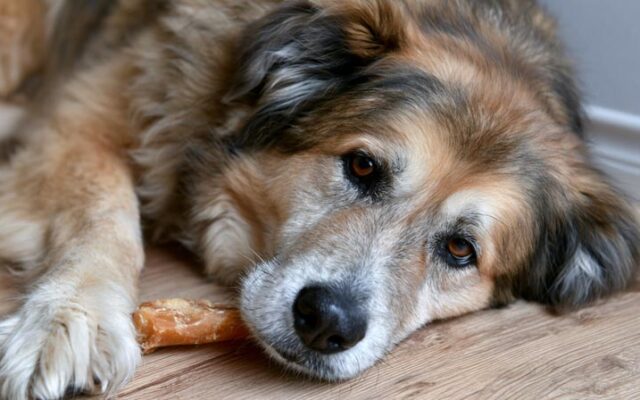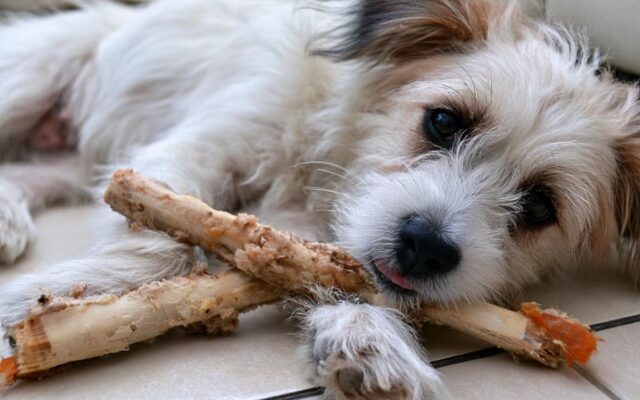
My dog goes absolutely feral for lamb ears. But the first time I handed one over, I stood there second-guessing myself for a solid two minutes.
So, are lamb ears safe for dogs? For most healthy adult dogs, yes. But the full answer depends on your dog’s size, health history, chewing behavior, and where the product was sourced.
Lamb ears are single-ingredient natural chews made from dehydrated lamb cartilage and skin. They sit in a different category from rawhide, hard bones, and antlers, but they still carry real risks worth knowing before you buy.
This article covers everything: nutritional profile, bacterial contamination risk, choking hazards, allergy considerations, and what vets actually recommend for frequency and supervision.
What Are Lamb Ears for Dogs?
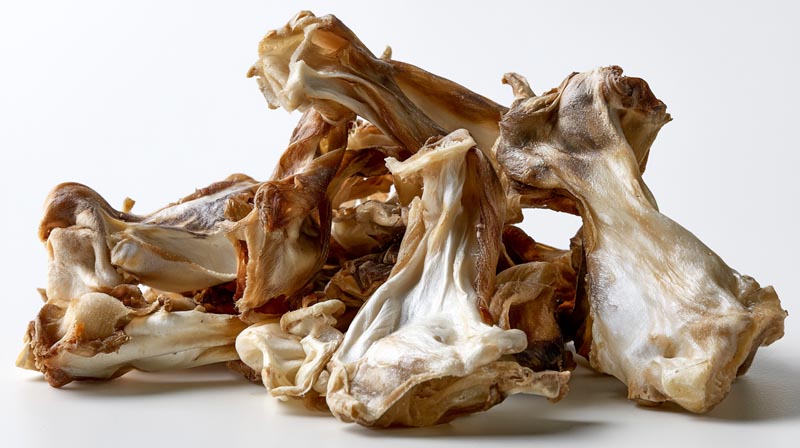
Lamb ears are dried or dehydrated outer ear flaps from lambs, sold as single-ingredient dog chews. They are made primarily of skin and cartilage, with no bone content, which puts them in a different category from harder animal-based chews like antlers or raw bones.
They are not the same product as pig ears. Pig ears carry 40-50% crude fat on a dry-matter basis. Lamb ears typically land between 16-20% crude fat, with crude protein ranging from 61-71% depending on the supplier and processing method (Only One Treats; Amazing Dog Treats nutritional data).
Processing Methods
Lamb ears come in 3 main forms, and the processing method directly affects both texture and bacterial risk.
| Form | Process | Bacterial Risk |
|---|---|---|
| Natural dried / air-dried | Slow dehydration, no smoke | Moderate |
| Baked / slow-roasted | High-heat oven dry | Lower |
| Smoked | Smoke infusion post-drying | Moderate, plus carcinogen concern |
| Raw / freeze-dried | Minimal heat processing | Highest |
The smoked variety adds flavor but introduces concern. As noted by veterinarian Ellen at Kip & Twiggy’s (2024), some believe that chemicals produced during the smoking process may be carcinogenic, though no dog-specific studies currently confirm or rule this out.
Size and Availability
A standard lamb ear averages around 10 cm in length and weighs approximately 18 grams. That makes them better suited to small and medium breeds than to large dogs, who can finish one in under 15 minutes.
They are widely available through pet specialty retailers, raw feeding suppliers, and online. Brands like Pawstruck, Redbarn, Barkworthies, and Amazing Dog Treats source from New Zealand, Australia, Turkey, and Europe. Country of origin matters for safety, which comes up in more detail under sourcing below.

Are Lamb Ears Safe for Dogs?

Lamb ears are generally safe for healthy adult dogs when sourced from reputable suppliers, matched to the dog’s size, and given under supervision. They are not a universally safe treat for every dog in every situation.
Safety depends on 4 variables: dog size relative to the chew, individual chewing behavior, product sourcing and processing method, and the dog’s existing health conditions. Get all 4 right, and lamb ears are a reasonable occasional chew. Miss one, and the risk increases.
Primary Risk Categories
There are 3 documented risk categories owners need to know before introducing dried lamb ears into a dog’s routine.
Bacterial contamination is the most discussed risk across animal-based chews. Salmonella contamination accounted for 44% of all US pet food and treat recalls from 2017 through November 2023, making it the leading recall cause by a wide margin (FDA data via PetfoodIndustry, 2024).
Fat-related digestive upset is a real concern for sensitive dogs. Two-thirds of canine pancreatitis cases are classified as chronic (PetMD, 2024), and dogs with a history of the condition are more likely to experience repeat flare-ups when given fatty treats.
Choking and gastrointestinal obstruction remain the most immediate physical hazard, especially with fast eaters. Today’s Veterinary Practice (updated 2024) notes that aggressive chewers face increased risk of ingesting large pieces, which can cause choking or gastrointestinal blockage.
Who Should Not Have Lamb Ears
Skip lamb ears entirely for these dogs:
- Dogs with a pancreatitis history or active pancreatic disease
- Obese dogs on calorie-restricted plans
- Dogs confirmed sensitive to lamb protein
- Flat-faced (brachycephalic) breeds with airway anatomy that raises aspiration risk
- Dogs prescribed low-fat therapeutic diets under 10% fat dry matter
For breeds like the French Bulldog, Pug, or Bulldog, the combination of compressed airway anatomy and enthusiastic eating makes any chewy treat a higher-stakes proposition. Worth a conversation with your vet before introducing them.
What Is the Nutritional Profile of Lamb Ears?
Lamb ears deliver moderate protein and fat with a relatively low moisture content. On a dry-matter basis, expect 61-71% crude protein, 16-20% crude fat, and under 6% moisture across most commercially available products.
A typical 18-gram lamb ear contains approximately 35-45 calories. That sits within the standard 10% daily treat calorie budget for most medium-sized dogs, assuming one ear per session (Devil Dog Pet Co, 2025).
Key Nutrients
Collagen and cartilage: Lamb ears are made almost entirely of cartilage, making them a natural source of chondroitin. Redbarn positions their lamb ears specifically as a natural chondroitin source to support joint function. If joint health is the goal, collagen chews for dogs offer a more targeted option, but lamb ears provide a functional baseline.
Fat content in context: The 16-20% crude fat range is lower than pig ears but higher than bully sticks, which typically land around 15-20% crude fat. For a weight-conscious dog, that difference matters over time.
No additives in natural dried form: Single-ingredient lamb ears contain no artificial preservatives, flavors, or grain-based fillers. Brands like Barkworthies, Pawstruck, and Amazing Dog Treats are additive-free, hormone-free, and antibiotic-free by product specification.
Caloric Comparison Across Common Chews
| Chew Type | Crude Fat (dry matter) | Approx. Calories per Chew |
|---|---|---|
| Pig ear | 40-50% | 150-200 kcal |
| Lamb ear | 16-20% | 35-45 kcal |
| Bully stick (6-inch) | 15-20% | 80-130 kcal |
| Himalayan yak chew | 3-8% | 60-100 kcal |
If caloric load is the primary concern, Himalayan yak chews are the leaner option. If fat content is the concern for a pancreatitis-prone dog, neither lamb ears nor bully sticks make the cut.
What Are the Choking and Obstruction Risks of Lamb Ears?
Lamb ears soften as they are chewed, which reduces splinter risk compared to rawhide or hard bones. That said, softening does not eliminate the risk of a dog breaking off and swallowing a piece large enough to cause a blockage.
A 2024 retrospective study published in the Journal of the American Veterinary Medical Association reviewed 68 dogs presenting with gastrointestinal foreign bodies at Texas A&M. Medical management succeeded in only 47% of cases. The rest required surgery, endoscopy, or euthanasia.
Which Dogs Face Higher Risk
Small and toy breeds face proportionally higher obstruction risk. A piece that passes without issue in a 50-pound dog can lodge in the esophagus or small intestine of a 10-pound dog. Breeds like the Chihuahua, Yorkshire Terrier, or Pomeranian need a half-ear maximum per session, and even that requires supervision.
Fast eaters and gulpers are at risk regardless of size. Today’s Veterinary Practice (2024) identifies aggressive chewers as the highest-risk group for choking and obstruction from any chew product. If your dog inhales food rather than chews it, lamb ears are not a safe unsupervised option.
Warning Signs to Watch For
Remove the lamb ear immediately and contact your vet if you see any of these within 30 minutes of chewing:
- Gagging or repeated swallowing motions
- Drooling more than usual
- Pawing at the mouth
- Vomiting or retching
- Sudden lethargy after chewing
Cornell University College of Veterinary Medicine (updated December 2024) advises removing any chew item once it becomes small enough to swallow whole. For lamb ears, that threshold is roughly when the piece fits entirely behind the dog’s canine teeth.
Can Lamb Ears Cause Bacterial Contamination in Dogs?
Yes. Any raw or minimally processed animal-based chew carries bacterial contamination risk. Lamb ears, pig ears, bully sticks, and raw freeze-dried products all fall into this category.
The contamination story is best understood through the 2019 pig ear outbreak. From 2015 through 2019, 154 people developed Salmonella infections linked to contaminated pig ear dog chews, with 20% of patients being children under 5 (PetfoodIndustry, 2024). That event triggered updated FDA import alerts and ongoing scrutiny of all animal-based chew products, not just pig ears.
Bacterial Risk by Processing Method
Highest risk: Raw and freeze-dried lamb ears. Minimal heat means pathogens including Salmonella, Campylobacter, and Listeria are not reliably eliminated (Kip & Twiggy’s, 2024).
Lower risk: Baked or slow-roasted products processed at consistent high heat. This is why brands like Pawstruck and Barkworthies specifically use slow-roasting as their safety justification.
Variable risk: Smoked products. Smoking improves flavor but does not guarantee pathogen elimination, and contamination can reoccur after smoking if storage conditions are poor.
The Human Handling Risk
This part gets overlooked. Dogs can carry Salmonella without showing symptoms, shedding the bacteria through feces and saliva. The contamination risk extends to everyone who handles the treat or is licked by the dog afterward.
The FDA advises washing hands with soap and warm water after handling any animal-based chew, keeping treats away from small children, and disinfecting surfaces the chew or dog contacted. Households with young children, elderly adults, or immunocompromised individuals need to take these steps consistently, not occasionally.
How to Source Safer Lamb Ears
4 things to check before buying:
- Country of origin labeled clearly on the packaging
- USDA-inspected or equivalent certification from the source country
- Single-ingredient product with no artificial preservatives or additives
- Baked or slow-roasted rather than raw or minimally processed
New Zealand and Australia-sourced products (Pawstruck, Barkworthies) are generally held to higher food safety standards than products from South America or unspecified origins. That does not make them contamination-proof, but it reduces the baseline risk.
Are Lamb Ears Safe for Puppies?
Lamb ears are not appropriate for very young puppies, but they can be introduced carefully from around 12-16 weeks once baby teeth are firmly established and the puppy has shown it can chew rather than swallow food whole.
Devil Dog Pet Co (2025) recommends starting with half a small ear during 5-10 minute supervised sessions, limited to 1-2 times per week. That frequency cap matters because puppy digestive tracts are still developing and handle fat-heavy treats less predictably than adult dogs.
Age and Size Considerations
Under 12 weeks: No lamb ears. Baby teeth are not equipped for cartilage chewing, and the GI tract is too immature for high-fat, high-protein animal products.
12-16 weeks: Half a small ear, supervised, maximum twice per week. Use them strategically for teething relief during natural chewing urges, not as entertainment to leave the puppy with unsupervised.
Over 6 months: Standard adult sizing applies, adjusted for the puppy’s breed size. A 6-month-old Great Dane puppy has different needs than a 6-month-old Maltese.
Better Alternatives for Very Young Puppies
If you want a safe chew option for puppies under 12 weeks, softer single-ingredient options are a better starting point. Puppy-specific chew bones designed for developing teeth are worth looking at before moving to animal-ear products.
The main rule: if the puppy tries to swallow the ear whole rather than chew it, remove it immediately and wait a few more weeks before trying again.
Are Lamb Ears Safe for Dogs With Allergies?
For dogs with confirmed chicken or beef allergies, lamb is often recommended as a novel protein. The logic is sound: a dog that has never eaten lamb has not yet developed an immune response to it, making a reaction less likely on first exposure.
That said, lamb is no longer universally novel. As noted by Dr. Judy Morgan, lamb was once considered an alternative to chicken or beef, but its widespread use in commercial pet food means more dogs have been exposed to it. Pet owners and veterinarians are increasingly seeing sensitivity symptoms appear in dogs fed lamb-based diets. Only 0.2% of dogs have true food allergies (PetMD, 2024), but sensitivities are broader and more common.
Cross-Contamination Stays a Real Risk
Even a single-ingredient label does not guarantee zero cross-contamination. Processing facilities that handle multiple proteins can introduce trace amounts of other proteins into the final product.
If your dog is on a strict elimination diet to identify a food trigger, single-ingredient lamb ears sourced from a facility that only processes lamb are the safer choice. Check manufacturing labels, not just the ingredient list.
Signs of a Lamb Protein Reaction
Watch for these symptoms within 24 hours of giving lamb ears for the first time:
- Itching, scratching, or skin redness
- Ear inflammation or increased head-shaking
- Loose stool or diarrhea
- Vomiting
If any of these appear, stop the lamb ears and document the reaction for your vet. Introducing lamb ears only after a completed protein elimination trial, not during one, gives you the clearest information about whether lamb is actually safe for your individual dog.
For dogs with sensitive stomachs but no confirmed protein allergy, starting with a quarter-ear trial and waiting 24 hours before increasing the portion is a reasonable approach.
How Do Lamb Ears Compare to Pig Ears and Bully Sticks?

Lamb ears sit between pig ears and bully sticks on almost every metric that matters: fat content, caloric density, chew duration, and digestibility. None of the 3 is universally best. The right choice depends entirely on the dog.
| Chew | Crude Fat | Best For | Main Drawback |
|---|---|---|---|
| Pig ear | 15-20% (some sources 40-50%) | Flavor reward, heavy chewers | High fat, high contamination history |
| Lamb ear | 16-20% | Small breeds, allergy dogs, moderate chewers | Short chew time, small size |
| Bully stick (standard) | 3-15% | Heavy chewers, calorie-conscious owners | Higher calories per session, strong odor |
Lamb Ears vs Pig Ears
Pig ears are fattier, bigger, and more calorie-dense than lamb ears. Natural Farm data puts standard bully sticks at roughly 3% fat, while pig ears can run 15-20% or higher depending on the product.
Lamb ears are the leaner option between the two ear-type chews. They are also smaller, which makes them better suited to small and medium breeds where a full pig ear would be oversized and finished too quickly to offer meaningful chewing time.
The contamination track record also differs. The 2019 FDA and CDC outbreak linked to pig ear treats resulted in 154 confirmed human Salmonella infections over 4 years, with no equivalent documented outbreak specifically tied to lamb ears (PetfoodIndustry, 2024). That does not mean lamb ears are contamination-free, but the risk profile is different.
Lamb Ears vs Bully Sticks
Durability: Bully sticks last longer. A medium-sized dog can finish a lamb ear in 10-15 minutes. A 6-inch bully stick from the same dog could take 30-60 minutes or more.
Fat and calories: Bully sticks win here for weight-conscious dogs. At 3% crude fat in standard dried form, they sit well below lamb ears for owners managing a dog’s daily caloric intake.
If your dog is a power chewer who destroys lamb ears in minutes, bully sticks are the better fit. If your dog has a beef sensitivity or needs a gentler texture, lamb ears make more sense. They are not competing products so much as tools for different dogs and different goals.
What Dogs Should Not Have Lamb Ears?
Not every dog is a good candidate for this chew. 5 specific dog profiles carry enough risk that lamb ears should be avoided or only given after a direct conversation with a vet.
Health Conditions That Rule Out Lamb Ears
About two-thirds of pancreatitis cases in dogs are chronic (PetMD, 2024), meaning recurrence is the norm, not the exception, when fat intake is not managed.
Dogs with any of these conditions should not have lamb ears:
- Pancreatitis history: fat content triggers pancreatic inflammation even in remission
- Hypertriglyceridemia: dogs with high blood fat levels are nearly 4 times more likely to develop pancreatitis (Cotswold RAW citing Cridge et al., 2024)
- Prescription low-fat diets: lamb ears typically exceed the 10% dry-matter fat threshold used in therapeutic protocols (Today’s Veterinary Nurse)
- Confirmed lamb protein sensitivity: even single-ingredient products can trigger a reaction
Breed and Body Type Considerations
Brachycephalic breeds face 2 compounding risks: their compressed airway anatomy increases aspiration risk during chewing, and many of these dogs are already prone to obesity.
Flat-faced breeds including the Boston Terrier, Boxer, and Shih Tzu should only be given lamb ears with direct supervision, if at all. Their anatomy makes it harder to manage a partially chewed piece.
Obese dogs are the other group to consider carefully. Lamb ears at 35-45 calories each may look minor, but treat calories compound fast when they are not factored into the daily total.
How to Give Lamb Ears to Dogs Safely
The chew itself is not the whole safety equation. How you give it, how often, and how you store it all affect whether the experience stays safe.
How Often Should Dogs Have Lamb Ears?
Veterinarians suggest a maximum of 2-3 chew treat sessions per week for healthy adult dogs, in line with general guidance on natural chews (NBC News citing Cornell vet Dr. Joe Wakshlag, 2026).
For lamb ears specifically, the practical cap based on fat content and caloric load is:
- Medium dogs (20-50 lbs): 1 full ear, 2-3 times per week
- Small dogs (under 20 lbs): half an ear, 2 times per week
- Large dogs (over 50 lbs): 1 ear per session, reduce meal portion by 5-10% on chew days
All treats, including lamb ears, should stay within the 10% daily calorie rule: treats must not exceed 10% of the dog’s total daily intake (Sploot Vets, 2026).
Supervision and Session Management
Always supervise the first 3 sessions when introducing lamb ears to a new dog. Watch for gulping, tilt-and-swallow behavior, or attempts to break off large pieces and swallow them whole.
Remove the ear when it becomes small enough to fit entirely behind the dog’s canine teeth. The Veterinary Oral Health Council advises that right-sized product selection and owner supervision are the 2 primary ways to reduce obstruction risk from any chew treat.
How to Store Lamb Ears After Opening
Sealed packaging: store in a cool, dry location away from humidity above 60%, which accelerates bacterial growth.
After opening: transfer to an airtight container. Refrigerate and use within 5 days. Discard any ear that develops a slimy texture, unusual odor, or visible mold.
Wash hands with soap and warm water after every handling session. If you have young children or immunocompromised family members, disinfect the surface where the dog chewed after each session. This is not optional hygiene; it is the FDA’s direct guidance for all animal-based chews.
What Do Vets Say About Lamb Ears for Dogs?
The veterinary consensus on lamb ears is cautiously positive for healthy adult dogs, with specific caveats around fat-related conditions and the absence of robust clinical studies on the product specifically.
Today’s Veterinary Practice (updated 2024) frames the chew treat question this way: the answer is neither yes nor no. Chews can offer behavioral enrichment and dental benefit, but also carry risks including GI obstruction, pathogen introduction, and caloric load. The recommendation is to evaluate each dog individually and source only from reputable companies.
Dental Health: What the Evidence Actually Says
Periodontal disease affects 80-89% of dogs over 3 years of age, making it the most common disease seen in veterinary practice (Frontiers in Veterinary Science; Animal Medical Center). Chewing does help mechanically remove plaque along the gum line.
Lamb ears provide moderate mechanical action. They are softer than antlers or hard bones, which means gentler contact with tooth surfaces but also less aggressive plaque removal. The Veterinary Oral Health Council (VOHC) has not awarded its Seal of Acceptance to lamb ears, so they are not a clinically validated dental chew. Daily tooth brushing remains the gold standard (AVMA).
For owners serious about dental outcomes, VOHC-accepted natural dental chews offer evidence-backed plaque reduction. Lamb ears can complement that routine but should not replace it.
Frequency and Practical Vet Guidance
The general vet-recommended frequency for natural chews is 1-2 times per week for healthy adult dogs, consistent with the 10% treat calorie cap and individual fat tolerance.
Call your vet after lamb ear consumption if you observe any of these within 2 hours:
- Vomiting or repeated retching
- Bloody stool
- Sudden lethargy or abdominal pain
- Loss of appetite persisting beyond 4 hours
Redbarn, one of the largest lamb ear suppliers in the US, publishes straightforward safety language: always supervise, remove large swallowable pieces, and provide fresh water during every chew session. Those 3 instructions are not marketing copy. They are the minimum standard across every vet-reviewed source on this product category.
If your dog has any of the contraindicated health conditions covered above, lamb ears are not worth the risk. There are plenty of safe dog chews designed specifically for dogs with fat restrictions, dental sensitivities, or confirmed protein allergies.
FAQ on Are Lamb Ears Safe for Dogs
Are lamb ears safe for dogs to eat?
Yes, for most healthy adult dogs. Lamb ears are single-ingredient, fully digestible chews made from dried lamb cartilage and skin. Supervise every session, match the size to your dog, and source from a reputable supplier with clear country-of-origin labeling.
Can lamb ears cause digestive upset in dogs?
They can, especially on first introduction. The moderate fat content (16-20% crude fat) may trigger loose stool or vomiting in dogs with sensitive stomachs. Start with half an ear and monitor stool consistency for 24-48 hours before increasing portion size.
Are lamb ears rawhide?
No. Lamb ears are not rawhide. Rawhide undergoes chemical processing to clean and preserve the hide. Lamb ears are simply cleaned and slowly dried or baked, with no chemical treatment. They are fully digestible, unlike traditional rawhide chews.
How often can I give my dog lamb ears?
For healthy adult dogs, 2-3 times per week is a reasonable upper limit. Factor the calories into the 10% daily treat budget. Reduce the main meal portion slightly on days you give a lamb ear to keep the total caloric intake balanced.
Are lamb ears good for dogs with allergies?
Potentially yes, if your dog is allergic to chicken or beef and has never eaten lamb. Lamb is classified as a novel protein in those cases. Always check manufacturing labels for cross-contamination risk. Introduce only after a completed protein elimination trial, not during one.
Are lamb ears safe for puppies?
From around 12-16 weeks, with supervision. Start with half a small ear, maximum twice per week. Puppies under 12 weeks lack the molar development for cartilage chewing. Their developing digestive tracts also handle high-fat animal treats less predictably than adult dogs.
Do lamb ears carry Salmonella risk?
Yes, like all animal-based chews. Raw and freeze-dried lamb ears carry the highest risk. Baked and slow-roasted products reduce but do not eliminate contamination risk. Wash hands after handling, disinfect surfaces, and keep lamb ears away from young children and immunocompromised individuals.
Are lamb ears a choking hazard for dogs?
They can be, particularly for small breeds and fast eaters. Lamb ears soften as chewed, reducing splinter risk, but a dog can still break off and swallow a large piece. Remove the ear once it shrinks small enough to fit entirely behind the dog’s canine teeth.
How do lamb ears compare to pig ears for dogs?
Lamb ears are leaner and smaller. Pig ears run 15-20% crude fat or higher, making them a richer, higher-calorie option. Lamb ears are better suited to small breeds, weight-conscious dogs, and those needing a lower-fat animal chew. Pig ears last longer for heavy chewers.
Which dogs should not have lamb ears?
Dogs with pancreatitis history, obesity, confirmed lamb protein sensitivity, or brachycephalic anatomy should avoid lamb ears. Dogs on prescription low-fat therapeutic diets (under 10% fat dry matter) also fall outside safe range. Always consult your vet before introducing any new chew to a dog with existing health conditions.
Conclusion
This conclusion is for an article presenting the full safety picture of lamb ears for dogs, and the short version is this: they work well for healthy adult dogs when sourced, sized, and supervised correctly.
The fat content sits in a moderate range, the single-ingredient chew format keeps additives out, and the natural cartilage delivers collagen and chondroitin that support joint function.
But pancreatitis-prone dogs, obese dogs, and brachycephalic breeds need a different option. Bacterial contamination from dehydrated animal chews is real, and raw or freeze-dried lamb ears carry the highest risk.
Match the chew to the dog. Supervise every session. Source from USDA-inspected or equivalent facilities.
When those conditions are met, lamb ears are a legitimate, low-fuss addition to a healthy dog treat rotation.