My dog cracked a tooth on an antler last year. That single vet bill cost more than every chew toy I’d bought him combined. Finding safe dog chews shouldn’t require a veterinary degree, but the sheer number of products on shelves makes it feel that way.
Some of the most popular chews sold today carry real risks, from splintering bones to rawhide that swells in the gut. The wrong pick can mean emergency surgery or worse.
This guide breaks down which chews are actually safe, which ones vets consistently warn against, and how to match the right product to your dog’s size, age, and chewing style. No fluff. Just what works and what doesn’t.
What Are Safe Dog Chews?
A safe dog chew is any chew product that won’t splinter into sharp pieces, won’t cause choking, and won’t create a gastrointestinal blockage for the specific dog eating it. That last part matters more than most people think.
There’s no single chew that works for every dog. A rubber toy that’s perfect for a Golden Retriever might be a choking hazard for a Chihuahua. Size, breed, age, and chewing style all change the equation.
The two biggest factors that separate safe chews from dangerous ones are digestibility and hardness.
- Digestible chews break down in a dog’s stomach if swallowed. Bully sticks, tendon chews, and collagen chews fall into this group.
- Indigestible chews don’t break down. Rawhide, nylon bones, and rubber toys sit in the gut until they pass or get surgically removed.
The AVMA reports that 80% to 90% of dogs show signs of periodontal disease by age three, which is a big reason dental chews have become so popular. But a chew that cleans teeth while cracking them isn’t actually helping your dog.
The Veterinary Oral Health Council (VOHC) maintains a list of accepted products that have been clinically tested to reduce plaque and tartar. It’s a good starting reference, though it doesn’t cover every chew type on the market.
My own dog went through three different chew types before we found what worked. Took me forever to figure out that the “indestructible” nylon bone we bought was actually too hard for his teeth. Your mileage may vary, but starting with the basics of digestibility and hardness gets you most of the way there.

Why Some Popular Chews Are Actually Dangerous
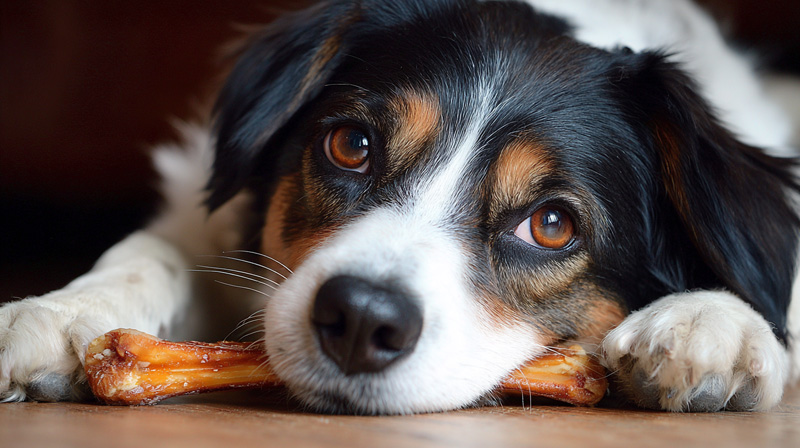
The FDA has received 68 reports of pet illnesses and approximately 15 dog deaths linked to commercially processed “bone treats,” including products labeled as ham bones, pork femur bones, and smokey knuckle bones. Those are the reported cases. The real numbers are almost certainly higher.
Here’s what makes the most common chews risky.
Cooked Bones
Cooking removes moisture and makes bones brittle. They splinter into sharp fragments that can puncture the esophagus, stomach lining, or intestines.
The FDA specifically warns against giving dogs processed bone treats. Illnesses reported include GI obstruction, choking, internal bleeding, and death. This applies to all cooked bones, including the ones left over from your dinner.
Antlers
Elk and deer antlers are marketed as natural and long lasting. They are both of those things. They’re also hard enough to fracture teeth.
Tufts University veterinary specialists note that antlers, cow hooves, and Himalayan yak chews are too hard for safe chewing. Their recommendation: if you can’t make a dent with your thumbnail, don’t give it to your dog. A study of military working dogs found 43.6% had at least one traumatic dental injury, with the most common cause being chewing on hard objects.
Rawhide
The problem isn’t the material itself. It’s how dogs chew it. Rawhide softens unevenly, and aggressive chewers can rip off large chunks that swell in the throat or stomach. Many pet owners confuse cow ears with rawhide, but they’re different products entirely.
Rawhide is also a byproduct of the leather industry, which means it’s processed with chemicals including bleach. Not exactly what you want sitting in your dog’s gut for hours.
Hard Nylon Bones
Products like Nylabone DuraChew are made to last. But that durability comes from extreme hardness, and that hardness puts teeth at risk. Slab fractures of the upper fourth premolar (the carnassial tooth) are one of the most common dental injuries vets see, and hard chew toys are frequently the cause.
VCA Animal Hospitals puts it simply: any chew toy should bend and give upon compression. If it doesn’t, it’s too hard.
How to Match a Chew to Your Dog’s Size and Chew Style
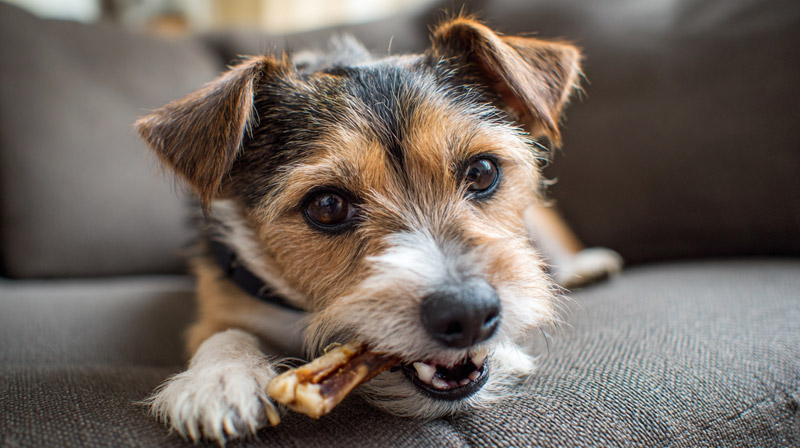
Picking the right chew starts with knowing your dog. Not the breed in general, but your specific dog and how they actually chew things.
The thumbnail test (also called the fingernail indent test) is the fastest way to check hardness. Press your thumbnail into the chew surface. If it doesn’t leave an impression, the chew is too hard and could crack teeth.
Chewing Styles and What They Mean
| Chew Style | Behavior | Best Chew Types |
|---|---|---|
| Gentle chewer | Nibbles slowly, takes breaks | Soft rubber toys, thin bully sticks, dental chews |
| Moderate chewer | Steady gnawing, doesn’t destroy quickly | Standard bully sticks, tendon chews, Kong Classic |
| Power chewer | Destroys toys fast, bites with full force | Kong Extreme, thick bully sticks, West Paw Zogoflex |
Size matters just as much as chew style. A chew that’s safe for a Labrador Retriever could easily choke a Boston Terrier. The general rule: the chew should be large enough that your dog can’t fit the whole thing in their mouth.
The CNY SPCA reports that over 200,000 pet choking incidents happen annually in the United States. Supervised chewing during the first few sessions with any new product is the single best thing you can do.
Flat-Faced Breeds and Small Dogs
Brachycephalic breeds like French Bulldogs, Pugs, and Bulldogs have different jaw mechanics than longer-snouted dogs. Their shortened skulls change how they grip and chew, which increases the risk of choking on pieces that a German Shepherd would handle fine.
Small and toy breeds face the same problem from a different angle. A Yorkshire Terrier or Pomeranian needs chews specifically sized for their tiny mouths. Banfield’s analysis of over 3 million records found that extra-small breeds had 2 to 3 times higher odds of periodontal disease compared to large breeds, which makes appropriately sized dental chews even more significant for them.
Best Natural Chews Ranked by Safety
Natural, animal-sourced chews are what most dogs actually want. The smell, the texture, the taste. But “natural” doesn’t automatically mean safe. Here’s how the most common options stack up.
Bully Sticks
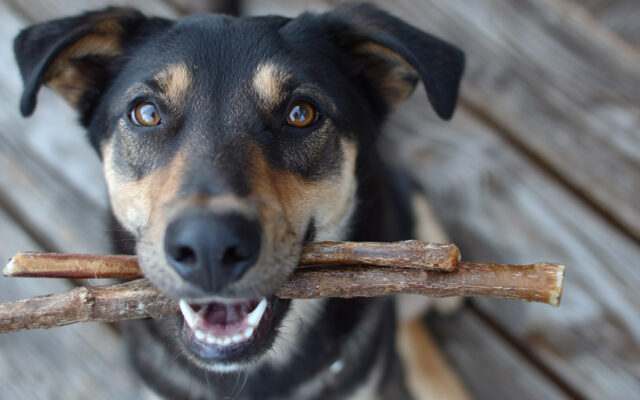
Fully digestible, single-ingredient, and most dogs go absolutely wild for them. Bully sticks are generally considered safe, but they come with caveats.
They’re high in protein and calories, so they’re not great for dogs with kidney issues or weight problems. They also become a choking hazard once chewed down to a small nub. A bully stick holder solves that last problem. And yes, they’re expensive for what they are, but the safety profile is solid compared to most alternatives.
How long they last depends entirely on the dog. Power chewers can destroy a standard stick in 10 minutes. Thicker varieties for heavy chewers buy more time.
Beef and Turkey Tendons
Softer texture, lower risk. Beef tendons and turkey tendons break down more easily than bully sticks, making them a good option for moderate chewers and older dogs. They’re digestible, generally low in fat, and don’t typically cause the dental fractures you see with harder chews.
The tradeoff: they don’t last as long. A determined chewer can finish a beef tendon in a few minutes.
Trachea Chews
Beef trachea is a natural source of glucosamine and chondroitin, which is a nice bonus for joint health. They’re hollow, soft enough to be safe for most dogs, and fully digestible.
Downsides? They’re messy. And the smell is… well, it’s a trachea. My dog loves them. I tolerate them.
Raw Meaty Bones
This is where things get divisive. Raw bones (never cooked) don’t splinter the same way, but they still carry risk. Size matching is critical here. The bone should be larger than your dog’s head to prevent swallowing chunks.
Only certain types work: raw beef knuckle bones, raw lamb necks for smaller dogs. Poultry bones are too fragile even when raw. And bone marrow is rich enough to cause pancreatitis in dogs prone to it. Supervision is non-negotiable with raw bones.
Single-Ingredient vs. Multi-Ingredient Natural Chews
Packaged Facts estimates the U.S. pet treats and chews market at $12.8 billion in 2024, with single-ingredient treats among the top trending categories. Fewer ingredients generally means fewer allergy triggers and less chance of hidden additives.
Check the label. Some products marketed as “natural” still contain preservatives, smoke flavorings, or artificial colors. If the ingredient list has more than a few items, it’s not really a single-ingredient chew no matter what the front of the package says.
Best Synthetic and Rubber Chews Ranked by Safety
Not every safe chew comes from an animal. Manufactured chew toys and dental treats have their own strengths, especially for dogs that destroy natural chews too quickly or have food sensitivities.
Kong Classic and Kong Extreme
The benchmark. Kong Classic (red) works for average chewers. Kong Extreme (black) is built for power chewers. Both are stuffable, which adds mental stimulation on top of the chewing benefit.
These aren’t consumable chews, so there’s no calorie concern. They’re made from natural rubber, dishwasher safe, and almost impossible to destroy when you pick the right size and strength level. If I could only buy one chew toy for the rest of my dog’s life, it would probably be a Kong. Boring answer, but it’s true.
West Paw Zogoflex
Recyclable, non-toxic, and backed by a guarantee against dog damage. West Paw makes them in Bozeman, Montana, and they’ll replace the toy if your dog destroys it. That kind of confidence tells you something about the durability.
The Zogoflex line includes several shapes for different play styles. They bounce, they float, and they hold up to aggressive chewing without breaking into pieces.
Benebone
Made from nylon infused with real flavoring (bacon, chicken, peanut). Dogs can actually taste it, unlike many synthetic options. But here’s the thing. Benebones are harder than rubber toys. Not every dog should have one.
If your dog is an aggressive chewer with strong jaws, something like a Bullmastiff or Rottweiler, a Benebone could cause the same slab fractures as antlers. Check the thumbnail test. And replace it as soon as it shows wear or chunking.
Veterinary Dental Chews
Dental chews account for the largest share of the treat segment. Future Market Insights data shows dental care treats represent 36.9% of the pet treats market in 2025. That’s a lot of dental chews.
Here’s how the VOHC-accepted brands compare:
| Product | VOHC Accepted | Key Feature |
|---|---|---|
| Greenies Dental Treats | Yes (plaque & tartar) | Most widely available, multiple sizes |
| OraVet Dental Chews | Yes (plaque & tartar) | Contains delmopinol for bacteria control |
| Whimzees | No | Vegetable-based, limited ingredients |
| Purina DentaLife | Yes (tartar) | Ridged texture, affordable |
| Virbac C.E.T. Enzymatic Chews | Yes (plaque) | Enzymatic coating, vet-recommended |
The comparison between Whimzees and Greenies comes up a lot. Both work for dental health, but only Greenies carries the VOHC seal. That doesn’t mean Whimzees are bad. It means they haven’t gone through the VOHC testing process. Some natural dental chew alternatives skip VOHC certification entirely but still have strong reputations among vets.
Chews Veterinarians Consistently Warn Against
Some chews show up on vet warning lists over and over. Not because of one freak accident, but because the pattern of injuries is predictable and well-documented.
Cooked Bones (All Types)
Worth repeating because people keep buying them. The FDA warning covers processed bone treats specifically, but the same applies to leftover chicken, turkey, and pork bones from your kitchen. Cooking changes the structure of bone, making it prone to splintering into sharp fragments.
The reported injuries include GI obstruction, internal cuts, rectal bleeding, and death. Fifteen dog deaths appeared in FDA reports involving about 90 dogs total. And those are just the ones that got reported.
Ice Cubes and Frozen Hard Items
Look, I get it. On a hot day, tossing your dog an ice cube feels harmless. But vets see cracked teeth from ice cubes regularly. Frozen carrots, frozen Kongs filled with broth? Fine, because they give slightly when bitten. Pure ice? Too hard.
Hooves
Cow and horse hooves are cheap and widely available. They’re also responsible for some of the most dramatic dental fractures vets encounter. They’re extremely hard, can splinter into sharp fragments, and tend to trap bacteria as they break down. The circular shape also creates a specific hazard. Hooves can get looped around a dog’s lower jaw behind the canine teeth, requiring sedation to remove.
Compressed Rawhide from Unregulated Sources
Grocery store rawhide bones are often imported with inconsistent quality controls. The FDA linked over 1,000 dog deaths and more than 6,000 illnesses to jerky treats imported from China by the end of 2015. Country-of-origin labeling matters.
The pet industry isn’t heavily regulated when it comes to treats and chews. Products aren’t formulated with veterinary input the way prescription diets are. A chew sitting on a shelf at your local store has cleared a much lower bar than you might assume. That applies to big-box retailers and online shops like Amazon and Chewy alike. For dogs with sensitive stomachs, this quality gap matters even more, since unknown additives can trigger digestive reactions on top of the physical risks.
How Long Should a Dog Chew Last?
This question has two parts that people mix up. How long should a single chew session be? And how long before you throw the chew away entirely?
Both matter for safety.
Session Time Limits
Puppies: 5 to 10 minutes per session, max. Their digestive systems aren’t built for extended protein intake from consumable chews, and their baby teeth are fragile.
Adult dogs: 15 to 30 minutes is a safe window for most consumable chews like bully sticks. Experienced chewers can go up to an hour with supervision.
Senior dogs: Monitor closely. Older dogs often have weakened teeth and slower digestion, so shorter sessions with softer chews are the safer call.
Treats should make up no more than 10% of a dog’s daily calorie intake, according to most veterinary nutritionists. Bully sticks run roughly 9 to 22 calories per inch, which adds up fast.
When to Throw a Chew Away
The golf ball rule is the simplest guideline. Once a chew is small enough for your dog to swallow whole, it’s done. For most dogs, that means removing it at around 2 to 3 inches in length.
Other signs the chew needs to go:
- Fraying or splintering on natural chews
- Chunks missing from rubber toys
- Slimy texture or rancid smell on partially consumed chews
Rubber toys like the Kong Classic don’t get “used up” in the same way, but they still wear down. Check weekly for cracks, tears, or pieces your dog has managed to gnaw off. Understanding time limits for hard chews is especially important for dogs that power through products quickly.
Safe Chews for Puppies vs. Adult Dogs vs. Senior Dogs
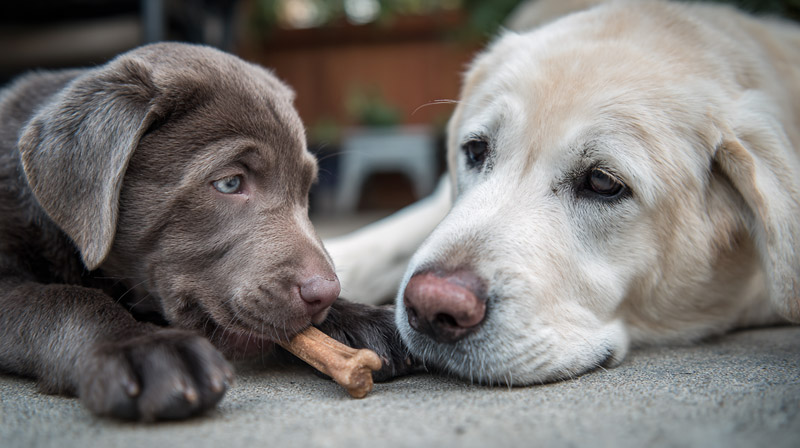
A chew that’s fine for a two-year-old Boxer might crack a puppy’s teeth or hurt a senior dog’s gums. Life stage changes what counts as safe.
Puppies (Under 6 Months)
Puppies get their first teeth around 5 to 6 weeks. At 16 weeks, those baby teeth start falling out and adult teeth push through. That 12-to-24-week window is peak teething, and your puppy will chew on anything available.
Stick with soft options only:
- Kong Puppy (softer rubber formula than the adult version)
- Nylabone Puppy Teething Rings
- Frozen washcloths or frozen carrots for gum relief
Nothing hard. No antlers, no adult nylon bones, no real bones. PetMD recommends avoiding all hard chews until permanent teeth have fully come in, which is around 24 weeks for most breeds. Antlers should wait even longer since puppy teeth simply can’t handle that hardness.
Adult Dogs (1 to 7 Years)
| Chew Category | Good For | Watch Out For |
|---|---|---|
| Bully sticks | Digestible, dental benefits | Calorie content, choking when small |
| Rubber toys (Kong, West Paw) | Durability, zero calories | Wrong size = choking risk |
| Dental chews (Greenies, OraVet) | Plaque/tartar reduction | Daily calorie budget |
| Split antlers | Longer lasting, moderate hardness | Tooth fracture risk for power chewers |
Adult dogs have the widest range of safe options. The right choice comes down to their chew style assessment. A gentle chewer like a Cavalier King Charles Spaniel and a power chewer like an American Pit Bull Terrier need completely different products.
Senior Dogs (7+ Years)
Aging changes everything about chew safety. Teeth are weaker. Gums are more sensitive. Digestion slows down.
Cornell Veterinary College notes that periodontal disease severity increases with age, meaning senior dogs often have compromised dental structures that can’t tolerate the same chews they handled at three years old. Softer dental chews, thin bully sticks, and lamb ears work well for this age group.
Skip anything that requires aggressive biting. If your senior dog used to love elk or deer antlers, it’s time to move on to something gentler.
Digestibility and Gut Obstruction Risk
This is the part of chew safety that sends dogs to emergency surgery. Not the teeth, not the choking. The stuff that sits in the gut and won’t move.
PetMD reports that foreign body removal surgery in dogs costs between $2,000 and $10,000, depending on the complexity. CareCredit data puts the national average for a non-emergency enterotomy at $4,383. That’s the price of giving your dog the wrong chew.
What Breaks Down and What Doesn’t
Digestible: Bully sticks, tendons, collagen sticks, trachea chews. These break down in stomach acid, though large swallowed pieces can still cause temporary blockage.
Partially digestible: Rawhide. It softens but doesn’t fully dissolve. Large chunks can sit in the stomach or intestines for days.
Indigestible: Nylon bones, rubber pieces, fabric from rope toys, plastic fragments. If swallowed, these either pass through (with luck) or require surgical removal.
Symptoms Every Owner Needs to Know
GI obstruction symptoms often look like a simple upset stomach at first. That’s what makes them dangerous. The survival rate for dogs with intestinal foreign body obstructions is 83% to 99% when surgery happens promptly, according to PetMD. Delays make everything worse.
- Repeated vomiting (especially after eating or drinking)
- Loss of appetite lasting more than 24 hours
- Lethargy or obvious abdominal pain
- Straining to defecate or inability to pass stool
If your dog was chewing on something and you can’t find all the pieces, that’s your cue. Don’t wait to see if it passes. Dogs with complete bowel obstructions can deteriorate within days without treatment. A large-breed dog like a Great Dane or Saint Bernard might pass a small fragment that would block a Dachshund’s intestine entirely.
Where to Buy Chews With Reliable Safety Standards
Not all chews are created equal, and where you buy them matters more than most people realize. The pet industry isn’t regulated the same way human food is, and the difference between a quality chew and a dangerous one sometimes comes down to sourcing and manufacturing standards.
Start With the VOHC List
The Veterinary Oral Health Council maintains a public list of dental products that have passed clinical trials for plaque and tartar reduction. It’s not a complete guide to every safe chew, but it’s the closest thing to an independent safety benchmark the industry has.
Products from Greenies, Purina DentaLife, OraVet, and Virbac C.E.T. all carry the VOHC seal. If dental health is your main goal, that seal should be your starting filter for chews that actually benefit teeth.
Country of Origin and What It Tells You
USA, Canada, EU, Australia, New Zealand: Generally higher manufacturing and quality control standards. Products sourced from these regions tend to have more transparent supply chains.
Unregulated imports: The FDA previously linked over 6,000 pet illnesses and more than 1,000 deaths to jerky treats imported with inconsistent quality controls. Country-of-origin labeling is on the package, but manufacturers aren’t required to list where each individual ingredient comes from.
Look for “Made in USA” or “Sourced and manufactured in USA” on the label. There’s a meaningful difference between the two. “Made in” can sometimes mean assembled domestically from imported ingredients.
Where You Buy Matters
Veterinary clinics: Highest quality bar. Products sold through vets have typically been vetted (no pun intended) for safety and efficacy. Premium pricing, but you’re paying for that screening.
Specialty pet stores (PetSmart, local independents): Wide selection, mixed quality. Staff at specialty stores are often more knowledgeable than general retail employees, which helps when picking the right long lasting chew for your specific dog.
Online retailers (Chewy, Amazon): Biggest selection and best prices, but also the highest risk of counterfeit or mislabeled products. Chewy has a stronger reputation for pet-specific quality control than Amazon’s general marketplace. Read reviews carefully and stick to recognized brands.
Owning a dog is expensive enough without emergency vet bills from bad chews. Spending a few extra dollars on a reputable product is a lot cheaper than spending thousands on foreign body surgery.
The global pet chews and treats market hit $11.2 billion in 2024, according to Global Market Insights. With that much money in play, the market is flooded with options at every price point. More choices isn’t always better. Stick to brands with transparent ingredient lists, clear country-of-origin labels, and (ideally) veterinary endorsement. Your dog will chew on whatever you hand them. It’s on you to make sure it’s the right thing.
FAQ on Safe Dog Chews
What are the safest chews for dogs?
Bully sticks, rubber toys like Kong Classic, and VOHC-accepted dental chews such as Greenies rank among the safest options. They’re digestible or durable without being hard enough to crack teeth. Always match the chew size to your dog.
Are bully sticks safe for dogs to chew on?
Bully sticks benefit dental health and are fully digestible. The main risk is choking once they’re chewed down to a small piece. Use a bully stick holder and remove the stick at 2 to 3 inches.
Can puppies have chew toys?
Yes, starting around 12 weeks when teething peaks. Stick with soft rubber toys like Kong Puppy or Nylabone Puppy products. Nothing hard until adult teeth are fully in, typically around 6 months of age.
Is rawhide bad for dogs?
Rawhide doesn’t fully break down in a dog’s stomach. Large swallowed pieces can cause GI obstruction. It’s also processed with chemicals during manufacturing. Safer rawhide alternatives include Himalayan dog chews and beef tendons.
Are antlers safe for dogs to chew?
Antlers carry real risk. They’re hard enough to fracture teeth, especially the carnassial tooth. If you still want to try them, know when to take the antler away and supervise every session.
What chews should I avoid giving my dog?
Cooked bones, hooves, hard nylon bones, and ice cubes top the veterinary warning list. The FDA has linked processed bone treats to 15 dog deaths and dozens of serious illnesses. Stick with chews that pass the thumbnail indent test.
How long should I let my dog chew?
Puppies: 5 to 10 minutes. Adults: 15 to 30 minutes for consumable chews. Rubber toys can be used longer with supervision. Treats should stay under 10% of your dog’s total daily calories regardless of chew time.
What are the best chews for aggressive chewers?
Kong Extreme, West Paw Zogoflex, and heavy-duty chew options built for power chewers work best. Avoid anything brittle. The chew needs to flex under pressure rather than shatter or splinter into fragments.
Are dental chews actually effective?
VOHC-accepted products like Greenies and OraVet have clinical data showing they reduce plaque and tartar. But no chew replaces brushing. Think of dental chews as a supplement to oral care, not a replacement for it.
Do I need to supervise my dog while they chew?
Always. Over 200,000 pet choking incidents happen annually in the U.S. alone. No chew is 100% safe unsupervised. Watch for splintering, swallowing large pieces, and signs of distress during every chewing session.
Conclusion
Picking safe dog chews comes down to three things: digestibility, appropriate hardness, and size matching. Get those right and you eliminate most of the risk.
Skip cooked bones, hooves, and anything that fails the thumbnail indent test. Stick with VOHC-accepted dental chews, quality bully sticks, or durable rubber toys from brands like Kong and West Paw.
Know your dog’s chewing style. A gentle nibbler and a power chewer need completely different products. What works for a Beagle won’t necessarily work for a Siberian Husky.
Always supervise chew sessions. Check for wear, replace anything that’s breaking apart, and toss consumable chews before they shrink to a swallowable size.
Your dog depends on you to choose wisely. A few minutes of research now saves you from a $4,000 emergency vet bill later. That’s a trade worth making every single time.