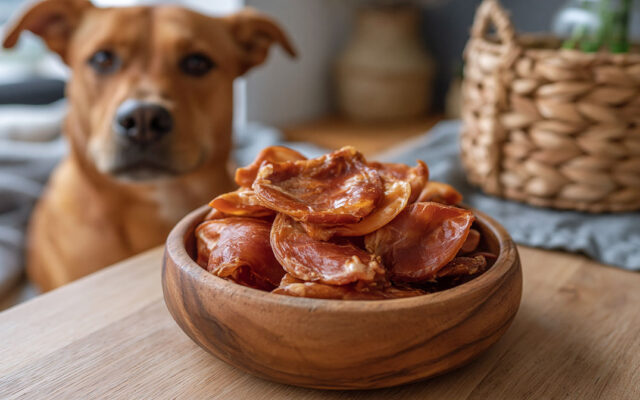
Most dog treats on store shelves look healthy. Flip them over and read the ingredient panel, though, and you’ll find artificial preservatives, vague meat by-products, and enough filler to make you question the whole purchase. Picking genuinely healthy dog treats takes more than trusting the packaging.
With 59% of dogs in the US classified as overweight or obese, what goes into the treat jar matters just as much as what goes into the food bowl.
This guide covers what makes a treat actually nutritious, which ingredients to avoid, how many treats your dog should get per day, the best commercial and homemade options by category, and how to adjust treat choices based on your dog’s age and health conditions.
What Are Healthy Dog Treats

A healthy dog treat is one that adds nutritional value (or at least doesn’t take away from it) while staying within a safe caloric range. That sounds simple enough. But walk down the pet aisle at any store, and the sheer number of options makes it tricky to tell what’s actually good from what just has clever packaging.
The American Animal Hospital Association (AAHA) recommends that treats should not exceed 10% of a dog’s daily caloric intake. The other 90% needs to come from a complete and balanced diet that meets AAFCO standards.
So what makes a treat “healthy” versus just… a treat?
It comes down to three things: ingredient quality, caloric density, and whether the treat serves any functional purpose beyond tasting good.
Functional treats go beyond basic snacking. They include dental chews that scrape plaque, joint-support chews with glucosamine, and probiotic-infused bites for digestion. These exist in a category between food and supplement.
Reward-based treats are the standard training and bonding snacks. Nothing wrong with them if they’re made from recognizable, whole-food ingredients and they fit inside that 10% calorie budget.

Market research firms report that the natural dog treat market has been growing quickly, with sales projected to keep climbing through the end of the decade. That tells you something: pet owners are paying attention to what goes into their dogs’ mouths. Took us long enough, honestly.
My dog couldn’t care less about market trends. She just wants the treat. But I’ve started reading ingredient panels the same way I read food labels for myself, and it’s changed what ends up in her treat jar.
Ingredients to Look for in Dog Treats

Not all ingredients are created equal. Some add real nutrition. Others are just filler wearing a healthy-sounding name.
Here’s what actually matters when you flip that bag over and start reading.
Single-Ingredient Treats and Why They Work
Treats made from a single ingredient are about as clean as it gets. Freeze-dried chicken liver. Dehydrated beef lung. Sweet potato slices with nothing else added.
These work because there’s nowhere for bad stuff to hide. You know exactly what your dog is eating. Freeze-dried and jerky treats have become one of the most popular treat categories, largely because owners want minimal processing and maximum transparency.
Single-source animal proteins like chicken, salmon, and bison provide amino acids dogs actually need. Whole fruits and vegetables like blueberries, pumpkin, and carrots bring fiber and antioxidants without packing on calories.
Functional Ingredients That Serve a Health Purpose
Glucosamine and chondroitin: Common in joint-support treats, especially for senior dogs and larger breeds prone to hip dysplasia. These compounds are used to support cartilage and ease stiffness, although the evidence for their benefit in dogs is mixed.
Omega-3 fatty acids: Sourced from salmon oil or fish meal. Good for coat health, skin conditions, and general anti-inflammatory support. A lot of higher-end treats now include these as a selling point.
Probiotics: Added to some soft treats for digestive health. Not a replacement for a balanced diet, but helpful for dogs with sensitive stomachs.
The fiber source matters too. Oat flour and chickpea flour digest better for most dogs than wheat flour. If your dog has known food allergies, this is where you need to pay close attention.
Ingredients That Make Dog Treats Unhealthy

This one’s frustrating. Some of the most widely available dog treats contain ingredients that have no business being in pet food.
The National Toxicology Program has classified BHA as “reasonably anticipated to be a human carcinogen,” based on animal studies. And yet FDA rules still allow it in animal feed, including dog food and treats, as long as total antioxidants stay at or below 0.02% (200 parts per million) of the product’s fat content. BHT raises similar concerns, though the evidence against it is less clear-cut.
Ethoxyquin is another one. It’s a synthetic preservative that has also been registered as a pesticide. The EU suspended its authorization as a feed additive in 2017 and formally denied it in 2022, but it is still permitted in US pet food. The FDA requires ethoxyquin to be declared on the label even when it comes in through a pre-preserved ingredient like fish meal, so check the ingredient list for it.
| Ingredient | What It Does | Why It’s a Problem |
|---|---|---|
| BHA / BHT | Prevents fat from going rancid | BHA linked to cancer in animal studies; BHT raises similar questions |
| Ethoxyquin | Preserves fish meal | No longer authorized as a feed additive in the EU; pesticide compound |
| Artificial dyes (Red 40, Yellow 5) | Makes treats look colorful | No nutritional value; linked to hypersensitivity and behavioral changes in some human studies |
| Xylitol | Sweetener | Causes hypoglycemia and liver damage in dogs |
| Corn syrup | Flavor booster | Adds empty calories; contributes to obesity |
The safe alternatives are right there: vitamin E (mixed tocopherols), vitamin C (ascorbic acid), and rosemary extract. These natural preservatives don’t last as long on the shelf, which is exactly why cheaper brands skip them.
And xylitol. Look, I shouldn’t have to say this, but always check peanut butter labels before using them in homemade treats. The FDA warns that some peanut and nut butters contain xylitol as a sugar substitute, and even small amounts can cause a rapid insulin release and a dangerous drop in blood sugar. Liver damage and death are also possible.
If an ingredient list reads like a chemistry textbook, put it back.
How Many Treats Can a Dog Have Per Day

The 10% rule. Every vet says it. Most of us nod along and then immediately lose track of how many treats we’ve tossed during a walk.
According to UC Davis Veterinary Medical Teaching Hospital, treats and additional food items should not exceed 10% of a dog’s daily caloric intake. The remaining 90% or more should come from a complete, balanced food.
Here’s what that actually looks like in real numbers:
| Dog Size | Example | Daily Calories (approx.) | Max Treat Calories (10%) |
|---|---|---|---|
| Small (10 lb) | Chihuahua | 320 | 32 |
| Medium (30 lb) | Beagle | 800 | 80 |
| Large (70 lb) | Labrador Retriever | 1,400 | 140 |
| Giant (120 lb) | Bullmastiff | 2,200 | 220 |
These are rough averages for adult dogs. A dog calorie calculator gives you a closer estimate for your own dog, and from there the treat budget is simply 10% of that number.
A 1-inch cube of cheddar cheese has about 69 calories. For a 10-pound dog, that’s already over twice their treat budget. For a Lab, it’s a reasonable snack. Context matters.
The Association for Pet Obesity Prevention’s 2022 survey found that 59% of dogs in the US are classified as overweight or obese. And 36% of dog owners described their dog’s body condition as normal when their vet classified it as overweight or obese. Treats play a direct role in that disconnect.
During training sessions, I use tiny pieces. Like, pinky-fingernail tiny. My dog doesn’t care about portion size. She cares about frequency. Ten small treats feel like a jackpot to her compared to one big biscuit.
Frequency versus volume is the real trick. Multiple small, low-calorie training treats spread across a session beat a single large chew when it comes to keeping calories in check while still reinforcing behavior.
Best Commercial Healthy Dog Treats by Category
Not every store-bought treat is garbage. Some brands do it right. The trick is knowing what to look for in each category.
Best Treats for Training
Training treats need to be three things: small, low-calorie, and something your dog goes crazy for.
Zuke’s Mini Naturals check every box. Under 3 calories per treat. Real meat (or peanut butter, depending on the recipe) as the first ingredient. Soft enough to break apart for rapid-fire rewarding during puppy training sessions.
Charlee Bear treats run about 3 calories each and come in grain-free options. They’re crunchy, which some dogs prefer during less intensive training.
For dogs in active training programs, especially those working on socialization or behavioral correction, you want treats you can deliver fast without blowing through the daily calorie budget.
Best Treats for Dental Health
The Veterinary Oral Health Council (VOHC) awards a seal of acceptance to products that actually reduce plaque or tartar. Not all dental chews earn it.
When comparing Whimzees and Greenies, both brands have VOHC-accepted chews (Canine Greenies and Whimzees Brushzees). Greenies have been around longer and use a soluble texture that breaks down during chewing. Whimzees are vegetable-based with a firmer texture that tends to last longer.
The AVMA notes that by age three, most dogs will very likely show some early evidence of periodontal disease. A study of over 3 million Banfield Pet Hospital records found 18.2% of dogs had a formal diagnosis, with extra-small breeds up to five times more likely to be diagnosed than the largest breeds. Natural dental chews won’t replace professional cleanings, but they’re a solid part of a daily routine.
Best Treats for Sensitive Stomachs and Allergies
Limited ingredient treats exist for a reason. Dogs with food allergies or chronic digestive issues can’t handle the usual ingredient laundry list.
Novel proteins are the go-to here. Think venison, duck, or rabbit, proteins your dog probably hasn’t been exposed to enough to develop a reaction. Treats designed for sensitive stomachs typically stick to one protein source and one carbohydrate.
Stella & Chewy’s freeze-dried treats keep it clean with single-source protein. Fruitables uses pumpkin and sweet potato bases that are gentle on digestion. Both avoid the common triggers: wheat, soy, corn, and artificial anything.
If your dog has been dealing with persistent digestive problems, treats might actually be the culprit before the main food is. That happened with a friend’s Golden Retriever, and switching to a hypoallergenic treat solved it within two weeks.
Homemade Healthy Dog Treat Recipes

Making treats at home gives you total control. You pick the ingredients. You skip the preservatives. And most recipes take less time than scrolling through treat reviews online.
Baked Dog Treat Recipes
The classic peanut butter and pumpkin biscuit. Mix one cup of pure pumpkin puree, two tablespoons of peanut butter (check for xylitol first, always), one egg, and enough oat flour to form a dough. Roll out, cut shapes, bake at 350 degrees for about 20 minutes.
These store well in the fridge for a week or in the freezer for up to three months. My dog doesn’t care if they’re shaped like bones or blobs. She eats them in two seconds either way.
If you’ve got a dog that needs to watch calories, swap the peanut butter for unsweetened applesauce. Cuts the fat content significantly without losing moisture.
Frozen Dog Treat Recipes
Frozen treats are perfect for summer, or anytime you need to keep a dog busy for more than 30 seconds.
Blueberry yogurt bites: Blend plain, unsweetened yogurt with a handful of blueberries. Pour into silicone molds. Freeze. Done.
You can also stuff a Kong with mashed banana and a drizzle of peanut butter, then freeze it overnight. It’s basically a puzzle and a snack in one, which counts as enrichment. Dogs that get bored easily (looking at you, Australian Shepherds and Border Collies) love this.
Dehydrated Dog Treat Recipes
A food dehydrator turns basic protein into healthy jerky treats that rival anything on a store shelf.
Slice chicken breast or beef into thin strips. Lay them flat in the dehydrator at 160 degrees for 6 to 8 hours. No seasoning. No marinade. Just plain meat. The USDA recommends heating meat to 160 degrees and poultry to 165 degrees before or during drying, so check that your dehydrator actually reaches those temperatures.
Sweet potato chews work the same way. Slice sweet potatoes into quarter-inch rounds, dehydrate until chewy but not crispy. These are great for dogs that need a lower-calorie chew option since sweet potato has fewer calories per ounce than most meat-based treats.
Homemade dehydrated treats last about two weeks at room temperature in an airtight container, or up to two months in the fridge. They don’t have preservatives, so treat the shelf life accordingly.
The 2023-2024 APPA National Pet Owners Survey found that roughly 66% of US households own a pet, with 65.1 million households owning at least one dog. With that many dog owners, it’s no surprise that homemade and natural treat options keep getting more attention.
Healthy Treats for Puppies vs. Senior Dogs

A treat that works for a three-year-old dog in peak health might be completely wrong for a 12-week-old puppy or a 10-year-old with creaky joints. Life stage changes everything about treat selection.
Most puppies should be at least 8 weeks old and fully weaned before treats are introduced. Before that, their digestive systems just aren’t ready for anything beyond mother’s milk and puppy food.
Puppy Treat Guidelines
Puppies are growing fast. Every calorie counts toward development, so the 10% rule matters even more here.
- Soft textures only. Developing teeth and gums can’t handle hard chews or antlers
- Small, bite-sized pieces to prevent choking
- High protein, low carbohydrate formulas that support muscle and bone growth
Large breed puppies like Bernese Mountain Dogs and Great Danes need careful calcium-to-phosphorus ratios during growth. Treats with excess calcium can contribute to skeletal problems in breeds already prone to joint issues.
Chew options designed for puppies tend to be softer, digestible, and sized appropriately for smaller mouths.
Senior Dog Treat Adjustments
Senior dogs, generally those in the last 25% of their expected lifespan according to the AAHA Canine Life Stage Guidelines, have different needs entirely.
Lower calorie density is the priority. Older dogs are less active, and their metabolism slows. The same treat that was fine at age four can cause weight gain at age nine.
Look for treats that pull double duty:
- Glucosamine and chondroitin for joint support
- Omega-3 fatty acids for inflammation and cognitive health
- Softer textures for aging teeth and dental sensitivity
A Bullmastiff with a shorter expected lifespan enters the senior phase earlier than a small breed like a Yorkshire Terrier. Giant breeds may be “senior” by age six. That shift should change your treat strategy well before you see obvious signs of aging.
How to Read a Dog Treat Label
The packaging says “natural” and “premium.” There’s a happy dog on the front. Must be good, right?
Not necessarily. AAFCO has been modernizing its pet food labeling rules in recent years, and even with those changes, labels can still be confusing if you don’t know what you’re looking at.
What the Ingredient List Actually Tells You
Ingredients are listed by weight, from heaviest to lightest. The first three ingredients make up the bulk of the product.
Good sign: A named animal protein in the first position. “Chicken,” “salmon,” or “beef liver” tells you exactly what protein source you’re getting.
Bad sign: Vague terms like “meat by-products,” “animal digest,” or “poultry meal” without specifying the species. These leave too much room for low-quality sourcing.
According to AAFCO naming rules, a product labeled “Chicken Dog Treats” must contain at least 95% chicken (minus added water). But a product called “Dog Treats with Chicken” only needs 3%. Two words of difference. Massive gap in actual chicken content.
Decoding Label Claims
| Claim | What It Actually Means |
|---|---|
| “Natural” | Ingredients from plant, animal, or mined sources with no chemically synthetic processing (AAFCO defined; added vitamins and minerals are allowed with a disclaimer) |
| “Organic” | Must follow USDA organic standards; at least 95% organic ingredients for the organic label |
| “Human-grade” | All ingredients and facilities must meet FDA human food manufacturing standards |
| “Holistic” | No legal definition. Zero regulatory meaning. Pure marketing |
| “Premium” | No regulated definition under AAFCO. Means nothing specific |
The guaranteed analysis panel shows minimum crude protein and fat, plus maximum crude fiber and moisture. Compare these across brands. Higher protein and lower filler content generally indicate a better treat.
Country of origin matters too. The FDA has investigated thousands of illness reports tied to jerky pet treats, most often (but not always) treats sourced from China, and several brands were pulled from the market. If it matters to you (and it should), check where the treats are manufactured, not just where the company is headquartered.
Treats to Avoid for Dogs With Common Health Conditions

When your dog has a diagnosed health condition, the treat aisle gets a lot smaller. What’s fine for a healthy dog can cause a flare-up or make an existing problem worse.
Pancreatitis
Pancreatitis is relatively common in dogs, and the Merck Veterinary Manual calls a low-fat diet (under 20 grams of fat per 1,000 kcal) crucial for treatment success. That includes treats.
Fat is the trigger. Commercial treats that seem harmless can pack 15-20% fat content, which is far too much for a dog with a sensitive pancreas.
Safe options: dehydrated lean chicken breast, plain sweet potato, green beans, or prescription low-fat treats from brands like Hill’s or Purina Pro Plan Veterinary Diets. Ask your vet how to fit treats into your dog’s daily fat target.
Diabetes
VCA Animal Hospitals advises avoiding snacks between meals for diabetic dogs, or keeping them to an extreme minimum, to avoid spikes in blood glucose that complicate insulin management.
- Skip anything with corn syrup, honey, molasses, or fruit-based sweeteners
- High-fiber, low-glycemic treats help moderate blood sugar response
- Prescription diabetic diets from your vet often have paired treat options
Kidney Disease
Dogs with chronic kidney disease need reduced phosphorus and controlled protein in everything they eat, treats included.
Many standard commercial treats are loaded with phosphorus from bone meal and organ meats. That’s the last thing a kidney-compromised dog needs. A 2024 JAVMA review on managing concurrent pancreatitis and kidney disease notes that these dogs may need a diet that is both low in fat and moderate in phosphorus, which is a hard balance to strike.
Work with your vet here. Don’t guess.
Obesity
The Association for Pet Obesity Prevention’s 2022 survey confirmed that 59% of dogs are overweight or obese. And more than a third of the owners of those dogs don’t even realize it.
For overweight dogs, high-fiber and low-calorie treats still provide enrichment without adding to the problem. Carrot sticks and frozen green beans are good examples: UC Davis lists 50 grams of raw baby carrots at about 18 calories. Breeds that are prone to weight gain, like Labrador Retrievers and Pugs, need extra monitoring on treat intake. Careful feeding strategies apply to treats just as much as they apply to meals.
Fruits and Vegetables That Double as Dog Treats
Sometimes the best treat isn’t a treat at all. It’s sitting in your fridge right now.
Whole fruits and vegetables work as zero-prep, low-calorie snack alternatives. My dog gets more excited about a frozen carrot than most store-bought biscuits. Weird? Maybe. Cheap? Absolutely.
Safe Whole Foods for Dogs
UC Davis veterinary nutritionists specifically recommend fruits and vegetables as treat options because they’re usually low in protein, fat, sodium, and phosphorus.
| Fruit / Vegetable | Calories (per cup, approx.) | Key Benefit |
|---|---|---|
| Carrots | 50 | Dental scraping, vitamin A, low calorie |
| Blueberries | 85 | Antioxidants, fiber, small size for training |
| Watermelon (no rind/seeds) | 46 | Hydration, vitamins A, B-6, C |
| Green beans | 31 | High fiber, very low calorie |
| Apple slices (no seeds) | 65 | Fiber, vitamins A and C |
Frozen versions of these work great in summer. Stuff a Kong with frozen banana and blueberries and you’ve got 20 minutes of enrichment for well under 100 calories. Dogs that need constant mental stimulation, like a Jack Russell Terrier or a German Shepherd, do especially well with frozen food puzzles.
Foods That Are Toxic to Dogs
This list is non-negotiable. The ASPCA Animal Poison Control Center and veterinary toxicology research list these as dangerous for dogs, and for several of them no safe amount has been established.
Never feed your dog:
- Grapes and raisins: can cause kidney failure. No safe dose has been established
- Onions and garlic: damage red blood cells, leading to anemia
- Xylitol: triggers rapid insulin release and potential liver failure. Found in some gum, candy, and peanut butter brands
- Macadamia nuts: cause weakness, vomiting, tremors, and hyperthermia
- Avocado: contains persin, which is mainly dangerous to birds and large animals but can upset a dog’s stomach; the pit is also a choking and obstruction hazard
A review published in the journal Interdisciplinary Toxicology noted that dogs make up 70-80% of all animal cases in which owners seek help for a potential poisoning. Common household foods are among the most frequent culprits that owners don’t realize are harmful.
Even with safe fruits and vegetables, remember: they still count toward that 10% treat calorie budget. A banana is healthy, but four bananas on top of a full meal is too much sugar for any dog. Portion control doesn’t stop just because the ingredient is “natural.”
FAQ on Healthy Dog Treats
What makes a dog treat healthy?
A healthy treat uses recognizable, whole-food ingredients like single-source animal proteins, fruits, or vegetables. It avoids artificial preservatives such as BHA, BHT, and ethoxyquin. It also fits within 10% of your dog’s daily caloric intake.
How many treats can I give my dog per day?
Follow the 10% rule recommended by AAHA and veterinary nutritionists. Calculate your dog’s total daily calories, then keep treats under 10% of that number. For a 30-pound dog eating 800 calories daily, that’s 80 calories max from treats.
Are grain-free dog treats better?
Not automatically. Grain-free treats swap grains for other carbohydrates like chickpea or potato flour. They’re useful for dogs with confirmed grain allergies, but most dogs digest grains just fine. Choose based on your dog’s actual dietary needs, not marketing trends.
Can puppies eat the same treats as adult dogs?
Not always. Puppies need soft, small treats appropriate for developing teeth and smaller mouths. Hard chews like antlers or dense bones can damage puppy teeth. Wait until at least 8 weeks old before introducing any treats.
What ingredients should I avoid in dog treats?
Skip treats containing BHA, BHT, ethoxyquin, artificial dyes like Red 40 or Yellow 5, xylitol, corn syrup, and unnamed meat by-products. Look for natural preservatives like mixed tocopherols (vitamin E) or rosemary extract instead.
Are homemade dog treats healthier than store-bought?
They can be, because you control every ingredient. Pumpkin, peanut butter (xylitol-free), oat flour, and lean proteins make great bases. The trade-off is shorter shelf life, usually one to two weeks refrigerated, since there are no preservatives.
What fruits and vegetables are safe as dog treats?
Carrots, blueberries, watermelon (no rind or seeds), green beans, apple slices (no seeds), and bananas are all safe. Never give grapes, raisins, onions, or garlic, and skip avocado. No safe amount of grapes or raisins has been established.
Are dental chews considered healthy treats?
The good ones are. Look for the VOHC seal of acceptance, which means the product has proven plaque or tartar reduction. Chews without the seal, like many collagen-based chews, can still offer chewing satisfaction, but they haven’t proven a dental benefit.
What treats are best for dogs with sensitive stomachs?
Limited ingredient treats with a single novel protein (venison, duck, or rabbit) and one carbohydrate source work best. Avoid wheat, soy, corn, and artificial additives. Pumpkin-based treats are gentle on digestion and widely tolerated.
Do treats cause obesity in dogs?
They contribute to it when given without tracking calories. The Association for Pet Obesity Prevention’s 2022 survey found that 59% of US dogs are overweight or obese. Treats themselves aren’t the problem. Ignoring portion control is.
Conclusion
Choosing healthy dog treats doesn’t require a veterinary nutrition degree. It requires reading labels, understanding the 10% calorie rule, and knowing which ingredients belong in your dog’s body and which don’t.
Whether you’re buying freeze-dried single-ingredient treats, baking pumpkin biscuits at home, or handing over a frozen carrot on a hot day, the goal stays the same. Give your dog something that adds value without creating problems down the road.
Adjust for life stage. A puppy, an active adult, and a senior dog with joint issues all need different things from their treats.
Skip the artificial preservatives. Watch the calorie math. Pay attention to what AAFCO and the VOHC seal actually mean versus what the front of the bag claims.
Your dog trusts you to make the right call. The treat jar is a good place to start earning that.