My dog cracked a tooth on a beef bone three years ago. Cost me $1,200 and a lot of guilt. So when someone asks are yak bones good for dogs, I take the question personally.
Here’s the problem. Most products labeled “yak bones” aren’t bones at all. They’re hardened cheese chews made from yak milk. Real yak bones and yak cheese chews carry completely different risk profiles for your dog’s teeth, digestive system, and overall safety.
This guide covers what yak bones actually are, how they compare to Himalayan yak cheese chews, the real tooth fracture and choking risks, which dogs should avoid them entirely, and what safer alternatives exist backed by veterinary research.
What Are Yak Bones?
Most people searching for “yak bones” are actually looking at yak cheese chews. Not real skeletal bones from a yak (Bos grunniens). The distinction matters more than you’d think, and getting it wrong could put your dog at risk.
Actual yak bones are the skeletal remains of domesticated yaks raised primarily in Nepal, Tibet, and parts of India. They’re dense, heavy, and behave like any other large ruminant bone. Think cow femur or bison knuckle. Hard as a rock.
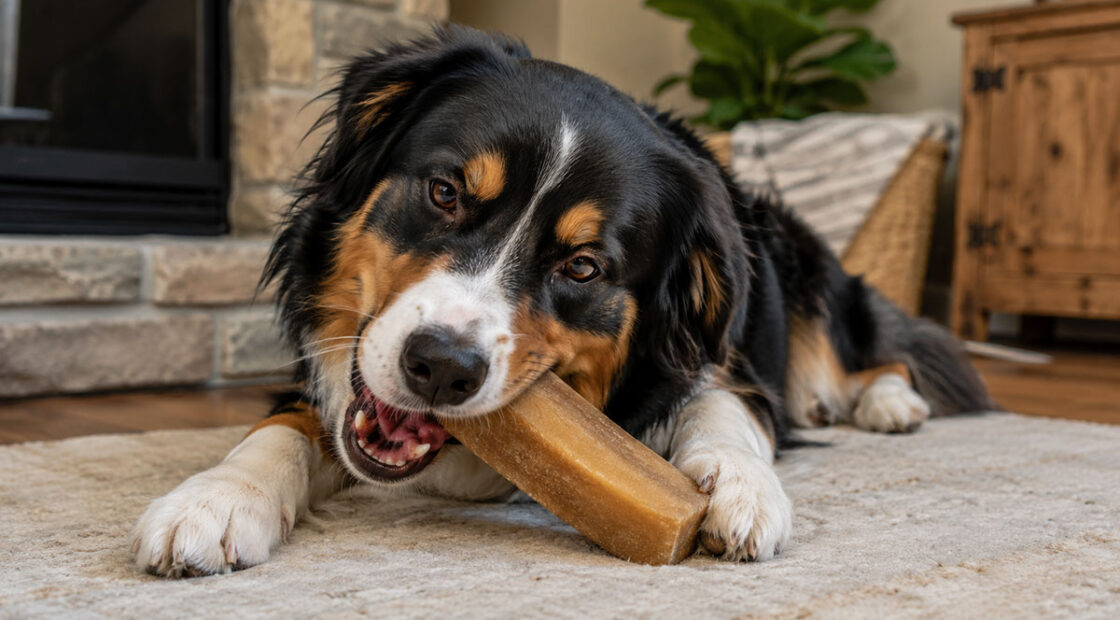
What pet stores sell as “yak bones” are almost always Himalayan yak cheese chews, also called churpi. These are compressed blocks of hardened cheese made from yak and cow milk, lime juice, and salt. That’s it. Three ingredients.
Churpi vs. Actual Yak Bone
The confusion between these two products leads to a lot of bad advice online. One is an edible cheese product with centuries of history behind it. The other is a raw animal bone that carries serious dental and digestive risks.
| Feature | Actual Yak Bone | Yak Cheese Chew (Churpi) |
|---|---|---|
| Composition | Calcium, phosphorus, collagen, marrow | Yak/cow milk, lime juice, salt |
| Digestibility | Low; fragments can cause blockages | Fully digestible when chewed properly |
| Hardness | Extremely hard; does not soften | Hard but softens with saliva over time |
| Origin | Butchered yak skeleton | Traditional Himalayan dairy product |
Yak cheese chews are made from a centuries-old recipe originally used by Himalayan herders as portable protein. The same qualities that kept mountain families fed during harsh winters (long shelf life, concentrated nutrients) make these chews popular with modern dog owners.
For the rest of this article, we’ll cover both products. But know this: when most brands say “yak bone,” they mean the cheese chew.
Nutritional Profile of Yak Bones Compared to Other Animal Bones
Whether you’re looking at actual yak bones or yak cheese chews, the nutritional picture is completely different. Let’s break both down.

Real yak bones contain calcium, phosphorus, and collagen in the bone tissue itself, plus fat-rich marrow in the center. The mineral composition is similar to beef bones, though yak bones tend to be slightly denser due to the animal’s high-altitude lifestyle. That density is exactly what makes them risky for dogs.
Yak cheese chews tell a different story nutritionally. Most brands report around 60-67% crude protein, with fat content as low as 1-4%. A single medium chew contains roughly 329 calories per stick. Compare that to a bully stick or rawhide and the protein density is significantly higher.
How Yak Bone Density Affects Safety for Dogs
Bone density is the single biggest factor in whether a chew will crack your dog’s teeth. Period.
VCA Animal Hospitals warns that hard, non-bending chew toys, including bones and antlers, are the leading cause of fractured teeth in dogs. The canine teeth and upper fourth premolars (the carnassial teeth) break most often.
The Veterinary Oral Health Council (VOHC) recommends a simple test. Press your thumbnail into the chew surface. If it doesn’t give at all, it’s too hard for your dog. Most actual yak bones fail this test completely. Yak cheese chews also fail it initially, though they soften gradually as your dog works on them.
Tufts University Cummings School of Veterinary Medicine puts it bluntly: up to 63% of wild dogs in one study had at least one fractured tooth from chewing on hard materials. That’s wild dogs. Domestic dogs chewing on commercial bones face the same mechanical forces.
Banfield Pet Hospital data from 2023 showed that 73% of dogs seen at their 1,000+ locations were diagnosed with dental-related issues. Fractured teeth from hard chews are a significant contributor to that number.
Can Dogs Digest Yak Bones?
Yes and no. The answer depends entirely on which “yak bone” product your dog just swallowed a chunk of.
Dogs have remarkably acidic stomachs. Research published in PubMed shows the canine gastric pH sits around 1.5 to 2.1 during active digestion. That’s acidic enough to break down most organic material, including small bone fragments, over time. The stomach also produces pepsin, trypsin, and chymotrypsin, all of which work to break down proteins and soften bone tissue.
But “can dissolve eventually” and “safe to swallow” are two very different things.
Actual Bone Fragments
A study published in the Journal of Veterinary Internal Medicine examined dogs with gastric bone foreign bodies. In most cases where bones were left in the stomach to digest naturally, the dogs showed no complications. But the study was careful to note that bone density, sharpness, and size all affect outcomes.
Large, dense fragments from weight-bearing bones (like a yak femur) take much longer to break down. During that time, sharp edges can puncture the stomach lining or intestinal walls. The FDA received 68 reports of illness and 15 deaths from processed bone treats alone, with gastrointestinal obstruction topping the list of reported injuries.
Yak Cheese Chew Digestibility
Fully digestible. That’s the key selling point of yak cheese chews over actual bones.
Because they’re made from compressed milk protein, yak cheese chews break down in the canine digestive system the same way any dairy protein would. The lactose is removed during the curing process, so even dogs with sensitive stomachs usually tolerate them well.
The real risk with cheese chews isn’t digestibility. It’s size. If your dog bites off and swallows a piece that’s too large, it can still cause a blockage regardless of how digestible the material is. My dog once got a chunk wedged sideways, and let me tell you, that was not a fun evening. Always supervise.
Tooth Fracture Risk from Yak Bones
This is where the conversation gets serious. Tooth fractures are the most common injury from hard dog chews, and they’re expensive to fix.
VCA Animal Hospitals states that the most frequently broken teeth in dogs are the canine (fang) teeth and the large upper fourth premolars. These fractures result from biting down on objects harder than enamel can withstand. Bones, antlers, cow hooves, and hard nylon chews all make the list.
What a Slab Fracture Actually Costs
When a carnassial tooth fractures and the pulp (nerve) is exposed, your dog is in pain. Even if they don’t show it. VCA notes that dogs are “experts at hiding pain,” which is why fractured teeth often go undetected for weeks.
Treatment options come down to two choices:
- Root canal therapy: saves the tooth but requires specialized veterinary dental work
- Extraction: oral surgery comparable to removing impacted wisdom teeth in humans
Either way, you’re looking at hundreds to thousands of dollars per tooth. Multiply that by the number of teeth your dog cracks on a single bone, and the math gets ugly fast. Owning a dog is already expensive without adding avoidable dental surgeries to the bill.
The Thumbnail Test
Veterinary dentists and the VOHC agree on a simple screening method. If you can’t press your thumbnail into the chew and leave a dent, don’t give it to your dog.
Actual yak bones? Fail immediately. They’re as hard as beef femur bones.
Yak cheese chews? Also fail when dry. But here’s the difference. As your dog chews, saliva gradually softens the cheese surface. The outer layer becomes pliable while the core stays firm enough to provide resistance. It’s this slow-softening mechanism that makes cheese chews less dangerous than bones, though not risk-free.
Today’s Veterinary Practice reports that 80% of dogs over age two already have some form of periodontal disease. Adding hard chews to that equation means you’re asking already-compromised teeth to withstand forces they may not be able to handle.
Choking and Splintering Hazards
Choking kills dogs. It’s not dramatic to say that. A chunk of bone lodged in the esophagus or trachea is a veterinary emergency, and you may not make it to the clinic in time.
Raw vs. Cooked Bone Behavior
Cooked bones splinter. This is the one rule every dog owner should know. Heat changes the molecular structure of bone, making it brittle. When a cooked bone breaks, it fractures into sharp, jagged shards that can perforate the mouth, esophagus, stomach, or intestines.
Raw yak bones are less likely to splinter in the same way. They tend to chip and flake instead. But that doesn’t mean they’re safe. Chips from dense ruminant bones are still hard enough to cause damage as they move through the gastrointestinal tract.
The FDA specifically warns against processed bone treats. Their report documented injuries including gastrointestinal blockages, choking, cuts and wounds in the mouth, vomiting, diarrhea, and rectal bleeding. About 90 dogs were involved in those reports.
Size Matching Matters
This goes for any chew, not just yak products. The bone or chew must be large enough that your dog can’t fit the whole thing in their mouth.
- A Chihuahua and a Labrador Retriever should never share the same size chew
- Power breeds like American Pit Bull Terriers and Rottweilers can demolish chews in minutes that would last a smaller dog for days
- Once a chew gets small enough to swallow whole, take it away
For yak cheese chews specifically, you can microwave the leftover nub to puff it into a softer, crunchy treat. Waste nothing.
Yak Bones vs. Yak Cheese Chews for Dogs
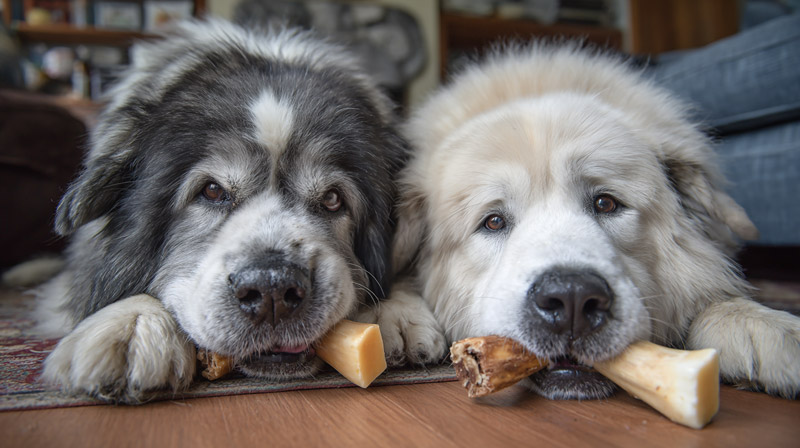
At this point, the distinction should be crystal clear. But let’s put it all together because this confusion is the single biggest source of misinformation in this entire topic.
The Product Most People Actually Buy
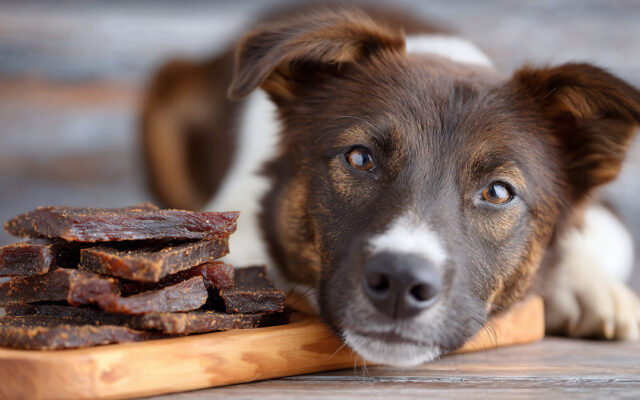
When you walk into a pet store and pick up a package labeled “yak bone” or “Himalayan dog chew,” you’re almost certainly holding a yak cheese chew. These are the compressed churpi blocks made from milk, not actual bones.
The typical nutritional breakdown of a quality yak cheese chew looks like this:
| Nutrient | Amount (per 100g) |
|---|---|
| Crude Protein | 65–67% |
| Crude Fat | 1–4% |
| Crude Fiber | <1–15% |
| Moisture | 9–15% |
| Calories | 285–370 kcal |
Compare that to an actual yak bone, where the “nutrition” comes primarily from marrow fat and trace minerals absorbed through gnawing. The cheese chew wins on protein content by a massive margin.
Safety Profile Comparison
Dental risk: Both products start out hard enough to crack teeth. But yak cheese chews soften over time with saliva. Actual bones stay rock-hard from start to finish.
Digestibility: Yak cheese chews are fully digestible. Actual yak bone fragments are only partially digestible and can take hours or days to break down in gastric acid.
Splintering: Real bones can chip and splinter into sharp fragments. Yak cheese chews don’t splinter. They wear down gradually or break into blunt chunks.
Bacterial contamination: Raw animal bones carry Salmonella and E. coli risks. Yak cheese chews are heat-processed during curing, which reduces bacterial load significantly.
What About Lactose?
A fair concern. Many dogs are lactose intolerant to some degree.
But Himalayan dog chews have the lactose removed during the traditional curing and drying process. Most manufacturers confirm their products are lactose-free. If your dog has a known dairy allergy (different from intolerance), talk to your vet first. But for the average dog, lactose shouldn’t be an issue.
Look, I’ve tried both with my dogs over the years. The real bones ended up in the trash after one vet visit. The cheese chews stayed in the rotation, though always with me sitting nearby keeping an eye on things. Whether Himalayan chews are truly safe still depends on how you use them.
Which Dogs Should Avoid Yak Bones
Not every dog can handle a hard chew. Some dogs are walking dental disasters waiting to happen, and a yak bone (or even a yak cheese chew) can be the thing that triggers a very expensive vet visit.
Aggressive Chewers and Power Breeds
Dogs that bite down with force instead of gnawing gradually are at the highest risk for tooth fractures. Breeds like German Shepherds, Bullmastiffs, and Cane Corsos can generate enough bite pressure to shatter a carnassial tooth on a dense bone in seconds.
A Pit Bull’s average bite strength is around 235 PSI. Akitas and Rottweilers hit even higher. That kind of force applied to a hard, non-bending chew doesn’t end well.
If your dog destroys toys in minutes rather than hours, skip actual yak bones entirely. Even yak cheese chews should be the XL size and closely monitored.
Puppies with Developing Teeth
Wait until adult teeth are fully in. That happens around 6-7 months for most breeds.
Puppy teeth are softer, thinner, and more prone to fracture than permanent adult teeth. Hard yak bones can crack them easily. Even yak cheese chews are too firm for most puppies under 4 months old.
Soaking the cheese chew in warm water for 5-10 minutes softens it enough for older puppies. But for teething pups, there are better options. Puppy-specific chew bones designed for developing jaws are a safer bet.
Senior Dogs and Dogs with Health Conditions
Weakened enamel: Dogs over 7-8 years old often have years of dental wear. Adding a hard chew on top of existing periodontal disease is asking for trouble.
Pancreatitis risk: Real yak bone marrow is high in fat. Dogs with a history of pancreatitis or sensitive stomachs should avoid marrow bones completely.
Flat-faced breeds: French Bulldogs, Pugs, Boston Terriers, and other brachycephalic dogs have shorter airways. A chunk of bone lodged in the wrong spot becomes life-threatening faster for them than for long-snouted breeds.
Safer Alternatives to Yak Bones
If you’ve made it this far and decided actual yak bones aren’t worth the risk (smart move, honestly), here’s what works instead. I’ve gone through most of these with my own dogs, and some are clearly better than others.
VOHC-Accepted Dental Chews
The Veterinary Oral Health Council tests and certifies products that actually reduce plaque and tartar buildup. These aren’t marketing claims. They’re backed by clinical trials.
- Greenies Dental Chews (VOHC seal since 2007)
- Purina DentaLife Advanced Care Chews
- Virbac C.E.T. Enzymatic Chews
- OraVet Dental Hygiene Chews
Today’s Veterinary Practice reports that 80% of dogs develop periodontal disease by age two. Natural dental chews that carry the VOHC seal give you a real shot at slowing that progression without the tooth fracture risk of hard bones.
Digestible Animal Chews
These break down in the stomach and don’t splinter. They satisfy the chewing instinct without sending you to the emergency vet.
Bully sticks: High protein, fully digestible. Most dogs finish them in 30-60 minutes depending on thickness. Thick bully sticks last longer for heavier chewers.
Collagen chews: Easier on the stomach than rawhide and they support joint health. Lower fat than bully sticks, too.
Beef tendons: A single-ingredient option that’s tough enough to keep dogs busy without being hard enough to crack teeth.
Rubber Chew Toys
Kong’s Classic and Extreme lines come in four rubber strengths, from puppy-soft to power-chewer tough. Stuff them with peanut butter, freeze overnight, and you’ve got hours of engagement without any dental risk.
West Paw’s Zogoflex line is another solid option. Dishwasher safe, recyclable, and they offer a replacement guarantee if your dog destroys one.
| Alternative | Dental Benefit | Digestible | Best For |
|---|---|---|---|
| VOHC dental chews | Clinically proven | Yes | Daily dental care |
| Bully sticks | Moderate scraping | Yes | Moderate to heavy chewers |
| Collagen chews | Moderate | Yes | Sensitive stomachs, joint support |
| Kong/rubber toys | Gum massage | No (not consumed) | All dogs, enrichment |
How to Give a Dog a Yak Bone Safely
Some of you are going to give your dog a yak bone or yak cheese chew no matter what. I get it. Dogs love them, and honestly, the cheese chews can be fine when handled correctly. So here’s how to do it without ending up in the emergency vet’s waiting room at 11 PM on a Tuesday.
Size Selection
The chew must be bigger than your dog’s mouth. If they can fit the whole thing between their jaws, it’s too small.
Most yak cheese chew brands offer size guides based on weight. Follow them. A 10-pound dog and an 80-pound dog should never share the same product. When in doubt, go one size up.
Supervised Chewing Protocols
Never leave your dog alone with any hard chew. Took me one scare to learn that lesson permanently.
- Limit sessions to 15-20 minutes at a time for actual bones
- Yak cheese chews can go longer since they soften, but still check in regularly
- Remove the chew once it gets small enough to swallow whole
The leftover nub of a yak cheese chew doesn’t need to go in the trash. Soak it in water and microwave it for 45-60 seconds. It puffs into a crunchy, airy treat that’s much softer and safer. Zero waste.
Storage and Contamination
Raw bones carry bacteria. Salmonella and E. coli are both documented risks with raw animal bones. Preventive Vet cites a study showing Salmonella was isolated on 80% of raw diet bone samples tested.
If you give raw yak bones, refrigerate them between sessions. Discard after 3-4 days. Never leave a raw bone sitting in the sun or on a carpet where bacteria can multiply.
Yak cheese chews are heat-processed during curing, so bacterial contamination is far less of a concern. They’re shelf-stable and don’t need refrigeration, which is one more reason they’re the better product for most households.
What Veterinarians Say About Giving Dogs Bones
The short version? Most vets say no to bones. The long version is more nuanced than that, but the default recommendation from professional veterinary organizations leans heavily toward caution.
The Professional Consensus
VCA Animal Hospitals, one of the largest veterinary chains in North America, directly advises dog owners to eliminate bones, antlers, cow hooves, nylon chews, and pizzle sticks. Their recommendation is to look for products with the VOHC seal instead.
The AVMA takes a similar position. Their spokesperson has publicly stated that there are plenty of safer commercial products that can satisfy a dog’s chewing needs and support dental health without the risks bones carry.
The FDA has issued formal warnings about processed bone treats after receiving 68 illness reports and 15 deaths. Injuries included gastrointestinal obstruction, choking, internal bleeding, and vomiting.
Why the “No Bones” Default Exists
It’s a liability calculation as much as a medical one. Vets see the worst outcomes. They see the slab fractures, the perforated intestines, the emergency surgeries at 2 AM.
The AVMA’s 2023 survey of 1,000 pet owners found that 79% prefer their veterinarian to oversee their pet’s care decisions. That trust means vets err on the side of protecting your dog, even when the nuance suggests some bones, in some contexts, for some dogs, might be acceptable.
Banfield Pet Hospital data confirms why the caution makes sense. With 73% of dogs already presenting with dental-related issues, adding hard chews to the mix is a gamble most vets don’t want to endorse.
Where Yak Cheese Chews Fit In
Most veterinarians view yak cheese chews as somewhere in the middle. Not as safe as VOHC-approved dental chews or rubber toys. But significantly safer than actual bones, antlers, or cow hooves.
The slow-softening mechanism of cheese chews is the key differentiator. Unlike a bone that stays rock-hard from start to finish, yak cheese gradually becomes pliable as saliva works the surface. That alone reduces the tooth fracture risk substantially.
Still, even vets who are okay with yak cheese chews add caveats. Choosing the right yak chew means matching size to dog weight, supervising every session, and pulling the chew once it gets too small. No exceptions. Your mileage may vary, but supervised use of an appropriately sized yak cheese chew is where most reasonable vets land on this topic.
FAQ on Are Yak Bones Good For Dogs
Are yak bones safe for puppies?
Not until adult teeth are fully developed, usually around 6-7 months. Puppy teeth are softer and fracture easily on hard chews. Soak yak cheese chews in warm water first to soften them, or stick with puppy-specific chew bones designed for developing jaws instead.
What is the difference between yak bones and yak cheese chews?
Yak bones are actual skeletal bones from yaks. Yak cheese chews are compressed blocks of hardened cheese made from yak milk, lime juice, and salt. Most pet store products labeled “yak bone” are the cheese version.
Can yak bones break a dog’s teeth?
Yes. Real yak bones are dense enough to cause slab fractures on the carnassial teeth. Yak cheese chews also start out very hard but soften with saliva over time, which reduces (but doesn’t eliminate) the dental risk.
How long should a dog chew on a yak bone?
Limit actual bone sessions to 10-15 minutes. Yak cheese chews can go longer since they soften gradually. Always supervise, and remove any chew once it shrinks small enough for your dog to swallow whole.
Are yak cheese chews digestible?
Fully digestible. They’re made from milk protein, so they break down in the stomach like any dairy product. The lactose is removed during curing. Himalayan chews are generally safe for dogs without dairy allergies.
Can yak bones cause intestinal blockage?
Real bone fragments can absolutely cause gastrointestinal obstruction, especially in smaller dogs. The FDA has documented cases of blockages from bone treats. Yak cheese chews are less risky since they dissolve, but large swallowed chunks can still cause problems.
What size yak chew should I get for my dog?
Match the chew to your dog’s weight using the brand’s size guide. The chew should be larger than your dog’s mouth. If they can fit it entirely between their jaws, size up. Power breeds need XL or jumbo sizes.
Are yak bones better than bully sticks?
Different trade-offs. Bully sticks are softer on teeth and fully digestible but don’t last as long. Yak cheese chews last longer but carry more dental risk. Both are better than actual bones for most dogs.
What should I do with the leftover yak chew nub?
Soak the small piece in water, then microwave it for 45-60 seconds. It puffs into a crunchy, airy cheese treat that’s much softer and safer. Don’t let your dog swallow the nub whole, as that’s a choking hazard.
What do veterinarians recommend instead of yak bones?
Most vets point to VOHC-approved dental chews like Greenies, rubber toys like Kong, and digestible options like collagen supplements or beef tendons. These provide chewing satisfaction without the tooth fracture risk of hard bones.
Conclusion
So, are yak bones good for dogs? It depends on which product you’re talking about. Actual yak skeletal bones carry real risks for tooth fractures, splintering, and gastrointestinal blockage. Yak cheese chews, the churpi products made from yak and cow milk, are a significantly safer option when sized correctly and supervised.
Neither product is risk-free. But the cheese chews soften with saliva, digest fully, and don’t splinter. That puts them well ahead of raw bones, antlers, and cow hooves on the safety scale.
Match the chew size to your dog’s weight. Watch them while they chew. Pull the nub before it becomes a choking hazard. Talk to your vet if your dog has existing dental issues or a sensitive stomach.
The best chew is one your dog enjoys without ending up on an operating table. Keep it simple.