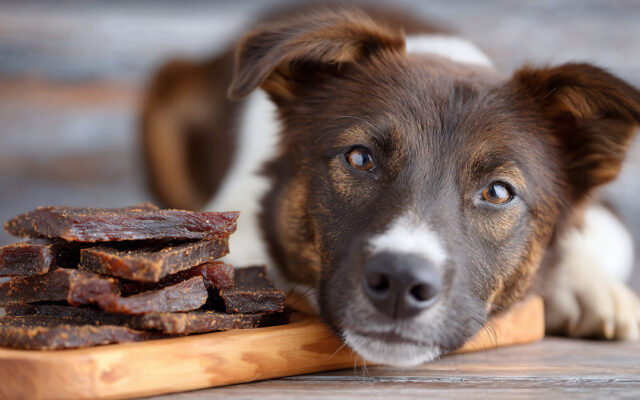
My dog lost his mind the first time I handed him a pig ear. Tail going, zero manners, pure joy. But after the 2019 FDA Salmonella recall linked to pig ear dog treats, I started wondering: are pig ears safe for dogs, or had I been handing over a risk I didn’t fully understand?
The answer isn’t a clean yes or no. It depends on your dog’s size, health history, chewing style, and where the pig ears come from.
This guide covers the real health risks (bacterial contamination, pancreatitis, choking), which dogs should skip pig ears entirely, how to choose quality products, and what safer alternatives look like. Everything backed by veterinary research and FDA data, not marketing copy from treat brands.
What Are Pig Ears for Dogs
Pig ears are exactly what the name says. They’re dried or smoked ears from pigs, sold as single-ingredient chew treats for dogs. My dog goes absolutely nuts for them, and honestly, most dogs do.
The ear itself is made mostly of cartilage, skin, and a small amount of muscle. Manufacturers typically dehydrate, bake, or smoke the raw ears until they become a chewy, crunchy treat that dogs can gnaw on for a while.
How Pig Ears Are Processed
Baked or slow-roasted: These are generally considered the safest and highest quality option. Heat kills bacteria during the drying process.
Smoked: Adds flavor but sometimes involves artificial smoke flavoring or preservatives, depending on the brand.
Chemically preserved: Budget options may use bleach or other chemicals during processing. These are the ones you want to skip.
Where the ears come from matters a lot. The 2019 FDA pig ear recall traced contaminated products back to suppliers in Argentina, Brazil, and Colombia. USA-sourced and processed pig ears generally carry fewer contamination risks.
Nutritional Profile
A single pig ear packs roughly 69-70% protein on a dry matter basis with around 15-20% fat, according to Mighty Paw. Calorie counts vary by size, but a typical ear contains somewhere between 100 and 200 calories.

They also contain chondroitin and glucosamine, which can support joint health in older dogs or breeds prone to hip dysplasia.
| Nutrient | Amount (per ear, approximate) |
|---|---|
| Protein | 29 g |
| Fat | 15 g |
| Calories | 100–200 kcal |
| Water (cooked) | 64 g |
That calorie count is no joke. Daily Paws notes that a 20-pound dog only needs about 587 calories per day. A single 200-calorie pig ear blows right past the 10% treat rule for smaller breeds.
Are Pig Ears Safe for Dogs
The short answer is: it depends. Pig ears aren’t toxic. They aren’t automatically dangerous. But they’re not risk-free either, and calling them “safe” without context would be misleading.
For a healthy, medium-to-large dog that chews at a reasonable pace, a pig ear once a week is fine. That’s the general veterinary consensus. The problems start when you ignore the variables.
What Shifts the Safety Equation
Dog size: A Labrador Retriever and a Chihuahua face completely different risk profiles with the same treat. A pig ear that takes a Lab 20 minutes might overwhelm a tiny dog’s calorie budget and digestive system.
Chewing style: Dogs that gnaw slowly are at much lower risk than gulpers. If your dog rips off huge chunks and swallows them, pig ears become a choking and blockage concern.
Sourcing quality: USA-sourced, single-ingredient pig ears from a reputable brand carry less contamination risk than bulk-bin imports with no traceability.
Health history: Dogs with prior pancreatitis episodes, sensitive stomachs, or weight issues should avoid high-fat treats entirely.
How Pig Ears Compare to Other Chews
| Chew Type | Fat Content | Digestibility | Contamination Risk |
|---|---|---|---|
| Pig ears | High | Good | Moderate |
| Bully sticks | Moderate | Good | Low |
| Rawhide | Low | Poor | High (chemicals) |
| Yak chews | Low | Good | Low |
| Dental chews | Low | Good | Low |
Pig ears are more digestible than rawhide, which is a plus. But they’re fattier than most alternatives. If you want something with a similar chew satisfaction but less fat, bully sticks or Himalayan yak chews are worth looking into.
Health Risks of Pig Ears for Dogs

Every treat has trade-offs. Pig ears have more than most people realize until something goes wrong. The three main risk categories are bacterial contamination, choking or blockage, and the high fat content.
Bacterial Contamination and the FDA Pig Ear Recall
This is the big one. In 2019, the FDA and CDC investigated a multi-state Salmonella outbreak directly tied to pig ear dog treats. The numbers were serious.
154 human cases of Salmonella infection were confirmed across 34 states, according to the FDA. Thirty-five people required hospitalization. Twenty-seven of the patients were children under 5 years old.
No human deaths were reported. But the scope of the contamination was wide enough that the FDA issued a blanket advisory telling consumers to stop buying pig ears entirely during the investigation.
Multiple brands and distributors were involved. Pet Supplies Plus pulled all bulk pig ears from stores in 32 states. Lennox Intl, Dog Goods USA, and Brutus & Barnaby all issued separate recalls. Products were traced to suppliers in Argentina, Brazil, and Colombia.
Here’s something that surprised me. FDA and CDC researchers later published their analysis in the Lancet and noted that many of the Salmonella strains were resistant to multiple antibacterial drugs. That’s not just a pet problem. It’s a public health concern.
The infections affected humans who handled the contaminated pig ears, not just the dogs eating them. Salmonella spreads through contact. If you touch a contaminated treat and then touch your face or prepare food without washing your hands, you’re at risk. Families with young children or immunocompromised members need to be extra careful.
The CDC officially declared the outbreak over in October 2019. Pig ears returned to shelves. But the FDA kept its import alert in place and urged manufacturers to control for pathogens through regular testing.
Choking and Digestive Blockage Risks
Pig ears are made of cartilage, so they’re softer and more digestible than rawhide. That’s the good news.
The bad news is that aggressive chewers can still rip off large pieces and swallow them before properly breaking them down. This creates two problems: choking in the throat, or a blockage further down in the intestinal tract.
The American Kennel Club notes that intestinal obstructions in dogs can become fatal within 3 to 7 days if left untreated. Symptoms include persistent vomiting, loss of appetite, lethargy, and abdominal pain.
Smaller breeds face higher choking risk because their airways and digestive tracts are narrower. A chunk of pig ear that a Golden Retriever would pass without trouble could lodge in a Yorkshire Terrier’s throat.
One vet quoted by Daily Paws pointed out that pig ears are “readily digestible in the stomach and unlikely to cause an obstruction,” but added that it can happen in rare cases. Supervision during chewing sessions is non-negotiable.
Pancreatitis and High Fat Content
Pig ears contain around 15-20% fat. That’s a lot for a treat.
PetMD reports that about two-thirds of pancreatitis cases in dogs are classified as chronic, and dogs that don’t follow a fat-restricted diet or receive fatty treats are at higher risk for repeat episodes.
Cotswold RAW cites research showing that dogs with high blood fat levels are almost four times more likely to develop pancreatitis. Obese dogs are nearly twice as likely to develop the condition compared to dogs at a healthy weight.
Certain breeds are predisposed. Miniature Schnauzers carry a genetic mutation linked to increased pancreatitis risk. Cocker Spaniels, Dachshunds, and Yorkshire Terriers also show higher susceptibility.
If your dog has ever had a pancreatitis episode, pig ears should be off the menu permanently. Look into lower-fat options like collagen chews or beef tendons instead.
Which Dogs Should Not Have Pig Ears
Not every dog gets to enjoy pig ears. Some dogs face risks that just aren’t worth it, no matter how much they beg. And trust me, they will beg.
Dogs With Pancreatitis or GI Sensitivity
Any dog with a history of pancreatitis, inflammatory bowel disease, or chronic digestive issues should avoid pig ears completely. The fat content is too high to justify the treat.
Vets typically recommend keeping fat below 10% on a dry-matter basis for dogs recovering from pancreatitis. Pig ears sit at 15-20%. That gap matters.
Overweight and Obesity-Prone Dogs
The Association for Pet Obesity Prevention’s 2024 survey found that roughly 59% of dogs in the U.S. are classified as overweight or obese. If your dog falls into that category, adding a 100-200 calorie treat on top of their regular meals is working against you.
Cornell University’s veterinary researchers estimate that the average dog owner provides about 20% of their dog’s daily calories through treats and table scraps. That’s double the recommended 10% limit.
Breeds that tend toward weight gain, like Beagles, Bulldogs, and Basset Hounds, should stick to lower-calorie treat options.
Puppies Under Six Months
Puppies can start pig ears once their adult teeth come in, usually around six months. Before that, the high fat content is too much for their developing digestive systems. Stick with age-appropriate options like puppy-safe chew bones until they’re old enough.
Aggressive Chewers Who Gulp
You know the type. The dog that doesn’t chew so much as inhale. If your dog swallows large chunks instead of gnawing them down, pig ears become a choking hazard and potential intestinal obstruction risk.
Large, powerful chewers like Rottweilers or German Shepherds can demolish a pig ear in minutes. That speed increases the chance of swallowing a piece that’s too big. For these dogs, something longer-lasting and harder to break apart is a smarter choice.
How to Give Pig Ears to Dogs Safely
If you’ve decided pig ears are okay for your dog (and your vet agrees), there are some ground rules. Took me a while to figure these out myself, honestly.
Always Supervise
This one is not optional. Sit in the same room. Watch how your dog handles the pig ear. Look for signs they’re ripping off large pieces versus gnawing slowly.
Take the pig ear away once it gets small enough to swallow whole. That’s the point where a safe chew becomes a choking hazard. My general rule: if it’s smaller than my dog’s mouth, it’s done.
Limit How Often You Offer Them
One pig ear per week is the standard recommendation for medium to large dogs. Some sources suggest up to two per week, but that starts pushing the 10% calorie guideline for most dogs.
The WSAVA and AAHA both recommend treats make up no more than 10% of daily energy intake. For a 50-pound dog eating around 1,000 calories per day, one pig ear fits. Two starts getting tight, especially if you’re also giving other treats throughout the week.
Smaller dogs should get half a pig ear or less per session.
Handle Them Like Raw Meat
The 2019 Salmonella outbreak proved that pig ears pose a contamination risk to humans, not just dogs. The FDA’s advice is straightforward:
- Wash your hands with soap and water after touching pig ears
- Clean any surfaces the treat contacted
- Keep pig ears away from young children
- Don’t let your dog lick your face after chewing one
- Store them in a cool, dry place separate from human food
This matters even more in households with children under 5 or anyone with a weakened immune system. Twenty-seven of the 154 Salmonella cases in the 2019 outbreak were kids under five.
How to Choose Quality Pig Ears
Not all pig ears are the same. The difference between a well-sourced pig ear and a sketchy bulk-bin import is, well… potentially 154 Salmonella cases across 34 states.
Sourcing and Origin
Look for pig ears that are raised, processed, and packaged in the USA. The contaminated products in the 2019 recall were traced to suppliers in South America. That doesn’t mean every imported pig ear is unsafe, but domestic sourcing gives you more transparency and regulatory oversight.
The single-ingredient label is your friend here. A good pig ear should list one thing on the ingredient panel: pork ear. If you see artificial colors, unnamed preservatives, or “smoke flavoring,” keep looking.
What to Look For on the Label
Batch testing or third-party lab verification: Some brands test individual batches for Salmonella, Listeria, and E. coli. This is the gold standard.
Processing method: Baked or slow-roasted is best. High-temperature processing kills harmful bacteria while preserving nutritional value.
No added chemicals: Skip anything with bleach-processed or chemically treated ears. These are often the cheapest option at discount retailers for a reason.
Where to Buy
Specialty pet stores and reputable online retailers like Chewy tend to carry better-sourced products than random bulk bins. Grand View Research valued the global natural dog treats market at $6.99 billion in 2024, and it’s projected to nearly double by 2030. That growth is driven by owners demanding exactly this kind of transparency.
Avoid buying pig ears from open, unpackaged bins where products from multiple suppliers might be mixed together. That was one of the factors that made the 2019 outbreak so hard to trace. The FDA specifically noted that bulk bins made it impossible to distinguish products from different sources.
If you’re looking for treats with verified sourcing and cleaner ingredient lists, options like treats designed for sensitive stomachs often come from brands that take quality control more seriously across their whole product line.
Safer Alternatives to Pig Ears
If pig ears aren’t the right fit for your dog (or you’d rather skip the contamination risk entirely), there are plenty of chew treats that scratch that same itch. Some of these are actually better in most ways.
I rotated through most of these before landing on a mix that works for my dog. Your mileage may vary, but here’s what’s out there.
Bully Sticks
Made from 100% beef muscle, bully sticks are good for dogs’ teeth and fully digestible. They’re the closest substitute to pig ears in terms of chew satisfaction, but with significantly lower fat content.
They last longer than pig ears for most dogs. The trade-off? They’re pricier. Anyone who’s wondered why bully sticks cost so much knows the pain. But for dogs that need a low-fat chew, they’re hard to beat.
For power chewers, look into thick bully sticks or braided options that hold up longer.
Yak Cheese Chews
Packaged Facts estimated the U.S. pet treats market at $12.8 billion in 2024, and yak chews are one of the fastest-growing segments within it. They’re made from hardened yak and cow milk with minimal ingredients.
Low fat, high protein, long-lasting. Most dogs spend hours working through a single chew. They’re also less likely to harbor bacteria compared to animal-part treats like pig ears.
Curious about the full breakdown? Check out what yak chews are actually made of or whether Himalayan dog chews are safe for your specific dog.
Dental Chews
Greenies and Whimzees are probably the two names you’ve seen most. Mordor Intelligence reports that periodontal disease affects over 80% of dogs older than three, which is exactly why dental chews sell so well.
They’re designed for digestive safety and carry a lower contamination risk than raw animal products. If you’re torn between the two brands, this Whimzees vs Greenies comparison breaks down the differences.
Other Options Worth Considering
| Alternative | Best For | Watch Out For |
|---|---|---|
| Collagen sticks | Easy digestibility, skin/coat health | Some dogs finish them fast |
| Beef tendons | Lean protein, moderate chew time | Can get stringy when wet |
| Antlers | Extreme durability, months of use | Tooth fracture risk in hard chewers |
| Lamb ears | Lower fat than pig ears, similar texture | Smaller size, less chew time |
| Kong (stuffed, frozen) | Mental stimulation, calorie control | Not a “chew” in the traditional sense |
Wait, that table had “collagen sticks” and “beef tendons” listed. I already linked those in the first part of this article, so just a heads up that both are covered in more detail on those pages.
If your dog has a habit of destroying chews quickly, chews specifically made for heavy chewers might be the better route. Sometimes it takes a few tries to find the right match.
How Many Pig Ears Can a Dog Have Per Week
One pig ear per week. That’s the general recommendation from most veterinary sources for medium to large dogs.
Some brands and vets say up to two per week is acceptable. But that math only works if your dog is big enough and active enough to burn through those extra calories without gaining weight.
The Calorie Math
A single pig ear contains roughly 100-200 calories depending on size. Daily Paws reports that a 20-pound dog only needs about 587 calories per day, making one pig ear up to 34% of that dog’s daily intake.
Even for a 50-pound dog eating around 1,000 calories daily, a 200-calorie pig ear already represents 20% of their food budget. That’s double the recommended treat limit.
| Dog Weight | Approx. Daily Calories | Pig Ear as % of Daily Intake |
|---|---|---|
| 10 lbs | ~350 kcal | 29–57% |
| 20 lbs | ~587 kcal | 17–34% |
| 50 lbs | ~1,000 kcal | 10–20% |
| 80 lbs | ~1,450 kcal | 7–14% |
The 10% rule (recommended by both the WSAVA and AAHA) means treats should account for no more than a tenth of your dog’s daily energy intake. A pig ear only fits comfortably within that budget for dogs over 50 pounds.
Adjusting for Your Dog
Cornell University researchers found that the average owner feeds about 20% of their dog’s daily calories through treats and scraps. If you’re giving pig ears on top of training treats, dental chews, and the occasional table scrap, those calories stack up fast.
Cut the ear in half for dogs between 20-40 pounds. Give quarters for anything smaller. My dog is around 35 pounds and half a pig ear once a week seems to be the sweet spot. No weight gain, no GI issues.
If your dog is on a structured feeding plan, factor the pig ear into their daily calorie count and reduce their regular meal portion slightly on treat days.
What Veterinarians Say About Pig Ears
Vets don’t agree on pig ears. That might sound frustrating, but it actually reflects how much the answer depends on the individual dog.
The General Consensus
Dr. Julie Sanders, DVM and Director of Operations at Heart + Paw, compared pig ears to the dog version of ice cream for humans, as reported by Daily Paws. Fine occasionally, but not “healthy” in any real sense.
Dogster’s vet-verified guide (updated March 2025) calls pig ears a “natural, occasional treat for most dogs” while noting the bacterial contamination risk as the primary concern.
Dr. Marty Becker, DVM, put it simply: pig ears can be safe for some dogs in moderation, but hygiene, size, and sourcing all matter.
When Vets Specifically Say No
History of pancreatitis: PetMD notes that two-thirds of canine pancreatitis cases are chronic. Dogs in that category should never receive high-fat treats.
Small breeds and toy dogs: The calorie-to-bodyweight ratio makes pig ears impractical. A Pomeranian or Maltese can blow through their entire daily treat allowance with a fraction of one ear.
Puppies under six months: Their digestive systems can’t handle the fat load, and teething puppies chew too aggressively, increasing choking risk.
Immune-compromised dogs: The Salmonella risk is real. Even if the dog handles it fine, bacteria can spread to surfaces and other pets in the household.
How Vet Recommendations Shifted After 2019
The FDA pig ear recall changed things. Before 2019, most vets treated pig ears as a standard, low-risk natural chew. After 154 confirmed human Salmonella cases across 34 states, the conversation shifted toward sourcing and quality control.
Whole Dog Journal’s December 2024 review noted that vets now put more emphasis on buying from brands that do batch testing for contaminants. The “grab a pig ear from the bulk bin” approach is largely gone from mainstream veterinary advice.
The APOP’s 2024 survey found 59% of dogs in the U.S. are overweight or obese. That stat alone makes many vets cautious about recommending any high-calorie treat, pig ears included, without a conversation about the dog’s overall diet first.
Questions to Ask Your Vet
- Is my dog’s weight healthy enough for high-calorie treats?
- Does my dog’s breed carry pancreatitis risk?
- Should I worry about breed-specific health issues that conflict with fatty treats?
Look, at the end of the day, pig ears aren’t the villain some headlines make them out to be. They’re not a superfood either. They’re a treat. And treats, by definition, should be occasional.
If your vet gives the thumbs up, buy from a good source, supervise every session, and keep it to once a week. That’s about as safe as it gets with any animal-based chew.
And if you want to skip the whole pig ear debate entirely? A stuffed Kong in the freezer does the same job without any of the drama. Just saying.
FAQ on Are Pig Ears Safe For Dogs
Can pig ears make my dog sick?
Yes. The most common issues are vomiting, diarrhea, and gas from the high fat content. In worse cases, dogs can develop pancreatitis, especially smaller breeds or dogs with sensitive stomachs. Contaminated pig ears can also carry Salmonella.
How often can I give my dog a pig ear?
Once per week is the standard recommendation for medium to large dogs. Smaller dogs should get half an ear or less. Always factor the calories into your dog’s daily intake to stay within the 10% treat rule.
Are pig ears safer than rawhide?
Generally, yes. Pig ears are more digestible than rawhide because they’re made of cartilage, not chemically processed hide. Rawhide carries a higher risk of intestinal blockage. That said, pig ears have their own bacterial contamination concerns.
Can puppies eat pig ears?
Not until they have their adult teeth, usually around six months old. Before that, puppies’ digestive systems can’t handle the fat load. Their aggressive teething behavior also increases the choking risk with pig ears.
Were pig ears recalled by the FDA?
Yes. In 2019, the FDA and CDC investigated a multi-state Salmonella outbreak tied to pig ear treats. It resulted in 154 human infections across 34 states. Multiple brands issued recalls, and the FDA advised consumers to stop buying pig ears entirely during the investigation.
Do pig ears cause pancreatitis in dogs?
They can. Pig ears contain around 15-20% fat. Dogs with a history of pancreatitis or breeds prone to it (like Miniature Schnauzers) should avoid pig ears completely. High-fat treats are a known trigger for pancreatic inflammation.
Are pig ears a choking hazard?
For some dogs, yes. Aggressive chewers that rip off large chunks and swallow them risk choking or intestinal obstruction. Always supervise your dog during chewing and remove the pig ear once it’s small enough to swallow whole.
What can I give my dog instead of pig ears?
Bully sticks, yak chews, natural dental chews, and collagen chews are all lower-risk alternatives. Each offers similar chew satisfaction with less fat and fewer contamination concerns than pig ears.
How do I pick safe pig ears for my dog?
Buy USA-sourced, single-ingredient pig ears from brands that do batch testing for Salmonella and Listeria. Avoid bulk bins where products from multiple suppliers get mixed. Baked or slow-roasted processing methods are safest.
Can humans get sick from handling pig ears?
Absolutely. The 2019 outbreak involved 154 human Salmonella cases, including 27 children under five. Wash your hands thoroughly after handling pig ears, clean any surfaces they touch, and keep them away from young kids.
Conclusion
So, are pig ears safe for dogs? For healthy, medium-to-large dogs with no history of digestive problems, a single pig ear per week from a reputable USA-sourced brand is a reasonable treat. The risks are real but manageable with supervision and smart sourcing.
Skip them entirely for overweight dogs, breeds prone to pancreatitis, puppies under six months, and aggressive chewers who gulp instead of gnaw.
The 2019 FDA Salmonella recall proved that not all pig ear treats are equal. Buy single-ingredient products with batch testing. Wash your hands after handling them. And always watch your dog while they chew.
If the risks feel like too much, alternatives like bully sticks, yak cheese chews, and dental chews deliver similar enrichment with fewer downsides. Talk to your vet before adding any new high-fat treat to your dog’s routine.