Cat Breeds List: 39 Breeds by Size, Coat and Personality
Browse 39 cat breeds, from the curly Devon Rex to the giant Maine Coon. Filter by size, coat, energy, shedding and voice, compare weight and life span side by side, and open the full Furlyo guide for any breed you like.
- 39breed guides
- 5coat types
- 3size classes
- 10CFA top breeds
Last updated November 6, 2026
Find a cat breed
Every breed below links to its full guide on temperament, health, grooming and care. The bars show low, moderate or high. Weight and life span are typical ranges, and sources can differ.
Shorthair cat breeds
16 breedsShort coats are the easiest to keep tidy, and most of these breeds need only a weekly brush. The group runs from the sleek, talkative Siamese to the plush, laid-back British Shorthair.
-
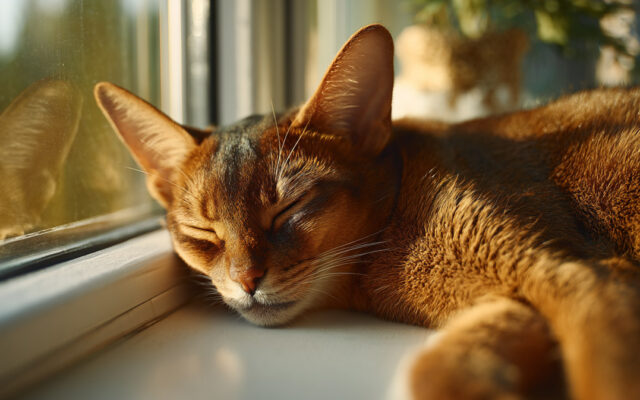 Abyssinian
- Weight
- 6-12 lb
- Life span
- 12-15 yrs
- Coat
- Shorthair
- Energy
- Shedding
- Grooming
- Voice
-
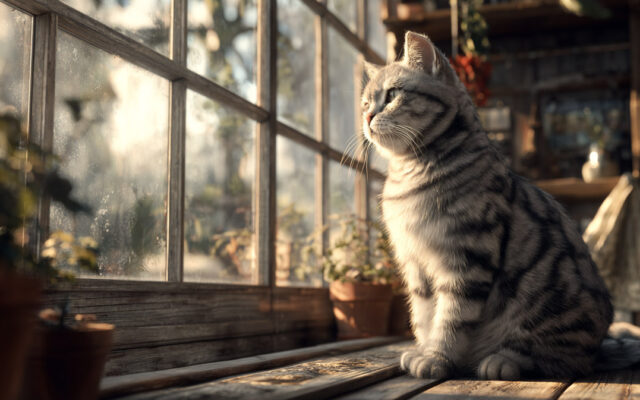 American Shorthair
- Weight
- 8-15 lb
- Life span
- 12-17 yrs
- Coat
- Shorthair
- Energy
- Shedding
- Grooming
- Voice
-
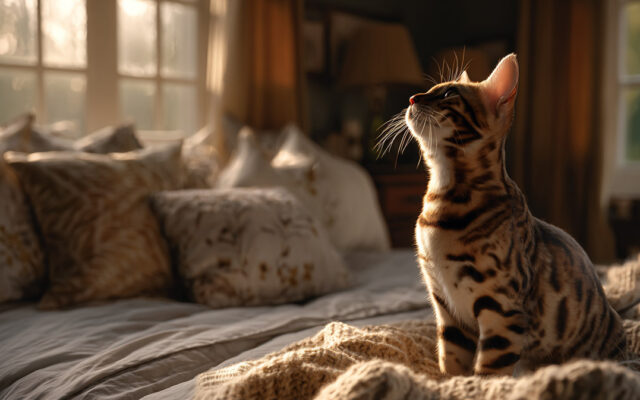 Bengal
- Weight
- 8-18 lb
- Life span
- 12-16 yrs
- Coat
- Shorthair
- Energy
- Shedding
- Grooming
- Voice
-
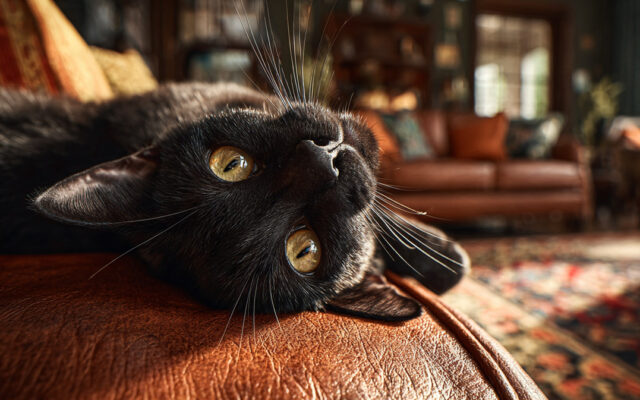 Bombay
- Weight
- 8-15 lb
- Life span
- 12-16 yrs
- Coat
- Shorthair
- Energy
- Shedding
- Grooming
- Voice
-
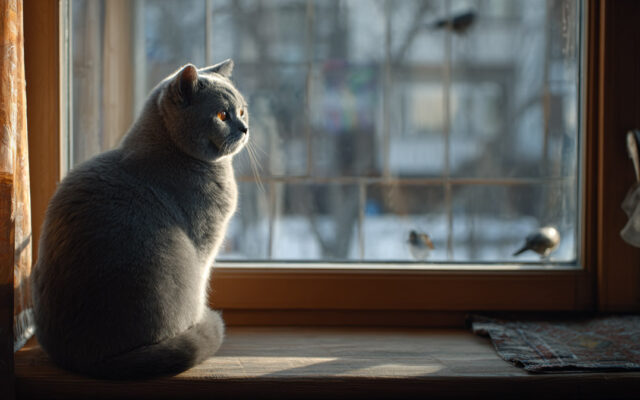 British Shorthair
- Weight
- 8-18 lb
- Life span
- 12-17 yrs
- Coat
- Shorthair
- Energy
- Shedding
- Grooming
- Voice
-
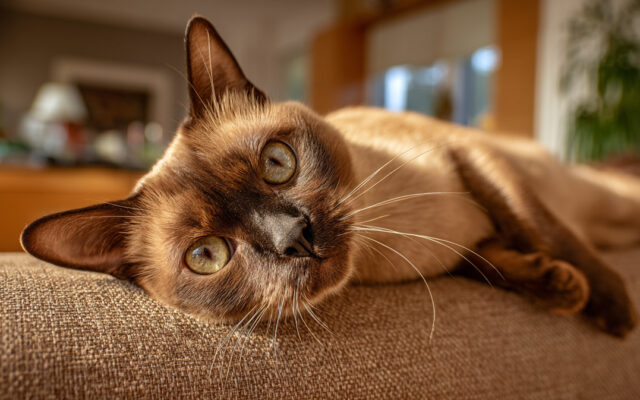 Burmese
- Weight
- 8-14 lb
- Life span
- 12-16 yrs
- Coat
- Shorthair
- Energy
- Shedding
- Grooming
- Voice
-
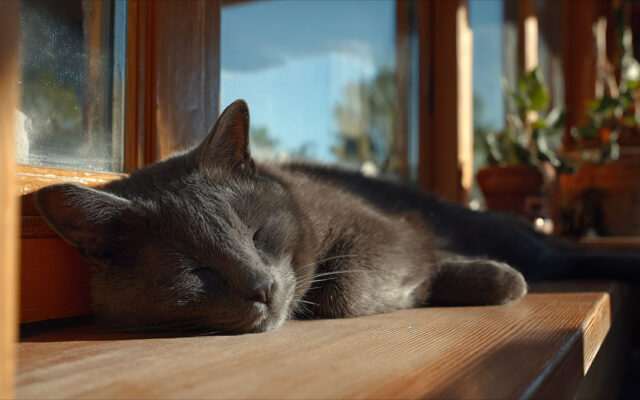 Chartreux
- Weight
- 6-14 lb
- Life span
- 12-16 yrs
- Coat
- Shorthair
- Energy
- Shedding
- Grooming
- Voice
-
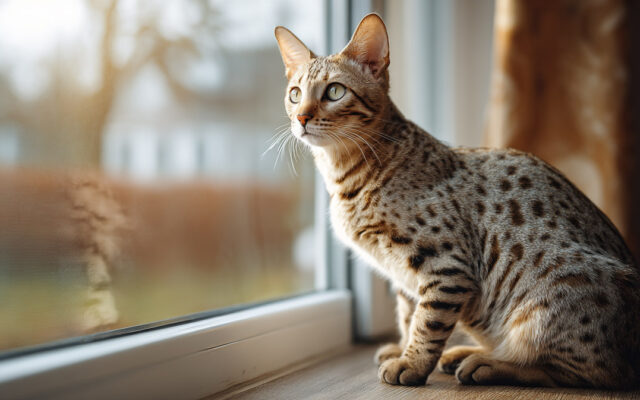 Egyptian Mau
- Weight
- 6-14 lb
- Life span
- 12-15 yrs
- Coat
- Shorthair
- Energy
- Shedding
- Grooming
- Voice
-
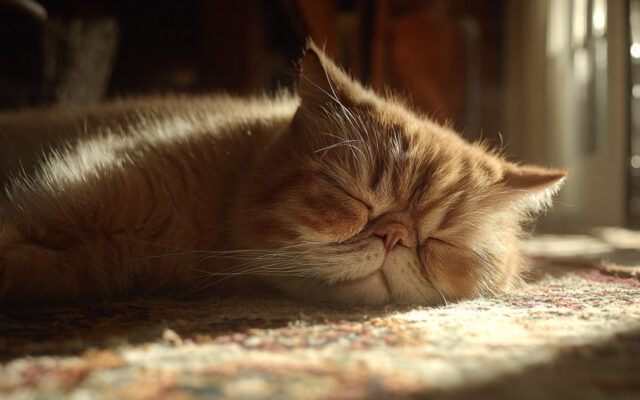 Exotic Shorthair
- Weight
- 6-14 lb
- Life span
- 12-15 yrs
- Coat
- Shorthair
- Energy
- Shedding
- Grooming
- Voice
-
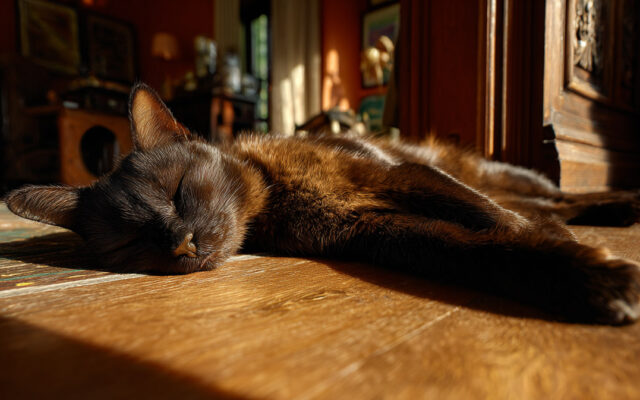 Havana Brown
- Weight
- 6-12 lb
- Life span
- 12-15 yrs
- Coat
- Shorthair
- Energy
- Shedding
- Grooming
- Voice
-
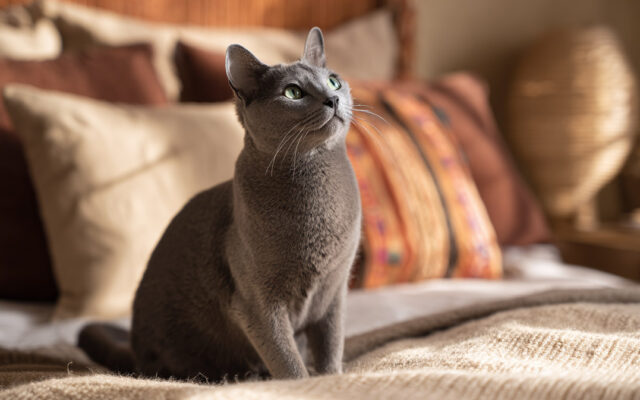 Korat
- Weight
- 6-10 lb
- Life span
- 12-15 yrs
- Coat
- Shorthair
- Energy
- Shedding
- Grooming
- Voice
-
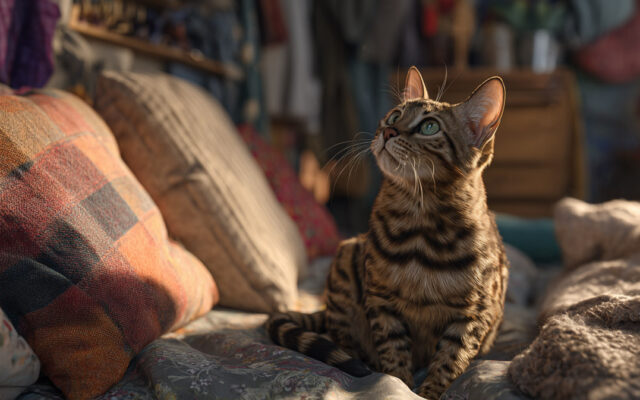 Ocicat
- Weight
- 6-15 lb
- Life span
- 12-18 yrs
- Coat
- Shorthair
- Energy
- Shedding
- Grooming
- Voice
-
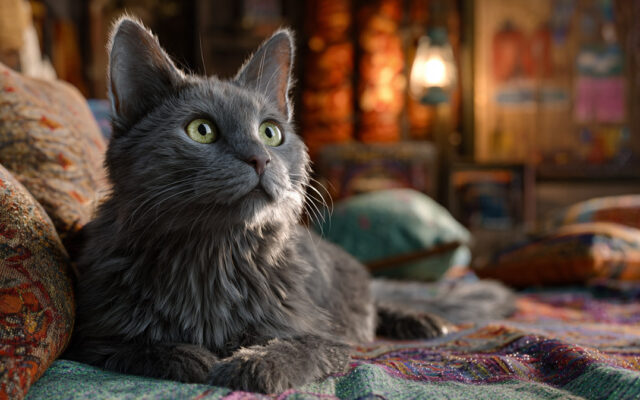 Russian Blue
- Weight
- 7-12 lb
- Life span
- 10-15 yrs
- Coat
- Shorthair
- Energy
- Shedding
- Grooming
- Voice
-
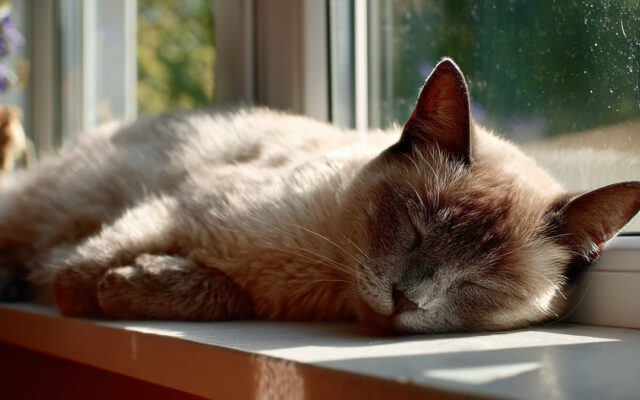 Siamese
- Weight
- 8-15 lb
- Life span
- 10-15 yrs
- Coat
- Shorthair
- Energy
- Shedding
- Grooming
- Voice
-
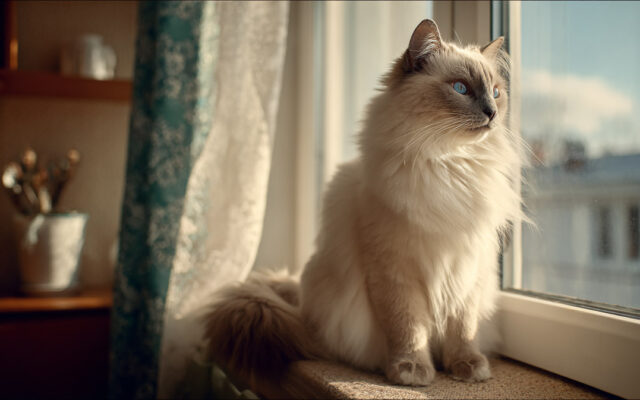 Snowshoe
- Weight
- 7-12 lb
- Life span
- 14-19 yrs
- Coat
- Shorthair
- Energy
- Shedding
- Grooming
- Voice
-
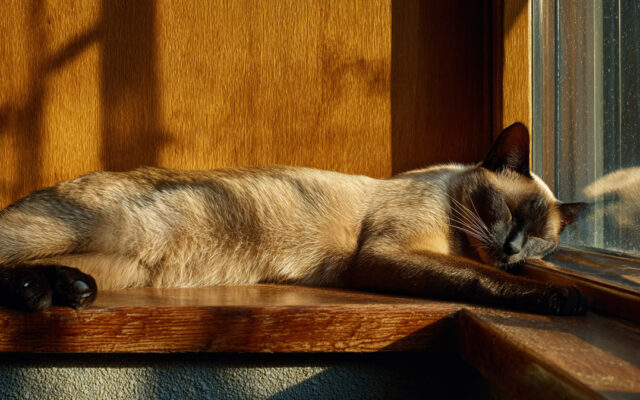 Tonkinese
- Weight
- 6-12 lb
- Life span
- 10-16 yrs
- Coat
- Shorthair
- Energy
- Shedding
- Grooming
- Voice
Longhair cat breeds
12 breedsLong and semi-long coats need more combing, and some mat quickly without it. This group includes the biggest pedigreed cats, such as the Maine Coon, along with flat-faced Persians and silky Balinese.
-
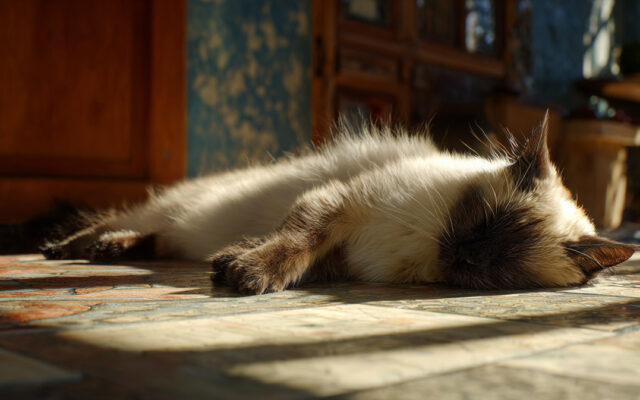 Balinese
- Weight
- 5-10 lb
- Life span
- 9-15 yrs
- Coat
- Longhair
- Energy
- Shedding
- Grooming
- Voice
-
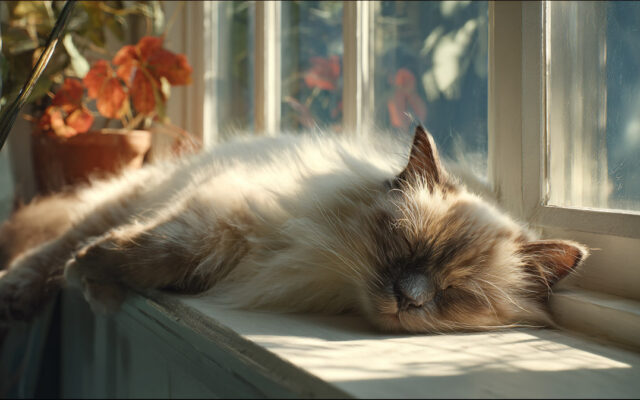 Birman
- Weight
- 6-15 lb
- Life span
- 12-16 yrs
- Coat
- Longhair
- Energy
- Shedding
- Grooming
- Voice
-
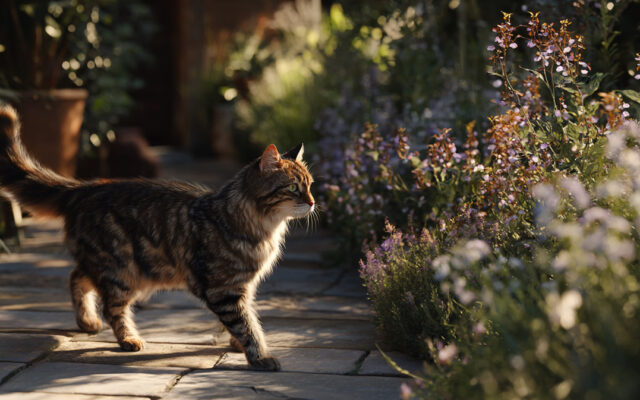 Cymric
- Weight
- 8-14 lb
- Life span
- 12-15 yrs
- Coat
- Longhair
- Energy
- Shedding
- Grooming
- Voice
-
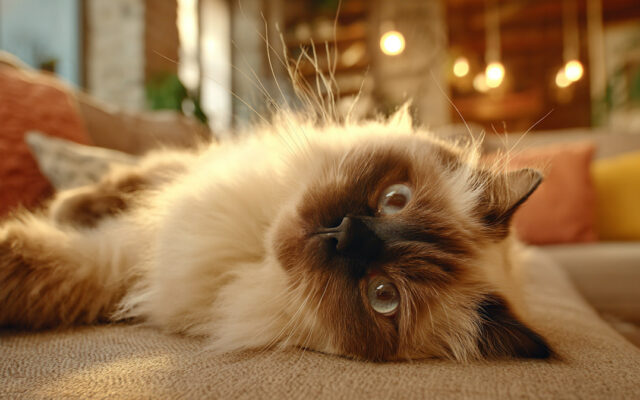 Himalayan
- Weight
- 8-15 lb
- Life span
- 9-15 yrs
- Coat
- Longhair
- Energy
- Shedding
- Grooming
- Voice
-
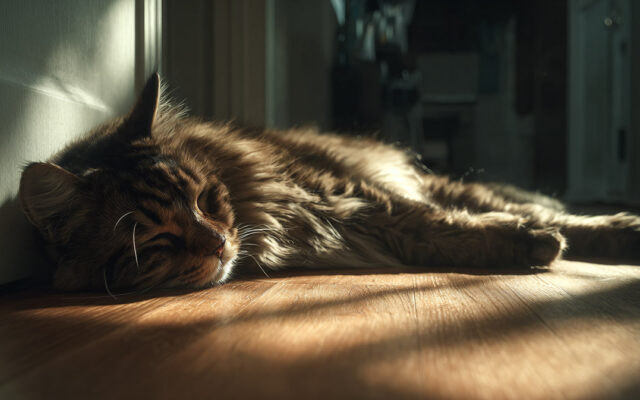 Maine Coon
- Weight
- 9-18 lb
- Life span
- 9-15 yrs
- Coat
- Longhair
- Energy
- Shedding
- Grooming
- Voice
-
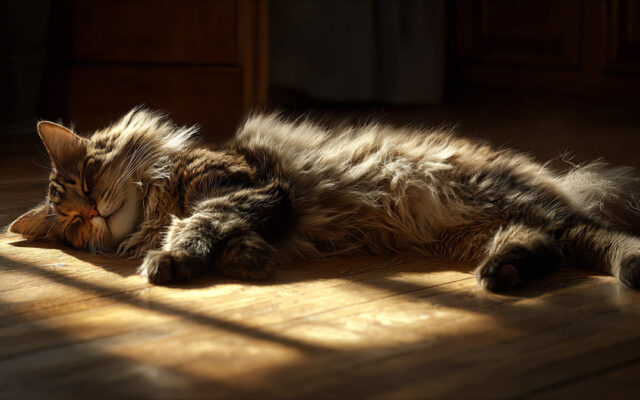 Norwegian Forest Cat
- Weight
- 8-20 lb
- Life span
- 14-16 yrs
- Coat
- Longhair
- Energy
- Shedding
- Grooming
- Voice
-
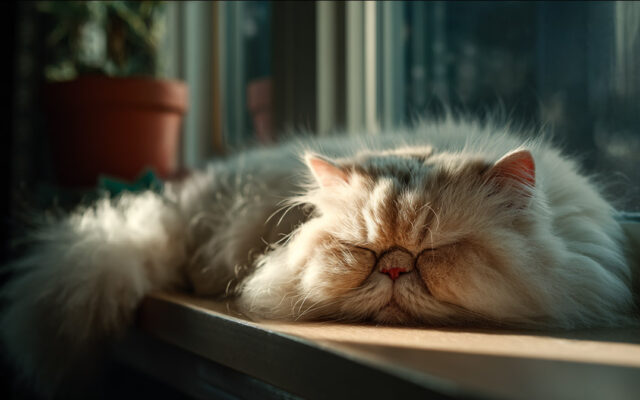 Persian
- Weight
- 7-14 lb
- Life span
- 10-16 yrs
- Coat
- Longhair
- Energy
- Shedding
- Grooming
- Voice
-
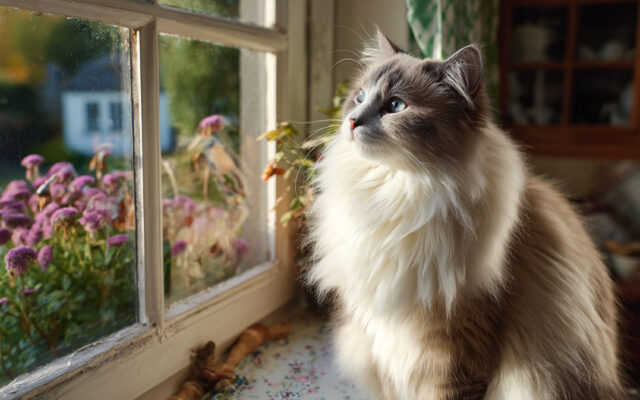 Ragdoll
- Weight
- 8-20 lb
- Life span
- 12-15 yrs
- Coat
- Longhair
- Energy
- Shedding
- Grooming
- Voice
-
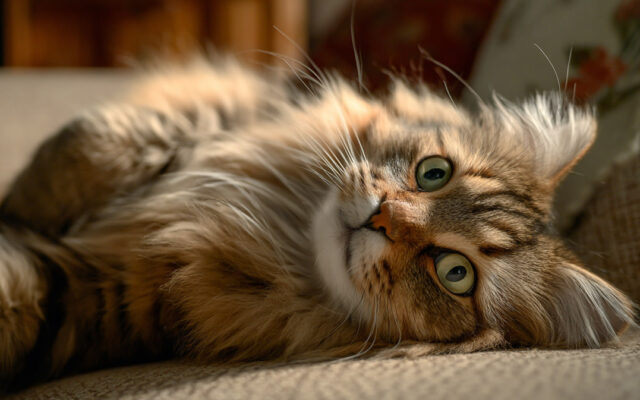 Siberian
- Weight
- 8-20 lb
- Life span
- 11-18 yrs
- Coat
- Longhair
- Energy
- Shedding
- Grooming
- Voice
-
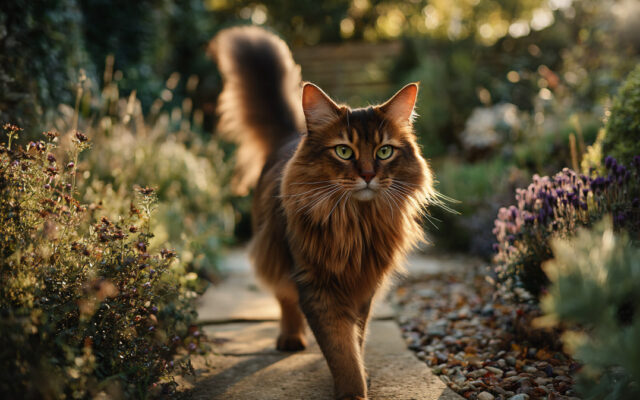 Somali
- Weight
- 6-13 lb
- Life span
- 11-16 yrs
- Coat
- Longhair
- Energy
- Shedding
- Grooming
- Voice
-
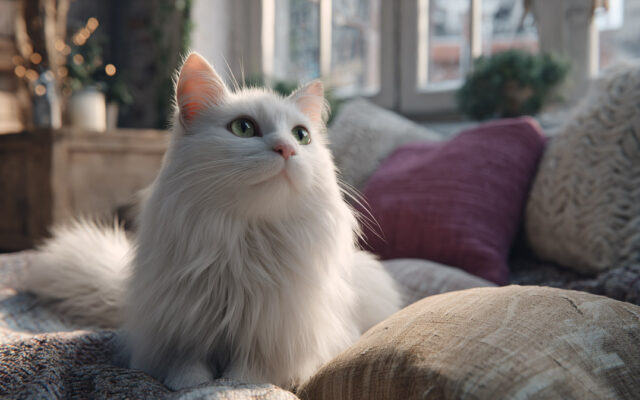 Turkish Angora
- Weight
- 5-12 lb
- Life span
- 9-20 yrs
- Coat
- Longhair
- Energy
- Shedding
- Grooming
- Voice
-
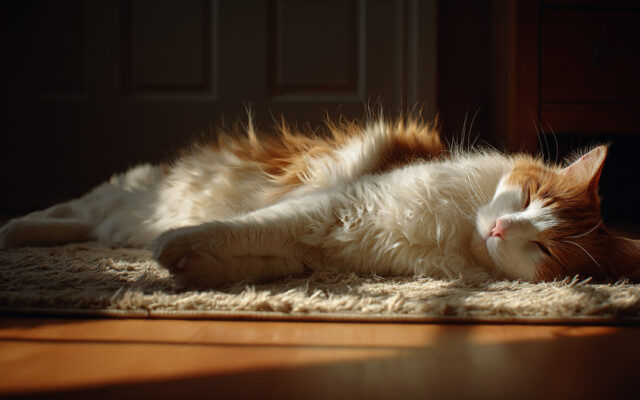 Turkish Van
- Weight
- 7-20 lb
- Life span
- 12-17 yrs
- Coat
- Longhair
- Energy
- Shedding
- Grooming
- Voice
Breeds with short or long coats
6 breedsThese breeds come in both coat lengths, so grooming depends on the cat in front of you. Several are also known for an unusual feature, such as a bobbed tail, a curled ear or a folded ear.
-
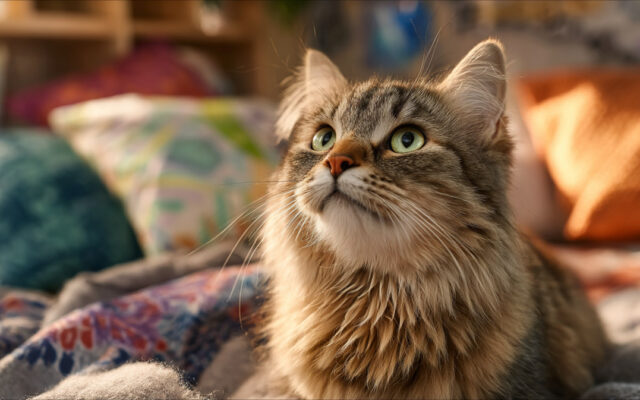 American Bobtail
- Weight
- 7-16 lb
- Life span
- 13-15 yrs
- Coat
- Short or long
- Energy
- Shedding
- Grooming
- Voice
-
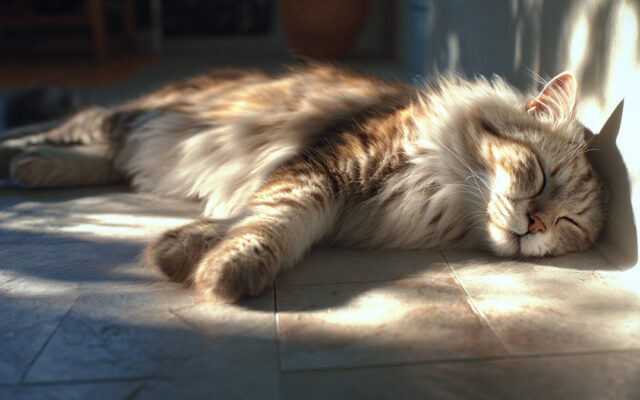 American Curl
- Weight
- 5-10 lb
- Life span
- 12-16 yrs
- Coat
- Short or long
- Energy
- Shedding
- Grooming
- Voice
-
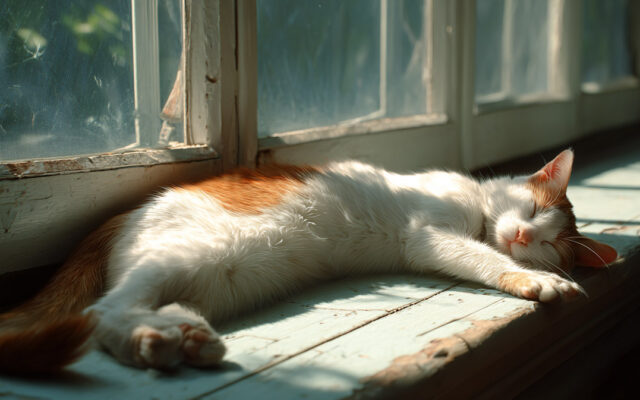 Japanese Bobtail
- Weight
- 5-10 lb
- Life span
- 12-16 yrs
- Coat
- Short or long
- Energy
- Shedding
- Grooming
- Voice
-
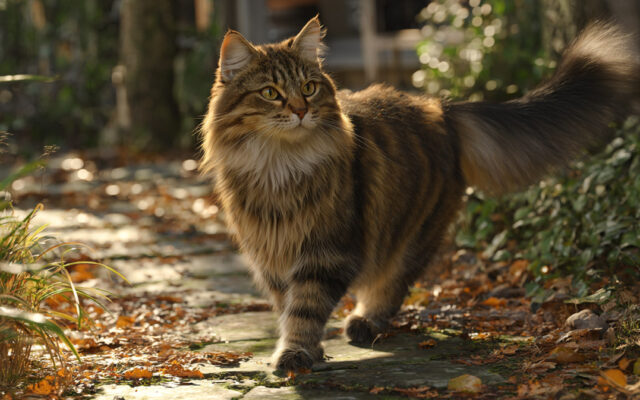 Manx
- Weight
- 8-12 lb
- Life span
- 8-14 yrs
- Coat
- Short or long
- Energy
- Shedding
- Grooming
- Voice
-
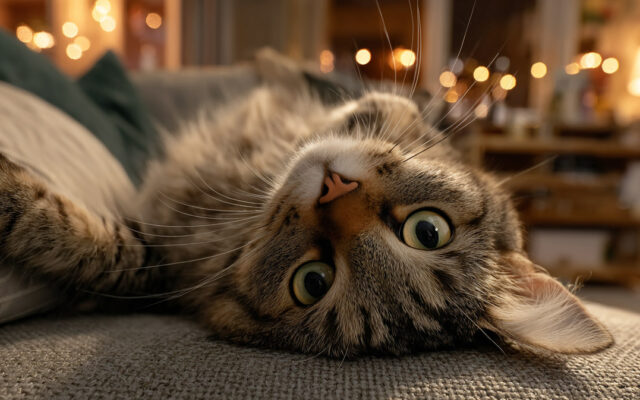 Pixiebob
- Weight
- 9-17 lb
- Life span
- 13-16 yrs
- Coat
- Short or long
- Energy
- Shedding
- Grooming
- Voice
-
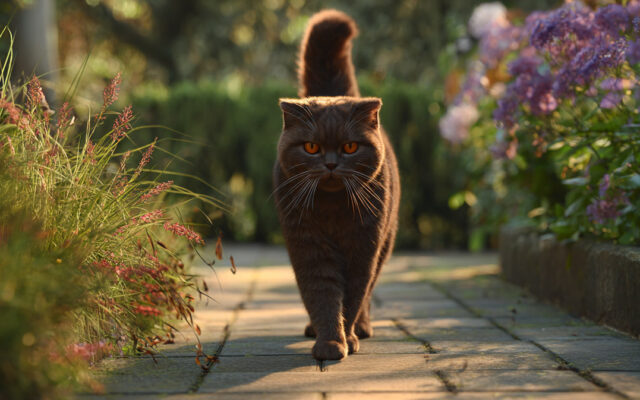 Scottish Fold
- Weight
- 6-13 lb
- Life span
- 11-15 yrs
- Coat
- Short or long
- Energy
- Shedding
- Grooming
- Voice
Curly and wiry coated breeds
4 breedsRex and wirehair coats come from natural mutations that change the hair itself. They feel unlike any other cat, and they need gentle care because the hair can break.
-
 American Wirehair
- Weight
- 8-15 lb
- Life span
- 14-18 yrs
- Coat
- Curly or wiry
- Energy
- Shedding
- Grooming
- Voice
-
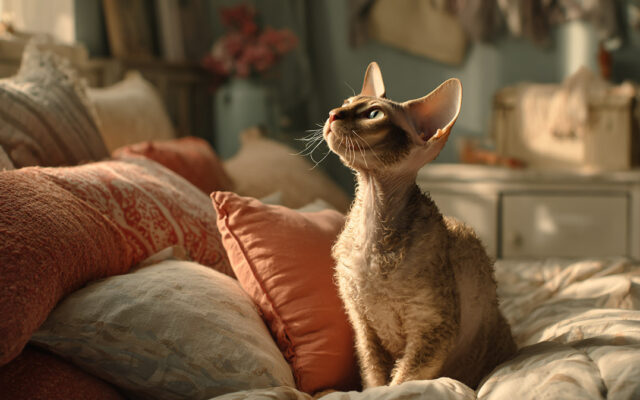 Cornish Rex
- Weight
- 5-10 lb
- Life span
- 12-16 yrs
- Coat
- Curly or wiry
- Energy
- Shedding
- Grooming
- Voice
-
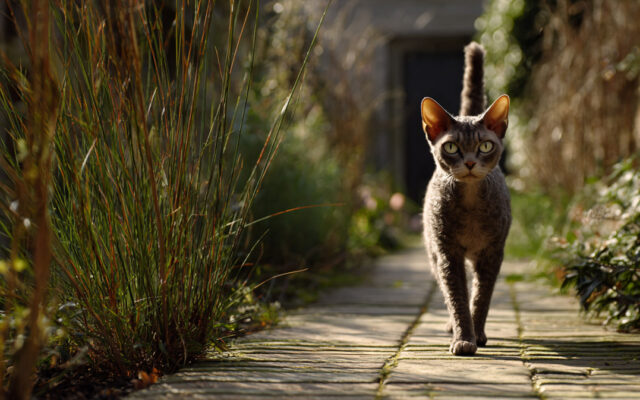 Devon Rex
- Weight
- 5-10 lb
- Life span
- 12-15 yrs
- Coat
- Curly or wiry
- Energy
- Shedding
- Grooming
- Voice
-
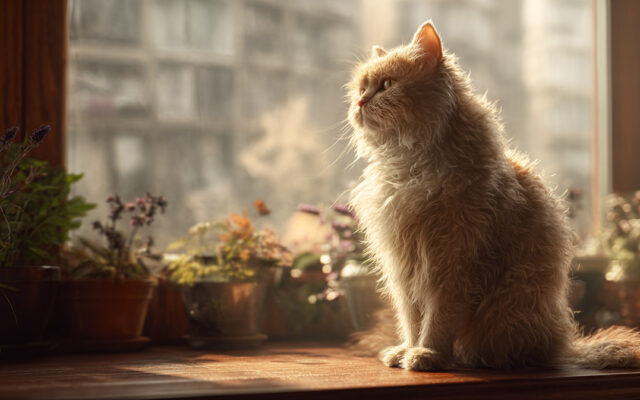 Selkirk Rex
- Weight
- 8-15 lb
- Life span
- 10-15 yrs
- Coat
- Curly or wiry
- Energy
- Shedding
- Grooming
- Voice
Hairless cat breeds
1 breedHairless cats are not grease free. Without fur to absorb skin oils they need regular baths, and they feel the cold, so a warm home matters.
-
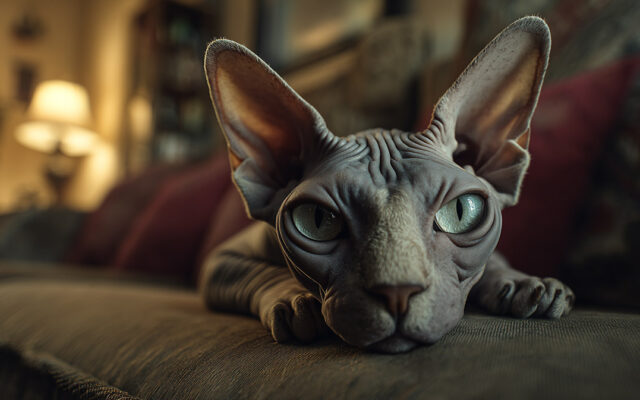 Sphynx
- Weight
- 6-14 lb
- Life span
- 8-14 yrs
- Coat
- Hairless
- Energy
- Shedding
- Grooming
- Voice
Cat breeds by size
Cats vary far less in size than dogs, but the gap still matters. A 20-pound Maine Coon needs a bigger litter box, a sturdier cat tree and more food than a 6-pound Devon Rex. Furlyo sorts each breed by the middle of its adult weight range.
| Size | Typical weight | Breeds | Popular examples |
|---|---|---|---|
| Small | Under 9 lb | 7 | Devon Rex, American Curl, Balinese, Cornish Rex and Japanese Bobtail |
| Medium | 9 to 12 lb | 24 | Persian, Exotic Shorthair, Abyssinian, American Shorthair and Russian Blue |
| Large | 13 lb and up | 8 | Maine Coon, Ragdoll, British Shorthair, Siberian and Bengal |
By the top of their weight range, the heaviest breeds here are the Norwegian Forest Cat, Ragdoll, Siberian and Turkish Van. The lightest are the American Curl, Balinese, Cornish Rex, Devon Rex and Japanese Bobtail.
Most popular cat breeds
These are the top 10 breeds on the Cat Fanciers' Association list for 2026, based on the prior year's registrations. The Maine Coon leads, followed by the Ragdoll and the Persian. CFA figures only count pedigreed cats registered with that association, so they show what breeders and buyers favor rather than every cat in a home.
| Rank | Breed | Coat | Size | Life span in guide |
|---|---|---|---|---|
| 1 | Maine Coon | Longhair | Large | 9-15 yrs |
| 2 | Ragdoll | Longhair | Large | 12-15 yrs |
| 3 | Persian | Longhair | Medium | 10-16 yrs |
| 4 | Exotic Shorthair | Shorthair | Medium | 12-15 yrs |
| 5 | Devon Rex | Curly or wiry | Small | 12-15 yrs |
| 6 | Abyssinian | Shorthair | Medium | 12-15 yrs |
| 7 | British Shorthair | Shorthair | Large | 12-17 yrs |
| 8 | Siberian | Longhair | Large | 11-18 yrs |
| 9 | American Shorthair | Shorthair | Medium | 12-17 yrs |
| 10 | Russian Blue | Shorthair | Medium | 10-15 yrs |
Best cat breeds for your home
The right breed depends on who lives with the cat and how much time you have. Each list states the rule behind it. They describe what is typical. Every cat is an individual, and early handling shapes temperament as much as breed does.
Families with children
Furlyo rates these breeds as good with children, with no minimum age attached. Always supervise young children around any cat. Most popular first: Maine Coon, Ragdoll, Devon Rex, British Shorthair, Siberian, American Shorthair, American Curl, American Wirehair, Balinese and Bengal. See all 21 in the breed finder
Apartments and smaller homes
Furlyo marks these breeds as suited to apartment life without extra conditions. Vertical space and daily play still matter. Most popular first: Ragdoll, Persian, Devon Rex, British Shorthair, Russian Blue, American Bobtail, American Wirehair, Burmese, Chartreux and Cornish Rex.
First-time cat owners
Furlyo marks these as suitable for a first cat. Most popular first: Siberian, Russian Blue, American Wirehair, Burmese, Japanese Bobtail and Pixiebob.
Owners who want less cat hair
Low shedding. That does not make a cat allergy friendly, as the FAQ explains. Most popular first: Devon Rex, Abyssinian, Russian Blue, American Curl, American Wirehair, Balinese, Bengal, Bombay, Burmese and Cornish Rex. See all 18 in the breed finder
Active homes that want to play
High or very high energy. These cats need daily play, climbing space and something to think about. Most popular first: Devon Rex, Abyssinian, Siberian, Balinese, Bengal, Cornish Rex, Egyptian Mau, Japanese Bobtail, Korat and Ocicat. See all 17 in the breed finder
A calm, easygoing companion
Low to moderate energy. They still need play, but they are happy to settle for long stretches. Most popular first: Ragdoll, Persian, Exotic Shorthair, British Shorthair and Himalayan. See all 5 in the breed finder
Quiet homes
Quiet or soft voiced. Any cat can be noisy when it wants something. Most popular first: Ragdoll, Persian, Exotic Shorthair, British Shorthair, Siberian, American Shorthair, American Bobtail, American Curl, American Wirehair and Birman. See all 15 in the breed finder
People who like a talkative cat
Talkative. These cats tend to answer back, and some are loud. Most popular first: Balinese, Bengal, Bombay, Japanese Bobtail, Korat, Siamese, Snowshoe, Sphynx, Tonkinese and Turkish Angora. See all 10 in the breed finder
Health problems linked to cat breeds
Breeding for a certain look or a small gene pool can concentrate health problems. If you are buying from a breeder, ask which of these apply and ask to see the test results.
- Flat faces: International Cat Care warns that very flat-faced cats such as the Persian and the Exotic Shorthair commonly have breathing and eye problems. In a survey of 1,000 owners, flatter faces went with worse breathing scores.
- Folded ears: the gene variant behind the Scottish Fold's ear also disrupts bone and cartilage development, and severity varies from cat to cat. International Cat Care considers breeding these cats unethical, and FIFe's breed list does not include them, although the CFA still recognizes the breed.
- Heart disease: separate MYBPC3 mutations are linked to hypertrophic cardiomyopathy in the Maine Coon and the Ragdoll. Not every affected cat carries them, so a clear DNA test is not a guarantee.
- Kidney disease: polycystic kidney disease has long been common in Persians, and a DNA test can identify affected cats before breeding.
Each Furlyo breed guide covers the conditions that breed is prone to. Your vet can tell you what to watch for in your own cat.
How long cat breeds really live
Life span ranges in breed profiles, including the ones on this page, describe what a healthy cat of that breed can reach. Veterinary records tell a more sober story. A 2024 UK study by Teng and colleagues looked at 7,936 cat deaths and estimated life expectancy at birth. The average across all cats was 11.74 years, and crossbred cats averaged 11.89.
| Breed | Life expectancy at birth (UK study) | Range quoted in breed profiles |
|---|---|---|
| Burmese | 14.42 years | 12-16 years |
| Birman | 14.39 years | 12-16 years |
| Siamese | 11.69 years | 10-15 years |
| Persian | 10.93 years | 10-16 years |
| Ragdoll | 10.31 years | 12-15 years |
| Maine Coon | 9.71 years | 9-15 years |
| Bengal | 8.51 years | 12-16 years |
| Sphynx | 6.68 years | 8-14 years |
Read the two columns as different measures, not as a contradiction. Life expectancy at birth includes kittens and young cats lost to accidents and illness, which pulls the average well below what an adult cat in good health can expect. The study covers UK cats, so figures elsewhere may differ.
How to choose the right cat breed
- Start with your time. A high energy Bengal or Abyssinian needs daily play and climbing space. A British Shorthair is happier with a quieter routine.
- Be honest about grooming. A Persian needs daily combing, while most shorthairs need a weekly brush. A Sphynx has no coat to brush but needs regular baths.
- Think about noise. A Siamese talks back, loudly and often. If you share walls with neighbors, look at the quiet list above.
- Plan the home. The AAFP and ISFM guidelines list five needs for any cat: a safe place, separate key resources, chances to play and hunt, positive and predictable contact with people, and respect for its sense of smell.
- Check for health problems. Read the breed guide, then ask the breeder for health test results and meet the kitten's mother if you can.
- Consider adoption. Rescues and breed rescue groups often have adult cats, whose personality you can already see.
Pedigree cat or moggy?
A pedigree cat has a registered family tree, so its adult size, coat and temperament are fairly predictable. A moggy, or domestic cat of mixed ancestry, is the more common pet. In the Cats Protection 2026 survey, 51 percent of UK cats were moggies and 38 percent were pedigree or purebred. Moggies have no breed standard, so meet the individual cat and ask about its history. If you are comparing dogs as well, see the dog breeds hub.
Cat breed FAQ
How many cat breeds are there?
It depends on the registry. The Cat Fanciers' Association website lists 45 breeds, the Fédération Internationale Féline (FIFe) recognizes 50, and The International Cat Association (TICA) lists more than 70. This page covers the 39 breeds that have a full Furlyo guide.
What is the most popular cat breed?
The Maine Coon. It ranks first on the Cat Fanciers' Association list of most popular breeds for 2026, ahead of the Ragdoll, the Persian and the Exotic. The list counts pedigreed cats registered with the CFA, so it does not include most pet cats.
What is the largest cat breed?
Among pedigreed cats it is the Maine Coon, which the CFA calls the largest of all pedigreed cats. Mature males can reach or exceed 20 pounds. The Ragdoll, the Siberian and the Norwegian Forest Cat are also large.
Are any cat breeds hypoallergenic?
No breed has been shown to be truly hypoallergenic. All cats produce the main allergen, a protein called Fel d 1, and it spreads through saliva and skin rather than through hair alone. Claims about the Siberian trace back mostly to breeders, and the research on breed differences is still limited, so spend time with a cat before you commit to one.
How long do cat breeds live?
A UK study of 7,936 cat deaths in veterinary records put average life expectancy at 11.74 years, from 14.42 years for the Burmese down to 6.68 years for the Sphynx. Breed profiles often quote longer ranges, which describe what is possible rather than the average.
Are most pet cats purebred?
No. In the Cats Protection 2026 survey of UK owners, 51 percent of cats were moggies, 38 percent were pedigree or purebred and 5 percent were cross-breeds. Among cats acquired in the past year, though, 52 percent were pedigree.
How is breed size decided on this page?
Each breed is sorted by the middle of its adult weight range: small under 9 pounds, medium 9 to 12 pounds and large 13 pounds and up. Males usually sit at the top of the range and females at the bottom.
Where the breed data comes from
Weight, life span, energy, shedding, grooming, voice and suitability for children, apartments and first-time owners are Furlyo's own summary of published breed profiles. Sources often disagree, so treat every range as a guide, and open the breed's page to see where the figures differ. Popularity comes from the Cat Fanciers' Association, and coat length was checked against CFA breed profiles. The Pixiebob and the Snowshoe are not on the CFA breed list. The CFA treats the Himalayan as part of the Persian breed and the Cymric as the longhaired Manx, while Furlyo covers each one in its own guide.
- Cat Fanciers' Association, Most Popular Breeds for 2026: cfa.org/cat-talk/most-popular-breeds-for-2026/
- Cat Fanciers' Association, breed profiles: cfa.org/breeds/
- Teng et al. 2024, life tables for cats in the UK, Journal of Feline Medicine and Surgery: pmc.ncbi.nlm.nih.gov/articles/PMC11156239/
- International Cat Care, Persian cats and brachycephaly: icatcare.org/articles/persian-cats-and-brachycephaly
- International Cat Care, Scottish Fold osteochondrodysplasia: icatcare.org/articles/scottish-fold-osteochondrodysplasia
- Farnworth et al. 2016, flat faces and breathing in cats: pmc.ncbi.nlm.nih.gov/articles/PMC5004878/
- Meurs et al. 2005 and 2007, MYBPC3 mutations in Maine Coon and Ragdoll cats: pubmed.ncbi.nlm.nih.gov/16236761/ and pubmed.ncbi.nlm.nih.gov/17521870/
- Cats Protection, CATS Report UK 2026: cats.org.uk/media/grnfe5wr/cats-report-uk-2026.pdf
- AAFP and ISFM, Feline Environmental Needs Guidelines: catvets.com/resource/aafp-isfm-environmental-needs-guidelines/