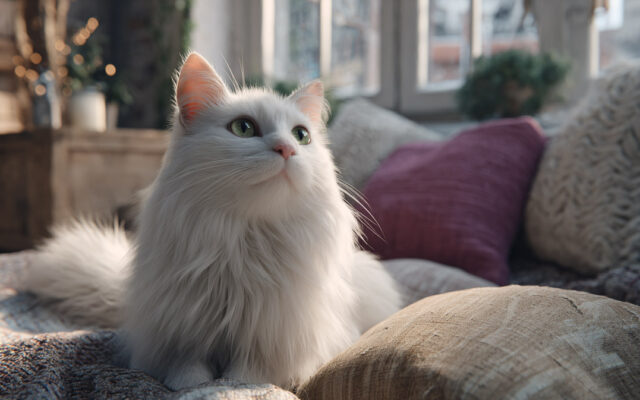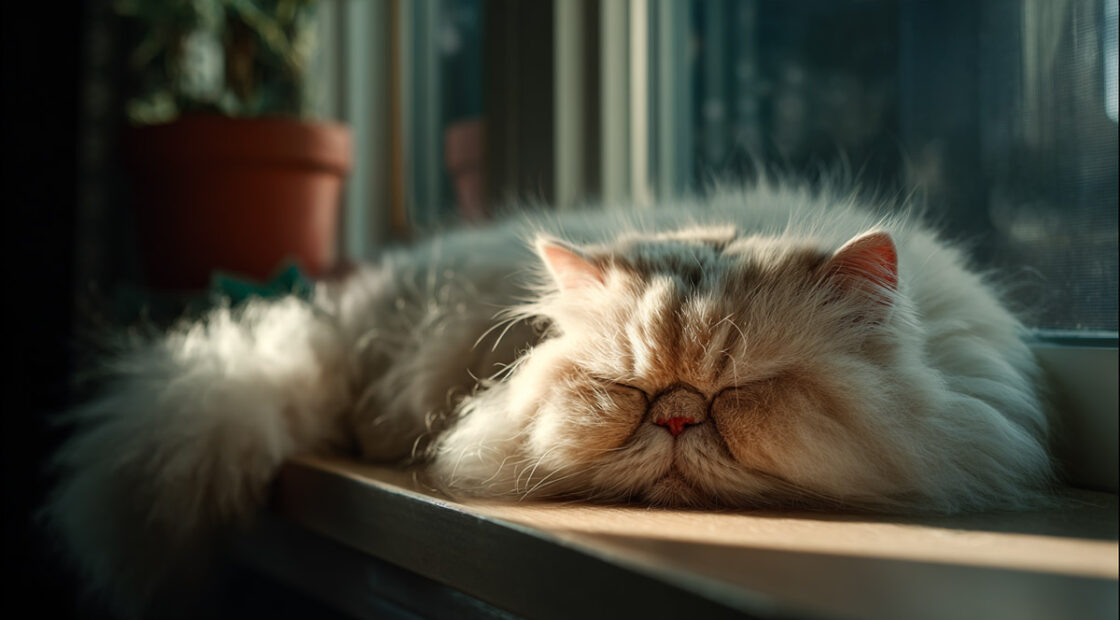
That luxurious coat and flat face aren’t just for show.
Persian cats rank among the most recognizable feline breeds worldwide, yet many potential owners underestimate what living with one actually involves. Their stunning appearance comes with serious care requirements and health considerations that deserve honest discussion.
This guide covers everything from their brachycephalic health issues to daily grooming demands, realistic cost breakdowns, and temperament traits. You’ll learn whether a Persian matches your lifestyle, what reputable breeders should provide, and how to keep these gentle cats healthy for 15+ years.
We’re not selling you a dream. We’re giving you the facts about polycystic kidney disease risks, the reality of combing mats for 20 minutes daily, and why that $1,500 kitten becomes a $3,000 annual commitment.
Persian Cat Breed Statistics
| Characteristic | Details |
|---|---|
| Weight | Males: 9-14 lbs, Females: 7-11 lbs |
| Height | 8-10 inches at shoulder |
| Lifespan | 12-17 years (average 13.5 years) |
| Coat Type | Long, dense double coat |
| Coat Colors | White, black, blue, red, cream, chocolate, lilac, silver, golden, calico, tabby, pointed, tortoiseshell |
| Shedding Level | Moderate to high |
| Energy Level | Low to moderate |
| Exercise Needs | 20-30 minutes daily |
| Grooming Frequency | Daily brushing, bath every 4-6 weeks |
| Trainability | Moderate |
| Intelligence | Average |
| Vocalization | Quiet to moderate |
| Temperament | Calm, gentle, affectionate, laid-back |
| Good with Children | Best with older children (8+ years) |
| Good with Dogs | Yes, with calm dogs |
| Good with Other Cats | Excellent |
| Apartment Friendly | Yes |
| Indoor/Outdoor | Indoor only |
| Health Issues | Polycystic kidney disease (PKD), hypertrophic cardiomyopathy (HCM), brachycephalic airway syndrome, dental disease, eye problems |
| Kitten Price | $1,200-$5,000 |
| Annual Cost | $2,000-$4,000 |
| Lifetime Cost | $25,000-$60,000 |
| Climate Tolerance | Heat sensitive, moderate cold tolerance |
| Origin | Persia (modern-day Iran) |
| Registry Recognition | CFA (1906), TICA (1979) |
| Body Type | Cobby |
| Hypoallergenic | No |
| First-Time Owner Friendly | Intermediate to advanced |
What Is a Persian Cat?
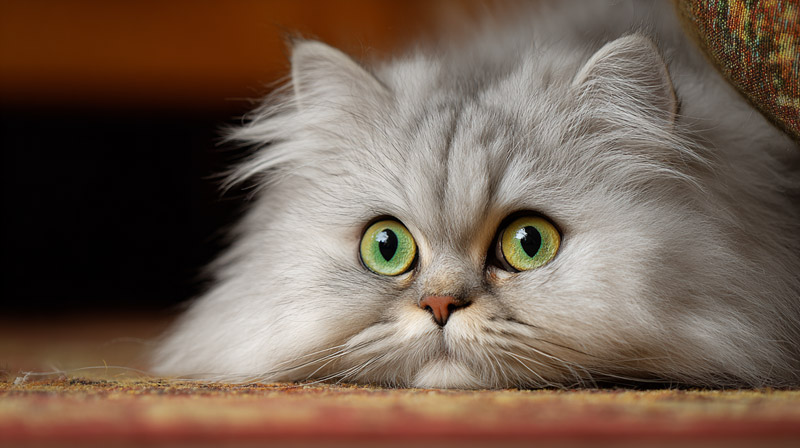
The Persian cat is a medium to large purebred feline known for its luxurious long coat, flat facial structure, and calm temperament.
These brachycephalic cats originated from the Middle East, likely ancient Persia (modern-day Iran), though their exact origins remain unclear.
The Cat Fanciers Association (CFA) and The International Cat Association (TICA) both recognize this breed. CFA ranked Persians among the most popular cat breeds in North America.
This natural breed didn’t result from human-engineered mutations. Instead, selective breeding refined their distinctive features over centuries.
Queen Victoria owned multiple Persians during the Victorian era, boosting their popularity across Europe and eventually America.
Physical Characteristics
How Big Do Persian Cats Get?
Males: 9-14 pounds
Females: 7-11 pounds
Height: 8-10 inches at shoulder
Body type: Cobby (compact, rounded, well-muscled)
Persians reach full size at 2-4 years old, maturing slower than most domestic cats.
Their sturdy bone structure and thick coat make them appear heavier than their actual weight.
What Does a Persian Cat’s Coat Look Like?
Length: Long (2-6 inches)
Texture: Silky, dense double coat with thick undercoat
Shedding level: Moderate to high year-round
Pattern types:
- Solid
- Tabby
- Bicolor
- Calico
- Pointed (Himalayan)
- Shaded
- Smoke
- Chinchilla
Color variations:
White, black, blue, red, cream, chocolate, lilac, silver, golden, tortoiseshell, seal point, and combinations
The coat requires daily maintenance to prevent matting. Without regular grooming, their fur tangles within days.
Distinctive Physical Features
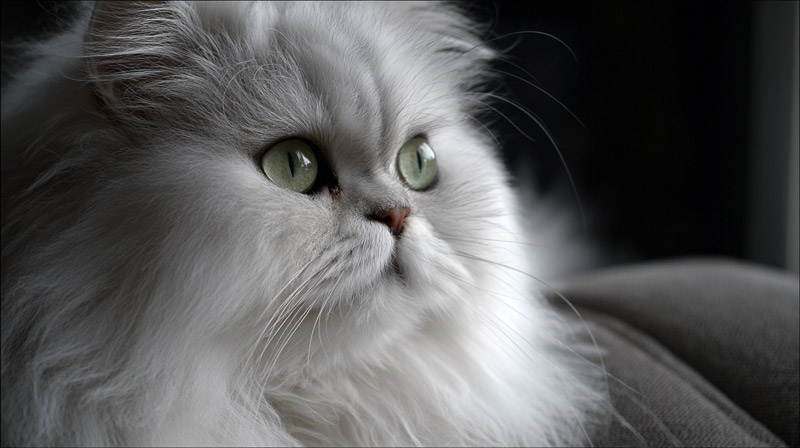
Eyes: Large, round, copper, blue, green, or odd-eyed (heterochromia)
Eye color corresponds to coat color. Solid-colored Persians typically have copper or deep blue eyes, while Chinchilla Persians often display green.
Ears: Small, rounded tips, set wide apart and low on head
Head: Large, round skull with short, broad muzzle
Face: Two types exist. Show Persians (peke-face) have extremely flat profiles with noses nearly level with eyes. Traditional Persians (doll-face) feature slightly more pronounced noses and less extreme facial flattening.
Tail: Short, bushy, carried low, proportional to body
Legs: Short, thick, strong bones
Paws: Large, round, prominent tufts between toes
Unique markers: Brachycephalic skull structure creates distinctive flat facial appearance
Persian Personality and Temperament
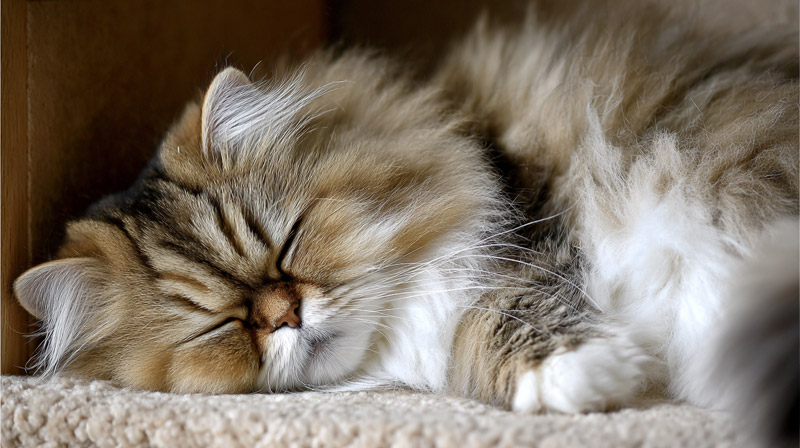
Are Persian Cats Affectionate?
Bonding style: Lap cat, selective with affection
Attention needs: Moderate. They enjoy human companionship but don’t demand constant interaction.
Stranger reaction: Cautious. They observe newcomers before warming up.
Persians form strong attachments to their families. They’ll follow you room to room but won’t vocalize demands for attention like Siamese cats.
Male Persians tend toward more outgoing personalities. Females often display more independence and selectivity.
How Active Are Persian Cats?
Energy level: Low to moderate
Play drive: Moderate, with short bursts of activity
Exercise requirements: 15-30 minutes daily through interactive play
Favorite activities:
- Lounging in sunny windows
- Gentle batting at toys
- Chasing feather wands briefly
- Watching bird activity outdoors
Intelligence: Average. They learn routines but aren’t problem-solvers like Bengal cats.
Trainability: Moderate. They respond to consistent positive reinforcement but lack the eagerness of dog-like breeds.
Persians prefer keeping all four paws on the ground. They’re not jumpers or climbers compared to Abyssinian cats.
Do Persian Cats Get Along with Others?
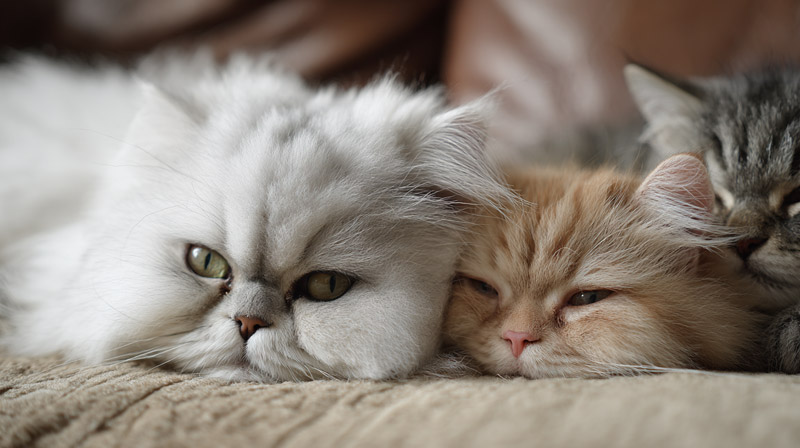
Children compatibility: Best with older, gentle children (8+ years) who understand proper handling
Dog compatibility: Good with calm, cat-friendly dogs
Other cats: Excellent. They coexist peacefully with other felines, including British Shorthair and Ragdoll breeds.
Multi-pet household suitability: High, with proper introductions
Territorial tendencies: Low. They’re not aggressive defenders of space.
Introduce Persians to household pets gradually. Their docile nature makes them vulnerable to aggressive animals.
How Vocal Are Persian Cats?
Frequency: Quiet to moderate
Voice characteristics: Soft, melodic, rarely loud
Communication style: Gentle chirps and soft meows
They communicate through facial expressions and body language more than vocalizations. Expect minimal noise compared to vocal breeds like Burmese or Tonkinese cats.
Health and Lifespan
How Long Do Persian Cats Live?
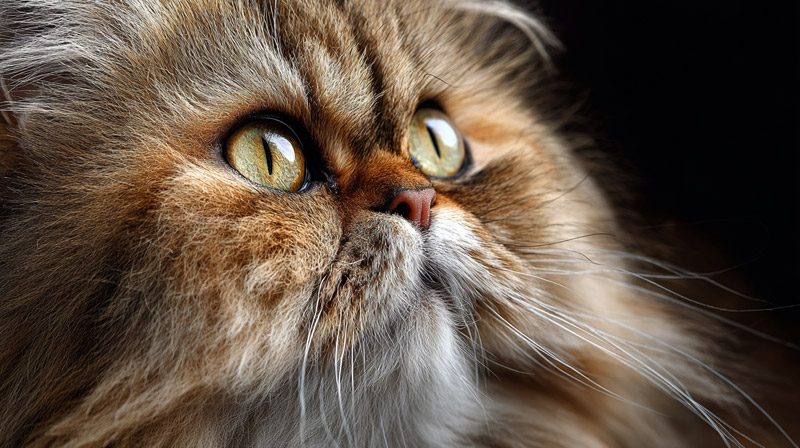
Average lifespan: 12-17 years
Median: 13.5 years
Indoor Persians live longer than outdoor cats. Proper care, diet, and health screening can push lifespan toward 18-20 years.
Factors affecting longevity include genetic health, breeder quality, preventive veterinary care, and weight management.
Common Health Issues in Persian Cats
Polycystic Kidney Disease (PKD)
- Symptoms: Excessive thirst, increased urination, weight loss, decreased appetite, lethargy
- Age of onset: 3-10 years (average 7 years)
- Prevalence: 36-49% of Persian population
- Treatment: Special renal diet, hydration support, medications to manage symptoms
- Prevention: DNA testing breeding cats (autosomal dominant PKD1 gene mutation)
Brachycephalic Airway Syndrome
- Symptoms: Noisy breathing, mouth breathing, exercise intolerance, overheating
- Age of onset: Present from birth, worsens with age
- Prevalence: Affects most flat-faced Persians to varying degrees
- Treatment: Weight management, cool environments, surgical correction in severe cases
- Prevention: Breeding for less extreme facial structure
Hypertrophic Cardiomyopathy (HCM)
- Symptoms: Lethargy, difficulty breathing, hind leg paralysis (from blood clots)
- Age of onset: Typically 3+ years, can occur earlier
- Prevalence: Moderate risk compared to Maine Coon cats
- Treatment: Medications to manage heart function, blood thinners
- Prevention: Cardiac ultrasound screening breeding cats (no genetic test available for Persians yet)
Dental Disease and Malocclusion
- Symptoms: Bad breath, difficulty eating, drooling, pawing at mouth
- Age of onset: Can begin at 1-2 years
- Prevalence: Very common due to shortened jaw
- Treatment: Professional dental cleaning, tooth extractions if needed
- Prevention: Daily teeth brushing, dental treats
Eye Problems
- Conditions: Entropion, corneal sequestra, cherry eye, excessive tearing (epiphora)
- Symptoms: Eye discharge, squinting, visible third eyelid, brown staining on face
- Age of onset: Varies. Tearing issues present from kittenhood.
- Treatment: Daily facial cleaning, eye drops, surgical correction
- Prevention: Keeping facial folds clean and dry
Hip Dysplasia
- Symptoms: Difficulty jumping, reluctance to move, limping
- Age of onset: Typically appears in middle age
- Prevalence: Higher than average for cats
- Treatment: Pain management, weight control, surgery in severe cases
- Prevention: Screening breeding stock, maintaining healthy weight
Progressive Retinal Atrophy (PRA)
- Symptoms: Night blindness progressing to complete blindness
- Age of onset: 4-8 weeks initially, full blindness by 15 weeks
- Treatment: No cure. Affected cats adapt well to indoor living.
- Prevention: Genetic testing
Obesity
- Risk factors: Low activity level, overfeeding, free-feeding dry food
- Consequences: Worsens breathing problems, stresses joints and heart
- Prevention: Measured meals, scheduled feeding, daily play sessions
What Health Testing Should Persian Cats Have?
For breeding cats:
- PKD1 genetic DNA test
- Annual cardiac ultrasound for HCM screening
- Hip radiographs
- PRA genetic testing
- Blood pressure monitoring
For pet Persians:
- Veterinary wellness exams every 6-12 months
- Annual bloodwork starting at age 7
- Dental examinations every 6 months
- Yearly cardiac auscultation (listening for heart murmurs)
- Kidney function monitoring (urinalysis, blood tests) starting at age 5
Kitten screenings before adoption:
- First vaccination series (8, 12, 16 weeks)
- Fecal examination for parasites
- FeLV/FIV testing
- Physical examination for congenital defects
Reputable breeders provide health certificates and genetic test results for breeding parents.
Caring for a Persian Cat
What Do Persian Cats Eat?
Protein requirements: 35-45% (high-quality animal protein)
Feeding frequency:
- Kittens (under 6 months): 3-4 meals daily
- Adults: 2 meals daily at scheduled times
Portion sizes:
- Average adult: 1/4 to 1/2 cup dry food daily OR 5.5 oz wet food
- Adjust based on individual metabolism and activity level
Wet vs. dry considerations:
Wet food provides better hydration for kidney health. Mix both for dental benefits and variety.
Special dietary needs:
- High moisture content (helps prevent PKD complications)
- Omega-3 fatty acids for coat health and heart support
- L-carnitine for weight management
- Limited carbohydrates (indoor cat formulas)
- Hairball control formulas with added fiber
Foods to avoid:
- Onions, garlic, grapes, raisins, chocolate, xylitol
- Excessive tuna (can cause mercury toxicity)
- Raw fish and meat (parasite risk)
- Dairy products (many cats are lactose intolerant)
Weight management:
Monitor body condition monthly. You should feel ribs easily but not see them prominently.
How Do You Groom a Persian Cat?
Brushing frequency: Daily (minimum 10-15 minutes)
Use wide-tooth metal comb first to detangle, followed by slicker brush for undercoat removal.
Pay special attention to armpits, behind ears, belly, and rear areas where mats form fastest.
Bathing requirements: Every 4-6 weeks
Process:
- Comb out all mats before wetting (never bathe a matted cat)
- Apply degreaser (Goop or Dawn dish soap) to dry coat on greasy areas
- Wet thoroughly with lukewarm water using spray attachment
- Shampoo with cat-specific product
- Apply conditioner to coat
- Rinse 2-3 times until water runs completely clear
- Towel dry then blow-dry on medium heat while combing
Nail trimming: Every 2-3 weeks
Cut only the clear tip, avoiding the pink quick. Keep styptic powder available for accidental bleeding.
Dental care: Daily brushing ideal, minimum 3 times weekly
Use cat toothpaste (never human toothpaste). Start young for acceptance.
Eye cleaning: Daily
Wipe tear stains with soft, damp cloth or specialized tear stain remover. Clean from inner corner outward using fresh section for each eye.
Ear cleaning: Every 2-4 weeks or as needed
Apply cat ear cleaner to cotton ball (never Q-tips deep in ear). Wipe visible portions only.
Sanitary trimming: Monthly
Trim fur around anus and back legs with blunt-tip scissors to prevent fecal matter from sticking.
Professional grooming: Every 2-3 months optional
Consider lion cuts during hot weather or if home grooming becomes overwhelming. Professional groomers charge $50-100 per session.
How Much Exercise Does a Persian Cat Need?
Daily activity: 20-30 minutes total
Break into 2-3 short play sessions. They tire quickly.
Indoor vs. outdoor:
Keep Persians indoors exclusively. Their breathing difficulties, poor athleticism, and valuable coats make outdoor life dangerous.
Recommended toys:
- Feather wands for gentle batting
- Soft toy mice for pouncing
- Laser pointers (brief sessions)
- Puzzle feeders for mental stimulation
- Crinkle balls
Avoid toys requiring sustained jumping or running.
Climbing/vertical space:
Low cat trees (3-4 feet) with wide, stable platforms. Persians prefer surveying from moderate heights, not ceiling-level perches like Bengal cats enjoy.
Interactive play frequency: 2-3 times daily, 10 minutes each
Engage them before they become overheated or breathless.
Living with a Persian Cat
Are Persian Cats Good for Apartments?
Space requirements: 500+ square feet recommended
They adapt well to small spaces due to low activity levels.
Noise level: Low. Minimal meowing or disruptive behavior.
Neighbor compatibility: Excellent. Quiet temperament causes no complaints.
Indoor-only suitability: Perfect. They have no desire for outdoor exploration.
Vertical space needs: Minimal. One low cat tree sufficient.
Apartments work better than houses for Persians because temperature control is easier and there’s less temptation for outdoor access.
What Environment Do Persian Cats Need?
Temperature tolerance:
- Heat sensitivity: High (due to brachycephalic syndrome)
- Cold tolerance: Moderate (long coat provides insulation but flat face still restricts breathing)
Keep home between 68-72°F year-round. Provide air conditioning in summer months.
Humidity preferences: 30-50% relative humidity prevents dry skin under dense coat
Safe outdoor access:
- Screened catios work well
- Leash walking possible with training but not recommended due to breathing issues
- Supervised balcony time acceptable
Environmental enrichment:
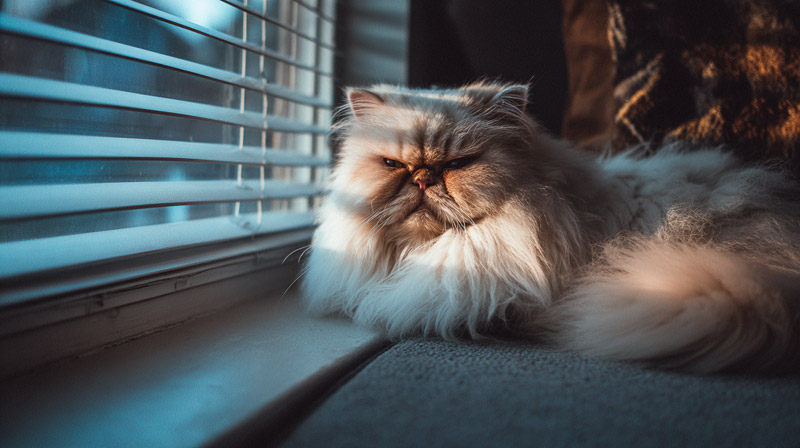
- Window perches for bird watching
- Puzzle feeders to prevent boredom eating
- Cardboard boxes for hiding
- Cat TV videos
Window perch importance: High. They spend hours watching outdoor activity.
Scratching post requirements:
Horizontal scratchers or low vertical posts. They prefer ground-level scratching over tall climbing posts.
Are Persian Cats Good for First-Time Owners?
Care difficulty: Intermediate to advanced
Time commitment: 45-60 minutes daily (grooming, feeding, play, cleaning)
Experience recommended: Basic understanding of cat care plus commitment to extensive grooming routine
Common challenges:
- Daily grooming compliance
- Managing health issues
- Higher veterinary costs than average breeds
- Dealing with eye and facial cleaning
- Preventing obesity in low-energy cats
First-time owners succeed with Persians if they:
- Research grooming requirements thoroughly
- Budget for health expenses
- Maintain consistent daily routines
- Have patience for a reserved personality
Persian Kittens
What Are Persian Kittens Like?
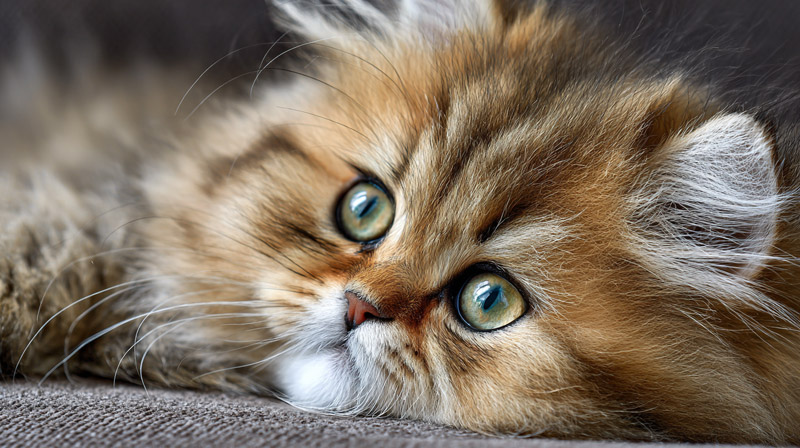
Personality development: Relatively consistent from kittenhood to adulthood. Calm kittens become calm adults.
Early socialization: Critical period is 2-7 weeks. Handle kittens daily.
Kitten energy: Moderate. They play but aren’t hyperactive like Abyssinian or Bengal kittens.
Training windows: 8-16 weeks ideal for litter training, accepting grooming, learning household rules
Start grooming routines immediately so kittens accept bathing and brushing as normal.
When Can Persian Kittens Leave Their Mother?
Minimum age: 12-16 weeks
Reputable breeders keep kittens longer than standard 8-week minimum. Persian kittens benefit from extended time with mother and littermates.
Developmental milestones:
- 8 weeks: Fully weaned
- 12 weeks: Complete first vaccine series
- 14-16 weeks: Socialized, litter trained, eating independently
Vaccination schedule before adoption:
- First FVRCP: 6-8 weeks
- Second FVRCP: 10-12 weeks
- Third FVRCP: 14-16 weeks
- Rabies: 12-16 weeks
Spay/neuter timing:
Most breeders spay/neuter before placement (12-16 weeks) or require surgery by 6 months with contract.
Early spay/neuter is safe for Persians and prevents unwanted breeding.
Breeding and Genetics
Persian Breed Standards
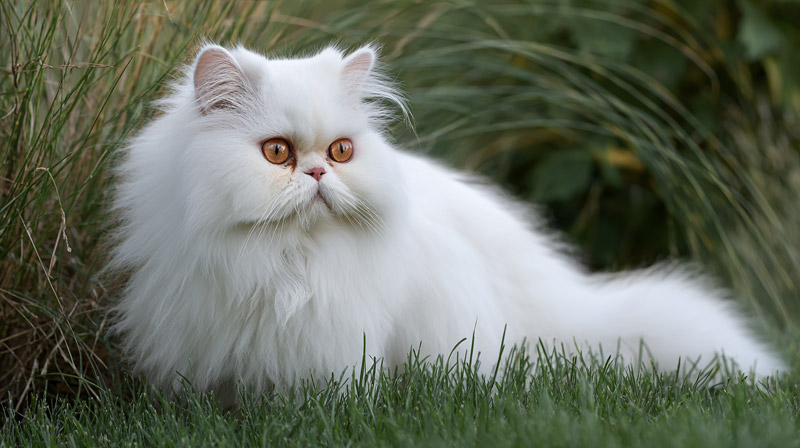
CFA standards:
- Head: Round, massive skull with great breadth
- Eyes: Large, round, set wide apart
- Nose: Short, snub, break centered between eyes
- Body: Cobby type, low on legs, deep chest
- Coat: Long, thick, standing off from body
- Tail: Short, carried below back angle
TICA standards:
Less emphasis on extreme facial flattening. Accepts wider range of nose lengths.
Show quality vs. pet quality:
Show cats display perfect breed standards with no faults. Pet-quality Persians may have minor cosmetic issues (slightly longer nose, small ear set, coat texture variations) making them unsuitable for showing but excellent companions.
Disqualifying faults:
- Locket (white spot on colored cat)
- Kinked or abnormal tail
- Incorrect number of toes
- Any deformity of skull or body
- Crossed eyes
Genetics of Persian Cats
Hereditary traits:
- Long coat: Recessive gene (both parents must carry)
- Flat face: Polygenic (multiple genes)
- Eye color: Linked to coat color genes
Coat color genetics:
Complex inheritance patterns. Solid colors are simpler; pointed, shaded, and particolor patterns involve multiple gene interactions.
Breed-specific mutations:
- PKD1: Autosomal dominant (one copy causes disease)
- Progressive Retinal Atrophy: Autosomal recessive
Outcross breeds: None currently permitted by CFA for Persian breeding programs
Some associations allow Himalayan crosses (considered color division of Persian by some registries).
Genetic diversity concerns:
Persians have narrower gene pools than many breeds. This increases hereditary health problems.
DNA testing recommendations:
- PKD1 test for all breeding cats
- Blood type determination (Type B blood incompatibility can cause kitten deaths)
- Submit samples to UC Davis Veterinary Genetics Laboratory
History of the Persian Cat
Where Do Persian Cats Come From?
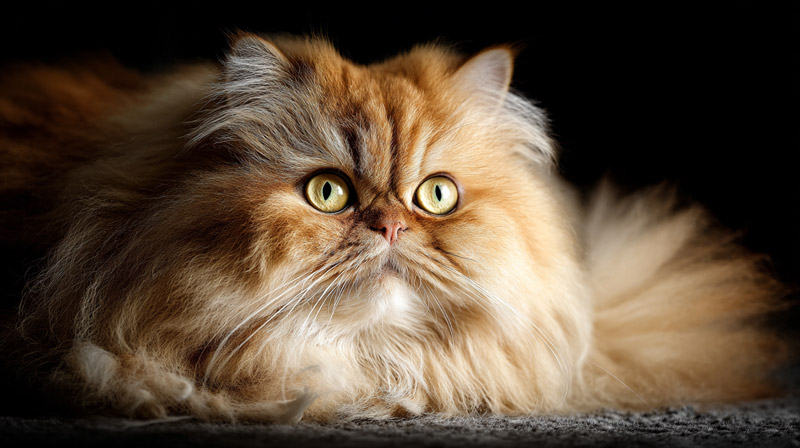
Geographic origins: Likely Persia (modern Iran) and Turkey region
Exact origins remain uncertain. Hieroglyphics depicting similar long-haired cats date to 1684 BC.
Natural breed status: Yes. Long-coated cats existed naturally in Middle Eastern regions.
Historical context:
Ancient traders and explorers valued these cats alongside spices and jewels. Their unusual appearance made them prized possessions.
Original purpose: Companion animals for aristocracy and wealthy merchants
How Did the Persian Breed Develop?
Development timeline:
- 1620: Pietro della Valle introduced Persian cats to Italy from Persia
- 1700s: Long-haired cats arrived in France from Turkey (including Turkish Angora)
- 1800s: Persians and Angoras interbred in Europe, creating modern Persian foundation
- Late 1800s: First cat shows in England featured Persians prominently
- 1900s: Queen Victoria’s ownership increased popularity dramatically
Key breeders:
- Early British breeders established type in Victorian era
- American breeders refined breed standards in 20th century
- Show breeders progressively bred for flatter faces post-1950s
Important foundation cats:
Documentation from 1800s cat shows recorded early winners, but specific names weren’t preserved like modern pedigrees.
First official recognition:
- Britain: 1871 (first cat show at Crystal Palace)
- CFA: 1906 (founding breed)
- TICA: 1979
Breed evolution:
Originally, Persians had moderate facial features. Selective breeding from 1950s-present created today’s ultra-flat show face.
In late 1950s, spontaneous mutation produced “peke-faced” Persians (named after Pekingese dogs). Breeders embraced this look despite health concerns.
Related breeds:
- Himalayan: Persian x Siamese cross (pointed pattern)
- Exotic Shorthair: Short-haired version of Persian
- Selkirk Rex: Curly-coated breed with Persian in background
When Was the Persian Recognized?
CFA recognition: 1906 (charter breed)
TICA recognition: 1979
GCCF (UK) recognition: 1910
FIFe recognition: 1949
Championship status: Persians achieved championship status immediately upon registry formation in most organizations
Cost of Owning a Persian Cat
How Much Does a Persian Cat Cost?
Purchase price ranges:
- Pet quality: $1,200-$3,000
- Show quality: $2,500-$5,000
- Breeding rights: $3,500-$8,000+
Price factors:
- Pedigree (champion bloodlines command premium)
- Coat color (rare colors like chinchilla silver, golden, chocolate cost more)
- Gender (intact females more expensive for breeding potential)
- Face type (extreme flat faces cost more than doll-face)
- Location (West Coast and Northeast USA prices higher)
- Breeder reputation (established catteries charge more)
Initial costs beyond purchase:
- Spay/neuter (if not included): $200-500
- Initial vet exam: $50-100
- Vaccinations (if not complete): $100-200
- Microchipping: $50
- Supplies (litter box, food bowls, brush, bed): $200-300
- First month food and litter: $50-80
Total first-year cost: $2,000-$6,000
What Are the Ongoing Costs?
Annual veterinary care: $400-$800
- Wellness exams: $100-$200
- Vaccinations: $50-$100
- Fecal tests: $40-$80
- Dental cleaning (every 1-2 years): $300-$600
Food expenses: $40-$80 monthly ($480-$960 yearly)
High-quality brands cost more but prevent health issues.
Litter and supplies: $25-$40 monthly ($300-$480 yearly)
Grooming costs:
- Professional grooming (if used): $50-$100 per session, 4-6 times yearly = $200-$600 annually
- Grooming supplies (brushes, shampoo, nail clippers): $100-$150 yearly
Pet insurance: $30-$60 monthly ($360-$720 yearly)
Highly recommended given breed health issues. Coverage reduces out-of-pocket expenses for PKD, HCM treatment.
Unexpected emergency fund: Keep $1,000-$3,000 available
Emergency vet visits for breathing crises, urinary blockages, or injuries run $500-$3,000.
Total annual cost: $1,800-$4,000 after first year
Lifetime cost (15 years): $25,000-$60,000
Where Can You Get a Persian Cat?
Reputable breeders:
What to look for:
- CFA or TICA registration
- Health testing certificates (PKD negative, HCM screening)
- Multiple generations pedigree provided
- Clean, indoor cattery with cats as family members
- Socialized kittens handled daily
- Health guarantee (minimum 1 year genetic, 6+ years ideal)
- Spay/neuter contract or already altered
- References from previous buyers
- Interview process (good breeders screen buyers)
Contract elements:
- Health guarantee specifics
- Return policy if cat becomes ill
- Spay/neuter requirements
- Breeding restrictions
- Registration papers transfer
- Microchip information
Red flags to avoid:
- No health testing documentation
- Won’t show you breeding cats or facility
- Selling kittens under 12 weeks
- Multiple litters available simultaneously
- Pressure to buy immediately
- No contract or health guarantee
- Prices significantly below $1,200
Questions to ask breeders:
- What health testing do you perform?
- Can I see PKD test results?
- What health guarantee do you offer?
- Have any cats in lines developed HCM?
- What do you feed your cats?
- How often do you breed each queen?
- May I speak with previous buyers?
- Will you take the cat back if I can’t keep it?
Breed-specific rescues:
- Purebred Cat Rescue (multiple states)
- Local Persian rescue organizations
- CFA Breed Rescue listings
Adoption costs: $100-$500
Includes spay/neuter, vaccinations, usually adult cats.
General rescue/shelter considerations:
Persians rarely appear in standard shelters. Most are mixed breeds labeled “Persian type” due to long fur.
True purebred Persians in shelters typically come from owner surrenders due to grooming demands or health costs.
Adult cat vs. kitten:
Adults are less expensive, already trained, personality established. Kittens offer longer companionship but require more training and socialization effort.
Persian vs. Similar Breeds
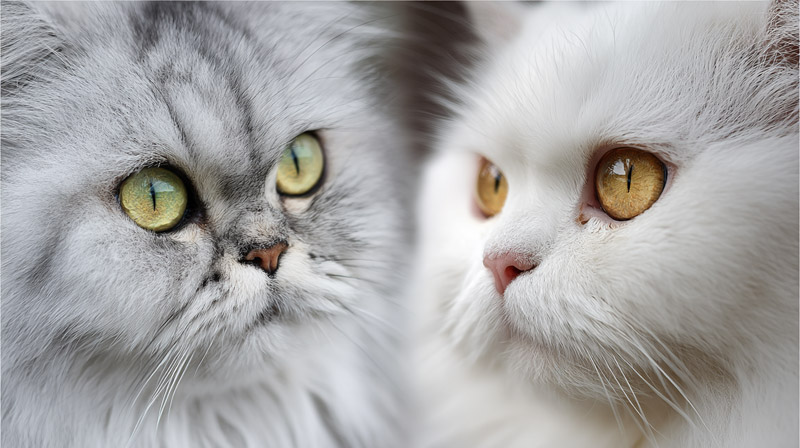
Persian vs. Himalayan
Physical differences:
Himalayan cats are essentially colorpoint Persians (Siamese pattern). Some registries consider them a Persian color division, not separate breed.
- Size: Identical (7-12 pounds)
- Coat: Both long and dense
- Face: Both brachycephalic
- Distinctive feature: Himalayans always have blue eyes and pointed pattern
Temperament:
Himalayans may be slightly more vocal and playful due to Siamese ancestry, but still calmer than purebred Siamese.
Care requirements: Nearly identical daily grooming and health monitoring
Health concerns: Both prone to PKD, HCM, breathing issues
Cost: Similar ($1,200-$5,000 from breeders)
Lifespan: 12-17 years for both
Persian vs. Exotic Shorthair
Physical differences:
Exotic Shorthair is short-haired version of Persian, nicknamed “Persian in pajamas.”
- Size: Similar (8-15 pounds)
- Coat: Exotic has short, plush coat requiring minimal grooming
- Face: Both brachycephalic with same flat features
- Body: Identical cobby type
Temperament:
Exotics have similar calm, sweet nature but slightly more playful energy.
Care requirements:
Major difference is grooming. Exotics need weekly brushing vs. Persian’s daily requirement.
Health concerns: Both share breathing issues, PKD risk, HCM susceptibility
Cost: Exotics slightly less expensive ($1,000-$3,500)
Lifespan: Both 12-15 years average
How to Choose Between Persian and Similar Breeds
Choose Persian if:
- You have time for extensive daily grooming
- You want ultra-calm, laid-back companion
- You prefer traditional purebred appearance
- Grooming routine appeals to you as bonding time
Choose Himalayan if:
- You love Persian look but want colorpoint pattern
- Slightly more interactive personality appeals
- All other Persian traits acceptable
Choose Exotic Shorthair if:
- You want Persian personality without grooming commitment
- Budget is tighter (lower grooming costs)
- You prefer easier coat maintenance
- Allergies less severe with shorter coat
Lifestyle considerations:
Working full-time: Exotic Shorthair better choice (less daily grooming)
Stay-at-home or retired: Persian works well with time for grooming
Families with children: Exotics slightly more tolerant of activity
Apartment living: All three adapt equally well
Fun Facts About Persian Cats
Historical royal connections:
Queen Victoria, Florence Nightingale, and Marilyn Monroe all owned Persian cats.
Movie appearances:
- James Bond films: Blofeld’s white Persian (most iconic cat in cinema)
- Stuart Little: Snowbell
- Austin Powers: Mr. Bigglesworth (though played by Sphynx after “losing hair”)
- Cats & Dogs
- The Aristocats inspiration
First cat show winners:
Persians dominated early cat shows in 1870s-1880s England, often winning Best in Show.
Most popular breed:
CFA ranked Persians as #1 or #2 most popular breed for decades until recently.
Color variety record:
Persians come in more color and pattern combinations than almost any other breed (80+ variations recognized).
“Grumpy Cat” connection:
While Grumpy Cat (Tardar Sauce) wasn’t Persian, her flat face came from Persian-type ancestry mixed with Ragdoll.
Show grooming secrets:
Professional show groomers use cornstarch or specialized powders between baths to absorb oils and add volume to coats.
Breathing adaptation:
Despite breathing challenges, Persians have developed adaptive behaviors like sleeping positions that improve airflow.
Record lifespan:
Some Persians have lived to 22-23 years with exceptional care, though this is rare.
Is a Persian Cat Right for You?
Best Homes for Persian Cats
Ideal owner personality:
- Patient, consistent, routine-oriented
- Enjoys grooming as meditative activity
- Home-focused lifestyle
- Appreciates quiet, calm companionship
- Financially stable for health expenses
Lifestyle compatibility:
- Predictable daily schedule
- Climate-controlled home
- Indoor-only preference
- Moderate to low household activity
- Adults or families with older children
Home environment:
- Clean, well-maintained spaces
- Air conditioning available
- Quiet neighborhood
- Space for cat furniture and grooming area
Time availability:
Minimum 45-60 minutes daily for care, more during bathing days.
Who Should Avoid Persian Cats?
Incompatible lifestyles:
- Frequent travelers (unless reliable pet sitters available)
- Very active households with young children
- People with unpredictable schedules
- Those seeking low-maintenance pets
- Outdoor cat preferences
Challenge factors:
- Limited grooming time or patience
- Budget constraints for veterinary care
- Allergy sensitivities (Persians shed significantly)
- Preference for highly interactive, playful cats
- Aversion to potential medical interventions
Better breed alternatives:
For lower maintenance: British Shorthair, Russian Blue
For more playful energy: Abyssinian, Bengal
For similar temperament, less grooming: Exotic Shorthair
For vocal, interactive cats: Siamese, Burmese
Questions to Ask Before Getting a Persian Cat
Financial readiness:
- Can I afford $1,500-$3,000 initial purchase plus setup costs?
- Do I have $2,000-$4,000 annually for ongoing care?
- Can I handle unexpected $1,000-$3,000 emergency vet bills?
- Will I purchase pet insurance ($30-$60 monthly)?
Time commitment:
- Can I dedicate 45-60 minutes daily to grooming and care?
- Am I willing to bathe a cat every 4-6 weeks?
- Can I maintain consistent feeding and play schedules?
- Do I have patience for a 15-20 year commitment?
Living situation stability:
- Will I live in this home for the next several years?
- Does my lease allow cats?
- If I move, will I find pet-friendly housing?
- Is my home climate-controlled year-round?
Family agreement:
- Do all household members want a cat?
- Is anyone allergic to cats?
- Will children treat the cat gently?
- Who will care for the cat if I’m unavailable?
Long-term planning:
- What happens if I become ill or incapacitated?
- Do I have backup caretakers identified?
- Can I afford potential expensive treatments for PKD or HCM?
- Am I prepared for senior cat care needs?
Travel considerations:
- How often do I travel?
- Do I have reliable pet sitters or boarding options?
- Can I afford professional pet sitting ($30-$50 daily)?
- Will I take vacations requiring extended cat care?
Other pet considerations:
- Do I have dogs that might stress a calm cat?
- Are existing cats welcoming to newcomers?
- Is my home large enough for multiple pets?
- Can I afford care for multiple animals?
Grooming reality check:
- Have I watched videos of Persian grooming routines?
- Am I comfortable bathing a potentially resistant cat?
- Can I handle removing mats and tangles patiently?
- Will I maintain daily brushing even when tired?
Health care commitment:
- Am I comfortable with potential medical procedures?
- Can I administer medications if needed?
- Will I pursue treatment for expensive conditions?
- Do I have a veterinarian familiar with brachycephalic breeds?
If you answered “yes” to most questions, a Persian cat could thrive in your home. If you have multiple “no” answers, consider less demanding breeds or wait until circumstances improve.
Persians reward dedicated owners with 15+ years of loyal, loving companionship. Their gentle nature and stunning beauty make them exceptional pets for the right households.
But they’re not starter cats for unprepared owners. Research thoroughly, budget realistically, and commit fully before bringing home a Persian kitten.
The investment of time and money pays off in an extraordinary bond with one of the cat world’s most elegant and affectionate breeds.
FAQ on Persian
Are Persian cats high maintenance?
Yes. Daily brushing prevents matting in their long flowing coat, and they need baths every 4-6 weeks.
Facial cleaning removes tear stains, and their brachycephalic facial structure requires monitoring for breathing issues. Budget 45-60 minutes daily for proper care.
How much does a Persian cat cost?
Pet-quality kittens from reputable breeders cost $1,200-$3,000. Show-quality Persians run $2,500-$5,000+.
Annual expenses total $2,000-$4,000 including food, grooming supplies, and veterinary care. Emergency health costs can reach $3,000+ for PKD or HCM treatments.
Do Persian cats shed a lot?
Yes, moderately to heavily year-round. Their double coat sheds constantly despite regular grooming.
Daily combing with a metal comb reduces loose fur around your home. Professional grooming or lion cuts minimize shedding but don’t eliminate it completely.
Are Persian cats good with kids?
They’re best with older children (8+ years) who handle cats gently. Persians dislike rough play, sudden movements, or loud noise.
Their calm temperament suits quiet households better than active families. Young children can stress these gentle cats.
What health problems do Persian cats have?
Polycystic kidney disease affects 36-49% of Persians, causing kidney failure around age 7. Brachycephalic airway syndrome creates breathing difficulties.
Hypertrophic cardiomyopathy, dental disease from jaw crowding, eye infections, and hip dysplasia are common. Regular veterinary screening catches issues early.
How long do Persian cats live?
Average lifespan is 12-17 years, with a median of 13.5 years. Some reach 18-20 years with exceptional care.
Indoor living, proper nutrition, weight management, and addressing genetic health issues early extend longevity significantly.
Are Persian cats indoor or outdoor cats?
Strictly indoor. Their flat facial features cause breathing problems that worsen with exercise or heat.
Their luxurious coat tangles outdoors, and their docile nature makes them vulnerable to predators. Climate-controlled indoor environments keep them safest.
Do Persian cats like to be held?
Most tolerate holding but prefer sitting beside you rather than being picked up constantly. They’re lap cats who enjoy proximity without restraint.
Each cat’s personality varies. Some love cuddling while others show affection by following you room to room.
What do Persian cats eat?
High-quality cat food with 35-45% protein from animal sources. Wet food provides hydration that helps prevent kidney disease complications.
Feed adults twice daily with measured portions to prevent obesity. Avoid free-feeding dry kibble, which promotes weight gain in these low-energy cats.
Are Persian cats hypoallergenic?
No. They produce normal levels of Fel d 1 protein that triggers allergies, plus their heavy shedding spreads dander everywhere.
Regular bathing reduces allergens temporarily but doesn’t eliminate them. People with cat allergies typically react to Persian cats.
Conclusion
Persian cats demand more than most breeds, but they reward dedicated owners with unmatched loyalty and calm companionship.
Their brachycephalic syndrome and polycystic kidney disease risks require informed decisions, not impulse purchases. Daily coat maintenance isn’t optional—it’s survival for preventing painful matting.
The financial reality hits hard. Between breeder costs, professional grooming, and managing hypertrophic cardiomyopathy or dental issues, expect $25,000-$60,000 over their lifetime.
But for patient owners with stable routines and climate-controlled homes, these gentle lap cats become irreplaceable family members. Their quiet temperament and sweet personalities create bonds that justify every grooming session.
Choose responsibly. Research catteries thoroughly, demand PKD testing documentation, and prepare for 15+ years of commitment before bringing home one of these luxurious felines.