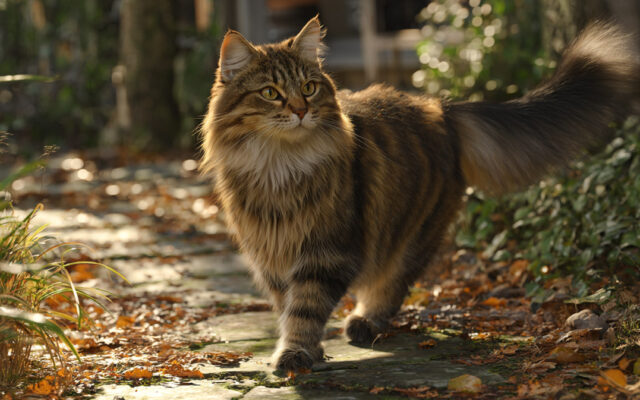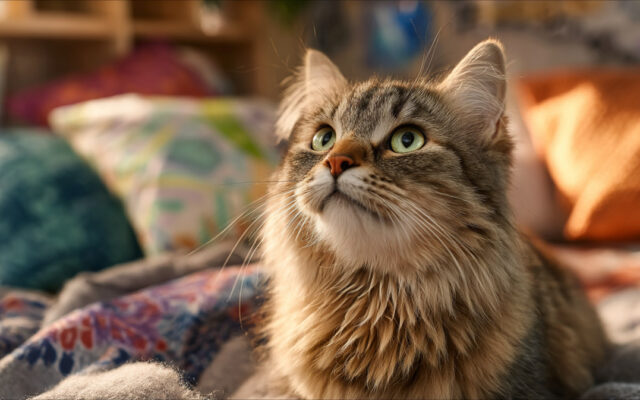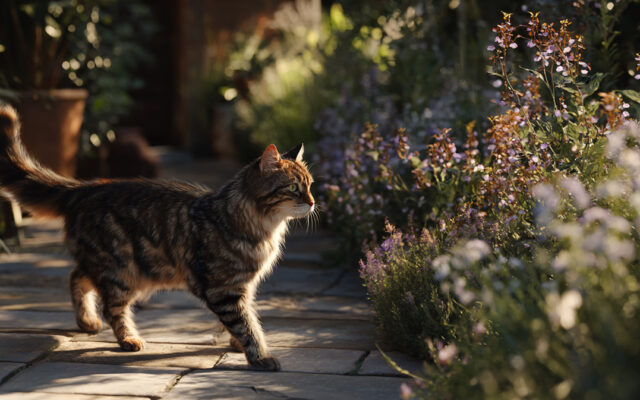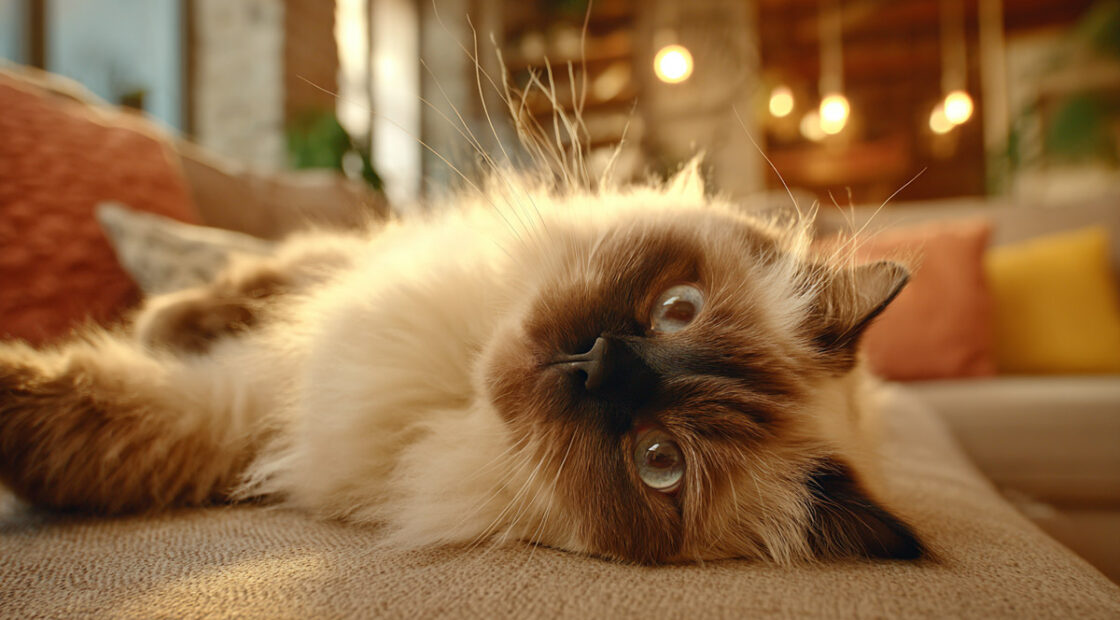
That flat face and those piercing blue eyes make Himalayan cats instantly recognizable, but there’s way more to this breed than looks.
These long-haired beauties combine Persian elegance with Siamese colorpoint patterns, creating one of the most sought-after breeds in the United States.
But are they right for your home?
This guide covers everything about the Himalayan breed: physical traits, personality quirks, health concerns, grooming demands, costs, and whether this high-maintenance cat fits your lifestyle.
You’ll learn what makes these cats different from their Persian cousins, how much daily care they actually need, and what health issues to watch for.
By the end, you’ll know if a Himalayan belongs in your home or if another breed suits you better.
Himalayan Cat Breed Statistics
| Characteristic | Details |
|---|---|
| Weight | Males: 12-15 lbs, Females: 8-12 lbs |
| Height | 9-11 inches at shoulder |
| Lifespan | 9-15 years |
| Coat Type | Long, thick double coat |
| Coat Colors | Seal, blue, chocolate, lilac, flame, cream, tortie, lynx point |
| Eye Color | Brilliant blue only |
| Shedding Level | High |
| Grooming Needs | Daily brushing required |
| Energy Level | Low to moderate |
| Exercise Needs | 30-60 minutes daily |
| Trainability | Moderate |
| Vocalization | Quiet to moderate |
| Affection Level | Very high (lap cat) |
| Child Friendly | Best with older, calm children |
| Dog Friendly | Yes, with calm dogs |
| Other Cats | Generally compatible |
| Stranger Friendly | Cautious, prefers hiding initially |
| Indoor/Outdoor | Indoor only |
| Apartment Suitable | Excellent |
| Climate Tolerance | Heat sensitive, cold tolerant |
| Health Issues | PKD, brachycephalic syndrome, PRA, cherry eye |
| Purchase Price | $750-$2,500 from breeder |
| Adoption Price | $75-$200 from rescue |
| Annual Cost | $1,000-$4,500 |
| Time Commitment | 1-2 hours daily |
| Experience Level | Intermediate to advanced |
| Hypoallergenic | No |
| Origin | United States (1930s) |
| Breed Group | Persian variant/Long-haired |
| Registry Recognition | CFA (as Persian variant), TICA (separate breed) |
What Is a Himalayan Cat?
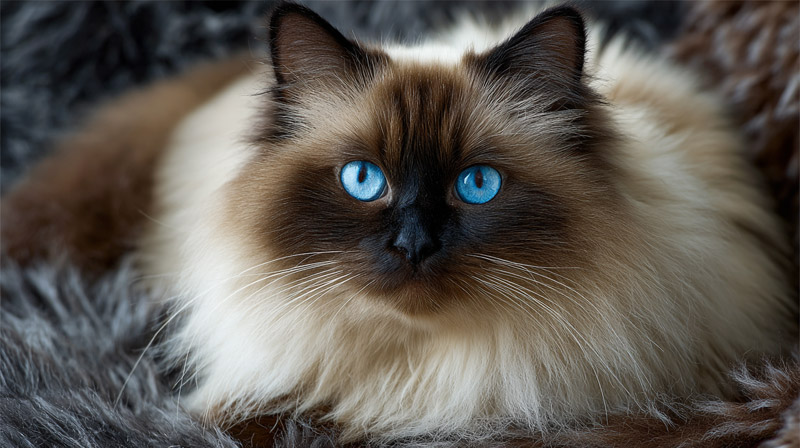
A Himalayan cat is a long-haired breed combining Persian body structure with Siamese colorpoint markings and blue eyes.
These cats resulted from crossing Persian and Siamese breeds in the United States during the 1930s.
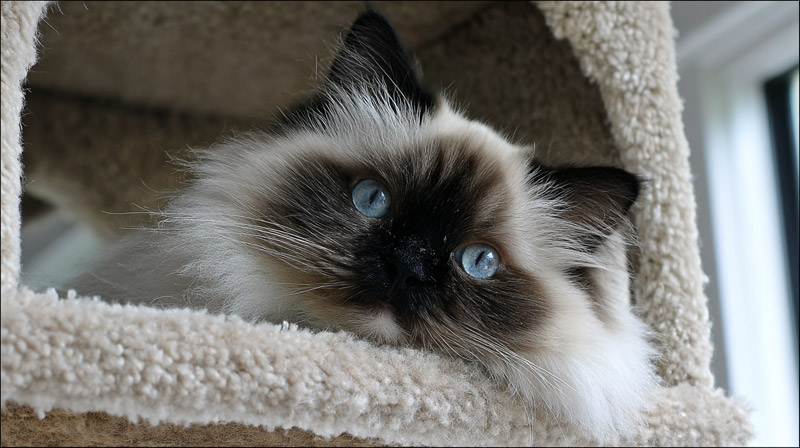
The breed features a flat face, cobby body, and luxurious double coat with darker points on the face, ears, paws, and tail.
Registry Recognition:
The Cat Fanciers Association (CFA) and Governing Council of the Cat Fancy (GCCF) classify Himalayans as a color variant of Persian cats.
The International Cat Association (TICA) and American Cat Fanciers Association recognize them as a separate breed.
Some registries merged Himalayans with Colorpoint Shorthairs and Javanese into a single Colorpoint classification.
The breed is considered a developed hybrid, not a natural mutation.
Physical Characteristics
How Big Do Himalayan Cats Get?
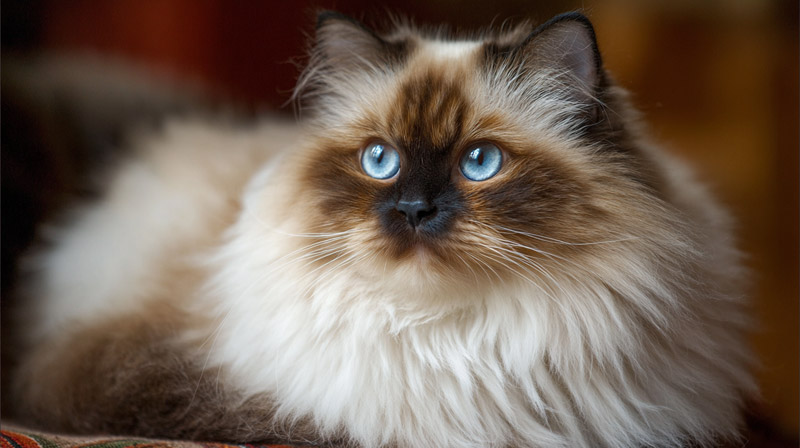
Males weigh 12 to 15 pounds while females weigh 8 to 12 pounds.
Height at shoulder ranges from 9 to 11 inches, though their thick fur makes them appear larger than actual size.
Body type is cobby with substantial bone structure, thick legs, short neck, and broad chest.
Himalayans reach full physical maturity between 3 and 5 years old.
What Does a Himalayan Cat’s Coat Look Like?
Coat length: Long and thick throughout the body, including tail, ears, and toe tufts.
Texture: Either silky smooth or thick like wool, with a dense undercoat beneath lustrous outer fur.
Pattern: Colorpoint only (lighter body with darker extremities).
Recognized colors:
- Seal point
- Blue point
- Chocolate point
- Lilac point
- Flame (red) point
- Cream point
- Tortie point
- Lynx point (tabby pattern)
Points develop fully as kittens mature. Body color ranges from white to cream or fawn.
Shedding level: High, with increased shedding during seasonal coat changes.
Distinctive Physical Features
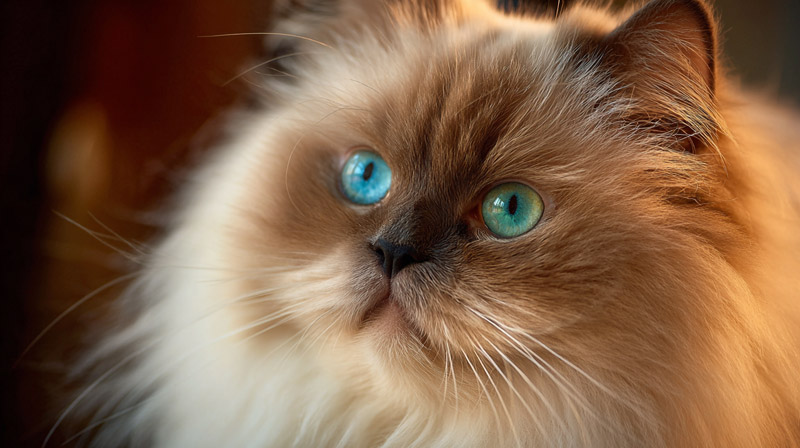
Eyes: Brilliant blue, large, round, and set wide apart. Excessive tear production common.
Ears: Small, round-tipped, slightly forward-pointing.
Head: Round and massive with full cheeks and thick neck.
Face structure: Two types exist. Traditional (doll face) has a longer, lower nose. Peke-face (extreme) has a severely compressed snout resembling Pekingese dogs.
Nose: Snubbed and pushed in with visible nose leather when viewed in profile.
Tail: Short and thick with full fur coverage.
Legs: Short and heavily boned with large, round paws.
Unique markers: Brachycephalic skull structure creating the flat-faced appearance.
Himalayan Personality and Temperament
Are Himalayan Cats Affectionate?
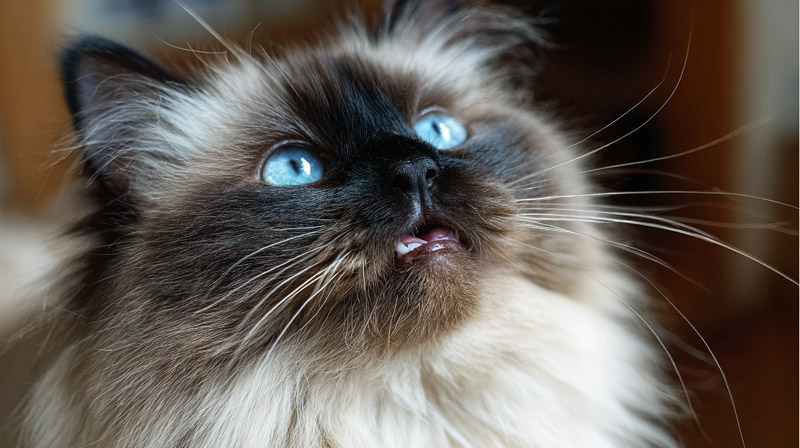
Himalayans bond intensely with family members and qualify as true lap cats.
They crave 2 to 3 hours of daily interaction and attention but aren’t excessively clingy.
Attention requirements fall in the moderate to high range.
Stranger reaction: Cautious initially. They prefer hiding from unfamiliar visitors until comfortable with new people.
How Active Are Himalayan Cats?
Energy level sits at low to moderate. These cats alternate between long naps and sudden bursts of kitten-like play.
Play drive appears in short spurts rather than sustained activity.
Exercise needs: 30 to 60 minutes of daily interaction prevents weight gain.
Favorite activities: Chasing toy mice, batting balls, gentle interactive play. Not climbers compared to more athletic breeds.
Intelligence level is moderate. Training is possible using positive methods, though not all individuals respond to clicker training or food rewards.
Do Himalayan Cats Get Along with Others?
Children: Best with older, calmer kids who respect boundaries. Rough play stresses them.
Dogs: Compatible with calm, cat-friendly dogs in quiet households.
Other cats: Generally accepting of feline companions, especially when introduced properly.
Multi-pet suitability: Good if the home environment remains peaceful.
Territorial tendencies are low. They prefer avoiding conflict over defending space.
How Vocal Are Himalayan Cats?
Vocalization frequency is quiet to moderate. Much less talkative than their Siamese ancestors.
Voice characteristics are soft and melodic when they do communicate.
They express needs through gentle sounds rather than loud demands.
Health and Lifespan
How Long Do Himalayan Cats Live?
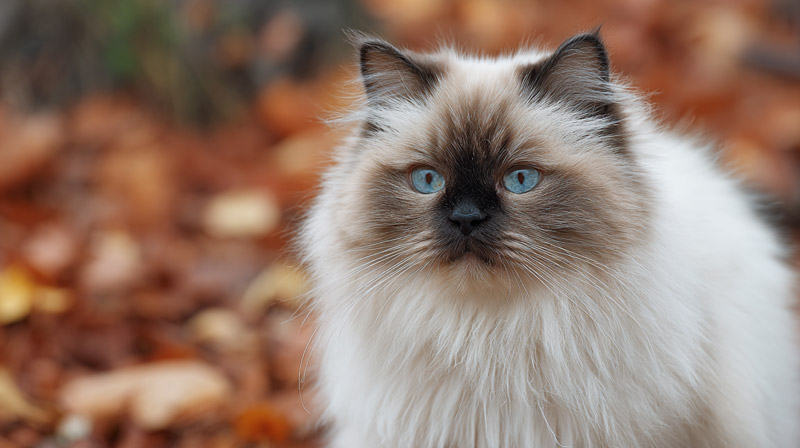
Average lifespan spans 9 to 15 years.
Indoor-only lifestyle, quality nutrition, and regular veterinary care extend longevity.
This lifespan is slightly shorter than the 12 to 18 years typical for mixed-breed domestic cats, largely due to breed-specific health issues.
Common Health Issues in Himalayan Cats
Polycystic Kidney Disease (PKD):
An inherited condition affecting about one-third of Persian bloodlines.
Fluid-filled cysts develop on kidneys from birth, growing over time and disrupting function.
Symptoms appear around 7 years old: increased thirst, frequent urination, weight loss, decreased appetite.
No cure exists. Treatment manages symptoms through diet modification, fluid therapy, and phosphorus binders.
Brachycephalic Airway Syndrome:
Compressed facial structure causes narrow nostrils, elongated soft palate, undersized trachea, and collapsed larynx.
Symptoms include noisy breathing, mouth breathing, exercise intolerance, and heat sensitivity.
Severe cases require surgical correction of soft palate and nostrils.
Overweight cats experience worse symptoms.
Progressive Retinal Atrophy (PRA):
Photoreceptor cells in the retina deteriorate over time.
Night vision fails first, followed by complete blindness.
Some cats lose vision by 15 weeks old, while late-onset forms appear in adults.
No treatment available, but cats adapt well using other senses.
Cherry Eye:
Third eyelid gland prolapses, appearing as red mass in eye corner.
Causes irritation, excessive tearing, and potential corneal damage.
Surgical correction repositions the gland.
Dental Malocclusion:
Misaligned bite results from jaw length discrepancies.
Can cause difficulty eating, tooth damage, and gum disease.
Severe cases may require tooth extraction or orthodontic intervention.
Ringworm (Dermatophytosis):
Fungal skin infection appearing as round, scaly patches with hair loss.
Long-haired breeds show higher susceptibility.
Treatment involves topical and oral antifungal medications for 6 to 8 weeks.
Highly contagious to other pets and humans.
Obesity:
Low activity levels and overfeeding lead to excess weight.
Compounds breathing problems and joint stress.
Feline Hyperesthesia Syndrome:
Nervous system disorder causing skin rippling, tail chasing, and sudden aggression.
More common in Persian-type breeds.
What Health Testing Should Himalayan Cats Have?
Genetic screening:
PKD1 gene test identifies carriers before breeding (available through UC Davis Veterinary Genetics Laboratory).
DNA testing for progressive retinal atrophy.
Regular examinations:
Veterinary checkups every 6 months for early disease detection.
Annual blood work and urinalysis after age 7 to monitor kidney function.
Cardiac auscultation for heart murmurs indicating hypertrophic cardiomyopathy.
Breed-specific monitoring:
Eye exams for corneal ulcers, sequestration, and entropion.
Respiratory assessment, especially during hot weather.
Dental evaluations every 6 months.
Caring for a Himalayan Cat
What Do Himalayan Cats Eat?
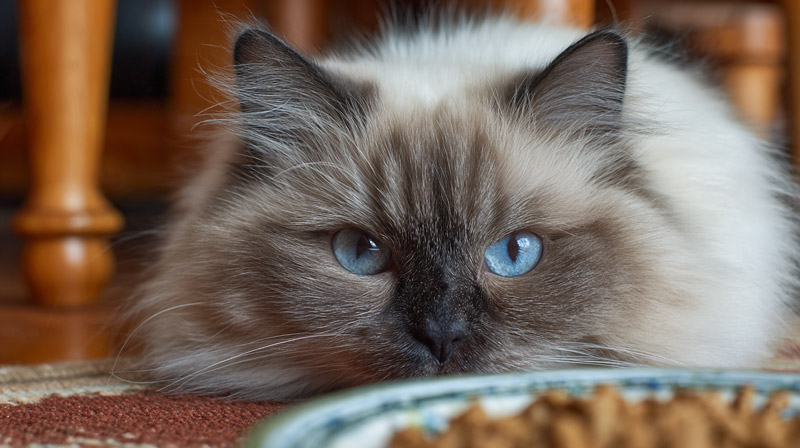
Protein requirements: 35% to 45% animal-based protein supports muscle mass.
Feeding frequency:
Kittens (under 1 year): 3 to 4 small meals daily.
Adults: 2 meals per day. Avoid free-feeding due to obesity risk.
Portion sizes:
½ to ¾ cup daily for average adult, adjusted based on activity level and body condition.
Consult feeding guidelines on AAFCO-approved food labels.
Food type considerations:
Wet food provides hydration and helps prevent urinary issues.
High-quality dry food acceptable if combined with adequate water intake.
Mix both for variety and nutritional balance.
Special dietary needs:
Fiber-enriched formulas prevent hairballs.
Low-sodium options support cardiovascular health.
Taurine-rich diets maintain heart and eye function.
Foods to avoid:
Low-quality fillers and artificial additives trigger allergies.
Excessive treats lead to weight gain.
How Do You Groom a Himalayan Cat?
Brushing frequency: Daily with wide-toothed metal comb followed by slicker brush.
Start at head and work toward tail, paying attention to armpits, belly, and behind ears where mats form.
Bathing requirements: Every 4 to 8 weeks using cat-safe shampoo.
Many Himalayans dislike water, so early acclimation helps.
Nail trimming: Every 2 to 3 weeks. Clip only the white portion, avoiding the pink quick.
Dental care: Brush teeth 2 to 3 times weekly with enzymatic cat toothpaste.
Eye cleaning: Daily with warm, damp cloth to remove discharge and prevent tear staining.
Wipe from inner corner outward.
Ear cleaning: Weekly inspection. Clean with vet-approved solution only if debris present.
Facial cleaning: Daily wipes around mouth and nose folds prevent bacterial growth and odor.
Professional grooming: Monthly visits help maintain coat quality. Some owners opt for lion cuts during summer.
How Much Exercise Does a Himalayan Cat Need?
Daily activity: 30 to 60 minutes of interactive play spread throughout the day.
Indoor vs. outdoor: Strictly indoor cats due to breathing limitations, heat sensitivity, and grooming needs.
Recommended enrichment:
Food puzzles for mental stimulation.
Feather wands and laser pointers for chase games.
Toy mice for batting and carrying.
Cat trees with platforms (not tall ones requiring excessive climbing).
Mental stimulation: 1 to 2 hours daily through puzzle feeders, training sessions, or interactive toys.
Vertical space: Low to moderate climbing options. They lack the athleticism of breeds like Abyssinian or Bengal cats.
Interactive play: Daily sessions strengthen bonds and prevent obesity.
Living with a Himalayan Cat
Are Himalayan Cats Good for Apartments?
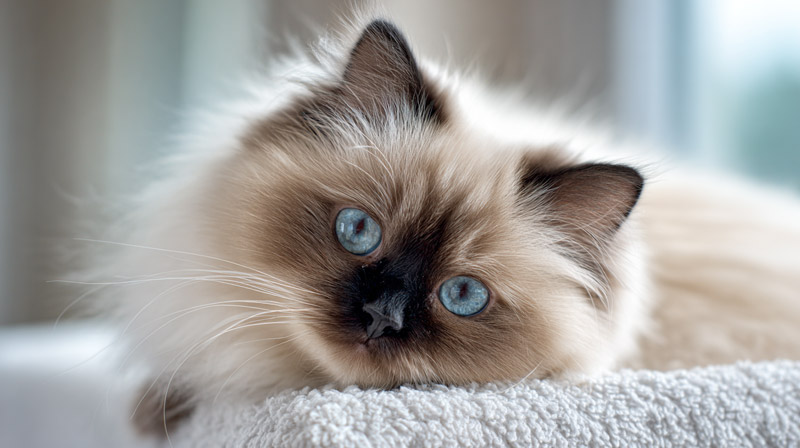
Space requirements: Well-suited to apartment living. No minimum square footage needed beyond basic cat space.
Noise level: Quiet breed unlikely to disturb neighbors.
Indoor-only suitability: Perfect for apartment life. Their grooming needs and health limitations make outdoor access dangerous.
Vertical space needs: Moderate. Provide low shelves and cat trees rather than floor-to-ceiling structures.
What Environment Do Himalayan Cats Need?
Temperature tolerance:
Heat sensitive due to thick coat and breathing issues. Keep indoor temperature below 75°F.
Cold tolerance is good with their double coat, though they prefer moderate climates.
Humidity preferences: Moderate humidity prevents skin dryness and respiratory irritation.
Safe outdoor access:
Catios (enclosed patios) work if climate-controlled and shaded.
Leash walking possible with training, though many individuals resist.
Never allow unsupervised outdoor access.
Environmental enrichment:
Multiple scratching posts (sisal rope, cardboard, carpet).
Window perches for bird watching.
Hiding spots like covered beds or boxes.
Quiet retreat areas away from household traffic.
Are Himalayan Cats Good for First-Time Owners?
Care difficulty level: Intermediate to advanced due to intensive grooming demands.
Time commitment: 1 to 2 hours daily for grooming, play, and interaction.
Experience needed:
Beginners can succeed with research and dedication.
Understanding of brachycephalic breed health issues helps.
Patience with daily grooming routines is necessary.
Common challenges:
Daily coat maintenance prevents matting.
Managing tear staining requires consistency.
Veterinary costs for breed-specific conditions.
Finding quality breeders who health-test parents.
Himalayan Kittens
What Are Himalayan Kittens Like?
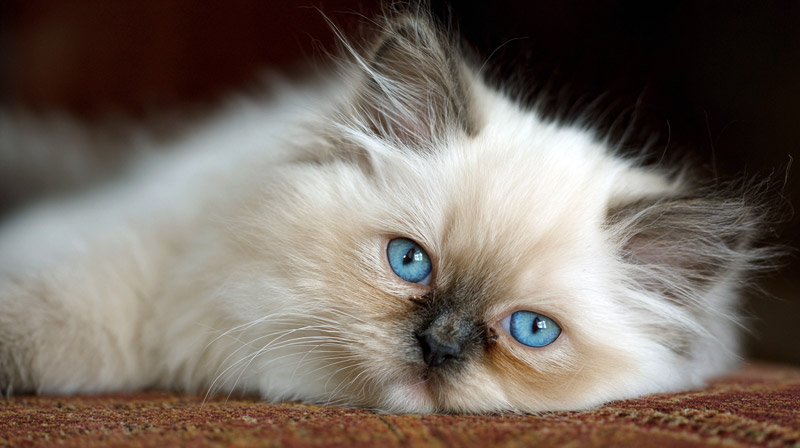
Kittens are born white or cream with colorpoints developing over 3 to 4 weeks as body temperature regulates.
Personality development:
Playful and curious from 4 to 12 weeks.
Calmer temperament emerges after 6 months.
Full personality evident by 1 year.
Early socialization needs:
Critical period from 2 to 7 weeks.
Exposure to various people, gentle handling, and household sounds creates confident adults.
Kitten energy: Moderate bursts of activity alternating with long sleep periods.
Training windows: 8 to 16 weeks ideal for litter training, basic commands, and grooming acceptance.
When Can Himalayan Kittens Leave Their Mother?
Minimum age: 12 to 16 weeks.
Responsible breeders keep kittens until at least 12 weeks for proper socialization and weaning.
Developmental milestones before adoption:
Fully weaned onto solid food (8 weeks).
Litter box trained (6 to 8 weeks).
First FVRCP vaccine (6 to 8 weeks).
Second FVRCP vaccine (10 to 12 weeks).
Socialized with humans and other cats.
Spay/neuter timing: Most breeders perform surgery at 12 to 16 weeks before kitten goes home.
Breeding and Genetics
Himalayan Breed Standards
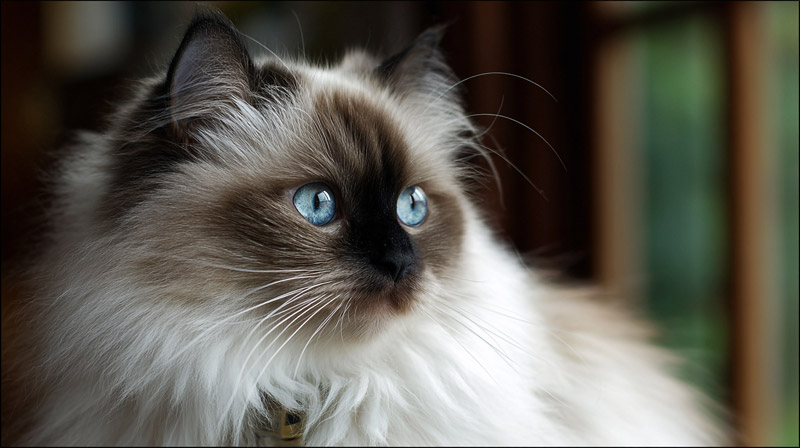
CFA Standards:
Body: Cobby, low on legs, broad chest.
Head: Round and massive with full cheeks.
Eyes: Large, round, brilliant blue.
Coat: Long, thick, fine texture with full ruff.
Colors: All colorpoint variations accepted.
Disqualifying faults:
Eye color other than blue.
White toes or white anywhere other than points.
Kinked or abnormal tail.
Incorrect number of toes.
Show quality vs. pet quality:
Show cats meet precise standards for head shape, eye color intensity, and coat quality.
Pet quality may have slight deviations like lighter eye color or less extreme face.
Genetics of Himalayan Cats
Hereditary traits:
Colorpoint pattern controlled by temperature-sensitive albino gene (cs gene).
Blue eyes linked to same gene producing points.
Long hair is recessive trait from Persian ancestry.
Coat color genetics:
Seal point results from dense pigment gene.
Dilute forms (blue, lilac, cream) from dilution gene.
Red series colors (flame, cream) linked to sex-linked orange gene.
Breed-specific mutations:
PKD1 gene mutation causes polycystic kidney disease.
Brachycephalic skull structure from selective breeding for flat faces.
Outcross breeds:
Currently outcrossed to Persians only.
Exotic Shorthair occasionally used in some breeding programs.
Siamese no longer part of modern Himalayan breeding.
Genetic diversity concerns:
Limited gene pool increases inherited disease prevalence.
Responsible breeders use health testing to reduce genetic problems.
DNA testing recommendations:
PKD1 screening before breeding.
Progressive retinal atrophy testing.
Blood type determination to prevent neonatal isoerythrolysis.
History of the Himalayan Cat
Where Do Himalayan Cats Come From?
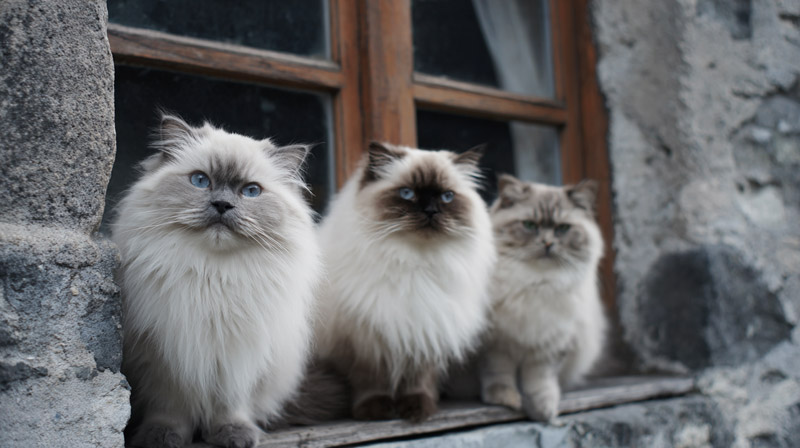
Geographic origins: United States (1930s development).
The breed is a developed hybrid, not a naturally occurring cat.
Named after Himalayan rabbits with similar colorpoint patterns, not the Asian mountain range.
Original purpose: Created purely as companion animals combining Persian beauty with Siamese coloring.
How Did the Himalayan Breed Develop?
Development timeline:
1930s: Dr. Clyde Keeler and Virginia Cobb at Harvard University began crossing Persians with Siamese.
1931: First Himalayan kitten born after multiple generations of crosses.
1936: Results published in Journal of Heredity, but breed not recognized.
1950s: Separate breeding programs emerged. Brian Sterling-Webb developed Longhaired Colourpoints in UK.
1955: GCCF recognized breed as Longhaired Colourpoint in Britain.
1957: Marguerita Goforth received CFA recognition in United States. First champion was Goforth’s LaChiquita.
1960s: All major US registries accepted the breed.
1980s: Efforts to strengthen Persian characteristics led some registries to classify Himalayans as Persian color variants.
Key breeders:
Dr. Clyde Keeler (Harvard geneticist).
Virginia Cobb (pioneering breeder).
Marguerita Goforth (achieved first CFA recognition).
Brian Sterling-Webb (UK development).
Breed evolution:
Early cats showed more Siamese type.
Gradual breeding toward Persian conformation.
Modern Himalayans are essentially colorpoint Persians.
Related breeds:
Parent to no other breeds.
Shares ancestry with all Persian color variants.
When Was the Himalayan Recognized?
GCCF: 1955 (as Longhaired Colourpoint).
CFA: 1957 initially as separate breed, later merged into Persian as color division.
TICA: Recognizes as distinct breed.
ACFA: Recognizes as separate breed.
Most registries granted championship status immediately upon recognition.
Cost of Owning a Himalayan Cat
How Much Does a Himalayan Cat Cost?
Purchase price ranges:
Pet quality from reputable breeder: $750 to $1,500.
Show quality: $1,500 to $2,500.
Breeding rights: $2,000 to $3,000+.
Price factors:
Coat color (lilac point commands highest prices).
Lineage and pedigree documentation.
Champion bloodlines increase cost.
Gender (females sometimes cost more for breeding).
Breeder reputation and location.
Additional initial costs:
First veterinary exam: $50 to $100.
Vaccinations: $75 to $150.
Spay/neuter (if not included): $150 to $300.
Microchipping: $45 to $55.
Supplies (litter box, carrier, bowls, toys, grooming tools): $200 to $400.
Total first-year cost: $1,200 to $6,500 depending on purchase source.
What Are the Ongoing Costs?
Annual veterinary care: $200 to $600 for wellness exams, vaccines, and preventive medications.
Breed-specific health issues can add $500 to $2,000 annually in treatment costs.
Food expenses: $20 to $60 monthly ($240 to $720 annually).
High-quality protein-rich food costs more but prevents health problems.
Litter and supplies: $15 to $30 monthly ($180 to $360 annually).
Grooming costs:
DIY: $30 to $50 monthly for tools and products.
Professional grooming: $50 to $80 per session (monthly visits recommended).
Pet insurance: $15 to $75 monthly ($180 to $900 annually).
Lock in rates while cat is young to save long-term.
Emergency fund: Save $1,000 to $3,000 for unexpected medical needs.
Total annual cost: $1,000 to $4,500 for healthy cat.
Where Can You Get a Himalayan Cat?
Reputable breeders:
Look for breeders who:
- Perform PKD genetic testing on breeding cats.
- Provide health guarantees (typically 1 to 2 years).
- Allow facility visits to see parent cats and conditions.
- Belong to CFA or TICA breeder associations.
- Provide veterinary records and vaccination history.
- Ask buyers extensive questions about home environment.
Contract elements:
Health guarantee covering genetic conditions.
Spay/neuter requirements for pet-quality kittens.
Return policy if placement doesn’t work.
Breeding restrictions.
Red flags:
Multiple litters available simultaneously.
Won’t allow home visits.
No health testing documentation.
Sells kittens under 12 weeks old.
Prices significantly below market rate.
Questions to ask breeders:
Have both parents been PKD tested? Results?
What health guarantees do you provide?
Can I meet the kitten’s parents?
What vaccinations has the kitten received?
What food are you currently feeding?
Will you take the cat back if circumstances change?
Breed-specific rescues:
Specialty Persian Rescue (includes Himalayans).
Persian and Himalayan Cat Rescue.
Local Persian breed rescue organizations.
Petfinder and Adopt-a-Pet breed-specific searches.
Adoption costs: $75 to $200, typically including spay/neuter and initial vaccines.
Adult cat considerations:
Older cats (2+ years) cost less than kittens.
Personality is fully developed.
May have unknown health history.
Can adjust well to new homes with patience.
Himalayan vs. Similar Breeds
Himalayan vs. Persian
Physical differences:
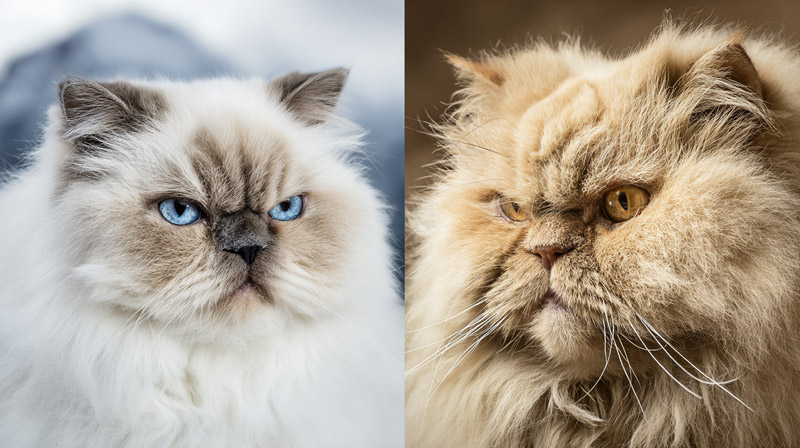
Himalayans have colorpoint pattern; Persians come in solid colors, tabbies, and other patterns.
Eye color: Himalayans always blue; Persians have copper, green, or blue eyes depending on coat color.
Size and build identical (many registries consider them the same breed).
Temperament: Nearly identical calm, gentle personalities.
Care requirements: Exactly the same grooming demands and health concerns.
Health differences: Both prone to PKD, brachycephalic issues, and PRA.
Cost: Similar pricing from $750 to $2,500.
Lifespan: Both 9 to 15 years.
Himalayan vs. Ragdoll
Physical differences:
Ragdolls larger (15 to 20 pounds) with longer bodies.
Ragdolls have less compressed faces, easier breathing.
Both have blue eyes and pointed patterns.
Ragdoll coat less dense, easier to maintain.
Temperament differences:
Ragdolls more dog-like, follow owners room to room.
Ragdolls more active and playful.
Himalayans prefer stationary lap sitting.
Care requirements:
Ragdolls need less frequent brushing (2 to 3 times weekly).
Himalayans require daily grooming.
Ragdolls have fewer tear staining issues.
Health concerns:
Ragdolls prone to hypertrophic cardiomyopathy.
Himalayans face more respiratory problems.
Both can develop polycystic kidney disease.
Cost: Ragdolls slightly more expensive ($800 to $2,000).
Lifespan: Ragdolls live 12 to 17 years (longer than Himalayans).
Himalayan vs. Birman
Physical differences:
Birmans have white “gloves” on all four paws.
Birman faces less flat, reducing breathing issues.
Both feature blue eyes and colorpoint patterns.
Birman coat silky without dense undercoat.
Temperament differences:
Birmans more social and outgoing with strangers.
Birmans more active, better climbers.
Himalayans more reserved and sedentary.
Care requirements:
Birmans need weekly brushing versus daily for Himalayans.
Birmans don’t require daily facial cleaning.
Both need regular nail trims and dental care.
Health differences:
Birmans generally healthier with fewer genetic issues.
Himalayans face more respiratory and kidney problems.
Cost: Birmans range $600 to $1,200 (similar to Himalayans).
Lifespan: Birmans live 12 to 16 years (longer than Himalayans).
How to Choose Between Himalayan and Similar Breeds
Choose Himalayan if you want:
A calm, quiet lap cat.
Classic Persian appearance with colorpoints.
A sedentary companion for relaxed households.
Don’t mind intensive daily grooming.
Choose Persian if you want:
Same personality and care needs.
More color and pattern variety.
Essentially identical cat without point restriction.
Choose Ragdoll if you want:
More active, playful companion.
Easier grooming routine.
Longer lifespan with fewer health issues.
Dog-like following behavior.
Choose Birman if you want:
Social butterfly personality.
Less demanding coat care.
Better respiratory health.
Active cat that still enjoys cuddling.
Lifestyle considerations:
Work-from-home owners suit Himalayans well.
Active families might prefer Ragdolls or Birmans.
First-time owners should consider lower-maintenance breeds.
Small apartments work for any of these breeds.
Fun Facts About Himalayan Cats
Colonel Meow, a Himalayan, held the Guinness World Record for longest cat fur at 9 inches in 2012.
Tinker Toy, a Himalayan, was the world’s smallest cat at just 2.75 inches tall and 7.5 inches long.
The breed appeared in major films including Homeward Bound movies (Sassy, voiced by Sally Field) and Meet the Parents (Mr. Jinx).
Martha Stewart owns three Himalayans named after composers: Beethoven, Mozart, and Bartok. They’ve appeared on her TV show and in commercials.
The 1980s TV series Tucker’s Witch featured a Himalayan named Dickens who had telepathic powers.
Despite the name, Himalayans have zero connection to the Himalayan mountain range. They’re named after Himalayan rabbits with similar markings.
The breed took over 10 years of careful crossbreeding to establish the desired traits combining two distinct breeds.
Himalayan coat color is temperature-dependent. Cooler body parts develop darker pigment, which is why points appear on extremities.
Kittens are born nearly white. Points darken as they age, with full color developing by 2 years old.
The breed ranks among the top 10 most popular pedigreed cats in the United States.
Some Himalayans can be trained to play fetch, defying the stereotype of cats ignoring retrieving games.
Their thick coat can tangle into hundreds of small mats if grooming is skipped for just a few days.
Is a Himalayan Cat Right for You?
Best Homes for Himalayan Cats
Ideal owner personality:
Patient people who enjoy routine grooming.
Homebodies who spend significant time indoors.
Calm individuals who prefer quiet environments.
Those seeking affectionate but not overly demanding cats.
Lifestyle compatibility:
Retirees with time for daily care.
Remote workers who provide constant companionship.
Small households without young children.
People with predictable schedules (Himalayans dislike change).
Home environment requirements:
Climate-controlled indoor space.
Low-traffic, peaceful atmosphere.
Minimal noise and chaos.
Adequate budget for grooming and veterinary care.
Time availability:
1 to 2 hours daily for grooming and interaction.
Ability to maintain consistent routines.
Commitment to long-term care (15+ years).
Who Should Avoid Himalayan Cats?
Incompatible lifestyles:
Frequent travelers without reliable pet sitters.
Very active households with constant visitors.
Families with multiple young children under age 8.
People wanting low-maintenance pets.
Allergy considerations:
Himalayans are NOT hypoallergenic despite some claims.
They produce normal amounts of Fel d 1 protein in saliva and skin.
Heavy shedding distributes allergens throughout homes.
Worse for allergy sufferers than short-haired breeds.
Challenge factors:
Daily grooming is non-negotiable.
Expensive medical care for breed-specific conditions.
Limited exercise tolerance and heat sensitivity.
Tear staining requires persistent management.
Better breed alternatives for:
First-time owners: American Shorthair, British Shorthair.
Active families: Maine Coon, Ragdoll.
Allergy sufferers: Russian Blue, Balinese.
Low-maintenance seekers: Burmese, Bombay.
Questions to Ask Before Getting a Himalayan Cat
Financial readiness:
Can I afford $750 to $2,500 for initial purchase?
Do I have $1,000 to $4,500 annually for routine care?
Can I handle unexpected medical bills of $1,000 to $5,000?
Will I invest in quality food costing $240 to $720 yearly?
Time commitment:
Can I groom daily for 30 to 60 minutes?
Will I be home enough to provide companionship?
Can I maintain this routine for 15+ years?
Do I have time for daily facial cleaning and eye care?
Living situation stability:
Is my housing stable long-term?
Do I have landlord approval for pets?
Will my living situation accommodate a cat for next 15 years?
Can I afford potential rent increases or pet deposits?
Family agreement:
Are all household members committed to daily grooming?
Is everyone prepared for high-maintenance breed?
Do children understand gentle handling requirements?
Has everyone spent time with Himalayans to confirm compatibility?
Long-term planning:
What happens to the cat if I move?
Who cares for the cat during vacations?
Can I afford elderly cat care (ages 10 to 15)?
Do I have support system if circumstances change?
Travel considerations:
Can I afford professional pet sitting ($25 to $75 daily)?
Is my cat comfortable with caretakers?
Will I avoid extended trips requiring boarding?
Other pet considerations:
Are existing pets compatible with calm, quiet cats?
Will my dog respect the cat’s space?
Can I manage multi-pet grooming needs?
Are current pets health-tested and vaccinated?
FAQ on Himalayan
Are Himalayan cats hypoallergenic?
No, Himalayan cats are not hypoallergenic. They produce normal amounts of Fel d 1 protein in their saliva and skin, which triggers allergies. Their heavy shedding distributes allergens throughout homes, making them worse for allergy sufferers than short-haired breeds.
Do Himalayan cats shed a lot?
Yes, Himalayans shed heavily year-round with increased shedding during seasonal changes. Their long double coat requires daily brushing to manage loose hair and prevent matting. Without regular grooming, their fur tangles into hundreds of small mats within days.
How much does a Himalayan cat cost?
Himalayan cats from reputable breeders cost $750 to $1,500 for pet quality, $1,500 to $2,500 for show quality. Adoption from rescues costs $75 to $200. Initial supplies and veterinary care add $500 to $1,000 to first-year expenses.
Are Himalayan cats high maintenance?
Yes, Himalayans are extremely high-maintenance cats. They need daily brushing, regular bathing every 4 to 8 weeks, daily facial cleaning for tear stains, and frequent veterinary monitoring. Total care requires 1 to 2 hours daily plus significant financial commitment.
What health problems do Himalayan cats have?
Himalayans face polycystic kidney disease, brachycephalic airway syndrome, progressive retinal atrophy, dental malocclusion, and cherry eye. Their flat facial structure causes breathing difficulties and heat sensitivity. About one-third of Persian bloodlines carry the PKD gene mutation.
How long do Himalayan cats live?
Himalayan cats live 9 to 15 years on average. This is shorter than mixed-breed cats due to breed-specific health issues. Indoor-only lifestyle, quality nutrition, regular veterinary care, and maintaining healthy weight extend their lifespan significantly.
Are Himalayan cats good with kids?
Himalayans do best with older, calmer children who respect boundaries. Rough play and loud noises stress them. They prefer quiet households and can hide from overly energetic kids. Families with children under 8 should consider more tolerant breeds.
Do Himalayan cats like to be held?
Yes, Himalayans are true lap cats who enjoy being held and cuddled. They bond intensely with family members and seek 2 to 3 hours of daily interaction. However, they prefer gentle, calm handling over energetic play or rough petting.
What is the difference between Persian and Himalayan cats?
Himalayans have colorpoint patterns with blue eyes, while Persians come in various solid colors and patterns with copper, green, or blue eyes. Many registries classify Himalayans as colorpoint Persians. Both breeds share identical body structure, temperament, and grooming needs.
Can Himalayan cats be left alone?
Himalayan cats shouldn’t be left alone for extended periods. They need companionship and become stressed without daily interaction. Maximum alone time is 8 to 10 hours with proper enrichment. Frequent travelers or full-time workers should reconsider this breed.
Conclusion
Himalayan cats offer stunning beauty and gentle companionship, but they demand serious commitment.
Daily grooming isn’t optional with this long-haired breed.
Their brachycephalic facial structure brings breathing issues and heat sensitivity that require careful monitoring.
Polycystic kidney disease and progressive retinal atrophy affect many bloodlines, making health screening critical when choosing a breeder.
The colorpoint pattern and blue eyes create an unmistakable look, yet maintenance costs run $1,000 to $4,500 annually.
These docile cats thrive in quiet households with patient owners who enjoy routine care.
If you want a calm lap cat and can dedicate 1 to 2 hours daily to grooming and interaction, a Himalayan might be your perfect match.
Otherwise, consider lower-maintenance alternatives.