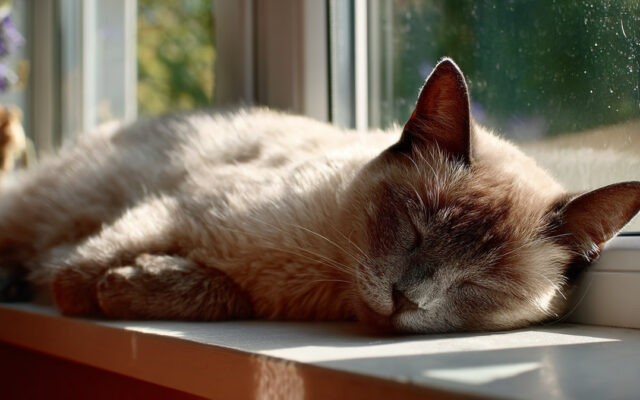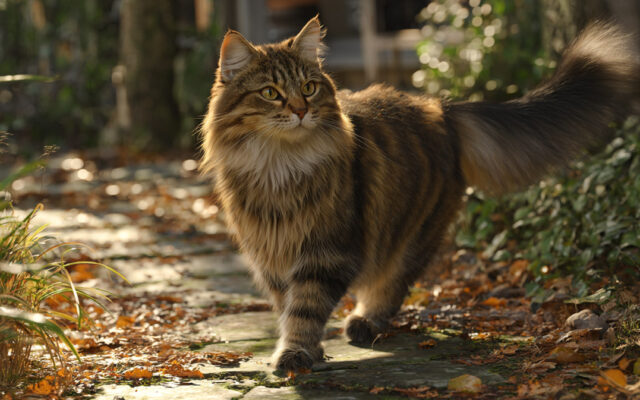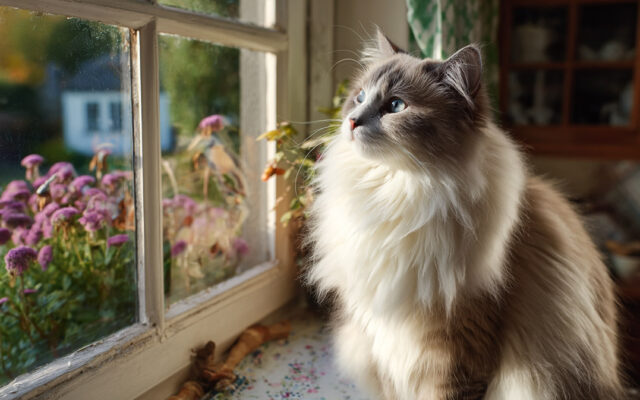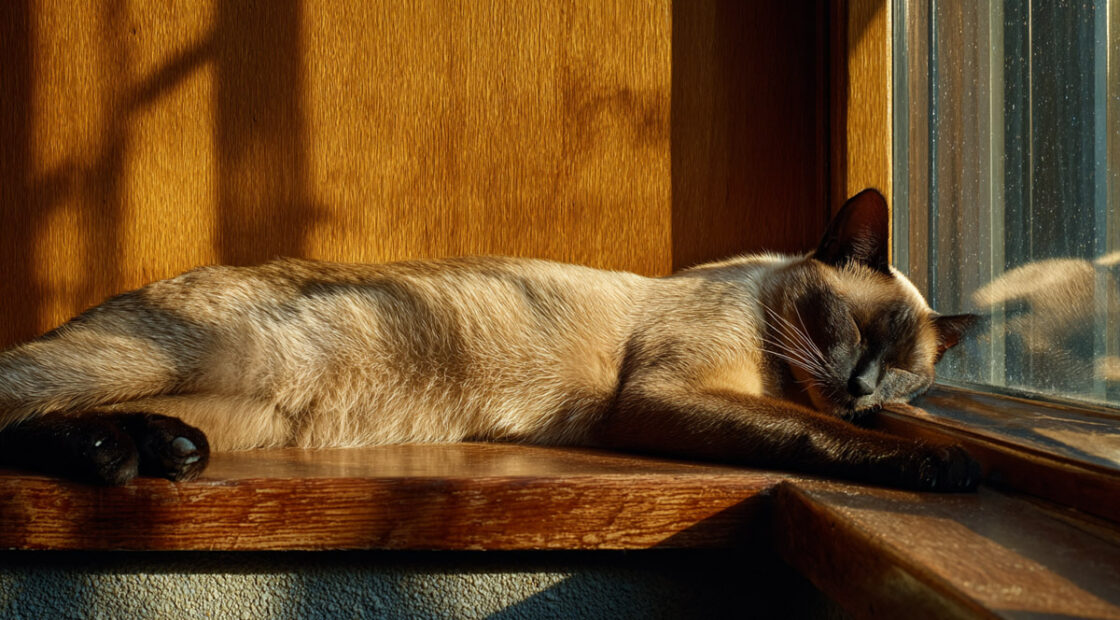
Tonkinese cats are the perfect middle ground between Siamese and Burmese breeds, combining aqua eyes, silky coats, and personalities that won’t let you ignore them.
These medium-sized felines originated from deliberate crossbreeding programs in the 1960s. Breeders wanted to create a cat with Siamese intelligence minus the nonstop chatter.
What they got was something special.
This guide covers everything about the Tonkinese breed. You’ll learn about their mink coat patterns, champagne and platinum color variations, and why they’re called the most dog-like cats around.
We’ll break down their health concerns (including HCM and dental issues), care requirements, personality traits, and what it actually costs to own one. You’ll also discover whether these social, active cats match your lifestyle.
By the end, you’ll know if a Tonkinese is your next companion or if you should keep looking.
Tonkinese Cat Breed Statistics
| Characteristic | Details |
|---|---|
| Weight | Males: 8-12 lbs, Females: 6-8 lbs |
| Height | 8-10 inches |
| Body Length | 12-15 inches |
| Lifespan | 15-20 years |
| Coat Type | Short, fine, silky |
| Coat Colors | Natural, champagne, blue, platinum (plus red, cream, lilac, chocolate in some registries) |
| Coat Patterns | Pointed, mink, solid (sepia) |
| Eye Colors | Aqua (mink), blue (pointed), green-gold (solid) |
| Shedding Level | Low to moderate |
| Energy Level | High |
| Exercise Needs | 60-90 minutes daily |
| Playfulness | Very high |
| Affection Level | Very high |
| Friendliness to Strangers | High |
| Good with Children | Yes (age 6+) |
| Good with Dogs | Yes |
| Good with Other Cats | Yes |
| Vocalization | Moderate to high |
| Intelligence | Very high |
| Trainability | Excellent |
| Grooming Needs | Low (weekly brushing) |
| Attention Requirements | Very high (2-3 hours daily) |
| Apartment Suitable | Yes |
| Indoor/Outdoor | Indoor only |
| Good for First-Time Owners | Intermediate difficulty |
| Health Issues | HCM, PRA, FLUTD, gingivitis, obesity |
| Cost (Kitten) | $600-$2,500 |
| Annual Care Cost | $800-$1,500 |
| Origin | Canada/USA (1960s) |
| Parent Breeds | Siamese × Burmese |
| Registry Recognition | CFA (1984), TICA (1979), GCCF (1991) |
What Is a Tonkinese Cat?

A Tonkinese cat is a medium-sized breed created by crossing Siamese and Burmese cats, recognized for its mink coat pattern, aqua eyes, and social personality.
The breed combines the best traits from both parent breeds. Breeders developed these cats to balance the vocal nature of the Siamese with the calmer temperament of the Burmese.
Tonkinese cats were first recognized as a distinct breed in Canada during the 1960s. The Cat Fanciers Association granted championship status in 1984.
The breed exhibits three coat patterns: pointed (like Siamese), mink (a blend), and solid (like Burmese). This variety comes from the genetic combination of both parent breeds.
CFA, TICA, GCCF, and other major cat registries recognize Tonkinese as an established breed. Some consider them a natural breed despite their hybrid origins because similar cats existed historically in Southeast Asia.
Physical Characteristics
How Big Do Tonkinese Cats Get?
Males weigh 8-12 pounds. Females weigh 6-8 pounds.
Height ranges from 8-10 inches at the shoulder. Body length measures 12-15 inches from nose to base of tail.
Tonkinese have a semi-foreign body type. Not as long and slender as Siamese, not as compact as Burmese.
They’re surprisingly heavy for their size. Deceptively muscular build makes them feel heavier than they look.
These cats reach full size at 3-5 years old. Growth happens slower than many other breeds.
What Does a Tonkinese Cat’s Coat Look Like?
Short, fine coat with a silky texture. The fur lies close to the body and has a natural sheen that catches light.
Coat patterns:
- Pointed: High contrast between body and extremities
- Mink: Medium contrast with subtle blending
- Solid (sepia): Low contrast, nearly uniform color
Base colors:
- Natural (brown/seal)
- Champagne (beige/tan)
- Blue (gray with warm undertones)
- Platinum (pale silver-gray)
Additional colors recognized by some registries include chocolate, lilac, red, cream, cinnamon, fawn, and tortoiseshell variations.
Nose leather and paw pads complement the coat color. Mink cats have aqua-toned nose and paw pads.
Shedding level is low to moderate. Much less than long-haired breeds.
Distinctive Physical Features
Eye color varies by pattern:
- Mink pattern: Aqua (blue-green blend)
- Pointed pattern: Blue
- Solid pattern: Green to golden
Eyes are almond-shaped with a slight upward slant. Appear brilliant and clear in natural light.
Ears are medium-sized with a broad base and slightly rounded tips. Set wide apart and angled slightly outward.
Head shape is a gently rounded wedge. High cheekbones give a refined appearance. Muzzle is blunt and square, with equal length and width.
Tail is proportionate to body length. Tapers slightly toward the tip.
Legs are slim but muscular. Hind legs slightly longer than front legs. Paws are oval-shaped and dainty.
The breed has no extreme features. Everything about their build is balanced and moderate.
Tonkinese Personality and Temperament

Are Tonkinese Cats Affectionate?
Yes, extremely affectionate. These are classic lap cats that form intense bonds with their families.
They demand attention and interaction. Not the type to sit quietly in the corner.
Attention requirements are high. Expect 2-3 hours of direct interaction daily.
Stranger reaction is friendly to gregarious. Most Tonkinese greet visitors enthusiastically rather than hiding.
They bond closely with one person but show affection to everyone in the household. Known for following their favorite human from room to room.
These cats don’t do well when left alone for extended periods. Loneliness leads to depression and destructive behavior.
How Active Are Tonkinese Cats?
Energy level is high. Tonkinese remain playful throughout their adult lives.
Play drive is intense. They initiate games and bring toys to their owners.
Exercise requirements: 60-90 minutes of active play daily. This includes interactive sessions, not just solo play.
Favorite activities:
- Fetch (yes, like dogs)
- Hide and seek
- Climbing to high perches
- Chasing laser pointers
- Wrestling with toys
- Learning tricks
Intelligence level rivals that of many dogs. Tonkinese can learn to open doors, turn on faucets, and get into cabinets.
Trainability is excellent. They respond well to clicker training and can learn commands, tricks, and even leash walking.
Problem-solving abilities are strong. If they want something, they’ll figure out how to get it.
Do Tonkinese Cats Get Along with Others?

Children: Excellent companions for kids of all ages. Patient and playful enough for gentle handling. Best with children 6+ who understand proper cat interaction.
Dogs: Generally get along well with dog-friendly canines. Some Tonkinese prefer dog companionship to other cats.
Other cats: Compatible with most felines. Thrive with a second Tonkinese or another active breed like Abyssinian or Siamese.
Multi-pet households: Ideal. They enjoy having companions when their humans are away.
Territorial tendencies are low. Tonkinese are more social than possessive.
Experts recommend getting two Tonkinese if you work full-time. They keep each other entertained and provide necessary companionship.
How Vocal Are Tonkinese Cats?
Vocalization frequency is moderate to high. Not as loud or constant as Siamese, but definitely chatty.
Voice characteristics are soft and melodic. Some describe it as a pleasant chirp or trill.
They have opinions about everything. Expect running commentary on daily activities.
Communication style is conversational. Tonkinese respond when spoken to and initiate “discussions” with their owners.
Volume is moderate. Quieter than Siamese but louder than breeds like Russian Blue.
Health and Lifespan
How Long Do Tonkinese Cats Live?

Average lifespan: 15-20 years with proper care. Some individuals live into their early twenties.
This is longer than the average domestic cat (12-15 years). Hybrid vigor from crossbreeding contributes to longevity.
Factors affecting longevity include diet quality, indoor vs. outdoor lifestyle, regular veterinary care, and genetic health issues.
Indoor-only cats typically live 5-7 years longer than outdoor cats. Keep Tonkinese inside for maximum lifespan.
Common Health Issues in Tonkinese Cats
Hypertrophic Cardiomyopathy (HCM)
Heart muscle thickening that affects pumping efficiency.
Symptoms: Lethargy, difficulty breathing, weakness, sudden collapse.
Age of onset: Usually 5-7 years, but can occur earlier.
Prevalence: Inherited from Siamese and Burmese lines. Exact rates unknown.
Treatment: Medications to manage symptoms, reduce blood clots, and decrease heart stress. No cure exists.
Prevention: Breed only cats with cardiac clearances. Regular veterinary monitoring.
Progressive Retinal Atrophy (PRA)
Hereditary condition causing gradual vision loss leading to blindness.
Symptoms: Night blindness developing first, dilated pupils, reluctance to jump.
Age of onset: 3-5 years typically.
Prevalence: Low in Tonkinese but present in bloodlines.
Treatment: No cure. Management involves creating a safe environment with consistent furniture placement.
Prevention: Genetic testing before breeding. Avoid breeding carriers.
Feline Lower Urinary Tract Disease (FLUTD)
Umbrella term for bladder and urethra conditions including infections, stones, and inflammation.
Symptoms: Straining to urinate, blood in urine, frequent litter box visits, crying when urinating.
Age of onset: Any age but most common 2-7 years.
Prevalence: Higher risk in Tonkinese than average.
Treatment: Varies by cause. May include antibiotics, special diets, pain medication, or surgery for blockages.
Prevention: High-water diet, stress reduction, regular urinalysis.
Gingivitis and Periodontal Disease
Gum inflammation and tooth decay from plaque buildup.
Symptoms: Red, swollen gums, bad breath, drooling, reluctance to eat.
Age of onset: Can begin as early as 1-2 years without dental care.
Prevalence: Common in Tonkinese. Genetic predisposition suspected.
Treatment: Professional cleanings, antibiotics if infected, tooth extractions in severe cases.
Prevention: Brush teeth 3-4 times weekly with cat-specific toothpaste. Dental treats and toys help.
Obesity
Excessive weight gain leading to secondary health problems.
Symptoms: Weight above 12 pounds for most Tonkinese, inability to feel ribs easily, no visible waist.
Age of onset: Most common in cats 3+ years.
Prevalence: Common due to food-motivated nature.
Treatment: Calorie-controlled diet, increased exercise, slow weight loss (no more than 1-2% body weight per week).
Prevention: Measured meals, no free-feeding, daily exercise sessions.
Diabetes Mellitus
Pancreas doesn’t produce enough insulin or body becomes insulin-resistant.
Symptoms: Increased thirst, increased urination, weight loss despite good appetite.
Age of onset: Usually 7+ years, more common in overweight cats.
Prevalence: Moderate risk, especially if obese.
Treatment: Insulin injections, high-protein low-carb diet, weight management.
Prevention: Maintain healthy weight, high-quality diet, regular exercise.
Patellar Luxation
Kneecap slips out of place due to improper bone structure.
Symptoms: Limping, skipping steps, holding leg up, reluctance to jump.
Age of onset: Can be present from birth or develop as kitten grows.
Prevalence: Higher risk than many breeds.
Treatment: Mild cases need monitoring. Severe cases require surgery.
Prevention: Screen kittens early (8-12 weeks). Genetic, so breed only clear parents.
Amyloidosis
Protein deposits in organs, primarily liver and kidneys.
Symptoms: Loss of appetite, lethargy, increased thirst and urination, weight loss, jaundice.
Age of onset: Typically 7+ years.
Prevalence: Low but present due to Siamese genetics.
Treatment: No cure. Supportive care to manage symptoms.
Prevention: Genetic component not well understood. Avoid breeding affected lines.
What Health Testing Should Tonkinese Cats Have?

Genetic screening:
- HCM genetic test (available for some mutations)
- PRA DNA test
- Blood typing (important for breeding)
Regular veterinary checks:
- Annual wellness exams (every 6 months for cats 7+ years)
- Annual blood work starting at age 7
- Urinalysis annually
- Dental exams every 6-12 months
Breed-specific certifications:
- Cardiac ultrasound (echocardiogram) at 1, 3, and 5 years minimum
- Eye exam by veterinary ophthalmologist annually
- Patellar exam at first kitten vet visit
Age-specific monitoring:
- Kittens: Check for congenital issues, patellar luxation screening
- Adults: Annual bloodwork, cardiac monitoring
- Seniors (10+): Increase vet visits to twice yearly, kidney function tests, thyroid screening
Caring for a Tonkinese Cat

What Do Tonkinese Cats Eat?
Protein requirements: 35-45% of diet for adults, 40-50% for kittens. Tonkinese are obligate carnivores needing animal-based protein.
Feeding frequency:
- Kittens (8 weeks – 6 months): 3-4 meals daily
- Young adults (6 months – 1 year): 3 meals daily
- Adults (1+ years): 2 meals daily
Portion sizes:
Weight-based. Approximately 25-35 calories per pound of body weight daily for adults.
10-pound cat needs 250-350 calories daily depending on activity level.
Use measuring cups. Most cats need 1/3 to 1/2 cup of dry food or 5-6 oz wet food per day split between meals.
Wet vs. dry considerations:
Wet food increases water intake (beneficial for FLUTD prevention). More expensive but better for hydration.
Dry food is convenient and helps clean teeth. Lower moisture content.
Many owners feed combination: wet food twice daily plus small amount of dry for snacking.
Special dietary needs:
High-protein, moderate-fat formulas work best. Look for real meat as first ingredient.
Grain-free options benefit some cats but aren’t necessary for all.
Avoid foods high in carbohydrates (corn, wheat, soy as primary ingredients).
Foods to avoid:
- Onions, garlic, chives
- Chocolate
- Grapes and raisins
- Raw dough
- Xylitol (artificial sweetener)
- Excessive tuna (can cause mercury toxicity)
Weight management:
Monitor weight monthly. Feel ribs with light pressure. See waist when viewing from above.
Tonkinese love food and will beg. Don’t overfeed despite pleading eyes.
Treats should comprise less than 10% of daily calories.
How Do You Groom a Tonkinese Cat?

Brushing frequency: Weekly with rubber brush or grooming mitt. During spring/fall shedding, increase to 2-3 times weekly.
Short coat doesn’t mat, so grooming is straightforward. Removes loose hair and distributes skin oils.
Most Tonkinese enjoy brushing sessions. Good bonding time.
Bathing requirements: Rarely necessary. Only bathe if cat gets into something sticky or smelly. Most Tonkinese never need baths.
If bathing is required, use cat-specific shampoo. Never use human products.
Nail trimming: Every 2-3 weeks. Trim just the sharp tip. Have styptic powder on hand for accidental cuts.
Start nail trimming early so kittens accept it as routine. Reward with treats.
Provide scratching posts to help maintain nails naturally.
Dental care: Brush teeth 3-4 times weekly minimum. Daily is ideal.
Use cat-specific toothpaste (chicken or fish flavored). Never use human toothpaste – fluoride is toxic.
Start dental care when cat is young for easiest acceptance.
Eye cleaning: Wipe away discharge from inner corners with damp cloth. Use different section for each eye to prevent cross-contamination.
Ear cleaning: Check weekly. Clean only if you see debris or wax buildup.
Use veterinarian-recommended ear cleaner. Never use cotton swabs deep in ear canal.
Healthy ears are pale pink with minimal wax. Bad odor or redness indicates infection.
Professional grooming: Not typically needed. Tonkinese are low-maintenance compared to long-haired breeds.
Some owners use professional services for nail trimming if cat resists at home.
How Much Exercise Does a Tonkinese Cat Need?
Daily activity requirements: 60-90 minutes of active play split into multiple sessions.
Morning and evening play sessions work well. Match cat’s natural activity peaks.
Indoor considerations: Tonkinese are strictly indoor cats. Outside exposes them to diseases, predators, cars, and theft.
Indoor lifestyle requires owner to provide stimulation. Without it, cats become destructive.
Recommended toys:
- Interactive wand toys with feathers
- Puzzle feeders and treat-dispensing balls
- Laser pointers (always end session with catchable toy)
- Motorized mice or other moving toys
- Catnip-filled toys
- Cardboard boxes and paper bags
- Fishing pole-style toys
Rotate toys weekly to maintain interest.
Mental stimulation needs: As important as physical exercise. Bored Tonkinese create their own entertainment (usually destructive).
Training sessions count as mental exercise. Teach tricks, practice recall, work on commands.
Hide treats around house for scavenger hunts.
Climbing/vertical space importance: Critical. Tonkinese love heights.
Provide tall cat trees, wall-mounted shelves, window perches. Minimum 4-6 feet of vertical climbing space.
Interactive play frequency: Minimum twice daily. More is better.
Use toys that mimic prey movement. Drag toys away from cat to trigger chase instinct.
Let cat “catch” prey occasionally. Ending with successful hunt satisfies instincts.
Living with a Tonkinese Cat

Are Tonkinese Cats Good for Apartments?
Yes, excellent apartment cats. Don’t need large spaces if environment is enriched properly.
Space requirements: Minimum 500-600 square feet comfortable for one Tonkinese. More important than square footage is vertical space.
Small apartments work if you have cat trees, shelves, and window access.
Noise level: Moderate. More vocal than some breeds but manageable in apartments with reasonable noise policies.
Their voice is softer than Siamese. Unlikely to disturb neighbors through walls.
Neighbor compatibility: Good. Tonkinese aren’t excessive night howlers or destructive.
Indoor-only suitability: Perfect for indoor-only lifestyle. Don’t have strong outdoor instincts.
Satisfy hunting needs with interactive play. No desire to escape if properly stimulated.
Vertical space needs: More important than floor space. Utilize walls with shelves and perches.
Cat superhighways (connected wall shelves) turn small apartments into cat playgrounds.
What Environment Do Tonkinese Cats Need?
Temperature tolerance: Prefer 65-75 degrees Fahrenheit. Average household temperatures work fine.
Short coat offers minimal insulation. Sensitive to extreme cold. Avoid drafty areas in winter.
Heat tolerance is better but not excessive. Ensure cool spots available in summer.
Humidity preferences: Average household humidity (30-50%) is fine. No special requirements.
Safe outdoor access options:
- Catios (enclosed outdoor spaces) are ideal
- Leash training for supervised outdoor time
- Window boxes or screened porches
Never allow unsupervised outdoor access.
Environmental enrichment specifics:
- Multiple scratching posts (vertical and horizontal)
- Hideaway spots (boxes, tunnels, cat condos)
- Window perches with bird feeders outside
- Cat TV (videos designed for cats)
- Rotate toys to maintain novelty
- Paper bags and cardboard boxes for exploration
Window perch importance: Essential. Tonkinese spend hours watching outdoor activity.
Install sturdy perches at multiple windows. Viewing different areas prevents boredom.
Scratching post requirements: At least 3-4 posts throughout home. Variety of types: sisal rope, cardboard, carpet.
Posts should be 30+ inches tall for full-body stretching. Must be stable (won’t tip over).
Place near sleeping areas and entry points to rooms.
Are Tonkinese Cats Good for First-Time Owners?
Care difficulty: Intermediate. Not the easiest breed but manageable with research and commitment.
Time commitment: 2-4 hours daily for play, grooming, feeding, and interaction.
Tonkinese demand more time than independent breeds like British Shorthair.
Experience level needed: Some cat experience helpful but not required. Must understand active, social cats need constant engagement.
Not recommended if you want a self-sufficient, quiet cat.
Common challenges for new owners:
- Underestimating attention needs
- Leaving cat alone too long (leads to separation anxiety)
- Insufficient play causing destructive behavior
- Getting outsmarted (Tonkinese open doors, cabinets, containers)
- Managing vocalization
- Keeping up with energetic personality
Best first cat if you’re home frequently, want interactive pet, and enjoy playful companionship.
Tonkinese Kittens
What Are Tonkinese Kittens Like?

Insanely energetic. Kitten stage is particularly high-energy compared to adults.
They’re into everything. Climbing curtains, knocking over plants, investigating every corner.
Personality development timeline:
- 2-7 weeks: Socialization with mother and littermates
- 7-12 weeks: Critical human socialization period
- 3-6 months: Peak energy and mischief
- 6-12 months: Personality solidifies
- 1-3 years: Mature into adult temperament
Early socialization needs:
Must stay with mother and littermates until 12-14 weeks minimum. Earlier separation causes behavioral issues.
Handle daily starting at 2-3 weeks. Expose to household sounds, different people, gentle children.
Window: 3-14 weeks is most critical for socialization. Experiences during this time shape adult behavior.
Kitten energy levels: Extreme. Expect near-constant motion when awake.
Multiple 30-minute play sessions throughout day necessary. Tire kittens out before bedtime.
Training windows:
- 8-12 weeks: Litter box training (usually already done by breeder)
- 8-16 weeks: Name recognition, basic commands
- 12-20 weeks: Leash training if desired
- Throughout kittenhood: Handling paws, teeth, ears
When Can Tonkinese Kittens Leave Their Mother?
Minimum age: 12-14 weeks. Responsible breeders don’t release earlier.
Some breeders wait until 16 weeks, especially for show-quality kittens.
Developmental milestones:
- 8 weeks: Weaned, litter trained
- 10 weeks: Fully independent eating
- 12 weeks: Social skills from littermates complete
- 14-16 weeks: Confident, well-adjusted
Vaccination schedule before adoption:
- 6-8 weeks: First FVRCP (feline distemper, rhinotracheitis, calicivirus)
- 10-12 weeks: Second FVRCP
- 14-16 weeks: Third FVRCP, first rabies
- 16-20 weeks: Final kitten boosters
Kittens should have at least 2 rounds of core vaccines before going home.
Spay/neuter timing:
Most breeders spay/neuter before release (pediatric sterilization at 12-16 weeks).
If not done by breeder, schedule surgery at 4-6 months. Some veterinarians prefer waiting until 6 months.
Early spaying/neutering (before 16 weeks) is safe and prevents unwanted breeding.
Breeding and Genetics
Tonkinese Breed Standards

CFA standards:
Body: Medium-sized, muscular, surprisingly heavy. Neither cobby nor svelte.
Head: Modified wedge shape. Gently rounded. High, gently curved cheekbones. Muzzle as long as it is wide, blunt.
Eyes: Almond-shaped, open but slanted. Brilliant aqua for mink, blue for pointed, yellow-green for solid.
Ears: Alert, medium-sized, broad base, oval tips. Pricked slightly forward.
Coat: Short, fine, close-lying, silky with lustrous sheen.
Colors: Natural, champagne, blue, platinum in three patterns (mink, pointed, solid).
TICA standards:
Similar to CFA but accepts wider color range including red, cream, and tortoiseshell.
Emphasizes balance and proportion. No feature should be extreme.
GCCF standards:
Accepts chocolate, lilac, cinnamon, fawn, red, cream, caramel, and apricot in addition to basic four colors.
Allows tabby patterns and tortoiseshell.
Show quality vs. pet quality:
Show quality: Meets all breed standards. Correct proportions, ideal coloring, no faults.
Pet quality: Minor cosmetic faults like slightly wrong eye color, ear set, or body proportions. Perfectly healthy, just not competitive.
Disqualifying faults:
- Severe crossed eyes
- Kinked tail
- White lockets or spots (except on solid pattern with minor white)
- Incorrect eye color for pattern
- Wrong number of toes
- Extreme Siamese or Burmese type
Genetics of Tonkinese Cats
Hereditary traits:
Coat pattern determined by combination of Siamese (cs) and Burmese (cb) genes.
- Pointed pattern: cs/cs (two Siamese genes)
- Mink pattern: cs/cb (one of each)
- Solid pattern: cb/cb (two Burmese genes)
Coat color genetics:
Base color controlled by different gene locations. Black-based colors (natural, blue) most common.
Dilution gene creates blue and lilac from natural and chocolate.
Red/cream colors are sex-linked (more common in males).
Breed-specific mutations:
No unique mutations, but inherit those from parent breeds.
HCM mutation from Siamese lines. PRA from both Siamese and Burmese.
Outcross breeds:
Historically, Siamese and Burmese were allowed to maintain genetic diversity.
Since 1984 (CFA), most registries no longer allow outcrossing. Closed gene pool.
Some breeders import cats from Thailand to increase genetic diversity.
Genetic diversity concerns:
Limited gene pool since outcrossing stopped. Increases risk of inherited diseases.
Responsible breeders diversify lines by working with other breeders internationally.
DNA testing recommendations:
- PRA genetic test (avoid breeding two carriers)
- HCM genetic test (multiple mutations exist)
- Blood typing for breeding (Type A most common, but Type B exists)
- PKD testing if Siamese lines have Persian ancestry
History of the Tonkinese Cat
Where Do Tonkinese Cats Come From?

Geographic origins: Canada and United States, officially developed in 1960s.
However, similar cats existed in Southeast Asia (Burma and Thailand) for centuries. Historic records show brown cats with aqua eyes.
Natural vs. developed breed:
Technically a developed breed from deliberate crossbreeding programs.
But many believe Wong Mau (1930, foundation Burmese) was actually a natural Tonkinese.
Historical context:
Victorian era cat fancy imported “Chocolate Siamese” that were likely Tonkinese. These were eventually bred out of Siamese lines.
Sailors and traders brought various brown cats from Southeast Asia. Many were probably Siamese/Burmese crosses.
Original purpose:
Developed as companion cats. Goal was combining Siamese intelligence with Burmese affection.
Breeders wanted moderate cat – not as vocal as Siamese, more active than Burmese.
How Did the Tonkinese Breed Develop?
Development timeline:
- 1930: Wong Mau imported to USA, foundation of Burmese breed (likely Tonkinese)
- 1950s: Milan Greer crosses Siamese and Burmese, creates “Golden Siamese”
- 1960s: Margaret Conroy (Canada) and Jane Barletta (USA) independently develop breeding programs
- 1965: First Tonkinese litter documented
- 1967: Registered as “Tonkanese” in Canada
- 1971: Spelling changed to “Tonkinese”
- 1974: Tonkinese Breed Association formed
- 1979: TICA recognition
- 1984: CFA championship status
Key breeders:
Margaret Conroy (Canada): One of two founders. Worked independently developing breeding program.
Jane Barletta (USA): Co-founder who also created Siamese/Burmese crosses simultaneously.
Both breeders compared notes and collaborated to establish breed standards.
Important foundation cats:
Wong Mau: 1930 import, foundation of Burmese and likely first documented Tonkinese.
Various Siamese and Burmese from 1950s-1960s breeding programs formed modern Tonkinese foundation.
First official recognition: 1965 in Canada by Canadian Cat Association as distinct breed.
Breed evolution and changes:
Early Tonkinese varied widely in type. Standards refined through 1970s-1980s.
Original spelling “Tonkanese” caused confusion. Changed to “Tonkinese” in 1971.
Initially only mink pattern showed. Later, breeders recognized pointed and solid patterns as Tonkinese.
Modern Tonkinese are more refined with better consistency in type and temperament.
Related or descendant breeds:
No descendant breeds yet. Tonkinese haven’t been used to create new breeds.
Related to Siamese, Burmese, and Burmese descendants like Bombay.
When Was the Tonkinese Recognized?
CFA recognition: 1984 for championship status. Long wait due to initial skepticism about crossbred cats.
TICA recognition: 1979, earlier than CFA.
Canadian Cat Association: 1967 as “Tonkanese,” first registry to recognize breed.
GCCF recognition: 1991 in United Kingdom.
Other registries: Most major international cat associations now recognize Tonkinese.
Championship status dates: Varied by organization. CFA championship 1984 was major milestone.
Cost of Owning a Tonkinese Cat
How Much Does a Tonkinese Cat Cost?
Pet quality: $600-$1,200 from reputable breeders. Average around $800-$1,000.
Show quality: $1,200-$2,500. Exceptional bloodlines or rare colors command higher prices.
Breeding rights: $1,500-$3,000+. Breeders charge premium for intact cats with breeding rights.
Price factors:
- Lineage: Champion bloodlines cost more
- Color: Rare colors like red, cream, or torbie more expensive than natural or blue
- Pattern: Mink pattern sometimes priced higher as “trademark” Tonkinese look
- Gender: Males sometimes slightly more expensive
- Location: Areas with few breeders have higher prices
- Breeder reputation: Established breeders with health testing charge more
Additional initial costs:
- Supplies (bowls, litter box, carrier, toys): $200-$400
- Initial vet visit and vaccines: $100-$200
- Spay/neuter (if not done by breeder): $150-$300
- Microchipping: $45-$75
Total first-year cost: $1,500-$3,000 including kitten purchase.
What Are the Ongoing Costs?
Annual veterinary care: $200-$500 for healthy cat.
- Wellness exams: $50-$100 per visit
- Vaccines: $75-$150 annually
- Fecal exam: $25-$45
- Blood work (seniors): $100-$200
Food expenses: $30-$60 monthly ($360-$720 annually).
High-quality cat food costs more but prevents health issues. Budget $50+ monthly for premium brands.
Litter and supplies: $20-$40 monthly ($240-$480 annually).
- Clumping litter: $15-$25/month
- Litter box liners: $5-$10/month
- Cleaning supplies: $5-$10/month
- Replacement toys, scratchers: varies
Grooming costs: Minimal if done at home. Professional grooming rarely needed.
Nail trimming services: $15-$30 if needed.
Pet insurance: $25-$50 monthly ($300-$600 annually).
Recommended for Tonkinese due to potential genetic health issues. Shop for plans covering hereditary conditions.
Unexpected emergency fund: Maintain $1,000-$3,000 for emergencies.
Emergency vet visit costs $500-$2,000+. Surgery can run $2,000-$5,000.
Total annual costs: $800-$1,500 for healthy adult cat. Senior cats cost more due to increased vet visits.
Where Can You Get a Tonkinese Cat?
Reputable breeders:
Look for breeders registered with CFA, TICA, or Tonkinese Breed Association.
What to look for:
- Health testing documentation (HCM screening, PRA testing, blood typing)
- Clean cattery environment
- Kittens raised underfoot in home (not caged)
- Parents on site or photos/pedigrees available
- Socialized kittens comfortable with handling
- Knowledge about breed, willing to answer questions
- References from previous buyers
Breeder certifications:
CFA or TICA registration. Member of breed clubs. Shows cats (demonstrates commitment to breed standards).
Health guarantees:
Minimum 1-year genetic health guarantee standard. Some offer 2-3 years.
Should cover congenital defects and hereditary conditions. Read contract carefully.
Contract elements:
- Spay/neuter requirements (if selling as pet)
- Return policy if cat doesn’t work out
- Health guarantee specifics
- Registration papers
- Breeding restrictions
- Microchip information
Red flags to avoid:
- Won’t let you visit cattery
- No health testing on parents
- Kittens available year-round (overbreeding)
- Prices significantly below market
- Pressure to buy immediately
- Multiple breeds available (backyard breeder)
- Ships kittens before 12 weeks
- No contract or health guarantee
Questions to ask:
- What health testing do you do?
- Can I see the parents?
- What’s included with the kitten?
- What do you feed?
- What’s your socialization process?
- Do you offer support after purchase?
- Can I have references from previous buyers?
Breed-specific rescues:
Tonkinese Breed Rescue (operates in USA). Breed-specific rescue for Tonkinese and related breeds.
Siamese Cat Rescue Center sometimes has Tonkinese. Purebred Cat Rescue organizations occasionally have Tonkinese available.
General rescue/shelter considerations:
Purebred Tonkinese rare in shelters. More likely to find Tonkinese mixes.
Check Petfinder and local shelters. Search for “Tonkinese” but also look at similar-looking cats.
Many brown pointed cats labeled “Siamese” might have Tonkinese heritage.
Adoption costs vs. breeder costs:
Adoption: $50-$300. Includes spay/neuter, vaccines, often microchip.
Breeder: $600-$2,500+ but you know exact lineage and health history.
Adult cat vs. kitten considerations:
Adults available from breeders retiring show cats or rehoming. Usually less expensive, already trained, calmer.
Kittens require more time and training but you raise them your way. Higher energy.
Adult rescue cats come with unknown history but give deserving cat a home.
Tonkinese vs. Similar Breeds

Tonkinese vs. Siamese
Physical differences:
Tonkinese are more muscular and heavier-boned. Siamese are leaner and more angular.
Siamese have wedge-shaped heads. Tonkinese heads are rounded wedges, softer appearance.
Eye shape similar but color differs. Siamese always have blue eyes. Tonkinese have aqua, blue, or green depending on pattern.
Coat patterns: Siamese only pointed. Tonkinese come in pointed, mink, and solid.
Size comparable. Both medium-sized but Tonkinese feel heavier when picked up.
Temperament differences:
Siamese extremely vocal and demanding. Tonkinese moderately vocal, less intense.
Both intelligent and social. Siamese can be more aloof and particular about favorites. Tonkinese friendlier with everyone.
Siamese have stronger prey drive. Tonkinese more balanced between play and relaxation.
Care requirement differences:
Both low-maintenance for grooming. Similar exercise needs.
Siamese may need more mental stimulation due to higher intelligence. Tonkinese slightly easier for first-time owners.
Health concern differences:
Both prone to similar issues (HCM, PRA, dental disease). Tonkinese have hybrid vigor advantage.
Siamese more prone to crossed eyes and kinked tails. Tonkinese less common.
Cost differences:
Similar price range. Both $600-$2,000 from reputable breeders.
Lifespan comparison:
Both 15-20 years. Comparable longevity.
Tonkinese vs. Burmese
Physical differences:
Burmese more compact and cobby. Tonkinese semi-foreign body type, more elongated.
Burmese have rounded heads. Tonkinese have modified wedge shape.
Eye shape differs. Burmese have round eyes, Tonkinese almond-shaped.
Coat: Burmese only solid (sepia) pattern. Tonkinese have three patterns including pointed and mink.
Weight similar but distributed differently. Burmese stockier, Tonkinese more athletic.
Temperament differences:
Burmese calmer and less vocal. Tonkinese more active and chatty.
Both affectionate. Burmese content to lounge for hours. Tonkinese need more interaction.
Burmese often described as dog-like but laid-back. Tonkinese dog-like but energetic.
Care requirement differences:
Both easy to groom. Tonkinese need more exercise and playtime.
Burmese better for quieter households. Tonkinese better for active families.
Health concern differences:
Burmese prone to Burmese head defect (craniofacial abnormality). Tonkinese rarely affected.
Both can have HCM and diabetes. Similar overall health profiles.
Cost differences:
Burmese sometimes slightly more expensive. Both $800-$2,000 typically.
Lifespan comparison:
Burmese: 15-18 years. Tonkinese: 15-20 years. Slightly longer lifespan for Tonkinese.
Tonkinese vs. Balinese
Physical differences:
Balinese have semi-long coats. Tonkinese short-haired.
Balinese are Siamese body type (svelte, angular). Tonkinese more muscular.
Both have pointed patterns but Balinese don’t come in mink or solid.
Balinese have plumed tails. Tonkinese have short-haired tails.
Temperament differences:
Both very social and vocal. Balinese slightly more vocal.
Both intelligent and playful. Similar energy levels.
Temperament quite comparable. Main difference is grooming needs.
Care requirement differences:
Balinese need daily brushing. Tonkinese weekly brushing sufficient.
Both need similar exercise and mental stimulation.
Balinese shed more despite being marketed as “hypoallergenic.” Neither truly hypoallergenic.
Health concern differences:
Both share Siamese-related health issues. Similar genetic concerns.
Cost differences:
Balinese often $100-$300 more expensive due to rarity. $1,000-$2,500 typical.
Lifespan comparison:
Both 15-20 years. Comparable longevity.
How to Choose Between Tonkinese and Similar Breeds
Lifestyle considerations:
Choose Tonkinese if you want moderate everything. Balance of vocal, active, affectionate.
Choose Siamese if you want maximum interaction, don’t mind constant talking, prefer lean elegant look.
Choose Burmese if you want calmer cat, less vocal, more compact body type.
Choose Balinese if you love long-haired cats, willing to groom daily, want Siamese temperament with softer appearance.
Decision factors:
- Grooming time available: Short-haired (Tonkinese, Siamese, Burmese) vs. semi-long (Balinese)
- Noise tolerance: Most vocal (Siamese) to least (Burmese)
- Activity level preference: Most active (Siamese, Tonkinese) to calmer (Burmese)
- Physical preference: Lean (Siamese), medium (Tonkinese, Balinese), stocky (Burmese)
- Pattern variety: Tonkinese offer most pattern options
Which breed for which owner type:
Active families: Tonkinese or Siamese
Quiet households: Burmese
First-time cat owners: Tonkinese (more forgiving than demanding Siamese)
People wanting dog-like cat: All four breeds show dog-like traits. Tonkinese most balanced.
Apartment dwellers: All suitable. Burmese quietest option.
Work-from-home owners: Tonkinese or Siamese thrive with constant companionship.
Fun Facts About Tonkinese Cats
The original spelling was “Tonkanese,” referencing the musical South Pacific and an island accepting mixed-heritage individuals.
Name changed to “Tonkinese” in 1971 after Bay of Tonkin, despite zero connection to Vietnam.
Wong Mau, foundation cat of Burmese breed, was likely a Tonkinese. Discovered in 1930.
One Tonkinese holds the record for largest litter – 19 kittens born at once.
Coat color darkens in colder environments. Temperature-sensitive pigmentation (like Siamese).
The aqua eye color is unique to mink-pattern Tonkinese. No other breed has this exact shade.
Tonkinese ranked 17th most popular purebred cat in USA as of 2024 registrations.
They’re one of few breeds that come in three distinct patterns (pointed, mink, solid) all recognized as same breed.
Many Tonkinese play fetch without training. Instinctive behavior from high intelligence.
Some Tonkinese learn to open doors by turning handles. Childproofing often necessary.
The breed nearly disappeared in 1970s due to lack of interest. Dedicated breeders revived it.
Tonkinese featured in various cat shows since 1980s but took years to gain championship status due to “hybrid” stigma.
Life expectancy of 15-20 years places them among longest-lived purebred cats.
Is a Tonkinese Cat Right for You?
Best Homes for Tonkinese Cats
Ideal owner personality types:
- Social, enjoy interaction
- Home frequently or work from home
- Patient with vocal, demanding cats
- Active, willing to play daily
- Appreciate intelligent, trainable pets
Lifestyle compatibility:
Perfect for retirees home all day. Excellent for families with older children.
Good for singles wanting devoted companion. Great for couples who both enjoy cats.
Home environment requirements:
Indoor-only lifestyle mandatory. Space for cat trees and climbing structures.
Windows for viewing. Safe areas for play without breakables.
Time availability needs:
Minimum 2-3 hours daily for interaction, play, grooming, feeding.
More time needed during kitten stage. Less suitable for people working 60+ hour weeks.
Who Should Avoid Tonkinese Cats?
Incompatible lifestyles:
- Frequently travel without pet-sitter arrangements
- Work long hours with no other pets home
- Prefer independent, quiet cats
- Want low-maintenance pet
- Noise-sensitive (apartments with thin walls)
Allergy considerations:
Not hypoallergenic despite some claims. Produce normal amounts of Fel d 1 protein (allergen).
Low shedding doesn’t equal hypoallergenic. People with cat allergies will still react.
Better than long-haired breeds but not allergy-free.
Challenge factors:
- High attention demands
- Can be destructive if bored
- Learn to open cabinets, doors, containers
- Vocal nature may annoy some
- Need companionship (second cat often necessary)
- Prone to separation anxiety
Better breed alternatives:
Want less demanding? Try British Shorthair, Persian, or Ragdoll.
Want quieter? Russian Blue or Chartreux better choices.
Want lower energy? Himalayan or Exotic Shorthair.
Questions to Ask Before Getting a Tonkinese Cat
Financial readiness:
- Can I afford $1,000+ initial cost?
- Do I have $800-$1,500 annually for ongoing care?
- Can I handle $3,000+ emergency vet bill?
- Will I purchase pet insurance ($300-$600/year)?
Time commitment:
- Am I home enough to meet attention needs?
- Can I play 60-90 minutes daily?
- Will I brush teeth 3-4 times weekly?
- Do I have time for training and enrichment?
Living situation stability:
- Will I be in pet-friendly housing 15-20 years?
- Is my living situation stable?
- Do all household members want a cat?
- Are there existing pets compatible with active, social cat?
Family agreement:
- Does everyone in household want a Tonkinese?
- Who will be primary caregiver?
- Are children old enough to handle appropriately?
- Is anyone allergic to cats?
Long-term planning:
- Who cares for cat when I travel?
- What if I have major life changes (marriage, baby, job relocation)?
- Am I prepared for 15-20 year commitment?
- Can I afford senior cat care (increased vet costs)?
Travel considerations:
- Do I travel frequently?
- Can I afford pet-sitter or boarding?
- Am I comfortable leaving cat with others?
- Would second cat help with loneliness during travel?
Other pet considerations:
- Do I have pets that might not accept active, social cat?
- Is getting second Tonkinese an option?
- Would my dog be cat-friendly?
- Can I manage multi-pet household dynamics?
If you answered yes to most questions and your lifestyle matches Tonkinese needs, this breed could be your perfect companion.
These social, intelligent, affectionate cats bond deeply with their families. They bring joy, entertainment, and unconditional love to homes prepared for their energetic, interactive nature.
The key is honest self-assessment. Tonkinese thrive with engaged owners who appreciate their unique personality. In the right home, they’re truly exceptional companions.
FAQ on Tonkinese
Are Tonkinese cats rare?
Moderately rare. They rank 17th in CFA popularity registrations.
Fewer breeders exist compared to Siamese or Persian breeds. Finding a reputable breeder may require waiting lists or traveling to another state.
Do Tonkinese cats like to be held?
Yes, most love being held and carried. They’re classic lap cats that seek physical contact constantly.
Some prefer shoulder perches to being cradled. Individual personalities vary, but the breed is known for affectionate behavior and enjoying close proximity to their owners.
Are Tonkinese cats hypoallergenic?
No. They produce normal amounts of Fel d 1 allergen protein.
Low shedding doesn’t mean hypoallergenic. People with cat allergies will still react to Tonkinese, though possibly less than long-haired breeds due to reduced dander distribution.
How much does a Tonkinese cat cost?
Pet quality costs $600-$1,200. Show quality ranges $1,200-$2,500.
Breeding rights add $500-$1,000 more. Location, color (champagne, platinum, blue, natural), and breeder reputation affect pricing. Adoption from rescues costs $50-$300 instead.
Are Tonkinese cats vocal?
Moderately vocal. Less chatty than Siamese but more talkative than most breeds.
They have soft, melodic voices and will hold conversations with owners. Expect commentary on daily activities but not constant yowling like their Siamese relatives.
Can Tonkinese cats be left alone?
Not for long periods. They suffer separation anxiety when isolated 8+ hours daily.
Best with companions (second cat or dog-friendly dog). Working owners should consider getting two Tonkinese to prevent loneliness and destructive behavior from boredom.
Do Tonkinese cats shed?
Yes, but minimally. Short, fine coats produce less shedding than most breeds.
Weekly brushing removes loose hair. Expect light shedding year-round with slight increases during spring and fall. Their mink coat pattern doesn’t mat or tangle easily.
What is the lifespan of a Tonkinese cat?
15-20 years with proper care. Longer than average domestic cats.
Hybrid vigor from Siamese and Burmese crossbreeding contributes to longevity. Indoor-only lifestyle, quality nutrition, and regular veterinary care maximize lifespan potential for this healthy breed.
Are Tonkinese cats good with dogs?
Yes, generally excellent with dogs. Their social, playful nature suits multi-pet households.
They often bond closely with dog-friendly canines. Some Tonkinese prefer dog companionship to other cats. Proper introductions and dog temperament matter more than breed compatibility.
What colors do Tonkinese cats come in?
Four base colors: natural (brown), champagne (beige), blue (gray), and platinum (silver).
Each comes in three patterns: pointed, mink, and solid. GCCF recognizes additional colors including chocolate, lilac, red, cream, and tortoiseshell variations for broader diversity.
Conclusion
Tonkinese cats deliver the best of both Siamese and Burmese breeds without the extremes. Their aqua eyes, muscular build, and mink coat pattern make them instantly recognizable.
These social felines need owners who are home frequently. Leaving them alone all day leads to separation anxiety and destructive behavior.
Their intelligence means they’ll outsmart childproof locks and find their way into everything. But that same cleverness makes them trainable, interactive, and endlessly entertaining.
Health-wise, watch for HCM, dental issues, and FLUTD. Regular veterinary screenings catch problems early.
Budget $1,000-$1,500 for a kitten from reputable breeders. Annual costs run $800-$1,500 for food, litter, and vet care.
If you want a devoted companion that follows you everywhere, plays fetch, and actually enjoys conversation, this breed fits perfectly. Just don’t expect peace and quiet.