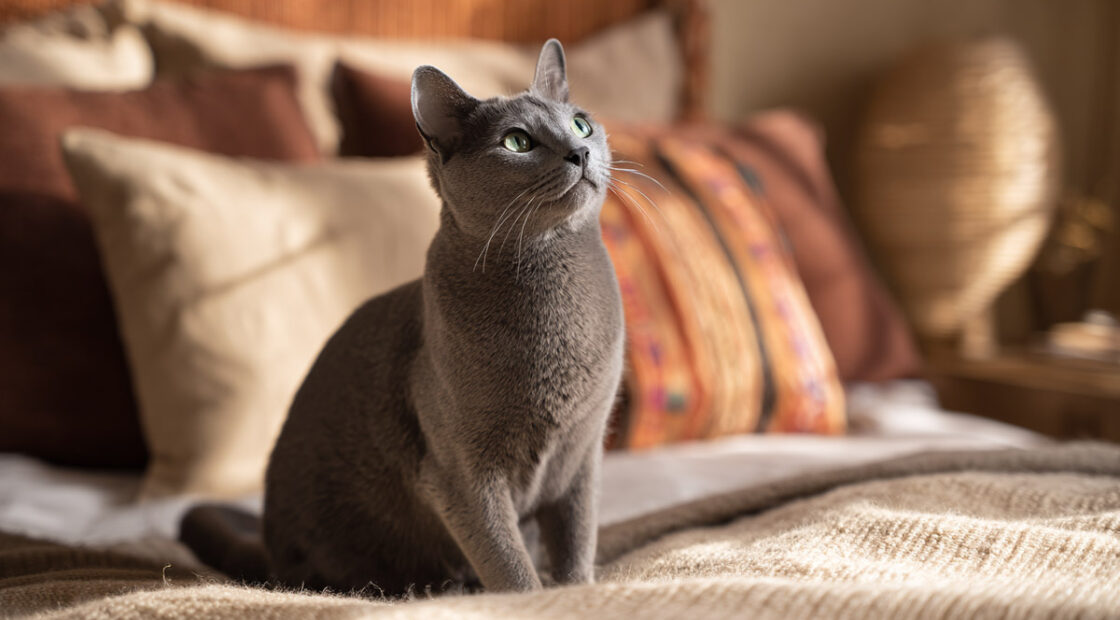
That heart-shaped face staring at you from across the room belongs to one of Thailand’s most treasured breeds. Korat cats have captivated owners for over 600 years with their shimmering silver-blue coats and intense green eyes.
These rare cats aren’t just pretty faces. They’re intelligent, loyal companions who form bonds unlike most other breeds.
But their demanding personalities and high energy levels catch many first-time owners off guard. Are you ready for a cat that wants to be involved in everything you do?
This guide covers everything about the Korat breed. You’ll learn their temperament traits, health concerns like GM1 gangliosidosis, care requirements, and whether this ancient Thai cat breed fits your lifestyle.
We’ll break down costs, compare them to similar breeds like the Russian Blue, and show you where to find reputable breeders.
Korat Cat Breed Statistics
| Characteristic | Details |
|---|---|
| Weight | Males: 8-10 lbs, Females: 6-8 lbs |
| Height | 10-14 inches at shoulder |
| Lifespan | 12-15 years (some reach 20+) |
| Coat Type | Short, single-layer, fine texture |
| Coat Color | Silver-blue only |
| Eye Color | Peridot green (develops at 2-4 years) |
| Shedding Level | Low |
| Energy Level | High to very high |
| Exercise Needs | 60-90 minutes daily |
| Grooming Frequency | Once or twice weekly |
| Affection Level | Very high (velcro cat) |
| Trainability | High (intelligent, learns tricks) |
| Vocalization | Moderate to high |
| Kid-Friendly | Yes (older children best) |
| Dog-Friendly | Yes (with cat-friendly dogs) |
| Other Cats | Moderate (can be bossy) |
| Apartment Suitable | Yes |
| First-Time Owner | Intermediate difficulty |
| Attention Needs | Very high (2-3 hours daily) |
| Alone Time Tolerance | Low (prone to separation anxiety) |
| Health Issues | GM1/GM2 gangliosidosis (genetic testing available) |
| Origin | Nakhon Ratchasima, Thailand |
| Breed Type | Natural breed |
| Rarity | Rare |
| Price Range | $500-$2,500 |
| Recognition | CFA, TICA, GCCF, FIFe |
What Is a Korat Cat?
The Korat is a natural breed from Thailand with a distinctive silver-blue coat, heart-shaped face, and luminous green eyes. These muscular cats are known for their loyalty, intelligence, and good luck symbolism in their native country.
This ancient breed dates back to at least 1350 CE, with references in The Cat-Book Poems (Tamra Maew) from Thailand’s Ayudhya period.
The Korat appears in this historic Thai manuscript as one of 17 “good luck” cats. Known as Si-Sawat in Thailand, which translates to “the color of sawat seed,” these cats were traditionally given as gifts rather than sold.
The Cat Fanciers’ Association (CFA) recognized the breed in 1967. The International Cat Association (TICA), Governing Council of the Cat Fancy (GCCF), and other major registries also recognize Korats.
These are purebred cats with stable genetics. Breeders maintain strict standards with no outcrossing to other breeds allowed.
The plateau region of Nakhon Ratchasima province (nicknamed “Korat” by locals) is where this breed originated. Their grayish-blue coats helped them blend with the large granite outcrops in this northeastern Thai region.
Physical Characteristics
How Big Do Korat Cats Get?
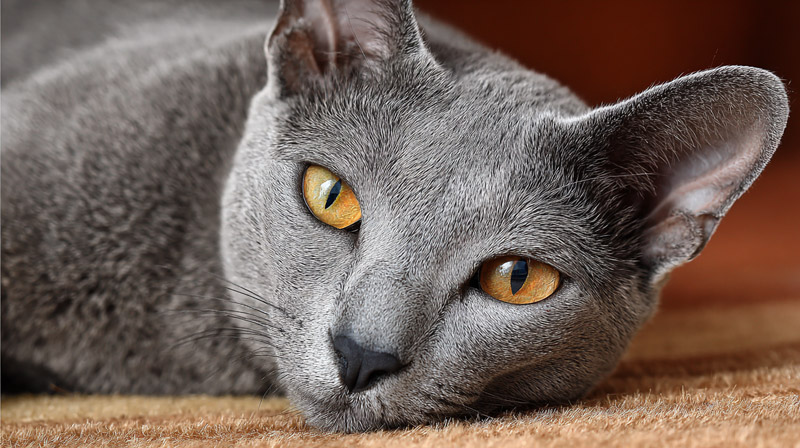
Female Korats weigh 6-8 pounds.
Male Korats weigh 8-10 pounds, sometimes reaching up to 11 pounds.
Height at the shoulder ranges from 10-14 inches. Their body type classification is semi-cobby with a compact, muscular build.
These cats feel much heavier than they look. The breed has low body fat and dense musculature that gives them a solid, coiled spring quality.
Korats are slow to mature. They don’t reach full physical size until 3-5 years of age.
Some take even longer to fully develop their adult characteristics.
What Does a Korat Cat’s Coat Look Like?
The coat is short with a single layer (no undercoat).
Coat texture is fine, glossy, and lies close to the body. The hair is silky and smooth to the touch.
Only one color exists for purebred Korats: silver-blue. Cats of any other color cannot be registered as Korats.
Each individual hair has a distinctive structure. The roots are lighter silver-blue, the shaft darkens to deeper blue, and the tips are silver.
This creates a shimmering “halo effect” that’s most noticeable where the coat is shortest. Thais call this color “rain-cloud grey” and describe the shimmer as “sea foam.”
Shedding level is low. The single coat without undercoat means minimal hair loss compared to double-coated breeds.
Kittens may show faint tabby markings (ghost stripes) that disappear as they mature. Occasionally, Korats have small white markings or spots, though these are rare.
Distinctive Physical Features
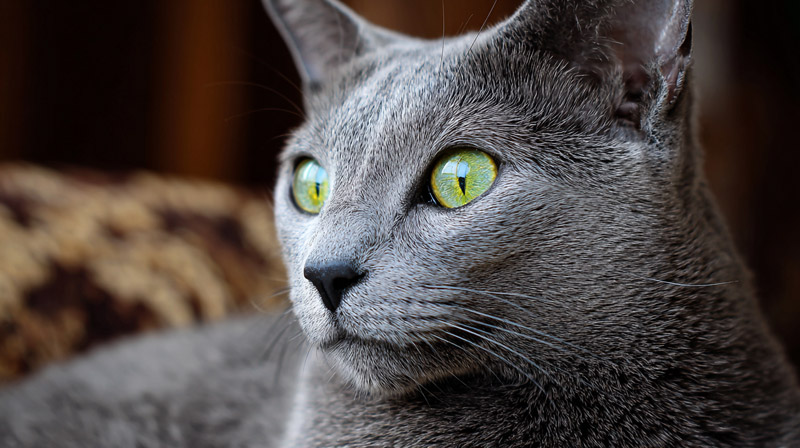
Eye color starts as amber or muddy golden-green in kittens. Adult eye color is luminous peridot green, taking 2-4 years to fully develop.
The eyes are large, round when open, and oversized for the face. They have an intense, expressive gaze.
Ear size is large with prominent forward placement. The base flares out and the tips are rounded.
Head structure is the breed’s most distinctive feature. When viewed from above or front, the head forms a perfect heart shape.
The eyebrow ridges form the top curves of the heart. The sides of the face taper down to a rounded chin, completing the heart outline.
A secondary heart shape appears when tracing the pronounced eye ridges down to the chin. A third heart can be seen on the nose leather. The fourth heart appears in the muscular chest when the cat sits.
These “five hearts” (including the one beating inside) are why Korats are called “the cat with five hearts.”
Tail characteristics include medium length with a heavier base that tapers to a rounded tip.
Leg length is proportionate to the body. The legs are neither short nor long, maintaining the semi-cobby structure.
Paw size is medium with an oval shape.
Body structure features a broad chest with well-developed muscles. The shoulders are actually slightly wider than the chest.
The neck is short and heavy. All body lines are smooth curves without sharp angles.
Korat Personality and Temperament
Are Korat Cats Affectionate?
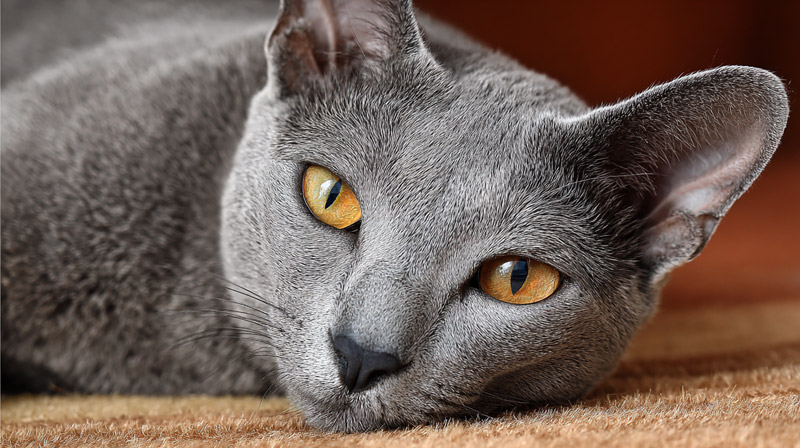
Korats form extremely strong bonds with their favorite people. They’re often described as “velcro cats” who follow their owners from room to room.
These cats want to be involved in everything you do. Reading the paper, cooking dinner, working on the computer – your Korat will be right there.
Human interaction requirements are high. Korats need 2-3 hours of daily attention and don’t do well when left alone for extended periods.
Stranger reactions vary. Most Korats are cautious at first, taking time to warm up to new people.
Once they trust someone, their loyalty runs deep. But they typically pick one or two favorite humans in the household.
How Active Are Korat Cats?
Energy level is high to very high. These are active, athletic cats who love to play.
Play drive intensity remains strong throughout their lives. Even senior Korats maintain their playful nature.
Exercise requirements are 60-90 minutes per day of active play. Interactive sessions keep them physically fit and mentally satisfied.
Favorite activities include:
- Fetching toys (yes, like dogs)
- Climbing to high perches
- Puzzle toys and games
- Chasing laser pointers
- Exploring every inch of their territory
- Opening doors and cabinets
Intelligence level is exceptional. Korats are problem solvers who can figure out how to open latched doors and cabinets.
Trainability is high. They can learn tricks, come when called, and even walk on a leash with proper training.
But they only cooperate when they want to. These cats have strong opinions about what they will and won’t do.
Do Korat Cats Get Along with Others?
Children compatibility is good, especially with older children who understand how to interact gently. Korats are patient but don’t appreciate rough handling.
Young children (under 5) should be supervised. The cat’s active nature and desire for attention can be overwhelming for toddlers.
Dog compatibility is generally good if the dog is cat-friendly. Many Korats enjoy canine companionship.
Other cats compatibility works best when Korats are introduced young. They can be bossy with other felines.
Korats want to be in charge. They’ll establish themselves as the alpha in multi-pet households.
Multi-pet household suitability is moderate. One or two other pets usually work fine, but Korats prefer being the center of attention.
Territorial tendencies are moderate to strong. They view their home as their domain and can be possessive of their favorite spots.
How Vocal Are Korat Cats?
Vocalization frequency is moderate to high. Not quite as talkative as Siamese cats, but certainly not quiet.
Voice characteristics are softer than Siamese but still distinct. They have a range of sounds from chirps to meows to trills.
Communication style is direct. When your Korat wants something, they’ll tell you. They make sustained eye contact and vocalize until you understand.
Some Korats mimic meows when asking for something they’re not sure they’ll get. This manipulative behavior usually works on their humans.
Health and Lifespan
How Long Do Korat Cats Live?
Average lifespan is 12-15 years with proper care. Many Korats live beyond 15 years, and some reach their early 20s.
Factors affecting longevity include diet quality, indoor vs outdoor lifestyle, regular veterinary care, and genetic health.
This lifespan is similar to the average domestic cat. The breed’s natural genetics and limited breeding alterations contribute to their overall health.
Common Health Issues in Korat Cats
Korats are generally healthy due to their natural breed status and careful breeding practices.
The breed is prone to fewer hereditary problems than many artificially developed breeds. But two serious genetic conditions exist.
GM1 Gangliosidosis is a fatal neurological disease caused by a mutation in the GLB1 gene.
Symptoms include:
- Head tremors starting around 3 months of age
- Difficulty walking and loss of balance
- Vision loss progressing to blindness
- Weight loss and lethargy
- Seizures in terminal stages
Age of onset: 2-3 months. Disease progression is steady, with death occurring around 9-10 months of age.
Prevalence: Low due to genetic testing. Responsible breeders screen all breeding cats.
Treatment: None available. This is a fatal condition.
Prevention: Genetic testing before breeding. Never breed two carrier cats together.
GM2 Gangliosidosis is caused by a mutation in the HEXB gene and progresses faster than GM1.
Symptoms include:
- Fine head tremors as early as 4 weeks of age
- Rapid onset of ataxia (lack of coordination)
- Severe neurological dysfunction
Age of onset: 4-8 weeks. Disease progression is rapid, with death before 8 months.
Prevalence: Low due to screening programs.
Treatment: None. Fatal condition.
Prevention: DNA testing of all breeding cats. Avoid mating carriers.
Obesity is a risk if Korats are overfed or under-exercised. These muscular cats should feel solid but not fat.
Excess weight strains joints and increases diabetes risk. Monitor food portions carefully.
Dental disease affects Korats as it does all cats. Plaque buildup leads to gingivitis and tooth loss without proper care.
Regular teeth brushing and dental treats help prevent problems.
Atherosclerosis has been documented in Korat cats – unusual since this condition rarely affects felines. Genetic predisposition is suspected.
What Health Testing Should Korat Cats Have?
Genetic screening for GM1 and GM2 gangliosidosis is mandatory before breeding. Tests identify affected cats, carriers, and clear cats.
Reputable breeders test all potential breeding animals. They provide written documentation of test results.
DNA tests are available through university veterinary laboratories. Results take about 15 business days.
Regular veterinary checks should occur annually for adult cats, twice yearly for seniors over 10 years old.
Annual exams include physical assessment, weight monitoring, dental evaluation, and blood work after age 7.
Breed-specific health certifications from breeders should include GM1/GM2 test results and health guarantees.
Age-specific monitoring becomes more important after age 10. Senior wellness exams catch problems early.
Caring for a Korat Cat
What Do Korat Cats Eat?
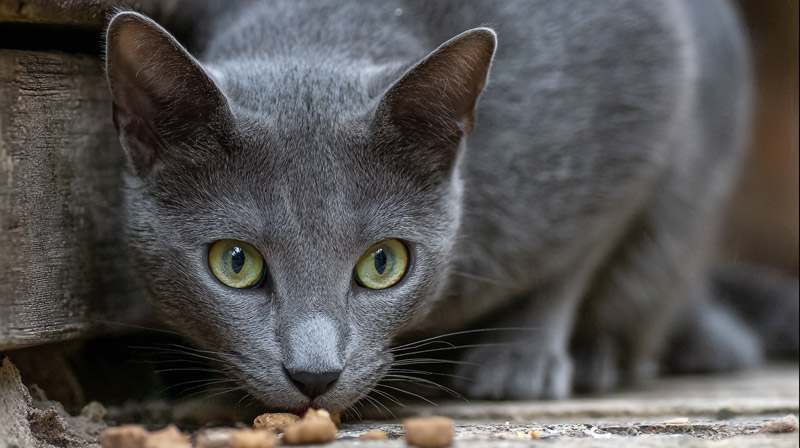
Protein requirements are 35-45% of diet. As obligate carnivores, Korats need meat-based nutrition.
Feeding frequency for kittens: 3-4 meals daily until 6 months old.
Feeding frequency for adults: 2 meals daily works best. Free-feeding leads to obesity.
Portion sizes depend on the cat’s weight and activity level. A typical adult Korat needs 200-250 calories daily.
An 8-pound cat needs about 1/3 to 1/2 cup of dry food daily, or 5.5-6 ounces of wet food. A 10-pound cat needs slightly more.
Wet vs. dry food – combination feeding works well. Wet food provides hydration, dry food helps with dental health.
Many owners feed wet food as the primary diet with a small amount of dry food available.
Special dietary needs: High-quality protein sources should be the first ingredient. Look for named meats (chicken, turkey, salmon) not generic “meat.”
Foods to avoid:
- High-carbohydrate formulas
- Grain-heavy foods
- Foods with artificial colors or excessive fillers
- Any food containing onions, garlic, chocolate, or xylitol
Weight management is critical. Korats have muscular builds but shouldn’t be overweight.
Feel your cat’s ribs – you should be able to feel them easily without pressing hard. If ribs aren’t easily felt, reduce portions.
How Do You Groom a Korat Cat?
Brushing frequency: Once or twice weekly is sufficient. During spring shedding season, increase to 2-3 times per week.
Use a soft-bristle brush or grooming glove to remove loose hairs and distribute skin oils.
Bathing requirements are minimal. Korats rarely need baths unless they get into something messy.
If bathing is necessary, use cat-specific shampoo and bathe no more than every few months.
Nail trimming should happen every 2-3 weeks. Long nails can snag on fabric and grow into paw pads.
Trim just the clear tip, avoiding the pink quick that contains blood vessels.
Dental care ideally includes daily teeth brushing. Use cat-specific toothpaste (never human toothpaste).
If daily brushing isn’t possible, aim for 3-4 times weekly. Dental treats and toys supplement but don’t replace brushing.
Eye cleaning is rarely needed. Korats don’t typically have eye discharge issues.
If you notice crusty buildup in eye corners, gently wipe with a damp soft cloth.
Ear cleaning every 2-3 weeks prevents wax buildup. Check ears weekly for dirt, odor, or redness.
Clean with vet-approved ear cleanser on a cotton ball. Never use cotton swabs in the ear canal.
Professional grooming isn’t necessary. Korats are easy to maintain at home.
After weekly brushing, some owners wipe the coat with a chamois leather or damp cloth to enhance the silver sheen.
How Much Exercise Does a Korat Cat Need?
Daily activity requirements: 60-90 minutes of active play split into multiple sessions.
Two or three 20-30 minute play sessions throughout the day work better than one long session.
Indoor vs. outdoor – Korats should be indoor-only cats or have supervised outdoor access only.
Outdoor dangers include cars, predators, diseases, and theft. These rare cats are valuable targets.
Recommended toys and enrichment:
- Interactive wand toys with feathers or strings
- Puzzle feeders that challenge their intelligence
- Catnip mice or other small toys for fetching
- Laser pointers for chase games (always end with a catchable toy)
- Battery-operated toys that move unpredictably
- Cardboard boxes and paper bags for exploration
Mental stimulation needs are high. Rotate toys weekly to maintain interest.
Hide treats around the house. Teach tricks. Provide window perches with bird feeders outside.
Climbing/vertical space importance is significant. Install cat trees, wall-mounted shelves, or climbing posts.
Korats love high vantage points where they can survey their territory. Multiple levels satisfy their climbing instincts.
Interactive play frequency: 2-3 sessions daily of direct human interaction. Use wand toys to encourage running and jumping.
Korats that don’t get enough exercise become bored and destructive. They’ll find their own entertainment – often things you don’t want them doing.
Living with a Korat Cat
Are Korat Cats Good for Apartments?
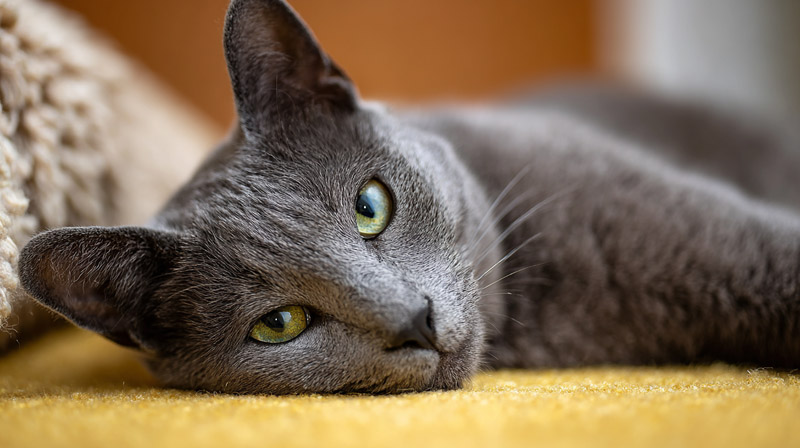
Space requirements are flexible. Korats adapt to apartments as easily as houses, provided they get enough vertical space and enrichment.
A studio apartment works fine if you add cat trees and wall shelves. The cat’s territory includes vertical space, not just square footage.
Noise level considerations are moderate. While not as loud as Siamese cats, Korats do vocalize regularly.
Thin apartment walls might transmit their meows to neighbors. They also create noise running and jumping during play.
Neighbor compatibility is usually fine. Most Korats aren’t excessively loud, just normally vocal.
Indoor-only suitability is excellent. Korats thrive indoors with proper enrichment.
They don’t need outdoor access to be happy. In fact, indoor living protects them from dangers and disease.
Vertical space needs are more important than floor space. Install multiple climbing options reaching different heights.
Cat trees near windows, wall-mounted shelves forming pathways, and tall scratching posts satisfy their climbing drive.
What Environment Do Korat Cats Need?
Temperature tolerance – Korats handle normal household temperatures well.
Heat sensitivity is low. Their short coat means they don’t overheat easily.
Cold tolerance is moderate. While not as vulnerable as hairless breeds, they appreciate warm spots in winter.
Humidity preferences are average. Standard household humidity levels are fine.
Safe outdoor access options include:
- Catios (enclosed outdoor patios) provide safe outdoor time
- Leash walking with a harness works for some Korats
- Screened porches where they can experience outside safely
- Supervised yard time in secure, fenced areas
Environmental enrichment specifics include:
- Multiple scratching surfaces (posts, pads, trees)
- Hidden treats and puzzle feeders
- Rotating toy selection
- Paper bags and cardboard boxes
- Safe plants like cat grass
Window perch importance is high. Korats spend hours watching outdoor activity.
Install sturdy perches on multiple windows. Place bird feeders outside for entertainment.
Scratching post requirements – provide at least two scratching options in different areas.
Vertical sisal posts and horizontal cardboard scratchers satisfy different scratching preferences. Height should allow full-body stretching.
Are Korat Cats Good for First-Time Owners?
Care difficulty level: Intermediate. Not the most challenging breed, but not ideal for complete novices either.
Time commitment required is 2-3 hours daily for play, interaction, and companionship.
These aren’t independent cats. They demand attention and involvement in your activities.
Experience level needed – some cat experience is helpful but not required.
First-time owners who research the breed thoroughly and commit to the time requirements can succeed.
Common challenges for new owners:
- Demanding personalities – Korats want constant involvement
- Separation anxiety – they don’t like being alone
- Bossiness – they want to run the household
- High energy – requires consistent play sessions
- Vocal nature – more talkative than some expect
Best for people who work from home or have family members home during the day.
Not ideal for people who travel frequently or work long hours away from home.
Korat Kittens
What Are Korat Kittens Like?
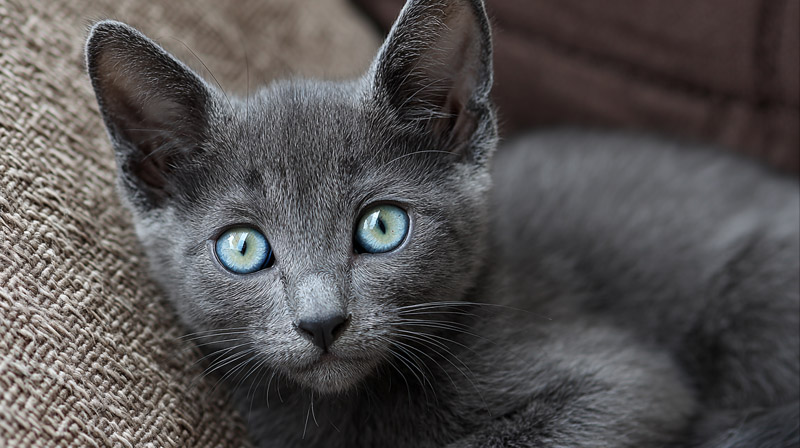
Kittens are energetic, curious, and extremely playful. They bounce around constantly, exploring everything.
Personality development timeline: Basic temperament appears by 8-12 weeks. Full personality development takes 3-5 years as the cat matures.
Kittens are often more outgoing than adults. Some become more selective about who they bond with as they age.
Early socialization needs – the critical window is 3-7 weeks of age. Kittens should experience various people, sounds, and gentle handling.
Continued socialization through 14-16 weeks helps them become confident adults.
Kitten energy levels are extremely high. Expect zooming, climbing, pouncing, and near-constant activity.
They sleep hard between play sessions, then wake up ready for more action.
Training windows – the best time to start training is 8-14 weeks. Kittens learn quickly during this period.
Litter training, scratching post use, and basic commands should begin early.
When Can Korat Kittens Leave Their Mother?
Minimum age is 12-14 weeks, though some breeders keep kittens until 16 weeks.
Responsible breeders never release kittens before 12 weeks. Early separation causes behavioral problems.
Developmental milestones by 12 weeks:
- Fully weaned and eating solid food independently
- Litter box habits firmly established
- Basic socialization with humans complete
- Play skills developed through interaction with littermates
- Strong enough immune system to handle new environment
Vaccination schedule before adoption should include:
- First FVRCP vaccine at 6-8 weeks
- Second FVRCP booster at 10-12 weeks
- Third booster at 14-16 weeks (may occur after adoption)
Some breeders also start rabies vaccination before release.
Spay/neuter timing varies by breeder. Some breeders perform surgery before release (pediatric spay/neuter at 12-14 weeks).
Others require new owners to spay/neuter by 6 months of age. Pet-quality kittens typically go home already altered.
Breeding and Genetics
Korat Breed Standards
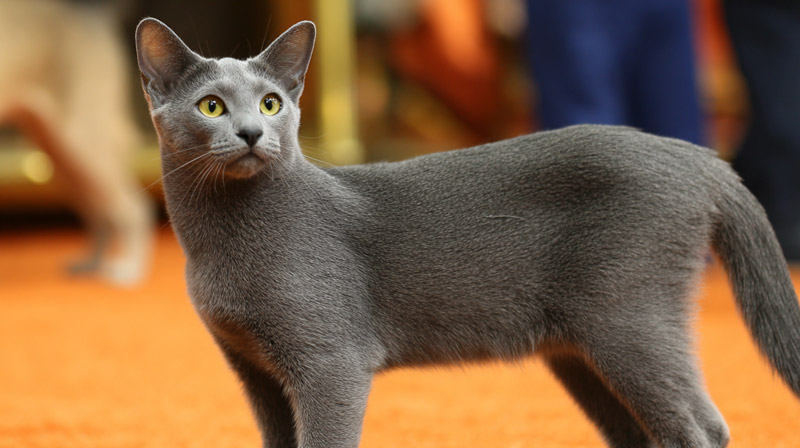
CFA standards define the ideal Korat as medium-sized, hard-bodied, and muscular with a silver-blue coat.
The heart-shaped head is the most distinctive feature. Large luminous green eyes, prominent eyebrow ridges, and rounded muzzle complete the look.
Body should show all smooth curves with no straight lines. Semi-cobby build with heavy muscle development.
TICA standards are similar, emphasizing the breed’s natural appearance and ancient type.
TICA recognizes only the traditional silver-blue color. No other colors qualify.
GCCF standards (UK) recognize traditional Korats plus related varieties:
- Thai Lilac (solid lilac color)
- Thai Blue Point (blue colorpoint)
- Thai Lilac Point (lilac colorpoint)
These pointed and lilac variations have the same body type but different coat genetics.
Show quality vs. pet quality distinctions:
Show quality cats have perfect conformation matching breed standards. Minor faults disqualify cats from breeding/showing programs.
Pet quality cats have slight imperfections like kinked tails, incorrect eye color, or body structure variations. They make wonderful companions but shouldn’t be bred.
Disqualifying faults include:
- Any color other than silver-blue (in traditional registries)
- White lockets or excessive white markings
- Incorrect eye color in adults
- Kinked or abnormal tail
- Polydactylism (extra toes)
- Visible deformities
Genetics of Korat Cats
Hereditary traits passed reliably include coat color, body type, and head shape.
The distinctive silver-blue coat results from the dilute gene affecting black pigment.
Coat color genetics – the blue color is genetically black diluted. All Korats carry two copies of the dilution gene.
The silver tipping results from the specific way pigment distributes along each hair shaft.
Breed-specific mutations include the GM1 and GM2 gangliosidosis mutations affecting some bloodlines.
These autosomal recessive conditions require two copies of the mutated gene to cause disease.
Outcross breeds – none allowed. Korats must be purebred with documented Thai ancestry.
No other breeds are permitted in Korat pedigrees. This maintains the ancient type.
Genetic diversity concerns exist due to the small founding population. All American Korats trace back to a limited number of imports.
Responsible breeders work to maintain genetic diversity while avoiding the gangliosidosis mutations.
DNA testing recommendations for all breeding cats:
- GM1 gangliosidosis testing
- GM2 gangliosidosis testing
- Blood type testing
- Genetic diversity analysis when available
Breeders should never mate two carriers of either gangliosidosis mutation.
History of the Korat Cat
Where Do Korat Cats Come From?
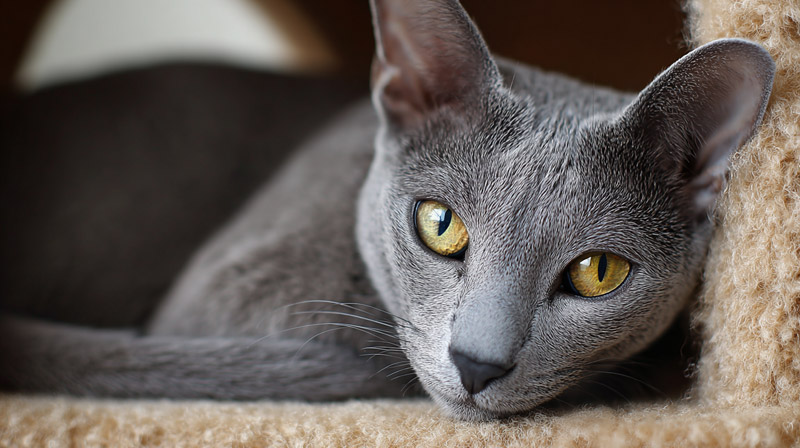
Geographic origins: Nakhon Ratchasima province in northeastern Thailand, on the Korat plateau.
This region features large granite outcrops where the cats’ gray-blue color provided natural camouflage.
Natural breed status – Korats developed naturally over centuries without human manipulation.
They weren’t created by crossing other breeds. This is how cats looked in that region of Thailand for hundreds of years.
Historical context – first documented in The Cat-Book Poems (Tamra Maew) created during the Ayudhya period (1350-1767 CE).
The earliest entries may date to 1350 CE, making this one of the oldest breed records in existence.
Original purpose – companion cats and symbols of good fortune.
Korats were never working cats like mousers or farm cats. They were valued purely for companionship and their symbolic meaning.
Thais believed these cats brought prosperity, successful harvests, and happiness. The silver-blue color represented wealth and rain clouds promising good crops.
How Did the Korat Breed Develop?
Development timeline spans centuries as a naturally occurring regional variation.
1350 CE: First written reference in Thai manuscripts
1600s-1800s: Continued presence in Thai culture
1896: Exhibited in Britain as “Blue Siamese” but didn’t conform to Siamese standards
Early 1900s: A few imports to Britain, but they disappeared from records
1959: First modern imports to United States
Key breeders – Jean Johnson received the first breeding pair (Nara and Darra) as gifts from friends in Thailand in 1959.
Cedar Glen Cattery in Oregon became the foundation of American Korat breeding.
Important foundation cats – Nara (male) and Darra (female) are ancestors of virtually all American Korats.
1969: Daphne Negus imported nine Korats from Thailand to strengthen American bloodlines. Her contribution was vital to breed development.
First official recognition by CFA occurred in 1967, just eight years after the first American imports.
This rapid recognition reflected the breed’s ancient, documented history.
Breed evolution – very little change over centuries. Modern Korats closely resemble cats in ancient Thai paintings.
The breed standard intentionally preserves this ancient type. Breeders work to maintain traditional appearance.
Related breeds – Some Thai cats carrying recessive genes produce Thai Lilac and Thai Colorpoint varieties.
The Siamese shared geographic origins with Korats in Thailand. Early British cat shows confused the two breeds.
When Was the Korat Recognized?
CFA recognition year: 1967, granting championship status for showing
TICA recognition year: Early 1980s when TICA was founded
GCCF recognition (UK): Mid-1970s
GCCF later expanded recognition to include Thai Lilac and Thai Colorpoint varieties (Korat-type cats in non-traditional colors).
Championship status dates – CFA granted full championship status in 1967, allowing Korats to compete for titles.
Most major registries worldwide now recognize the breed.
Cost of Owning a Korat Cat
How Much Does a Korat Cat Cost?
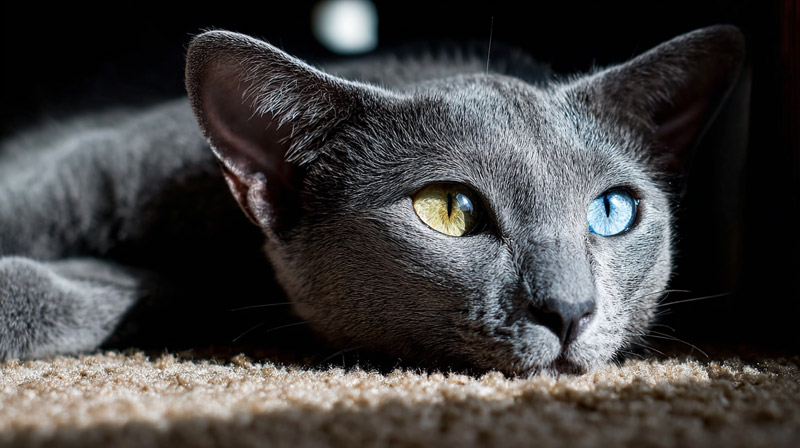
Purchase price ranges:
Pet quality: $500-$800 from reputable breeders
These kittens have minor cosmetic faults preventing showing/breeding but make wonderful companions.
Show quality: $1,000-$1,500 for cats meeting breed standards
Top show prospects with exceptional conformation command higher prices.
Breeding rights: $1,500-$2,500+ for cats entering breeding programs
Breeding cats must have perfect conformation, tested clear for genetic diseases, and come from strong bloodlines.
Price factors include:
- Lineage – kittens from champion parents cost more
- Color clarity – perfect silver-blue sheen increases value
- Eye color – cats developing early green eyes may cost more
- Gender – males sometimes cost slightly less than females
- Location – prices vary by region and breeder availability
- Breeder reputation – established breeders with health testing charge more
Additional initial costs:
- Supplies (litter box, food bowls, toys, bed): $150-$300
- Initial veterinary exam: $50-$100
- Spay/neuter (if not done): $150-$300
- Microchipping: $25-$50
- Cat carrier: $30-$70
Total first-year costs: $1,000-$2,000 beyond purchase price
What Are the Ongoing Costs?
Annual veterinary care: $200-$400 for healthy cats
Includes annual exam, vaccinations, and preventive care. Senior cats (10+) need more frequent visits.
Food expenses: $30-$60 monthly
High-quality wet and dry food costs more but provides better nutrition. Budget $360-$720 annually.
Litter and supplies: $20-$40 monthly
Includes litter, litter box liners, cleaning supplies, replacement toys. Annual cost: $240-$480.
Grooming costs – minimal since Korats don’t need professional grooming.
Budget $0-$50 annually for grooming supplies (brushes, nail clippers, toothbrushes).
Pet insurance: $25-$50 monthly
Comprehensive coverage costs $300-$600 annually. Helps with unexpected medical expenses.
Many policies cover 80-90% of eligible expenses after deductible.
Unexpected emergency fund – veterinarians recommend keeping $1,000-$2,000 available for emergencies.
Accidents, illnesses, and injuries happen. Emergency vet visits can cost $500-$3,000.
Total annual cost estimate: $1,500-$3,000 after the first year
Where Can You Get a Korat Cat?
Reputable breeders – finding Korat breeders takes research since they’re rare.
What to look for:
- Breeder certifications – registration with CFA, TICA, or other recognized organizations
- Health guarantees – written guarantees against genetic diseases
- Contract elements – spay/neuter requirements, return policies, health documentation
- Genetic testing proof – documentation of GM1/GM2 testing for parents
- Home environment – kittens raised underfoot in homes, not kennels
- Breeding practices – limited litters per year, careful mate selection
Red flags to avoid:
- Breeders with multiple litters available constantly
- No health testing documentation
- Won’t let you visit
- Pressure to buy immediately
- No questions about your home/lifestyle
- Unusually low prices
- Can’t provide references
Questions to ask:
- Have the parents been tested for GM1 and GM2 gangliosidosis?
- What health guarantee do you provide?
- Can I visit and meet the parents?
- What’s included in the purchase price?
- What support do you offer after purchase?
- Are there any hereditary issues in this bloodline?
Breed-specific rescues – very few exist specifically for Korats due to the breed’s rarity.
Check with organizations like:
- Korat and Thai Cat Association rescue network
- Purebred cat rescues that occasionally have Korats
- General cat rescues that identify purebreds
General rescue/shelter considerations – true purebred Korats are extremely rare in shelters.
Many shelters mislabel gray cats as Korats. These cats make wonderful pets but aren’t purebred.
Use Petfinder to search for Korats near you. Expand your search radius since they’re uncommon.
Adoption costs vs. breeder costs:
Shelter adoption: $50-$300 including spay/neuter and vaccinations
Rescue adoption: $100-$400 depending on organization
Breeder purchase: $500-$2,500+ depending on quality
Adult cat vs. kitten considerations:
Kittens require more time, training, and supervision. They’re energetic and sometimes destructive.
Adult cats (1-2 years+) have established personalities. You know what you’re getting.
Senior Korats (8+) from breeders retiring breeding cats make excellent companions. They’re often available for reduced fees.
Older cats bond just as strongly as kittens. Many breeders place retired breeding cats in pet homes for nominal fees.
Korat vs. Similar Breeds
Korat vs. Russian Blue
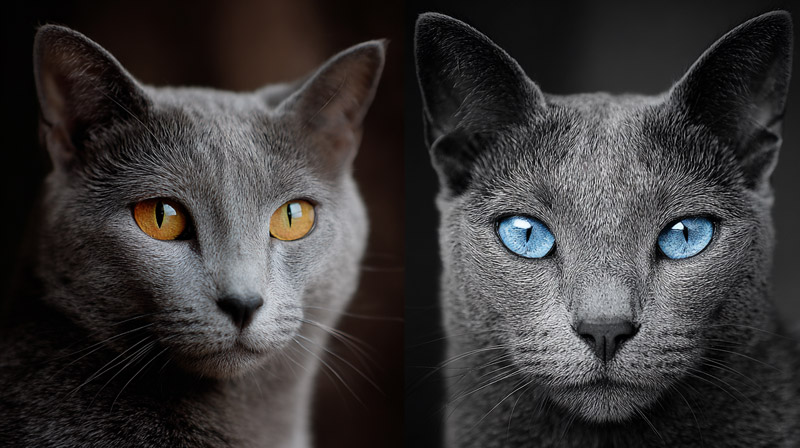
Physical differences:
Korats have stockier, more muscular builds. Russian Blues are more slender and elegant.
Korat heads are heart-shaped. Russian Blue heads are wedge-shaped.
Korat eyes are perfectly round. Russian Blue eyes are more almond-shaped.
Korat coats are shorter and lie flat. Russian Blue coats are slightly longer and stand away from the body.
Temperament differences:
Korats are outgoing, demanding, and social. They want constant interaction.
Russian Blues are more reserved, gentle, and quieter. They enjoy affection but are less pushy about it.
Korats bond intensely with one or two people. Russian Blues spread affection more evenly among family members.
Care requirement differences:
Both breeds have low grooming needs with short coats.
Korats need significantly more interactive playtime and attention. Russian Blues are more independent.
Health concern differences:
Korats: GM1/GM2 gangliosidosis screening required
Russian Blues: Generally healthy with no major breed-specific genetic issues
Cost differences:
Both breeds cost $500-$2,000 from breeders. Korats may be harder to find, potentially increasing wait times.
Lifespan comparison:
Korats: 12-15 years (some reach 20+)
Russian Blues: 15-20 years
Korat vs. Chartreux
Physical differences:
Both have blue-gray coats, but Chartreux cats are larger and heavier.
Chartreux males weigh 10-16 pounds. Korat males top out at 10-11 pounds.
Chartreux have rounded heads. Korats have distinctive heart-shaped heads.
Chartreux coats are woolly and dense. Korat coats are sleek and silky.
Temperament differences:
Chartreux are quieter and less vocal than Korats.
Korats are more demanding of attention. Chartreux are more laid-back and easygoing.
Both are intelligent, but Korats are more mischievous and bossy.
Care requirement differences:
Chartreux need more grooming due to their thicker double coats.
Korats require more daily interaction and playtime.
Health concern differences:
Chartreux: Patellar luxation possible
Korats: GM1/GM2 gangliosidosis
Cost differences:
Similar pricing ranges. Both are relatively rare breeds.
Lifespan comparison:
Both breeds live 12-15 years on average.
How to Choose Between Korat and Similar Breeds
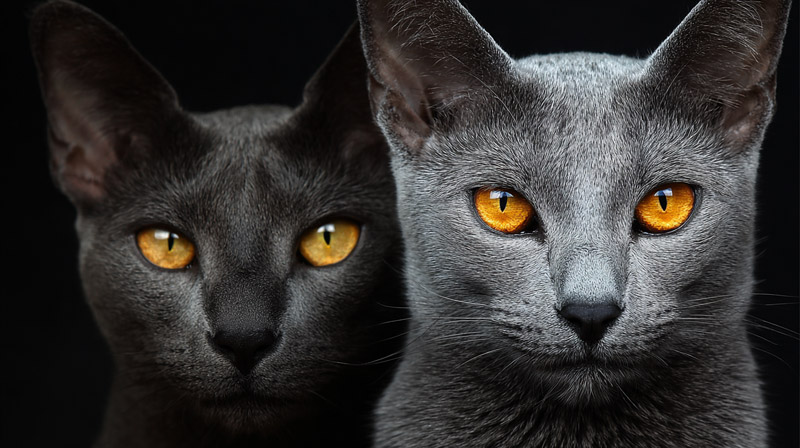
Lifestyle considerations:
Choose a Korat if you:
- Work from home or have family members home during the day
- Want an interactive, demanding companion
- Enjoy training and playing with cats
- Don’t mind vocal communication
- Want a cat that follows you everywhere
Choose a Russian Blue if you:
- Work regular hours away from home
- Want a gentler, quieter companion
- Prefer a more independent cat
- Like reserved personalities
Choose a Chartreux if you:
- Want a larger, sturdier cat
- Prefer quieter breeds
- Don’t mind more grooming
- Like calm, patient personalities
Decision factors:
Time availability is critical. Korats need more daily interaction than most breeds.
Noise tolerance matters. Korats vocalize regularly to communicate.
Activity level preference – Korats are high-energy. Russian Blues and Chartreux are more moderate.
Grooming commitment – all three are relatively low-maintenance, but Korats need the least brushing.
Which breed for which owner type:
Busy professionals: Russian Blue or Chartreux
Stay-at-home workers: Korat
Active families: Korat
Quiet households: Chartreux or Russian Blue
First-time cat owners: Russian Blue or Chartreux
Experienced cat owners wanting a challenge: Korat
Fun Facts About Korat Cats
The breed appears on postage stamps in Thailand. An example hangs in the Korat city post office.
Korats were never sold in Thailand, only given as gifts. This tradition continued until the mid-20th century.
The first Korats in America (Nara and Darra) were gifts to Cedar Glen Cattery owners returning from Thailand in 1959.
Brides in Thailand traditionally received a pair of Korats as wedding gifts. The cats symbolized good fortune and a happy marriage.
The breed’s silver-blue color represents wealth. The eyes (color of young plants) and coat (color of rain clouds) symbolize good harvests.
Korats are called “Si-Sawat” in Thailand, meaning “the color of sawat seed.”
The breed served as the mascot for the 2007 Southeast Asian Games.
Korats have five hearts. The heart-shaped head (visible from three angles), plus the heart-shaped chest musculature, plus the actual beating heart.
The breed has remained virtually unchanged for nearly 700 years. Paintings from the 1300s show cats nearly identical to modern Korats.
Some Korats have lived beyond 20 years. The breed’s natural genetics and careful breeding contribute to exceptional longevity.
Korats can learn to play fetch like dogs. Many retrieve toys consistently.
The breed’s intelligence allows them to open doors, cabinets, and solve puzzle feeders quickly.
Eye color takes years to develop. Kittens have amber eyes that slowly transition to green, not reaching full color until 2-4 years old.
Each hair on a Korat has three distinct color zones: light root, dark middle, silver tip. This creates the shimmering halo effect.
Is a Korat Cat Right for You?
Best Homes for Korat Cats
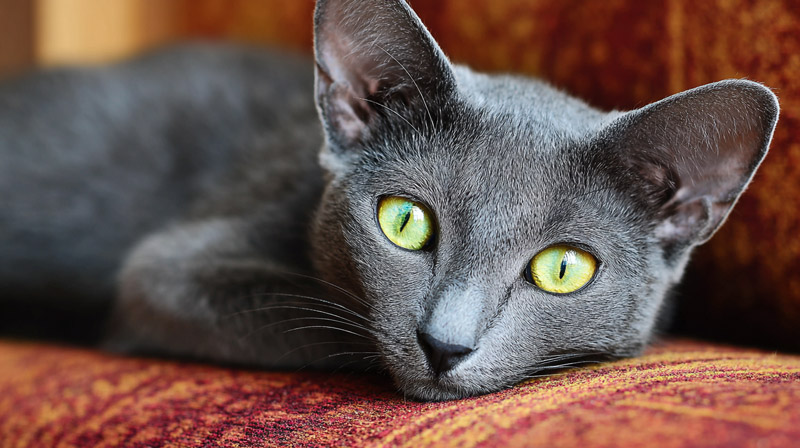
Ideal owner personality types:
- Patient and understanding during the bonding process
- Active and playful, enjoying interactive games
- Home frequently or working from home
- Appreciative of intelligent, problem-solving pets
- Comfortable with vocal, demanding cats
- Willing to provide consistent attention and interaction
Lifestyle compatibility:
Works well for:
- Couples or families with older children
- Remote workers or retirees
- Single people who spend significant time at home
- Active individuals who enjoy playing with pets
Challenging for:
- People who travel frequently for work
- Those working long hours away from home
- Very busy families with little downtime
- People wanting low-maintenance, independent cats
Home environment requirements:
- Safe indoor space with vertical climbing options
- Window perches for bird watching
- Multiple rooms for exploration
- Quiet to moderate noise levels (Korats are sensitive to chaos)
- Secure if allowing supervised outdoor access
Time availability needs:
Minimum 2-3 hours daily for:
- Interactive play sessions
- Cuddling and companionship
- Training and mental stimulation
- Grooming and care routines
Who Should Avoid Korat Cats?
Incompatible lifestyles:
- Frequent travelers who leave pets with sitters
- People working 60+ hour weeks
- Those wanting a hands-off, independent cat
- Individuals who prefer quiet, non-vocal pets
Allergy considerations:
Korats are not hypoallergenic. No cat truly is.
The single coat produces less dander than double-coated breeds, making them somewhat more tolerable for mild allergies.
But allergies react to proteins in saliva and skin secretions, not just fur. Spend time with Korats before committing if you have allergies.
Challenge factors:
- Demanding personalities require patience
- Separation anxiety when left alone too long
- Bossiness with other pets
- High intelligence means they get into everything
- Vocal nature may bother noise-sensitive people
- Need consistent play to prevent boredom
Better breed alternatives for those who can’t meet Korat needs:
- American Shorthair for independent, easygoing cats
- British Shorthair for calm, less demanding companions
- Ragdoll for gentle, laid-back personalities
- Persian for quiet, low-energy cats
Questions to Ask Before Getting a Korat Cat
Financial readiness:
- Can you afford $1,000-$2,500 for initial purchase and setup?
- Do you have $150-$250 monthly for ongoing care?
- Can you maintain a $1,000-$2,000 emergency fund for unexpected vet bills?
- Will you purchase pet insurance ($25-$50 monthly)?
Time commitment:
- Can you provide 2-3 hours daily of interaction and play?
- Are you home enough that the cat won’t be alone 8+ hours regularly?
- Can you maintain consistent feeding, grooming, and care schedules?
- Will you dedicate time to training and socialization?
Living situation stability:
- Will you be in your current home for 15+ years, or can you move with a cat?
- Does your lease allow cats? Are there breed restrictions?
- Can you afford potential pet deposits or increased rent?
- Is your home safe for an active, curious cat?
Family agreement:
- Does everyone in the household want a cat?
- Is anyone allergic? Have you tested with exposure to Korats?
- Will children treat the cat gently and respectfully?
- Who will be primary caretaker?
Long-term planning (15-20 years):
- Will your lifestyle support a cat through different life stages?
- Can you commit to senior cat care needs as the cat ages?
- Have you considered career changes, relationships, or moves?
- What’s your backup plan if you can’t care for the cat?
Travel considerations:
- Who will care for your cat during vacations?
- Can you afford professional pet sitting ($25-$50 daily)?
- Will friends or family help with cat care?
- Are you comfortable boarding your cat?
Other pet considerations:
- Do you have other pets? Will they accept a bossy newcomer?
- Can you manage introductions properly?
- Do current pets have compatible energy levels?
- Can you provide attention to multiple pets?
If you answered yes to most questions, a Korat might be the right breed for you.
If you have doubts about time availability, financial commitment, or lifestyle compatibility, consider waiting or choosing a more independent breed.
Korats make incredible companions for the right owners. They form bonds unlike most other cats.
But they’re not casual pets. These cats demand involvement in every aspect of your life.
The reward for meeting their needs is a loyal, intelligent, playful companion who will make you laugh daily and stay by your side for 15+ years.
FAQ on Korat
Are Korat cats rare?
Yes, Korats are rare even in Thailand. Few breeders work with this ancient breed, and limited litters mean long waitlists. They’re far less common than popular breeds like Siamese or Persian cats, making them difficult to find.
Do Korat cats shed a lot?
No, Korats have minimal shedding. Their single-layer coat produces less hair than double-coated breeds. Weekly brushing removes loose fur. Spring brings slightly more shedding, but it remains manageable compared to most cats.
How much does a Korat cat cost?
Korat cats cost $500-$800 for pet quality and $1,000-$2,500 for show quality breeding stock. Prices vary by breeder reputation, bloodline, and location. Adoption from rescues costs $50-$300, though purebred Korats rarely appear in shelters.
Are Korat cats affectionate?
Extremely affectionate. Korats bond intensely with their favorite people and follow them everywhere. They demand attention, want constant involvement in activities, and don’t tolerate being ignored. These are velcro cats who need 2-3 hours daily interaction.
What health problems do Korat cats have?
GM1 and GM2 gangliosidosis are the primary concerns. These fatal genetic diseases affect kittens, causing neurological dysfunction and early death. Responsible breeders test all cats. Otherwise, Korats are healthy with few hereditary issues beyond obesity and dental disease.
Do Korat cats get along with dogs?
Yes, if the dog is cat-friendly. Korats often enjoy canine companions and play well with gentle dogs. Early socialization helps. They may try to boss dogs around since Korats like being in charge of their household.
How long do Korat cats live?
Average lifespan is 12-15 years with proper care. Many live beyond 15 years, and some reach their early 20s. Indoor living, quality nutrition, regular veterinary care, and genetic health screening contribute to exceptional longevity in this breed.
Are Korat cats good for apartments?
Yes, Korats adapt well to apartments. They need vertical space more than square footage. Install cat trees and wall shelves for climbing. They’re moderately vocal, so thin walls might be a consideration. Indoor-only lifestyle suits them perfectly.
What color are Korat cats?
Only silver-blue. Each hair is light at the root, darker blue mid-shaft, and silver-tipped. This creates a shimmering halo effect. Any other color disqualifies a cat from being registered as a purebred Korat in traditional registries.
Are Korat cats hypoallergenic?
No cat is truly hypoallergenic. Korats produce less dander than double-coated breeds, making them somewhat more tolerable. But allergies react to proteins in saliva and skin, not just fur. Spend time with the breed before committing.
Conclusion
Korat cats aren’t for everyone, but they’re perfect for the right owner. These loyal companions demand attention, thrive on interaction, and want to be involved in every aspect of your daily life.
Their silver-tipped blue coat and peridot green eyes make them stunning. But looks fade compared to the deep bond they form with their humans.
Before bringing home this Thai cat breed, consider the time commitment seriously. Korats need 60-90 minutes of daily exercise and won’t tolerate being ignored.
The gangliosidosis genetic testing requirement means choosing reputable breeders carefully. Health screening protects your investment and your heart.
If you work from home, enjoy active play sessions, and want an intelligent problem-solver who acts more like a dog than a typical feline, this ancient breed might be your perfect match.
Their rarity makes them special, but their personality makes them unforgettable.