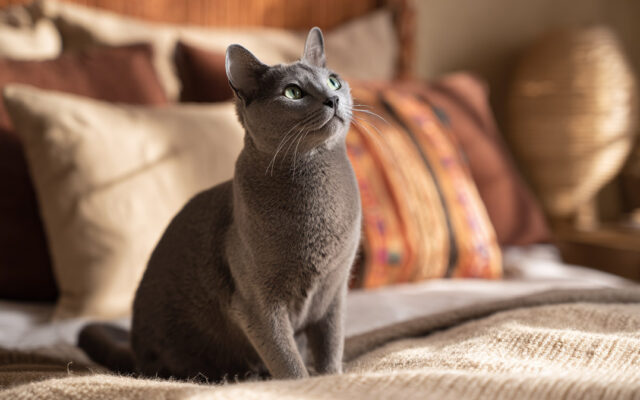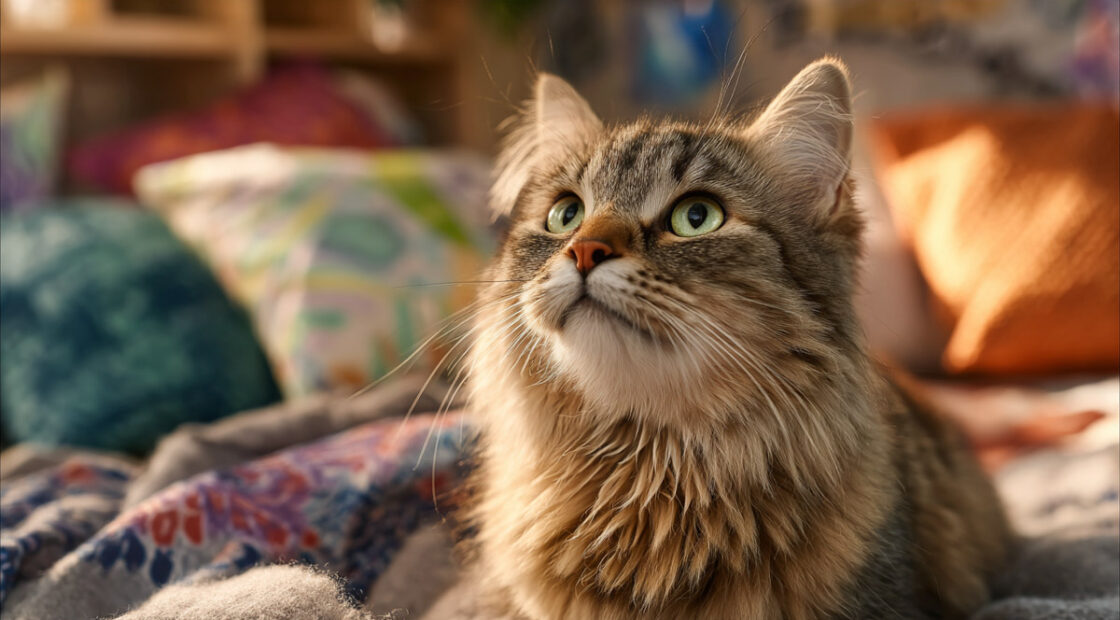
American Bobtail cats look like wild bobcats but act like your best friend’s golden retriever. Their stubby tails and rugged appearance hide one of the most affectionate, dog-like personalities in the feline world.
These medium to large cats aren’t your typical aloof house cats. They follow you around, play fetch, and greet visitors at the door with genuine enthusiasm.
If you’re considering adding an American Bobtail to your family, you need accurate information about their temperament, care requirements, health concerns, and costs. This guide covers everything from their unique physical characteristics and playful personality to grooming needs, potential health issues, and what it actually costs to own one.
You’ll learn whether this rare breed fits your lifestyle and what makes them different from similar bobtail breeds.
American Bobtail Cat Stats
| Characteristic | Details |
|---|---|
| Weight | Males: 12-18 lbs, Females: 7-11 lbs |
| Height | 9-10 inches at shoulder |
| Body Length | 17-19 inches |
| Lifespan | 13-15 years |
| Coat Type | Shorthair or longhair, double coat |
| Coat Colors | All colors and patterns (tabby, solid, calico, bicolor, pointed) |
| Eye Colors | Copper, gold, yellow, green, blue, odd-eyed |
| Shedding Level | Moderate to high |
| Grooming Needs | 1-3 times weekly brushing |
| Energy Level | Moderate |
| Exercise Needs | 30-60 minutes daily |
| Temperament | Affectionate, playful, intelligent, social, dog-like |
| Good with Children | Excellent (ages 6+) |
| Good with Dogs | Very good |
| Good with Other Cats | Good to excellent |
| Vocalization | Quiet to moderate |
| Trainability | High |
| Intelligence | Above average |
| Apartment Friendly | Yes |
| Cold Tolerance | Good |
| Heat Tolerance | Moderate |
| Hypoallergenic | No |
| Origin | United States (Arizona) |
| Breed Group | Natural breed |
| Recognition | TICA (1989), CFA (2000s) |
| Price Range | $600-$1,200 (pet), $1,200-$2,500 (show) |
| Common Health Issues | Hip dysplasia, spinal problems, PKD, HCM |
| Care Level | Beginner to intermediate |
| Time Commitment | 1-2 hours daily |
| Best For | Families, active owners, multi-pet homes |
What Is an American Bobtail Cat?

The American Bobtail is a medium to large domestic cat with a naturally short, bobbed tail that’s one-third to one-half the length of a regular cat’s tail. This breed originated in the United States during the 1960s from a naturally occurring genetic mutation found in feral cats.
The Cat Fanciers Association (CFA) and The International Cat Association (TICA) both recognize this breed. TICA granted recognition in 1989, while CFA followed with full championship status.
These cats look wild but act domestic. Their sturdy, muscular bodies and hunting gaze give them a bobcat appearance.
The bobtail mutation is dominant, unlike the Japanese Bobtail breed, which carries a recessive tail gene. That makes these two breeds genetically distinct despite similar names.
Each tail is unique. Some are straight with a fat pad at the end, others curve or have bumps along the length.
Physical Characteristics
How Big Do American Bobtail Cats Get?

Males typically weigh 12-18 pounds, while females weigh 7-11 pounds.
Height ranges from 9-10 inches at the shoulder. Body length measures 17-19 inches.
This is a slow-maturing breed. They reach full adult size at 2-3 years old, compared to most cats who mature by 12-18 months.
Their body type is substantial and semi-cobby. Broad chest, full torso, and hips almost as wide as the chest create a rectangular stance.
Hind legs are slightly longer than front legs, giving them a distinctive gait.
What Does an American Bobtail Cat’s Coat Look Like?
The breed comes in both shorthair and longhair varieties.
Shorthaired cats have medium-length, dense double coats with a hard topcoat and soft undercoat. Longhaired varieties feature medium-long, slightly shaggy fur that’s longer on the ruff, belly, britches, and tail.
Coat texture is resilient and weather-resistant, not fluffy or silky.
All colors and patterns are accepted:
- Tabby (brown, silver, red, cream, blue)
- Solid colors (black, white, blue, red, cream)
- Tortoiseshell and calico
- Bicolor and parti-color
- Pointed patterns (like Siamese markings)
Wild tabby patterns are preferred in show cats because they add to the feral appearance.
Shedding level is moderate to high. They shed more heavily during spring and fall.
Distinctive Physical Features
Eyes are large, almost almond-shaped, and deeply set. Eye color varies with coat pattern and includes copper, gold, yellow, green, blue, or odd-eyed combinations.
The head forms a broad wedge with no flat planes. A concave curve runs from nose to brow, creating a prominent hunting gaze.
Ears are medium-sized with wide bases and rounded tips. Many have lynx tipping (small tufts at the ear tips) and ear furnishings inside.
The tail is the breed’s signature. Length ranges from 1-4 inches, though some are shorter or longer.
Each tail is different. It may be straight, kinked, curved, or bumpy. The tail is visible above the back when the cat is alert and often wags to show mood.
Paws are large and round. Many have toe tufts between their toes, especially in longhaired cats.
The muzzle is broad with prominent whisker pads and a strong chin.
American Bobtail Personality and Temperament
Are American Bobtail Cats Affectionate?

These cats bond tightly with their families. They’re devoted without being needy or clingy.
They follow you from room to room but don’t demand constant attention. Think of them as companions rather than velcro cats.
Most are lap cats who enjoy cuddling sessions. They greet visitors at the door instead of hiding.
Strangers don’t scare them. They approach new people with confidence and curiosity.
Their empathetic nature makes them excellent therapy cats. They seem to sense when you need comfort and provide their calming presence.
How Active Are American Bobtail Cats?
Energy level is moderate. They’re playful but not hyperactive.
Daily exercise needs: 30-60 minutes of interactive play.
They love fetch games. Seriously. Many owners report their cats bringing toys back like dogs.
Favorite activities include:
- Fetching small toys
- Climbing cat trees and tall furniture
- Stalking and pouncing on toys
- Walking on a leash (with training)
- Puzzle feeders and treat games
Their powerful hind legs let them jump up to 6 feet high. Vertical space matters for this breed.
Intelligence is above average. They learn tricks, solve puzzle toys, and figure out how to open doors.
Trainability is high. They respond well to positive reinforcement and clicker training.
Do American Bobtail Cats Get Along with Others?

Kids: Excellent. They tolerate being carried around and don’t mind rough play from older children (ages 6+). Always supervise with toddlers.
Dogs: Very good. Their dog-like personality helps them adapt to canine housemates. Proper introductions still matter.
Other cats: Good to excellent. They enjoy feline companionship and aren’t overly territorial.
Multi-pet households work well for this breed. They adapt to new family members more easily than most cats.
Territorial tendencies are low. They’re more likely to welcome a new pet than fight it.
How Vocal Are American Bobtail Cats?
Vocalization frequency: Quiet to moderate.
They communicate through soft chirps, trills, and purrs rather than loud meows. Their voice is melodic and pleasant.
You won’t mistake them for a Siamese cat in terms of volume. They’re more conversational than chatty.
Health and Lifespan
How Long Do American Bobtail Cats Live?

Average lifespan: 13-15 years. Some live into their late teens.
This matches or exceeds the average domestic cat lifespan of 12-15 years.
Factors affecting longevity include diet quality, exercise, preventive veterinary care, and whether they’re indoor-only cats.
Common Health Issues in American Bobtail Cats

This breed is generally healthy with no major genetic defects. Still, certain conditions appear more frequently.
Hip Dysplasia
The ball and socket of the hip joint doesn’t develop properly, causing joint deterioration.
Symptoms: Lameness, difficulty jumping, reduced activity, stiffness after rest.
Age of onset: Can appear in young cats but worsens with age.
Treatment: Mild cases respond to pain medication and physical therapy. Severe cases may need surgery.
Prevention: Maintain healthy weight, provide joint supplements if recommended by your vet.
Spinal Problems
The genetic mutation affecting the tail can impact spinal development.
Symptoms: Difficulty walking or jumping, paralysis, incontinence (fecal or urinary).
Age of onset: Can be present from birth or develop later.
Prevalence: Higher risk in cats born completely tailless.
Treatment: Physical therapy, pain management, environmental modifications (ramps instead of stairs).
Prevention: Choose kittens with tails (even short ones) rather than completely tailless cats.
Polycystic Kidney Disease (PKD)
Cysts develop on the kidneys, eventually leading to kidney failure.
Symptoms: Increased thirst and urination, weight loss, poor appetite, vomiting.
Age of onset: Usually appears in middle-aged cats (7+ years).
Treatment: Low-protein diet, fluid therapy, medications to manage symptoms. No cure exists.
Prevention: DNA testing of breeding cats can identify carriers.
Hypertrophic Cardiomyopathy (HCM)
The heart muscle walls thicken, reducing cardiac function.
Symptoms: Difficulty breathing, lethargy, fainting, sudden death in severe cases.
Age of onset: Can develop at any age but most common in middle-aged cats.
Treatment: Medications to manage symptoms, regular monitoring.
Prevention: Cardiac screening of breeding cats.
Periodontal Disease
Tartar buildup leads to gum inflammation and tooth damage.
Symptoms: Bad breath, red or swollen gums, difficulty eating, drooling.
Age of onset: Can start as early as 2-3 years without dental care.
Treatment: Professional cleanings, tooth extractions if severe.
Prevention: Daily tooth brushing, dental treats, annual vet cleanings.
What Health Testing Should American Bobtail Cats Have?
Reputable breeders should test for:
- Hip screening (X-rays to evaluate hip joint formation)
- PKD genetic test (DNA test from cheek swab)
- Cardiac ultrasound (to screen for HCM)
- Spinal examination (especially for tailless cats)
Regular veterinary checks: Kittens need exams every 3-4 months until age 1, then annual exams for adults, and twice-yearly exams for cats over 7 years.
Annual blood work starting at age 7 helps catch kidney disease and other issues early.
Caring for an American Bobtail Cat
What Do American Bobtail Cats Eat?
Protein requirements: 35-45% of their diet should be high-quality animal protein.
These are carnivores. Meat should be the first ingredient in their food.
Feeding frequency:
- Kittens (8 weeks – 6 months): 3-4 meals per day
- Young adults (6 months – 1 year): 2-3 meals per day
- Adults (1+ years): 2 meals per day
Portion sizes depend on weight and activity level. A 12-pound adult needs roughly 240-300 calories daily.
Wet vs. dry food: Combination works best. Wet food provides hydration, dry food helps with dental health.
Weight management matters. This breed can become overweight if overfed, putting stress on hips and spine.
Foods to avoid: Onions, garlic, grapes, raisins, chocolate, alcohol, xylitol, raw dough.
Treats should make up no more than 10% of daily calories.
How Do You Groom an American Bobtail Cat?
Brushing frequency:
- Shorthair: Once or twice weekly
- Longhair: 2-3 times weekly
- During shedding season: Daily for both coat types
Their double coat doesn’t mat easily, but regular brushing removes loose hair and distributes skin oils.
Bathing: Every 1-2 months, or as needed. They tolerate water better than most cats.
Nail trimming: Every 2-3 weeks. Trim just the sharp tip to avoid cutting the quick.
Dental care: Daily tooth brushing is ideal. Minimum 3-4 times weekly. Use cat-specific toothpaste.
Ear cleaning: Check weekly, clean when you see wax buildup. Use cat ear cleaner and cotton balls (never Q-tips deep in the ear).
Eye cleaning: Wipe away any discharge with a damp cloth. Normal for some cats, but excessive discharge needs vet attention.
Professional grooming isn’t necessary unless you can’t manage it at home.
How Much Exercise Does an American Bobtail Cat Need?
Daily activity: 30-60 minutes of active play split into 2-3 sessions.
They need both physical and mental stimulation. Bored American Bobtails can develop behavior problems.
Indoor vs. outdoor: Best kept as indoor-only cats or provided with secure outdoor access like a catio. They’re too friendly and may approach dangerous animals or people.
Recommended toys:
- Feather wands for interactive play
- Small balls they can fetch
- Puzzle feeders and treat balls
- Automated laser toys
- Catnip mice
Climbing space is important. Install cat trees, wall shelves, or window perches. They need vertical territory.
Interactive play: Engage them directly with wand toys rather than just leaving toys out. They crave the social aspect of play.
Living with an American Bobtail Cat
Are American Bobtail Cats Good for Apartments?

Yes, they adapt well to apartment living.
Space requirements: No minimum square footage needed, but vertical space matters more than floor space.
Noise level is low. Neighbors won’t complain about excessive meowing.
They do need tall cat furniture since they love climbing. A 6-foot cat tree works great in small spaces.
Indoor-only suitability: Excellent. They thrive indoors with proper enrichment.
What Environment Do American Bobtail Cats Need?
Temperature tolerance: They handle both heat and cold reasonably well thanks to their weather-resistant coat. Keep indoor temps between 60-80°F.
Humidity preferences: No special needs, but avoid extremely dry environments that can cause skin issues.
Safe outdoor access options:
- Enclosed catios
- Leash walking (they train easily)
- Screened porches
- Cat-proof backyards
Window perches are a must. They love watching birds and outdoor activity.
Scratching posts: Provide at least 2-3 posts in different locations. Tall, sturdy posts work best.
Are American Bobtail Cats Good for First-Time Owners?
Care difficulty: Beginner to intermediate.
Time commitment: 1-2 hours daily for feeding, play, grooming, and interaction.
They’re easier than high-maintenance breeds like Persians or Bengals.
Common challenges for new owners:
- Finding a reputable breeder (they’re rare)
- Higher purchase price
- Keeping up with their intelligence (they need mental stimulation)
- Managing shedding during seasonal changes
Their friendly, adaptable nature makes up for any challenges. They forgive beginner mistakes.
American Bobtail Kittens
What Are American Bobtail Kittens Like?
Personality develops early. By 8 weeks, you can see their playful, social nature.
Early socialization window: 2-7 weeks is critical. Kittens need handling and exposure to different people, sounds, and experiences.
Kitten energy levels are high but not destructive. They play hard, then crash for naps.
Training windows: Start litter training immediately. Begin leash training around 12-16 weeks.
When Can American Bobtail Kittens Leave Their Mother?
Minimum age: 12-16 weeks.
Never take a kitten younger than 12 weeks. They need time with mom and littermates to learn proper cat behavior.
Developmental milestones before adoption:
- Fully weaned (8 weeks)
- Litter trained (10-12 weeks)
- First and second vaccinations complete
- Basic socialization with people
Vaccination schedule: First shots at 6-8 weeks, second at 10-12 weeks, third at 14-16 weeks. Rabies vaccine at 12-16 weeks.
Spay/neuter timing: Most vets recommend 4-6 months old. Some breeders do early spay/neuter at 8-12 weeks.
Breeding and Genetics
American Bobtail Breed Standards
CFA standards emphasize the wild appearance combined with domestic temperament. The tail must be clearly visible but short.
TICA standards are similar but allow slightly more variation in tail length and body type.
Show quality vs. pet quality: Show cats have specific tail requirements, optimal coat patterns (wild tabbies preferred), and perfect proportions. Pet quality cats are healthy and typey but may have minor cosmetic flaws.
Disqualifying faults:
- No tail at all
- Tail extending below the hock
- Kinked or curled tail that lacks flexibility
- Crossed eyes
Genetics of American Bobtail Cats
The bobtail trait comes from a dominant genetic mutation. Only one copy of the gene is needed to produce a short tail.
This differs from the Japanese Bobtail, which has a recessive tail gene.
Coat color genetics allow virtually any color or pattern. No restrictions exist.
Outcross breeds: Early breeding programs used feral domestic cats with natural bobtails. No outcrossing is needed now.
Genetic diversity is good because foundation stock came from various unrelated cats across the United States.
DNA testing recommendations: PKD test for breeding cats, hip evaluation, cardiac screening.
History of the American Bobtail Cat
Where Do American Bobtail Cats Come From?

Geographic origins: United States, specifically Arizona.
This is a naturally occurring breed. The bobtail mutation appeared spontaneously in domestic cat populations.
Historical context: Short-tailed cats existed in North America for generations before anyone decided to create a formal breed.
Original purpose: Companion cat. Never bred for hunting, mousing, or any working role.
How Did the American Bobtail Breed Develop?
Development timeline:
1960s: John and Brenda Sanders found a brown tabby kitten with a short tail on an Arizona Native American reservation. They named him Yodie and brought him home to Iowa.
Yodie mated with the Sanders’ female cat, Mishi (a seal-point domestic cat). Their kittens inherited the short tail.
Late 1960s-1970s: Family friends Mindy Schultz and Charlotte Bentley recognized breeding potential. They began a selective breeding program using Yodie’s offspring.
1980s: The original bloodlines became unhealthy due to limited gene pool. Breeders introduced new foundation stock from unrelated feral bobtail cats.
1989: TICA granted recognition as a naturally occurring breed.
2000s: CFA accepted the breed for championship competition.
Important foundation cats: Yodie remains the patriarch. All American Bobtails trace back to him or to unrelated bobtail cats brought in during the 1980s.
Related breeds: Despite similar names, the American Bobtail is genetically unrelated to the Japanese Bobtail, Manx, or Cymric.
When Was the American Bobtail Recognized?
TICA recognition: 1989 (new breed category), 2002 (full championship status).
CFA recognition: Accepted for championship competition in the early 2000s.
American Cat Fanciers Association (ACFA) also recognizes the breed.
Championship status dates vary by registry but all major North American associations now accept the breed.
Cost of Owning an American Bobtail Cat
How Much Does an American Bobtail Cat Cost?
Purchase price ranges:
- Pet quality: $600-$1,200
- Show quality: $1,200-$2,500
- Breeding rights: $2,000-$3,000+
Longhaired cats typically cost more than shorthaired ($1,500-$3,000 vs. $800-$2,000).
Price factors:
- Pedigree and lineage (champion bloodlines cost more)
- Coat length (longhair commands premium prices)
- Color and pattern (wild tabbies may cost more)
- Gender (males slightly more expensive)
- Breeder location and reputation
- Health testing completed on parents
Additional initial costs:
- Carrier: $30-$60
- Litter box and scoop: $20-$40
- Food and water bowls: $15-$30
- Initial food supply: $30-$50
- Toys and scratching posts: $50-$100
- Cat tree: $80-$200
- First vet visit and vaccinations: $100-$200
- Microchipping (if not done): $25-$50
- Spay/neuter (if not done): $150-$300
What Are the Ongoing Costs?
Annual veterinary care: $200-$400 (routine exams, vaccinations, fecal tests)
Food expenses: $30-$60 monthly ($360-$720 annually) for quality food
Litter and supplies: $25-$40 monthly ($300-$480 annually)
Grooming costs: $0-$100 annually if you do it yourself, $300-$600 if using professional services
Pet insurance: $25-$75 monthly ($300-$900 annually). Coverage varies by plan, deductible, and reimbursement percentage.
Toys and enrichment: $50-$150 annually
Emergency fund recommendation: Set aside $1,000-$3,000 for unexpected health issues. Hip dysplasia surgery can cost several thousand dollars.
Total annual cost (excluding emergencies): $1,500-$3,000
Where Can You Get an American Bobtail Cat?
Reputable Breeders
What to look for in breeders:
- TICA or CFA registration
- Health testing on breeding cats (PKD, hip evaluation, cardiac screening)
- Willingness to show you the breeding facility
- Contract with health guarantee (minimum 1 year for genetic defects)
- Kittens raised in home environment, not cages
- References from previous buyers
- Spay/neuter requirement for pet-quality kittens
Questions to ask:
- What health testing have you done on the parents?
- Can I see the test results?
- What vaccinations will the kitten have?
- What’s included in the contract?
- Can I visit before committing?
- Do you provide a health guarantee?
- What happens if I can’t keep the cat?
Red flags to avoid:
- Won’t let you visit the facility
- No health testing on parents
- Selling kittens younger than 12 weeks
- Multiple breeds available (kitten mills)
- No contract or health guarantee
- Pressuring you to buy immediately
- Meeting in parking lots instead of home visits
Breed-Specific Rescues
American Bobtails rarely appear in rescues because they’re uncommon.
Check specialty purebred cat rescue organizations. Some focus on rare breeds.
Adoption costs: $50-$300, includes spay/neuter, vaccinations, and initial vet check.
General Rescue and Shelter Considerations
Finding a purebred American Bobtail in a regular shelter is extremely unlikely.
Many short-tailed cats in shelters are mixed breeds or have tails bobbed due to injury, not genetics.
If you find a bobtail cat in a shelter, it probably doesn’t have American Bobtail lineage, but it could still make a wonderful pet.
Adult Cat vs. Kitten Considerations
Adult cats may be available from breeders who are retiring breeding cats. These typically cost $300-$1,000.
Benefits of adults: Already spayed/neutered, personality fully developed, often litter trained and socialized.
Benefits of kittens: Longer time together, can shape training and habits from the start.
American Bobtail vs. Similar Breeds
American Bobtail vs. Japanese Bobtail
Physical differences:
American Bobtails are medium to large (7-18 pounds) with muscular, sturdy builds. Japanese Bobtails are smaller (6-10 pounds) with slender, delicate frames.
American Bobtail tails are short and flexible. Japanese Bobtail tails are pompom-shaped and kinked.
Temperament differences:
American Bobtails are calm, dog-like, and moderately active. Japanese Bobtails are more energetic and vocal.
Care requirements:
Both need moderate grooming. American Bobtails shed more heavily.
Health concerns:
American Bobtails risk hip dysplasia and spinal issues. Japanese Bobtails are generally healthier with fewer breed-specific problems.
Cost:
Similar price ranges ($600-$1,200).
Lifespan:
American Bobtails live 13-15 years. Japanese Bobtails live 15-18 years.
American Bobtail vs. Manx

Physical differences:
American Bobtails have tails (short but present). Manx cats are often completely tailless or have tiny stumps.
Manx cats have rounder body shapes. American Bobtails look more rectangular and wild.
Temperament differences:
Both are social and playful. Manx cats tend to be more territorial.
Care requirements:
Similar grooming needs. Manx cats may need more careful monitoring for spinal issues.
Health concerns:
Manx cats have higher rates of spinal defects (Manx syndrome). American Bobtails have fewer severe spinal issues.
Cost:
Manx cats cost slightly less ($500-$1,000).
Lifespan:
Both live 13-15 years on average.
How to Choose Between American Bobtail and Similar Breeds
Choose an American Bobtail if:
- You want a dog-like cat personality
- You prefer a calmer, less vocal breed
- You like the wild, rugged appearance
- You have space for a larger cat
- You want a cat that walks on a leash
Choose a Japanese Bobtail if:
- You prefer a smaller, more delicate cat
- You want higher energy and more playfulness
- You don’t mind a more talkative cat
- You want fewer health concerns
Choose a Manx if:
- You specifically want a completely tailless cat
- You prefer a rounder, more compact body type
- Cost is a bigger factor
Fun Facts About American Bobtail Cats
They’re called the “Golden Retrievers of the cat world” because of their loyal, playful, dog-like personalities.
No two tails are exactly alike. Each American Bobtail has a unique tail shape and length.
They’re used as therapy cats in hospitals, nursing homes, and mental health facilities because of their calm, empathetic nature.
Their tails wag when they’re happy or excited, just like dogs.
Some American Bobtails love water and will play in sinks or join you in the shower.
They can jump up to 6 feet high thanks to their powerful hind legs.
The breed nearly went extinct in the 1980s due to inbreeding but was saved when breeders introduced new bloodlines.
Despite looking like bobcats, they have zero wild cat DNA. The resemblance is pure coincidence.
They’re excellent travelers. Many long-haul truck drivers keep American Bobtails as companions because they adapt well to life on the road.
Their intelligence allows them to learn complex tricks. Some owners have taught them to open doors, turn on lights, and fetch specific objects on command.
Is an American Bobtail Cat Right for You?
Best Homes for American Bobtail Cats

Ideal owner personality types:
- Active individuals who enjoy interactive play
- Families with children over 6 years old
- People who work from home or have flexible schedules
- Cat lovers who want a more dog-like companion
- First-time cat owners willing to learn
Lifestyle compatibility:
- Can spend 1-2 hours daily with the cat
- Home most of the time (they don’t like being alone all day)
- Willing to provide mental stimulation and enrichment
- Comfortable with moderate shedding
- Can afford veterinary care and potential health issues
Home environment requirements:
- Space for tall cat trees and climbing furniture
- Safe windows for watching outdoor activity
- Multi-pet households work well
- Apartments or houses both acceptable
Who Should Avoid American Bobtail Cats?
Incompatible lifestyles:
- Work long hours away from home daily
- Travel frequently without pet accommodations
- Want a completely independent cat
- Can’t handle any shedding
- Need a hypoallergenic breed
Allergy considerations: American Bobtails produce normal amounts of Fel d1 protein (the main cat allergen). Not suitable for people with cat allergies. Consider Russian Blues or Balinese instead, which produce less allergen.
Challenge factors:
- Rarity makes finding a breeder difficult
- Higher purchase price than common breeds
- Need for daily interaction and play
- Potential for expensive health issues (hip dysplasia, PKD)
Better breed alternatives:
- Want more independent: British Shorthair or Chartreux
- Want less shedding: Cornish Rex or Devon Rex
- Want lower cost: American Shorthair or domestic shorthair
- Want hypoallergenic: Siberian or Balinese
Questions to Ask Before Getting an American Bobtail Cat
Financial readiness:
- Can I afford the $600-$1,200 purchase price?
- Do I have $1,500-$3,000 annually for routine care?
- Can I handle emergency vet bills of $1,000-$5,000?
- Should I get pet insurance?
Time commitment:
- Can I dedicate 1-2 hours daily to this cat?
- Am I home enough to prevent loneliness?
- Can I maintain a grooming schedule?
- Will I have time for vet appointments?
Living situation stability:
- Will I be in this home for 15+ years?
- Does my lease allow cats?
- If I move, can I take the cat?
- Is my home safe for an indoor cat?
Family agreement:
- Does everyone want this cat?
- Who will be the primary caretaker?
- Does anyone have allergies?
- Are children old enough to handle a cat gently?
Long-term planning (15-20 years):
- What happens if I get sick or disabled?
- Who will care for the cat if I can’t?
- Can I afford senior cat care?
- Am I prepared for end-of-life decisions?
Travel considerations:
- Who will watch the cat when I travel?
- Can I afford pet sitters or boarding?
- Will the cat travel with me if needed?
Other pet considerations:
- Will my current pets accept a new cat?
- Can I properly introduce them?
- Do I have space for multiple pets?
- Can I afford care for multiple animals?
If you can answer yes to most of these questions, an American Bobtail might be the perfect companion for you. Their loyal, playful nature and unique appearance make them stand out from other breeds. Just remember they need interaction, mental stimulation, and proper veterinary care throughout their lives.
FAQ on American Bobtail
Are American Bobtail cats rare?
Yes, they’re considered uncommon. Finding a reputable breeder takes effort since the breed population remains small compared to popular breeds like <a href=”https://furlyo.com/maine-coon/”>Maine Coons</a> or <a href=”https://furlyo.com/ragdoll/”>Ragdolls</a>. Expect to join waitlists.
Do American Bobtails make good pets?
Excellent pets for most families. Their dog-like personality, affectionate nature, and adaptability make them ideal companions. They bond strongly with their people and get along well with children, dogs, and other cats.
How much does an American Bobtail cat cost?
$600-$1,200 for pet-quality kittens from reputable breeders. Show-quality cats cost $1,200-$2,500. Longhaired varieties typically cost more than shorthaired. Adoption from shelters is rare but costs only $50-$300.
Are American Bobtails born without tails?
No, they’re born with short tails, not tailless. Tail length ranges from 1-4 inches. Each tail is unique in shape (straight, curved, or kinked). Completely tailless American Bobtails are extremely rare.
Do American Bobtail cats shed a lot?
Moderate to high shedding year-round, with heavier shedding during spring and fall. Both shorthaired and longhaired varieties shed similarly. Regular brushing (1-3 times weekly) helps manage loose fur and reduces hairballs.
Can American Bobtails be left alone?
They tolerate short periods alone but don’t thrive with long absences. These social cats need 1-2 hours of daily interaction. If you work long hours, consider getting two cats for companionship.
Are American Bobtail cats hypoallergenic?
No, they’re not hypoallergenic. They produce normal amounts of Fel d1 protein, the primary cat allergen found in saliva and dander. Heavy shedding makes them unsuitable for allergy sufferers.
How long do American Bobtail cats live?
Average lifespan is 13-15 years, with some living into their late teens. Proper diet, regular veterinary care, indoor living, and maintaining healthy weight significantly impact longevity and quality of life.
Do American Bobtails act like dogs?
Yes, their behavior is remarkably dog-like. They play fetch, walk on leashes, greet visitors, follow owners around, and respond to training. This trait makes them appealing to people who want feline companionship with canine personality.
What health problems do American Bobtails have?
Generally healthy but prone to hip dysplasia, spinal issues (especially tailless cats), polycystic kidney disease, and hypertrophic cardiomyopathy. Reputable breeders test for these conditions. Regular vet checkups catch problems early.
Conclusion
American Bobtail cats combine wild appearance with gentle temperament, creating one of the most distinctive breeds in the domestic cat world. Their muscular build, bobbed tail, and hunting gaze might suggest a fierce nature, but their actual personality is loving and social.
These cats thrive in family environments where they receive daily interaction and mental stimulation. Their intelligence and trainability set them apart from most feline companions.
Yes, they come with a higher price tag and moderate grooming needs. But their dog-like loyalty, playful energy, and empathetic nature make them worth every penny and minute invested.
If you want a cat that greets you at the door, plays fetch, and actually enjoys your company, this breed delivers. Just make sure you’re ready for 13-15 years of devoted companionship before bringing one home.