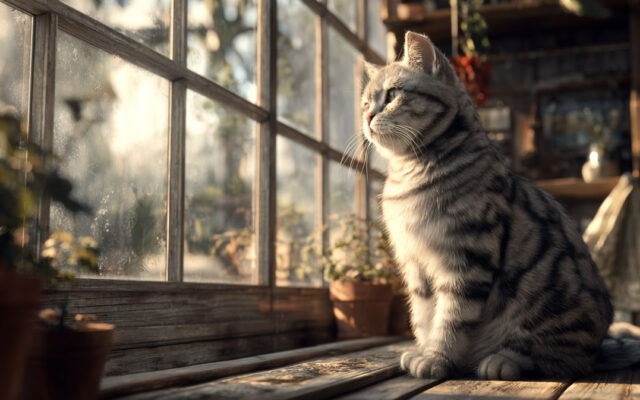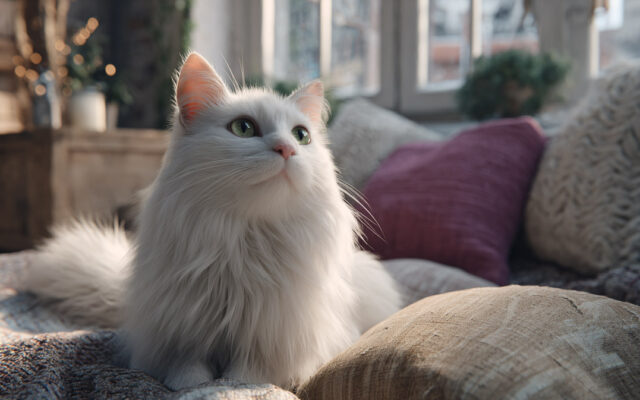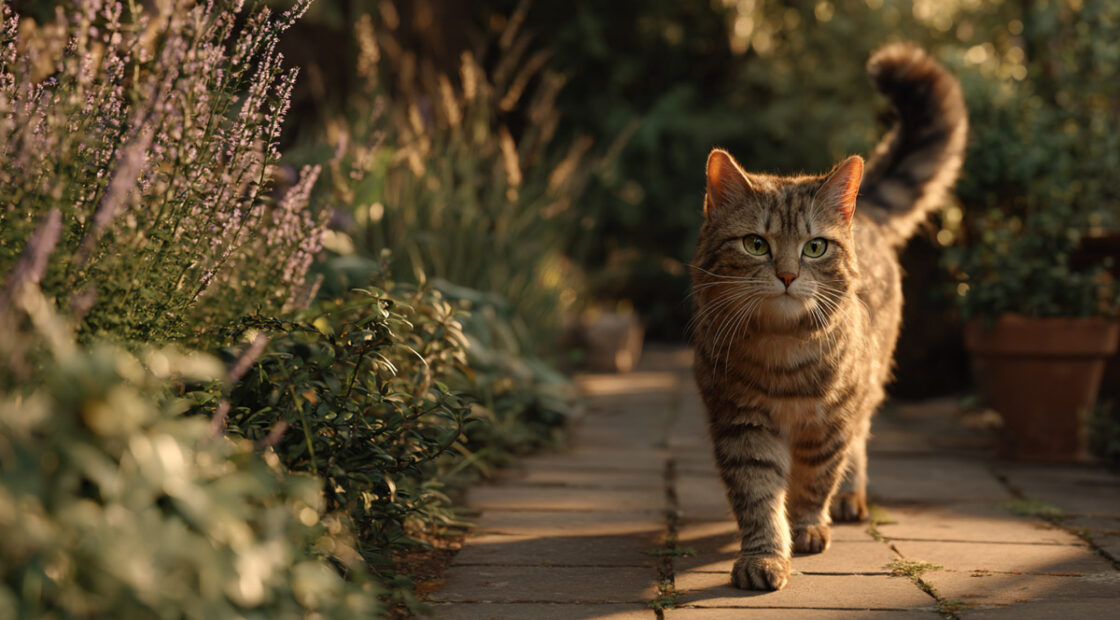
Ever picked up a cat and felt like you were petting steel wool? That’s the distinctive charm of American Wirehair cats.
This rare breed emerged from a spontaneous genetic mutation in 1966, creating a springy, crimped coat unlike any other feline. Despite their unique appearance, these medium-sized cats remain one of the rarest breeds in the United States.
You’ll discover everything about this American original, from their wiry coat texture and easygoing temperament to their health needs and care requirements. Whether you’re considering adding a Wirehair to your family or simply curious about this unusual breed, this guide covers what makes these cats special.
We’ll walk through their physical characteristics, personality traits, grooming needs, costs, and how to find a reputable breeder for these hard-to-find companions.
American Wirehair Breed Statistics
| Characteristic | Details |
|---|---|
| Weight | Males: 11-15 lbs, Females: 8-12 lbs |
| Height | 9-11 inches |
| Lifespan | 14-18 years |
| Coat Type | Springy, dense, crimped wire texture |
| Coat Length | Short to medium |
| Colors | All colors and patterns accepted |
| Shedding Level | Low to moderate |
| Grooming Needs | Minimal (weekly brushing, avoid over-grooming) |
| Energy Level | Moderate |
| Playfulness | High |
| Affection Level | High |
| Friendliness (People) | High |
| Friendliness (Pets) | Good with proper introduction |
| Vocalization | Quiet to moderate |
| Intelligence | High |
| Trainability | Moderate to high |
| Independence | Moderate (enjoys company but can entertain themselves) |
| Health Issues | Generally healthy, occasional skin sensitivity |
| Origin | United States (New York, 1966) |
| Recognition | CFA, TICA recognized |
| Rarity | Rare breed |
| Good for Apartments | Yes |
| Good for Families | Yes |
| Good for First-Time Owners | Yes |
| Price Range | $800-$1,200 |
What Is an American Wirehair Cat?
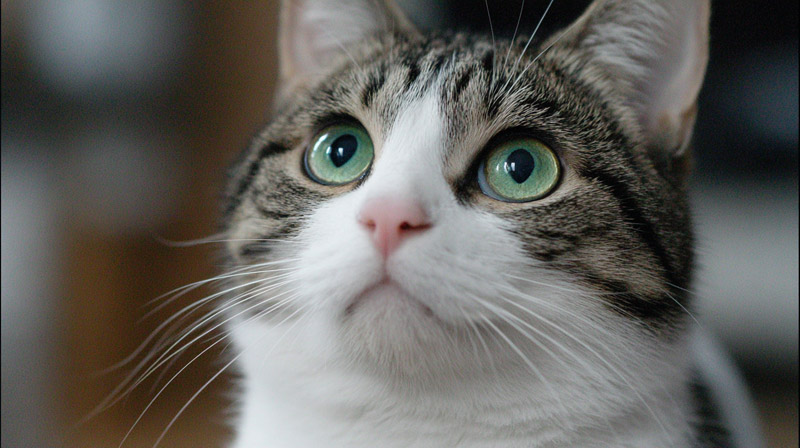
The American Wirehair is a medium-sized domestic cat breed with a distinctive springy, crimped coat texture unlike any other feline. Males weigh 12-15 pounds while females weigh 8-12 pounds.
This breed originated from a spontaneous genetic mutation in upstate New York in 1966. Every hair on their body is crimped, hooked, or bent, creating a coarse, wiry texture similar to steel wool but surprisingly soft to touch.
The Cat Fanciers Association accepted the breed for registration in 1967 and granted championship status in 1978. The International Cat Association also recognizes this rare American original.
The wirehair gene is dominant but semi-penetrating. This means breeding a Wirehair with another cat produces approximately 50% wired kittens.
What makes this mutation truly unique is it has never appeared in any other country. British geneticists confirmed the wirehair coat differs genetically from Cornish Rex and Devon Rex breeds.
Physical Characteristics
How Big Do American Wirehair Cats Get?
Males typically weigh 12-15 pounds.
Females weigh 8-12 pounds.
Height ranges from 9-11 inches at the shoulder. These cats have a substantial, muscular body type with heavy boning that makes them feel heavier than they look.
Growth continues slowly until 3-5 years of age. This extended maturation period is longer than most domestic cats.
The body type is well-balanced with rounded proportions. Shoulders and hips measure the same width, creating a powerful, sturdy appearance without exaggeration.
What Does an American Wirehair Cat’s Coat Look Like?
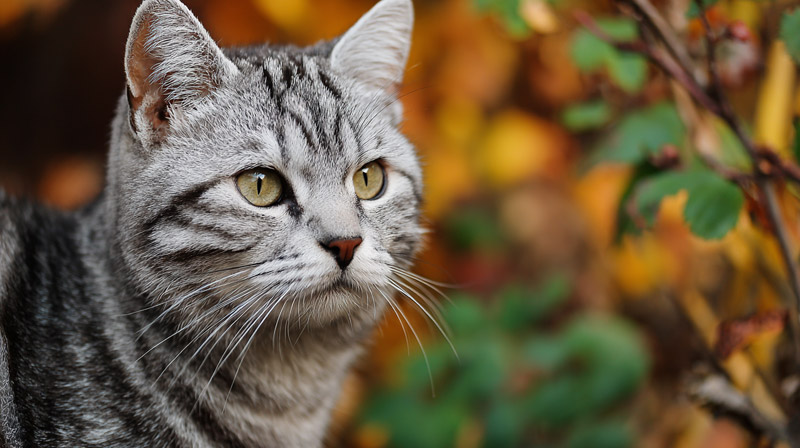
Coat length is short to medium.
The texture ranges from semi-smooth to quite coarse and rough. Individual hairs are crimped, hooked, or bent at various angles.
The springy, dense coat feels like lamb’s wool or steel wool depending on the degree of wiriness. Even the whiskers grow crimped or curled.
Accepted colors include:
- Solid: white, black, blue, red, cream
- Tabby patterns: classic, mackerel, spotted
- Bicolor and calico
- Smoke, chinchilla, cameo
- Tortoiseshell and bluecream
Chocolate, lavender, and Himalayan patterns are not accepted for competition.
Shedding is low to moderate. The crimped texture traps loose hairs close to the body, making this breed produce less visible shedding than smooth-coated cats.
Grooming is minimal. The coat should NOT be brushed regularly as this damages the wired texture. Only brush during heavy seasonal shedding.
Distinctive Physical Features
Eyes are large, round, and set wide apart. Colors include green, gold, blue, or amber depending on coat color. White cats may have odd-colored eyes.
Ears are medium-sized with slightly rounded tips. The ear furnishings also have the characteristic wired texture.
The head is round with prominent cheekbones and a well-developed muzzle. This creates a slightly squared appearance to the face.
The nose shows a gentle concave curve in profile.
Tail length is proportionate to the body with a rounded tip. The tail also features the springy, wired coat texture.
Legs have medium length with thick, strong bones. Paws are firm, rounded, and full with heavy pads.
The distinctive wired coat extends over the entire body. Coat quality scores 45 out of 100 total points in breed standards.
American Wirehair Personality and Temperament
Are American Wirehair Cats Affectionate?
These cats form strong bonds with their families but maintain independence.
Attention requirements are moderate. They enjoy human interaction without being demanding or clingy.
Most Wirehairs develop a favorite person but distribute affection to all household members. Regular head butts and enthusiastic purring are common displays of affection.
Strangers receive cautious but generally friendly responses. Proper early socialization helps these cats feel comfortable with new people.
Lap cat tendencies vary by individual. Some Wirehairs spend hours cuddling while others prefer sitting nearby.
How Active Are American Wirehair Cats?
Energy level is moderate.
Play drive remains strong even into old age. These cats appreciate 30-45 minutes of daily interactive play.
Exercise requirements are manageable for most households. They enjoy running, jumping, and climbing but won’t bounce off walls.
Favorite activities include:
- Chasing feather toys
- Playing fetch (yes, really)
- Climbing cat trees
- Hunting toy mice
- Watching birds from windows
Intelligence is high. These cats learn tricks easily and can master basic commands similar to dogs.
Trainability is excellent. Introducing scratching posts and litter boxes typically requires minimal effort.
Mental stimulation needs are moderate. Puzzle feeders and rotating toys help prevent boredom.
Do American Wirehair Cats Get Along with Others?
Children compatibility is excellent when kids learn proper handling. The breed’s patient, gentle nature makes them ideal family cats.
These cats tolerate rough play better than many breeds but still need respectful interaction. Teach children to recognize when the cat needs space.
Dog compatibility is generally good. The Wirehair’s confident, easygoing temperament helps them coexist peacefully with canine companions.
Other cats are usually accepted well. Multi-cat households work successfully with proper introductions.
Territorial tendencies are low. These cats adapt to sharing their space without excessive stress.
Seniors appreciate the Wirehair’s calm, undemanding nature. The moderate activity level suits less active households.
How Vocal Are American Wirehair Cats?
Vocalization frequency is low to moderate.
Voice characteristics are soft and pleasant rather than loud or demanding.
Communication style leans toward body language. These cats express needs through positioning, facial expressions, and tail movements more than meowing.
Purring is enthusiastic and frequent. The Wirehair’s purr motor runs strong during affectionate moments.
They rarely yowl or create disturbances. Neighbors and apartment dwellers appreciate their quiet nature.
Health and Lifespan
How Long Do American Wirehair Cats Live?
Average lifespan is 14-18 years.
Some individuals reach 20 years with proper care. This exceeds the typical domestic cat lifespan of 12-15 years.
Factors affecting longevity include diet quality, exercise, regular veterinary care, and indoor living.
The breed benefits from outcrossing to American Shorthairs, maintaining genetic diversity and overall health.
Common Health Issues in American Wirehair Cats
Family Agreement**
- Do all household members want a cat?
- Is anyone allergic (test first)?
- Who handles daily care responsibilities?
- What if family dynamics change?
Long-Term Planning (15-20 Years)
- Where will I be in 10 years?
- Can I commit through job changes?
- What about future children?
- Who cares for cat if I can’t?
Travel Considerations
- Who watches cat during vacations?
- Can I afford boarding or pet sitters?
- Will I travel less with a cat?
- What about work travel?
Other Pet Considerations
- Do I have existing pets?
- Will they accept a new cat?
- Can I afford multiple pets?
- Do I have time for proper introductions?
Breeder Wait Time
- Can I wait 6-12 months for a kitten?
- Am I willing to travel to breeder?
- Will I stay committed during wait?
Lifestyle Changes
- Am I ready for daily routine changes?
- Can I cat-proof my home?
- Will I adjust vacation plans?
- Am I prepared for veterinary emergencies?
If you answered yes to most questions, an American Wirehair might suit your household perfectly.Hypertrophic Cardiomyopathy (HCM)**
HCM causes thickening of the heart muscle walls, particularly in the left ventricle. This reduces the heart chamber volume and affects blood pumping efficiency.
Symptoms include:
- Difficulty breathing
- Lethargy
- Loss of appetite
- Rapid breathing at rest
Age of onset varies but typically appears in middle age (5-7 years).
No breeder can guarantee HCM-free cats. Genetic testing and regular echocardiograms help identify at-risk cats before breeding.
Treatment includes medications to manage symptoms and slow progression.
Hip Dysplasia
This condition involves abnormal hip joint development.
Symptoms include:
- Reduced activity
- Difficulty jumping
- Stiffness after rest
- Altered gait
Prevalence is low but possible due to the breed’s muscular build.
Treatment ranges from weight management and supplements to surgery in severe cases.
Skin Allergies
Some Wirehairs develop sensitive skin with allergic reactions to environmental factors.
Symptoms include:
- Excessive scratching
- Red, inflamed patches
- Hair loss in affected areas
- Ear infections
Age of onset varies. Environmental allergens, food ingredients, or flea bites can trigger reactions.
Treatment involves identifying allergens, adjusting diet, and using veterinary-prescribed medications.
Obesity
Weight gain happens easily in this breed. Excess weight leads to diabetes, joint problems, and heart disease.
Symptoms include:
- Loss of visible waist
- Difficulty grooming
- Reduced activity
- Breathing difficulties during play
Prevention requires portion control, measured meals, and regular exercise. Treats should not exceed 10% of daily calories.
What Health Testing Should American Wirehair Cats Have?
Genetic Screening
Reputable breeders test for:
- HCM genetic markers
- Hip dysplasia indicators
- General health panels
DNA testing through companies like Wisdom Panel identifies potential health risks.
Regular Veterinary Checks
Annual exams for adults (ages 1-7 years).
Twice-yearly exams for seniors (ages 8+).
Breed-Specific Monitoring
Echocardiograms every 1-2 years starting at age 2 detect early HCM signs.
Hip evaluations assess joint health in breeding candidates.
Core Vaccinations
Panleukopenia prevents severe vomiting and diarrhea.
Feline herpesvirus protects against upper respiratory infections.
Calicivirus prevents respiratory illness and oral disease.
Rabies vaccination follows local legal requirements.
Caring for an American Wirehair Cat
What Do American Wirehair Cats Eat?
Protein requirements are high: 35-45% of diet should come from animal sources.
Cats are obligate carnivores requiring meat-based protein for essential amino acids like taurine, arginine, and methionine.
Feeding frequency:
- Kittens (under 1 year): 3-4 meals daily
- Adults (1-7 years): 2 meals daily
- Seniors (8+ years): 2 meals daily
Portion sizes depend on weight and activity level. Most adult Wirehairs need 200-300 calories daily.
Wet food offers advantages:
- 70-75% moisture content supports urinary health
- Higher protein, lower carbohydrates
- More species-appropriate nutrition
Dry food works when:
- Moisture is supplemented with water fountains
- Protein content exceeds 35%
- Carbohydrates stay below 10% (difficult in kibble)
Special dietary needs:
- High-quality animal protein as first ingredient
- Taurine for heart and eye health
- Omega-3 fatty acids for coat condition
- Limited carbohydrates to prevent obesity
Foods to avoid:
- Plant-based proteins as primary source
- High carbohydrate content
- Artificial colors, flavors, preservatives
- Onions, garlic, grapes, chocolate
Weight management is critical. This breed gains weight easily. Monitor body condition and adjust portions accordingly.
How Do You Groom an American Wirehair Cat?
Brushing frequency: only during heavy shedding (typically spring and fall).
The wired coat breaks easily. Regular brushing damages the texture and should be avoided.
Bathing every 6-8 weeks removes excess skin oils. The coat can become greasy without periodic washing.
Use lukewarm water and cat-specific shampoo. Gently work through the crimped texture.
Nail trimming every 2-3 weeks prevents overgrowth. Long nails snag easily and can grow into paw pads.
Provide scratching posts for natural nail maintenance.
Dental care requires daily brushing with cat toothpaste. This prevents periodontal disease and tooth loss.
Professional dental cleanings once yearly remove tartar buildup.
Eye cleaning is rarely needed unless discharge appears. Wipe with damp cloth as necessary.
Ear cleaning every 2-4 weeks prevents wax buildup. Use cotton balls and veterinary-approved solution.
Check ears regularly for:
- Excessive wax
- Redness
- Odor
- Discharge
Professional grooming is unnecessary. This breed’s coat maintenance stays manageable at home.
How Much Exercise Does an American Wirehair Cat Need?
Daily activity requirements: 30-45 minutes of active play.
Indoor living works perfectly. These cats adapt well to apartment life without outdoor access.
Outdoor considerations:
- Catios provide safe outdoor enrichment
- Leash walking works with training
- Unsupervised outdoor access increases risks
Recommended toys:
- Feather wands for interactive play
- Laser pointers (always end with physical toy)
- Toy mice for hunting behaviors
- Balls for fetch games
- Puzzle feeders for mental stimulation
Mental stimulation needs are moderate. Rotate toys weekly to maintain interest.
Climbing opportunities are important. Provide:
- Multi-level cat trees
- Wall-mounted shelves
- Window perches
Vertical space satisfies natural climbing instincts and provides exercise.
Interactive play frequency: at least twice daily for 15-20 minutes each session.
Playing before meals mimics natural hunt-eat-groom-sleep cycle.
Living with an American Wirehair Cat
Are American Wirehair Cats Good for Apartments?
Space requirements are flexible. A 500-square-foot studio can accommodate one Wirehair comfortably.
Noise level stays low. These quiet cats rarely disturb neighbors.
Neighbor compatibility is excellent. The breed’s calm demeanor and soft voice cause minimal disruption.
Indoor-only suitability is ideal. Wirehairs adapt perfectly to indoor life without outdoor access needs.
Vertical space matters more than floor space. Tall cat trees and wall shelves provide adequate territory.
What Environment Do American Wirehair Cats Need?
Temperature tolerance is good. The dense coat provides insulation against cool temperatures.
Heat sensitivity is moderate. Ensure access to cool areas during summer months.
Humidity preferences are average. No special considerations needed.
Safe outdoor access options include:
- Enclosed catios with climbing structures
- Supervised leash walks after training
- Screened windows for fresh air
Environmental enrichment specifics:
- Multiple scratching surfaces (vertical and horizontal)
- Hiding spots and elevated perches
- Interactive toys and puzzles
- Bird feeders visible from windows
Window perch importance is high. Watching outdoor activity provides hours of entertainment.
Scratching post requirements: at least two posts in different locations. Include both vertical and horizontal options.
Are American Wirehair Cats Good for First-Time Owners?
Care difficulty level: beginner to intermediate.
Time commitment required: 30-60 minutes daily for play, feeding, and interaction.
Experience level needed: minimal. The easygoing temperament forgives minor mistakes.
Common challenges for new owners:
- Recognizing overfeeding tendency
- Understanding minimal grooming needs
- Providing adequate play time
- Reading subtle communication cues
The adaptable, forgiving nature makes this breed excellent for newcomers to cat ownership.
American Wirehair Kittens
What Are American Wirehair Kittens Like?
Personality development timeline:
- 0-8 weeks: bonding with mother and littermates
- 8-12 weeks: peak socialization window
- 12-16 weeks: ready for adoption
Early socialization needs are critical. Exposure between 3-9 weeks shapes lifelong temperament.
Kittens should meet:
- Various people of different ages
- Household sounds (vacuum, doorbell)
- Other pets if applicable
- Different handling experiences
Kitten energy levels are high. Young Wirehairs play vigorously throughout the day.
Training windows open early. Litter box and scratching post habits establish quickly.
Coat texture appears at birth in wired kittens. The crimping becomes more pronounced as they mature.
When Can American Wirehair Kittens Leave Their Mother?
Minimum age is 12-16 weeks.
Reputable breeders keep kittens until at least 12 weeks old. Some wait until 16 weeks.
Developmental milestones by 12 weeks:
- Fully weaned
- Litter trained
- Basic social skills learned
- Eating solid food independently
Vaccination schedule before adoption:
- First FVRCP at 6-8 weeks
- Second FVRCP at 10-12 weeks
- Third FVRCP at 14-16 weeks
Spay/neuter timing varies by breeder. Some perform surgery before placement (12-16 weeks) while others require it at 5-6 months.
Early spay/neuter at 12 weeks is safe and prevents unwanted breeding.
Breeding and Genetics
American Wirehair Breed Standards
CFA Standards
Head: round with prominent cheekbones, well-developed muzzle.
Body: medium to large, well-muscled, substantial boning.
Coat: springy, dense, resilient texture. Individual hairs crimped, hooked, or bent.
Color: all colors and patterns except chocolate, lavender, and Himalayan.
TICA Standards
Similar to CFA with emphasis on:
- Athletic build
- Well-balanced proportions
- Wire coat quality
- Even temperament
Show Quality vs. Pet Quality
Show quality exhibits:
- Optimal coat wiriness
- Correct body proportions
- Breed-standard colors
- No disqualifying faults
Pet quality may have:
- Less pronounced wire texture
- Slight structural variations
- Still excellent health and temperament
Disqualifying Faults
- Chocolate or lavender coloring
- Himalayan pointing pattern
- Kinked tail
- Incorrect number of toes
Genetics of American Wirehair Cats
Hereditary traits follow dominant gene patterns. The wire coat gene dominates over smooth coat genes.
Breeding two Wirehairs produces approximately 75% wired kittens and 25% straight-coated kittens.
Breeding a Wirehair with a smooth-coated cat produces approximately 50% wired and 50% straight-coated kittens.
Coat color genetics follow standard feline inheritance patterns. Multiple genes determine final coloring.
The mutation differs from Rex breeds. British geneticists A.G. Searle and Roy Robinson confirmed the unique nature.
Outcross breeds include American Shorthairs. Regular outcrossing maintains genetic diversity and health.
Genetic diversity concerns remain moderate. The limited gene pool requires careful breeding management.
DNA testing recommendations:
- HCM screening before breeding
- Hip dysplasia evaluation
- Comprehensive health panels
Breeders should test both parents to identify carriers of hereditary conditions.
History of the American Wirehair Cat
Where Do American Wirehair Cats Come From?
Geographic origins: Vernon, New York, United States.
This natural mutation appeared on Council Rock Farm in 1966. A red-and-white male kitten in a litter of six displayed the distinctive wired coat.
The parents, Bootsie and Fluffy, were barn cats resembling American Shorthairs. Only two kittens survived a weasel attack.
Historical context: the mutation occurred spontaneously with no human intervention.
Original purpose: these barn cats controlled rodent populations before becoming recognized show cats.
How Did the American Wirehair Breed Develop?
Development timeline:
- 1966: first wired kitten born
- 1967: breed accepted for CFA registration
- 1978: granted championship status
- 1978: first National Win achieved
Key breeder: Joan O’Shea purchased the original kitten for $50 and named him Council Rock Adam of Hi-Fi.
O’Shea bred Adam with American Shorthair females. The dominant gene produced wired kittens in half the litters.
Important foundation cats:
- Council Rock Adam of Hi-Fi (original male)
- His littermate female (normal coat)
- Multiple American Shorthair outcrosses
Breed evolution remained stable. The standard maintains close similarity to American Shorthairs except for coat texture.
Related breeds:
- American Shorthair (primary outcross)
- No descendant breeds developed
The mutation has never appeared in any other country. This remains a truly American breed.
When Was the American Wirehair Recognized?
CFA recognition: 1967 for registration, 1978 for championship status.
TICA recognition: accepted as established breed.
Other registry recognition:
- Canadian Cat Association
- American Cat Fanciers Association
The breed remains unrecognized in:
- Governing Council of the Cat Fancy (UK)
- Federation Internationale Feline (Europe)
No American Wirehairs have reached Britain or Australia yet.
Cost of Owning an American Wirehair Cat
How Much Does an American Wirehair Cat Cost?
Purchase price ranges:
Pet quality: $800-$1,200
Show quality: $1,200-$2,000
Breeding rights: $2,000-$3,000+
Price factors include:
- Pedigree and lineage
- Coat quality and color
- Gender (males slightly more)
- Breeder reputation
- Geographic location
Additional initial costs:
- Veterinary exam: $50-$100
- Spay/neuter (if needed): $200-$500
- Microchipping: $45-$75
- Initial supplies: $200-$400
- Initial vaccinations: $75-$150
Total first-year cost: $1,500-$2,500 including purchase price.
What Are the Ongoing Costs?
Annual veterinary care: $200-$400
Includes:
- Wellness exams
- Vaccinations
- Fecal testing
- Basic preventive care
Food expenses: $30-$60 monthly ($360-$720 annually)
High-quality cat food costs more but prevents health issues.
Litter and supplies: $20-$40 monthly ($240-$480 annually)
Includes:
- Cat litter
- Litter box liners
- Cleaning supplies
- Replacement toys
Grooming costs: minimal (home grooming sufficient)
Professional grooming unnecessary for this breed.
Pet insurance: $25-$50 monthly ($300-$600 annually)
Covers:
- Accident protection
- Illness treatment
- Diagnostic testing
- Surgery if needed
Unexpected emergency fund: maintain $1,000-$2,000 reserve.
Emergencies can cost $500-$5,000 depending on severity.
Total annual cost: $1,100-$2,200 for basic care (not including emergencies).
Where Can You Get an American Wirehair Cat?
Reputable Breeders
What to look for:
- CFA or TICA registration
- Health testing documentation
- Clean, social environment
- Multiple references available
- Kitten socialization program
Breeder certifications:
- CFA breeder membership
- TICA cattery registration
- Breed club membership
Health guarantees:
- Written contract provided
- Genetic health guarantee (1-2 years)
- Return policy if health issues emerge
- Spay/neuter requirements
Contract elements:
- Purchase price and payment terms
- Health guarantee specifics
- Spay/neuter agreement
- Return policies
- Breeding restrictions (pet quality)
Red flags to avoid:
- No health testing documentation
- Kittens released before 12 weeks
- No contract or guarantee
- Multiple litters available constantly
- Pressure tactics
- Meeting in parking lots
Questions to ask:
- What health testing do you perform?
- Can I meet the parents?
- What vaccinations has the kitten received?
- What food are you feeding?
- Do you provide a health guarantee?
- Are you CFA or TICA registered?
Breed-Specific Rescues
American Wirehair-specific rescues are rare due to the breed’s scarcity.
Check:
- Breed-specific rescue networks
- CFA Breed Rescue listings
- Social media breed groups
General Rescue/Shelter Considerations
Finding an American Wirehair in shelters is extremely unlikely due to rarity.
Adoption costs: $75-$150
Includes:
- Spay/neuter surgery
- Vaccinations
- Microchipping
- Initial health check
Adult Cat vs. Kitten Considerations
Adult advantages:
- Personality fully developed
- Lower cost
- Skip kitten destruction phase
- Often already trained
Kitten advantages:
- Bond from early age
- Shape behaviors from start
- Watch personality develop
- Longer time together
Wait times for kittens: 6-12 months typical due to breed rarity.
American Wirehair vs. Similar Breeds
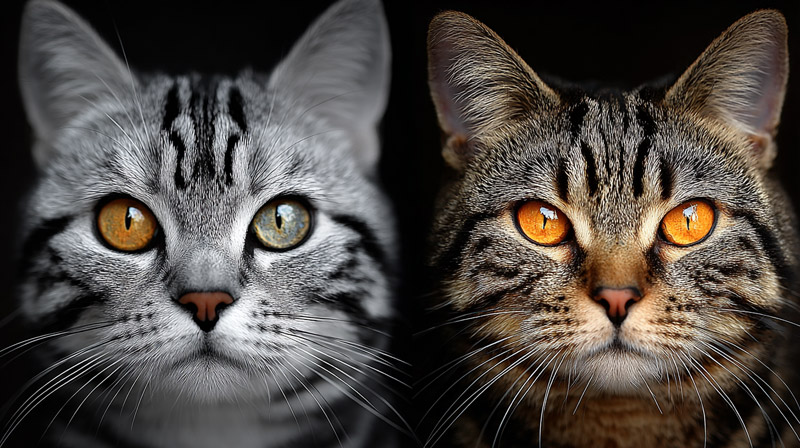
American Wirehair vs. American Shorthair
Physical Differences
Size: nearly identical (both 8-15 pounds)
Coat: American Shorthair has smooth, dense coat. Wirehair has crimped, springy texture.
Features: facial structure and body type are essentially the same.
Temperament Differences
Both breeds share:
- Easygoing nature
- Playful but not hyperactive
- Good with families
- Independent yet affectionate
Personality differences are minimal. Individual variation exceeds breed differences.
Care Requirement Differences
Grooming: American Shorthairs need weekly brushing. Wirehairs require minimal brushing.
Both breeds have:
- Similar exercise needs
- Same dietary requirements
- Comparable health concerns
Health Concern Differences
Both breeds share susceptibility to:
- Hypertrophic cardiomyopathy
- Obesity
- Hip dysplasia
The close genetic relationship means health profiles remain similar.
Cost Differences
American Shorthair: $500-$1,000
American Wirehair: $800-$1,200
Rarity drives the Wirehair’s higher price.
Lifespan Comparison
American Shorthair: 15-20 years
American Wirehair: 14-18 years
Both breeds enjoy long, healthy lives.
American Wirehair vs. Devon Rex
Physical Differences
Size: Devon Rex is smaller (6-9 pounds vs. 8-15 pounds)
Coat: Devon Rex has short, wavy coat with less hair. Wirehair has medium-length, densely crimped coat.
Features: Devon Rex has pixie-like face with large ears. Wirehair has rounded face with moderate ears.
Temperament Differences
Devon Rex:
- More demanding of attention
- Highly social and people-oriented
- Dog-like in behavior
- Very vocal
American Wirehair:
- More independent
- Moderate attention needs
- Cat-like behavior
- Quieter
Care Requirement Differences
Grooming: Devon Rex needs gentle, infrequent brushing. Wirehair needs minimal grooming.
Exercise: Devon Rex requires more interactive play (higher energy).
Attention: Devon Rex demands constant interaction. Wirehair tolerates alone time.
Health Concern Differences
Devon Rex prone to:
- Hereditary myopathy
- Hip dysplasia
- Patellar luxation
- Hypertrophic cardiomyopathy
American Wirehair prone to:
- Hypertrophic cardiomyopathy
- Obesity
- Skin allergies
Cost Differences
Devon Rex: $800-$1,500
American Wirehair: $800-$1,200
Prices are comparable.
Lifespan Comparison
Devon Rex: 9-15 years
American Wirehair: 14-18 years
Wirehairs generally live longer.
How to Choose Between American Wirehair and Similar Breeds
Lifestyle Considerations
Choose American Wirehair if you:
- Want low-maintenance grooming
- Prefer independent cat
- Need quiet pet for apartments
- Want sturdy, muscular build
- Value calm, patient temperament
Choose American Shorthair if you:
- Want similar temperament with smooth coat
- Prefer more affordable option
- Seek wider breeder availability
Choose Devon Rex if you:
- Want very affectionate, attention-seeking cat
- Enjoy interactive, playful companion
- Prefer smaller, lighter build
- Don’t mind more demanding personality
Decision Factors
Grooming commitment: Wirehair requires least maintenance.
Space availability: all three adapt to apartments.
Activity level: Devon Rex needs most stimulation, others moderate.
Attention needs: Devon Rex highest, Wirehair and American Shorthair moderate.
Which Breed for Which Owner Type
Busy professionals: American Wirehair (independent, low-maintenance)
Families with children: all three work well with proper socialization
Seniors: American Wirehair or American Shorthair (calm, gentle)
First-time owners: American Wirehair (forgiving, adaptable)
Active households: Devon Rex (matches energy level)
Fun Facts About American Wirehair Cats
The mutation has never appeared outside the United States. This makes the breed a true American original.
Every hair is affected by the mutation. Even whiskers grow crimped or curled.
The breed ranks as one of the rarest among CFA’s 41 recognized breeds.
Council Rock Adam of Hi-Fi, the foundation male, was purchased for only $50 in 1966.
Only two kittens survived from the original litter after a weasel attack.
The wire coat gene is semi-penetrating. Not all kittens in wired-parent litters develop the texture.
Some Wirehairs exhibit straight coats but carry the wire gene. These cats can produce wired offspring.
The breed’s show standard scores coat quality at 45 out of 100 total points. This emphasis exceeds most other breeds.
American Wirehairs purr more enthusiastically than many breeds. The vibrant purr motor becomes a defining characteristic.
These cats often play fetch like dogs. The behavior comes naturally without training.
The coat becomes more pronounced with age. Young kittens show less wiriness than adults.
Males typically display stronger wire texture than females.
Straight-coated Wirehairs can compete in shows. CFA allows both wired and straight variations.
The breed remains nearly unknown in Britain and Australia. No Wirehairs have reached these countries.
Some individuals consider them hypoallergenic-adjacent. The crimped texture traps dander, though no cat is truly hypoallergenic.
Is an American Wirehair Cat Right for You?
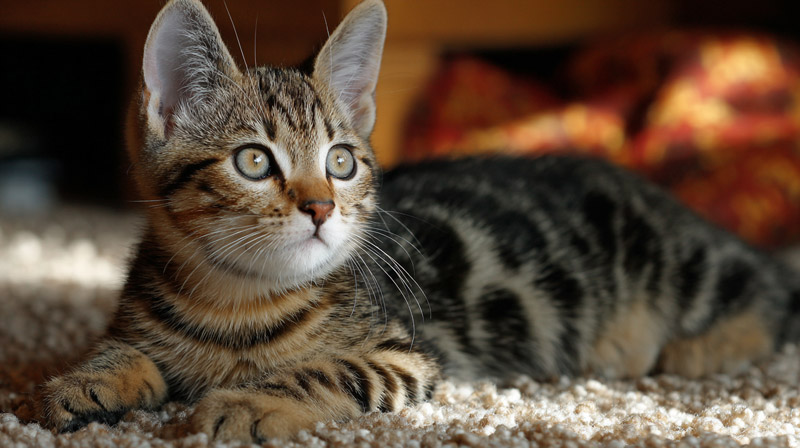
Best Homes for American Wirehair Cats
Ideal owner personality types:
- Patient and calm
- Appreciates independent pets
- Enjoys moderate interaction
- Values low-maintenance grooming
- Respects cat’s boundaries
Lifestyle compatibility:
- Works regular hours (tolerates alone time)
- Active enough for daily play
- Stable living situation
- Indoor-focused household
Home environment requirements:
- Space for cat tree and perches
- Safe indoor environment
- Windows for entertainment
- Quiet to moderate noise levels
Time availability needs:
- 30-60 minutes daily interaction
- Twice-daily feeding
- Basic grooming maintenance
- Regular play sessions
Who Should Avoid American Wirehair Cats?
Incompatible lifestyles:
- Need extremely affectionate, clingy cat
- Want hairless or minimal-shed breed
- Require outdoor cat
- Prefer very vocal, demanding personality
- Travel extensively without pet arrangements
Allergy considerations:
- Not hypoallergenic despite lower visible shedding
- Produces normal levels of Fel d 1 protein
- Spend time with breed before committing
Challenge factors:
- Rare availability requires patience
- Higher purchase price than common breeds
- May need to travel to breeder
- Limited rescue availability
Better breed alternatives:
For extreme affection: Ragdoll or Burmese
For low-shed needs: Russian Blue or Siberian
For high energy: Bengal or Abyssinian
For vocal interaction: Siamese or Oriental breeds
Questions to Ask Before Getting an American Wirehair Cat
Financial Readiness
- Can I afford $800-$1,200 upfront cost?
- Do I have $1,100-$2,200 annual budget?
- Can I maintain $1,000+ emergency fund?
- Will pet insurance fit my budget?
Time Commitment
- Can I provide 30-60 minutes daily interaction?
- Am I home enough or have backup care?
- Can I maintain consistent feeding schedule?
- Will I remember regular veterinary appointments?
Living Situation Stability
- Will I stay in current home 15-20 years?
- Does my lease allow cats?
- Can I afford pet deposits?
- What happens if I move?
FAQ on American Wirehair
Are American Wirehair cats rare?
Yes, extremely rare. They rank among the rarest of all CFA-recognized breeds despite being well-known. The spontaneous mutation has never appeared outside the United States, making them a true American original with limited availability even domestically.
Do American Wirehair cats shed?
They shed minimally to moderately. The crimped, springy coat texture traps loose hairs close to the body, reducing visible shedding compared to smooth-coated breeds. Regular bathing every 6-8 weeks helps manage dead hair and skin oils effectively.
Are American Wirehairs hypoallergenic?
No cat is truly hypoallergenic. However, some allergy sufferers report fewer reactions because the wired texture captures dander and loose fur. Test your allergies by spending time with the breed before committing to adoption.
How much do American Wirehair cats cost?
Pet quality costs $800-$1,200 from reputable breeders. Show quality ranges $1,200-$2,000, while breeding rights exceed $2,000. Shelter adoption costs $75-$150 but finding this rare breed in rescues is extremely unlikely.
What is the personality of an American Wirehair?
Easygoing, affectionate, and independent. These cats enjoy human interaction without being demanding or clingy. They’re playful yet calm, making them excellent family pets that adapt well to various household types including children and seniors.
How do you groom an American Wirehair cat?
Minimal grooming required. Brush only during heavy shedding seasons to avoid damaging the wired texture. Bathe every 6-8 weeks, trim nails every 2-3 weeks, and brush teeth daily with cat-specific toothpaste.
What health problems do American Wirehairs have?
Hypertrophic cardiomyopathy is the primary concern. Hip dysplasia, skin allergies, and obesity also occur. Regular veterinary checkups, echocardiograms starting at age 2, and weight management help maintain robust health throughout their 14-18 year lifespan.
Do American Wirehair cats get along with dogs?
Yes, generally very well. Their confident, calm temperament helps them coexist peacefully with canine companions. Proper introductions and respectful interactions ensure successful multi-pet households with both dogs and other cats.
What do American Wirehair cats eat?
High-protein, meat-based diets with 35-45% animal protein. These obligate carnivores require taurine and other essential amino acids found only in animal tissue. Feed twice daily, limiting treats to 10% of calories to prevent obesity.
How long do American Wirehair cats live?
Average lifespan is 14-18 years. Some reach 20 years with proper nutrition, regular veterinary care, and indoor living. This exceeds typical domestic cat lifespans due to the breed’s genetic diversity from American Shorthair outcrossing.
Conclusion
American Wirehair cats stand out as one of the most distinctive feline breeds with their springy, crimped coat texture and calm temperament. This rare mutation-based breed offers the perfect balance of independence and affection for various household types.
Their low-maintenance grooming, robust health, and adaptable personality make them excellent companions for first-time cat owners and experienced feline enthusiasts alike. The dense undercoat and wiry fur require minimal brushing compared to smooth-coated breeds.
If you’re seeking a medium-sized, family-friendly cat with unique physical characteristics, the American Wirehair deserves serious consideration. Their playful yet easygoing nature, combined with a lifespan of 14-18 years, ensures decades of loyal companionship.
Finding a reputable breeder takes patience due to rarity, but this American original rewards the wait with its distinctive charm and stable temperament.