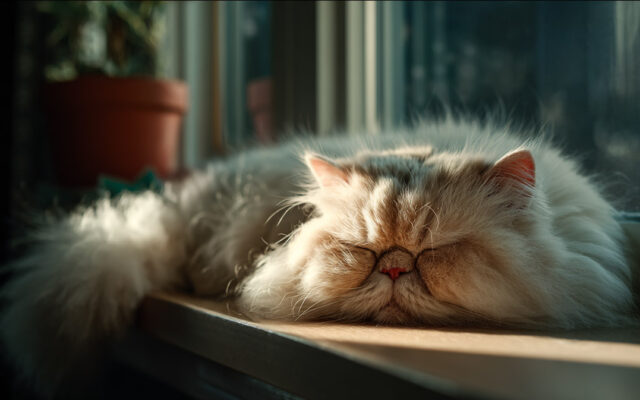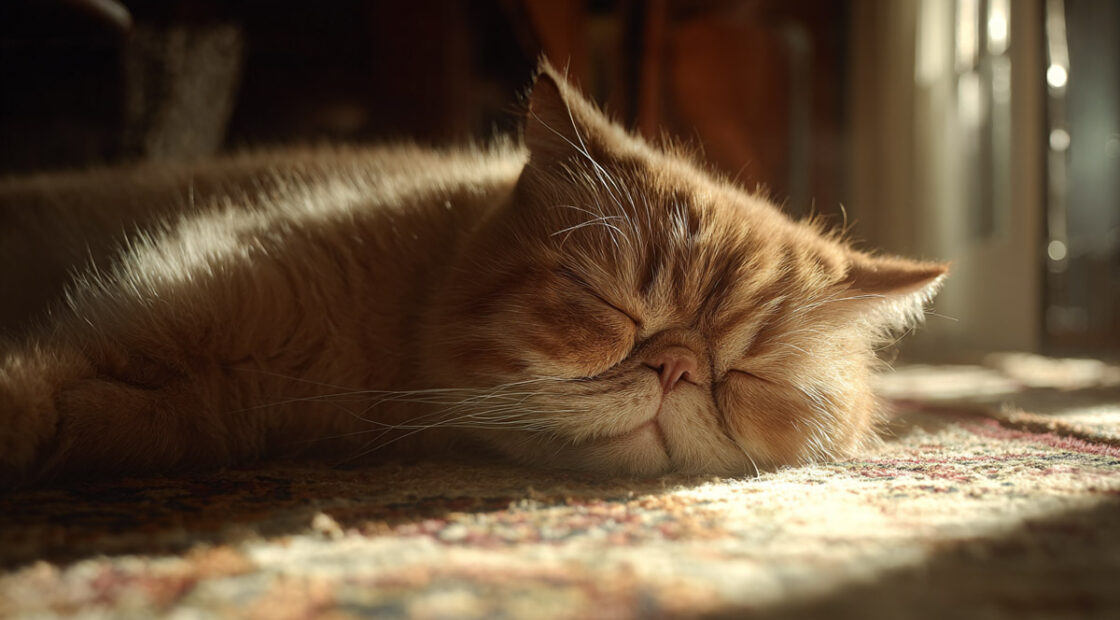
Imagine having a living teddy bear that purrs. That’s the charm of Exotic Shorthair cats, the flat-faced felines that combine the sweet temperament of Persians with a more manageable coat.
Developed in the 1950s as a cross between American Shorthairs and Persians, these plush-coated companions have skyrocketed in popularity among apartment dwellers and busy cat lovers.
Their round faces and copper eyes create an irresistibly sweet expression that’s hard to resist, while their easy-care short fur makes them more practical than their long-haired Persian ancestors.
Known for their quiet, gentle personalities, Exotic Shorthairs offer the perfect balance of affection without neediness. They’re content to lounge nearby while you work, then happily claim your lap when you’re ready for cuddle time.
In this guide, you’ll discover everything about these brachycephalic beauties: their distinctive physical features, health considerations, grooming needs, and why they might be the perfect feline friend for your lifestyle.
Exotic Shorthair Cat Breed Statistics
| Characteristic | Details |
|---|---|
| Origin | United States (1950s) |
| Size | Medium |
| Weight | Males: 10-14 lbs (4.5-6.4 kg)<br>Females: 6-10 lbs (2.7-4.5 kg) |
| Height | 10-12 inches (25-30 cm) |
| Body Type | Cobby (compact and muscular) |
| Coat Length | Short |
| Coat Texture | Dense, plush, soft |
| Coat Colors | All colors and patterns (similar to Persian) |
| Eye Color | Based on coat color: copper, blue, green, odd-eyed |
| Lifespan | 12-15 years |
| Temperament | Sweet, gentle, calm, affectionate |
| Activity Level | Low to moderate |
| Vocalization | Quiet, infrequent |
| Grooming Needs | Moderate (2-3 times weekly) |
| Shedding Level | Moderate to heavy |
| Child Friendly | Good with gentle children |
| Pet Friendly | Generally good with other pets |
| Trainability | Moderate |
| Intelligence | Moderate |
| Indoor/Outdoor | Indoor only recommended |
| Health Issues | Brachycephalic respiratory issues, PKD, HCM |
| Recognition | CFA, TICA, GCCF, FIFe |
| Average Price | $1,200-$2,500 |
What Is an Exotic Shorthair Cat?
The Exotic Shorthair is a flat-faced feline breed that combines the teddy bear appearance of a Persian with a plush, dense short coat. Often called “the lazy man’s Persian,” these cats have the same sweet temperament and body type but require significantly less grooming.
This hybrid breed was developed in the 1950s by crossing American Shorthair cats with Persians. The goal was to create a cat with the Persian’s distinctive features but with a more manageable coat.
Recognized by major cat registries including CFA, TICA, and GCCF, the Exotic Shorthair is classified as a hybrid breed rather than a natural one.
These quiet cat varieties have become increasingly popular for apartment dwellers and busy cat lovers who want a sweet-tempered companion without extensive grooming requirements.
Physical Characteristics
How Big Do Exotic Shorthair Cats Get?

Exotic Shorthairs are medium-sized cats with a solid, muscular build. Males typically weigh 10-14 pounds, while females are slightly smaller at 6-10 pounds.
Standing about 10-12 inches tall at the shoulder, these cats have a cobby body type – short, stocky, and substantial.
Exotic Shorthairs reach their full size around 2 years of age, though they may continue filling out until they’re about 3-4 years old.
Their sturdy build gives them a somewhat heavy feel when picked up, despite not being particularly large cats.
What Does an Exotic Shorthair Cat’s Coat Look Like?
The Exotic Shorthair’s most distinctive feature is its plush, dense short coat that stands away from the body, giving these cats their signature teddy bear appearance.
The coat has a soft, plush texture that feels similar to stuffed toys, making them incredibly pleasant to pet.
Exotics come in all the same colors and patterns as Persian cats, including:
- Solid colors (white, black, blue, cream, red)
- Tabby patterns (classic, mackerel, spotted)
- Colorpoint varieties (similar to Himalayan cats)
- Bicolor and calico patterns
- Silver and golden varieties
- Smoke and shaded colors
Despite their short fur, Exotic Shorthairs shed moderately to heavily, with increased shedding during seasonal changes.
Regular grooming is needed to manage loose fur, though much less intensive than what’s required for a Persian.
Distinctive Physical Features
Exotic Shorthairs are characterized by their round, sweet faces with a distinctive brachycephalic (flat-faced) structure. Their heads are massive and round with a short, broad nose.
Their large, round eyes come in colors that complement their coat, typically copper, blue, green, or odd-eyed (different colored eyes) in some patterns.
Ears are small, rounded at the tips, and set far apart on the head, contributing to their teddy bear appearance.
The breed has a short, thick neck supporting their large head, and short, sturdy legs ending in large, round paws.
Their tails are short to medium length, thick, and carried low with a slight upward curve at the tip.
The overall impression is of a sweet-faced, round-headed cat with an endearing expression that many find irresistible.
Exotic Shorthair Personality and Temperament
Are Exotic Shorthair Cats Affectionate?

Exotic Shorthairs are exceptionally affectionate and devoted companions. They typically form strong bonds with their families and enjoy being close to their people, often following them from room to room.
While not demanding, these cats appreciate attention and will quietly seek out laps when available. They’re known for their patient, gentle demeanor.
With strangers, Exotics tend to be cautiously friendly. They may observe newcomers from a distance before deciding to approach, but rarely show aggression or extreme shyness.
Their calm, easygoing nature makes them excellent therapy cats and companions for seniors.
How Active Are Exotic Shorthair Cats?
Exotic Shorthairs have a low to moderate energy level, much like their Persian ancestors. They enjoy short play sessions but are not hyperactive or demanding.
These cats typically play in brief bursts of 10-15 minutes before returning to their favorite lounging spots. They prefer interactive toys and gentle play rather than wild acrobatics.
Exotics need about 20-30 minutes of dedicated play daily, spread across multiple short sessions.
Their favorite activities include batting at feather wands, chasing small toys, and occasionally carrying soft toys around the house.
Intelligence-wise, Exotic Shorthairs are moderately smart and can learn household routines, though they’re not typically interested in learning tricks or complex behaviors.
Do Exotic Shorthair Cats Get Along with Others?
Exotic Shorthairs generally excel in multi-pet households due to their easy-going temperament. They’re particularly good with children over 6 years old who understand how to handle cats gently.
With younger children, supervision is recommended as these cats are patient but may retreat if play becomes too rough.
Most Exotics get along well with cat-friendly dogs, especially when introduced properly and given time to adjust.
They typically coexist peacefully with other cats, particularly when raised together from kittenhood.
Territorial issues are minimal with this breed; they prefer sharing space peacefully rather than establishing strict hierarchies.
How Vocal Are Exotic Shorthair Cats?
Exotic Shorthairs are notably quiet cats, rarely vocalizing without good reason. When they do “speak,” their voices are typically soft and melodious rather than loud or harsh.
Instead of meowing constantly, these cats communicate through gentle chirps, trills, and purrs.
Their communication style relies heavily on body language, meaningful gazes, and gentle paw taps when they want attention.
This quiet nature makes them excellent apartment cats and suitable companions for those who prefer a peaceful home environment.
Health and Lifespan
How Long Do Exotic Shorthair Cats Live?

Exotic Shorthairs typically live between 12-15 years, though well-cared-for individuals may reach 15-18 years of age.
Their lifespan is slightly shorter than the average domestic cat (15-20 years), primarily due to the breed-specific health issues related to their facial structure.
Factors affecting longevity include quality of nutrition, indoor vs. outdoor living (indoor cats live significantly longer), regular veterinary care, and genetic health.
Obesity can significantly reduce lifespan, making weight management especially important for this naturally sedentary breed.
Common Health Issues in Exotic Shorthair Cats
Due to their flat-faced (brachycephalic) structure, Exotic Shorthairs face several breed-specific health challenges:
Respiratory Issues:
- Brachycephalic Airway Syndrome – causing noisy breathing, snoring, and exercise intolerance
- Increased susceptibility to upper respiratory infections
- Stenotic nares (narrowed nostrils) affecting breathing
Eye Conditions:
- Excessive tearing and tear staining
- Cherry eye (prolapsed third eyelid gland)
- Entropion (inward rolling of eyelids)
- Progressive Retinal Atrophy (PRA) in some lines
Genetic Disorders:
- Polycystic Kidney Disease (PKD) – cysts form in the kidneys, leading to eventual kidney failure
- Hypertrophic Cardiomyopathy (HCM) – the most common heart disease in cats, causing thickened heart walls
Other Health Concerns:
- Dental issues due to facial structure (crowded or misaligned teeth)
- Heat sensitivity due to breathing difficulties
- Skin fold dermatitis in facial wrinkles
Joint Problems:
- Hip dysplasia occurs in some lines
- Patella luxation (kneecap dislocation)
Many of these conditions manifest by age 2-5, though PKD may not cause symptoms until middle age (5-7 years).
What Health Testing Should Exotic Shorthair Cats Have?
Responsible Exotic Shorthair breeders typically conduct the following health screenings:
Genetic Screening:
- PKD DNA test (mandatory for breeding stock)
- HCM genetic markers when available
- PRA genetic testing
Regular Veterinary Checks:
- Annual physical examination, with twice-yearly checks for cats over 7 years
- Cardiac evaluation including ultrasound for breeding cats
- Respiratory function assessment
Age-Specific Monitoring:
- Kidney function tests annually after age 5
- Dental evaluations every 6 months (due to increased risk of dental disease)
- Regular blood pressure monitoring in older cats
Prospective owners should request proof of PKD testing at minimum when considering an Exotic Shorthair kitten.
Caring for an Exotic Shorthair Cat
What Do Exotic Shorthair Cats Eat?

Exotic Shorthairs thrive on a high-quality diet with 35-40% protein content. These low-activity cats need careful portion control to prevent obesity.
Adult Exotics typically need 200-250 calories daily, divided into 2 meals. Kittens require 3-4 smaller meals until 6 months of age.
Many owners find a mix of premium wet and dry food works well, with wet food comprising at least 50% of the diet to ensure adequate hydration.
Due to their facial structure, Exotic Shorthairs sometimes prefer dishes that don’t press against their whiskers, and some may eat more comfortably from elevated dishes.
Foods to avoid include dairy products (many cats are lactose intolerant), onions, garlic, chocolate, caffeine, and alcohol.
Weight management is crucial for this breed as they’re prone to obesity, which can exacerbate breathing difficulties and joint problems.
How Do You Groom an Exotic Shorthair Cat?
Despite their short coat, Exotic Shorthairs require more grooming than the average shorthaired cat. Their dense, plush fur should be brushed 2-3 times weekly to remove loose hair and prevent matting.
During seasonal shedding periods (spring and fall), daily brushing may be necessary to keep shedding under control.
A stainless steel comb works well for their dense fur, followed by a soft bristle brush to collect loose hairs.
Facial grooming is essential for this breed. Clean facial folds weekly with a damp cloth to prevent skin fold dermatitis and wipe eyes daily with a pet-safe eye wipe to prevent tear staining.
Nail trimming should be done every 2-3 weeks, and teeth should ideally be brushed several times weekly with cat-safe toothpaste.
Unlike their Persian relatives, Exotic Shorthairs rarely need bathing unless they get into something dirty.
How Much Exercise Does an Exotic Shorthair Cat Need?
Exotic Shorthairs need minimal exercise compared to many cat breeds. About 15-20 minutes of play daily is sufficient for most individuals.
These cats are best kept as indoor-only pets due to their trusting nature and facial structure that makes them vulnerable to injuries and respiratory issues outdoors.
Recommended toys include feather wands, small balls, catnip toys, and puzzle feeders that encourage mental stimulation.
While not typically climbers, Exotic Shorthairs appreciate a sturdy cat tree or window perch for observing the outdoors safely.
Interactive play is more valuable than solo toys for this social breed, as they enjoy the bonding aspect of playtime with their people.
Living with an Exotic Shorthair Cat
Are Exotic Shorthair Cats Good for Apartments?

Exotic Shorthairs are excellent apartment cats, requiring minimal space to be content. A 500-square-foot apartment is sufficient for these low-activity felines.
Their naturally quiet nature means neighbors are unlikely to complain about noise, as they rarely vocalize loudly.
Being indoor-only cats, they adapt well to apartment living without needing outdoor access.
These cats appreciate vertical space more than floor area, so even small apartments can feel spacious with strategically placed cat shelves or a moderate-sized cat tree.
What Environment Do Exotic Shorthair Cats Need?
Exotic Shorthairs are sensitive to temperature extremes, particularly heat due to their brachycephalic facial structure. Ideal indoor temperatures range from 65-75°F (18-24°C).
Air conditioning during summer months is strongly recommended, as these cats can suffer heat stress more quickly than other breeds.
While they enjoy looking outdoors, direct access should be supervised via secure catios or leash walking with a harness.
Environmental enrichment should include comfortable resting spots at various heights, scratching posts (both horizontal and vertical), and interactive toys rotated regularly.
Window perches are particularly valued by these cats, who enjoy sunbathing and watching outdoor activity from a safe, comfortable vantage point.
Scratching posts should be sturdy and at least 30 inches tall to allow full stretching.
Are Exotic Shorthair Cats Good for First-Time Owners?
Exotic Shorthairs are generally excellent cats for first-time owners. Their care difficulty level is beginner to intermediate, depending on the individual cat’s health.
Time commitment is moderate, requiring about 30-45 minutes daily for feeding, play, and basic grooming, with additional time for health monitoring and facial care.
New owners should be prepared for potential health issues related to the breed’s facial structure, which may require specialized veterinary care.
Common challenges for first-time owners include:
- Managing shedding (more than expected for a short-haired breed)
- Recognizing respiratory distress signs
- Maintaining proper facial hygiene
- Preventing obesity in this food-motivated, low-activity breed
Exotic Shorthair Kittens
What Are Exotic Shorthair Kittens Like?

Exotic Shorthair kittens are playful but not hyperactive, showing the sweet temperament of adult cats even in kittenhood. Their personality develops steadily from 2-6 months.
Early socialization between 2-7 weeks is crucial for developing well-adjusted adults. This period shapes their comfort with handling, other pets, and various household experiences.
Kitten energy levels are moderate compared to other breeds, with play sessions followed by long naps.
Basic training should begin between 8-16 weeks, focusing on litter box habits, gentle play, and handling tolerance for grooming procedures.
Exotic kittens typically have rounder faces and more pronounced “baby features” than other breeds, which contributes to their extraordinary cuteness and appeal.
When Can Exotic Shorthair Kittens Leave Their Mother?
Responsible breeders keep Exotic Shorthair kittens with their mother until at least 12 weeks of age, with many recommending 14-16 weeks for optimal development.
By 12 weeks, kittens should have reached developmental milestones including:
- Weaning (completed by 8-10 weeks)
- Litter box reliability
- Beginning of social skills from mother and littermates
- Basic immunity development
The vaccination schedule before adoption typically includes:
- First FVRCP vaccine at 6-8 weeks
- Second FVRCP vaccine at 10-12 weeks
- Rabies vaccine around 12-16 weeks
- Optional FeLV vaccine based on lifestyle risk factors
Most breeders recommend spaying/neutering around 5-6 months of age, though some include early spay/neuter before placement.
Breeding and Genetics
Exotic Shorthair Breed Standards

The Cat Fanciers’ Association (CFA) standard emphasizes a round head, sweet expression, and short, thick coat. Balance and overall type are prioritized over any single feature.
TICA standards are similar but allow greater color diversity and slightly different eye color requirements for certain patterns.
Other registries like GCCF (UK) and FIFe (Europe) have their own variations of the standard, though all focus on the round head, flat face, and plush coat.
Show quality Exotics must have excellent facial structure, proper coat texture, and meet strict color standards, while pet quality cats may have minor deviations.
Disqualifying faults include incorrect number of toes, crossed eyes, tail kinks, and colors/patterns not accepted in the standard.
Genetics of Exotic Shorthair Cats
The short coat in Exotic Shorthairs is controlled by a dominant gene, but many carry the recessive longhair gene from their Persian ancestors. When two carriers mate, they can produce longhaired kittens (sometimes called “Exotic Longhairs”).
Coat colors follow standard feline genetics, with patterns including:
- Solid colors controlled by the O gene (orange) and dense/dilute genes
- Tabby patterns requiring the agouti gene
- Colorpoint patterns resulting from the Himalayan gene (ch)
- Silver and golden colors from the inhibitor gene
The flat face results from selective breeding rather than a single mutation, involving multiple genes affecting skull development.
Outcross breeds permitted in some registries include American Shorthair, Persian, and British Shorthair cats.
DNA testing is recommended for PKD, blood type, and when available, for HCM risk factors.
History of the Exotic Shorthair Cat
Where Do Exotic Shorthair Cats Come From?

Exotic Shorthairs originated in the United States in the 1950s. They are a deliberately developed breed rather than a natural one.
Initially, breeders were attempting to improve the American Shorthair by introducing Persian traits, particularly copper eyes and silver color.
These hybrid cats became popular in their own right, leading to the establishment of a new breed standard focused on creating a cat with Persian features but short, easy-care coats.
The breed’s original purpose was purely as a companion animal, combining the sweet Persian temperament with a more practical coat for busy owners.
How Did the Exotic Shorthair Breed Develop?
The development timeline began around 1958 when American Shorthair breeder Jane Martinke crossed her cats with Persians to improve eye color and coat.
Early development involved crosses with Persian, Burmese, and Russian Blue cats, though the Burmese and Russian Blue genes were eventually bred out.
By the early 1960s, these cats were being shown, though controversy existed over the hybridization.
In 1966, the CFA recognized the new breed as “Exotic Shorthair,” distinct from both parent breeds.
Key breeders included Jane Martinke, whose Silver Persians contributed significantly to eye color, and Carolyn Bussey, who helped standardize the breed.
The most influential foundation cats included persians Grand Champion Dearheart of Doone and a silver American Shorthair named Shorthair Madam Butterfly.
When Was the Exotic Shorthair Recognized?
The Cat Fanciers’ Association (CFA) granted provisional recognition to the Exotic Shorthair in 1966.
Full championship status in CFA followed in 1967, allowing Exotics to compete alongside other established breeds.
TICA recognized the breed upon its formation in 1979, including both shorthaired and longhaired variants.
European registries followed more slowly, with GCCF (UK) granting recognition in the 1980s and FIFe following soon after.
By the 1990s, the Exotic Shorthair had gained worldwide recognition and popularity, eventually surpassing the Persian in registration numbers in some organizations.
Cost of Owning an Exotic Shorthair Cat
How Much Does an Exotic Shorthair Cat Cost?

Pet quality Exotic Shorthair kittens typically cost $1,200-$2,500 from reputable breeders, with variations based on color, pattern, and region.
Show quality individuals with excellent facial structure and ideal type range from $2,500-$5,000 or more.
Breeding rights for quality cats can increase the price substantially, often $3,000-$6,000 depending on the cat’s lineage and the breeder’s reputation.
Factors affecting price include:
- Coat color (rare colors command higher prices)
- Facial structure (more extreme flat faces typically cost more)
- Lineage (championship bloodlines increase value)
- Geographic location (prices vary regionally)
Initial setup costs for a new Exotic include:
- Supplies: $200-$300 (litter box, carrier, beds, scratching posts)
- Initial veterinary visit: $75-$150
- Spay/neuter if not done by breeder: $200-$500
What Are the Ongoing Costs?
Annual veterinary care for an Exotic Shorthair averages $300-$600 for routine visits, with additional costs for any breed-specific issues that arise.
Monthly food expenses range from $40-$80 depending on quality, with premium foods recommended for optimal health.
Litter and basic supplies cost approximately $30-$50 monthly for quality clumping litter and occasional toy replacements.
Professional grooming is not typically necessary, though some owners opt for occasional professional grooming at $50-$70 per session.
Pet insurance is highly recommended for this breed due to potential health issues, costing $30-$60 monthly depending on coverage level and deductible.
Emergency fund recommendations start at $1,500-$2,000, as breed-specific issues like respiratory or eye emergencies can be costly.
Where Can You Get an Exotic Shorthair Cat?
Reputable Exotic Shorthair breeders should offer:
- Health guarantees (particularly for PKD and respiratory issues)
- Genetic testing results for breeding stock
- Proper kitten socialization
- Clean, healthy living conditions
- Willingness to answer questions and provide support
- Registration papers from recognized cat associations
Red flags when choosing a breeder include:
- Kittens available before 12 weeks of age
- No health testing or guarantees
- Unwillingness to show breeding facilities
- Extremely low prices compared to regional averages
- Multiple litters always available
Breed-specific rescues occasionally have Exotic Shorthairs available, including:
- Persian and Exotic Rescue organizations
- Peke-Face Cat Rescue
- Specialty purebred cat rescue networks
Adoption costs from rescues typically range from $150-$350, significantly less than breeder prices but with less predictability regarding health and background.
Adult cats versus kittens present different considerations:
- Adults have established personalities
- Kittens offer more formative bonding opportunities
- Health issues may be more apparent in adults
- Kittens require more time for training and socialization
Exotic Shorthair vs. Similar Breeds
Exotic Shorthair vs. Persian

Physical differences: Exotic Shorthairs have the same body type and facial structure as Persians but with short, plush coats instead of long, flowing fur.
Temperament similarities include sweet, gentle personalities and low activity levels, though Exotics tend to be slightly more playful and curious than Persians.
Care requirements differ significantly in grooming: Persians need daily brushing and regular bathing, while Exotics can manage with twice-weekly brushing and occasional baths.
Health concerns overlap considerably, with both breeds facing issues related to brachycephalic facial structure and genetic conditions like PKD.
Cost differences are minimal for purchase price, but ongoing grooming expenses are substantially lower for Exotic Shorthairs.
Lifespan is comparable, with both breeds averaging 12-15 years with proper care.
Exotic Shorthair vs. British Shorthair
British Shorthairs have a similar plush coat texture but a much different head type, with a round face but normal nose length rather than the flat face of Exotics.
While both breeds are relatively calm, British Shorthairs tend to be more independent and less demonstratively affectionate than Exotic Shorthairs.
Care requirements are similar, though British Shorthairs have fewer health issues related to facial structure.
British cats typically have fewer genetic health concerns and may live slightly longer (14-20 years).
Cost is comparable for initial purchase, though healthcare costs are often lower for British Shorthairs over the lifetime.
British Shorthairs are substantially larger, especially males, which can reach 15-17 pounds compared to the Exotic’s 10-14 pounds.
How to Choose Between Exotic Shorthair and Similar Breeds
Lifestyle considerations:
- For very busy owners who still want a Persian-type cat, the Exotic requires less maintenance than a Persian
- Those with concerns about breathing issues might prefer a British Shorthair over an Exotic
- Families with young children might find British Shorthairs more robust, while those with older children would be fine with either breed
Decision factors to consider:
- Grooming time available (Persian requires most, Exotic intermediate, British least)
- Desired level of affection (Exotic most lap-oriented, British most independent)
- Health concerns and tolerance for potential medical issues
- Aesthetic preference for facial structure
Fun Facts About Exotic Shorthair Cats
Exotic Shorthairs have surpassed Persian cats in popularity in the CFA rankings, becoming the most registered breed in some recent years.
The most famous Exotic Shorthair is arguably Garfield from the comic strip, though the character is technically not identified as a specific breed.
Several celebrities own Exotic Shorthairs, including Taylor Swift, whose cat Olivia Benson is an Exotic.
Exotic Shorthairs have unusually expressive faces despite their flat features, with subtle ear and whisker movements conveying a wide range of emotions.
The breed’s plush coat feels different from other shorthaired cats, with a distinctive density that’s often compared to plush toys.
An Exotic Shorthair named Scooter was once recognized by the Guinness World Records as the world’s oldest living cat at 30 years old.
When relaxed, many Exotics make a distinctive “smile” expression with slightly upturned mouth corners, adding to their teddy bear appeal.
Is an Exotic Shorthair Cat Right for You?
Best Homes for Exotic Shorthair Cats

Ideal owners for Exotic Shorthairs include:
- Quieter individuals or families who enjoy a peaceful home environment
- Seniors or retirees looking for affectionate, low-maintenance companionship
- Busy professionals who want a cat that’s content alone for reasonable periods
- Apartment dwellers with limited space but time for interaction
The ideal home environment features:
- Consistent temperature control (especially air conditioning in summer)
- Moderate space with comfortable resting spots
- Gentle handling and predictable routines
- At least some daily interactive time
Time availability should include at least 30-45 minutes daily for care and interaction, with more time beneficial but not essential.
Who Should Avoid Exotic Shorthair Cats?
Households with very young, rough-handling children might find more robust breeds better suited to their lifestyle.
Those with severe cat allergies should note that despite their short coats, Exotics are not hypoallergenic and shed considerably.
Extremely active owners who want an equally energetic pet might find the Exotic’s laid-back nature frustrating.
Those unwilling or unable to manage potential health issues related to brachycephalic features should consider breeds with normal facial structures.
Better breed alternatives for active households include Abyssinian or Bengal cats, while those concerned about health might prefer American Shorthairs or Bombay cats.
Questions to Ask Before Getting an Exotic Shorthair Cat
Financial considerations:
- Can you afford the initial $1,200-$2,500 purchase price?
- Is your budget flexible enough for potential health expenses?
- Have you researched pet insurance options?
Lifestyle assessment:
- Is your home temperature-controlled year-round?
- Do you have at least 30 minutes daily for cat interaction?
- Are you prepared for a 15+ year commitment?
Living situation:
- Is your living situation stable for the foreseeable future?
- Do all household members agree on getting this specific breed?
- Are there breed restrictions in your rental agreement if applicable?
Long-term planning:
- Have you identified an exotic-experienced veterinarian?
- Do you have plans for the cat’s care during vacations or emergencies?
- Have you considered how life changes might affect your ability to care for this cat?
FAQ on Exotic Shorthair
Are Exotic Shorthairs good apartment cats?
Exotic Shorthairs are excellent apartment cats due to their quiet, low-energy temperament. They don’t require much space to be content and rarely vocalize loudly.
Their stocky build and moderate exercise needs make them perfect for indoor living, though they appreciate window perches for bird-watching.
How much grooming do Exotic Shorthairs need?
Despite being short-haired Persian alternatives, Exotic Shorthairs require more grooming than typical shorthair breeds. Their dense, plush coat needs brushing 2-3 times weekly.
Daily facial cleaning is essential to prevent tear stains and skin fold infections in their brachycephalic facial structure.
Do Exotic Shorthairs have health problems?
As a flat-faced feline breed, Exotic Shorthairs are prone to several health issues. Brachycephalic airway syndrome, polycystic kidney disease (PKD), and hypertrophic cardiomyopathy are common concerns.
Eye problems and dental issues also frequently affect this teddy bear cat breed.
Are Exotic Shorthairs good with kids?
Exotic Shorthairs generally do well with children over age 6 who understand gentle handling. Their patient, mellow temperament makes them tolerant companions.
However, their facial structure is somewhat delicate, so supervision is needed with younger or more rambunctious kids.
How much do Exotic Shorthairs cost?
Pet quality Exotic Shorthair kittens typically range from $1,200-$2,500 from reputable breeders. Show quality cats with premium pedigrees can cost $2,500-$5,000.
Ongoing costs include specialized veterinary care for potential breed-specific health issues.
How long do Exotic Shorthairs live?
The average lifespan of an Exotic Shorthair is 12-15 years, slightly shorter than regular domestic cats due to breed-specific health concerns.
Well-cared-for individuals with good genetics and regular veterinary monitoring can sometimes live 15-18 years.
Do Exotic Shorthairs shed a lot?
Yes, these plush toy looking cats shed moderately to heavily despite their short coats. The dense undercoat traps loose hair that releases during seasonal changes.
Regular brushing helps manage shedding and reduces hairballs, which are common in this Persian hybrid breed.
Are Exotic Shorthairs lazy cats?
Exotics are indeed low-maintenance cat breeds in terms of activity. They enjoy short play sessions but primarily prefer lounging and observing their surroundings.
This calm, laid-back nature makes them ideal companions for less active owners or quieter households.
Can Exotic Shorthairs be left alone?
These sweet-tempered cats handle alone time well compared to needier breeds. They’re content with 8-10 hours alone if provided with comfortable resting spots and basic enrichment.
Their independent yet affectionate nature balances well with working owners’ schedules.
What colors do Exotic Shorthairs come in?
Exotic Shorthairs come in all Persian colorations, including solid colors, tabby patterns, bicolors, and colorpoints. The CFA recognizes over 140 color combinations.
Popular varieties include silver tabby, calico Exotic Shorthair, and the classic copper-eyed white.
Conclusion
Exotic Shorthair cats offer the perfect compromise for those who love Persian appearance but prefer less grooming commitment. Their squished nose charm and stuffed animal look come with important considerations.
These round-headed companions thrive in quiet environments where their low-activity nature is appreciated. They’re not demanding pets but do require consistent health monitoring.
Before bringing home one of these snub-nosed felines, ensure you’re prepared for potential medical needs. Their brachycephalic structure demands special attention.
The Exotic’s enduring popularity speaks to their winning combination of sweet temperament and manageable care requirements. Many find their gentle purrs and expressive copper eyes irresistible.
For apartment dwellers, busy professionals, or anyone seeking a loving yet independent pet, few breeds match the Exotic Shorthair’s balance of affection and ease. These quiet cat varieties truly deserve their reputation as the perfect indoor companion.