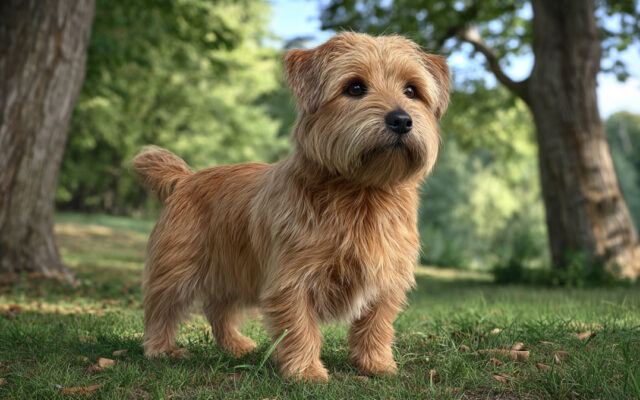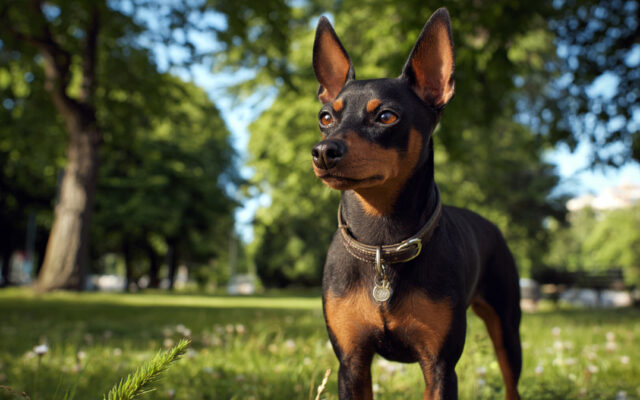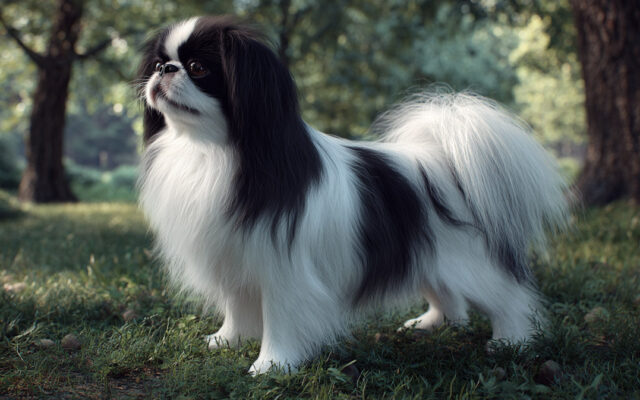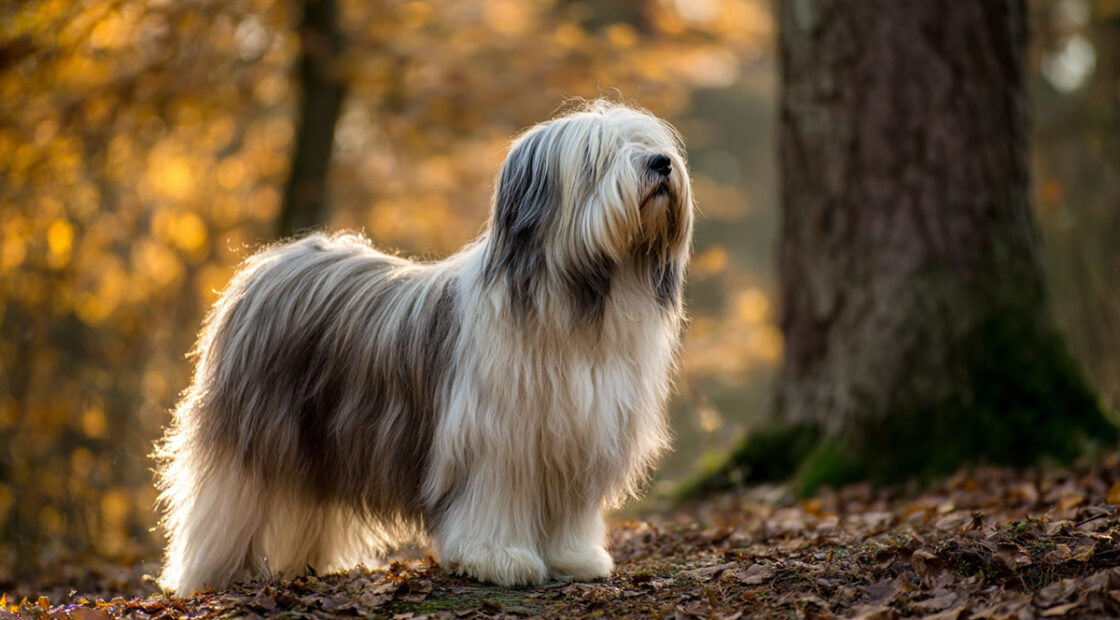
Picture a dog that once graced Renaissance paintings and nearly vanished from existence, only to emerge as one of today’s most charming companion dogs. The Lowchen, or “little lion dog,” combines royal heritage with modern practicality in a perfectly sized package.
This rare breed survived near-extinction to become a sought-after family pet. Their distinctive lion cut grooming and confident personality set them apart from other toy breeds.
Whether you’re considering adding this little lion dog to your family or simply curious about rare breeds, this guide covers everything you need to know. You’ll discover their unique characteristics, care requirements, and what makes them special among small dog breeds.
From their fascinating history with European nobility to modern-day life as therapy dogs, the Lowchen offers surprises at every turn. Unlike more common breeds such as the Poodle or Yorkshire Terrier, these dogs bring both rarity and remarkable temperament to the right homes.
Lowchen Statistics
| Characteristic | Details |
|---|---|
| Size Category | Toy breed |
| Height | 12-14 inches (30-36 cm) |
| Weight | Males: 15-18 lbs / Females: 12-15 lbs |
| Life Expectancy | 12-15 years |
| Energy Level | Moderate |
| Exercise Needs | 30 minutes daily |
| Grooming Requirements | High (daily brushing, professional grooming every 6-8 weeks) |
| Shedding | Low to moderate |
| Barking Level | Low to moderate |
| Trainability | High |
| Good with Children | Yes (with supervision for young children) |
| Good with Pets | Yes (early socialization recommended) |
| Apartment Suitable | Excellent |
| Climate Tolerance | Moderate (prefers temperate climates) |
| Common Health Issues | Luxating patella, progressive retinal atrophy, hip dysplasia |
| AKC Group | Non-sporting |
| Country of Origin | Europe (France/Belgium/Germany) |
| Coat Type | Double coat, long and silky |
| Coat Colors | All colors accepted |
| Hypoallergenic | Moderate (low dander production) |
| Rarity | Very rare |
| Price Range | $1,500 – $3,500+ |
| First-Time Owner Friendly | Yes (with grooming commitment) |
| Therapy Dog Potential | High |
Physical Characteristics and Breed Standards
Size and Proportions

The Lowchen stands 12 to 14 inches at the shoulder, making it a perfect apartment-sized companion. Males typically weigh between 15 to 18 pounds, while females range from 12 to 15 pounds.
This toy breed maintains a square body structure. The length from chest to buttocks equals the height at the withers.
The compact build creates an athletic appearance despite their small stature. Every part of their body works in harmony, from the level topline to the well-balanced gait.
Growth and Development
Lowchen puppies grow steadily but slowly compared to larger breeds. Most reach adult size by 12 to 15 months.
The dog age calculator helps track developmental milestones. Early growth spurts happen around 4 to 6 months.

Gender differences become more apparent as they mature. Males develop slightly broader chests and more substantial bone structure.
Coat and Colors
Coat Texture and Quality
The double coat feels soft and silky to the touch. The outer layer provides weather protection while the undercoat adds insulation.
Seasonal changes affect coat density. Winter brings a thicker undercoat, while summer coats become lighter and more manageable.
Unlike breeds such as the Maltese or Havanese, the Lowchen coat requires specific grooming techniques. The traditional lion cut defines the breed’s appearance.
Accepted Colors
All colors are acceptable according to breed standards. Solid colors include black, brown, cream, and white.
Parti-colors combine white with any other shade. Sable patterns show darker-tipped hairs over lighter bases.
The most common combinations include black and white, brown and white, or cream and white. Rare colors like silver or blue occasionally appear.
Hypoallergenic Properties
The Lowchen produces minimal dander compared to heavy-shedding breeds. Regular grooming removes loose hair before it falls naturally.
Their coat structure traps allergens rather than releasing them into the air. This makes them suitable for many people with mild dog allergies.
However, no dog is truly 100% hypoallergenic. Individual reactions vary based on sensitivity levels and exposure time.
Distinctive Features
Head and Expression
Round, dark eyes create an alert and intelligent expression. The eyes should be large but not protruding, unlike the Brussels Griffon or Pekingese.
Small pendant ears hang close to the head. The ear leather extends to approximately the corner of the mouth when pulled forward.
A black nose is preferred, though lighter pigmentation is acceptable on lighter-colored dogs. The muzzle is moderately short but not pushed in.
Body Structure
The neck is of moderate length with a slight arch. It flows smoothly into well-laid-back shoulders.
The chest is moderately broad with good depth. Ribs are well-sprung but not barrel-shaped like some toy breeds.
Tail Characteristics
The tail is set high and carried curved over the back. Natural tail carriage shows confidence and alertness.
In the traditional lion clip, the tail retains a plume of hair at the tip. This creates the signature “lion” appearance the breed is known for.
The tail should never be docked or altered. Natural length varies but typically reaches the hock when extended.
Temperament and Personality Traits
The Lowchen Character

Confidence and Attitude
This little lion dog lives up to its name with remarkable self-assurance. They approach new situations with curiosity rather than fear.
Size means nothing to a well-socialized Lowchen. They’ll confidently interact with larger dogs and new people alike.
Their natural poise makes them excellent therapy dog candidates. The calm confidence translates well to hospital and nursing home visits.
Alertness Without Aggression
Lowchens make excellent watchdogs due to their keen awareness. They notice changes in their environment quickly and will alert their families.
However, excessive barking isn’t typical of the breed. Unlike some toy breeds that bark constantly, Lowchens vocalize with purpose.
This companion dog temperament balances alertness with social grace. They know when to sound an alarm and when to remain quiet.
Playful Nature
Adult Lowchens retain puppy-like enthusiasm throughout their lives. Play sessions bring out their silly, entertaining side.
They enjoy interactive games that challenge their intelligence. Puzzle toys and hide-and-seek keep them mentally stimulated for hours.
Their playfulness adapts to their owner’s energy level. Active families get an enthusiastic playmate, while seniors enjoy a gentler companion.
Social Behavior
Family Relationships
The toy breed forms strong bonds with all family members, not just one person. They distribute their affection generously among household members.
Children particularly enjoy the Lowchen’s patient nature. They tolerate gentle handling and participate willingly in supervised play.
However, very young children need supervision around any small dog. Teaching proper interaction protects both child and dog from accidental injury.
Stranger Interactions
Initial reserve toward strangers is normal and desirable. A well-bred Lowchen assesses newcomers before deciding on the appropriate response.
Proper socialization creates a dog that’s polite but not shy with visitors. They often warm up quickly once introductions are made.
Unlike more reserved breeds like the Chinese Shar-Pei or Chow Chow, Lowchens generally enjoy meeting new people.
Multi-Pet Households
These companion dogs typically integrate well with other pets. Their non-aggressive nature helps them fit into existing pack structures.
Early socialization with cats creates lifelong friendships. Many Lowchens live peacefully with feline housemates.
They often do better with dogs of similar size or larger gentle breeds. Very large, active dogs might accidentally injure a small Lowchen during play.
Intelligence and Trainability
Learning Abilities
The Lowchen’s intelligence shines during training sessions. They learn basic commands quickly and retain information well.
Problem-solving abilities make them entertaining companions. They figure out how to open doors, find hidden treats, and navigate obstacle courses.
Their attention span exceeds that of many toy breeds. Fifteen to twenty-minute training sessions hold their focus effectively.
Training Response
Positive reinforcement works exceptionally well with this breed. Food rewards, praise, and play motivate them to learn new behaviors.
Harsh corrections or punishment methods backfire with sensitive Lowchens. They respond better to gentle guidance and consistent boundaries.
Unlike more independent breeds such as the Basenji or Afghan Hound, Lowchens actively seek to please their owners.
Natural Behaviors
Lowchens possess moderate prey drive compared to terrier breeds. They may chase small animals but usually respond to recall training.
Their herding instincts are minimal, making them easier to train than breeds like the Australian Cattle Dog or Border Collie.
Digging and destructive chewing aren’t typical breed behaviors. Most behavioral issues stem from boredom or lack of exercise rather than genetic tendencies.
Living with a Lowchen
Housing and Space Requirements

Apartment Living Suitability
The Lowchen excels in apartment settings thanks to their moderate exercise needs and quiet nature. Their small size makes them ideal for urban living situations.
Unlike high-energy breeds that need large yards, these toy dogs adapt well to smaller spaces. A daily walk and some indoor playtime satisfy most of their activity requirements.
Their generally quiet demeanor won’t disturb neighbors. They bark when necessary but don’t engage in nuisance vocalizations like some apartment-unsuitable breeds.
Outdoor Space Preferences
A securely fenced yard provides opportunities for safe exploration and bathroom breaks. However, extensive outdoor space isn’t mandatory for this breed.
They enjoy supervised time in gardens or parks but don’t require constant outdoor access. Their exercise needs can be met through indoor activities when weather doesn’t cooperate.
Small dog breeds like the Lowchen appreciate secure outdoor areas where they can’t escape or encounter larger predators.
Climate Considerations
Moderate temperatures suit Lowchens best. Their coat provides some protection from cool weather, but extreme temperatures require special care.
Hot weather can be challenging for this breed. Their flat face isn’t as extreme as a Bulldog or French Bulldog, but they still need cooling precautions.
Cold weather tolerance varies by individual. Some Lowchens enjoy winter walks, while others prefer staying warm indoors.
Exercise and Activity Needs
Daily Exercise Requirements
Thirty minutes of daily activity keeps most Lowchens healthy and content. This can be divided into multiple short sessions throughout the day.
Morning and evening walks provide mental stimulation through new sights and smells. The walks don’t need to be long or strenuous.
Their exercise needs are significantly lower than active breeds like the Jack Russell Terrier or Australian Shepherd.
Mental Stimulation Activities
Puzzle toys and treat-dispensing games challenge their intelligence. These activities tire them mentally, which is as important as physical exercise.
Hide-and-seek games tap into their natural curiosity. Hiding treats or toys around the house creates an engaging treasure hunt.
Training sessions double as mental exercise. Teaching new tricks or practicing obedience commands keeps their minds sharp.
Age-Appropriate Exercise
Puppies need shorter, more frequent activity periods. Their growing joints can’t handle extensive exercise until they mature.
Adult Lowchens handle moderate activity well but shouldn’t be pushed beyond their limits. Signs of fatigue include excessive panting or reluctance to continue.
Senior dogs may need adjusted exercise routines. Shorter walks and gentler play sessions accommodate aging joints and reduced stamina.
Family Life Integration

Children and Lowchens
These companion dogs generally do well with children who understand how to interact with small pets. They’re patient but not indestructible.
School-age children can learn proper handling techniques and participate in care routines. This teaches responsibility while strengthening the bond.
Toddlers need constant supervision around any small dog. Their unpredictable movements and loud sounds can startle or accidentally harm a Lowchen.
Senior Companions
The Lowchen’s calm, affectionate nature makes them excellent companions for older adults. Their size makes them manageable for people with limited mobility.
They provide emotional support without being physically demanding. Unlike larger breeds that might accidentally knock someone over, Lowchens offer gentle companionship.
Their moderate grooming needs and exercise requirements suit many seniors’ lifestyles. Professional grooming every 6-8 weeks handles major coat care.
Multi-Pet Dynamics
Introducing a Lowchen to existing pets requires patience and planning. Gradual introductions in neutral territory work best.
They typically coexist peacefully with other small to medium dogs. Very large dogs might see them as prey or accidentally injure them during rough play.
Cat introductions can be successful with proper supervision. Many Lowchens form close friendships with feline housemates.
Daily Care Routines
Feeding Schedules
Adult Lowchens do well with two meals per day, spaced 8-12 hours apart. This prevents hypoglycemia common in small breeds.
Puppies need three to four smaller meals daily until they’re about six months old. Their faster metabolisms require more frequent feeding.
Free-feeding isn’t recommended as it makes house training more difficult and can lead to overeating.
Grooming Integration
Daily brushing prevents mats and keeps the coat healthy. This 10-15 minute routine becomes an enjoyable bonding time.
Professional grooming every 6-8 weeks maintains the breed’s appearance. The traditional lion cut requires skilled grooming techniques.
Unlike low-maintenance breeds such as the Beagle or Labrador Retriever, Lowchens need regular coat care to look their best.
Training Your Lowchen
Basic Obedience Training

House Training Methods
Crate training provides the foundation for successful house training. Lowchens naturally avoid soiling their sleeping area.
Take your puppy outside immediately after meals, naps, and play sessions. Consistency creates predictable bathroom habits.
Most toy breeds take longer to house train than larger dogs. Their smaller bladders require more frequent trips outside.
Crate Training Benefits
A properly sized crate becomes your Lowchen’s safe haven. It should be large enough to stand, turn around, and lie down comfortably.
Unlike breeds such as the German Shepherd Dog that may resist confinement, most Lowchens adapt quickly to crate training.
Start with short periods and gradually increase duration. Never use the crate as punishment.
Leash Training Techniques
Begin leash training indoors with a lightweight collar and leash. Let your puppy drag the leash while supervised to get used to the feeling.
Positive reinforcement works better than pulling or forcing movement. Reward forward motion with treats and praise.
Small breeds like the Lowchen need appropriately sized equipment. Heavy collars or thick leashes can overwhelm them.
Essential Commands
Recall Training
Teaching “come” is crucial for toy dog safety. Start in a secure, enclosed area with minimal distractions.
Use high-value treats and enthusiastic praise when your Lowchen responds. Make coming to you the best thing that happens.
Never call your dog to come for something unpleasant. This breaks down the positive association with the command.
Sit and Stay Commands
The “sit” command typically comes naturally to most dogs. Hold a treat above your Lowchen’s head and slowly move it back.
“Stay” requires more patience and practice. Start with very short durations and gradually increase the time.
Unlike high-energy breeds like the Siberian Husky or Border Terrier, Lowchens usually have good focus for training sessions.
Socialization Strategies
Early Puppy Socialization
The critical socialization window occurs between 3 and 14 weeks of age. Exposure during this period shapes lifelong attitudes.
Introduce your puppy to various surfaces, sounds, people, and experiences gradually. Keep interactions positive and brief.
Puppy classes provide controlled environments for meeting other dogs. Choose classes that separate puppies by size for safety.
Environmental Exposure
Expose your Lowchen to different environments beyond your home. Car rides, pet stores, and outdoor cafes provide valuable experiences.
Urban sounds like traffic, sirens, and construction equipment should be introduced gradually. Start with recordings at low volumes.
Unlike naturally confident breeds such as the Golden Retriever or Labrador Retriever, some Lowchens need extra encouragement during socialization.
People and Pet Interactions
Arrange controlled meetings with different types of people. Include children, seniors, people wearing hats, and those using mobility aids.
Dog park visits require careful consideration for small breeds. Choose parks with separate small dog areas or visit during less crowded times.
Some dogs never become comfortable with all situations, and that’s okay. Focus on the experiences most relevant to your lifestyle.
Advanced Training Opportunities
Agility Training
Small breed agility classes offer excellent mental and physical stimulation. Equipment is scaled appropriately for toy dogs.
Lowchens typically excel at agility due to their intelligence and eagerness to please. The sport builds confidence and strengthens the human-dog bond.
Start with basic obstacles like tunnels and low jumps. Progress slowly to prevent injury and maintain enthusiasm.
Therapy Dog Certification
The Lowchen’s calm temperament and manageable size make them excellent therapy dog candidates. They provide comfort without being overwhelming.
Certification requires passing temperament tests and obedience evaluations. Dogs must remain calm around medical equipment and unpredictable movements.
Unlike larger therapy breeds such as the Golden Retriever or Newfoundland, Lowchens can easily sit on hospital beds or in wheelchairs.
Competition Training
Rally obedience combines obedience with agility-style courses. Dogs and handlers navigate stations with different exercises.
Competitive obedience showcases precision training and the strong bond between dog and handler. Lowchens can excel in novice through advanced levels.
Trick training develops creativity and problem-solving skills. Many Lowchens learn complex sequences of behaviors.
Health and Wellness
Common Health Concerns

Joint and Bone Issues
Luxating patella affects many small breeds including the Lowchen. The kneecap dislocates from its normal position, causing lameness.
Grades range from I (mild) to IV (severe). Mild cases may only require monitoring, while severe cases need surgical correction.
Hip dysplasia occurs less frequently in toy breeds but still requires screening. Responsible breeders test breeding stock.
Eye Conditions
Progressive retinal atrophy causes gradual vision loss and eventual blindness. DNA testing can identify carriers before breeding.
Regular eye exams detect problems early when treatment may be more effective. Annual screenings are recommended for breeding dogs.
Unlike breeds prone to eye injuries such as the Pug or Pekingese, Lowchens have well-protected eyes.
Cardiac Health
Heart conditions appear in some toy breed lines. Cardiac screening should begin by age one year.
Symptoms include exercise intolerance, coughing, and difficulty breathing. Early detection allows for management strategies.
Regular veterinary checkups monitor heart health throughout the dog’s life. Senior dogs need more frequent cardiac evaluations.
Preventive Healthcare
Vaccination Protocols
Core vaccines protect against rabies, distemper, parvovirus, and adenovirus. Follow your veterinarian’s recommended schedule.
Non-core vaccines depend on lifestyle and geographic location. Lyme disease, kennel cough, and leptospirosis may be recommended.
Small dogs can experience vaccine reactions more frequently than larger breeds. Monitor your Lowchen for several hours after vaccinations.
Parasite Prevention
Monthly heartworm prevention is essential in most geographic areas. Heartworm treatment is dangerous and expensive compared to prevention.
Flea and tick prevention protects against disease transmission and skin irritation. Choose products appropriate for your dog’s weight.
Intestinal parasites require regular screening through fecal examinations. Puppies need more frequent deworming than adults.
Dental Care
Small breed dogs develop dental problems earlier than larger breeds. Daily teeth brushing prevents tartar buildup and gum disease.
Professional dental cleanings may be needed annually or biannually. Anesthesia-free dental cleanings don’t address problems below the gum line.
Dental treats and toys supplement brushing but don’t replace proper oral hygiene. Choose appropriately sized products.
Lifespan and Aging
Expected Longevity
Well-bred Lowchens typically live 12 to 15 years. Some individuals reach 16 or 17 years with excellent care.
Their lifespan exceeds that of many larger breeds such as the Great Dane or Saint Bernard that average 8-10 years.
Genetics, nutrition, exercise, and veterinary care all influence longevity. Responsible breeding practices help ensure healthier dogs.
Senior Care Adjustments
Geriatric screening should begin around age 8-9 years. Blood work, eye exams, and cardiac evaluations detect age-related changes.
Joint supplements may help maintain mobility as cartilage breaks down. Glucosamine and chondroitin are commonly recommended.
Cognitive dysfunction affects some senior dogs. Symptoms include disorientation, sleep changes, and house training accidents.
Quality of Life Monitoring
Regular assessment helps determine when medical intervention is needed versus palliative care. Quality of life scales provide objective measurements.
Pain management becomes increasingly important in senior years. Modern veterinary medicine offers many options for chronic pain.
End-of-life decisions are deeply personal. Work closely with your veterinarian to ensure your dog’s comfort and dignity.
Grooming and Maintenance
Daily Grooming Routine
Brushing Techniques
Daily brushing prevents mats and distributes natural oils through the coat. Use a slicker brush followed by a metal comb.
Start brushing from the skin outward, working in small sections. Pay special attention to areas prone to matting like behind the ears and under the legs.
Unlike low-maintenance breeds such as the Whippet or Boston Terrier, Lowchens require consistent coat care.
Mat Prevention
Mats form quickly in areas of friction and moisture. Check behind the ears, under the front legs, and around the collar area daily.
Detangling spray helps work out small mats before they become problematic. Never cut mats out without trying to brush them first.
Regular brushing is far easier than dealing with severely matted coats that require professional intervention.
Eye and Ear Care
Clean around the eyes daily with a damp cloth. Some Lowchens develop tear stains that require special cleaners.
Ear cleaning should be done weekly or as needed. Use a veterinarian-approved solution and cotton balls, never cotton swabs.
Unlike breeds with naturally clean ears such as the Collie or Greyhound, toy breeds often need more frequent ear attention.
Professional Grooming
Traditional Lion Cut
The lion clip defines the breed’s appearance in the show ring. Hair is removed from the hindquarters, leaving a mane around the front half.
The feet are shaved clean with pompoms left on the ankles. The tail is clipped except for a plume at the tip.
This grooming style requires skill and practice. Not all professional groomers are familiar with breed-specific cuts.
Alternative Styling Options
Puppy cuts maintain a uniform length all over the body. This style is easier to maintain between professional appointments.
Many pet owners prefer modified versions that keep some of the traditional look while being more practical for daily life.
Summer cuts help dogs stay cool in hot weather but provide less protection from sun and insects.
Grooming Frequency
Professional grooming every 6 to 8 weeks maintains the coat and keeps nails trimmed. More frequent appointments may be needed during coat changes.
Show dogs require more intensive grooming routines and frequent touch-ups between competitions.
The cost of professional grooming should be considered when choosing this breed. Budget for regular appointments throughout the dog’s life.
At-Home Maintenance
Bathing Guidelines
Monthly baths keep the coat clean and healthy unless the dog gets particularly dirty. Over-bathing strips natural oils.
Use lukewarm water and dog-specific shampoo. Rinse thoroughly to prevent skin irritation from soap residue.
Unlike breeds that air-dry quickly such as the Italian Greyhound or Whippet, Lowchens need blow-drying to prevent matting.
Nail Care
Nail trimming every 2-3 weeks prevents overgrowth and splitting. Use appropriate-sized clippers for small dogs.
If you can hear nails clicking on hard floors, they’re too long. Long nails can cause pain and affect gait.
Start nail care early in puppyhood to make the process easier throughout the dog’s life.
Seasonal Considerations
Winter grooming may require less frequent baths but more attention to removing salt and ice from paws.
Summer cuts help with heat management but increase sun exposure risk. Apply dog-safe sunscreen to exposed skin.
Seasonal allergies can affect coat and skin condition. Adjust grooming routines based on environmental factors.
Feeding and Nutrition
Nutritional Requirements

Caloric Needs for Toy Breeds
Small breed dogs have faster metabolisms than larger breeds. Adult Lowchens typically need 300-400 calories per day depending on activity level.
Active dogs require more calories, while sedentary pets need fewer to prevent weight gain. Monitor body condition and adjust portions accordingly.
Unlike large breeds such as the Mastiff or Rottweiler that eat once daily, toy breeds do better with multiple meals.
Protein and Fat Requirements
High-quality protein should comprise 25-30% of the diet for adult dogs. Puppies need higher protein levels around 28-32%.
Fat provides concentrated energy and supports coat health. Adult dogs need 12-15% fat content in their food.
Too much fat can lead to pancreatitis, particularly dangerous in small breeds. Choose foods with moderate fat levels.
Age-Specific Nutritional Needs
Puppies under one year need puppy-specific formulas with increased calories, protein, and fat. Growth requires concentrated nutrition.
Senior dogs may need adjusted protein levels depending on kidney function. Some benefit from reduced calories to prevent weight gain.
Pregnant and nursing females have dramatically increased nutritional needs. Consult your veterinarian for feeding recommendations during reproduction.
Feeding Schedules and Portions
Meal Frequency by Age
Puppies under 12 weeks need four meals daily to prevent hypoglycemia. Their small stomachs can’t hold enough food for fewer meals.
Dogs 3-6 months old can transition to three meals per day. Most adult Lowchens do well with twice-daily feeding.
Free-feeding isn’t recommended as it makes house training harder and can lead to overeating or food guarding.
Portion Control Strategies
Use measuring cups rather than estimating portions. Small differences in food amounts significantly impact toy breeds.
Body condition scoring helps determine if portions are appropriate. You should feel ribs easily but not see them prominently.
Unlike larger breeds that can handle occasional overeating, toy breeds gain weight quickly from excess calories.
Treats and Training Rewards
Training treats should comprise no more than 10% of daily calories. Use small, soft treats that can be eaten quickly.
Many commercial treats are too large for toy breeds. Break treats into appropriately sized pieces.
Fruits and vegetables make healthy training rewards. Avoid grapes, raisins, onions, and other toxic foods.
Food Selection Guidelines
Kibble Size Considerations
Small kibble suits toy breed mouths better than large chunks. Many manufacturers make small-breed specific formulas.
Kibble size affects eating speed and enjoyment. Too-large pieces can cause choking or discourage eating.
Some Lowchens prefer slightly moistened kibble, especially as they age and teeth become more sensitive.
Wet Versus Dry Food Options
Wet food provides additional moisture and is often more palatable. It’s particularly helpful for dogs that don’t drink enough water.
Dry kibble helps clean teeth through mechanical action. It’s also more economical and convenient to feed.
Many owners combine both wet and dry food to provide variety and nutritional benefits of each type.
Special Dietary Considerations
Food allergies can develop at any age. Common allergens include chicken, beef, wheat, and corn.
Grain-free diets aren’t necessary for most dogs unless specific allergies exist. Recent research links some grain-free foods to heart problems.
Dogs with sensitive stomachs may benefit from limited-ingredient diets. Work with your veterinarian to identify problem foods.
Finding and Choosing a Lowchen
Reputable Breeder Research

Health Testing Requirements
Responsible breeders test breeding stock for genetic conditions common in the breed. This includes eye clearances and joint evaluations.
Breeding dogs should have current health clearances from organizations like OFA (Orthopedic Foundation for Animals) and CERF (Canine Eye Registration Foundation).
Ask to see health testing documentation for both parents. Legitimate breeders proudly share this information.
Breeder Evaluation Criteria
Visit the breeding facility in person when possible. Clean conditions and well-socialized dogs indicate responsible practices.
Puppies should be raised in the home environment, not kennels or outbuildings. Early socialization begins with the breeder.
Reputable breeders ask potential buyers questions about their lifestyle, experience, and expectations for the dog.
Contract Terms and Guarantees
Health guarantees should cover genetic conditions for at least two years. Understand what’s covered and what actions you must take.
Spay/neuter requirements and breeding restrictions are common in pet contracts. Co-ownerships may be offered for show-quality dogs.
Return policies protect both buyer and breeder if the placement doesn’t work out. Good breeders want their puppies back rather than in shelters.
Alternative Acquisition Options
Breed-Specific Rescue Organizations
Lowchen rescue groups occasionally have dogs available for adoption. These organizations understand the breed’s specific needs.
Rescued dogs may have unknown health histories but often come with basic veterinary care completed. Adoption fees typically cover vaccinations and spaying/neutering.
Unlike more common breeds such as the German Shepherd Dog or Labrador Retriever, Lowchen rescues are rare.
General Small Breed Rescues
Small breed rescue organizations sometimes have toy dogs available that could include Lowchen mixes or purebreds.
These rescues often foster dogs in homes, providing information about temperament and house training status.
Mixed breed dogs can make wonderful pets and may have fewer genetic health issues than purebreds.
Adult Dog Considerations
Adult dogs may already be house trained and past the destructive puppy phase. Their personalities are fully developed.
Health issues may be more apparent in adult dogs, allowing informed decisions about medical care needs.
Older dogs often transition more easily into new homes than puppies, especially in quiet households.
Preparation for Your New Dog
Home Safety Modifications
Puppy-proofing protects both your belongings and your new dog. Remove or secure electrical cords, toxic plants, and small objects.
Baby gates restrict access to certain areas while allowing supervision. Crate placement should be in a central family area.
Unlike larger dogs that can’t reach counters, small dogs need protection from falling objects and being stepped on accidentally.
Essential Supply Checklist
Food and Water Equipment
- Appropriately sized food and water bowls
- High-quality puppy or adult food (same brand the breeder used initially)
- Measuring cups for consistent portions
- Travel water bottle for outings
Safety and Identification
- Properly fitted collar with ID tags
- Lightweight leash appropriate for small dogs
- Microchip registration information
- Recent photo for identification purposes
Comfort Items
- Appropriately sized crate with comfortable bedding
- Toys suitable for toy breed mouths
- Grooming supplies including brush and nail clippers
- Enzymatic cleaner for house training accidents
Lowchen in Different Life Stages
Puppy Development

Birth to Eight Weeks
Neonatal puppies are completely dependent on their mother for the first two weeks of life. Eyes and ears open around 10-14 days.
Socialization begins around three weeks when puppies start interacting with littermates and humans. This period shapes lifelong attitudes.
Weaning typically starts around four weeks with complete transition to solid food by six to eight weeks.
Eight to Sixteen Weeks
The critical socialization period continues until about 14-16 weeks. Positive experiences during this time have lasting impact.
First vaccinations begin around 6-8 weeks with boosters every 3-4 weeks until 16 weeks old. Socialization must be balanced with disease prevention.
House training begins immediately but takes patience with small breeds. Puppies need frequent opportunities to eliminate outside.
Adolescent Development
Teenage dogs (6-18 months) may test boundaries and forget previously learned behaviors. Consistency in training is crucial.
Sexual maturity occurs around 6-12 months. Spaying and neutering decisions should be made in consultation with your veterinarian.
Unlike large breeds that continue growing until 18-24 months, most Lowchens reach adult size by 12 months.
Adult Prime Years
Physical and Mental Peak
Adult Lowchens (1-7 years) are at their physical and mental prime. Energy levels stabilize and training becomes more reliable.
This is the ideal time for advanced training, agility, or therapy work. Dogs have the focus and physical capability for demanding activities.
Routine veterinary care includes annual exams, vaccinations, and parasite prevention. Dental care becomes increasingly important.
Routine Establishment
Daily schedules become well-established during adult years. Dogs know when to expect meals, walks, and bedtime.
Behavioral issues that develop during this period often stem from boredom, lack of exercise, or changes in the household routine.
Unlike high-maintenance puppies or senior dogs with special needs, healthy adults require consistent but manageable care.
Activity Level Expectations
Adult Lowchens maintain playful attitudes but with more self-control than puppies. Exercise needs remain moderate throughout adult years.
Mental stimulation becomes as important as physical exercise. Puzzle toys and training sessions prevent boredom-related behaviors.
Travel and new experiences are often easier with mature dogs that have stable temperaments and reliable house training.
Senior Years
Age-Related Changes
Senior dogs (8+ years) may show subtle changes in energy, appetite, or behavior. These changes develop gradually and may not be immediately obvious.
Hearing and vision may decline, affecting how dogs respond to commands or navigate familiar spaces. Patience and accommodation help them adjust.
Unlike breeds such as the Great Dane or Irish Wolfhound that age quickly, Lowchens often remain active well into their teens.
Health Monitoring Priorities
Geriatric screening should begin around age 8 with blood work, urinalysis, and organ function tests. Early detection allows better management of age-related conditions.
Arthritis commonly develops in senior dogs, affecting mobility and comfort. Weight management becomes even more important to reduce joint stress.
Cognitive changes can occur, including disorientation, altered sleep patterns, and house training accidents. These symptoms warrant veterinary evaluation.
Comfort and Mobility Accommodations
Orthopedic beds provide extra support for aging joints. Raised food bowls may be easier for dogs with neck or back problems.
Ramps or steps help senior dogs access favorite furniture or navigate stairs safely. Non-slip rugs prevent falls on smooth floors.
Temperature regulation may become less efficient with age. Senior dogs often appreciate warmer sleeping areas and may need coats in cold weather.
End-of-Life Considerations
Quality of life assessments help guide decisions about medical interventions versus palliative care. Consider mobility, appetite, and engagement with family.
Pain management has advanced significantly in veterinary medicine. Many options exist for keeping senior dogs comfortable.
End-of-life planning is difficult but important. Discuss your preferences with your veterinarian before crisis situations arise.
FAQ on Lowchen
Are Lowchens good apartment dogs?
Yes, Lowchens adapt perfectly to apartment living due to their small size and moderate exercise needs. They’re quieter than many toy breeds and don’t require large outdoor spaces. Their calm temperament makes them ideal apartment dogs for urban dwellers.
How much grooming do Lowchens need?
Daily brushing prevents mats, with professional grooming every 6-8 weeks for the traditional lion cut. Their double coat requires more maintenance than low-grooming breeds like the Chihuahua or Miniature Pinscher. Regular care keeps them looking their best.
Are Lowchens hypoallergenic?
Lowchens produce less dander than heavy-shedding breeds, making them suitable for some allergy sufferers. However, no dog is completely hypoallergenic. Their coat structure traps allergens better than breeds like the German Shepherd Dog or Golden Retriever.
How rare are Lowchens?
Extremely rare – they were once listed in the Guinness Book of Records as the world’s rarest breed. Fewer than 300 puppies are registered annually in North America. Finding reputable breeders requires patience and research.
Do Lowchens bark a lot?
Lowchens bark when alerting to visitors or unusual sounds but aren’t excessive barkers like some toy breeds. They’re more reserved than the Pomeranian or Miniature Schnauzer. Proper training reduces unnecessary vocalizations.
What health problems do Lowchens have?
Luxating patella and progressive retinal atrophy are the main genetic concerns. Hip dysplasia occurs less frequently than in larger breeds. Regular health screening and choosing health-tested parents reduces risks significantly.
How long do Lowchens live?
12 to 15 years is typical, with some reaching 16-17 years. Their lifespan exceeds that of larger breeds like the Bernese Mountain Dog or Boxer. Proper care and genetics influence longevity.
Are Lowchens good with children?
Well-socialized Lowchens do well with respectful children who understand small dog handling. They’re patient but not indestructible like larger family dogs. Supervision is needed with toddlers to prevent accidental injury to the dog.
How much exercise do Lowchens need?
30 minutes daily of moderate activity meets most Lowchens’ needs. This includes walks, indoor play, and mental stimulation. They require less exercise than active breeds like the Australian Shepherd or Brittany.
Can Lowchens be left alone during the day?
Adult Lowchens can handle 6-8 hours alone with proper preparation and training. They’re less prone to separation anxiety than velcro breeds. Providing mental stimulation through puzzle toys helps pass time constructively.
Conclusion
The Lowchen represents everything wonderful about toy dog ownership wrapped in a rare, historically significant package. Their transformation from European court dogs to modern family companions shows remarkable adaptability.
This rare breed offers the perfect balance of manageable size and robust temperament. Unlike more fragile toy breeds, they handle family life with confidence and grace.
Professional grooming requirements and higher costs make them a commitment, not an impulse purchase. However, families who appreciate their unique qualities find them incredibly rewarding.
Their intelligence and trainability exceed many expectations for small companion dogs. Whether serving as therapy animals or simply providing daily joy, they excel in their chosen roles.
For those seeking something different from common breeds like the Cavalier King Charles Spaniel or Papillon, the little lion dog delivers personality in abundance. Their rarity makes each one special, but their hearts make them unforgettable.