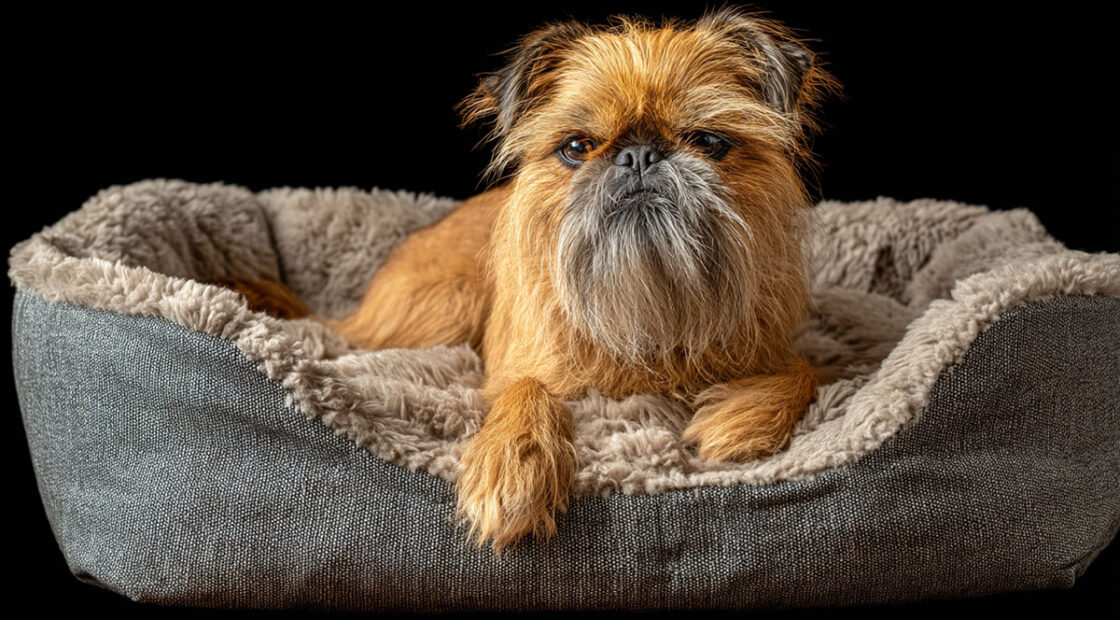
The Brussels Griffon captivates owners with its almost human-like expression and outsized personality packed into a tiny frame.
This toy dog breed originated in Belgium as ratters but evolved into beloved companions with their sturdy build and expressive face.
Their distinctive monkey face appearance—complete with prominent beard and eyebrows—makes them instantly recognizable among small apartment dogs.
Standing under 10 inches tall, these square-proportioned companions deliver enormous character despite their small stature.
This guide explores:
- Signature temperament traits of this loyal pet
- Specialized care for both rough coat and smooth coat varieties
- Common small breed health issues and prevention
- Training techniques that work with their intelligent breed mind
Recognized by the American Kennel Club in the toy group, Brussels Griffons combine watchdog instincts with deep affection, making them perfect companions for devoted owners willing to meet their unique needs.
Brussels Griffon Breed Statistics
| Characteristic | Details |
|---|---|
| Origin | Belgium (Brussels) |
| Size Classification | Toy breed |
| Height | 7-10 inches (18-25 cm) |
| Weight | 6-12 pounds (3-5 kg) |
| Lifespan | 12-15 years |
| Coat Types | Rough coat (wiry) or Smooth coat (Petit Brabancon) |
| Colors | Red, belge (mix of black and reddish brown), black, black and tan |
| Temperament | Alert, sensitive, loyal, stubborn, affectionate |
| Energy Level | Moderate |
| Exercise Needs | 30 minutes daily (two 15-minute walks) |
| Grooming | Rough coat: 2-3 times weekly Smooth coat: Weekly |
| Shedding | Moderate |
| Trainability | Moderate (intelligent but independent) |
| Good with Children | Better with older, gentle children |
| Good with Other Pets | Generally good with proper socialization |
| Apartment Friendly | Excellent |
| Barking Tendency | Moderate to high |
| Heat Tolerance | Low (brachycephalic breed) |
| Cold Tolerance | Low (small size) |
| Health Issues | Respiratory problems, eye conditions, patella luxation, dental issues |
| Recognition | AKC Toy Group, UKC Companion Group |
| Average Cost | $1,500-$4,000 (purebred from breeder) $250-$750 (rescue/adoption) |
| Protective Nature | Alert watchdog, but not aggressive |
| Adaptability | High |
| Separation Anxiety Risk | High |
Personality and Temperament
Signature Behavioral Traits
The Brussels Griffon possesses a distinct personality that sets this toy dog breed apart.
With their monkey face expressions, these dogs display almost human-like emotions that endear them to owners.
Their watchdog tendencies make them alert companions despite their small stature. They bark decisively at strangers, acting as natural sentinels for your home.
Brussels Griffons show remarkable sensitivity to owner moods. This Belgian dog breed forms deep bonds with their humans, often mirroring their emotional states with uncanny accuracy.
The breed exhibits a stubborn yet affectionate nature. This sturdy build dog won’t easily back down when determined, but balances this trait with heartfelt devotion to their family.
Social Behavior
With family members, the Brussels Griffon shows exceptional loyalty.
They form particularly strong attachments to their primary caregiver, though they typically love the entire household with equal enthusiasm.
Their attitude toward strangers reveals their protective instincts. While not aggressive, this companion dog maintains healthy skepticism until proper introductions occur.
When considering compatibility with other pets:
- Generally good with other dogs, especially with proper socialization
- Can live harmoniously with cats when introduced properly
- May chase smaller pets due to their terrier-like instincts
- Benefits from small breed socialization techniques
Separation anxiety concerns are significant with this breed. The Brussels Griffon forms such intense bonds that being alone can trigger distress.
Creating structured alone time and gradual departures helps manage this tendency.
Intelligence and Trainability
Brussels Griffons demonstrate impressive problem-solving abilities for their size.
Their keen minds quickly figure out puzzles, especially when motivated by treats or praise.
They respond exceptionally well to positive reinforcement. Harsh methods damage their sensitive nature, while gentle, consistent training builds confidence.
Common training challenges include:
- Stubbornness when uninterested
- House training difficulties common to small breeds
- Occasional selective hearing
- Resource guarding tendencies
Their learning capacity exceeds what many expect from toy breeds.
Registered with the American Kennel Club in the toy group, these dogs possess intellect comparable to larger working breeds, though their attention span matches their small size.
Care and Maintenance

Grooming Requirements
The Brussels Griffon comes in two coat varieties requiring different care approaches.
The rough coat needs regular brushing to prevent matting, especially around their distinctive beard and eyebrows.
The smooth coat variety (Petit Brabancon) requires less intensive grooming but still benefits from weekly brushing.
Brushing frequency depends on coat type:
- Rough coat: 2-3 times weekly with slicker brush
- Smooth coat: Once weekly with soft bristle brush
- Both types shed moderately throughout the year
Professional grooming needs become apparent every 8-12 weeks. Regular trimming maintains the breed’s characteristic appearance, with special attention to their facial features.
Eye and facial fold maintenance prevents common brachycephalic breed issues. Their short muzzles create natural facial wrinkles that need regular cleaning to prevent infection and irritation.
Exercise Needs
Daily activity requirements for this small apartment dog remain modest but essential. Two 15-20 minute walks typically satisfy their physical needs while providing mental stimulation.
Indoor play recommendations include:
- Interactive toy sessions
- Hide-and-seek games
- Short training sessions
- Gentle tug-of-war with appropriate toys
Safe outdoor activities should accommodate their size and respiratory limitations.
Monitor them carefully during play with larger dogs, as their confident personality might exceed their physical capabilities.
Exercise limitations exist due to their flat-faced dog breed status. Their shortened airways make them prone to overheating and breathing difficulties.
Always monitor outdoor activity in warm weather and limit exertion during temperature extremes.
Nutritional Needs
Caloric requirements for Brussels Griffons align with other small breeds—approximately 40 calories per pound of body weight daily, adjusted for activity level and metabolism.
Quality food selection matters tremendously. Look for:
- High-protein formulations specifically designed for toy breeds
- Limited fillers and artificial ingredients
- Appropriate kibble size for their small mouths
- Formulas addressing potential small dog sensitivities
Feeding schedule recommendations typically involve divided meals:
- Puppies: 3-4 small meals daily
- Adults: 2 meals daily
- Seniors: 2-3 smaller meals to aid digestion
Common food sensitivities include wheat, corn, and certain proteins. Monitor for signs of allergies such as excessive scratching, ear infections, or digestive upset.
Consult with small animal veterinarians to address dietary concerns.
Living Space Considerations
Apartment suitability ranks high for this breed. The Brussels Griffon thrives in smaller living spaces, making them ideal urban companions.
Yard requirements remain minimal. While they enjoy outdoor exploration, they don’t need large spaces to exercise or stay content. A small, secure area provides adequate outdoor enjoyment.
Climate sensitivity demands attention from responsible owners. Their brachycephalic nature makes them vulnerable to heat, while their small size means they get cold quickly.
Both extremes require appropriate accommodations.
Travel adaptability varies by individual. Many Brussels Griffons become excellent travel companions with proper training, though their sensitivity may make new environments stressful. Familiar items and consistent routines help ease pet travel anxiety.
Health and Wellness

Common Health Concerns
Brussels Griffons face several breed-specific health issues. Their brachycephalic structure creates respiratory challenges that require careful monitoring, especially during exercise or hot weather.
Eye conditions frequently affect this breed. Their prominent eyes are vulnerable to:
- Corneal ulcers
- Cherry eye
- Progressive retinal atrophy
- Cataracts
Dental problems plague many small breeds, including the Brussels Griffon.
Their small mouths often lead to overcrowded teeth, increasing risks of periodontal disease and tooth loss. Regular canine dental health care prevents most issues.
Joint and patella issues commonly occur in this toy breed.
Patella luxation (slipping kneecaps) affects many Brussels Griffons, causing intermittent lameness and potential long-term mobility problems.
Preventive Care
Vaccination schedules follow standard small animal veterinarian protocols, though some vets tailor approaches for toy breeds.
Core vaccines include rabies, distemper, parvovirus, and adenovirus.
Regular checkup importance cannot be overstated. Twice-yearly examinations help catch potential health issues early, particularly important for breeds with known genetic concerns like the Brussels Griffon.
Dental hygiene practices should include:
- Daily tooth brushing with dog-specific toothpaste
- Dental chews designed for small mouths
- Professional cleanings as recommended
- Regular inspection for signs of disease
Weight management prevents numerous health complications.
This square-proportioned breed easily becomes overweight, which exacerbates joint problems and respiratory issues. Maintain appropriate weight through measured feeding and regular exercise.
Lifespan and Aging
Average life expectancy runs between 12-15 years. With proper care, many Brussels Griffons reach the upper end of this range or beyond.
Signs of aging appear gradually. Watch for:
- Graying around the muzzle
- Reduced activity levels
- Changes in sleep patterns
- Decreased vision or hearing
Senior care adjustments become necessary around age 10. Consider:
- Joint supplements containing glucosamine and chondroitin
- More frequent veterinary exams
- Adjusted diet for senior needs
- Modified exercise routines
Quality of life considerations should guide all senior care decisions.
This loyal pet deserves comfort and dignity throughout their golden years, with pain management and appropriate accommodations as needed.
Finding and Choosing a Brussels Griffon
Puppy Selection
Reputable breeder identification represents your first critical step.
Look for breeders registered with the American Kennel Club or United Kennel Club who perform health testing and prioritize temperament over appearance.
When examining a healthy puppy, observe:
- Clear, bright eyes without discharge
- Clean ears
- Even gait without limping
- Appropriate weight and energy
- Proper breed characteristics
Temperament testing helps match puppies to owners. A good breeder conducts formal evaluations or allows extended interaction to assess personality traits.
Questions to ask breeders should cover:
- Health testing performed on parents
- Socialization practices
- Guarantees offered
- Support provided after purchase
- Experience with the toy dog breed
Rescue and Adoption
Breed-specific rescue organizations exist nationwide, dedicated to rehoming Brussels Griffons. These groups thoroughly evaluate health and temperament before placement.
Adopting adult Griffons offers many advantages:
- Known personality
- Often already house-trained
- Lower energy requirements
- Tremendous gratitude
Special considerations for rescued dogs include potential adjustment periods and unknown history. Patience and consistent routine help these dogs transition successfully to new homes.
Success stories abound with rescued Brussels Griffons. Many overcome challenging backgrounds to become wonderful companions, proving the resilience of this intelligent breed.
Cost Considerations
Initial purchase or adoption fees vary significantly. Purebred dogs from reputable breeders typically cost $1,500-$4,000, while rescue adoption fees range from $250-$750.
Ongoing care expenses include:
- Quality food ($30-50 monthly)
- Regular grooming ($50-80 every 6-8 weeks)
- Toys and supplies
- Preventive veterinary care
Pet insurance options deserve serious consideration. The breed’s predisposition to certain health conditions makes coverage a wise investment, potentially saving thousands in emergency care.
Potential medical costs can accumulate quickly. Respiratory surgery may reach $2,000-3,500, while patella repair often exceeds $1,500 per knee.
Budget accordingly for these possibilities throughout your Brussels Griffon’s life.
Training and Socialization

Early Puppy Training
House training techniques require consistency with the Brussels Griffon. Their small bladders necessitate frequent outdoor trips, especially after meals, naps, and play sessions.
Basic command instruction works best with positive reinforcement. This intelligent breed responds well to:
- Short, focused sessions
- High-value treats
- Enthusiastic praise
- Clicker training methods
Crate training benefits both dog and owner. A properly sized crate provides security for this sensitive temperament breed while preventing destructive behaviors when unsupervised.
Dealing with stubborn streaks requires patience. The breed’s independent nature sometimes manifests as resistance to commands.
Stay calm, redirect attention, and make training engaging rather than confrontational.
Socialization Practices
Critical socialization periods occur between 3-14 weeks. During this time, expose your Griffon Bruxellois to:
- Various people (different ages, appearances, voices)
- Other animals when possible
- Different sounds and environments
- Gentle handling of paws, ears, and mouth
Exposure to different environments builds confidence. Take your puppy to pet-friendly stores, outdoor cafes, and quiet parks to experience new sights, sounds, and smells in a controlled manner.
Meeting other dogs safely requires careful management.
Arrange playdates with known, friendly dogs of appropriate size, as their sturdy build belies their vulnerability to injury from larger, rougher playmates.
Building confidence in shy Griffons happens gradually. Dog training schools can provide structured socialization in safe settings with professional guidance to prevent negative experiences.
Behavior Management
Addressing excessive barking starts with understanding triggers. Brussels Griffons often bark when:
- Alerting to visitors or perceived threats
- Seeking attention
- Experiencing anxiety
- Expressing excitement
Preventing small dog syndrome requires consistent rules and expectations. Don’t excuse inappropriate behaviors due to size – maintain the same behavioral standards you would for larger breeds.
Managing protective tendencies means early socialization with visitors. Their natural alert watchdog instincts can intensify without proper guidance, leading to unnecessary aggression toward strangers.
Correcting undesirable behaviors works best through redirection and positive reinforcement.
Canine behavioral specialists recommend ignoring unwanted behaviors when possible while rewarding alternatives.
Life with a Brussels Griffon

Family Integration
The Brussels Griffon’s role in household dynamics often centers on companionship.
These canine companions thrive on human interaction and quickly become the emotional center of many homes.
Compatibility with children requires consideration:
- Best with older, gentle children
- May fear rough handling from toddlers
- Need supervision with very young children
- Can form protective bonds with respectful kids
Bonding activities strengthen your relationship:
- Training games
- Gentle play sessions
- Quiet cuddle time
- Short walks together
Daily routines provide security for this companion dog. Regular meal times, walks, and sleep schedules create stability that reduces anxiety and builds trust.
Brussels Griffons in Popular Culture
Famous Griffons in film include Verdell from “As Good As It Gets,” showcasing the breed’s expressive face and engaging personality to mainstream audiences.
Social media celebrities have emerged in recent years.
Several Brussels Griffons boast impressive followings on Instagram and TikTok, with their monkey face expressions delighting followers worldwide.
Historical notable owners include Queen Marie Henriette of Belgium, whose royal patronage helped establish the breed’s popularity throughout Europe in the 19th century.
Travel and Activities
Car travel tips include using properly secured carriers or harnesses.
Their small size makes them excellent travel companions, though dog walking services may be needed for longer trips.
Griffon-friendly vacations often include:
- Pet-friendly hotels and rentals
- Outdoor cafes and restaurants
- Moderate hiking trails
- Urban sightseeing opportunities
Dog sports and competitions suitable for Brussels Griffons include:
- Agility (modified for size)
- Rally obedience
- Trick dog competitions
- Scent work
Social events and meetups organized through breed registries or local clubs provide opportunities for both dogs and owners to connect with the broader Brussels Griffon community.
FAQ on Brussels Griffon
Are Brussels Griffons good apartment dogs?
Yes! This small apartment dog thrives in compact living spaces. Their modest exercise needs and manageable size make them ideal for urban environments.
Despite being alert watchdogs, proper training prevents excessive barking. Their companion dog nature means they’re happiest wherever their humans are.
How much grooming do Brussels Griffons need?
Grooming depends on coat type. The rough coat requires brushing 2-3 times weekly and professional trimming every 8-12 weeks.
The smooth coat (Petit Brabancon) needs weekly brushing. Both require regular facial cleaning, especially around the eyes and facial folds to prevent issues common in flat-faced dog breeds.
Do Brussels Griffons have health problems?
Yes, they face several breed-specific issues. As a brachycephalic breed, they often experience respiratory challenges.
Other concerns include patella luxation, eye conditions, and dental problems. Working with small animal veterinarians and choosing breeders who test for genetic issues can reduce these risks.
Are Brussels Griffons good with children?
They typically do best with older, respectful children. Their small size makes them vulnerable to rough handling, and their sensitive temperament means they may become stressed by unpredictable toddlers.
Properly socialized Griffons can form wonderful bonds with gentle kids who respect their space.
How much exercise do Brussels Griffons need?
This Belgian dog breed requires moderate exercise—typically two 15-20 minute walks daily plus indoor play sessions.
Their toy breed exercise needs are modest, but mental stimulation is equally important. Be cautious in hot weather as their short muzzle affects breathing.
Do Brussels Griffons bark a lot?
Yes, they can be vocal. Their alert watchdog nature means they announce visitors and unusual sounds.
Training and proper socialization can manage this tendency. Their terrier-like heritage contributes to their protective instincts, making some noise normal for the breed.
How intelligent are Brussels Griffons?
Extremely! This intelligent breed learns quickly but may show independent thinking. They excel at problem-solving and respond well to positive reinforcement.
Training sessions should be short and engaging to work with their sometimes stubborn personality. Many compete successfully in dog shows and agility.
How much do Brussels Griffons cost?
From reputable breeders registered with the American Kennel Club, expect $1,500-$4,000.
Brussels Griffon adoption through rescue organizations typically costs $250-$750. Ongoing expenses include quality food, grooming, preventive care, and potential pet insurance to cover health issues.
Do Brussels Griffons shed?
Yes, but moderately. Despite myths about being hypoallergenic dogs, they do shed and aren’t truly allergen-free.
The rough coat may trap more loose hair, appearing to shed less. Regular brushing and grooming significantly reduce loose hair in your home.
Are Brussels Griffons easy to train?
They’re smart but independent. Their stubborn personality sometimes challenges novice owners. They respond well to consistent, positive methods and perform poorly with harsh corrections.
Toy breed training should focus on positive reinforcement, patience, and making sessions engaging and rewarding.
Conclusion
The Brussels Griffon stands out as an extraordinary companion for those who appreciate a dog with outsized personality in a diminutive package.
These expressive-faced companions bring joy through their loyal nature and distinctive appearance.
Their needs are specific but manageable:
- Regular toy breed socialization prevents anxiety issues
- Professional dog groomers help maintain their distinctive look
- Awareness of brachycephalic breed limitations ensures their health
- Small dog behavior training prevents common issues
The breed’s intelligent nature and affectionate temperament reward owners who invest time in proper care.
Whether competing in dog shows or simply warming laps at home, these Belgian treasures adapt to many lifestyles when their needs are met.
For the right owner willing to provide proper care, the square-proportioned, bearded Brussels Griffon promises years of devoted companionship that far exceeds their small stature.