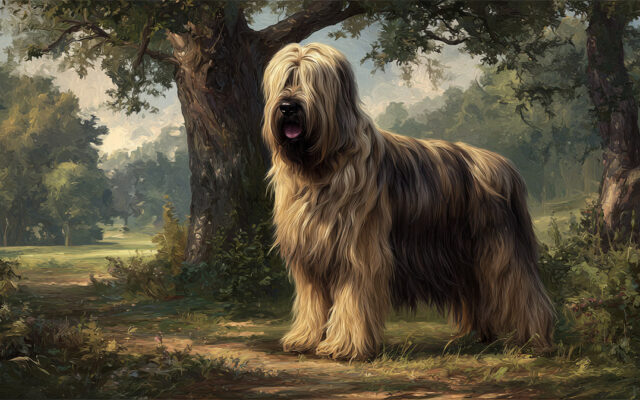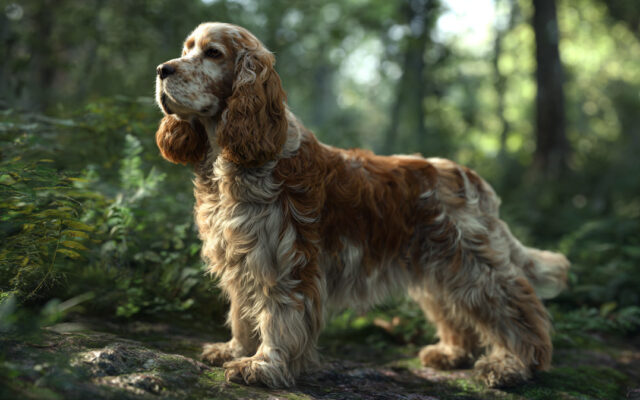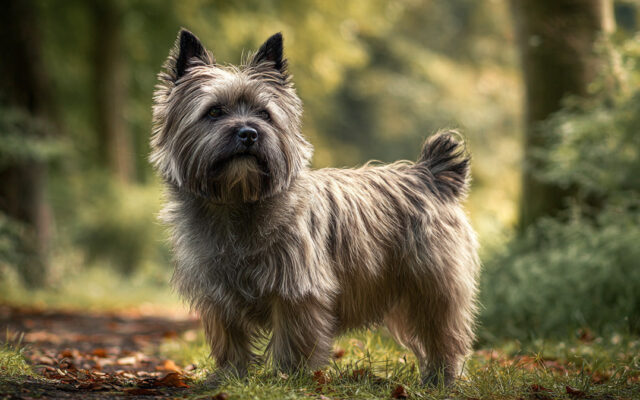
The AKC took “Spaniel” out of the Brittany’s name on September 1, 1982, because the dog holds a point instead of flushing game. It’s a French gundog, compact and leggy, and plenty of them are born with a short tail or none at all. The AKC files the breed under the Sporting Group.
Adult weight depends on who you ask. The AKC standard sets 30 to 40 pounds, while the United Kennel Club standard, revised in 2013, prefers 30 to 45 pounds at the same 17.5 to 20.5 inch height.
The people who keep one tend to be upland hunters and hunt test handlers, along with active families who want a dog with a pointing instinct and a lot of eagerness.
What Is a Brittany?
Built like a compact spaniel but working like a setter, the Brittany hunts, points and retrieves upland game birds. It comes from the Brittany region of France, and the major registries all file it with the gundogs.
The AKC has it in the Sporting Group, and The Kennel Club in the UK calls it a Gundog. The Federation Cynologique Internationale goes with Group 7, the pointing dogs, and adds a working trial requirement.
You will still see it called the Brittany Spaniel. The French name is Epagneul Breton, and some people say French Brittany.
The old name misleads. Take the English Springer Spaniel, which flushes, meaning it drives birds into the air. A Brittany finds the scent and holds a point until the hunter steps in.
The AKC’s own breed history groups the Brittany with the pointing breeds by the way it works game. That makes the English Pointer a closer match in the field than any spaniel.
The breed is versatile, and the numbers back that up. Showsight Magazine’s history of the standard credits the Brittany with more than 700 Dual Champions (dogs titled in both the field and the show ring), more than all other Sporting breeds combined.

Where the Brittany Comes From and Why the Name Changed
The dog comes from the Brittany region of northwestern France. The FCI standard calls it probably one of the oldest spaniel-type dogs, improved at the beginning of the 20th century by outcrosses and selection.
VCA Animal Hospitals says French sportsmen crossed local spaniels with setters from England in the mid 1800s. Those setters were related to, but not the same as, today’s English Setter. Later matings around 1900, as the AKC’s Complete Dog Book describes them, sharpened the pointing instinct while the dog stayed essentially Breton.
- In 1907, an orange and white dog named Boy was registered in France as the first naturally short-tailed Epagneul Breton. A standard was drafted in Nantes that same year and adopted in 1908.
- The breed reached the United States in 1931, and the AKC registered it as the Brittany Spaniel three years later, in 1934.
- The American Brittany Club formed in 1942. One of its first jobs was replacing the standard, which had been a rough translation from the French, and the rewritten version dates to 1946.
- The AKC officially renamed the breed Brittany in 1982.
The American Brittany Club asked for the shorter name soon after the AKC recognized the club. The AKC refused at the time, and the change took decades.
Both names describe the same dog, though only the newer one fits how it hunts.
How Big Does a Brittany Get?
The AKC standard sets adult height at 17.5 to 20.5 inches at the shoulder and weight at 30 to 40 pounds. It uses one range for both sexes, so size alone does not separate males from females.
Height and Weight by Registry
| Registry | Height | Weight and limits |
|---|---|---|
| AKC | 17.5 to 20.5 in | 30 to 40 lb; disqualified from shows outside the height range |
| UKC | 17.5 to 20.5 in | Preferred 30 to 45 lb |
| FCI | Ideal 49 to 50 cm for males and 48 to 49 cm for females (limits 48 to 51 cm and 47 to 50 cm) | Body length equals height at the withers |
The registries disagree on the ceiling. The UKC lets weight run 5 pounds above the AKC figure.
A dog bred to the FCI ideal sits in the middle of the AKC range, which is wider at both ends. 17.5 inches is about 44 cm and 20.5 inches about 52 cm.
Treat every figure as an ideal and not a promise. The Kennel Club states that its size description does not mean a given dog will match the measurements.
Coat, Colors and Tail
The coat is dense, flat or wavy, with light feathering on the legs. Colors run to orange and white or liver and white, in clear or roan patterns. The American standard also allows a liver, orange and white tricolor but does not prefer it.
Many Brittanys are born tailless or short-tailed, and where the AKC standard applies the tail is docked to about 4 inches.
Shedding is low according to The Kennel Club’s breed profile. VCA Animal Hospitals suggests brushing once or twice a week.
The FCI standard accepts black and white dogs, which the AKC standard disqualifies. It’s one visible difference between French and American lines.
Sources even split on coat type. Pawprint Genetics calls it a single coat, while Hill’s Pet describes a double coat.
Low shedding does not mean hypoallergenic, and Purina lists the breed as not hypoallergenic. Check the ears for overgrown hair and debris, as The Kennel Club advises.
What Is the Brittany Temperament Like?

Brittanys are friendly and eager to please, and sensitive on top of that. The hunting drive shows up as persistence in the field and bounce at home.
With Children and Other Pets
The Kennel Club’s profile says a socialized Brittany gets along with other pets and children.
Orvis adds the catch. The breed is exuberant enough to knock over small children by accident, so toddlers need supervision. Other dogs are usually fine with early socialization, and cats can work out when the Brittany grows up around them. Birds and small animals are different, since the chasing instinct appears even in dogs never trained to hunt (Orvis).
A good family dog overall, as long as the youngest children are supervised and socialization starts early.
Sensitivity and Time Alone
A Brittany takes correction personally.
Steady handling keeps the dog eager and easy to train, but harsh correction works against the breed’s sensitivity to criticism, which The Kennel Club’s profile flags directly.
Purina UK warns that Brittanys attach closely to their owners and are prone to separation anxiety. A household that sits empty for long stretches is a poor match.
Expect an alert dog that announces visitors without guarding against them.
How Much Exercise Does a Brittany Need?
Plan on an hour of hard exercise a day, with the 40 minutes in Hill’s Pet guidance as the floor.
Why the Published Figures Disagree
Hill’s Pet lists more than 40 minutes a day. Dogs New Zealand asks for at least an hour of exertion, and says walking alone does not count. The gap mostly comes down to intensity, because a leashed stroll and a hard run use the same minutes very differently.
Activities That Work
Running and jogging work, and so does hiking. Field work and AKC hunt tests suit the breed best, with agility and retrieving games close behind. Obedience drills cover the mental side, and VCA Animal Hospitals counts obedience training as exercise because it works the brain.
Off-leash running needs a securely fenced yard. Orvis notes that a Brittany on a long run will break off to follow a scent or a bird.
What Happens Without It
An under-exercised Brittany becomes a problem dog fast.
Hill’s Pet describes a restless dog prone to excessive barking and roaming. Embrace Pet Insurance adds destructive behavior to the list.
The fix is structured exercise and training, not a bigger yard. VCA Animal Hospitals notes the same dog is a fairly calm housedog once its exercise is covered.
Brittany Health Problems and Lifespan
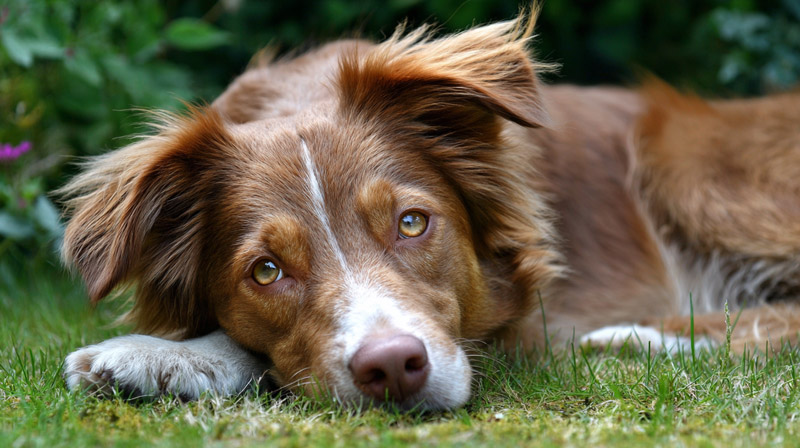
Hip dysplasia and epilepsy are the conditions breed sources name most often in Brittanys. Measured lifespan lands between 11.1 years and 12 years 11 months, depending on the study.
A UK Kennel Club health survey published in 2010 (Adams et al., Journal of Small Animal Practice) put the median at 12 years and 11 months. Dogs Trust’s 2024 Scientific Reports study lists 11.1 years, as reported by Dog News.
The samples differ. The first came from questionnaires sent to breed-club members, the second from records held by registries, insurers, veterinary companies and others.
Common Conditions
Hip dysplasia, an inherited hip joint fault, turns up in profiles from The Kennel Club’s Your Dog site, Purina and PetMD. Epilepsy is a seizure disorder with an unknown cause, according to PetMD, and dogs can live a full life with it.
The veterinary company Gallant adds hypothyroidism, an underactive thyroid that develops slowly and often goes unnoticed until symptoms are clear. Cataracts and other hereditary eye disease are why breeders test eyes (Dogz Online).
Sources disagree on how common epilepsy is. Purina UK says it occurs occasionally, while The Kennel Club’s Your Dog profile reports a higher than normal incidence.
The club’s CHIC recommendation includes no epilepsy test. The seizure history of the pedigree is the thing to ask about.
Health Tests a Breeder Should Show
The American Brittany Club recommends the CHIC protocol on its AKC Marketplace health statement. CHIC is the Canine Health Information Center, a database sponsored by the AKC Canine Health Foundation and the Orthopedic Foundation for Animals (OFA).
- Hip evaluation through OFA or PennHIP
- Eye exam by a boarded ACVO ophthalmologist, repeated each year from age 2 to 8
- One more result filed with OFA: cardiac, elbow dysplasia, patellar luxation or thyroid
FurryCritter’s breed page lists a longer required set, including elbow and thyroid evaluations. The club’s own statement fixes only the first two tests and lets the breeder pick the third.
A CHIC number shows the tests were completed, not that the dog passed, as the German Shorthaired Pointer Club of America notes in its description of the program. Ask to see the actual results for both parents.
How to Train a Brittany
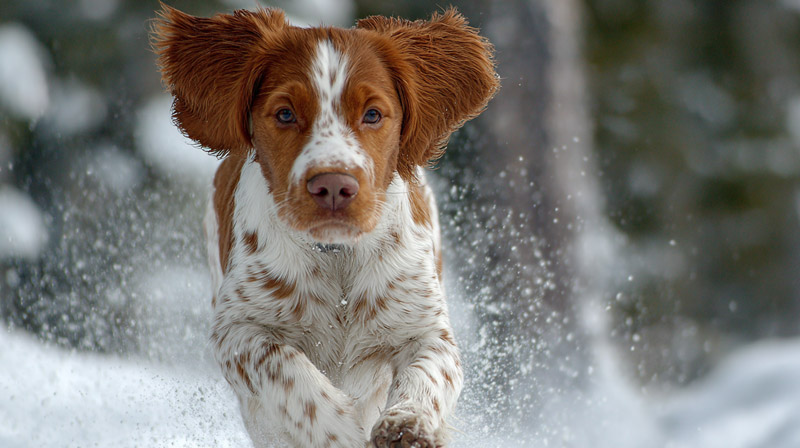
Order matters more than method with this breed. Socialization comes before birds, and obedience and field control get built on top of both.
- Between weeks 5 and 7, socialization means crate rides, car trips and handling by people, as an American Brittany Club member describes in the AKC Gazette (January 2015).
- Around 12 to 13 weeks, the pups meet their first birds, a released bird they get to chase. Gunfire comes afterward, with a blank pistol fired at a distance.
- Puppy classes at home come next. The AKC recommends early socialization and puppy training courses so the dog stays open to new people and pets.
- Then the dog has to hold the point. The AKC Junior Hunter test asks it to find a bird, hold the point until the handler arrives, and flush it.
- Control and retrieving come last. Senior tests demand more control with less direction, and Senior and Master tests add retrieving and honoring another dog’s point.
AKC pointing-breed hunt tests started in April 1986, when the Nebraska Brittany Club ran the first one. The first title, a Junior Hunter, went to a German Shorthaired Pointer.
The scoring is where dogs fail. The AKC scoresheet requires at least 5 in every category and an overall average of 7.0 for a qualifying score.
The AKC’s own starting advice is to find a local pointing-breed club and attend a hunt test seminar before entering anything.
Field Line, Show Line or French Type: Which Brittany Fits?
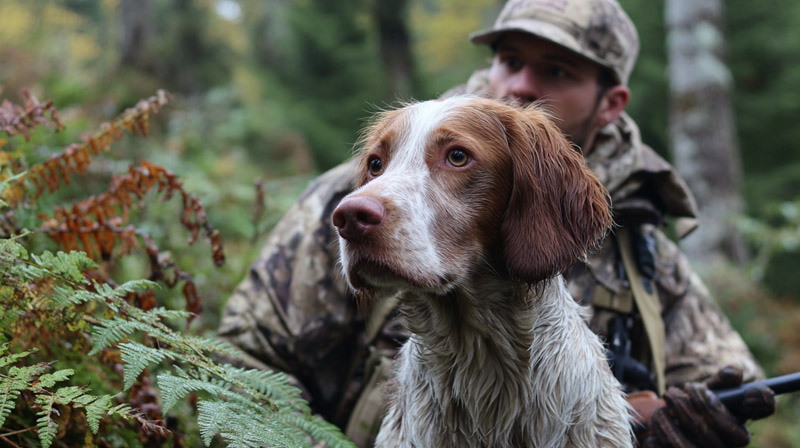
Most North American buyers choose between field-leaning and show-leaning pedigrees of one AKC breed. The American Brittany Club was organized in May 1942 specifically to stop the breed from splitting into separate field and bench groups.
| Type | Governing standard | Pedigree proof to ask for |
|---|---|---|
| American, field-leaning | AKC standard | Hunt test titles (JH, SH, MH) or field trial placements on both parents |
| American, show-leaning | AKC standard | Conformation championships, ideally with some field record |
| French (Epagneul Breton) | FCI Standard N 95 | Working qualifications under FCI rules |
FCI Standard N 95 is the text the United Kennel Club credits for its own Epagneul Breton standard.
Sources split on whether the French dog is a separate breed. The UKC publishes one standard for the Brittany (revised July 1, 2013) and another for the Epagneul Breton (revised November 1, 2014), while Dogster treats the two as types of one breed.
If you hunt most weekends, ask for hunt test or field trial titles on both parents. A pet or sport home should choose on health testing and the breeder’s temperament reports, not the line label. And with a French-bred puppy in the US, confirm which registry issued its papers.
The label on a line means less than the titles and health records behind it.
When a Brittany Is the Wrong Dog
A Brittany is a poor match for homes with tight space, a kennel-style setup or little daily attention.
Space comes first. Omlet lists a small house with a large garden as the minimum, and Dogs New Zealand calls the breed unsuited to apartments. Outdoor housing is out too, since Orvis warns against leaving a Brittany outside for hours in any weather, rugged as the breed is.
American Brittany Rescue says the breed needs personal attention every day. First-time owners can succeed, according to the AKC, but should prepare for high energy and strong intelligence.
American Brittany Rescue was formed in 1991 by Brittany owners, breeders and trainers. It takes in strays, surrendered and impounded purebreds, screens them in foster care and rehabilitates them where needed.
Apartments split the sources. Lemonade’s breed guide calls apartment life manageable only with committed daily exercise, while Dogs New Zealand rules it out.
If more than one of those describes your home, pick a calmer breed.
How Much Does a Brittany Cost?
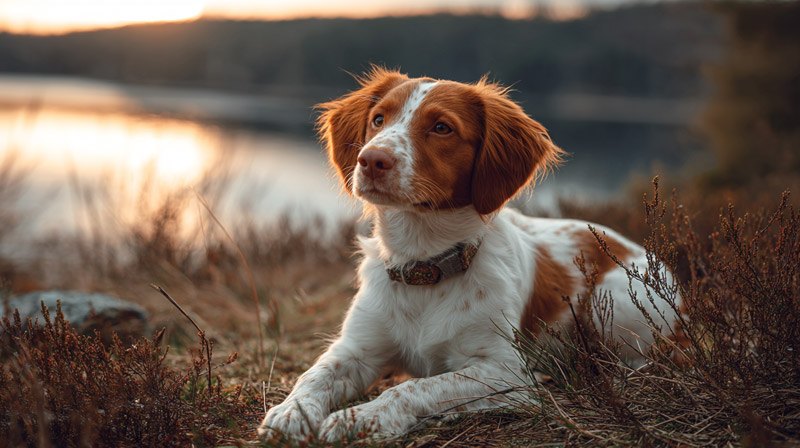
The purchase price swings with the breeder and the pedigree, and it is only the first bill.
Pets4Homes, a UK marketplace, puts the average purebred Brittany puppy at about 622 pounds. Online price guides for the US vary a lot, so get a written quote from each breeder that lists what is included.
Titles on the parents push the price up, whether field, hunt test or show. So does health testing, since breeders who follow the club’s CHIC recommendations pay for X-rays and annual eye exams. Puppies listed on AKC Marketplace come from AKC-registered parents, and regional markets price differently anyway.
Rescue is a different route with its own gatekeeping. The National Brittany Rescue and Adoption Network places dogs from foster homes through an online application, vet checks, home visits and a signed contract, and it takes Brittany mixes too.
Brittany Rescue in Texas says it often receives several applications for the same dog and collects adoption fees at the time of adoption.
Food is the steadiest recurring bill, and puppy food brands differ enough in price to move a first-year budget. Routine vet care and training classes follow.
Embrace Pet Insurance advises buying coverage while the dog is a healthy puppy. Over twelve or more years, a dog is expensive in ways the puppy price hides, and hip and neurological problems are the two conditions to budget for.
Brittany FAQ
Do Brittanys bark a lot?
Not by default. A Brittany barks to alert you, and the noise climbs when the dog is bored, so structured exercise and obedience work cut it more than any command to be quiet.
Are Brittanys aggressive?
No. The UKC standard describes the temperament as friendly and eager, and The Kennel Club’s Your Dog profile rates the breed a poor guard dog.
Pangovet notes that any dog can develop barking, digging or aggression without sufficient training.
Is a Brittany mix a good idea?
It depends on what you want from the dog. Orvis cautions there is no guarantee a mix keeps the Brittany’s hunting talent, and most shelters skip DNA testing, so ancestry is guessed from looks and behavior.
Common crosses include the Labrador Retriever, Border Collie and Beagle.
What should I feed a Brittany, and how much?

Orvis suggests about 1.5 to 2 cups of good-quality dry food a day, split across two meals, adjusted for the dog’s age and activity.
PetMD recommends a high-protein diet that meets AAFCO standards, and Showsight advises checking weight and body condition regularly.
When is a Brittany fully grown?
Around 12 to 14 months. Weenect’s breed guide says a large share of the growth happens by 6 months, with full adult size and weight arriving at 12 to 14 months.
How popular is the Brittany compared with other AKC breeds?
The AKC ranked the Brittany 31st among 202 breeds in its 2025 registration rankings, announced in March 2026.
A lower rank does not always mean fewer registrations, since other breeds moving up shifts the list.
Which is better for a family, a Brittany or an English Springer Spaniel?
Neither wins outright for family life. The clearer difference is work, since the Brittany points game and the springer flushes it.
The AKC also runs separate hunt test programs for pointing breeds and for spaniels, so choose by the activity you plan to do.
Finding a Brittany From a Source You Can Trust
A Brittany from a trustworthy source comes through the American Brittany Club or a breed rescue, not a classified ad, and the deposit follows the health paperwork.
Start with the club referral or the rescue, then look at both parents’ hip and eye results, and only after that pay a deposit. Paying first commits money before anything is verified.
Embrace Pet Insurance advises starting at the club’s website and wanting eye clearance dated within the previous year, so ask for a dated certificate.
Vetstreet flags breeders who offer no health guarantee or who claim the breed is 100 percent healthy. Puppies kept apart from the household are a third warning sign.
Paction warns that puppy scams are common for popular breeds. The catch with a legitimate route is a wait, since waitlist length follows how often a breeder plans litters.