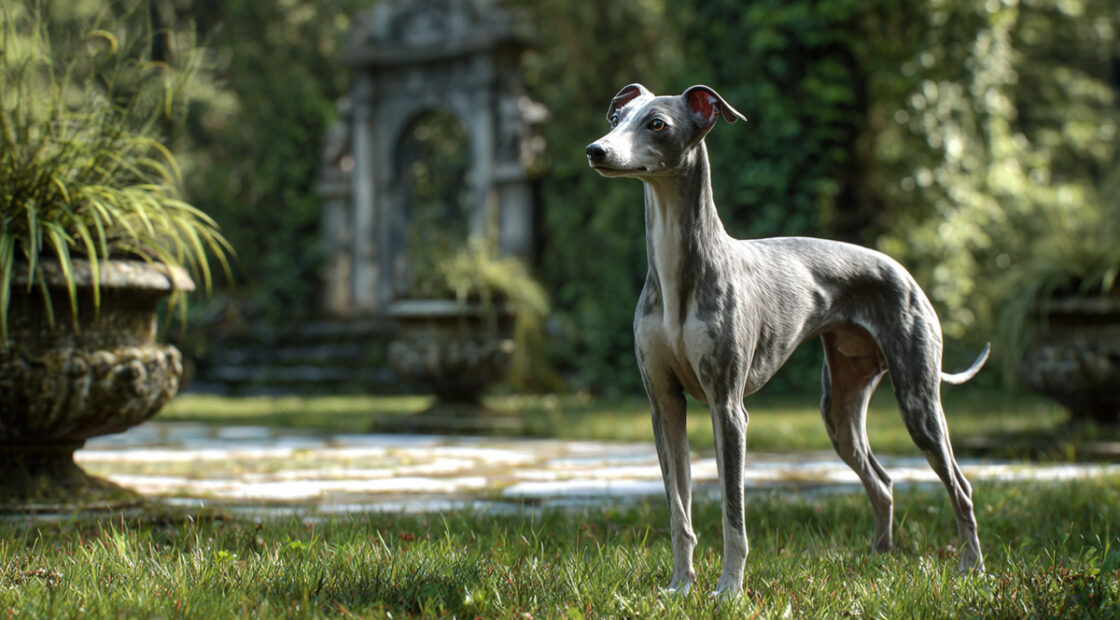
Your Italian Greyhound may look like a delicate ornament, but this miniature greyhound packs surprising athleticism into a toy-sized frame. These elegant sighthounds trace their lineage back thousands of years, combining ancient hunting instincts with modern companion dog sensibilities.
Understanding this breed’s unique needs prevents costly mistakes and health issues. Their fragile bones and temperature sensitivity require specific care approaches that differ dramatically from other toy breeds.
This guide covers everything from their intense prey drive and socialization needs to cold weather protection and dental care requirements. You’ll learn how to navigate their gentle temperament while managing their surprising speed and exercise needs.
Whether you’re considering adding an Italian Greyhound to your family or already share your home with one, these insights will help you provide the specialized care this remarkable purebred demands for a healthy, happy life together.
Italian Greyhound Breed Statistics
| Characteristic | Details |
|---|---|
| Size | Small/Toy breed |
| Weight | 7-14 pounds |
| Height | 13-15 inches |
| Lifespan | 13-15 years |
| Energy Level | Moderate to High |
| Exercise Needs | 30-45 minutes daily |
| Grooming | Minimal – weekly brushing |
| Shedding | Low |
| Trainability | Moderate – sensitive to methods |
| Good with Kids | Yes, with supervision |
| Good with Pets | Yes, similar-sized dogs |
| Apartment Living | Excellent |
| Climate Tolerance | Poor cold tolerance, moderate heat |
| Barking Level | Low to Moderate |
| AKC Group | Toy Group |
| Origin | Italy |
| Coat Type | Short, smooth, fine |
| Colors | Fawn, red, blue, black, cream |
| Health Issues | Bone fractures, dental problems, PRA |
| Temperature Needs | 68-72°F indoor |
| Feeding | 1/4 to 1/2 cup high-quality food daily |
| Socialization | High need – early and ongoing |
| Prey Drive | High |
| Stranger Tolerance | Cautious to friendly |
| Weather Gear | Requires coats in cold weather |
Understanding Italian Greyhound Behavior and Personality Traits
The Sighthound Instinct in Action
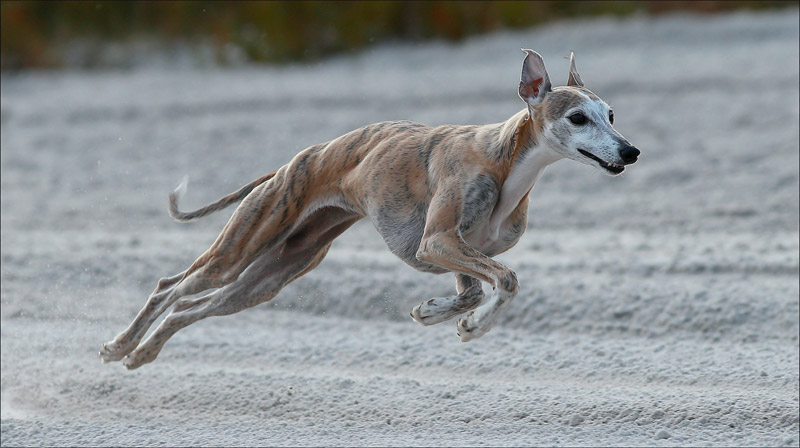
Italian Greyhounds carry ancient hunting DNA. Their chase drive kicks in automatically when they spot moving objects.
Small animals trigger their prey instincts instantly. Squirrels, cats, even leaves blowing across the yard become irresistible targets. This visual hunting behavior makes them bolt without warning.
Their speed and agility capabilities are remarkable for such tiny dogs. They can reach 25 mph in short bursts. But their delicate bone structure means one wrong step during a chase can spell disaster.
Exercise needs must balance their athletic nature with injury prevention. Short sprints in fenced areas work best. Never let them run loose in unfenced spaces.
Social Dynamics and Relationship Building
These toy sighthounds form intense bonds with their families. They pick favorites and shadow that person constantly.
Bonding patterns with family members vary dramatically. Some attach to one person exclusively. Others distribute affection more evenly but still show clear preferences.
Children require careful supervision around Italian Greyhounds. The dogs’ gentle temperament makes them patient, but their fragility means rough play can cause injuries. Kids must learn proper handling techniques early.
Behavior around other dogs depends heavily on early socialization. Well-socialized Italian Greyhounds play nicely with similarly sized dogs. Larger breeds can accidentally hurt them during normal play.
Their response to strangers ranges from cautious to friendly. Most warm up quickly once they assess no threat exists. Some remain naturally reserved throughout their lives.
Apartment living suits them perfectly. They prefer indoor comfort over outdoor adventures. Their quiet breed nature makes them excellent urban companions.
Intelligence and Trainability Characteristics
Italian Greyhounds possess surprising intelligence hidden beneath their delicate appearance. Their learning style focuses on positive reinforcement rather than correction-based methods.
Attention span varies significantly between individuals. Some focus intensely for short periods. Others get distracted easily but return to tasks readily.
Their problem-solving abilities shine during treat-dispensing puzzle games. They quickly figure out how to access hidden rewards. Mental stimulation prevents destructive behaviors born from boredom.
Memory and retention skills are excellent for routines and commands they find rewarding. House training takes patience but sticks once established.
Leash training requires gentle persistence. Their sensitive nature means harsh corrections backfire completely. Consistent positive reinforcement works best.
Health Considerations: Keeping Your Italian Greyhound Happy and Healthy
Common Health Issues and Genetic Concerns
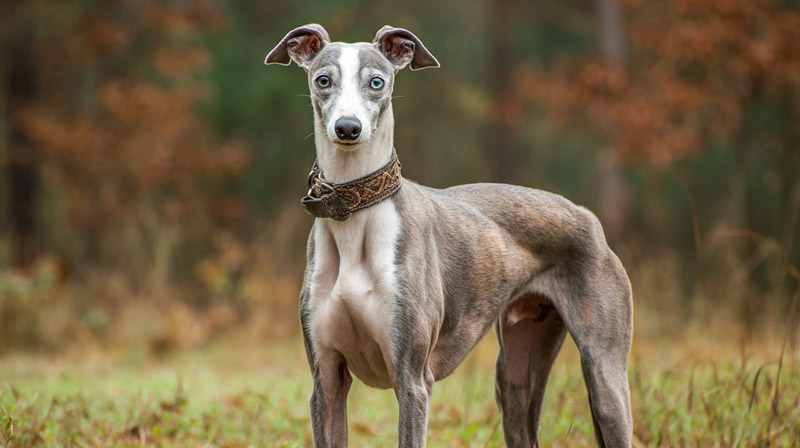
Bone fractures top the injury list for Italian Greyhounds. Their thin leg bones break easily from jumping off furniture or playing too roughly.
Fracture prevention starts with furniture modifications. Provide ramps or steps to beds and couches. Never allow jumping from heights greater than their shoulder level.
Dental health challenges plague this breed consistently. Their small mouths crowd teeth together, creating perfect conditions for periodontal disease. Daily teeth brushing prevents costly dental procedures later.
Progressive retinal atrophy affects some bloodlines. This inherited condition gradually destroys vision. Responsible breeders test breeding stock to reduce transmission rates.
Luxating patella causes kneecaps to slip out of position. Mild cases cause occasional limping. Severe cases require surgical correction.
Epilepsy appears in certain family lines. Seizures can start at any age but often begin during young adulthood. Most affected dogs live normal lives with proper medication.
Heart-related health issues include heart murmurs and valve problems. Regular vet checkups catch these conditions early when treatment options are most effective.
Preventive Care and Regular Health Maintenance
Vaccination schedules follow standard protocols for small breeds. Chihuahua and other toy breeds share similar vaccination timing requirements.
Parasite prevention requires year-round vigilance. Monthly heartworm prevention is non-negotiable. Flea and tick control prevents disease transmission and skin irritation.
Regular veterinary checkup guidelines recommend twice-yearly visits for adults. Senior dogs benefit from quarterly examinations to catch age-related changes early.
Health screening recommendations include annual eye exams and heart evaluations. Pug owners follow similar screening protocols for toy breed health monitoring.
Annual blood work establishes baseline values for liver, kidney, and thyroid function. Early detection allows intervention before symptoms appear.
Dental care needs professional cleaning every 1-2 years depending on tartar buildup. Home care with daily brushing extends time between professional cleanings.
Lifespan and Age-Related Health Changes
Expected lifespan ranges from 13-15 years with proper care. Some individuals reach 16-17 years when genetics and care align favorably.
Senior care considerations begin around age 8-9. Joint supplements support aging bones and muscles. Softer bedding cushions pressure points during sleep.
Age-related health monitoring intensifies during the senior years. Watch for decreased appetite, changed sleep patterns, or reluctance to move normally.
Temperature regulation becomes more challenging with age. Senior Italian Greyhounds need extra warmth during cold months and cooling options during hot weather.
Cognitive changes may appear in very senior dogs. Disorientation, changed sleep cycles, or house training accidents can indicate age-related health monitoring needs.
Calculate your dog’s human equivalent age using a reliable dog age calculator to better understand their life stage needs.
Weight management becomes critical during senior years. Excess weight stresses fragile bones and joints. Reduced activity levels require calorie adjustments to prevent obesity.
Vision and hearing changes are common in elderly Italian Greyhounds. Maintain consistent routines to help them navigate these sensory losses successfully.
Nutrition and Feeding: Fueling Your Italian Greyhound’s Active Lifestyle
Daily Nutritional Requirements
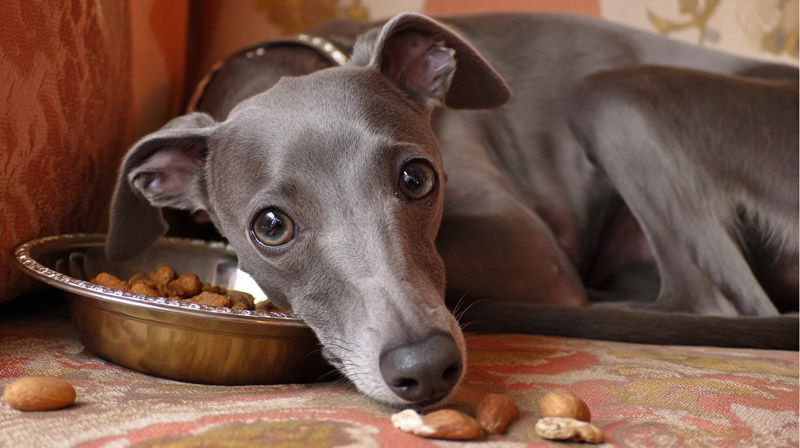
Italian Greyhounds need high-quality protein to maintain their lean muscle mass. Adult dogs require 200-400 calories daily depending on size and activity level.
Puppy food contains higher protein and fat ratios essential for proper bone development. Switch to adult dog food around 12 months when growth plates close.
Calorie needs vary significantly:
- Sedentary adults: 200-250 calories
- Active adults: 300-400 calories
- Pregnant/nursing females: 400-600 calories
Protein requirements should comprise 18-25% of total calories. Look for named meat sources like chicken, lamb, or fish as primary ingredients.
Fat content between 8-15% provides energy and supports coat health. Important vitamins and minerals include calcium for bone strength and omega fatty acids for skin health.
Feeding Schedules and Portion Control
Puppy feeding guidelines require 3-4 small meals daily until six months old. Free feeding isn’t recommended due to weight management concerns.
Adult dog meal timing works best with twice-daily feeding. Morning and evening meals prevent blood sugar drops common in toy breeds.
Measure portions precisely using kitchen scales. Maltese and other small breeds share similar portion control needs.
Senior dog dietary adjustments often require reduced calories but maintained protein levels. Joint supplements become beneficial around age 7-8.
Treating and snack recommendations:
- Limit treats to 10% of daily calories
- Use training treats smaller than fingernails
- Avoid human food high in fat or sugar
Special Dietary Considerations
Food allergies commonly involve chicken, beef, or grains. Elimination diets identify problem ingredients over 8-12 weeks.
Weight management strategies prevent obesity-related joint stress. Overweight Italian Greyhounds face higher fracture risks during normal activity.
Monitor body condition monthly. Ribs should be easily felt but not visible. Waist tuck should be apparent from above and side views.
Dietary supplements benefit some dogs:
- Joint support for active dogs
- Probiotics for digestive health
- Omega-3 for coat and skin
Exercise and Activity: Meeting the Needs of an Active Little Athlete
Daily Exercise Requirements
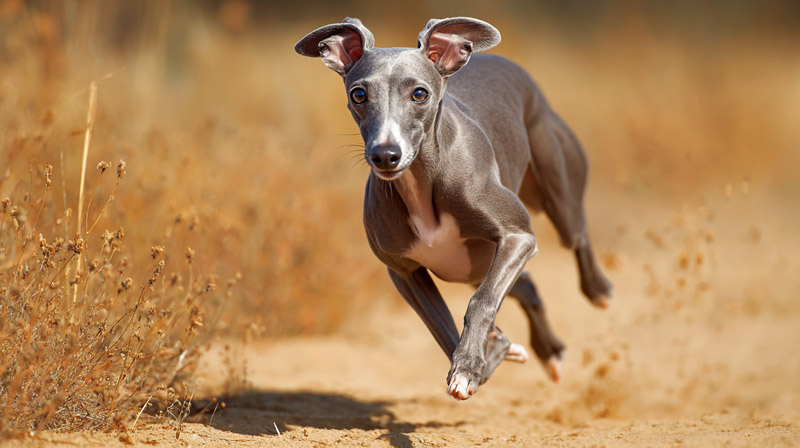
Italian Greyhounds need 30-45 minutes of activity daily split between walks and playtime. Their sighthound heritage demands both mental and physical stimulation.
Minimum activity levels include two 15-minute walks plus indoor play sessions. Age-appropriate exercise varies dramatically between life stages.
Puppy exercise should be limited to 5 minutes per month of age, twice daily. Over-exercising growing bones causes permanent damage.
Indoor vs. outdoor activity options both work well. Indoor sprint bursts across living rooms satisfy their speed needs safely.
Daily walks provide mental stimulation through scent exploration. Keep walks shorter during extreme temperatures due to their temperature regulation challenges.
Safe Exercise Practices
Protecting fragile bones requires constant vigilance. Avoid dog parks with large, rough-playing dogs that could accidentally injure your Italian Greyhound.
Weather considerations significantly impact exercise routines. Summer heat above 80°F requires early morning or evening walks. Winter temperatures below 50°F need sweater wearing or indoor alternatives.
Cold sensitivity makes outdoor winter exercise challenging. Chihuahua owners face similar weather protection needs for their toy breeds.
Leash training prevents sudden bolting toward perceived prey. Retractable leashes provide freedom while maintaining control during socialization walks.
Signs of overexertion include:
- Excessive panting
- Stumbling or weakness
- Refusing to continue
- Bright red gums
Mental Stimulation and Enrichment Activities
Puzzle toys challenge their problem-solving abilities while providing solo entertainment. Rotate toys weekly to maintain novelty and interest.
Brain games include:
- Treat-dispensing balls
- Snuffle mats for foraging
- Hide-and-seek with family members
- Basic trick training sessions
Training exercises provide mental engagement while strengthening bonds. Five-minute sessions work better than longer, intensive training periods.
Socialization opportunities should include exposure to various people, sounds, and environments. Controlled introductions prevent fearfulness later in life.
Mental engagement prevents destructive behaviors like excessive barking or furniture destruction. Bored Italian Greyhounds become creative problem-solvers in unwanted ways.
Window watching satisfies their visual hunting behaviors safely. Position comfortable perches near windows overlooking bird feeders or busy streets.
Rotating activities prevents boredom and maintains enthusiasm. Alternate between physical exercise, mental challenges, and quiet bonding time throughout each day.
Consider agility training modified for their size and physical limitations. Mini obstacles provide physical and mental challenges while building confidence.
Grooming and Care: Maintaining Your Italian Greyhound’s Elegant Appearance
Coat Care and Maintenance
Italian Greyhounds have minimal grooming needs thanks to their short, smooth coat. Brush weekly with a soft bristle brush or grooming mitt.
Brushing frequency increases during seasonal coat changes in spring and fall. Daily brushing removes loose hair and prevents it from covering furniture.
Bathing guidelines recommend monthly baths unless dirty. Use lukewarm water and gentle dog shampoo. Their thin coat dries quickly but needs protection from drafts.
Grooming tools needed:
- Soft bristle brush
- Rubber grooming mitt
- Nail clippers
- Dog toothbrush
- Cotton balls for ears
Coat colors include fawn, red, blue, black, and cream. All colors require identical care routines.
Dental, Nail, and Ear Care
Daily dental hygiene prevents serious periodontal disease common in toy breeds. Start tooth brushing early to establish acceptance.
Dental care routine:
- Brush teeth daily with dog toothpaste
- Provide dental chews appropriate for small mouths
- Schedule professional cleanings every 1-2 years
Nail trimming needs weekly attention. Their active lifestyle on hard surfaces helps wear nails naturally, but regular trimming prevents overgrowth.
Trim just the white tips to avoid the pink quick inside. If you see bleeding, apply styptic powder immediately.
Ear cleaning should happen weekly. Use cotton balls dampened with dog ear cleaner. Never insert anything deep into the ear canal.
Check for signs of infection: redness, odor, or excessive scratching. Beagle owners follow similar ear care protocols for drop-eared breeds.
Skin Care and Protection
Sun protection is critical for Italian Greyhounds. Their thin coat provides little UV protection, especially on light-colored dogs.
Apply dog-safe sunscreen to exposed areas:
- Nose bridge
- Ear tips
- Belly (if lying in sun)
- Any areas with sparse hair
Moisturizing helps prevent dry, flaky skin common in indoor dogs. Use dog-specific moisturizers, never human products.
Identifying skin issues early prevents complications:
- Red, irritated patches
- Excessive scratching or licking
- Hair loss in specific areas
- Changes in skin texture or color
Cold weather requires extra skin care. Indoor heating dries their skin significantly. Consider humidifiers during winter months.
Training Your Italian Greyhound: Building Good Habits and Strong Bonds
Basic Obedience Training Fundamentals
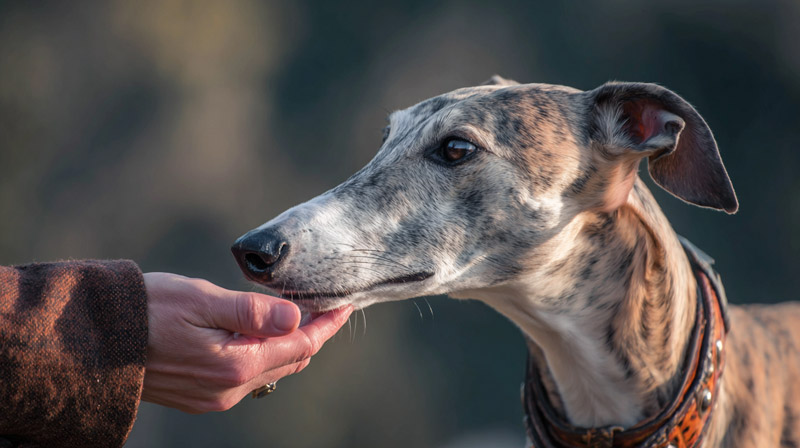
House training requires patience and consistency. Their small bladders need frequent bathroom breaks, especially during puppyhood.
House training strategies:
- Take outside every 2-3 hours
- Immediately after meals and naps
- Use consistent door and command
- Reward outdoor elimination immediately
Leash training techniques start indoors with collar acceptance. Their sensitive nature responds better to positive reinforcement than corrections.
Begin with short indoor sessions wearing collar and leash. Gradually increase duration before moving to outdoor walks.
Basic commands every Italian Greyhound should know:
- Sit
- Stay
- Come
- Down
- Leave it
Start training sessions at 8 weeks old. Keep sessions short (5-10 minutes) to match their attention span.
Addressing Common Behavioral Challenges
Separation anxiety affects many Italian Greyhounds due to their strong bonding tendencies. Gradual desensitization helps build independence.
Separation anxiety management:
- Start with 5-minute departures
- Gradually increase absence duration
- Provide engaging toys during departures
- Maintain calm energy when leaving/returning
Excessive barking often stems from boredom or territorial alerts. Jack Russell Terrier owners face similar vocal challenges with their energetic breeds.
Barking solutions:
- Identify triggers causing barking
- Redirect attention to appropriate activities
- Use “quiet” command with treats
- Ensure adequate mental stimulation
Jumping and excitement control requires consistent boundaries. Their enthusiasm can overwhelm visitors or cause injuries.
Teach “four paws on floor” rule for all greetings. Ignore jumping behavior completely while rewarding calm greetings.
Resource guarding prevention starts early with food and toy handling exercises. Practice taking and returning items with positive associations.
Advanced Training and Skill Development
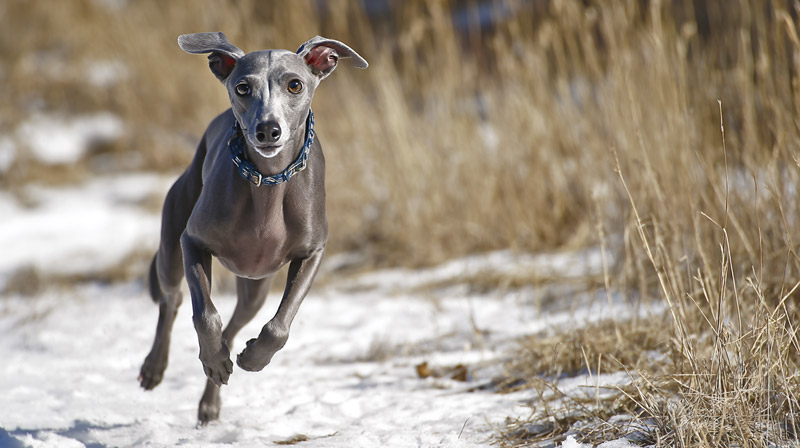
Trick training provides excellent mental engagement while strengthening your bond. Italian Greyhounds excel at learning entertaining behaviors.
Popular tricks for the breed:
- Spin and turn
- Play dead
- High five/shake
- Roll over
- Crawl
Agility training modified for small dogs builds confidence and provides physical exercise. Use lower jumps and shorter distances than standard courses.
Performance activities suitable for Italian Greyhounds:
- Lure coursing (modified)
- Rally obedience
- Therapy dog work
- Trick competitions
Therapy dog training suits their gentle temperament perfectly. Their size makes them ideal for hospital and nursing home visits.
Requirements for therapy dog certification:
- Solid basic obedience
- Calm temperament around strangers
- Comfortable with medical equipment sounds
- Gentle behavior around vulnerable people
Socialization remains important throughout their lives. Regular exposure to new people, places, and situations prevents fearfulness.
Training consistency across all family members prevents confusion. Everyone should use identical commands and reward systems for optimal results.
Living with an Italian Greyhound: Creating the Perfect Home Environment
Home Setup and Safety Considerations
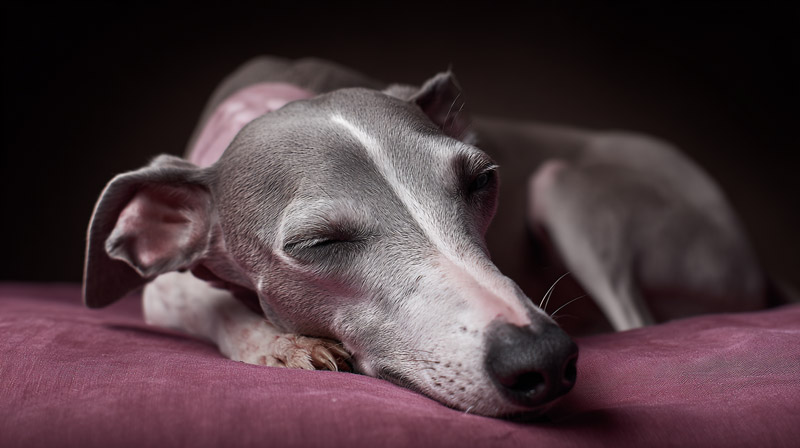
Indoor temperature control is non-negotiable. Maintain 68-72°F year-round. Italian Greyhounds lack body fat for insulation.
Heating options include:
- Space heaters in main living areas
- Heating pads for sleeping areas
- Radiant floor heating (ideal)
- Fireplace zones for gathering
Furniture recommendations prioritize safety over style. Orthopedic beds support their lean frames during rest periods.
Essential furniture modifications:
- Soft bedding on all surfaces
- Ramps to beds and couches
- Non-slip rugs on hardwood floors
- Padded corners on sharp furniture
Safety-proofing prevents bone injuries common in the breed. Remove or pad anything higher than their shoulder level.
Creating cozy retreat spaces satisfies their den instincts. Havanese and other small breeds benefit from similar sanctuary areas.
Ideal retreat features:
- Enclosed dog beds or crates
- Elevated positions for observation
- Away from household traffic
- Temperature controlled
Seasonal Care and Adaptations
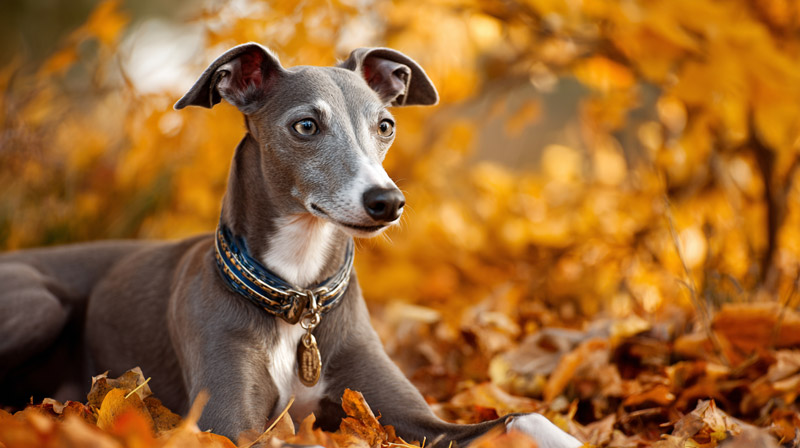
Cold weather protection extends beyond outdoor gear. Indoor drafts affect comfort significantly.
Winter preparation checklist:
- Dog coats for outdoor activities
- Booties for snow and ice
- Draft stoppers for windows/doors
- Extra blankets for sleeping
Hot weather cooling strategies prevent overheating in their excitement to play. Their dark coat colors absorb heat quickly.
Summer cooling methods:
- Cooling mats for floor lounging
- Fans directed toward resting areas
- Frozen treats for hydration
- Shade during all outdoor time
Seasonal activity adjustments accommodate weather limitations while maintaining fitness levels.
Winter activities focus indoors with puzzle toys and hallway sprints. Summer activities shift to early morning and evening schedules.
Travel and Transportation Tips
Car safety requires proper restraint systems designed for small dogs. Never allow loose riding in vehicles.
Restraint options:
- Crash-tested harnesses
- Secure carrier systems
- Booster seats with tethers
- Backseat barriers
Air travel considerations favor cabin transport over cargo holds. Their temperature regulation struggles make cargo transport dangerous.
Airlines accepting small dogs in cabin:
- Weight limits typically 15-20 pounds
- Carrier fits under seat
- Health certificates required
- Advance reservations necessary
Vacation planning requires pet-friendly accommodations or reliable boarding arrangements. Pomeranian travelers face similar size-related travel challenges.
Choosing and Bringing Home Your Italian Greyhound
Finding Reputable Breeders and Sources
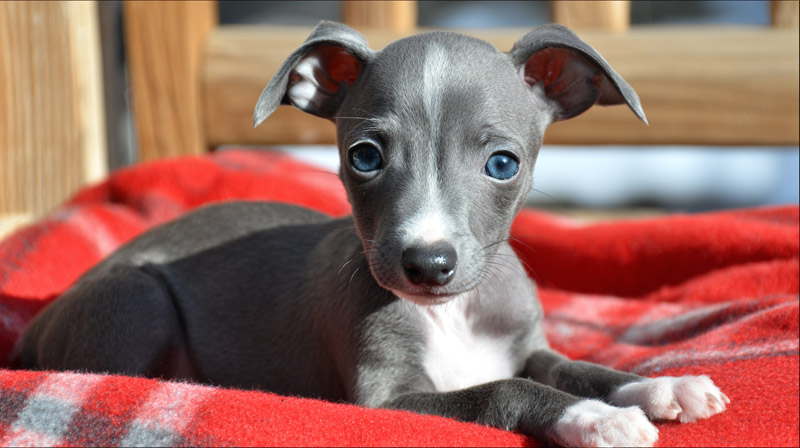
Breeder evaluation starts with health testing verification. Responsible breeders test for inherited conditions affecting the breed.
Required health testing:
- Progressive retinal atrophy (PRA)
- Cardiac evaluation
- Thyroid function
- Orthopedic certification
Meeting parent dogs reveals temperament tendencies and confirms breeding quality. Both parents should display typical breed characteristics.
Italian Greyhound Club of America maintains breeder directories with member recommendations. Local kennel clubs provide additional referrals.
Rescue and adoption options include breed-specific rescues nationwide. Adult dogs from rescue often come with basic training completed.
Rescue advantages:
- Known temperament and health status
- House training often established
- Lower initial cost
- Saving a life in need
Preparing Your Home for a New Italian Greyhound
Puppy-proofing extends beyond typical safety measures. Their curiosity and fragility create unique hazards.
Safety checklist:
- Secure all electrical cords
- Remove small swallowable objects
- Install baby gates at stairs
- Cover sharp furniture edges
- Remove toxic plants
Necessary supplies include breed-specific items addressing their particular needs.
Equipment list:
- Appropriate-sized collar and leash
- Dog coats for climate protection
- Food and water bowls (elevated)
- Comfortable sleeping arrangements
- Training treats sized for small mouths
Feeding area setup prevents resource guarding and maintains cleanliness. Elevated bowls reduce neck strain during meals.
Sleeping arrangements accommodate their preference for warmth and security. Multiple options throughout the house provide flexibility.
The First Few Weeks: Adjustment and Bonding
Initial veterinary care establishes baseline health and vaccination schedules. Bring all breeder-provided health records.
First vet visit includes:
- Complete physical examination
- Vaccination planning
- Parasite screening
- Microchip verification
Establishing routines reduces anxiety during the adjustment period. Consistent meal times, potty breaks, and sleep schedules provide security.
Daily schedule structure:
- Morning: breakfast and potty break
- Midday: play session and rest
- Evening: dinner, walk, and bonding time
- Night: final potty break and sleep
Early socialization shapes lifelong temperament. Introduce new experiences gradually with positive associations.
Socialization priorities:
- Various people and voices
- Household sounds and equipment
- Different surfaces and textures
- Basic handling for grooming and vet care
Building trust happens through consistent, gentle interactions. Their sensitive nature requires patience during adjustment periods.
Never force interactions or overwhelm with too many new experiences simultaneously. Let them approach new situations at their own pace while providing encouragement and rewards.
FAQ on Italian Greyhound
Are Italian Greyhounds good with children?
Italian Greyhounds have a gentle temperament but require careful supervision with kids. Their fragile bones make them vulnerable to injury from rough play. Well-socialized dogs bond strongly with respectful children who understand proper handling techniques.
How much exercise do Italian Greyhounds need?
These active little athletes need 30-45 minutes daily. Sprint bursts and daily walks satisfy their sighthound instincts. Indoor activity works well during extreme weather. Their exercise needs balance athleticism with bone protection.
Do Italian Greyhounds get cold easily?
Yes, their thin coat and lack of body fat create extreme cold sensitivity. Dog coats and indoor heating are essential below 50°F. Temperature regulation challenges make them true indoor dogs requiring constant warm climate conditions.
Are Italian Greyhounds easy to house train?
House training requires patience due to small bladders and sensitive nature. Frequent outdoor breaks every 2-3 hours help establish routines. Consistent positive reinforcement works better than corrections. Most succeed with dedicated effort and time.
How long do Italian Greyhounds live?
Expected lifespan ranges 13-15 years with proper care. Some reach 16-17 years. Regular veterinary care, proper nutrition, and injury prevention contribute to longevity. Senior care becomes important around age 8-9 for optimal health.
Do Italian Greyhounds bark a lot?
Most are naturally quiet breeds but may bark at territorial triggers. Excessive barking usually stems from boredom or anxiety. Mental stimulation and proper socialization reduce unwanted vocalizations. Training helps control excitement barking.
Can Italian Greyhounds live in apartments?
Perfect apartment living dogs due to their size and quiet nature. Indoor preferences and minimal space requirements suit urban environments. Daily walks and mental engagement meet their needs in smaller spaces effectively.
How often should I groom my Italian Greyhound?
Minimal grooming needs thanks to their short coat. Brush weekly to remove loose hair. Monthly baths unless dirty. Daily dental care prevents periodontal disease. Nail trimming weekly and ear cleaning complete basic maintenance.
Are Italian Greyhounds prone to health problems?
Bone fractures top health concerns due to delicate structure. Dental issues, progressive retinal atrophy, and luxating patella affect some lines. Health screening and preventive care help manage genetic risks through regular checkups.
How much do Italian Greyhounds cost to maintain?
Ongoing costs include quality puppy food or adult dog food, veterinary care, dental care, and cold weather protection. Pet insurance helps manage unexpected health issues. Supplements and specialized equipment add to annual expenses.
Conclusion
Owning an Italian Greyhound means embracing both their athletic heritage and delicate physical needs. These remarkable toy sighthounds thrive when owners understand their unique requirements for warmth, safety, and mental stimulation.
Success comes from balancing their coursing instincts with bone protection, providing orthopedic beds and heating pads for comfort, and maintaining consistent training routines. Their lap dog nature and strong bonding patterns create deep relationships with dedicated families.
Weight management, parasite prevention, and nail trimming schedules keep them healthy throughout their 13-15 year lifespan. Remember that puzzle toys, proper leash training, and fenced yards satisfy their needs safely.
Whether choosing from reputable breeders or rescue organizations, these elegant gazehounds reward proper care with years of companionship. Their show dog beauty and couch potato tendencies make them perfect partners for those ready to meet their specialized needs.