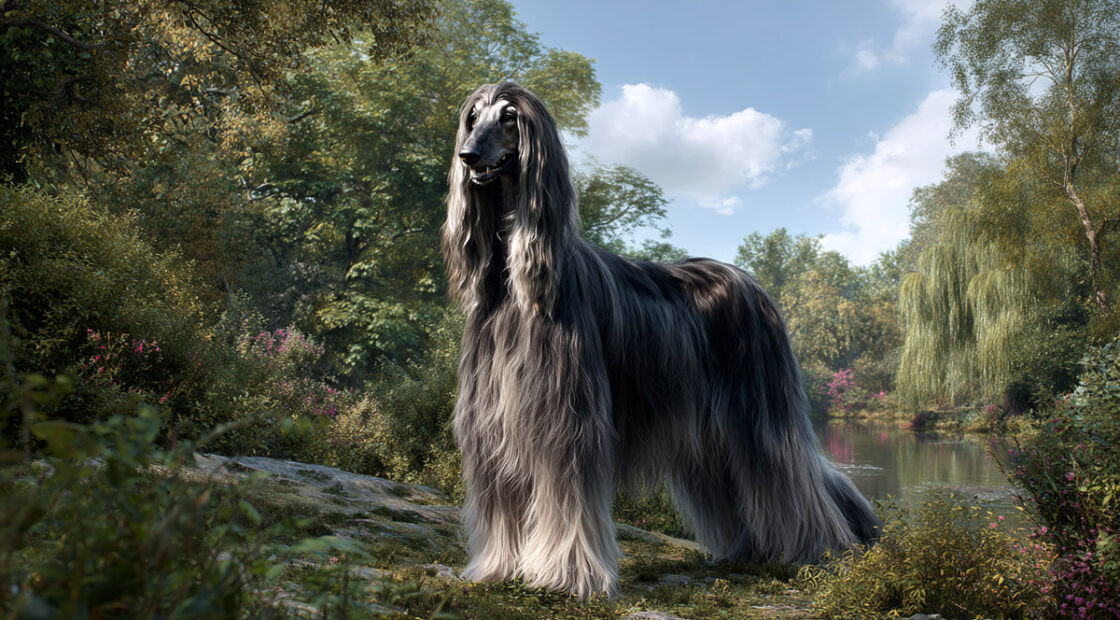
Few sighthounds command attention like the Afghan Hound with their flowing silky coat and regal bearing. These ancient hunting dogs from the mountains of Afghanistan bring both beauty and complexity to modern homes.
Owning an Afghan Hound isn’t like caring for a Golden Retriever or Labrador Retriever. Their independent nature, extensive grooming needs, and coursing instincts require dedicated owners who understand sighthound behavior.
This comprehensive guide covers everything from pre-adoption preparation to daily care routines. You’ll learn:
- Essential lifestyle requirements before bringing one home
- Proper nutrition for puppies through senior years
- Exercise needs that satisfy their hunting heritage
- Grooming techniques for their magnificent coat
- Training strategies that work with their aloof personality
- Health considerations specific to the breed
Whether you’re considering adoption or already share your home with one of these elegant gazelle hounds, this guide provides practical solutions for successful Afghan Hound ownership.
Afghan Hound Stats
| Characteristic | Details |
|---|---|
| Size | Large (25-27 inches tall) |
| Weight | Males: 50-60 lbs, Females: 50-60 lbs |
| Lifespan | 12-18 years |
| Energy Level | Moderate – sprinter rather than endurance runner |
| Exercise Needs | 45-60 minutes daily (free running in secure area, leashed walks) |
| Grooming Requirements | Very high – daily brushing required, professional grooming regularly |
| Shedding | Moderate – regular shedding of long hair |
| Trainability | Low – independent and aloof, selective hearing |
| Good with Children | Moderate – better with older, respectful children |
| Good with Other Pets | Challenging – high prey drive, may chase small animals |
| Barking Level | Low – generally quiet breed |
| Climate Tolerance | Good in most climates, needs protection from extreme cold |
| Living Space | Needs secure, high fencing – excellent jumpers and runners |
| Common Health Issues | Hip dysplasia, cataracts, hypothyroidism, allergies, bloat |
| Coat Type | Long, fine, silky single coat |
| Coat Colors | All colors acceptable – cream, red, brindle, blue, black, domino |
| Temperament | Aloof, dignified, independent, gentle, clownish with family |
| Origin | Afghanistan |
| AKC Group | Hound Group |
| Good for First-Time Owners | Not recommended – requires experienced sighthound owner |
Before You Bring Your Afghan Hound Home
Assessing Your Lifestyle and Living Situation
Afghan Hounds need substantial space. These sighthounds reach 24-29 inches tall and weigh 50-60 pounds. A cramped apartment won’t cut it.
Exercise requirements are non-negotiable. Plan for 60-90 minutes daily. This includes leash walking plus secure off-leash time for coursing behavior. Unlike a Pug or Chihuahua, these hunting dogs crave movement.
Grooming demands serious time commitment. Daily brushing prevents matting of their silky coat. Weekly deep grooming sessions. Professional grooming every 6-8 weeks.
First-time sighthound owners face challenges. Independent nature differs drastically from breeds like Golden Retriever or Labrador Retriever. Consider starting with easier breeds if you lack experience.
Key Questions to Ask Yourself:
- Do you have a securely fenced yard?
- Can you dedicate 2+ hours daily to exercise and grooming?
- Are you prepared for aloof, independent behavior?
- Do you understand sighthound prey drive?
Finding a Reputable Breeder or Rescue
Research breeder credentials thoroughly. Contact the Afghan Hound Club of America for referrals. Verify AKC registration and breeding standards compliance.
Health testing is mandatory. Demand documentation for:

- Hip dysplasia screening
- Progressive retinal atrophy testing
- Juvenile cataracts examination
- Thyroid function evaluation
Meet both parents when possible. Observe temperament, coat quality, and overall health. Red flags include nervous, aggressive, or unhealthy-looking dogs.
Afghan Hound rescue organizations offer wonderful alternatives. Many adult dogs need homes due to owner surrender, not behavioral issues. Rescue dogs often come with basic training and known temperaments.
Warning Signs of Puppy Mills:
- Multiple litters available year-round
- Won’t let you meet parent dogs
- No health testing documentation
- Pressure for immediate purchase
- Meeting in parking lots or pet stores
Puppy-Proofing Your Home
Secure your yard first. Six-foot fencing minimum. Check for gaps, loose boards, or escape routes. Afghan Hounds can jump surprisingly high and squeeze through small openings.
Remove toxic hazards immediately:
- Chocolate, grapes, onions
- Household cleaners and chemicals
- Small objects that pose choking risks
- Electrical cords and wires
Create safe comfort zones. Set up quiet areas with soft bedding. Avoid high-traffic zones initially. These sensitive breeds need retreat spaces.
Essential supplies checklist:
- Quality leash and collar
- Crate appropriate for adult size
- Food and water bowls
- Grooming tools (slicker brush, metal comb, detangling spray)
- Appropriate toys for large breeds
Feeding Your Afghan Hound Right
Nutritional Needs by Life Stage
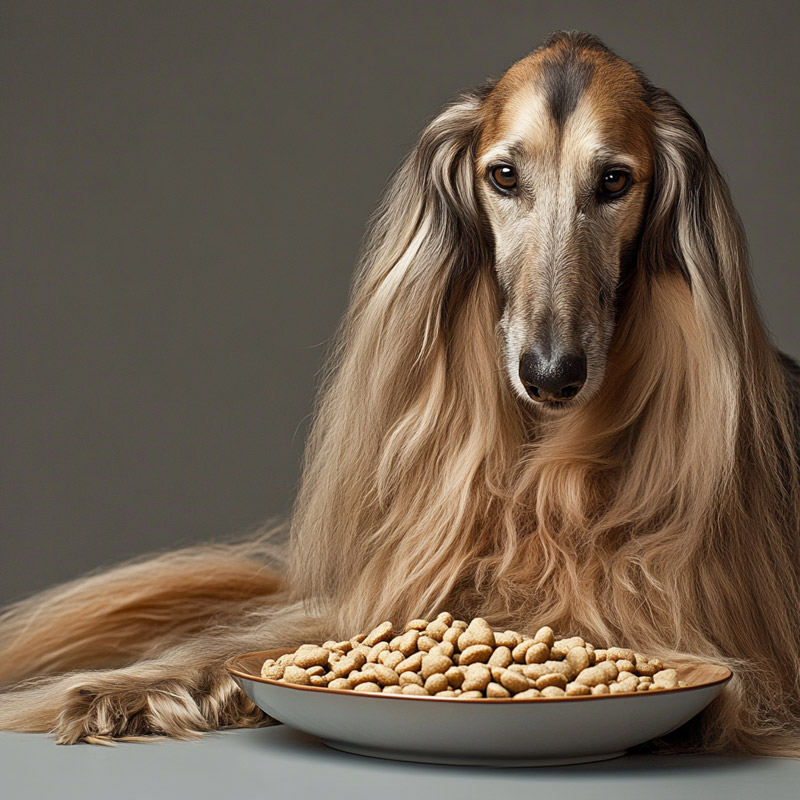
Puppy feeding requires precision. Start with breeder’s food brand to avoid digestive upset. Feed 3-4 meals daily until six months old. Large breed puppy formulas prevent developmental issues.
Adult Afghan Hounds need moderate protein levels (22-26%). Avoid excessive calories that lead to weight gain. These lean sighthounds should maintain visible waist tucks.
Senior dogs often need easily digestible foods. Reduced calories help prevent obesity. Joint support supplements become important. Consult your veterinarian about dietary changes around age 7-8.
Active dogs participating in lure coursing need higher calories. Increase portions on training and competition days. Monitor body condition closely.
Choosing Quality Dog Food
Read ingredient labels carefully. First ingredient should be named meat protein. Avoid generic terms like “meat meal” or “animal byproducts.”
Grain-free formulas aren’t automatically better. Many Afghan Hounds tolerate grains well. Focus on overall ingredient quality rather than marketing claims.
Consider these food format options:
- Dry kibble: Convenient, helps dental health
- Wet food: Higher moisture, palatability
- Raw diets: Requires extensive research and planning
Avoid harmful ingredients:
- Artificial preservatives (BHA, BHT, ethoxyquin)
- Excessive fillers (corn syrup, wheat gluten)
- Unidentified meat sources
Feeding Schedules and Portion Control
Adult dogs need two meals daily. Morning and evening feeding reduces bloat risk. Space meals 10-12 hours apart when possible.
Bloat prevention is critical. Afghan Hounds have deep chests that increase gastric dilatation volvulus risk. Use elevated bowls. Restrict exercise for 2+ hours after meals.
Monitor body condition monthly. Feel for rib coverage without pressing hard. Visible waist tuck from above and side views indicates proper weight.
Training treats should stay under 10% of daily calories. Choose small, soft rewards. Freeze-dried liver or small training biscuits work well. Unlike food-motivated breeds such as Beagle or Poodle, Afghan Hounds aren’t always treat-driven.
Daily Feeding Guidelines:
- Puppies (8-16 weeks): 1.5-2 cups divided into 3-4 meals
- Adolescents (4-12 months): 2.5-3.5 cups divided into 2-3 meals
- Adults: 2-3 cups divided into 2 meals
- Seniors: 1.5-2.5 cups divided into 2 meals
Adjust portions based on individual metabolism, activity level, and body condition. Use dog age calculators to track life stage transitions.
Exercise and Activity Requirements
Daily Exercise Needs
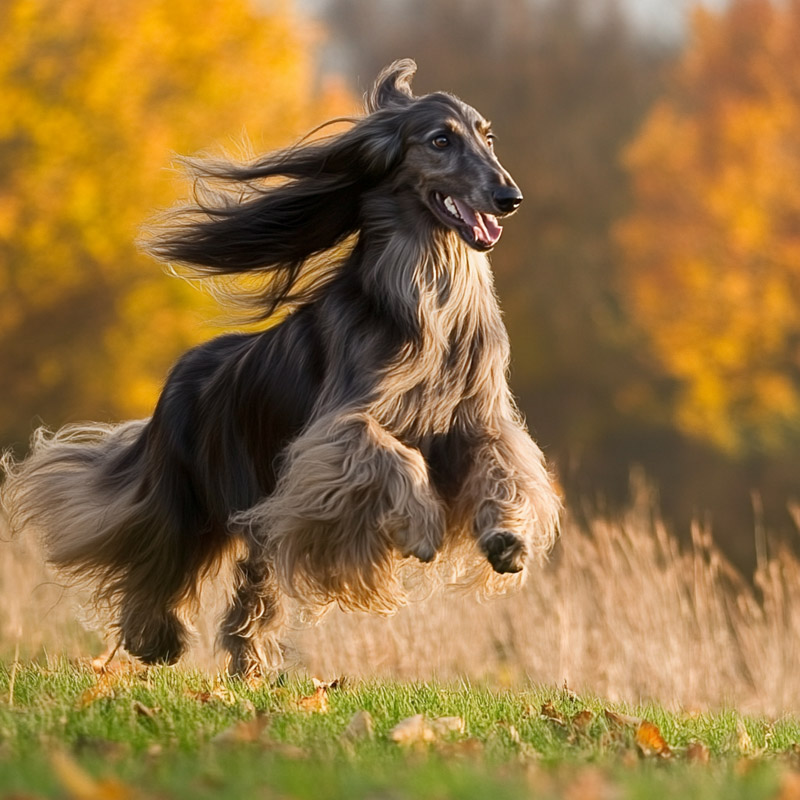
Afghan Hounds need 60-90 minutes daily exercise. These sighthounds aren’t couch potatoes like Pug or French Bulldog breeds.
Minimum requirements:
- 30 minutes leash walking
- 30-60 minutes secure off-leash time
- Mental stimulation activities
Puppy exercise differs significantly. Five minutes per month of age, twice daily. A four-month puppy needs 20 minutes morning and evening. Avoid forced exercise until growth plates close around 18 months.
Adult exercise intensity should match their coursing heritage. Short bursts of speed followed by rest periods work best. Think sprints, not marathons.
Senior dogs still need movement but adjust intensity. Joint issues may require swimming or gentle walks. Monitor breathing and recovery time.
Mental Stimulation and Enrichment
Puzzle toys challenge their intelligence. Rotate toys weekly to maintain interest. Food-dispensing toys work well for independent breeds.
Training sessions provide mental exercise. Keep sessions short (10-15 minutes) due to their aloof personality. Unlike eager-to-please breeds such as Golden Retriever or Labrador Retriever, Afghan Hounds require patience.
Scent work taps into natural hunting instincts. Hide treats around the yard. Start simple, increase difficulty gradually. This beats destructive behavior from boredom.
Enrichment Activities:
- Lure coursing practice
- Nose work games
- Rotation of interactive toys
- New walking routes
- Supervised social time with other sighthounds
Safe Exercise Practices
Recall training challenges are real. Their independent nature and prey drive make reliable recall difficult. Always use secure areas for off-leash exercise.
Fenced dog parks work if other dogs are calm. Avoid areas with small, fast-moving animals that trigger chase instincts.
Weather considerations matter greatly. Their thin coat offers little cold protection. Limit outdoor time below 40°F. Provide coats or sweaters in winter.
Hot weather poses overheating risks. Exercise during cool morning and evening hours. Watch for excessive panting or lethargy.
Signs of Overexertion:
- Heavy panting that doesn’t stop
- Excessive drooling
- Stumbling or unsteady gait
- Reluctance to continue
- Glazed or unfocused eyes
Grooming Your Afghan Hound’s Magnificent Coat
Daily and Weekly Grooming Routines
Daily brushing prevents matting disasters. Use a slicker brush followed by a metal comb. Work in sections from skin to coat tips.
Start at the legs and work upward. Pay special attention to areas that mat easily: behind ears, under legs, chest, and rear end.
Weekly deep grooming sessions are essential. Use detangling spray on problem areas. Never brush dry coat – always use leave-in conditioner or detangling products.
Bathing frequency depends on lifestyle. Show dogs need weekly baths. Pet dogs require monthly bathing unless dirty. Use lukewarm water and quality dog shampoo.
Grooming Tool Essentials:
- Slicker brush for daily maintenance
- Metal comb for thorough checking
- Pin brush for fluffing coat
- Detangling spray for problem areas
- High-velocity dryer for proper drying
Professional Grooming Services
Find groomers experienced with sighthounds. Afghan Hounds aren’t like easy-maintenance breeds such as Beagle or Boston Terrier. Their coat requires specialized knowledge.
Professional grooming every 6-8 weeks maintains coat health. Show dogs need more frequent professional attention.
Show cuts versus pet trims differ dramatically. Show cuts maintain full coat length with precise shaping. Pet trims can be shorter for easier maintenance.
Budget $75-150 per session depending on location and coat condition. Matted coats cost extra due to time requirements.
Questions for Potential Groomers:
- Experience with Afghan Hounds specifically?
- Comfortable with full coat maintenance?
- Use appropriate drying techniques?
- Understanding of breed standards?
Additional Grooming Needs
Nail trimming every 2-3 weeks. Long nails affect gait and cause discomfort. Use quality nail clippers designed for large breeds.
Ear cleaning prevents infections. Their drop ears trap moisture and debris. Clean weekly with veterinarian-approved solutions. Never use cotton swabs deep in ear canals.
Dental hygiene requires attention. Brush teeth 2-3 times weekly minimum. Dental chews help but don’t replace brushing.
Eye care prevents tear staining. Wipe daily with damp cloth. Check for discharge, redness, or irritation signs.
Weekly Grooming Checklist:
- [ ] Thorough brushing and combing
- [ ] Ear cleaning and inspection
- [ ] Nail length check
- [ ] Teeth brushing
- [ ] Eye cleaning
- [ ] Skin inspection for problems
- [ ] Coat condition assessment
Professional grooming maintains their regal appearance while preventing health issues. Unlike low-maintenance breeds such as Chihuahua or Jack Russell Terrier, Afghan Hounds demand consistent grooming commitment.
Training Your Independent Afghan Hound
Understanding the Afghan Hound Mindset
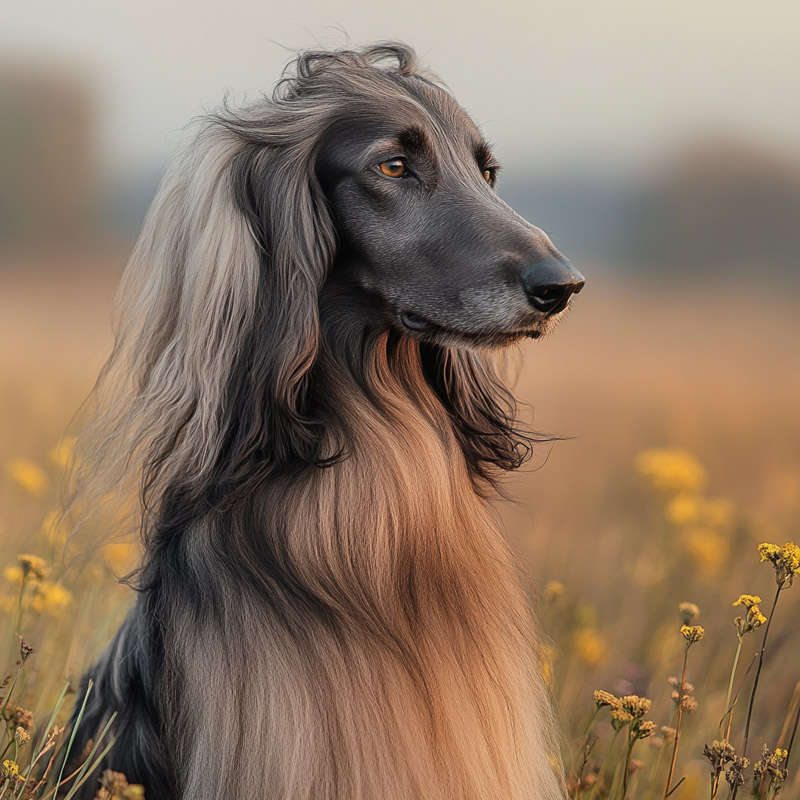
Afghan Hounds think independently. They’re not eager-to-please breeds like Golden Retriever or Labrador Retriever.
Motivation differs from other breeds. Food rewards work less effectively than with Beagle or Poodle. Try praise, play, or brief training sessions.
Patience is non-negotiable. Expect slower progress compared to breeds bred for obedience. Their aloof personality requires different approaches.
Positive reinforcement works best. Harsh corrections shut down their sensitive nature. Build trust through consistency and gentle guidance.
Training Mindset Adjustments:
- Accept their independent nature
- Keep sessions short (5-10 minutes)
- End on positive notes
- Celebrate small victories
- Avoid repetitive drilling
Basic Obedience Training
House training requires patience. Crate training accelerates the process. Use appropriately sized crates that allow standing and turning.
Basic commands need consistent practice:
- Sit: Use food lure, reward immediately
- Stay: Start with 5-second holds
- Down: Practice on comfortable surfaces
- Come: Start in secure, small areas
Leash training challenges are real. Start with short sessions in quiet areas. Their prey drive makes distractions difficult to ignore.
Recall remains problematic. Even well-trained Afghan Hounds may ignore commands when chasing. Always use secure areas for off-leash time.
Socialization and Behavioral Training
Early socialization prevents fearfulness. Expose puppies to various people, sounds, and environments between 8-16 weeks.
Meeting new people requires gradual introduction. Their reserved demeanor differs from outgoing breeds like French Bulldog or Boston Terrier.
Managing prey drive is ongoing work. Exposure to small animals should be supervised and controlled. Unlike breeds with lower prey drive such as Newfoundland, Afghan Hounds maintain strong chasing instincts.
Socialization Priorities:
- Various human interactions
- Different environments and surfaces
- Controlled animal encounters
- Car rides and handling
- Grooming tolerance
Health and Veterinary Care
Common Health Issues in Afghan Hounds
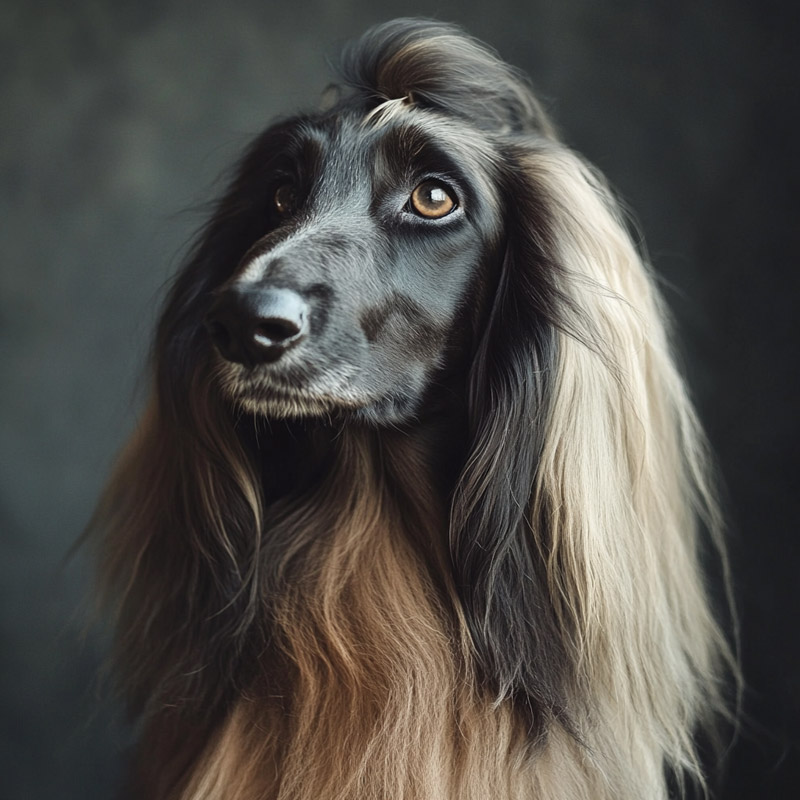
Hip dysplasia affects many sighthounds. Genetic testing helps identify carriers. Choose breeders who test breeding stock through OFA or PennHIP.
Eye conditions include:
- Progressive retinal atrophy
- Juvenile cataracts
- Corneal dystrophy
Annual eye exams catch problems early. Work with veterinary ophthalmologists for advanced care.
Heart conditions require monitoring. Dilated cardiomyopathy occurs in some lines. Regular cardiac screenings help detect issues.
Bloat risks increase with deep chest structure. Gastric dilatation volvulus can be fatal without emergency treatment. Watch for restlessness, unproductive retching, and distended abdomen.
Additional Health Concerns:
- Hypothyroidism
- Chylothorax
- Allergies and skin sensitivities
- Anesthetic sensitivity
- Tail injuries from enthusiastic wagging
Preventive Healthcare Schedule
Vaccination protocols start at 6-8 weeks:
- DHPP (distemper, hepatitis, parvovirus, parainfluenza)
- Rabies at 12-16 weeks
- Boosters per veterinary recommendations
Parasite prevention is year-round. Monthly heartworm preventatives also control intestinal parasites. Tick prevention matters in endemic areas.
Regular screenings by age:
- Annual: Physical exams, blood work
- Biennial: Hip and elbow X-rays
- As needed: Eye exams, cardiac evaluation
Spaying and neutering timing affects growth. Large breeds benefit from waiting until growth plates close around 18-24 months.
Working with Your Veterinarian
Find veterinarians experienced with sighthounds. Their physiology differs from stockier breeds. Anesthetic protocols require adjustments.
Emergency planning saves lives. Know 24-hour emergency clinic locations. Keep emergency contact numbers accessible.
Health records should include:
- Vaccination history
- Health testing results
- Previous illness documentation
- Medication reactions
- Growth charts and weight tracking
Pet insurance considerations:
- Pre-existing conditions excluded
- Hereditary condition coverage varies
- Compare deductibles and coverage limits
- Consider wellness plan additions
Veterinary Visit Checklist:
- [ ] Current vaccination records
- [ ] List of current medications
- [ ] Recent behavior changes
- [ ] Appetite and elimination patterns
- [ ] Exercise tolerance changes
- [ ] Questions about breed-specific concerns
Emergency symptoms requiring immediate attention:
- Unproductive retching or bloating
- Difficulty breathing
- Collapse or weakness
- Seizures
- Bleeding that won’t stop
- Eye injuries or sudden vision loss
Unlike hardy breeds such as Australian Cattle Dog or German Shepherd Dog, Afghan Hounds require careful health monitoring due to their sensitive nature and breed-specific conditions.
Living Harmoniously with Your Afghan Hound
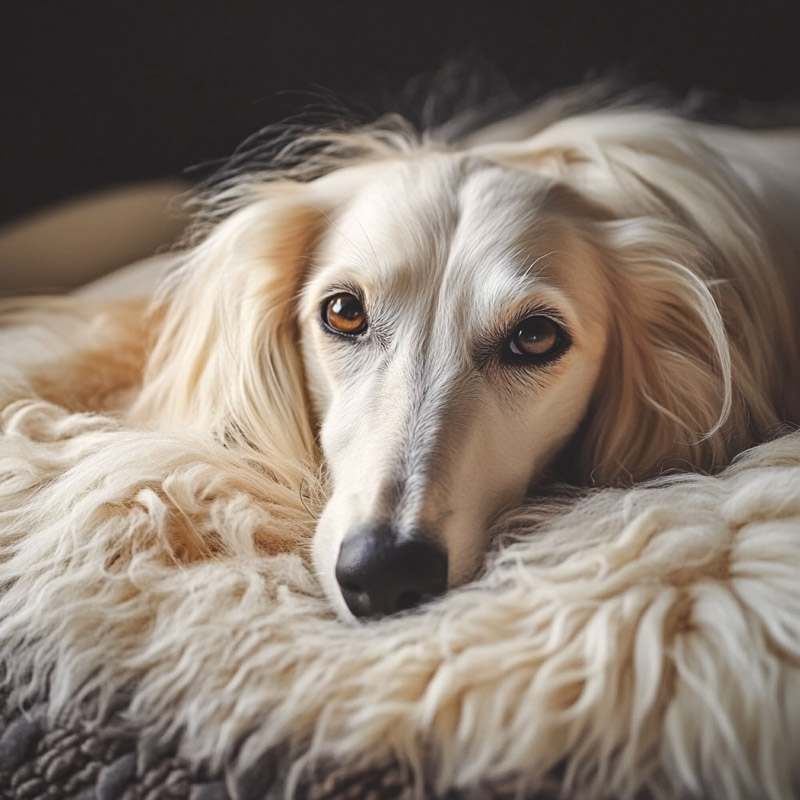
Creating a Comfortable Home Environment
Temperature control matters significantly. Afghan Hounds feel cold easily due to their thin coat. Maintain indoor temperatures above 68°F. Provide heated beds in winter.
Proper sleeping areas reduce stress. Soft, elevated beds protect joints and provide comfort. Avoid hard floors that cause pressure sores.
Shedding management requires daily attention. High-quality vacuum cleaners handle their long hair. Regular grooming reduces loose hair throughout the house.
Space accommodations for large breeds:
- Wide doorways and hallways
- Non-slip rugs on smooth floors
- Low-entry water and food bowls
- Adequate turning space in living areas
Unlike compact breeds such as Chihuahua or Yorkshire Terrier, Afghan Hounds need substantial indoor space for comfortable movement.
Afghan Hounds and Family Life
Children interactions require supervision. Their gentle disposition works well with respectful kids. Teach children proper approach and handling techniques.
Size considerations with small children:
- Accidental knockdowns during play
- Tail wagging at toddler face level
- Food guarding from curious hands
Multi-pet households present challenges. Their prey drive affects relationships with cats and small animals. Early socialization helps but never guarantees compatibility.
Successful pet combinations:
- Other large, calm dogs
- Dogs with similar energy levels
- Breeds that respect personal space
Avoid housing with high-energy breeds like Jack Russell Terrier or Australian Cattle Dog that may overwhelm their sensitive nature.
Visitor management requires planning. Their aloof personality means slow warm-up periods. Allow them retreat space during social gatherings.
Visitor Introduction Protocol:
- Let them observe from distance initially
- Avoid forced interactions
- Provide quiet escape routes
- Keep visits short initially
- Reward calm behavior
Travel preparations need advance planning. Their size requires larger vehicles or travel crates. Motion sickness affects some individuals.
Understanding Your Dog’s Unique Needs
Stress signals differ from outgoing breeds:
- Excessive panting without heat
- Pacing or restlessness
- Loss of appetite
- Withdrawal from family
- Excessive grooming or scratching
Emotional support strategies:
- Consistent daily routines
- Quiet retreat spaces
- Gentle reassurance without force
- Predictable mealtimes and walks
Communication style recognition takes time. Their subtle body language differs from expressive breeds like Golden Retriever or Labrador Retriever.
Afghan Hound communication includes:
- Direct eye contact: Interest or alertness
- Leaning against you: Affection seeking
- Bringing toys: Invitation to interact
- Following quietly: Desire for companionship
Building strong bonds requires patience. Unlike immediately affectionate breeds such as French Bulldog or Pug, Afghan Hounds develop deeper relationships gradually.
Bond-Building Activities:
- Consistent grooming sessions
- Quiet parallel time together
- Gentle massage and handling
- Shared calm activities
- Respecting their independence needs
Age-related changes affect behavior. Senior dogs may become more clingy or conversely more independent. Monitor comfort levels and adjust expectations.
Environmental enrichment prevents boredom:
- Rotating toy selection
- New walking routes weekly
- Supervised outdoor exploration
- Weather-appropriate activities
- Social opportunities with compatible dogs
Seasonal adjustments improve comfort:
- Winter: Coats, heated beds, limited outdoor time
- Summer: Cooling mats, shade access, early/late exercise
- Spring/Fall: Allergy monitoring, coat condition checks
Unlike adaptable breeds such as German Shepherd Dog or Australian Shepherd, Afghan Hounds require specific environmental considerations for optimal wellbeing.
FAQ on Afghan Hound
Are Afghan Hounds good family pets?
Afghan Hounds can be excellent family pets for the right households. Their gentle disposition works well with respectful children and calm environments. However, their independent nature and extensive grooming needs require committed owners who understand sighthound behavior patterns.
How much exercise do Afghan Hounds need daily?
These hunting dogs require 60-90 minutes of daily exercise including leash walks and secure off-leash time. Unlike low-energy breeds such as Pug or French Bulldog, Afghan Hounds need substantial physical activity to satisfy their coursing instincts.
How often should I groom my Afghan Hound’s coat?
Daily brushing prevents matting of their silky coat, with weekly deep grooming sessions required. Professional grooming every 6-8 weeks maintains coat health. Their grooming demands far exceed easier breeds like Beagle or Boston Terrier.
Are Afghan Hounds easy to train?
Afghan Hounds present training challenges due to their independent nature and aloof personality. They respond better to positive reinforcement than harsh corrections. Unlike eager-to-please breeds such as Golden Retriever, they require patience and consistent, gentle training approaches.
Do Afghan Hounds get along with other pets?
Their strong prey drive makes relationships with small animals challenging. Early socialization helps with other dogs, particularly large, calm breeds. However, cats and small pets may trigger their hunting instincts. Supervision remains important throughout their lives.
What health problems are common in Afghan Hounds?
Hip dysplasia, progressive retinal atrophy, juvenile cataracts, and bloat are primary concerns. Regular health screenings including hip evaluations and eye exams help catch issues early. Their deep chest structure increases gastric dilatation volvulus risk requiring careful feeding protocols.
How big do Afghan Hounds get?
Adult Afghan Hounds stand 24-29 inches tall and weigh 50-60 pounds. Males typically reach the larger end of this range. Their substantial size requires adequate indoor space and secure fencing, unlike smaller companion breeds such as Chihuahua.
Are Afghan Hounds good for first-time dog owners?
Afghan Hounds aren’t ideal for inexperienced owners. Their independent nature, extensive grooming requirements, and training challenges require dedicated commitment. First-time owners might consider easier breeds like Labrador Retriever before tackling sighthound ownership.
How long do Afghan Hounds typically live?
Afghan Hounds generally live 12-14 years with proper care. Regular veterinary checkups, quality nutrition, appropriate exercise, and preventive healthcare help maximize their lifespan. Their longevity compares favorably to other large breed dogs when health issues are managed properly.
Do Afghan Hounds shed a lot?
Despite their long coat, Afghan Hounds shed moderately year-round. Daily brushing captures loose hair before it spreads throughout the house. Their shedding differs from double-coated breeds but still requires consistent grooming attention and quality vacuum cleaners for effective hair management.
Conclusion
Owning an Afghan Hound represents a significant commitment that rewards dedicated owners with years of companionship from these magnificent gazelle hounds. Their ancient bloodlines from the Pamir Mountains bring both beauty and responsibility to modern households.
Success requires understanding their unique needs. From daily coat maintenance to managing their prey drive, these sighthounds demand more than casual pet ownership. Unlike adaptable breeds such as German Shepherd Dog or Australian Shepherd, Afghan Hounds thrive with owners who respect their independent nature.
Key factors for successful ownership include:
- Secure fencing for their coursing behavior
- Time commitment for grooming routines
- Patience with their aloof personality
- Understanding of breed-specific health concerns
The journey from puppy to senior dog brings challenges and rewards. Their sensitive temperament and elegant bearing make them unsuitable for every household but perfect for those who appreciate their distinctive character and are prepared for the commitment these remarkable hounds require.