Few dogs combine hunting heritage with gentle temperament like the Cesky Terrier. This rare Czech breed breaks every terrier stereotype with its silky coat and calm disposition.
Created through scientific breeding in 1940s Bohemia, these dogs offer terrier intelligence without typical aggression. Dr. František Horák’s vision produced a unique companion that excels in modern family life.
Why This Guide Matters:
- Only 600 dogs registered annually worldwide
- Specific grooming needs unlike other terriers
- Health considerations require informed decisions
You’ll discover everything from breed history to daily care requirements. Learn about their distinctive blue-gray coat, training needs, and what makes them ideal apartment dogs.
Whether you’re considering adoption or already own one, this comprehensive guide covers professional grooming, health screening, and finding reputable breeders.
Cesky Terrier Breed Statistics
| Characteristic | Details |
|---|---|
| Size | Small |
| Height | Males: 11-13 inches, Females: 10-12 inches |
| Weight | 14-24 pounds |
| Life Expectancy | 12-15 years |
| Energy Level | Moderate |
| Exercise Needs | 30-45 minutes daily |
| Grooming Requirements | High – daily brushing, professional grooming every 6-8 weeks |
| Shedding Level | Low |
| Coat Type | Single coat, silky texture |
| Coat Colors | Blue-gray, light coffee brown, gray with tan markings |
| Trainability | High – intelligent and eager to please |
| Good with Children | Yes – patient and gentle |
| Good with Other Pets | Yes with proper socialization |
| Apartment Living | Excellent |
| Barking Level | Low to moderate |
| Climate Tolerance | Moderate – needs protection in extreme weather |
| First-Time Owner Friendly | Yes |
| Breed Rarity | Very rare – ~600 registered annually worldwide |
| AKC Group | Non-Sporting Group |
| Country of Origin | Czech Republic (Czechoslovakia) |
| Bred For | Hunting terrier, companion |
| Common Health Issues | Progressive Retinal Atrophy, Scottie Cramp, Curly Coat Syndrome |
| Average Puppy Price | $1,500-$3,000+ |
The Story Behind the Breed’s Creation
Dr. Frantisek Horak’s Vision
Dr. František Horák had one goal. Create the perfect hunting terrier for Bohemian terrain.
The Czech geneticist started his breeding program in the 1940s. His scientific approach differed from traditional dog breeding methods. Horák documented every cross, tracked genetic lines, and measured results against specific hunting criteria.
Unlike amateur breeders who relied on luck, Horák applied systematic breeding principles. He wanted a terrier that could hunt in packs without the aggressive tendencies of existing terrier breeds. The project consumed two decades of his life.
Timeline of Development:

- 1940s: Initial breeding experiments begin
- 1950s: First successful crosses produce desired traits
- 1960s: Breed characteristics stabilize
Parent Breeds and Breeding Strategy
Horák selected two foundation breeds with precision.
The Scottish Terrier contributed hunting instinct and compact build. These dogs brought centuries of refined terrier temperament to the mix. Their wire-haired coat and sturdy frame formed the structural foundation.
The Sealyham Terrier added specific coat qualities and calmer disposition. Welsh hunters had developed this breed for badger hunting. Their longer legs and softer temperament balanced the Scottish Terrier’s intensity.
Why These Two Breeds?
Both breeds shared similar size ranges but offered complementary traits. The Scottish Terrier’s boldness paired with the Sealyham’s gentleness created the ideal combination. Horák needed dogs that could work together, not fight each other.
Recognition and Establishment
Czechoslovakia officially recognized the breed in 1963. The Fédération Cynologique Internationale followed in 1967. American Kennel Club recognition came much later in 2011.
The original breed standard reflected Horák’s hunting requirements. Later revisions adapted the standard for companion dog roles. Today’s standard emphasizes the silky coat texture and rectangular body proportions that distinguish this breed from other terriers.
Recognition Timeline:
- 1963: Czechoslovakia (first official recognition)
- 1967: FCI recognition
- 2011: AKC recognition
Physical Characteristics and Appearance
Size and Body Structure
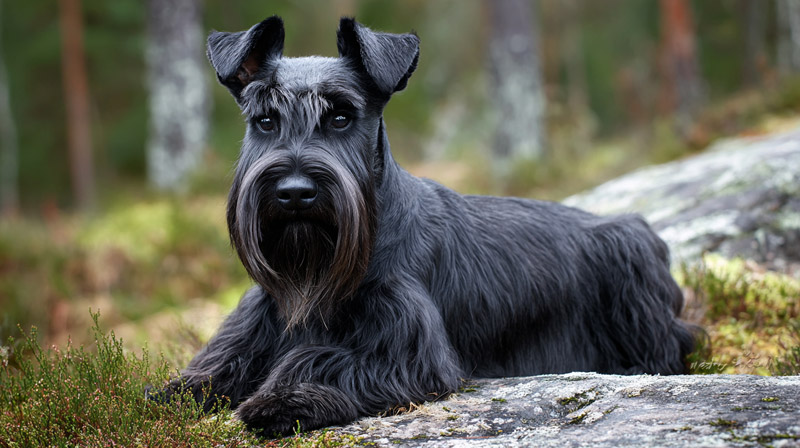
Males stand 11-13 inches tall. Females measure slightly smaller at 10-12 inches. Weight ranges from 14-24 pounds for both sexes.
The rectangular body shape sets this breed apart from square-bodied terriers like the West Highland White Terrier. Length exceeds height by roughly 1.5:1 ratio.
Body Proportions:
- Chest deep but not barrel-shaped
- Back straight and level
- Loin short and strong
- Hindquarters well-muscled
The Famous Cesky Coat
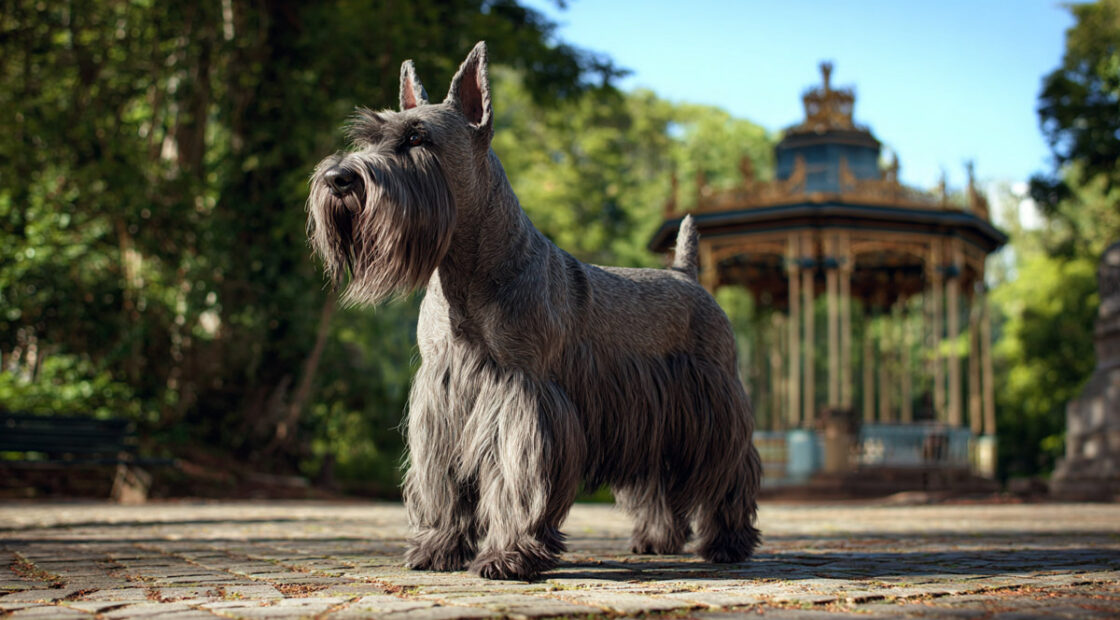
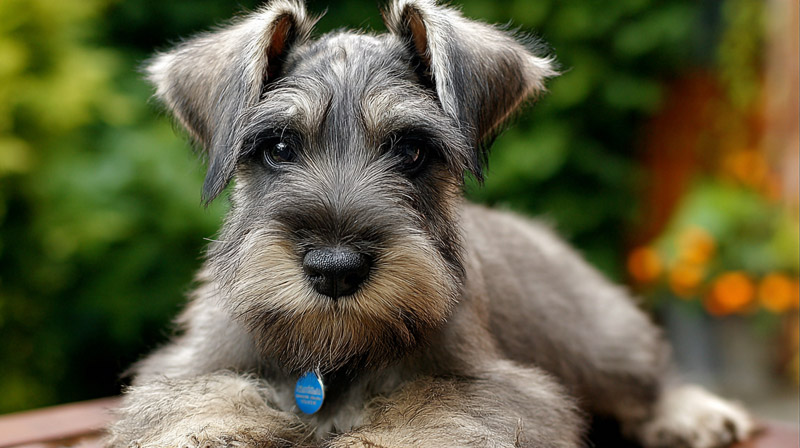
The silky coat texture feels completely different from typical terrier coats. Most terriers have harsh, wiry hair. This breed’s coat flows like silk when properly maintained.
Coat Colors:
- Blue-gray (most common)
- Light coffee brown
- Gray shades with tan markings
Puppies are born black or dark brown. Adult coat colors develop gradually. Full color transformation completes around 2-3 years using a dog age calculator for proper timing.
The single coat lacks the dense undercoat found in breeds like the Siberian Husky. This makes grooming easier but requires regular maintenance to prevent matting.
Facial Features and Expression
The head appears rectangular when viewed from above. Skull length exceeds width significantly. Stop is well-defined but not abrupt.
Eye Characteristics:
- Dark brown color preferred
- Medium size, neither prominent nor sunken
- Intelligent, alert expression
Ear Set:
- Triangle-shaped with rounded tips
- Set high and fold forward
- Covered with silky hair
The tail sets high and measures 7-8 inches when undocked. Modern breed standards prefer natural tails. Docked tails appear in older bloodlines from when tail docking was standard practice.
Bite and Teeth:
- Scissors bite preferred
- Complete dentition required for show
- Strong white teeth suitable for hunting work
The overall expression conveys intelligence and alertness without aggression. This gentle expression distinguishes the breed from more intense terrier breeds like the Airedale Terrier or Bull Terrier.
Understanding the Cesky Terrier Personality
Core Temperament Traits
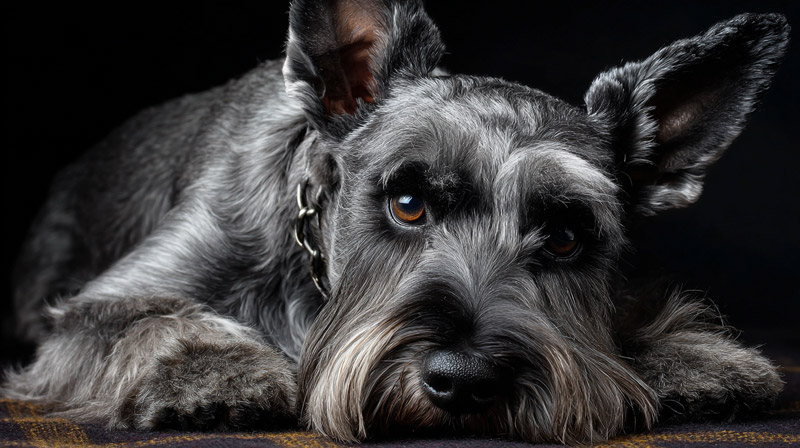
These dogs break the typical terrier mold. Calm and gentle by nature.
Most terriers display high-strung energy and stubborn independence. This breed offers a refreshing alternative. They possess terrier intelligence without the aggressive edge found in breeds like the Jack Russell Terrier.
Key Personality Traits:
- Patient and steady – Rarely reactive or snappy
- Intelligent learners – Quick to understand new commands
- Loyal companions – Form strong family bonds
Training responds well to positive reinforcement methods. Unlike more headstrong terriers such as the Cairn Terrier, these dogs actually want to please their owners.
Social Behavior Patterns
Children find excellent companions in these dogs. The breed’s patient temperament handles rough play better than smaller toy breeds like the Chihuahua.
With Children:
- Tolerates handling and games
- Protective without aggression
- Gentle mouth and soft bite
With Other Pets:
Early socialization determines success with cats and small animals. Their hunting heritage means prey drive exists but training can manage it. They integrate better with other dogs than most terrier breeds.
Multiple dog households work well. These dogs lack the dog-aggressive tendencies common in breeds like the Staffordshire Bull Terrier.
Response to Strangers:
Initial wariness gives way to acceptance once properly introduced. They make decent watchdogs through alerting but won’t attack intruders. This balanced approach differs from overly friendly breeds like the Golden Retriever or suspicious guardian breeds.
Activity Level and Energy Needs
Moderate exercise satisfies these dogs completely.
Daily Requirements:
- 30-45 minutes total activity
- Two walks plus indoor play
- Mental stimulation through puzzle toys
Indoor activity preferences make them suitable for apartment living. Unlike high-energy working breeds such as the Australian Cattle Dog, they don’t require extensive outdoor exercise.
Mental Stimulation Needs:
Boredom leads to destructive behaviors. Provide puzzle feeders, rotating toys, and basic obedience practice. Their intelligence demands engagement but doesn’t require the intensive mental work needed by breeds like the Border Collie.
Living with a Cesky Terrier
Best Home Environment
Apartment Living:
- Excellent apartment dogs when exercise needs are met
- Minimal barking compared to breeds like the Beagle
- Adaptable to small spaces
House with Yard: Small to medium yards provide ideal exercise space. Fencing requirements are standard height since these dogs rarely attempt escapes. Unlike climbing breeds such as the Basenji, standard 4-foot fencing contains them easily.
Climate Considerations:
The single coat provides less insulation than double-coated breeds like the Keeshond. Hot climates require shade and water access. Cold weather needs protective clothing during extended outdoor time.
Family Compatibility
First-Time Dog Owners:
Excellent choice for beginners. Their calm temperament and moderate needs make training straightforward. They forgive handling mistakes better than sensitive breeds like the Afghan Hound.
With Elderly Family Members:
Perfect companions for seniors. Low exercise requirements and gentle nature suit older owners. They provide companionship without the physical demands of large breeds like the Great Dane.
Busy Households:
Adapt well to varying schedules. Their independent streak means they handle alone time better than clingy breeds like the Cavalier King Charles Spaniel.
Training and Socialization Needs
Early Socialization Importance:
Critical period occurs between 8-16 weeks. Expose puppies to various people, sounds, and situations. Proper socialization prevents the fearfulness sometimes seen in undersocialized small breeds.
Basic Obedience Training:
Start with fundamental commands:
- Sit and stay
- Come when called
- Leash walking without pulling
- House training basics
House Training Considerations:
Small bladders require frequent outdoor access initially. Crate training accelerates the process. Most dogs achieve reliable house training by 6 months with consistent routine.
Professional Training:
While not essential like with strong-willed breeds such as the Rottweiler, puppy classes provide valuable socialization opportunities. Group classes work well due to their non-aggressive nature with other dogs.
Complete Grooming Guide
Understanding the Cesky Coat Type
Single coat structure makes grooming different from double-coated breeds like the Pomeranian. No dense undercoat means less seasonal shedding but more matting risk.
Coat Characteristics:
- Silky texture requires daily attention
- Grows continuously like human hair
- Minimal natural shedding compared to breeds like the Labrador Retriever
Matting occurs quickly without regular brushing. The silky hair tangles easily around ears, legs, and chest areas.
Daily and Weekly Grooming Routines
Daily Requirements:
- Brush thoroughly with slicker brush
- Check for mats behind ears and under legs
- Clean eye area with damp cloth
Weekly Tasks:
- Nail trimming (small breeds need frequent attention)
- Ear cleaning with veterinary-approved solution
- Teeth brushing using dog-specific toothpaste
Essential Grooming Tools:
- Pin brush for daily maintenance
- Slicker brush for mat removal
- Metal comb for final checking
- Nail clippers designed for small breeds
- Professional grooming scissors
Unlike low-maintenance breeds such as the Beauceron, these dogs demand consistent grooming commitment.
Professional Grooming Requirements
Clipping Schedule: Professional grooming every 6-8 weeks maintains proper coat length and shape. The breed standard requires specific trimming patterns different from other terriers.
Show vs Pet Grooming: Show dogs receive hand-stripping to preserve coat texture. Pet owners typically choose clipping for convenience. Hand-stripping maintains the silky feel but requires professional expertise.
Professional Services Include:
- Body clipping to breed standard
- Facial hair shaping
- Foot trimming
- Sanitary area maintenance
Cost Considerations: Professional grooming costs more than basic breeds like the American Foxhound due to specialized techniques required.
Bathing and Coat Maintenance
Bathing Frequency: Every 4-6 weeks or when visibly dirty. Over-bathing strips natural oils from the silky coat. Use lukewarm water and gentle shampoos designed for sensitive skin.
Best Shampoo Types:
- Moisturizing formulas for silky coats
- Hypoallergenic options for sensitive skin
- Avoid harsh detergents used for oily-coated breeds
Drying Techniques:
- Towel dry first to remove excess water
- Use blow dryer on cool setting
- Brush while drying to prevent matting
- Complete drying prevents skin issues
Health Considerations
Common Health Issues in the Breed
Progressive Retinal Atrophy (PRA): Genetic eye condition leading to blindness. DNA testing identifies carriers before breeding. Reputable breeders provide PRA testing documentation for parent dogs.
Scottie Cramp: Inherited movement disorder causing temporary muscle spasms during excitement. Episodes last minutes but don’t cause pain. No cure exists but episodes often decrease with age.
Curly Coat Syndrome: Genetic condition affecting coat texture and quality. Affected dogs develop tight curls instead of silky straight hair. Testing available through genetic laboratories.
Hip Dysplasia: Less common than in larger breeds like the Newfoundland but still possible. Hip scoring through veterinary examination identifies affected dogs.
Preventive Health Care
Regular Veterinary Checkups: Annual examinations detect problems early. Senior dogs (7+ years) benefit from twice-yearly visits.
Vaccination Schedule:
- Puppy series at 8, 12, and 16 weeks
- Annual boosters for core vaccines
- Regional vaccines based on geographic location
Essential Vaccinations:
- Rabies (required by law)
- DHPP (distemper, hepatitis, parvovirus, parainfluenza)
- Bordetella if boarding or attending dog shows
Parasite Prevention: Monthly heartworm prevention mandatory in most climates. Flea and tick control prevents disease transmission. Regular deworming based on lifestyle and exposure risk.
Nutrition and Weight Management
Feeding Requirements by Age:
Puppies (8 weeks – 12 months):
- High-quality puppy food with 22-24% protein
- 3-4 meals daily until 6 months
- 2 meals daily after 6 months
Adults (1-7 years):
- Maintenance diet with 18-20% protein
- 1-2 meals daily
- 1/2 to 3/4 cup total daily food
Seniors (7+ years):
- Senior formula with joint support
- Monitor weight closely as activity decreases
- Smaller, more frequent meals aid digestion
Preventing Obesity: Small breeds gain weight quickly. Monitor body condition monthly. You should feel ribs easily under skin without excess fat covering.
Weight Guidelines:
- Males: 16-24 pounds ideal weight
- Females: 14-22 pounds ideal weight
- Puppies double birth weight by 10-14 days
Unlike food-motivated breeds such as the Pug, these dogs typically self-regulate food intake when fed quality diets.
Special Dietary Considerations:
- Avoid foods toxic to dogs (chocolate, grapes, onions)
- Monitor for food allergies (uncommon but possible)
- Provide fresh water daily
- Limit treats to 10% of daily calories
Finding and Choosing a Cesky Terrier
Locating Reputable Breeders
What to Look for in a Good Breeder:
Serious breeders health test all breeding dogs. They provide documentation for Progressive Retinal Atrophy, Scottie Cramp, and Curly Coat Syndrome testing. Genetic testing laboratories verify results.
Health Testing Requirements:
- PRA genetic testing (mandatory)
- Hip evaluation (recommended)
- Eye examination by veterinary ophthalmologists
- Complete health history of parent dogs
Quality breeders belong to the Cesky Terrier Club of America or breed-specific organizations. They show dogs at events like Westminster Dog Show or participate in breed preservation programs.
Red Flags to Avoid:
- Multiple litters available year-round
- No health testing documentation
- Won’t allow meeting parent dogs
- Pressure for immediate purchase
- Selling to pet stores
Questions to Ask Potential Breeders:
About Health:
- “What health testing have you completed on the parents?”
- “Can I see copies of health clearances?”
- “Have any dogs in this line developed genetic conditions?”
About the Breeding Program:
- “How long have you been breeding this specific line?”
- “What are your goals for this breeding?”
- “Do you participate in dog shows or performance events?”
About Support:
- “What ongoing support do you provide new owners?”
- “Will you take the dog back if circumstances change?”
- “Can you provide references from previous puppy buyers?”
Unlike popular breeds such as the French Bulldog, finding quality breeders requires patience due to limited numbers.
Puppy Selection Process
Health Testing Documentation:
Reputable breeders provide copies of all genetic testing results. Both parent dogs should have clear results for breed-specific conditions. Veterinary checkups document puppy health status.
Meeting the Parent Dogs:
At minimum, meet the mother dog. Her temperament influences puppy development during critical early weeks. Father dogs may live elsewhere but breeders should provide information about his health and temperament.
Parent Temperament Indicators:
- Calm, friendly mother dog
- No excessive shyness or aggression
- Good interaction with strangers
- Stable, predictable behavior
Evaluating Puppy Temperament:
At 8 Weeks:
- Confident exploration of new areas
- Positive response to gentle handling
- Appropriate play behavior with littermates
- Recovery from startling sounds
Temperament Tests:
- Pick up puppy gently (should relax, not struggle excessively)
- Call puppy from across room (should approach willingly)
- Make sudden noise (should investigate after initial startle)
Avoid extremely shy puppies that hide or overly dominant ones that bite during play. Unlike breeds with predictable temperaments such as the Maltese, individual variation exists within litters.
Physical Evaluation:
- Clear, bright eyes without discharge
- Clean ears with no odor
- Healthy coat texture for age
- Proper bite alignment
- No hernias or obvious defects
Adoption and Rescue Options
Breed-Specific Rescue Organizations:
Cesky Terrier rescue groups specialize in breed placement. These organizations understand breed-specific needs better than general rescues. They evaluate dogs thoroughly before placement.
Benefits of Breed Rescue:
- Dogs often house-trained and past puppy stage
- Temperament evaluation completed
- Basic obedience training may be finished
- Lower cost than purchasing from breeders
What to Expect from Adult Rescues:
Most rescued dogs come from owner surrenders rather than abuse situations. Common reasons include family changes, moving, or underestimating grooming requirements.
Typical Rescue Dog Profile:
- Age 2-8 years old
- House-trained and socialized
- May need professional grooming immediately
- Adjustment period of 2-4 weeks
Rescue Evaluation Process:
- Home visit or virtual interview
- Reference checks from veterinarians
- Meet-and-greet with existing pets
- Follow-up support provided
Preparation for Bringing Home Your Dog:
Essential Supplies:
- Quality dog food (ask breeder/rescue what they currently feed)
- Food and water bowls (stainless steel or ceramic)
- Collar with ID tags
- 6-foot leash for training
- Crate appropriate for adult size
- Dog bed or blankets
- Grooming supplies (brush, nail clippers)
- Toys for mental stimulation
Initial Veterinary Care: Schedule appointment within first week. Bring all health records from breeder or rescue. Discuss vaccination schedule, parasite prevention, and spay/neuter timing if applicable.
Setting Expectations:
- Adjustment period normal for all dogs
- House training accidents possible initially
- Establish routine immediately
- Professional grooming needed within 2-4 weeks
Unlike adaptable breeds such as the Boxer, these dogs benefit from consistent routines during transition periods.
FAQ on Cesky Terrier
Are Cesky Terriers good family dogs?
Yes, excellent family companions. Their calm temperament and patient nature make them ideal with children. Unlike aggressive terrier breeds, they rarely snap or show territorial behavior. Early socialization ensures positive interactions with all family members including other pets.
How much grooming do Cesky Terriers need?
Daily brushing prevents matting of their silky coat. Professional grooming every 6-8 weeks maintains proper coat length and breed standard appearance. More intensive than low-maintenance breeds but manageable for committed owners seeking a beautiful companion.
Do Cesky Terriers shed a lot?
Minimal shedding compared to double-coated breeds like the German Shepherd Dog. Their single coat grows continuously like human hair. Regular brushing removes loose hair before it falls. Hypoallergenic qualities make them suitable for sensitive households.
How much exercise do Cesky Terriers require?
Moderate exercise needs. 30-45 minutes daily including walks and indoor play satisfies their activity level. Unlike high-energy breeds such as the Australian Shepherd, they adapt well to apartment living with proper mental stimulation.
Are Cesky Terriers easy to train?
Yes, highly trainable due to intelligence and desire to please. Positive reinforcement works best with their sensitive nature. Much easier than stubborn terriers like the Yorkshire Terrier. Basic obedience and house training progress quickly with consistency.
What health problems do Cesky Terriers have?
Progressive Retinal Atrophy and Scottie Cramp are primary genetic concerns. Hip dysplasia occurs less frequently. Reputable breeders provide health testing documentation. Regular veterinary checkups and genetic screening help maintain optimal health throughout their life expectancy.
How big do Cesky Terriers get?
Males reach 11-13 inches tall, females 10-12 inches. Weight ranges from 14-24 pounds for both sexes. Rectangular body shape distinguishes them from square terriers. Ideal size for small dog enthusiasts seeking terrier personality without large breed requirements.
Are Cesky Terriers rare dogs?
Extremely rare with only 600 dogs registered worldwide annually. American Kennel Club recognition came in 2011. Finding reputable breeders requires patience. Breed-specific rescue organizations occasionally have adults available for adoption from committed homes.
Do Cesky Terriers bark a lot?
Moderate barking compared to vocal breeds like the Beagle. They alert to visitors but quiet quickly. Training reduces excessive barking effectively. Their calm nature makes them suitable for apartment living without disturbing neighbors significantly.
What’s the difference between Cesky Terriers and other terriers?
Silky coat texture instead of wire-haired. Gentle temperament versus typical terrier aggression. Created through scientific breeding rather than traditional hunting development. Rectangular body proportions and blue-gray coloring distinguish them from breeds like the Norwich Terrier.
Conclusion
The Cesky Terrier represents a unique achievement in dog breeding practices. Dr. František Horák’s scientific approach created a companion that balances hunting heritage with family-friendly temperament.
Key Considerations:
- Professional grooming requirements demand commitment
- Genetic testing ensures healthy puppies from reputable breeders
- Moderate exercise needs suit various living situations
Their rare breed status means limited availability but exceptional quality. Breed preservation efforts by organizations like the Czech Kennel Club maintain genetic diversity.
Daily care involves regular brushing, mental stimulation, and veterinary checkups. Senior dog care becomes important as they age, with life expectancy averaging 12-15 years.
Whether choosing a puppy from established breeding programs or adopting through rescue organizations, these dogs reward patient owners. Their calm nature and loyal disposition create lasting bonds that justify the grooming commitment and specialized care requirements.