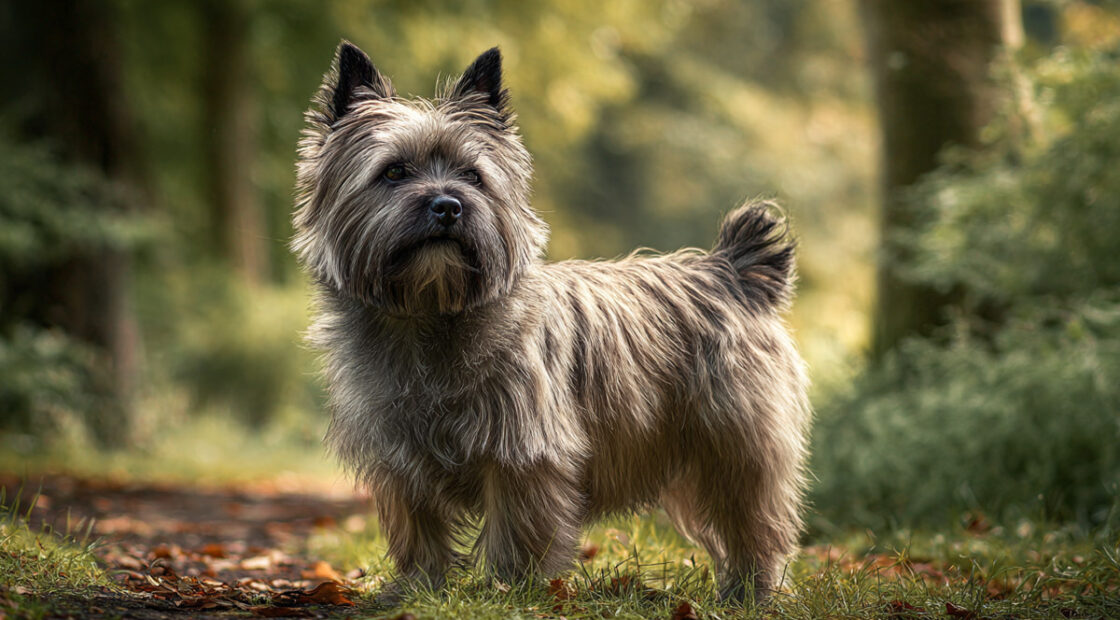
That scruffy little dog from the Wizard of Oz wasn’t just movie magic. Cairn Terriers pack serious personality into compact frames, combining Scottish Highland toughness with loyal companion qualities.
These working terriers need more than basic dog care. Their weather-resistant double coat, independent thinking, and high energy levels create unique challenges for pet owners.
Smart ownership means understanding their terrier temperament and specific grooming needs. Many owners struggle with excessive barking, digging behaviors, and coat maintenance without proper guidance.
This complete care guide covers everything from puppy energy management to senior dog adjustments. You’ll learn training techniques that work with their independent nature, grooming methods that preserve their wire-haired coat, and daily routines that prevent common behavioral problems.
What you’ll discover:
- Age-specific exercise and training strategies
- Professional grooming versus home maintenance
- Health monitoring during activities
- Troubleshooting resistance and motivation issues
Cairn Terrier Breed Statistics
| Characteristic | Details |
|---|---|
| Size | Small |
| Weight | 13-18 pounds |
| Height | 9-10 inches |
| Life Span | 13-15 years |
| Energy Level | High |
| Exercise Needs | 60-90 minutes daily |
| Grooming Requirements | Moderate to High |
| Shedding | Moderate (seasonal increases) |
| Training Difficulty | Moderate (independent thinking) |
| Good with Kids | Yes (with proper socialization) |
| Good with Pets | Moderate (high prey drive) |
| Apartment Living | Yes (with adequate exercise) |
| Barking Level | High |
| Climate Tolerance | Good (weather-resistant coat) |
| Origin | Scotland (Scottish Highlands) |
| Breed Group | Terrier Group |
| AKC Recognition | Yes (1913) |
| Coat Type | Double coat (harsh outer, soft undercoat) |
| Coat Colors | Brindle, wheaten, red, cream, gray |
| Health Issues | Hip dysplasia, luxating patella, eye conditions |
| Ideal for | Active families, experienced dog owners |
| Not ideal for | Sedentary owners, those wanting quiet dogs |
Age-Specific Energy Management Strategies
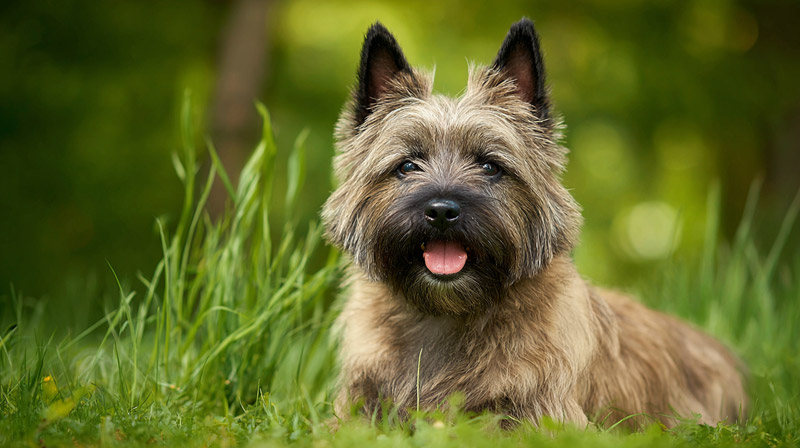
Puppy Energy Management (8 weeks to 12 months)
Growing Cairn Terrier puppies need careful exercise limits. Their developing joints can’t handle intense activities yet.
Safe Exercise Guidelines:
- 5 minutes per month of age, twice daily
- Avoid jumping from heights
- Skip long hikes until 12 months
Short play sessions work better than marathon activities. Puppies tire quickly but recover fast.

Socialization burns energy while building confidence. Puppy classes teach proper behavior around other dogs. These structured environments prevent overwhelming your young terrier.
Energy-Burning Socialization:
- Controlled meetups with vaccinated dogs
- Public spaces for people exposure
- Different surfaces and sounds
House training integrates perfectly with energy outlets. Take puppies outside frequently for bathroom breaks and exploration. This dual approach speeds up the training process while wearing them out naturally.
Scottish terriers like Cairns respond well to puzzle toys during indoor time. Mental stimulation exhausts them faster than physical exercise alone.
Adult Cairn Terrier Energy Needs (1-7 years)
Peak energy hits between 1-7 years. Adult Cairns need 60-90 minutes of daily activity split across multiple sessions.
Structured Activities That Work:
- Morning walks (20-30 minutes)
- Interactive play sessions
- Evening training time
- Weekend hiking adventures
Working terrier instincts drive their exercise needs. Hide treats around the yard to satisfy their hunting drive. This turns regular outdoor time into exciting exploration.
Busy owners struggle with high-energy breeds. Early morning exercise prevents destructive behaviors during work hours. A tired Cairn is a well-behaved Cairn.
Work-Life Balance Solutions:
- Dog walker for midday breaks
- Interactive toys for solo play
- Weekend adventure planning
Preventing destructive behaviors requires proper energy channeling. Cairns dig, bark, and chew when bored. Regular exercise and mental challenges eliminate most problem behaviors.
Many small breed dogs like Chihuahua or Yorkshire Terrier need less exercise than terriers. Don’t underestimate your Cairn’s activity requirements.
Senior Cairn Terrier Activity Adjustments (7+ years)
Use a dog age calculator to understand your senior’s needs. A 7-year-old Cairn equals roughly 45 human years.
Aging joints need gentler exercise routines. Replace high-impact activities with swimming or slow walks. Watch for stiffness after activity.
Modified Exercise Routines:
- Shorter, more frequent walks
- Swimming for joint health
- Gentle indoor games
- Soft surface exploration
Mental sharpness stays important through gentle activities. Puzzle feeders and training sessions keep senior minds active without physical strain.
Health monitoring becomes critical during activity transitions. Senior dogs hide pain well. Watch for reluctance to exercise or changes in gait patterns.
Training Fundamentals for Cairn Terriers
Understanding the Cairn Terrier Learning Style
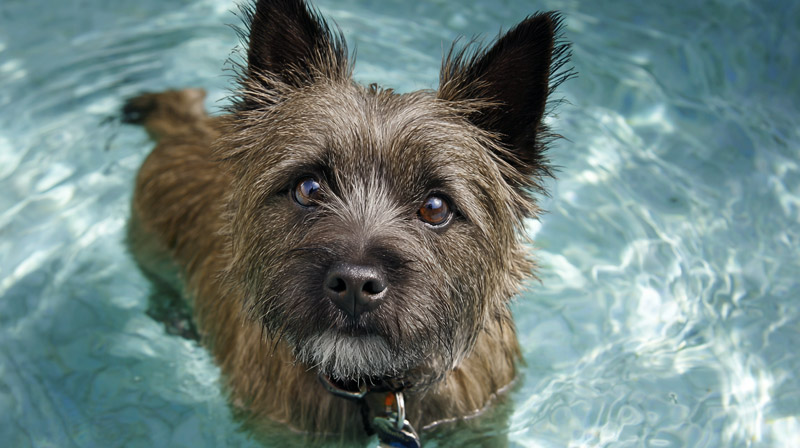
Independent thinking creates obedience training challenges. Cairns think for themselves, unlike more obedient breeds like Golden Retriever or Labrador Retriever.
Their Highland terrier heritage bred them to work independently. They made decisions without human input while hunting vermin in Scottish stone cairns.
Motivation Techniques That Work:
- High-value treats (cheese, chicken)
- Play-based rewards for toy-motivated dogs
- Praise timing matters more than volume
- Variety prevents boredom
Short attention spans require brief training sessions. Keep lessons under 10 minutes for best results. Multiple short sessions beat one long attempt.
Unlike breeds such as German Shepherd Dog or Border Collie, Cairns lose focus quickly. End sessions while they’re still engaged.
Basic Obedience Training Essentials
House training takes patience with independent terriers. Establish consistent outdoor schedules and reward immediately after successful elimination.
House Training Strategies:
- Frequent outdoor trips (every 2 hours)
- Consistent door and command words
- Immediate rewards for outdoor success
- Clean accidents thoroughly to remove scent
Leash training challenges small but strong-willed dogs. Cairns pull despite their size. Use positive reinforcement rather than force-based corrections.
Start leash training indoors first. Let them wear the collar and leash during playtime. This prevents the outdoors from becoming overwhelming.
Leash Training Steps:
- Indoor collar conditioning
- Indoor leash dragging
- Indoor guided walks
- Outdoor short distances
- Gradual distance increases
Recall training fights against high prey drive instincts. Cairns chase squirrels, birds, and anything that moves quickly. This makes off-leash reliability difficult.
Practice recall in secure, fenced areas first. Never trust a Cairn off-leash near roads or open spaces until recall is bulletproof.
Addressing Common Behavioral Issues
Excessive barking management starts with understanding triggers. Cairns bark at strangers, other dogs, and exciting events. This alert behavior served them well as working dogs.
Barking Solutions:
- “Quiet” command training with treats
- Remove triggers when possible
- Redirect attention to toys or training
- Exercise before problem times
Digging behavior needs redirection, not elimination. Create designated digging areas in your yard. Hide treats in sandbox areas to encourage appropriate digging spots.
Terrier breeds like Jack Russell Terrier and West Highland White Terrier share this digging instinct. Work with it rather than against it.
Resource guarding prevention starts early. Handle food bowls, toys, and high-value items regularly during puppyhood. This prevents possessive behaviors from developing.
Prevention Methods:
- Hand-feed portions of meals
- Trade games for valuable items
- Touch food bowls during eating
- Practice “drop it” commands daily
Many terrier breeds need similar approaches. Boston Terrier and Bull Terrier respond well to consistent, positive training methods.
Professional dog trainers understand terrier temperament better than general obedience instructors. Seek breed-experienced help for serious behavioral issues.
Advanced Training Techniques and Specialized Skills
Positive Reinforcement Methods That Work
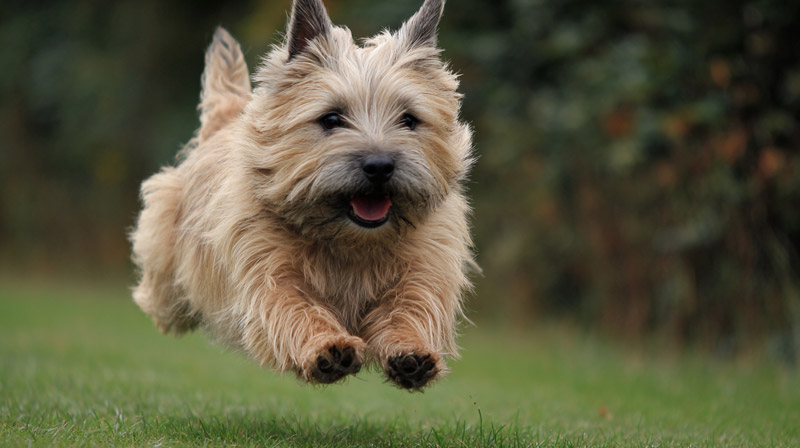
Treat-based training beats praise-based motivation for most Cairns. These food-driven terriers respond faster to high-value rewards than verbal encouragement alone.
High-Value Treats That Work:
- Small cheese cubes
- Freeze-dried liver
- Cooked chicken pieces
- Commercial training treats
Clicker training adapts perfectly for Cairn Terriers. The sharp sound cuts through their independent thinking and marks exact behaviors. Start with simple commands before advancing to complex tricks.
Unlike breeds such as Poodle or Australian Shepherd, Cairns need immediate rewards. Wait longer than 3 seconds and they lose the connection between action and consequence.
Timing and consistency matter more than treat quality. Mark behaviors the instant they happen. Inconsistent timing confuses intelligent dogs and slows progress.
Socialization Training Throughout Life Stages
Puppy socialization critical periods occur between 8-16 weeks. Expose young Cairns to different people, sounds, surfaces, and experiences during this window.
Puppy Socialization Checklist:
- Different surfaces (grass, concrete, gravel)
- Various sounds (traffic, children, appliances)
- People variety (ages, sizes, clothing styles)
- Other animals (cats, birds, livestock)
Adult dog introduction techniques require careful management. Cairns can be territorial with new pets. Neutral territory meetings work better than home introductions.
Start meetings on leash in unfamiliar locations. Let dogs see each other from distance before closer interaction. Multiple short sessions beat one long encounter.
Public space behavior training builds confident outings. Practice basic commands in busy environments. Start with quiet locations and gradually increase distractions.
Many small breeds like Maltese or Pomeranian struggle with confidence. Cairns typically handle public spaces better with proper socialization.
Mental Stimulation Through Training Games
Puzzle-solving activities satisfy hunting instincts bred into working terriers. Hide treats in puzzle toys or around the house. This mimics their original job of finding vermin in stone cairns.
Mental Exercise Ideas:
- Puzzle feeders for meals
- Hide treats in cardboard boxes
- Frozen Kong toys with peanut butter
- Snuffle mats for foraging
Hide-and-seek variations work perfectly for indoor mental exercise. Hide treats or toys while your Cairn watches, then release them to search. Gradually increase difficulty.
Start with obvious hiding spots before advancing to challenging locations. Success builds confidence and keeps them engaged longer.
Agility training basics adapt to small spaces. Set up jumps using books and broomsticks. Weave poles can be water bottles or cones. Focus on fun rather than competition standards.
Unlike larger breeds such as German Shorthaired Pointer or Brittany, Cairns excel at compact agility courses designed for apartment living.
Complete Grooming Guide for Cairn Terriers
Understanding the Cairn Terrier Double Coat
The weather-resistant double coat protects against Scottish Highland conditions. Soft undercoat provides insulation while harsh outer coat repels water and debris.
Coat Structure Components:
- Dense undercoat for warmth
- Wire-haired outer coat for protection
- Seasonal shedding patterns twice yearly
- Color variations from cream to brindle
Seasonal shedding patterns intensify during spring and fall transitions. Expect increased brushing needs during these periods. Daily brushing prevents loose undercoat from matting.
Weather protection properties require proper maintenance. Over-bathing strips natural oils that provide water resistance. Monthly baths suffice unless your dog gets exceptionally dirty.
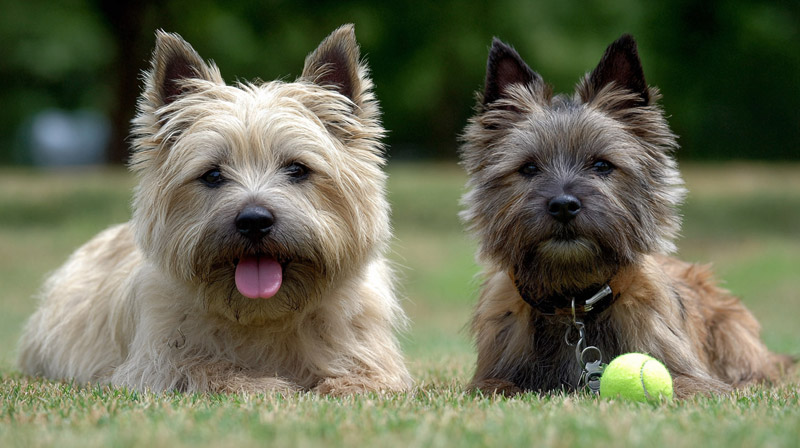
Color variations affect grooming requirements slightly. Darker coats like brindle show dirt less than cream or wheaten colors. Light-colored Cairns need more frequent cleaning around facial areas.
Daily and Weekly Grooming Routines
Brushing techniques prevent matting in the dense undercoat. Use a slicker brush for daily maintenance and an undercoat rake for weekly deep brushing.
Daily Brushing Steps:
- Start with slicker brush on outer coat
- Work in sections from head to tail
- Focus on mat-prone areas (legs, chest, behind ears)
- Use undercoat rake twice weekly
- Check for debris or parasites
Nail trimming frequency depends on activity level. Active outdoor dogs naturally wear nails down. Indoor dogs need trimming every 2-3 weeks.
Cut only the white nail tips to avoid painful quick bleeding. Use proper nail clippers designed for small dogs. Many groomers offer nail-only services if you’re uncomfortable doing this yourself.
Safe Nail Cutting Method:
- Use bright lighting to see the pink quick
- Cut small amounts at a time
- Have styptic powder ready for accidents
- Reward with treats throughout process
Ear cleaning prevents infections common in terrier breeds. Check ears weekly for redness, odor, or excessive wax buildup. Clean with vet-approved solutions only.
Never use cotton swabs deep in ear canals. Wipe visible areas with cotton balls dampened with cleaning solution. Stop if your dog shows pain or resistance.
Professional Grooming Versus Home Maintenance
Professional grooming services benefit show dogs and owners uncomfortable with coat maintenance. Hand stripping requires skill that takes time to develop properly.
When to Seek Professional Help:
- Hand stripping for show coats
- First-time nail trims
- Severe matting problems
- Anal gland expression needs
Cost-effective home grooming saves money with proper tools. Initial investment in quality brushes, clippers, and nail trimmers pays off quickly compared to professional visits.
Essential Home Grooming Kit:
- Slicker brush and undercoat rake
- Pin brush for finishing
- Nail clippers and styptic powder
- Dog-specific shampoo and conditioner
- Ear cleaning solution
Seasonal grooming adjustments match natural coat cycles. Professional grooming twice yearly (spring and fall) handles major coat transitions. Monthly home maintenance keeps coats healthy between visits.
Unlike high-maintenance breeds such as Poodle or Bichon Frise, Cairns need moderate grooming that most owners can handle at home with basic skills and proper tools.
Specialized Grooming Techniques and Coat Care
Hand Stripping Versus Clipping Methods
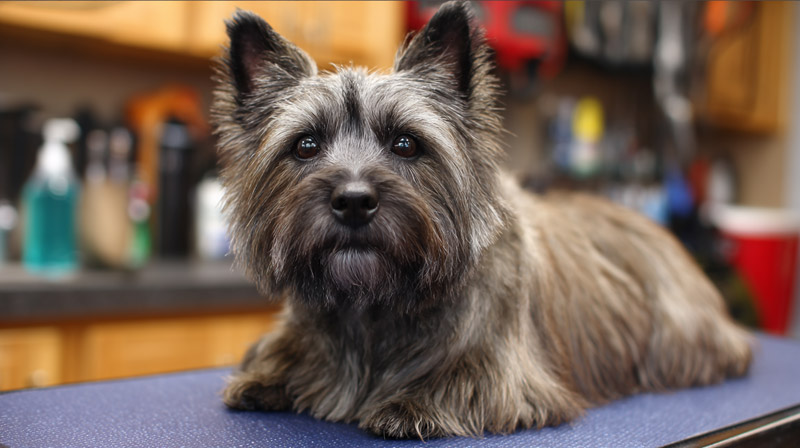
Hand stripping maintains the wire-haired coat’s natural texture and weather resistance. This traditional method removes dead outer coat hairs by hand, preserving the harsh protective qualities.
Hand Stripping Benefits:
- Maintains proper coat texture
- Preserves weather protection
- Shows correct breed standards
- Prevents soft, fluffy regrowth
Clipping alternatives work for pet owners versus show dogs. Electric clippers cut rather than remove hair, creating softer regrowth that loses weather-resistant properties.
Professional groomers charge more for hand stripping due to time requirements. A full strip takes 2-3 hours compared to 45 minutes for clipping.
When to Choose Each Method:
- Hand stripping: Show dogs, breed preservation
- Clipping: Pet comfort, cost savings, owner preference
Seasonal timing affects major grooming sessions. Spring and fall coat transitions provide ideal stripping opportunities when dead coat naturally loosens.
Unlike breeds such as Poodle that require regular professional clipping, Cairns benefit from less frequent but more specialized coat maintenance.
Bathing Best Practices and Product Selection
Bathing frequency depends on lifestyle and coat condition. Active outdoor dogs need monthly baths. Indoor companions require bathing every 6-8 weeks unless unusually dirty.
Over-bathing strips natural oils essential for weather resistance. The double coat’s protective properties deteriorate with excessive washing.
Optimal Bathing Schedule:
- Active outdoor dogs: Monthly
- Indoor pets: Every 6-8 weeks
- Show dogs: As needed before events
- Dirty/smelly coats: Immediate cleaning
Shampoo selection matters for sensitive skin common in terrier breeds. Choose gentle, dog-specific formulas without harsh chemicals that irritate skin.
Recommended Product Types:
- Oatmeal-based for sensitive skin
- Hypoallergenic formulas
- Natural ingredients preferred
- Avoid human shampoos
Conditioner helps manage the harsh outer coat while preserving texture. Use sparingly on coat ends only, avoiding the skin and undercoat areas.
Drying techniques preserve coat texture better than aggressive blow-drying. Towel dry thoroughly, then air dry or use cool blow-dryer settings.
Managing Seasonal Coat Changes
Spring shedding removes winter undercoat as temperatures warm. Increase brushing to daily sessions during these 4-6 week periods.
Spring Coat Management:
- Daily undercoat raking
- Increased brushing frequency
- Professional grooming timing
- Vacuum cleaning preparation
Fall coat preparation builds insulation for colder months. The undercoat thickens while outer coat maintains protection against moisture.
Summer coat maintenance focuses on heat protection rather than insulation. Regular brushing prevents matting from increased outdoor activity and swimming.
Winter coat care maintains weather resistance crucial for outdoor exercise. Avoid over-bathing during cold months when natural oils provide maximum protection.
Many terrier breeds like Norwich Terrier and Border Terrier share similar seasonal coat patterns requiring adjusted grooming schedules.
Health Considerations in Grooming and Exercise
Skin and Coat Health Monitoring
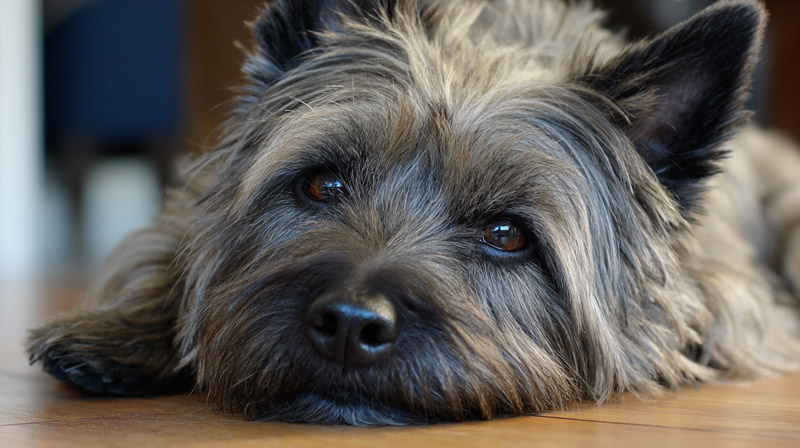
Common skin conditions affect Cairn Terriers more than other breeds. Watch for allergic reactions, hot spots, and bacterial infections during regular grooming sessions.
Warning Signs to Monitor:
- Red, inflamed areas
- Excessive scratching or licking
- Hair loss patches
- Unusual odors
- Bumps or lumps
Allergies impact grooming routines through increased sensitivity to products and environmental triggers. Food allergies often manifest as skin problems requiring gentle, hypoallergenic grooming products.
Allergy Management:
- Use fragrance-free products
- Rinse thoroughly after bathing
- Monitor reaction to new products
- Consult veterinarians for severe cases
Parasite prevention integrates with regular grooming checks. Examine skin closely for fleas, ticks, and mites during brushing sessions.
Flea prevention requires year-round vigilance in most climates. Check behind ears, tail base, and warm body areas where parasites prefer to hide.
Exercise-Related Health Precautions
Joint health protection becomes critical during high-energy activities. Cairns develop hip dysplasia and luxating patella more frequently than some breeds.
Joint Protection Strategies:
- Warm up with gentle walking
- Avoid repetitive jumping
- Monitor for limping or stiffness
- Maintain healthy weight
Heat stroke prevention matters for active Cairns with dense double coats. These dogs overheat faster than single-coated breeds during intense exercise.
Heat Safety Measures:
- Exercise during cooler hours
- Provide constant water access
- Watch for excessive panting
- Seek shade frequently
- Stop activity if overheating occurs
Paw care protects dogs with active outdoor lifestyles. Check pads for cuts, thorns, or excessive wear after hiking or rough terrain activities.
Paw Maintenance:
- Trim hair between toes
- Check for foreign objects
- Moisturize dry, cracked pads
- Protect from hot pavement
Unlike larger working breeds such as German Shepherd Dog or Rottweiler, Cairns face different exercise limitations due to their compact size and joint predispositions.
Age-Related Grooming Adjustments
Senior dog grooming requires gentler handling for comfort. Aging joints make standing for long grooming sessions difficult and painful.
Senior Adaptations:
- Shorter grooming sessions
- Supportive surfaces or slings
- Gentle brush pressure
- Frequent breaks
- Pain medication timing
Puppy grooming introduction builds handling tolerance for lifelong care. Start with brief, positive sessions focusing on rewards rather than perfection.
Puppy Training Steps:
- Handle paws and ears daily
- Introduce brushes gradually
- Practice nail touching
- Short mock grooming sessions
- Real grooming with treats
Health condition adaptations accommodate arthritis, heart problems, and other age-related issues. Work with veterinary specialists to modify grooming routines safely.
Many small breeds like Cavalier King Charles Spaniel and Shih Tzu require similar age-adjusted grooming approaches as they develop senior health concerns.
Creating Sustainable Daily Care Routines
Time-Efficient Grooming Schedules for Busy Owners
Five-minute daily maintenance prevents major grooming problems. Quick brush-through removes debris and checks for health issues.
Daily 5-Minute Routine:
- 2 minutes: Full body brush
- 1 minute: Ear and eye check
- 1 minute: Paw inspection
- 1 minute: Treat reward and bonding
Weekly deep-care sessions tackle thorough grooming needs. Schedule 30-45 minutes every Sunday for comprehensive maintenance.
Weekly Deep-Care Components:
- Thorough undercoat brushing
- Nail length assessment
- Ear cleaning if needed
- Bath evaluation
- Dental care check
Monthly professional care planning saves money and prevents emergencies. Book appointments during natural coat transition periods.
Professional groomers often have 6-8 week booking schedules. Plan ahead rather than waiting for urgent needs.
Integrating Exercise and Grooming Activities
Post-exercise grooming checks catch problems early. Inspect paws, coat, and skin after outdoor adventures.
Post-Walk Inspection:
- Check paws for cuts or debris
- Remove burrs from coat
- Wipe muddy areas clean
- Look for ticks or parasites
Using grooming time for bonding strengthens your relationship. Talk calmly, offer treats, and make grooming enjoyable.
Start grooming sessions when your Cairn is slightly tired from exercise. Relaxed dogs cooperate better than energetic ones.
Weather-appropriate activity combinations maximize efficiency. Rainy day indoor play followed by nail trimming works better than forced outdoor time.
Seasonal Activity Pairings:
- Summer: Early walk + cool-down grooming
- Winter: Indoor play + warm grooming session
- Spring: Yard exploration + shedding management
- Fall: Hiking + thorough coat check
Equipment and Space Setup for Success
Dedicated grooming areas work even in small spaces. A bathroom counter or kitchen table provides adequate workspace.
Small Space Solutions:
- Portable grooming table
- Non-slip mats for safety
- Good lighting source
- Easy cleanup surfaces
Exercise equipment for indoor use helps during bad weather. Puzzle toys, treat balls, and climbing structures keep Cairns active.
Unlike larger breeds such as Great Dane or Newfoundland, Cairns adapt well to apartment exercise solutions.
Compact Exercise Options:
- Puzzle feeders for mental work
- Stair climbing for cardio
- Hide-and-seek games
- Indoor agility courses
Storage solutions organize grooming tools efficiently. Rolling carts move between rooms while keeping supplies accessible.
Organization Essentials:
- Clear containers for visibility
- Labeled sections for different tools
- Easy-reach placement
- Regular inventory checks
Troubleshooting Common Care Challenges
Dealing with Grooming Resistance and Anxiety
Desensitization techniques help grooming-shy dogs accept handling. Start with brief, positive sessions before attempting full grooming.
Gradual Desensitization Steps:
- Touch paws without trimming
- Hold grooming tools near dog
- Brief brushing with treats
- Gradual session length increases
- Full grooming with confidence
Making grooming positive requires patience and consistency. Never force or rush anxious dogs through procedures.
Anxiety Reduction Methods:
- Calm, quiet environment
- Frequent treat rewards
- Short initial sessions
- Consistent routine timing
- Gentle handling techniques
Professional help becomes necessary for severe grooming anxiety. Some dogs need sedation or specialized behaviorist intervention.
Veterinary behaviorists understand anxiety better than general trainers. Seek qualified help rather than struggling alone.
Exercise Motivation for Less Active Dogs
Health checks rule out medical causes when energy drops unexpectedly. Sudden activity changes often indicate underlying problems.
Medical Evaluation Triggers:
- Reluctance to walk
- Excessive panting
- Limping or stiffness
- Weight gain
- Behavioral changes
Fun activities encourage reluctant exercisers without forcing participation. Make movement enjoyable rather than obligatory.
Motivation Strategies:
- Treasure hunts with treats
- Social walks with other dogs
- New route exploration
- Interactive toy games
- Short, frequent sessions
Social exercise options work well for pack-oriented dogs. Organized dog meetups or daycare provide motivation through peer interaction.
Many small breeds like Pug or French Bulldog struggle with exercise motivation due to breathing issues, while Cairns typically maintain good activity levels throughout life.
Adapting Care Routines for Life Changes
Moving to new environments disrupts established routines temporarily. Maintain familiar grooming and exercise schedules during transitions.
Moving Day Preparations:
- Pack grooming supplies in easily accessible boxes
- Research local veterinarians and groomers
- Maintain feeding and exercise schedules
- Create familiar spaces quickly
Adding new family members affects pet routines significantly. Babies, partners, or additional pets require gradual routine adjustments.
Family Addition Strategies:
- Gradual introduction periods
- Maintained individual attention
- Consistent care schedules
- Professional guidance if needed
Travel considerations challenge routine maintenance. Research pet-friendly accommodations and local exercise areas before departing.
Travel Preparation Checklist:
- Portable grooming kit
- Familiar bedding and toys
- Exercise location research
- Emergency veterinary contacts
- Health certificate requirements
Unlike high-maintenance breeds such as Afghan Hound or Old English Sheepdog, Cairns adapt well to routine changes with proper planning and gradual transitions.
FAQ on Cairn Terrier
Are Cairn Terriers good family dogs?
Yes, Cairn Terriers make excellent family companions. Their loyal nature and small breed size suit homes with children. However, their terrier temperament requires consistent training and socialization. They bond strongly with families while maintaining independent thinking typical of working terriers from Scottish Highlands.
How much exercise do Cairn Terriers need daily?
Adult Cairns need 60-90 minutes of daily activity split across multiple sessions. Their high energy levels and hunting instincts require both physical exercise and mental stimulation. Morning walks, interactive play, and puzzle toys prevent destructive behaviors common in bored terriers.
Do Cairn Terriers shed a lot?
Cairn Terriers have moderate shedding with seasonal increases during spring and fall coat changes. Their weather-resistant double coat requires daily brushing to manage loose undercoat. Hand stripping maintains proper coat texture better than clipping for show dogs and breed standards.
Are Cairn Terriers easy to train?
Training challenges arise from their independent thinking and strong-willed nature. Unlike obedient breeds like Golden Retriever, Cairns require patience and positive reinforcement methods. Short training sessions work better than lengthy attempts due to their terrier attention spans.
How big do Cairn Terriers get?
Cairn Terriers typically weigh 13-18 pounds and stand 9-10 inches tall. They’re compact dogs smaller than breeds like Beagle but larger than toy breeds. Their sturdy build reflects their working dog heritage despite their small size classification.
Do Cairn Terriers bark a lot?
Yes, excessive barking is common due to their alert terrier temperament. They bark at strangers, other animals, and exciting events. Proper training and exercise reduce nuisance barking. Their protective instincts made barking valuable for their original vermin hunting role.
What health problems do Cairn Terriers have?
Common health issues include hip dysplasia, luxating patella, and eye conditions. Responsible breeding and health testing help prevent genetic problems. Regular veterinary care and maintaining healthy weight protect joint health. Their generally robust constitution makes them relatively healthy small dogs.
How often should I groom my Cairn Terrier?
Daily brushing prevents matting in their dense coat. Professional grooming every 6-8 weeks maintains coat health. Hand stripping twice yearly preserves wire-haired texture. Unlike high-maintenance breeds such as Poodle, Cairns need moderate grooming most owners can manage.
Are Cairn Terriers good with other pets?
Socialization determines success with other animals. Their high prey drive makes them chase small pets like cats or rabbits. Early introduction and training help, but supervision remains important. They generally do better with dogs of similar size and energy levels.
How long do Cairn Terriers live?
Cairn Terriers typically live 13-15 years with proper care. Their longevity exceeds many larger breeds. Regular health monitoring, appropriate nutrition, and exercise maintain quality of life throughout their senior years. Use a dog age calculator to track aging milestones.
Conclusion
Successful Cairn Terrier ownership requires understanding their Scottish Highland heritage and working dog instincts. These compact companions thrive with consistent routines that address their unique needs.
Key success factors include:
- Regular exercise matching their active lifestyle
- Proper coat maintenance preserving weather resistance
- Patient training that works with their intelligent nature
- Health monitoring throughout all life stages
Professional grooming services help maintain breed standards, while home care keeps costs manageable. Their loyal companion qualities reward dedicated owners who invest time in proper socialization and obedience training.
Age-specific care adjustments ensure your terrier remains healthy from puppyhood through senior years. Unlike low-maintenance breeds such as Basset Hound or Bulldog, Cairns demand active participation in their daily care routines.
Remember: These earth dogs need both physical activity and mental stimulation to prevent behavioral problems. With proper care, your Cairn will provide years of devoted companionship and Scottish terrier personality.