Few dog breeds can claim a lineage tracing back 3,000 years to ancient Sicily’s volcanic slopes. The Cirneco dell’Etna represents one of the world’s most authentic primitive breeds, shaped by millennia of rabbit hunting across Mount Etna’s rugged terrain.
This rare dog combines the grace of a sighthound with the independence of ancient working breeds. Their heat tolerance and athletic endurance made them indispensable to Sicilian hunters navigating challenging Mediterranean landscapes.
Understanding this breed requires appreciating both their hunting heritage and modern family companion potential. Their gentle nature with children contrasts sharply with their intense prey drive outdoors.
This comprehensive guide covers everything prospective owners need to know about the Cirneco dell’Etna:
- Physical characteristics and breed standards
- Temperament traits and behavioral expectations
- Health considerations and genetic factors
- Exercise needs and training approaches
- Living requirements and family compatibility
Whether you’re considering adding this ancient breed to your family or simply want to learn about one of Italy’s most treasured canine exports, you’ll discover why the Cirneco dell’Etna continues captivating dog enthusiasts worldwide.
Cirneco dell’Etna Breed Statistics
| Characteristic | Details |
|---|---|
| Origin | Sicily, Italy |
| Breed Group | Hound (AKC), Spitz/Primitive (FCI) |
| Size | Medium |
| Height | Males: 18-19.5 inches, Females: 16.5-18 inches |
| Weight | Males: 22-26 lbs, Females: 17-22 lbs |
| Life Expectancy | 12-14 years |
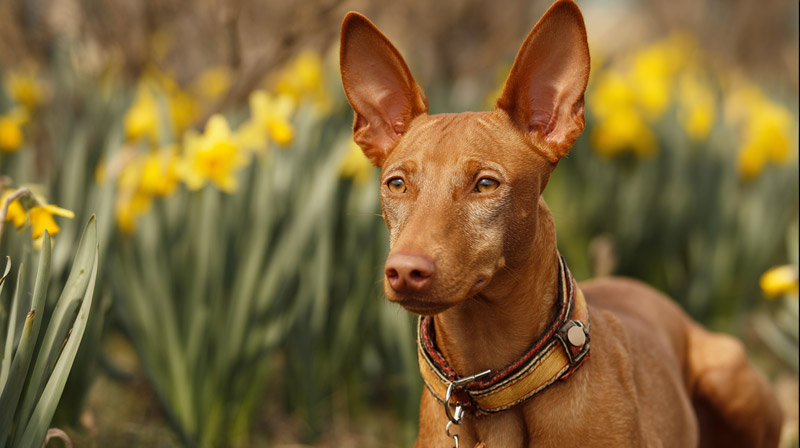
| Coat Type | Short, smooth, single coat |
| Coat Colors | Tan (light sand to chestnut), white markings allowed |
| Shedding Level | Moderate, seasonal peaks |
| Grooming Needs | Low – weekly brushing |
| Exercise Requirements | High – 60-90 minutes daily |
| Energy Level | High |
| Trainability | Moderate – independent nature |
| Intelligence | High |
| Barking Level | Low to moderate |
| Prey Drive | Very high |
| Good with Children | Yes, with proper socialization |
| Good with Dogs | Yes, generally |
| Good with Cats | Poor – high prey drive |
| Apartment Living | Possible with adequate exercise |
| Heat Tolerance | Excellent |
| Cold Tolerance | Poor |
| Drooling Level | Low |
| Health Issues | Generally healthy, minimal concerns |
| AKC Recognition | 2015 |
| Rarity | Very rare outside Italy |
| Average Price | $1,500-$3,000 |
Physical Characteristics and Breed Standards
Size and Build
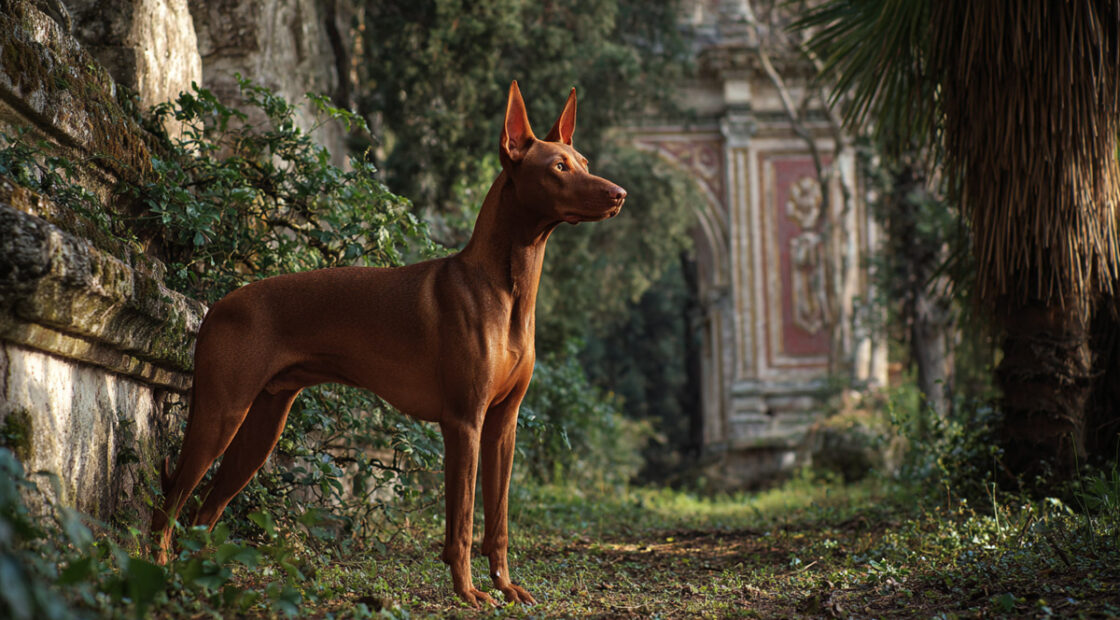
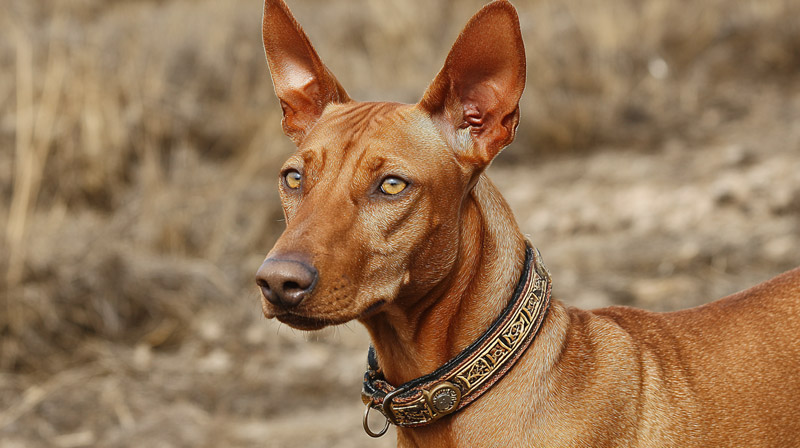
The Cirneco dell’Etna displays classic medium-sized sighthound proportions with an athletic, lean build. Males stand 18-19.5 inches tall and weigh 22-26 pounds. Females measure 16.5-18 inches with a weight range of 17-22 pounds.
This primitive breed maintains the desert adaptation qualities developed over millennia in Sicily’s harsh terrain.
Coat and Color Variations
The short, smooth coat texture requires minimal grooming throughout the year. Acceptable color patterns include:
- Tan coat variations from light sand to deep chestnut
- White markings on chest, feet, and tail tip
- Solid tan without white markings
Seasonal coat changes remain subtle. The Mediterranean climate shaped this breed’s coat to handle extreme heat while providing adequate protection.

Distinctive Features
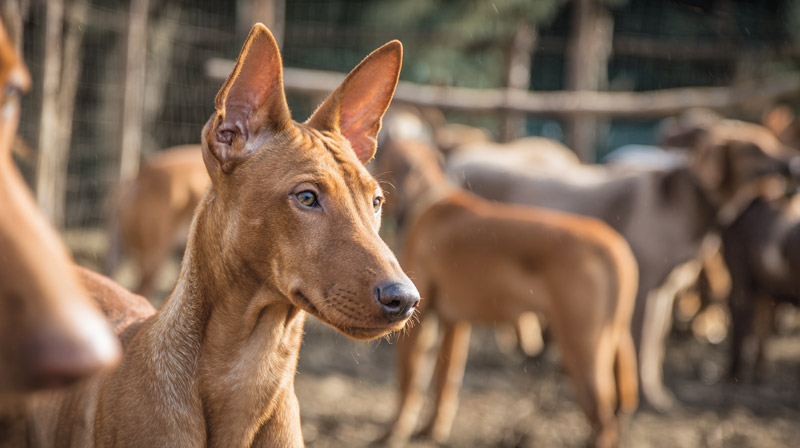
Large, upright ears stand triangular and mobile, constantly scanning for prey movement. The almond-shaped eyes display amber to ochre coloring that matches the coat intensity.
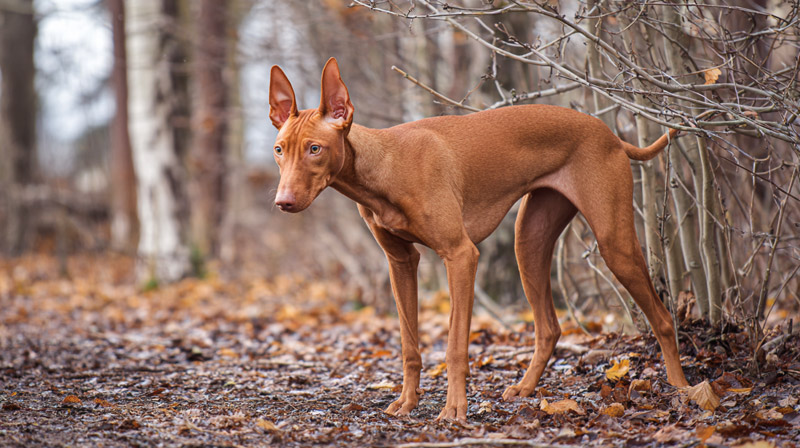
The lean, athletic body structure shows:
- Square body proportions
- Deep chest for lung capacity
- Tucked abdomen
- Well-angulated hindquarters
- Compact feet with strong pads
FCI breed standards emphasize the working ability over pure aesthetics. AKC registration recognizes these same proportional requirements for conformation shows.
Temperament and Personality Traits
Hunting Instincts
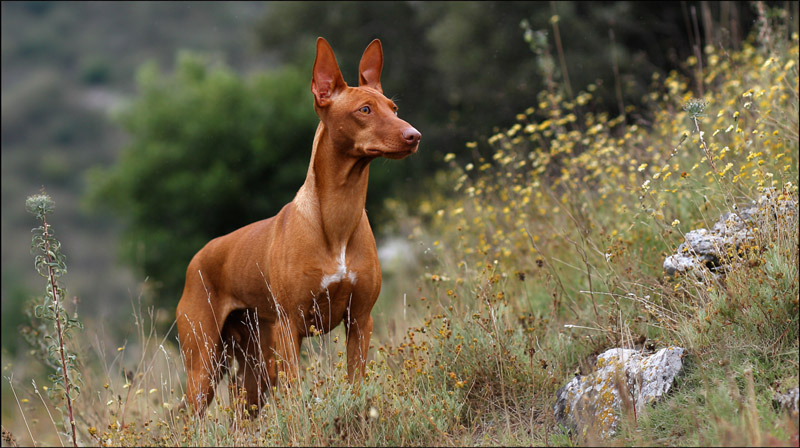
Strong prey drive dominates this ancient breed’s behavior patterns. Independent thinking allows them to work autonomously across Sicily’s volcanic terrain, unlike breeds requiring constant human direction.
Alertness and focus remain constant, even during rest periods. Their coursing ability developed through generations of rabbit hunting in rocky, difficult terrain.
Family Companion Qualities
Despite their hunting heritage, Cirnecos show remarkable gentleness with children when properly socialized. Their calm indoor behavior contrasts sharply with their outdoor intensity.
Loyalty to owners runs deep, though they maintain the independence typical of primitive breeds. They bond strongly with their family unit while remaining somewhat aloof with strangers.
Social Behavior
Interaction with other dogs varies significantly based on early socialization. Pack hunting experience makes them generally tolerant of canine companions, particularly other sighthounds like the Greyhound or Italian Greyhound.
Territorial tendencies emerge around their home space. They patrol boundaries without excessive aggression but remain vigilant.
Stranger awareness manifests as polite distance rather than fear or hostility. Unlike breeds such as the German Shepherd Dog, they rarely display protective guarding behaviors.
Their endurance running capabilities require owners who understand sighthound exercise needs. Mental stimulation proves equally important as physical activity for this intelligent, ancient breed.
Health Profile and Genetic Considerations
Common Health Issues
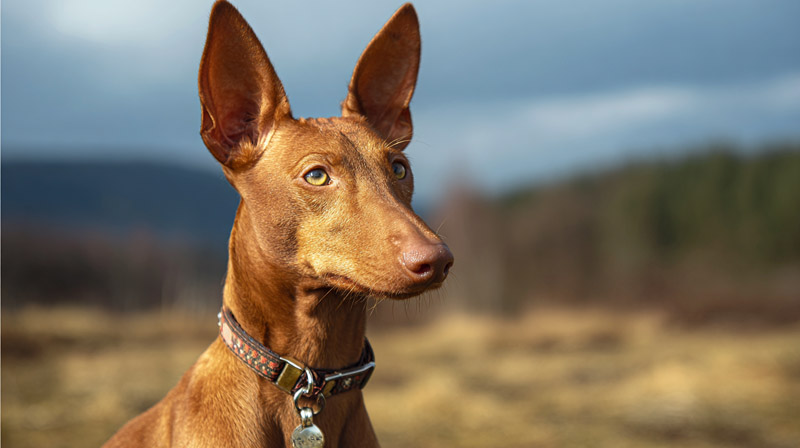
The Cirneco dell’Etna ranks among the healthiest breeds with minimal genetic problems. Their ancient origins and natural selection created robust dogs with few inherited disorders.
Hip dysplasia concerns remain minimal compared to larger breeds. Most health screenings show normal hip scores in breeding populations.
Eye problems occasionally appear but occur less frequently than in many purebreds:
- Progressive retinal atrophy (rare)
- Cataracts in senior dogs
- Minor eyelid irregularities
Skin sensitivities can develop in dogs with inadequate nutrition or poor living conditions. Their heat tolerance generally prevents most dermatological issues.
Genetic Testing and Screening
Recommended health tests for breeding dogs include:
- Hip scoring through OFA or similar programs
- Eye clearances from certified ophthalmologists
- DNA testing for available genetic markers
Responsible breeding practices focus on maintaining genetic diversity within this rare breed. Health clearances should include both parents’ test results before breeding decisions.
Breed preservation efforts prioritize health over appearance traits, following the original Mediterranean working dog standards.
Lifespan and Aging
Average life expectancy ranges 12-14 years, typical for medium-sized breeds. Many Cirnecos remain active well into their senior years due to their athletic build and minimal health issues.
Senior dog care needs increase after age 10, requiring:
- Regular veterinary monitoring
- Joint support supplements
- Modified exercise routines
- Weight management
Age-related health changes develop gradually. Unlike breeds such as the Great Dane, they rarely experience dramatic health declines.
Exercise Requirements and Activity Needs
Daily Exercise Demands
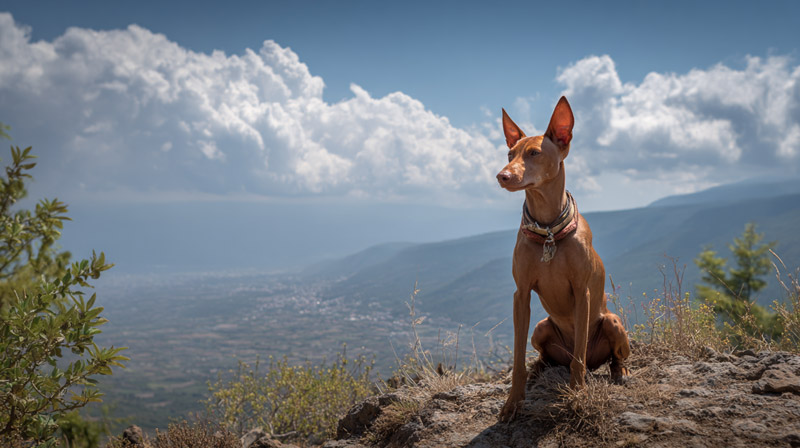
Minimum activity levels require 60-90 minutes of exercise daily. Their coursing ability and desert adaptation created dogs needing substantial physical outlet.
Age-appropriate exercise varies significantly:
- Puppies: Short, frequent play sessions
- Adults: Long runs, hiking, structured activities
- Seniors: Gentle walks, swimming, mental games
Mental stimulation needs equal physical requirements. Puzzle toys, scent work, and training sessions prevent boredom-related behaviors.
Suitable Activities
Running and jogging provide ideal exercise for athletic Cirnecos. Their endurance running capabilities make them excellent companions for active owners.
Hiking and outdoor adventures satisfy their natural exploration instincts. Rocky terrain doesn’t intimidate these Sicily-bred dogs.
Dog sports participation includes:
- Lure coursing competitions
- Agility training courses
- FastCAT racing events
- Barn hunt activities
Unlike high-drive breeds such as the Border Collie, Cirnecos balance work and rest effectively.
Exercise Safety
Weather considerations favor their heat tolerance but require protection in extreme cold. Mediterranean climate adaptation makes them vulnerable to temperature drops.
Leash requirements remain non-negotiable due to strong prey drive. Even well-trained dogs may chase small animals instinctively.
Safe play areas need secure fencing reaching at least 6 feet high. Their athletic ability allows impressive jumping and climbing capabilities that surprise many owners.
Training and Socialization Approaches
Basic Obedience Training
Housebreaking techniques require patience with this independent breed. Crate training accelerates the process when combined with consistent schedules.
Basic commands include:
- Sit and stay (foundation commands)
- Come when called (critical for safety)
- Leave it (prevents prey chasing)
- Down (impulse control)
Leash training methods must start early. Their hunting instincts make loose-leash walking challenging without proper foundation work.
Unlike eager-to-please breeds such as the Labrador Retriever, Cirnecos evaluate commands before responding.
Addressing Breed-Specific Behaviors
Managing prey drive requires structured training and environmental management. Food motivation works better than praise alone for most individuals.
Recall training challenges stem from their independent nature and hunting focus. Emergency recall commands need extensive practice in controlled environments.
Independence issues manifest as selective hearing during training sessions. Short, varied sessions prevent boredom and maintain engagement.
Positive reinforcement works best. Harsh corrections damage the trust relationship these sensitive dogs require.
Early Socialization
Puppy socialization windows close by 16 weeks. Critical period socialization shapes their adult temperament significantly.
Exposure to different environments should include:
- Urban settings with traffic sounds
- Various surfaces and textures
- Different weather conditions
- Crowded public spaces
Meeting people and animals requires careful management. Their natural stranger awareness needs positive associations during early development.
Proper socialization prevents fearfulness while maintaining their natural alertness. Well-socialized Cirnecos adapt to family life while retaining working instincts.
Grooming and Maintenance Requirements
Coat Care Routine
Brushing frequency remains minimal due to their short, smooth coat texture. Weekly brushing removes loose hair and distributes natural oils.
Seasonal shedding patterns peak twice yearly. Daily brushing during shedding periods controls loose hair around the home.
Bathing recommendations suggest monthly baths or as needed. Overbathing strips natural oils and causes skin irritation.
Their minimal grooming needs contrast sharply with high-maintenance breeds like the Poodle or Afghan Hound.
Nail, Ear, and Dental Care
Regular nail trimming every 2-3 weeks prevents overgrowth and splitting. Active dogs naturally wear nails but still require regular maintenance.
Ear cleaning practices should occur weekly using veterinarian-approved solutions. Their upright ears resist infection but accumulate debris.
Dental hygiene maintenance includes:
- Daily tooth brushing (ideal)
- Dental chews and toys
- Professional cleanings as recommended
- Regular oral health monitoring
Professional Grooming Needs
When to seek professional help includes nail trimming for anxious dogs or show preparation requirements.
Show grooming standards emphasize natural presentation. Minimal trimming maintains the breed’s authentic appearance.
Cost considerations remain low compared to breeds requiring regular professional grooming. Occasional professional services supplement home care routines.
Their healthy breed status and simple grooming requirements make them relatively low-maintenance companions for busy owners.
Nutrition and Feeding Guidelines
Dietary Requirements by Life Stage
Puppy feeding schedules require 3-4 meals daily until 6 months old. High-quality puppy food supports rapid growth without overfeeding.
Adult dog nutrition needs moderate protein levels (22-25%) with balanced fats and carbohydrates. Their athletic build requires fuel for endurance running activities.
Senior dog dietary needs shift toward easily digestible proteins and joint-supporting supplements. Reduced calories prevent weight gain as activity levels decline.
Food Quality and Ingredients
High-quality protein sources should include real meat as the first ingredient. Fish, lamb, and poultry provide excellent nutritional profiles for active dogs.
Avoiding common allergens helps prevent skin sensitivities in susceptible individuals:
- Corn and wheat products
- Artificial preservatives
- Excessive chemical additives
- Low-quality meat by-products
Grain-free considerations depend on individual tolerance. Many Cirnecos thrive on traditional diets containing quality grains.
Their healthy breed status means most dogs tolerate various diet types without issues, unlike sensitive breeds such as the Chinese Shar-Pei.
Feeding Practices
Portion control methods prevent obesity in less active dogs. Measure food quantities rather than free-feeding.
Meal timing works best with twice-daily feeding for adults. Morning and evening meals support steady energy levels.
Treats and supplements should comprise less than 10% of daily calories:
- Training treats for motivation
- Joint supplements for seniors
- Fish oil for coat health
- Probiotics for digestive support
Living Arrangements and Home Environment
Space Requirements
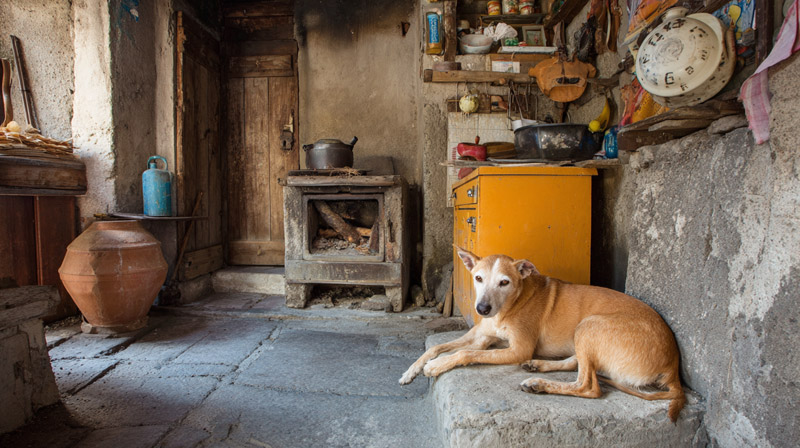
Apartment living considerations work if exercise needs are met consistently. Their calm indoor behavior suits smaller spaces when properly exercised.
Yard and fencing needs require secure boundaries at least 6 feet high. Their coursing ability and jumping skills demand proper containment.
Indoor living arrangements should include comfortable sleeping areas away from household traffic. Unlike pack-oriented breeds such as the Beagle, they appreciate quiet retreat spaces.
Climate Adaptability
Heat tolerance ranks exceptional due to Mediterranean origins. They handle temperatures that stress other breeds significantly.
Cold weather precautions become necessary below 40°F. Their short coat provides minimal insulation compared to breeds like the Bernese Mountain Dog.
Seasonal adjustments include:
- Winter coats for cold climates
- Adequate shade during summer
- Fresh water access at all times
- Indoor climate control
Family Lifestyle Compatibility
Active vs. sedentary households greatly impacts breed satisfaction. Active owners match their exercise needs naturally.
Multi-pet homes work well with proper introductions. Their pack hunting background helps with canine relationships.
Children and elderly considerations favor households with older children who respect boundaries. Their gentle nature suits calm family environments.
Their independent nature makes them less demanding than attention-seeking breeds, but they still require dedicated exercise time and mental stimulation for optimal happiness.
Breed Recognition and Show Standards
International Kennel Club Recognition
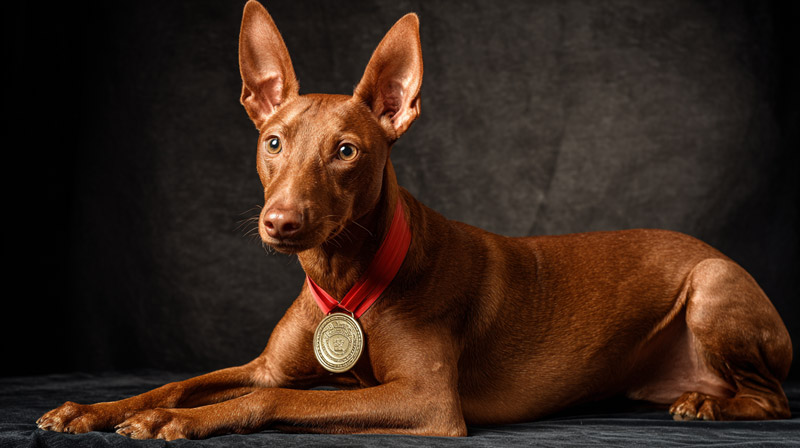
FCI breed standards established recognition in 1989, classifying the Cirneco dell’Etna in Group 5 (Spitz and primitive types). Italy holds the breed standard as the country of origin.
American Kennel Club status achieved full recognition in 2015 within the Hound Group. AKC registration requires documented pedigrees tracing back to FCI-registered stock.
Other registry recognition includes:
- United Kennel Club (UKC)
- Canadian Kennel Club (CKC)
- The Kennel Club (UK)
- Australian National Kennel Council
Unlike popular breeds such as the Golden Retriever, registry numbers remain limited due to the breed’s rarity.
Conformation Show Requirements
Judging criteria emphasize working ability over pure aesthetics. Judges evaluate movement, temperament, and breed-specific characteristics.
Show preparation requires minimal grooming compared to breeds like the Poodle. Natural presentation maintains authentic appearance.
Handler requirements include understanding of sighthound movement and breed history. Professional handlers familiar with primitive breeds produce better results.
Breed Clubs and Organizations
National breed clubs include:
- Cirneco dell’Etna Club of America
- Italian breed clubs (multiple regional organizations)
- European specialty clubs
Regional organizations host breed-specific events like specialty shows and fun days. Breed preservation efforts focus on maintaining genetic diversity and working ability.
Finding and Choosing a Cirneco dell’Etna
Reputable Breeder Selection
Health testing requirements should include:
- Hip scoring (OFA or equivalent)
- Eye clearances (annual)
- DNA testing for available markers
- Cardiac evaluations
Breeder screening questions to ask:
- Health test results for both parents
- Breeding philosophy and goals
- Socialization practices
- Contract terms and guarantees
- References from previous buyers
Red flags to avoid:
- Multiple litters available simultaneously
- Puppies always available
- No health testing documentation
- Unwillingness to meet parent dogs
- Pressure to buy immediately
Adoption and Rescue Options
Breed-specific rescues operate in limited numbers due to the breed’s rarity. Most rescues focus on Mediterranean breeds collectively.
General shelter considerations make finding purebred Cirnecos unlikely. Mixed breeds may appear but require careful evaluation.
Adult dog adoption benefits include:
- Known temperament and size
- Past basic training
- Lower energy than puppies
- Established personality traits
Unlike common breeds such as the Labrador Retriever, rescue Cirnecos appear infrequently.
Puppy Selection Process
Meeting the litter allows evaluation of individual personalities. Well-socialized puppies approach visitors confidently without fear or aggression.
Temperament testing helps match puppies to appropriate homes:
- Reaction to handling
- Response to novel objects
- Play behavior with littermates
- Recovery from mild stress
Health guarantees should cover genetic conditions for 2-3 years minimum. Reputable breeders stand behind their breeding programs with comprehensive contracts.
Calculate your puppy’s expected adult size using a dog age calculator to plan for growth phases and training schedules.
FAQ on Cirneco Dell’Etna
Are Cirneco dell’Etna dogs good with children?
Yes, properly socialized Cirnecos show gentle nature with children. Their calm indoor behavior and moderate size make them suitable family companions. Early socialization during puppy development ensures positive interactions. However, their independent nature means they prefer respectful children over rough handling.
How much exercise does a Cirneco dell’Etna need daily?
Minimum activity levels require 60-90 minutes of exercise daily. Their athletic build and endurance running capabilities demand substantial physical outlet. Running and jogging provide ideal exercise, supplemented by mental stimulation activities. Unlike sedentary breeds, they need active owners who understand sighthound requirements.
Do Cirneco dell’Etna dogs shed a lot?
Seasonal shedding patterns peak twice yearly with moderate hair loss. Their short, smooth coat texture requires minimal grooming compared to breeds like the Siberian Husky. Weekly brushing controls loose hair effectively. Daily brushing during shedding seasons manages household hair accumulation.
Are Cirneco dell’Etna dogs easy to train?
Training methods require patience due to their independent thinking nature. Basic commands need consistent positive reinforcement rather than harsh corrections. Their hunting instincts create recall training challenges. Early socialization and short, varied sessions work best for this primitive breed with selective attention spans.
What health problems do Cirneco dell’Etna dogs have?
This healthy breed experiences minimal genetic issues. Hip dysplasia concerns remain rare compared to larger breeds. Occasional eye problems include progressive retinal atrophy. Skin sensitivities may develop with poor nutrition. Recommended health tests include hip scoring and eye clearances for breeding dogs.
Can Cirneco dell’Etna dogs live in apartments?
Apartment living considerations work if exercise needs are met consistently. Their calm indoor behavior suits smaller spaces when properly exercised. Yard and fencing needs require secure 6-foot boundaries for safe outdoor time. Unlike high-energy breeds, they adapt well to urban living with adequate daily activity.
How long do Cirneco dell’Etna dogs live?
Average life expectancy ranges 12-14 years, typical for medium-sized breeds. Their healthy breed status contributes to longevity. Senior dog care needs increase after age 10 with joint support and modified exercise. Many remain active into their senior years due to excellent genetic health.
Are Cirneco dell’Etna dogs rare?
Yes, they’re considered a rare dog breed outside Italy. AKC registration numbers remain limited since 2015 recognition. Breed preservation efforts focus on maintaining genetic diversity. Unlike popular breeds such as the Boxer, finding reputable breeders requires extensive research and patience.
Do Cirneco dell’Etna dogs get along with other pets?
Interaction with other dogs varies with socialization. Their pack hunting background helps with canine relationships. Strong prey drive makes small pets risky companions without careful management. Proper introductions and early socialization improve multi-pet household success, especially with other sighthounds.
How much does a Cirneco dell’Etna puppy cost?
Expect $1,500-$3,000 from reputable breeders with health testing requirements. Breed-specific rescues offer lower-cost options but remain rare. Health clearances and responsible breeding practices justify higher prices. Import costs from European breeders increase expenses significantly for this rare breed with limited North American availability.
Conclusion
The Cirneco dell’Etna stands as a remarkable testament to ancient breeding practices and natural selection. This Sicilian hound offers modern families a unique blend of hunting heritage and gentle companionship that few breeds can match.
Their coursing ability and desert adaptation make them ideal for active households seeking an athletic partner. The breed’s minimal grooming requirements and healthy breed status appeal to owners wanting low-maintenance dogs without sacrificing loyalty or intelligence.
Responsible breeding practices remain crucial for preserving this rare dog‘s genetic diversity. Prospective owners should prioritize health testing requirements and breed preservation efforts when selecting breeders.
Consider these key factors before choosing a Cirneco:
- Exercise requirements demand daily commitment
- Independent nature requires patient training
- Prey drive needs secure containment
- Climate adaptability favors warmer regions
This ancient breed rewards dedicated owners with years of faithful companionship, combining the grace of Mediterranean heritage with modern family compatibility.