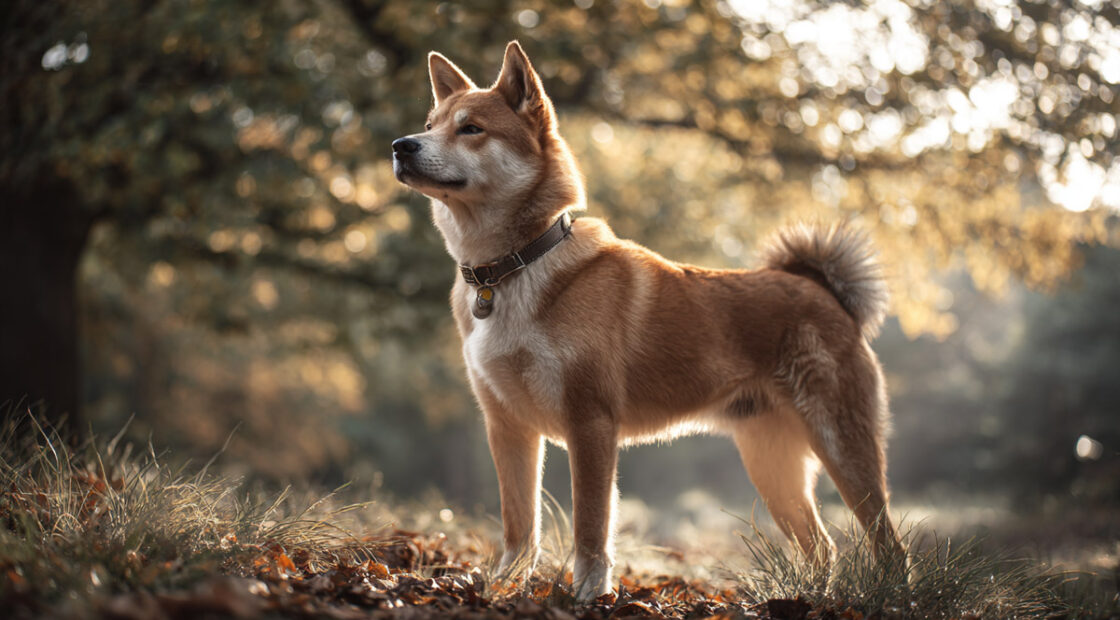
Few dogs can claim survival in biblical deserts for thousands of years. The Canaan Dog stands as Israel’s national treasure, a primitive breed that outlasted empires while maintaining its ancient instincts.
This ancient breed combines independent thinking with fierce loyalty, creating challenges and rewards unlike any modern dog. Their desert heritage shapes every behavior, from territorial patrol patterns to selective obedience.
Potential owners need realistic expectations about this breed’s demands. Unlike breeds such as the Boxer that adapt easily to family life, Canaan Dogs require experienced handling and consistent leadership.
This guide covers everything from their distinctive physical features and natural behaviors to training requirements and health considerations. You’ll discover whether this remarkable breed matches your lifestyle and learn essential management strategies for successful ownership.
Understanding their primitive nature becomes crucial before bringing one home.
Canaan Dog Breed Statistics
| Characteristic | Details |
|---|---|
| Size | Medium |
| Height | Males: 20-24 inches, Females: 19-23 inches |
| Weight | Males: 45-55 lbs, Females: 35-45 lbs |
| Life Span | 12-15 years |
| Energy Level | High |
| Exercise Needs | 60-90 minutes daily |
| Grooming | Moderate (high during shedding seasons) |
| Shedding | Seasonal heavy shedding |
| Trainability | Moderate (independent nature) |
| Good with Kids | Yes, with supervision |
| Good with Pets | Requires careful introduction |
| Barking Level | Moderate |
| Protection Level | High (natural guardian) |
| Adaptability | Moderate |
| Apartment Living | Possible with adequate exercise |
| Cold Tolerance | Good |
| Heat Tolerance | Excellent (desert origins) |
| Drooling | Low |
| Coat Type | Double coat, weather-resistant |
| Coat Colors | Cream, sand, red, brown, black with white markings |
| AKC Group | Non-Sporting Group |
| Origin | Israel/Middle East |
| Bred For | Livestock guardian, property protection |
| Personality | Independent, loyal, alert, territorial |
| Health Issues | Hip dysplasia, eye conditions, digestive sensitivities |
| Ideal Owner | Experienced dog owner with active lifestyle |
Physical Characteristics and Breed Standards
Size and Build
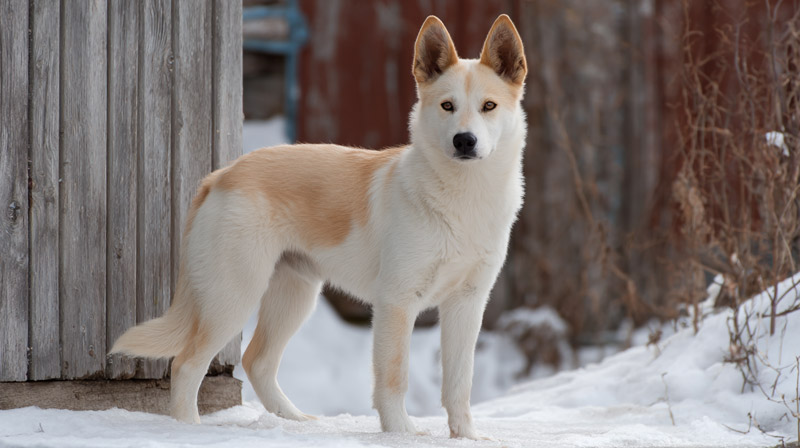
The Canaan Dog presents a medium-sized frame perfectly adapted for desert survival. Males typically stand 20-24 inches tall and weigh 45-55 pounds, while females measure slightly smaller at 19-23 inches and 35-45 pounds.
Their athletic structure reflects thousands of years of natural selection. These dogs developed muscular hindquarters and strong shoulders for covering vast territories. The square build provides balance and endurance during long patrols.
Unlike breeds such as the German Shepherd Dog, Canaan Dogs maintained their original proportions without human manipulation. Their compact frame supports both speed and stamina.
Coat and Coloring
The double coat protection serves as natural armor against extreme temperatures. The dense undercoat insulates during cold desert nights, while the harsh outer coat repels sand and debris.

Seasonal changes dramatically alter their appearance. Spring shedding can fill entire vacuum bags as the winter undercoat releases. Summer coats appear sleek and close-fitting.
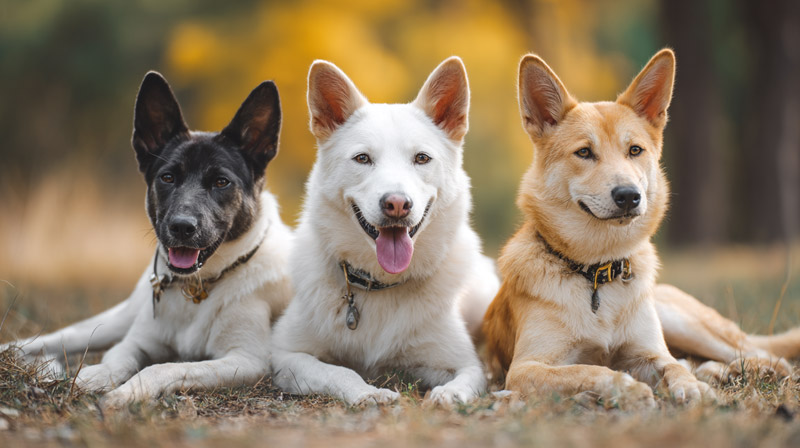
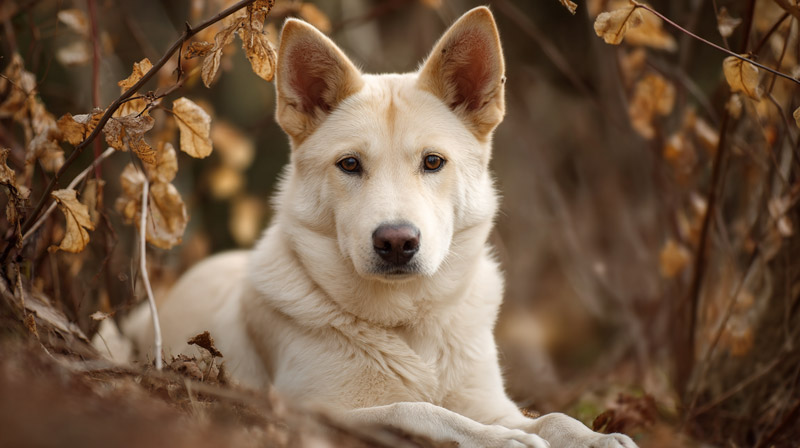
Color patterns range from cream and sand to rich red, brown, and black. White markings commonly appear on the chest, feet, and tail tip. Some dogs display dramatic color combinations that would make an Australian Shepherd jealous.
The Israel Kennel Club recognizes all natural colorations found in the original population.
Distinctive Features
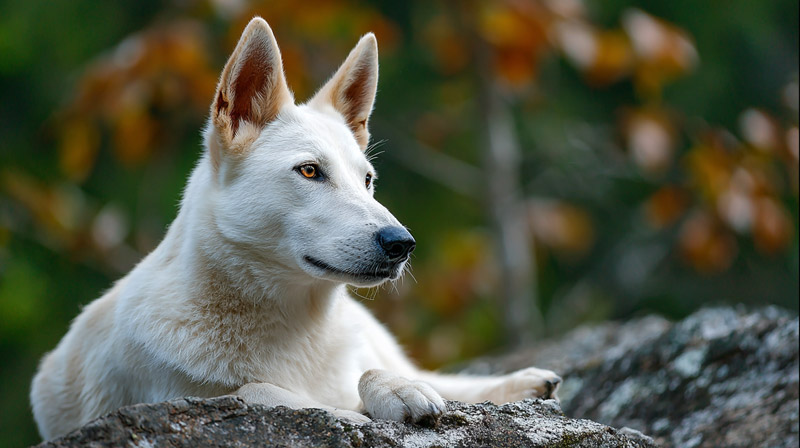
The wedge-shaped head creates an unmistakable silhouette. Broad at the skull and tapering to the nose, this structure houses powerful jaw muscles developed for survival.
Erect ears stand like radar dishes, constantly scanning for threats. These triangular ears can detect sounds from remarkable distances.
The curled tail forms a graceful arc over the back when alert. During relaxation, it drops naturally. This tail position immediately communicates the dog’s emotional state to pack members.
Their gait and movement patterns display efficiency over flash. The trot covers ground with minimal energy expenditure, while the gallop shows explosive power when needed.
Primitive Instincts and Natural Behaviors
Survival Instincts
Resource guarding runs deep in their DNA. These dogs naturally protect food, toys, and sleeping areas from perceived threats. Unlike breeds like the Golden Retriever, sharing doesn’t come naturally.
Food caching behavior appears even in well-fed house dogs. They bury bones and treats throughout the yard, creating emergency supply depots. This instinct kept their ancestors alive during lean periods.
Territory marking involves more than simple bathroom habits. Canaan Dogs establish invisible boundaries through scent marking, similar to their Basenji cousins from Africa.
Weather adaptation shows remarkable sophistication. These dogs seek shade during intense heat and find windbreaks during storms. They dig cooling beds in summer and warming hollows in winter.
Pack Dynamics and Social Structure
Alpha tendencies emerge early and persist throughout life. These dogs naturally assume leadership roles within family groups, unlike more submissive breeds such as the Cavalier King Charles Spaniel.
Communication through body language reaches artistic levels. Ear position, tail carriage, and facial expressions convey complex messages to other dogs and observant humans.
Bonding patterns with family members follow strict hierarchies. The dog typically chooses one primary person while maintaining respectful relationships with others. This selective loyalty differs dramatically from breeds like the Labrador Retriever that love everyone equally.
Young dogs establish their position through play and testing behaviors. Adult supervision prevents these interactions from escalating.
Hunting and Tracking Abilities
Prey drive activates instantly when small animals appear. Squirrels, cats, and rabbits trigger chase responses that can override training commands. This instinct makes them less suitable for homes with small pets compared to gentler breeds like the Bichon Frise.
Scent detection abilities rival those of specialized hunting breeds. These dogs track trails hours old and identify individual scents within complex mixtures.
Problem-solving in natural environments demonstrates their intelligence. Canaan Dogs figure out escape routes, locate water sources, and find shelter without human guidance. This independence contrasts sharply with more dependent breeds such as the Pug.
Their tracking skills made them valuable to Bedouin tribes for locating lost livestock across desert terrain. Modern dogs retain these abilities even when living as urban companions.
Temperament and Personality Traits
Independence and Self-Reliance
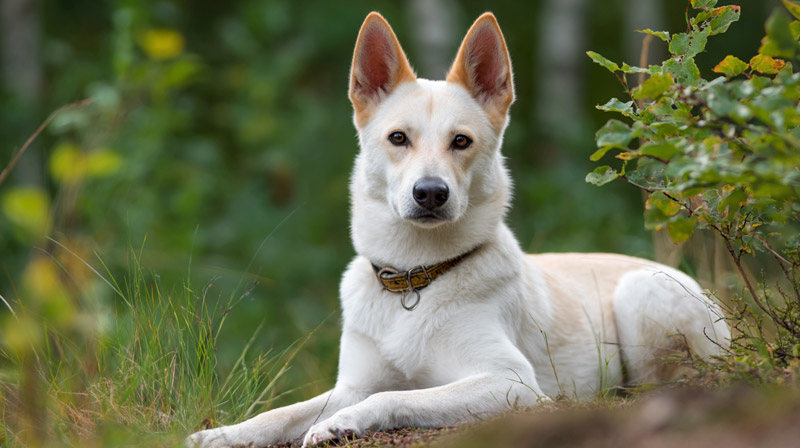
Strong-willed nature defines every interaction with these dogs. They evaluate commands before obeying, unlike eager-to-please breeds such as the Border Collie. This independent thinking served them well during centuries of desert survival.
Decision-making happens constantly. Canaan Dogs assess situations and act accordingly, whether owners approve or not. A Pomeranian seeks permission; a Canaan Dog forgives later.
Selective obedience frustrates many owners. These dogs perform commands when they see the logic, not simply because humans demand it. Training challenges multiply when working with such intelligent, stubborn personalities.
Confidence in new situations comes naturally. Where nervous breeds like the Shih Tzu might hesitate, Canaan Dogs stride forward and investigate. This boldness requires careful management during socialization periods.
Loyalty and Protective Nature
Deep bonds form slowly but last forever. Once a Canaan Dog accepts someone, their loyalty rivals that of any breed. Family members receive absolute devotion and fierce protection.
Natural guarding instincts activate without training. These dogs patrol property boundaries and monitor visitors with intense focus. Unlike friendly breeds such as the Beagle, they maintain suspicious attitudes toward strangers.
Wariness around strangers manifests as careful observation rather than immediate aggression. Proper socialization channels this caution into appropriate responses. Territorial behavior must be managed early to prevent problems.
The protective drive makes them excellent watchdogs but challenging pets for social households.
Intelligence and Adaptability
Quick learning occurs when motivation exists. These dogs master complex tasks rapidly but refuse repetitive drilling. Mental stimulation becomes crucial for preventing destructive behaviors.
Problem-solving abilities exceed those of many breeds. Canaan Dogs open gates, escape yards, and figure out puzzles that stump other dogs. This intelligence requires constant mental challenges.
Flexibility in different environments showcases their adaptability. Whether living in apartments or on farms, they adjust their behavior to available space and activity levels.
Memory skills allow them to hold grudges and remember positive experiences for years.
Training and Socialization Requirements
Early Socialization Needs
Exposure to people, animals, and situations must begin during puppyhood. Critical socialization windows close quickly, making early intervention essential. Unlike naturally social breeds like the Brittany, Canaan Dogs require deliberate exposure programs.
Building confidence involves graduated challenges rather than overwhelming experiences. Young dogs need success-based learning to develop proper responses to new situations.
Preventing aggressive behavior requires consistent, positive interactions during the first 16 weeks. Territorial tendencies can become problematic without proper guidance.
Puppy classes provide controlled environments for safe socialization experiences.
Training Approaches and Methods
Positive reinforcement techniques work best with these independent thinkers. Food rewards, praise, and play motivate better than corrections or punishment. Force-based methods often backfire with this breed.
Consistency and patience become daily requirements. Training sessions must remain short and engaging to hold their attention. Unlike biddable breeds such as the Pembroke Welsh Corgi, progress comes in small increments.
Working with independent thinking means accepting that perfect obedience may never occur. Smart trainers learn to channel natural behaviors rather than fight them.
- Use high-value treats during training sessions
- Keep lessons brief but frequent
- End on positive notes
- Respect their decision-making process
Common Training Challenges
Stubbornness appears when dogs disagree with human plans. They may refuse commands that seem pointless or unsafe from their perspective. This behavior requires patient redirection rather than force.
Strong prey drive management becomes crucial in multi-pet households. Unlike gentle breeds such as the Newfoundland, these dogs may chase smaller animals instinctively.
Leash training challenges even experienced handlers. Their independent nature conflicts with human control, leading to pulling and selective attention. Consistent practice and proper equipment help establish walking manners.
Recall issues develop when interesting smells or sights override training. These dogs may ignore commands when tracking becomes their priority. Secure fencing provides better safety than voice control alone.
Professional trainers familiar with primitive breeds often provide valuable assistance for challenging behaviors.
Daily Life as a Family Pet
Exercise and Activity Needs
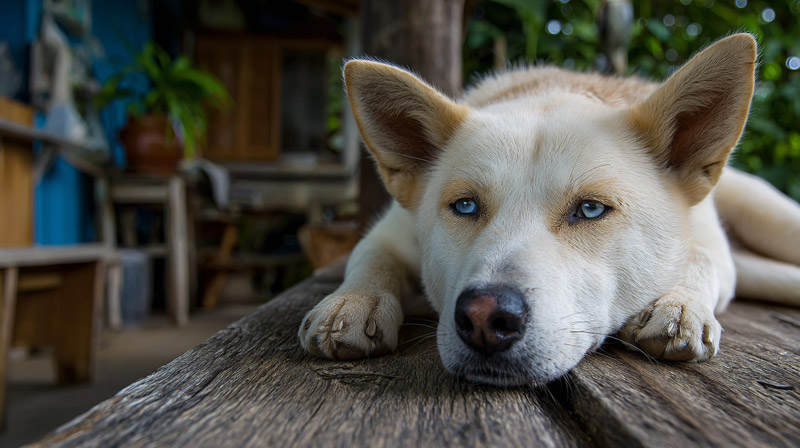
Daily physical activity requires 60-90 minutes minimum. These dogs need more than a backyard stroll, unlike lower-energy breeds such as the Bulldog. Desert heritage demands substantial movement.
Mental stimulation prevents destructive behaviors. Puzzle toys, tracking games, and training sessions engage their sharp minds. Bored Canaan Dogs create their own entertainment, usually involving property damage.
Suitable activities include:
- Long hikes and trail walking
- Agility training for physical and mental challenges
- Scent work games that tap natural abilities
- Swimming for low-impact exercise
Age affects exercise needs significantly. Puppies require shorter, frequent sessions while seniors benefit from gentle, consistent movement.
Indoor Living and Home Environment
Space requirements depend more on mental stimulation than square footage. A well-exercised Canaan Dog adapts to apartment living better than understimulated dogs in large homes. They need secure outdoor access for territorial patrol behaviors.
Interaction with children requires supervision and training. These dogs respect family hierarchies but may attempt to establish themselves above children. Unlike naturally gentle breeds such as the Cavalier King Charles Spaniel, they need clear boundaries.
Establishing routines provides security for these independent thinkers. Consistent feeding, exercise, and sleep schedules reduce anxiety and behavioral problems.
Homes with multiple pets need careful management due to resource guarding tendencies.
Grooming and Maintenance
Coat care varies dramatically by season. Spring shedding requires daily brushing to manage massive hair loss. Summer coats need weekly maintenance while winter double coats demand more frequent attention.
Brushing schedules should intensify during seasonal changes:
- Daily brushing during spring and fall shed cycles
- Weekly sessions during stable coat periods
- Professional grooming twice yearly for thorough maintenance
Nail trimming every 2-3 weeks prevents overgrowth. Dental care includes daily brushing or dental chews to maintain oral health.
Unlike high-maintenance breeds such as the Poodle, Canaan Dogs require minimal professional grooming.
Health Considerations and Care
Common Health Issues
Hip dysplasia affects approximately 10-15% of the breed population. Genetic screening helps identify carriers before breeding. Dr. Rudolphina Menzel’s foundation work emphasized health testing protocols.
Eye conditions include progressive retinal atrophy and cataracts. Annual ophthalmologic examinations detect problems early. The Canaan Dog Club of America maintains health databases tracking these issues.
Digestive sensitivities appear in some bloodlines. Food allergies and inflammatory bowel conditions require dietary management. Unlike hardy breeds such as the Australian Cattle Dog, some Canaan Dogs need specialized nutrition.
Autoimmune disorders occasionally develop, including thyroid problems and skin conditions.
Veterinary Care and Prevention
Regular check-up schedules include:
- Annual wellness exams for adult dogs
- Bi-annual visits for seniors over 7 years
- Puppy series following standard vaccination protocols
Vaccination protocols follow American Veterinary Medical Association guidelines. Core vaccines include rabies, DHPP, and regional requirements.
Parasite prevention covers heartworms, fleas, and ticks. Desert origins don’t protect against modern urban parasites.
Spaying and neutering timing affects growth and development. Many veterinarians recommend waiting until skeletal maturity around 18-24 months.
Nutrition and Diet Requirements
High-quality protein forms the foundation of proper nutrition. These active dogs need 22-25% protein minimum in their daily diet. Working dogs may require even higher percentages.
Feeding schedules prevent resource guarding behaviors:
- Puppies: 3-4 meals daily until 6 months
- Adults: 2 measured meals prevent overeating
- Seniors: May need adjusted portions and specialized formulas
Portion control prevents obesity, which stresses joints and organs. Using a dog age calculator helps determine appropriate life stage nutrition.
Special dietary considerations include:
- Grain-free options for sensitive dogs
- Limited ingredient diets for allergy management
- Joint supplements for aging dogs
- Digestive enzymes for stomach-sensitive individuals
Raw feeding works well for many Canaan Dogs but requires careful planning to ensure nutritional balance.
Working Roles and Modern Applications
Traditional Working Functions
Livestock guardian duties defined their original purpose in ancient Israel. Bedouin tribes relied on these dogs to protect sheep and goats from predators across harsh desert terrain. Their natural territorial instincts made them superior guardians compared to herding breeds like the Old English Sheepdog.
Property protection came naturally to dogs patrolling vast tribal territories. They established perimeters and challenged intruders without requiring formal training. Biblical references suggest these dogs guarded settlements for thousands of years.
Military service began with the Israeli Defense Forces during the 1960s. Their keen senses and loyalty made them valuable for perimeter security and detection work. Unlike specialized breeds such as the Belgian Malinois, they adapted to multiple military roles.
Archaeological sites throughout the Middle East contain evidence of their working relationships with humans.
Modern Service Applications
Therapy work utilizes their calm, confident temperament. These dogs provide emotional support in hospitals and nursing homes where their steady presence comforts patients. Their independent nature suits people who need companionship without overwhelming attention.
Search and rescue capabilities stem from their natural tracking abilities. Teams use their scent detection skills for wilderness searches and disaster response. Their endurance surpasses many traditional working breeds during extended operations.
Detection work includes narcotics and explosives screening. Their problem-solving intelligence helps them adapt to changing search protocols. Training facilities report excellent retention rates compared to more distractible breeds.
Specialized programs focus on their unique combination of independence and loyalty.
Dog Sports and Competition
Agility trials showcase their athletic abilities and problem-solving skills. These dogs excel at obstacle courses requiring both physical coordination and mental focus. Their competitive drive emerges strongly in structured environments.
Tracking events tap into their ancestral hunting abilities. Canaan Dogs demonstrate exceptional scent discrimination and trail-following persistence. Unlike breeds such as the Bloodhound that rely purely on nose work, they combine scenting with visual tracking.
Breed-specific competitions include conformation shows and specialty matches. The Canaan Dog Club of America organizes events highlighting breed characteristics and working abilities.
Obedience trials present challenges due to their independent thinking patterns.
Living with Other Pets and Animals
Multi-Pet Households
Introduction strategies require careful planning and patience. New pets must be introduced gradually while respecting the Canaan Dog’s territorial nature. Unlike naturally social breeds such as the Boston Terrier, they need time to accept newcomers.
Managing resource competition prevents conflicts over food, toys, and sleeping areas. Separate feeding stations and multiple water sources reduce tension. These dogs guard resources more intensely than sharing-oriented breeds.
Establishing pack order happens naturally but needs human supervision. Canaan Dogs typically assert themselves as pack leaders unless challenged by equally strong personalities. Their dominance differs from the gentle leadership shown by breeds like the Bernese Mountain Dog.
Success depends on early socialization and consistent management.
Interaction with Cats and Small Animals
Prey drive management becomes critical with feline housemates. These dogs may chase cats instinctively, especially during excitement or play. Unlike cat-friendly breeds such as the Maltese, they require training to coexist peacefully.
Safe introduction methods include:
- Scent swapping before visual contact
- Controlled meetings with dogs on leash
- Vertical territory giving cats escape routes
- Reward-based training for calm behavior
Supervision requirements remain high during initial months. Even well-socialized dogs may react to sudden movements or running cats.
Small pets like rabbits and guinea pigs need complete separation from these natural hunters.
Livestock and Farm Animals
Natural guardian instincts make them excellent farm dogs when properly introduced. Their protective drive extends to animals under their care, unlike breeds such as the Jack Russell Terrier that might harass livestock.
Training for livestock interaction builds on their natural tendencies while establishing boundaries. Young dogs learn to distinguish between protection and predation through careful guidance.
Balancing protection with gentleness requires ongoing supervision. These dogs can patrol property while avoiding aggressive behavior toward farm animals.
Their size and strength make them suitable for protecting against medium-sized predators while remaining manageable around livestock.
Choosing and Acquiring a Canaan Dog
Breeder Selection and Research
Finding reputable breeders requires extensive research. The Canaan Dog Club of America maintains breeder directories with member listings. Quality breeders health test breeding stock and follow ethical breeding practices unlike puppy mills.
Health testing includes hip dysplasia screening, eye examinations, and genetic panels. Responsible breeders provide health clearances for both parents. Documentation from the Orthopedic Foundation for Animals verifies hip scores.
Meeting parent dogs reveals temperament and behavioral traits. Observe the dam’s interaction with strangers and assess her confidence level. Unlike breeds such as the Keeshond that display consistent temperaments, individual Canaan Dogs vary significantly.
Red flags include:
- Multiple litters available simultaneously
- No health testing documentation
- Unwillingness to show breeding facilities
- Pressure tactics for immediate purchase
Rescue and Adoption Options
Breed-specific rescue organizations occasionally have Canaan Dogs available. These groups understand breed characteristics and provide behavioral assessments. Adult dogs from rescue often come with basic training.
Adult dog adoption offers advantages over puppy ownership. Mature dogs display established temperaments and may skip destructive puppy phases. Their exercise needs and personality traits become apparent immediately.
Rehabilitation periods vary depending on previous experiences. Some rescued dogs need time to trust new families and adjust to different routines. Unlike adaptable breeds such as the Yorkshire Terrier, Canaan Dogs may require months to settle completely.
Rescue dogs often cost less than breeder puppies while providing equally rewarding companionship.
Puppy Selection and Preparation
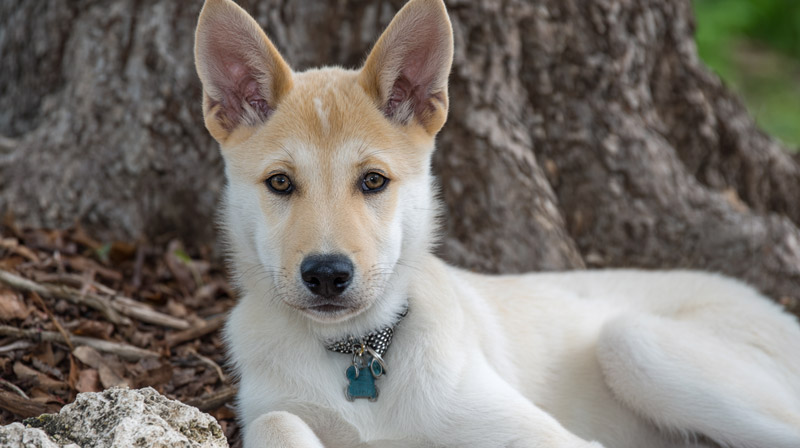
Evaluating puppy temperament involves observing behavior during visits. Confident puppies approach strangers readily while shy ones hang back. Bold puppies may challenge boundaries early and require firm handling.
Health assessments include:
- Clear eyes without discharge
- Clean ears free from odor
- Steady gait showing proper movement
- Alert demeanor and curiosity about surroundings
Home preparation must address their territorial nature and escape abilities. Secure fencing prevents wandering while proper gates contain their patrol instincts.
Safety measures include:
- Six-foot fencing minimum height requirement
- Puppy-proofing electrical cords and toxic plants
- Secure storage for food and valuable items
- Multiple gates for containment flexibility
Initial supplies focus on durability over style. These dogs destroy flimsy toys and bedding rapidly. Unlike gentle breeds such as the Lhasa Apso, they test everything with teeth and claws.
Essential equipment includes:
- Heavy-duty crate for secure containment
- Strong leash and properly fitted collar
- Durable toys designed for powerful chewers
- Stainless steel bowls that resist tipping
- Quality food appropriate for growth needs
Training preparations should begin before puppy arrival. Research local obedience classes and identify positive reinforcement trainers familiar with primitive breeds.
Professional guidance helps navigate their independent nature and establishes proper family dynamics from day one.
FAQ on Canaan Dog
Are Canaan Dogs good family pets?
Canaan Dogs bond deeply with families but require experienced handling. Their independent nature and territorial instincts need management around children. Unlike friendly breeds such as the American Eskimo Dog, they maintain wariness with strangers and need consistent leadership.
How much exercise do Canaan Dogs need?
These athletic dogs require 60-90 minutes of daily activity. Desert heritage demands substantial movement including hiking, running, and mental stimulation. Bored Canaan Dogs become destructive, unlike lower-energy breeds that adapt to minimal exercise routines.
Do Canaan Dogs shed a lot?
Seasonal shedding creates massive hair loss during spring and fall. Their double coat releases winter undercoat dramatically. Daily brushing becomes essential during shed cycles, while summer coats require weekly maintenance for optimal coat health.
Are Canaan Dogs hard to train?
Strong-willed personalities create training challenges. They evaluate commands before obeying, unlike eager breeds such as the Brittany. Positive reinforcement and patience work better than force-based methods with these independent thinkers.
Can Canaan Dogs live with other pets?
Multi-pet households require careful management due to territorial behavior and prey drive. Early socialization helps, but supervision remains necessary. Their resource guarding tendencies make them less suitable than naturally social breeds for homes with multiple animals.
What health problems do Canaan Dogs have?
Hip dysplasia affects 10-15% of the population. Eye conditions including progressive retinal atrophy occur occasionally. Digestive sensitivities and autoimmune disorders appear in some bloodlines. Regular health screening helps identify potential issues early.
How big do Canaan Dogs get?
Medium-sized frames reach 20-24 inches for males and 19-23 inches for females. Weight ranges from 35-45 pounds for females and 45-55 pounds for males. Their square build provides balance and endurance for desert survival.
Are Canaan Dogs aggressive?
Natural guarding instincts create protective behavior rather than aggression. Proper socialization channels their wariness appropriately. They’re territorial but not inherently aggressive, unlike some guardian breeds that display more intense protective drives.
Do Canaan Dogs bark a lot?
Alert temperaments produce moderate barking when patrolling territory or announcing visitors. Their communication methods include various vocalizations for different situations. Training helps manage excessive barking while maintaining their natural watchdog abilities.
How long do Canaan Dogs live?
Lifespan averages 12-15 years with proper care. Their primitive genetics contribute to overall hardiness compared to heavily modified breeds. Regular veterinary care, appropriate nutrition, and adequate exercise support longevity in this ancient breed.
Conclusion
The Canaan Dog represents thousands of years of natural selection, creating a companion unlike any modern breed. Their primitive instincts and desert survival skills demand respect from potential owners who must understand their unique needs.
Successful ownership requires commitment to proper socialization, consistent training, and adequate exercise. These dogs reward dedicated families with unwavering loyalty and fascinating behaviors that reflect their ancient heritage.
Breed characteristics including territorial nature, selective obedience, and strong prey drive make them unsuitable for casual pet ownership. Unlike adaptable breeds such as the Cairn Terrier or Chesapeake Bay Retriever, they maintain their independent thinking regardless of human preferences.
Experienced dog owners who appreciate intelligence, athleticism, and historical significance will find these remarkable dogs deeply rewarding. Their guardian instincts and problem-solving abilities create lifelong partnerships built on mutual respect rather than simple obedience.