Your Bloodhound can detect a scent trail three days old and follow it for miles without losing focus. This gentle giant combines unmatched tracking abilities with a loyal companion temperament that makes them perfect family pets.
These remarkable scent hounds serve in search and rescue operations worldwide, locating missing persons when other methods fail. Their 300 million scent receptors and specialized tracking skills have saved countless lives.
Understanding your bloodhound’s needs goes beyond basic dog ownership. Their working breed heritage demands specific exercise requirements, nutrition considerations, and grooming routines that differ dramatically from other large dogs.
This guide covers everything from harnessing their incredible nose work abilities to creating the perfect home environment. You’ll learn proper training techniques, health care basics, and how to work with professional services that understand this unique breed.
Whether you’re considering adding a bloodhound to your family or already sharing your life with one, these insights will help you provide the specialized care these amazing detection dogs deserve.
Bloodhound Breed Statistics
| Characteristic | Details |
|---|---|
| Size | Large |
| Weight | 80-110 lbs (36-50 kg) |
| Height | 23-27 inches (58-69 cm) |
| Life Expectancy | 10-12 years |
| Exercise Needs | Very High (2+ hours daily) |
| Energy Level | Moderate to High |
| Grooming Requirements | Moderate |
| Shedding | Heavy |
| Drooling | Excessive |
| Barking Level | Moderate |
| Trainability | Moderate (independent nature) |
| Good with Kids | Excellent |
| Good with Pets | Good with proper socialization |
| Apartment Living | Not suitable |
| Climate Tolerance | Moderate (sensitive to heat) |
| Common Health Issues | Hip/elbow dysplasia, bloat, eye problems |
| Coat Type | Short, dense, weather-resistant |
| Coat Colors | Black/tan, liver/tan, red |
| Origin | Belgium/France |
| Breed Group | Hound |
| AKC Recognition | 1885 |
| Scent Receptors | 300 million |
| Tracking Ability | Exceptional (world’s best) |
| Working Role | Search and rescue, law enforcement |
| Food Requirements | 4-8 cups daily (varies by activity) |
| Socialization Needs | High |
| Mental Stimulation | Essential (scent work preferred) |
| First-Time Owner | Not recommended |
| Cost Level | High maintenance |
The Amazing Nose: How Bloodhounds Track Scents
Your dog’s nose puts every other breed to shame. 300 million scent receptors pack into that wet, powerful snout. Humans? We get 6 million.
That’s not even the best part.
Super-Powered Scent Detection System
The olfactory bulb in your bloodhound’s brain takes up massive space compared to other breeds. Think of it as a scent-processing supercomputer. While a German Shepherd Dog has impressive detection abilities, bloodhounds operate on another level entirely.
Wet nose science matters. That constantly moist surface traps scent particles like a magnet. Every sniff delivers concentrated information straight to those 300 million receptors.
The large olfactory bulb processes this data faster than you can blink. Your dog builds a complete scent picture of the world around them.
Physical Features That Help Tracking
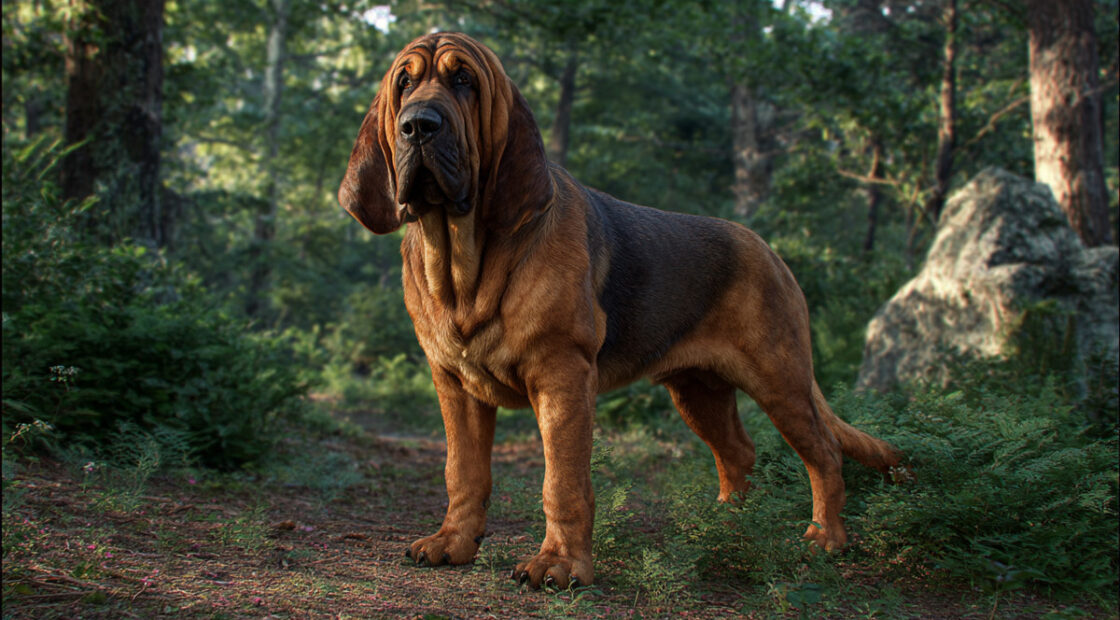
Long ears sweep the ground with every step. They funnel scents directly toward that powerful nose. Watch your bloodhound work and you’ll see those ears acting like scent collectors.
Wrinkled faces hold secrets. Those deep skin folds trap scent particles. Each wrinkle creates a pocket where odors linger, giving your dog extra time to analyze the information.
The deep chest houses powerful lungs. This isn’t just for show. Long tracking sessions demand serious stamina, and that barrel chest delivers the oxygen needed for hours of trail work.
How They Follow a Scent Trail
Ground scenting keeps your dog’s nose pressed to the earth. They follow the exact path their target took, step by step. This method works even when trails are days old.
Air scenting catches fresher odors floating on the breeze. Your bloodhound switches between methods based on conditions and trail age.
Age discrimination separates old scents from new ones. Your dog knows whether someone passed by five minutes ago or five hours ago. This skill develops with experience and proper training.
Distractions mean nothing to a focused bloodhound. Food, other animals, even loud noises fade away when they’re locked onto a scent trail. This single-minded focus makes them perfect for search and rescue work.
Training Your Bloodhound for Scent Work

Start simple. Build complexity slowly. Your bloodhound’s natural abilities need proper development to reach their full potential.
Starting With Basic Scent Games
Hide and seek with treats teaches the foundation. Drop a few treats in obvious spots around your yard. Say “find it” and let your dog discover them. Success builds confidence.
Make it harder gradually. Hide treats behind trees, under leaves, or in tall grass. Your bloodhound will learn to use their nose instead of their eyes.
Simple tracking exercises begin in familiar territory. Drag a toy or treat bag along the ground for 10-20 feet. Let your dog watch, then send them to follow the trail.
The “find it” command becomes your most important tool. Use it consistently. Your bloodhound will associate these words with scent work time.
Building Advanced Tracking Skills
Longer trails test endurance and focus. Start with 50-foot tracks, then build to 100 feet, then 200. Age the trails too. Fresh tracks become 30-minute-old tracks, then hour-old tracks.
Different terrain challenges your dog’s skills. Grass tracks feel different from dirt tracks. Concrete changes everything. Water crossings add complexity that separates good tracking dogs from great ones.
Weather conditions matter more than you think. Rain washes away some scents but enhances others. Snow covers trails but preserves odors underneath. Hot weather makes scents rise and dissipate quickly.
Your bloodhound needs exposure to all these variables. Real search scenarios don’t wait for perfect conditions.
Professional Search and Rescue Training
Local SAR teams welcome bloodhound handlers. These volunteer organizations train regularly and respond to actual missing person cases. Your dog gets real-world experience while serving your community.
Certification requirements vary by location. Most programs test your dog’s ability to follow aged trails over various terrain. Handler skills matter too. You’ll learn radio procedures, GPS navigation, and evidence handling.
Ongoing practice prevents skill decay. Monthly training keeps your bloodhound sharp. Weekly sessions work even better.
Many Beagle owners also participate in scent work, though bloodhounds excel at the longer, more complex trails that challenge other breeds.
Professional training accelerates your progress. Certified instructors spot problems early and teach advanced techniques. They understand how bloodhounds think and work.
Working with experienced handlers teaches you to read your dog’s body language. Subtle changes in posture, ear position, and tail movement tell you everything about the trail conditions your bloodhound is experiencing.
Emergency response readiness means having gear ready and skills practiced. Missing children cases happen at 2 AM in terrible weather. Your bloodhound’s life-saving abilities depend on consistent preparation.
Daily Exercise Needs and Activities

Your bloodhound needs two hours minimum of daily activity. No shortcuts here.
Physical Exercise Requirements
Long walks form the foundation. These aren’t quick neighborhood strolls. Plan 45-60 minute sessions where your dog can really stretch those legs and explore scents.
Hiking trails satisfy their working breed instincts. The varied terrain and natural scents keep them mentally engaged while building physical stamina. Choose trails with good footing to protect those large joints.
Swimming gives joint-friendly exercise that builds muscle without stress. Many bloodhounds love water, and it’s perfect for hot weather workouts. Start in shallow areas and build confidence gradually.
Unlike smaller breeds like the Chihuahua, bloodhounds need substantial exercise to prevent destructive behaviors and weight gain.
Mental Stimulation Through Scent Work
Puzzle toys with hidden treats tap into their detection capabilities. Rotate different toys to maintain interest. The harder they work for rewards, the more satisfied they’ll be.
Create scent trails around your house and yard. Drag treats or toys along different paths. This nose work satisfies their hunting companion instincts better than any ball game.
Nose work classes teach structured scent detection. Professional instructors help you build skills while your dog learns to work in controlled environments with other dogs.
Safe Exercise Practices
Hot weather kills. Those deep chests and heavy coats make bloodhounds vulnerable to overheating. Exercise during cooler morning and evening hours.
Watch for signs of fatigue: excessive panting, slowing pace, or seeking shade. Your dog will often push through exhaustion to please you.
Gradual conditioning prevents injuries. Don’t expect a couch potato to suddenly handle two-hour hikes. Build stamina over weeks, not days.
Grooming and Health Care Basics
Weekly brushing controls the shedding that comes with that dense coat. You’ll still find hair everywhere, but regular grooming keeps it manageable.
Regular Grooming Routine
Ears need constant attention. Those long, droopy ears trap moisture and debris. Clean them weekly with vet-approved solutions to prevent infections that plague this breed.
Nail trimming every 2-3 weeks prevents painful splits and maintains proper foot structure. Large dogs like bloodhounds put serious pressure on their nails.
Dental care prevents the health issues common in senior dogs. Brush teeth several times weekly using dog-specific toothpaste. Start this routine early in puppyhood.
Special Care for Facial Wrinkles
Daily cleaning between skin folds prevents bacterial growth. Use damp cloths or special wipes designed for wrinkled breeds. Don’t skip this step.
Keep wrinkles completely dry after cleaning. Trapped moisture creates perfect conditions for skin infections. Pat dry thoroughly with clean towels.
Watch for redness, swelling, or bad odors. These signal skin irritation that needs veterinary care. Early intervention prevents serious problems.
Unlike smooth-faced breeds such as the Labrador Retriever, bloodhounds require this specialized facial care throughout their lives.
Health Issues Common to Bloodhounds
Hip and elbow problems affect many large breed dogs. Maintain proper weight to reduce joint stress. Excess pounds accelerate arthritis and mobility issues.
Bloat risks increase with deep chests and large meal sizes. Feed two smaller meals instead of one large portion. Avoid exercise immediately before and after eating.
Eye conditions like droopy eyelids (ectropion) can cause chronic irritation. Some cases need surgical correction to prevent permanent damage.
Regular veterinary care catches problems early. Establish care with a vet experienced in large breeds who understands working dog needs.
Life expectancy averages 10-12 years with proper care. Quality nutrition, regular exercise, and preventive health care maximize your time together.
The Great Dane shares similar size-related health concerns, making breed-specific veterinary knowledge crucial for both breeds.
Feeding Your Working Bloodhound

Active tracking dogs burn serious calories. Your bloodhound’s nutrition needs differ dramatically from couch potato pets.
Nutritional Needs for Active Dogs
High-quality protein maintains muscle mass during long tracking sessions. Look for foods with real meat as the first ingredient. Working dogs need 25-30% protein minimum.
Calorie amounts vary with activity level. A bloodhound doing search and rescue work needs 50% more calories than one taking daily walks. Adjust portions based on your dog’s workload.
Joint support supplements become essential with age. Glucosamine and chondroitin protect those large joints from wear and tear. Start supplementation early, not after problems develop.
Working breeds like bloodhounds have different requirements than smaller, less active dogs such as the Maltese.
Feeding Schedule and Portion Control
Two meals per day prevents dangerous bloat. Large, deep-chested dogs face serious risks from eating one massive meal. Split daily portions into morning and evening feeds.
Measure portions precisely based on activity level. Working days require more food than rest days. Use measuring cups, not guesswork.
Never exercise immediately after meals. Wait 2-3 hours before any serious activity. This simple rule prevents life-threatening stomach torsion.
Special Dietary Considerations
Food allergies affect some bloodhounds. Common triggers include chicken, beef, and grain ingredients. Switch to limited ingredient diets if you notice skin problems or digestive issues.
Weight management protects joint health throughout your dog’s life expectancy. Extra pounds accelerate arthritis and reduce mobility. Monitor body condition monthly.
Hydration needs increase during tracking work. Provide fresh water constantly. Dehydration affects scent detection abilities and overall performance.
Unlike breeds with fewer food sensitivities like the Golden Retriever, bloodhounds often require careful dietary monitoring.
Creating a Bloodhound-Friendly Home

Your house needs modifications before bringing home a 100-pound scent machine.
Indoor Living Space Setup
Comfortable bedding supports large joints. Orthopedic dog beds reduce pressure points and improve sleep quality. Place beds away from high-traffic areas.
Baby gates manage access to different rooms. Bloodhounds investigate everything with their noses. Control their exploration while maintaining household harmony.
Store everything out of reach. Food, medications, small objects, and cleaning supplies all pose dangers. These dogs will find and investigate anything interesting.
Outdoor Space Requirements
Six-foot fencing minimum contains most bloodhounds. Some determined escape artists need even higher barriers. Check fence integrity regularly for dig spots or weak boards.
Shade and shelter options protect from weather extremes. Doghouses, covered porches, or shaded areas prevent overheating during hot weather.
Safe areas for off-leash exercise let your bloodhound really stretch out. Fenced yards or secure dog parks provide space for natural movement patterns.
Safety Considerations
Bloodhound-proofing goes beyond normal puppy-proofing. These large, curious dogs reach countertops and high shelves easily. Secure cabinets and remove tempting items.
Prevent escape during scent pursuits. An interesting smell can override all training. Double-check gates and fence security before letting your dog outside unsupervised.
Emergency preparedness includes proper ID tags with current contact information. Microchipping provides backup identification if collar tags fall off during outdoor adventures.
Unlike apartment-friendly breeds such as the French Bulldog, bloodhounds need substantial space and specialized home modifications.
Keep emergency veterinary contact information easily accessible. Large breed dogs can develop serious health issues quickly, and prompt care saves lives.
Climate considerations matter for indoor living. These dogs overheat easily in warm weather. Ensure adequate air conditioning or fans during summer months.
Working With Professional Services

Your bloodhound’s specialized needs require experienced professionals. Generic pet services won’t cut it.
Finding the Right Veterinarian
Large breed experience matters more than location. Bloodhounds face unique health challenges that general practice vets rarely see. Ask about their experience with giant breeds during your first visit.
Working dog needs differ from typical family pets. Your vet should understand the physical demands of tracking work and adjust care recommendations accordingly.
Emergency care availability becomes crucial with large dogs. Bloat, joint injuries, and heat exhaustion require immediate attention. Confirm 24-hour emergency protocols before you need them.
Unlike smaller breeds such as the Pomeranian, bloodhounds need vets familiar with size-related complications and faster medication metabolism rates.
Professional Training Resources
Certified dog trainers with scent work experience understand bloodhound psychology. These dogs think differently than other breeds. Generic obedience trainers often struggle with their independent nature.
Tracking clubs and organizations provide ongoing education opportunities. Connect with local groups focused on scent work rather than general dog training. The expertise level differs dramatically.
Continuing education keeps skills sharp for both you and your dog. Professional handlers attend workshops, seminars, and competitions regularly. Static training leads to declining performance.
Many German Shorthaired Pointer owners also participate in scent work training, though bloodhounds require different techniques due to their unique tracking style.
Specialized Services
Professional grooming for show dogs requires breed-specific knowledge. Standard groomers often don’t understand bloodhound coat care or proper ear cleaning techniques.
Canine massage and physical therapy benefit working dogs tremendously. These services prevent injuries and extend working careers. Find therapists experienced with large, athletic dogs.
Dog daycare considerations get complicated with bloodhounds. Their size and scent-driven behavior don’t suit most facilities. Research carefully before trusting any daycare with your dog.
Professional handlers at dog shows understand breed standards and presentation requirements. They know how to showcase bloodhound movement and temperament properly.
Specialized services for search and rescue teams include equipment fitting, GPS collar training, and emergency response protocols. Work with handlers experienced in actual field conditions.
Certification programs validate your bloodhound’s working abilities. Professional evaluators test tracking skills under standardized conditions. These credentials matter for official search work.
Breeding programs require genetic screening and health testing. Professional breeders understand bloodhound lines and can predict working ability and temperament traits.
Health testing goes beyond basic vet care. Hip and elbow X-rays, eye examinations, and genetic screening require specialized veterinary equipment and expertise.
Working with rescue organizations often provides access to bloodhounds with proven abilities. These groups understand the breed’s needs and match dogs with appropriate homes.
Unlike breeds with simpler care requirements like the Basset Hound, bloodhounds benefit significantly from specialized professional support throughout their lives.
FAQ on Bloodhound
Are bloodhounds good family pets?
Yes, bloodhounds make excellent family pets with proper training. They’re gentle giants with children and show remarkable loyalty. Their calm temperament balances their working breed energy. However, they need substantial exercise and aren’t suitable for apartment living due to their size and activity requirements.
How much exercise do bloodhounds need daily?
Bloodhounds require two hours minimum of daily exercise. This includes long walks, hiking trails, and mental stimulation through scent work. Unlike smaller breeds like the Yorkshire Terrier, bloodhounds need extensive physical activity to prevent destructive behaviors and maintain joint health.
Do bloodhounds shed a lot?
Yes, bloodhounds shed considerably year-round. Weekly brushing helps control shedding but won’t eliminate it completely. Their dense coat requires regular grooming to manage loose hair. Expect to find dog hair throughout your home despite consistent grooming routines and proper nutrition.
How long do bloodhounds typically live?
Bloodhounds have a life expectancy of 10-12 years. Large breed dogs generally have shorter lifespans than smaller ones. Proper veterinary care, weight management, and regular exercise can maximize their years. Quality nutrition and joint support supplements help maintain health throughout their senior years.
Are bloodhounds easy to train?
Bloodhounds can be challenging to train due to their independent nature. They’re intelligent but easily distracted by scents. Professional training with scent work experience works best. Start puppy training early and maintain consistency. Their tracking instincts are strong, but basic obedience requires patience.
How much do bloodhounds weigh?
Adult bloodhounds typically weigh 80-110 pounds. Males are generally larger than females. Weight management is crucial for joint health throughout their lives. Unlike compact breeds such as the Boston Terrier, bloodhounds require careful monitoring to prevent obesity-related health issues.
Do bloodhounds drool excessively?
Yes, bloodhounds drool significantly due to their loose facial skin and large jowls. Keep towels handy for cleanup. Drooling increases after drinking, eating, or during excitement. This breed characteristic requires acceptance from potential owners. Regular face cleaning helps manage moisture and prevents skin problems.
Can bloodhounds live in apartments?
Bloodhounds are not suitable for apartment living. They need substantial space for exercise and their large size makes small spaces impractical. Yard space and room to roam are essential for their physical and mental well-being. Consider smaller breeds for apartment dwellings.
What health problems do bloodhounds face?
Common health issues include hip and elbow problems, bloat, and eye conditions. Their large size contributes to joint stress over time. Regular veterinary care and health testing help prevent serious complications. Unlike breeds with fewer health concerns, bloodhounds require specialized large breed veterinary knowledge.
How much do bloodhounds cost to maintain?
Bloodhounds are expensive to maintain due to their size and specialized needs. Food costs, veterinary bills, and grooming expenses exceed those of smaller dogs. Professional training, quality nutrition, and regular health care represent significant ongoing investments. Budget accordingly for their lifetime care requirements.
Conclusion
Your Bloodhound represents centuries of selective breeding for the ultimate tracking companion. These remarkable canines combine unmatched detection capabilities with gentle temperaments that make them exceptional service animals and beloved family members.
Success with this breed depends on understanding their unique requirements. Proper socialization, consistent training exercises, and adequate outdoor space create the foundation for a well-adjusted adult dog. Their specialized skills demand dedicated owners willing to invest in professional training and ongoing practice.
Health considerations require vigilant attention throughout their lives. Regular veterinary checkups, weight management strategies, and preventive care protect against common issues affecting large breeds. Quality nutrition and joint supplements support their active lifestyle well into their senior years.
The rewards of bloodhound ownership extend far beyond companionship. Whether participating in search operations, competing in scent work trials, or simply enjoying daily adventures together, these incredible dogs enrich their families’ lives in countless ways. Their unwavering loyalty and remarkable abilities create bonds that last a lifetime.