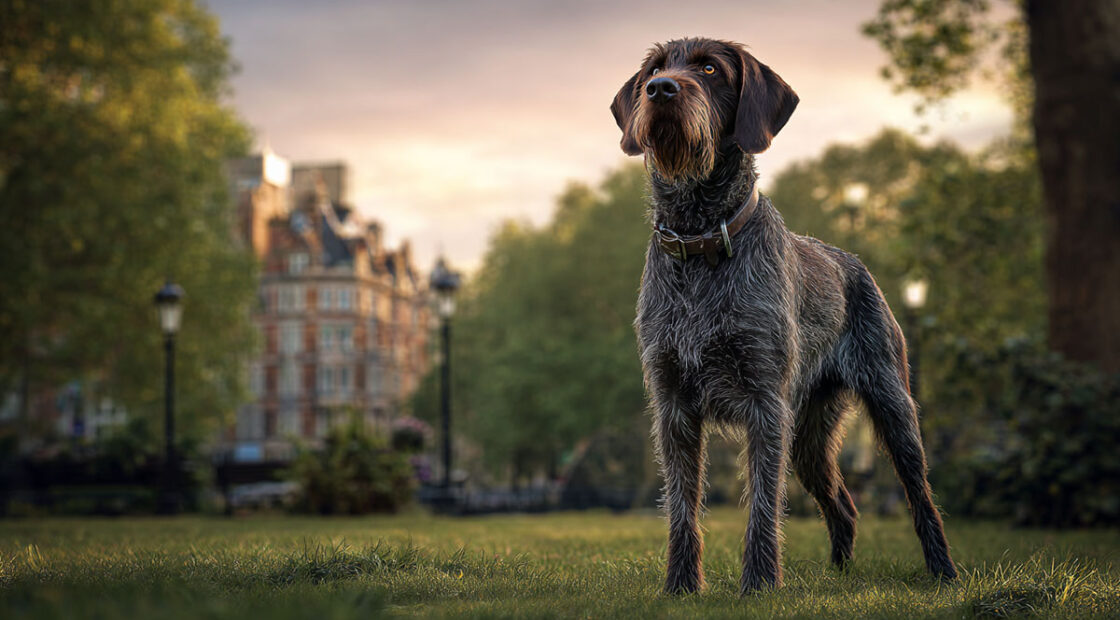
Few hunting dogs match the German Wirehaired Pointer’s remarkable versatility in field and family settings. This wire-coated athlete excels at pointing, retrieving, and tracking across diverse terrains while maintaining the loyal temperament that makes them excellent companions.
Understanding this breed requires more than admiring their distinctive beard and weather-resistant coat. Their high energy requirements, specialized grooming needs, and strong hunting instincts shape every aspect of ownership.
Whether you’re considering adding one to your family or seeking to better understand your current companion, this comprehensive guide covers everything from their natural hunting abilities to health considerations.
You’ll discover:
- Working dog capabilities and training methods
- Daily care requirements and exercise needs
- Health screening and preventive care protocols
- Training approaches for different skill levels
- Community resources and breed organizations
This versatile hunting dog demands informed ownership to thrive in modern settings.
German Wirehaired Pointer Breed Statistics
| Characteristic | Details |
|---|---|
| Size | Medium to Large |
| Weight | Males: 60-70 lbs, Females: 50-60 lbs |
| Height | Males: 24-26 inches, Females: 22-24 inches |
| Life Span | 12-14 years |
| Energy Level | Very High |
| Exercise Needs | 2+ hours daily |
| Grooming | Moderate (weekly brushing, hand stripping) |
| Shedding | Moderate |
| Trainability | High |
| Good with Kids | Yes (with proper socialization) |
| Good with Pets | Moderate (high prey drive) |
| Apartment Living | No |
| Climate Tolerance | Excellent (all weather) |
| Barking Level | Moderate |
| Drooling | Low |
| Coat Type | Wire-haired double coat |
| Colors | Liver and white, solid liver, roan |
| Health Issues | Hip/elbow dysplasia, eye conditions, cardiac issues |
| Origin | Germany (1870s) |
| AKC Group | Sporting |
| Purpose | Versatile hunting, pointing, retrieving |
| Ideal Owner | Active hunters, experienced dog owners |
| Price Range | $1,200-$3,000 |
The Working Dog: Hunting Skills and Abilities
Natural Hunting Instincts and Behaviors
Pointing and Retrieving Capabilities
German Wirehaired Pointers excel at both pointing and retrieval work. Their natural hunting instincts kick in early, often visible in puppies as young as eight weeks.
The breed’s pointing style is solid and confident. They freeze when detecting game scent, creating a clear line from nose to tail. This versatile hunting dog maintains points until released by their handler.
Retrieval skills are equally impressive. Unlike breeds that specialize in one area, these dogs handle both upland and waterfowl with equal competence. Their soft mouth ensures game remains undamaged during retrieval.
Scenting Abilities and Tracking Skills
Superior nose work sets this breed apart. Their scent tracking ability rivals that of specialized hounds like the Bloodhound.
Air scenting comes naturally. They work both ground and air scents effectively, switching between methods based on conditions. Wind direction, terrain, and game type all influence their approach.
Tracking wounded game requires patience and precision. German Wirehaired Pointers follow blood trails methodically, often hours after the initial shot. This skill makes them invaluable hunting companions.
Water Work and Swimming Prowess
Webbed feet and water-resistant coats make them natural swimmers. Their double coat protection keeps them comfortable in cold water conditions.
Swimming comes instinctively to most individuals. Unlike some pointing breeds that avoid water, these dogs dive in eagerly. Their athletic body type provides strong propulsion through water.
Waterfowl retrieval showcases their versatility. They mark multiple downed birds, retrieve in order, and deliver to hand without dropping. Ice-cold water doesn’t deter them.
Versatility Across Different Game Types
Few breeds match their adaptability to various hunting scenarios. Upland birds, waterfowl, and small game all fall within their capabilities.
Bird hunting remains their primary strength. Pheasant, grouse, quail, and woodcock all trigger their pointing instincts. Each species requires different approaches, which they master quickly.
Large game tracking expands their usefulness. Deer, elk, and wild boar present challenges they handle confidently. Their size and courage make them suitable for dangerous game.
Training for Field Work
Basic Obedience and Control Commands
Foundation training starts with basic commands. “Whoa,” “here,” and “heel” form the core of field control. Without these basics, specialized hunting training fails.
Consistency produces results faster than intensity. Short, frequent sessions work better than marathon training days. Their intelligence level means they learn quickly but also develop bad habits fast.
Remote training collars help establish long-distance control. Used properly, they enhance communication rather than punish mistakes. Professional guidance ensures correct implementation.
Specialized Hunting Training Methods
Force fetch training builds reliable retrieval. This controversial method creates dogs that retrieve on command, regardless of circumstances. Many trainers consider it essential for serious hunting dogs.
Steadiness training prevents premature breaks. Dogs learn to hold points until released, even when birds flush wildly. This takes months to perfect but separates good dogs from great ones.
Introduction to gunfire requires careful progression. Starting with cap guns, training gradually increases to full shotgun blasts. Proper introduction prevents gun-shy problems that plague many hunting dogs.
Age-Appropriate Training Progression
Puppy training focuses on basic socialization and simple commands. Critical socialization periods between 8-16 weeks shape future behavior. Early exposure to different environments builds confidence.
Young adult training (6-18 months) introduces serious hunting concepts. Birds, gunfire, and field work begin during this phase. Their high energy requirements make this an ideal training time.
Mature dog refinement continues throughout their working years. Advanced techniques and specialized skills develop with experience. Even senior dogs benefit from mental stimulation activities.
Working with Professional Trainers
Professional hunting dog trainers bring expertise most owners lack. They understand breed-specific training challenges and solutions. Investment in professional training pays dividends for years.
Trainer selection requires research. Look for experience with versatile hunting dogs specifically. References from previous clients reveal training effectiveness. Facility visits show methods and conditions.
Training duration varies by individual dog and desired skill level. Basic hunting readiness takes 3-6 months. Advanced competition-level training extends to 12-18 months. Ongoing maintenance keeps skills sharp.
Performance in Different Hunting Scenarios
Upland Bird Hunting Techniques
Upland hunting showcases their natural abilities perfectly. Their wire coat texture protects against thorns and brambles. Weather-resistant fur handles harsh conditions without complaint.
Quartering patterns cover ground efficiently. They work back and forth ahead of hunters, checking likely cover. Range adjusts based on terrain and cover density.
Bird contact triggers intense focus. Their pointing breeds heritage shows clearly during these moments. Tail rigid, head high, they maintain position until hunters arrive.
Waterfowl Retrieval Skills
Cold water doesn’t faze these determined retrievers. Their muscular build generates power through rough water. Swimming activities rank among their favorites.
Marking ability impresses experienced waterfowlers. Multiple birds down simultaneously get tagged and retrieved in logical order. Memory and intelligence combine for efficient retrieval work.
Decoy tolerance comes with training. Unlike some breeds that destroy decoys, properly trained dogs work around them carefully. This trait makes them welcome in waterfowl blinds.
Tracking Wounded Game
Blood tracking requires different skills than pointing. Wounded game moves unpredictably, testing their scent tracking ability and determination. This work demands patience from both dog and handler.
Following cold trails challenges their persistence. Hours-old scent trails test their nose work thoroughly. Success often means the difference between recovered and lost game.
Handler cooperation becomes critical during tracking work. Dogs need freedom to work while maintaining reasonable control. Communication between dog and hunter determines success.
Adaptability to Various Terrains
Terrain variety doesn’t slow these versatile hunters. Mountains, prairies, swamps, and forests all suit their capabilities. Adaptation happens quickly with exposure.
Rocky ground and thick cover test their durability. Their strong hindquarters provide power for difficult terrain. Distinctive beard facial hair protects against brush and thorns.
Climate adaptability extends their hunting season. Hot summers and cold winters both find them ready to work. Proper conditioning maintains performance year-round.
Living with a German Wirehaired Pointer
Exercise Requirements and Physical Needs
Daily Exercise Minimums and Recommendations
Two hours minimum daily exercise prevents behavioral problems. These dogs were bred for all-day hunting. Suburban life doesn’t change their energy needs.
Morning runs jumpstart their day perfectly. Five to ten miles suits most adults in good condition. Running partners find them excellent companions for long distances.
Evening activities wind them down for indoor time. Fetch, frisbee, or swimming tire them out constructively. Without adequate exercise, destructive behaviors emerge quickly.
Mental Stimulation Activities
Boredom creates more problems than physical tiredness. Their intelligence level demands regular mental challenges. Puzzle toys, training sessions, and new experiences keep minds active.
Scent work games tap into natural abilities. Hide treats or toys around the yard for discovery. This mental stimulation activities approach satisfies hunting instincts safely.
Training sessions serve dual purposes. Learning new commands exercises minds while strengthening bonds. Short, varied sessions prevent boredom during training.
Suitable Outdoor Activities and Sports
Agility training programs showcase their athletic abilities. Their versatile pointer traits translate well to obstacle courses. Competition level participation provides excellent exercise and mental challenge.
Dock diving competitions highlight their swimming prowess. Many excel at this sport naturally. Training focuses more on technique than building basic swimming skills.
Hiking companions don’t get much better than this breed. Their stamina and enthusiasm make them ideal trail partners. Weather conditions rarely deter them from outdoor adventures.
Indoor Exercise Alternatives
Weather sometimes forces indoor activities. Treadmill training works for basic conditioning. Many dogs adapt quickly to treadmill exercise with proper introduction.
Stair climbing provides intensive workouts in small spaces. Repeated trips up and down stairs tire them effectively. Supervision prevents overexertion or falls.
Interactive toys occupy them during confinement periods. Puzzle feeders extend meal times while providing mental exercise. Rotating toys prevents boredom with familiar items.
Grooming and Coat Care
Regular Brushing and Maintenance
Weekly brushing maintains their wire coat properly. Slicker brushes work through the outer coat effectively. Pin brushes handle the softer undercoat gently.
Hand stripping preserves coat texture in show dogs. This tedious process removes dead hair manually. Pet owners often skip this step without serious consequences.
Professional grooming needs vary by lifestyle. Working dogs require minimal cosmetic grooming. Show dogs need extensive coat preparation for competition.
Seasonal Coat Changes and Shedding
Spring shedding requires extra attention. Their double coat protection sheds heavily as weather warms. Daily brushing during these periods reduces house hair significantly.
Fall coat growth prepares them for winter weather. New undercoat development takes several weeks. Nutrition affects coat quality during these transition periods.
Year-round shedding remains minimal compared to many breeds. Their coat structure holds dead hair until brushed out. Regular maintenance prevents matting and tangles.
Weather Protection and Coat Function
Rain and snow bead off properly maintained coats. The outer guard hairs repel moisture effectively. Wet conditions rarely penetrate to skin level.
Cold weather tolerance exceeds most pointing breeds. Their coat provides insulation while allowing heat dissipation during work. Extreme conditions may require additional protection.
Hot weather management requires attention to exercise timing. Early morning and evening activities prevent overheating. Shade and water access become critical during summer months.
Feeding and Nutrition Guidelines
Age-Appropriate Diet Requirements
Puppy nutrition supports rapid growth and development. High-quality puppy formulas provide necessary protein and fat levels. Growth spurts increase caloric needs temporarily.
Adult maintenance diets balance energy with weight control. Active hunting dogs need higher calorie densities than house pets. Body condition scoring guides portion adjustments.
Senior dog care includes joint support supplements. Glucosamine and chondroitin help maintain mobility. Easier-to-digest proteins reduce kidney stress in aging dogs.
Portion Control and Feeding Schedules
Two meals daily work better than free feeding. Scheduled meals allow better portion control. Bloat prevention becomes important in deep-chested breeds like this one.
Measuring cups ensure consistent portions. Visual estimates often lead to overfeeding. Weight monitoring catches problems before they become serious.
Post-exercise feeding requires timing consideration. Large meals immediately after intense exercise increase bloat risk. Hour-long delays allow heart rates to normalize.
Nutritional Needs for Active Dogs
Protein requirements increase with activity levels. Working dogs need 25-30% protein in their diets. Quality matters more than quantity in protein sources.
Fat provides concentrated energy for endurance work. Active dogs benefit from 15-20% fat content. Too much fat causes digestive upset in some individuals.
Carbohydrate sources should be easily digestible. Rice, sweet potatoes, and oats provide steady energy release. Avoid corn and wheat if food sensitivities develop.
Common Dietary Concerns and Allergies
Food allergies affect some individuals in this breed. Protein sources like chicken, beef, or lamb may trigger reactions. Elimination diets identify problem ingredients.
Grain sensitivities appear less common than protein allergies. Limited ingredient diets help identify triggers. Novel protein sources often solve allergy problems.
Supplement considerations include joint support and omega fatty acids. Fish oil improves coat quality and reduces inflammation. Probiotics support digestive health in sensitive dogs.
Treats should comprise less than 10% of total calories. Training treats need to be small and easily digestible. High-value rewards motivate better than large quantities.
Health and Wellness Considerations
Common Health Issues in the Breed
Hip and Elbow Dysplasia Risks
Hip dysplasia affects 15-20% of German Wirehaired Pointers. This hereditary condition causes joint malformation and arthritis. Early detection through screening prevents breeding affected dogs.
Elbow dysplasia screening identifies problems before symptoms appear. Three separate conditions fall under this umbrella. Professional veterinary examination catches issues during puppy development.
Prevention starts with health testing parents. Orthopedic Foundation for Animals certification verifies normal joints. Reputable breeders provide these certificates without prompting.
Weight management reduces joint stress significantly. Overweight puppies develop more severe symptoms. Controlled exercise during growth periods protects developing joints.
Eye Conditions and Vision Problems
Progressive retinal atrophy causes gradual blindness. This genetic condition typically appears in middle age. DNA testing identifies carriers before breeding decisions.
Cataracts develop in some bloodlines. Early onset cataracts may require surgical removal. Annual eye examinations by veterinary ophthalmologists catch problems early.
Entropion affects the lower eyelids occasionally. Eyelashes rub against the cornea causing irritation. Minor surgical correction solves this problem permanently.
Regular eye examinations prevent serious complications. Annual checkups during youth, bi-annual exams for seniors. Early intervention preserves vision longer.
Cardiac Issues and Heart Health
Subaortic stenosis occurs in some family lines. This congenital heart defect restricts blood flow. Affected dogs show exercise intolerance and may collapse during activity.
Heart murmurs detected during puppy exams require follow-up. Not all murmurs indicate serious problems. Echocardiograms provide definitive diagnoses.
Dilated cardiomyopathy appears rarely but proves serious when present. Heart muscle weakening reduces pumping efficiency. Early detection allows treatment that extends life.
Skin Conditions and Allergies
Wire coat texture makes them prone to skin irritation. Food allergies cause scratching and hot spots. Environmental allergens trigger seasonal reactions.
Contact dermatitis develops from exposure to certain plants or chemicals. Their outdoor lifestyle increases exposure risks. Identifying triggers prevents recurring problems.
Proper grooming reduces skin problems significantly. Regular brushing removes debris and dead skin. Professional grooming maintains coat health.
Preventive Care and Regular Maintenance
Vaccination Schedules and Requirements
Core vaccines protect against deadly diseases. Rabies, distemper, parvovirus, and adenovirus require regular boosters. Veterinary clinics provide standard vaccination schedules.
Non-core vaccines depend on lifestyle and location. Lyme disease vaccination benefits dogs in endemic areas. Kennel cough vaccines help dogs exposed to other animals frequently.
Puppy vaccination series starts at 6-8 weeks. Boosters continue every 3-4 weeks until 16 weeks old. Adult dogs need annual or tri-annual boosters depending on vaccine type.
Parasite Prevention Programs
Monthly heartworm prevention is non-negotiable. This deadly parasite spreads through mosquito bites. Year-round prevention protects even indoor dogs.
Flea and tick prevention protects against disease transmission. Products combining heartworm and external parasite control simplify schedules. Prescription products work better than over-the-counter alternatives.
Internal parasites require regular monitoring. Annual fecal examinations detect intestinal worms. Puppies need more frequent deworming than adults.
Dental Care and Oral Health
Daily tooth brushing prevents dental disease. Plaque buildup leads to painful infections and tooth loss. Starting early makes brushing routine easier.
Dental chews and toys help remove plaque mechanically. Hard bones may fracture teeth in aggressive chewers. Supervise all chewing activities.
Professional dental cleanings require anesthesia. Veterinary dentists clean below the gum line thoroughly. Frequency depends on individual oral health.
Regular Veterinary Check-ups
Annual exams catch problems before symptoms appear. Weight monitoring, joint palpation, and organ function testing provide baselines. Senior dogs benefit from bi-annual visits.
Blood work screens for internal problems. Complete blood counts and chemistry panels reveal kidney, liver, and other organ function. Annual testing catches age-related changes early.
Lifespan and Aging Considerations
Average Life Expectancy
German Wirehaired Pointers typically live 12-14 years. Proper health care and nutrition maximize lifespan. Working dogs often live longer than sedentary pets.
Genetics plays the largest role in longevity. Dogs from health-tested parents have better chances. Environmental factors influence actual lifespan significantly.
Senior Dog Care Requirements
Aging changes become noticeable around 7-8 years. Slower movement, graying muzzles, and reduced activity signal senior status. Adjusting care prevents discomfort.
Joint supplements help maintain mobility. Glucosamine, chondroitin, and omega fatty acids reduce inflammation. Starting supplements early provides better results.
Senior nutrition supports aging bodies. Easily digestible proteins reduce kidney stress. Lower calorie formulas prevent weight gain in less active dogs.
Age-Related Health Changes
Hearing loss affects many senior dogs. Progressive deafness doesn’t cause pain but requires training adjustments. Hand signals replace voice commands effectively.
Vision changes include cloudy lenses and reduced night vision. Most dogs adapt well to gradual vision loss. Keeping furniture placement consistent helps navigation.
Cognitive changes similar to human dementia occur occasionally. Confusion, altered sleep patterns, and behavioral changes indicate cognitive dysfunction. Medications may help some cases.
Quality of Life Maintenance
Pain management becomes crucial in senior years. Arthritis causes joint stiffness and discomfort. Multiple pain relief options exist for aging dogs.
Exercise modification maintains fitness without causing pain. Swimming provides excellent low-impact exercise. Short, frequent walks replace long hikes.
Environmental modifications ease daily activities. Ramps replace stairs for joint protection. Elevated food bowls reduce neck strain. Orthopedic beds support aging joints.
Training and Socialization
Early Puppy Development and Socialization
Critical Socialization Periods
The window between 3-14 weeks shapes future behavior permanently. Positive experiences during this period create confident adults. Missing this window makes socialization much harder later.
Early exposure to different people builds social confidence. Men, women, children, and elderly people should all interact with puppies. Varied clothing, hats, and uniforms prevent fear responses.
Sound exposure prevents noise phobias. Vacuum cleaners, lawn mowers, and loud music need gradual introduction. Positive associations with treats make scary sounds less threatening.
Exposure to Different Environments
New places build confidence and adaptability. Pet stores, veterinary clinics, and outdoor locations provide varied experiences. Car rides become routine rather than stressful events.
Urban environments challenge puppies with unique sights and sounds. Traffic, sirens, and crowds require careful introduction. Rural puppies need city exposure and vice versa.
Different surfaces teach balance and coordination. Grass, concrete, gravel, and stairs all feel different underfoot. Early exposure prevents surface phobias later.
Introduction to People and Animals
Proper introduction to other dogs prevents aggression. Well-socialized adult dogs make excellent teachers for puppies. Dog parks aren’t suitable for young, unvaccinated puppies.
Cat exposure during puppyhood often determines future relationships. Positive early experiences with cats create dogs that live peacefully with felines. Negative encounters may create lifelong chasers.
Child interaction requires careful supervision. Puppies learn bite inhibition through play with gentle children. Teaching children proper handling prevents accidental harm to puppies.
Building Confidence and Trust
Positive training methods build confidence faster than corrections. Reward-based training creates eager learners. Harsh methods often backfire with sensitive individuals.
Novel object exposure builds problem-solving skills. Cardboard boxes, plastic bottles, and unusual items become investigation opportunities. Confident dogs adapt to new situations better.
Trust develops through consistent, fair treatment. Keeping promises to dogs builds reliability expectations. Predictable routines create security in developing minds.
Basic Training and Obedience
House Training and Crate Training
Crate training provides security and prevents accidents. Properly sized crates feel like dens, not prisons. Too large allows elimination in one corner.
Consistent schedules speed house training progress. Feeding times, sleep schedules, and elimination breaks need regularity. Accidents decrease dramatically with routine.
Positive reinforcement accelerates learning. Praise and treats for outdoor elimination create positive associations. Never punish accidents indoors, just clean thoroughly and try again.
Basic Commands and Manners
“Sit” and “stay” form the foundation of all training. These commands provide control in various situations. Teaching these first makes everything else easier.
Leash training starts with proper equipment. Well-fitted collars or harnesses prevent injury. Unlike breeds such as the Pug that may need special harnesses due to breathing issues, German Wirehaired Pointers can use standard collars.
“Come” command may save your dog’s life. Reliable recall prevents dangerous situations. Start training in secure areas before testing in open spaces.
Leash Training and Walking Behavior
Loose leash walking requires patience and consistency. Pulling develops into a lifelong habit without proper training. Stop moving when leash tightens, proceed when it loosens.
Direction changes keep dogs focused on handlers. Unpredictable routes prevent autopilot walking. Dogs learn to pay attention rather than forge ahead mindlessly.
Proper greeting behavior prevents jumping on people. Teaching “sit for greetings” creates polite social interactions. Consistent enforcement from all family members speeds learning.
Addressing Common Behavioral Issues
Excessive barking stems from boredom or alerting instincts. Providing adequate exercise and mental stimulation reduces problem barking. Teaching “quiet” commands gives control over vocalizations.
Digging behavior often indicates insufficient exercise or entertainment. Providing designated digging areas channels this natural behavior constructively. Burying toys encourages appropriate digging locations.
Chewing problems peak during teething periods. Appropriate chew toys redirect destructive chewing. Rotating toys maintains interest and prevents boredom.
Advanced Training Opportunities
Agility and Performance Sports
Agility training showcases their athletic abilities perfectly. Jump heights adjust for individual dogs. Their natural coordination makes them excellent agility candidates.
Weave poles challenge coordination and focus. Teaching proper entries takes patience but creates impressive performances. Speed increases with practice and confidence.
Contact obstacles require precise training. A-frames, dog walks, and teeters need careful introduction. Safety considerations prevent injuries during training.
Therapy Dog Certification
Calm temperament makes some individuals excellent therapy dogs. Not every dog suits this work despite proper training. Temperament testing identifies suitable candidates.
Public access training prepares dogs for hospital and nursing home visits. Unusual medical equipment, wheelchairs, and IV poles need introduction. Noise tolerance becomes crucial in medical environments.
Certification requirements vary by organization. Pet Partners, Alliance of Therapy Dogs, and other groups have different standards. Research requirements before starting training programs.
Search and Rescue Training
Their tracking abilities translate well to search work. Unlike specialized breeds like the German Shepherd Dog, they excel at both air scenting and tracking.
Wilderness search requires different skills than urban disaster work. Area searches cover large territories systematically. Building searches focus on confined spaces and debris.
Handler commitment determines success more than dog ability. Search and rescue demands significant time investment. Training never really ends in this demanding field.
Competitive Obedience and Rally
Precision obedience highlights their intelligence and trainability. Heeling patterns, recalls, and stays require exact execution. Their eagerness to please makes them competitive participants.
Rally obedience offers more relaxed competition. Courses combine basic obedience with agility-style navigation. Talking to dogs during performance keeps training positive.
Competition preparation requires dedication. Regular training sessions maintain skill levels. Ring confidence develops through exposure to show environments.
Positive training methods work best with this sensitive breed. Heavy-handed corrections often backfire with intelligent, willing dogs. Patience and consistency produce better results than force or intimidation.
Choosing and Acquiring a German Wirehaired Pointer
Finding Reputable Breeders
Research and Screening Criteria
Start with the German Wirehaired Pointer Club of America breeder directory. Member breeders follow ethical guidelines and breeding standards. This narrows your search to serious, committed breeders.
Check breeding facility locations during initial contact. Reputable breeders welcome visits and facility tours. Puppy mills avoid showing their operations to potential buyers.
Ask about their breeding philosophy and goals. Quality breeders focus on temperament, health, and working ability over profits. They should articulate specific reasons for each breeding decision.
Health Testing and Certifications
Hip and elbow clearances are non-negotiable requirements. Orthopedic Foundation for Animals or PennHIP certifications verify joint health. Both parents need clear ratings before breeding.
Eye clearances from veterinary ophthalmologists identify hereditary vision problems. Annual testing ensures breeding dogs remain clear of progressive conditions. DNA testing for known genetic issues provides additional security.
Request copies of all health certificates. Legitimate breeders provide documentation without hesitation. Be suspicious of breeders who refuse or make excuses about missing paperwork.
Meeting Parent Dogs and Facilities
Seeing the mother on-site is standard practice. She should appear healthy, well-socialized, and demonstrate good temperament. Aggressive or fearful mothers often produce similar offspring.
Father dogs may live elsewhere, but meeting him benefits puppy selection. Both parents’ temperaments influence offspring behavior. Videos or previous visits substitute when distance prevents meetings.
Clean, organized facilities indicate responsible breeding practices. Dogs should have adequate space, shelter, and socialization opportunities. Overcrowded or unsanitary conditions suggest puppy mill operations.
Contract Terms and Guarantees
Health guarantees protect buyers from genetic defects. Responsible breeders offer 2-3 year guarantees against serious hereditary problems. Read contract terms carefully before signing.
Return policies vary but quality breeders always take dogs back. Lifetime return guarantees demonstrate commitment to their dogs’ welfare. This prevents dogs ending up in shelters.
Spay/neuter requirements often apply to pet-quality puppies. Limited registration prevents breeding without breeder approval. Co-ownership arrangements sometimes apply to show-quality dogs.
Rescue and Adoption Options
Breed-Specific Rescue Organizations
German Wirehaired Pointer rescue groups specialize in breed placement. These volunteers understand breed characteristics and needs. They match dogs with appropriate families more effectively than general shelters.
Regional rescue networks cover larger geographic areas. Dogs transport between regions to find suitable homes. Patience pays off when seeking specific ages or characteristics.
Foster-based rescues provide better behavioral assessments. Dogs living in homes display true personalities. Foster families identify training needs and behavioral quirks accurately.
Shelter Considerations and Assessments
Pure breed dogs occasionally appear in animal shelters. Mix breeds resembling German Wirehaired Pointers need careful evaluation. Behavior matters more than pedigree for family pets.
Temperament testing reveals personality traits and training needs. Shelter assessments may miss behaviors that emerge in home environments. Trial periods help ensure good matches.
Background information helps predict future behavior. Previous owner surrender forms sometimes contain valuable insights. Medical records provide health history when available.
Adult Dog Adoption Benefits
Adult dogs skip destructive puppy phases. House training, basic obedience, and bite inhibition are often established. Energy levels and exercise needs are apparent immediately.
Personality traits are fully developed in adult dogs. What you see is what you get regarding temperament and behavior. This eliminates guesswork involved with puppy selection.
Senior dogs make excellent companions for the right families. Lower exercise requirements suit less active households. Their calmer demeanor appeals to families wanting gentle pets rather than working dogs.
Rehabilitation and Adjustment Periods
Rescued dogs need time to decompress in new homes. The “rule of threes” applies: three days to feel safe, three weeks to understand routine, three months to feel truly home.
Previous trauma may surface after initial adjustment periods. Patience and positive training overcome most behavioral issues. Professional help may be needed for severe problems.
Building trust takes time with fearful or abused dogs. Consistent, gentle handling gradually builds confidence. Success stories inspire patience during difficult adjustment phases.
Preparing Your Home and Family
Puppy-Proofing and Safety Measures
Remove or secure anything puppies might chew or swallow. Electrical cords, small objects, and toxic plants pose serious dangers. Prevention beats emergency veterinary visits.
Fencing requirements include 6-foot minimum heights for most adults. Their athletic body type enables impressive jumping abilities. Check fence security regularly for escape routes.
Secure trash cans and food storage areas. Smart dogs learn to open cabinets and containers quickly. Child-proof latches work for dog-proofing too.
Essential Supplies and Equipment
Quality crates provide security and training aid. Wire crates offer better ventilation than plastic versions. Size appropriately: large enough to stand and turn around, not bigger.
Food and water bowls should be stainless steel or ceramic. Elevated feeders help prevent bloat in deep-chested breeds. Non-slip bases prevent sliding during meals.
Invest in proper training equipment from the start. Well-fitted collars, 6-foot leashes, and appropriate training treats facilitate success. Quality equipment lasts longer and works better.
Family Member Preparation
Everyone needs consistent training approaches. Mixed messages from different family members confuse dogs and slow progress. Establish house rules before bringing dogs home.
Children require supervision and instruction about proper dog interaction. Teaching gentle handling prevents accidental injuries to puppies. Age-appropriate responsibilities build bonds.
Discuss realistic expectations about time and energy commitments. These dogs need significant daily exercise and mental stimulation. Unprepared families often experience buyer’s remorse.
Integration with Existing Pets
Slow introductions prevent territorial disputes. Neutral territory meetings work better than home introductions. Multiple supervised sessions allow relationships to develop gradually.
Cats need escape routes and high perches during initial introductions. Some individuals have strong prey drives despite early socialization. Monitor interactions carefully initially.
Resource guarding may emerge with multiple pets. Feed animals separately to prevent food-related conflicts. Supervise toy and treat distribution until relationships stabilize.
The German Wirehaired Pointer Community
Breed Organizations and Clubs
National Breed Clubs and Associations
The German Wirehaired Pointer Club of America serves as the primary breed organization. Founded in 1953, they maintain breed standards and promote responsible ownership. Membership connects owners with educational resources and events.
The American Kennel Club recognizes the breed in the Sporting Group. AKC events include conformation shows, field trials, and performance competitions. Registration provides eligibility for official competitions.
The North American Versatile Hunting Dog Association tests working abilities. Their comprehensive testing evaluates tracking, pointing, and retrieving skills. Different test levels accommodate dogs from beginners to masters.
Local Chapter Activities and Events
Regional clubs host monthly meetings and training sessions. Puppy kindergarten classes introduce young dogs to club activities. Experienced members mentor newcomers to the breed.
Fun days combine training with social activities. Picnics, training workshops, and informal competitions build community connections. These events welcome dogs of all skill levels.
Sanctioned training sessions prepare dogs for formal tests. Club members share expertise and training techniques. Group training provides socialization opportunities for dogs and handlers.
Membership Benefits and Resources
Educational publications keep members informed about breed developments. Newsletters feature training articles, health updates, and member achievements. Digital libraries contain historical breed information.
Breeder directories connect potential buyers with responsible breeders. Member breeders agree to ethical guidelines and health testing requirements. This protects puppy buyers from irresponsible sources.
Mentorship programs pair experienced members with newcomers. Learning from successful handlers accelerates training progress. These relationships often develop into lasting friendships.
Volunteer Opportunities and Involvement
Club events need volunteers for setup, judging, and coordination. Contributing time builds connections within the community. Event experience provides insights into training and competition.
Rescue coordination helps place displaced breed members. Transport, fostering, and evaluation all require volunteer participation. These activities directly benefit dogs in need.
Youth programs encourage next-generation involvement. Junior handling classes teach children proper dog handling techniques. Scholarship programs support youth pursuing animal-related careers.
Events and Competitions
Field Trials and Hunting Tests
Field trials test working abilities in competitive formats. Dogs compete against each other in pointing, retrieving, and tracking events. Winners earn points toward field championships.
Hunt tests evaluate dogs against established standards rather than other dogs. Pass/fail scoring means multiple dogs can succeed. These events focus on practical hunting skills.
Different stakes accommodate various skill levels. Puppy stakes introduce young dogs to competition. Open stakes challenge experienced dogs with complex scenarios.
Conformation Dog Shows
Breed specialty shows feature only German Wirehaired Pointers. Expert judges evaluate dogs against breed standards. These events showcase breeding programs and bloodlines.
All-breed shows include Sporting Group competition. Best of Breed winners compete for Group placement. Group winners compete for Best in Show honors.
Match shows provide practice opportunities without championship points. New exhibitors learn ring procedures and handling techniques. These informal events build confidence for formal competition.
Performance Events and Sports
Agility competitions highlight athletic abilities and training. Unlike breeds such as the Border Collie that dominate agility, German Wirehaired Pointers compete successfully with proper training.
Rally obedience combines obedience skills with agility-style navigation. This sport emphasizes teamwork and communication between dog and handler. Entry levels accommodate beginners.
Tracking events test scent discrimination and following abilities. Variable surface tracking challenges dogs on different terrains. Tracking dog titles recognize achievement levels.
Fun Matches and Social Gatherings
Informal competitions maintain community connections. Costume contests, silly tricks, and games create entertaining events. These gatherings welcome families and pets alike.
Training seminars feature expert instructors and specialized topics. Participants learn new techniques and refresh existing skills. Topics range from basic obedience to advanced field work.
Social events strengthen bonds between club members. Holiday parties, summer picnics, and awards banquets celebrate achievements. These occasions recognize volunteers and successful dogs.
Resources for Owners
Educational Materials and Publications
Breed-specific books provide comprehensive information. Authors with breed experience offer practical advice and training methods. Historical accounts document breed development and changes.
Magazine subscriptions keep owners current with breed news and developments. Training articles feature step-by-step instructions and troubleshooting tips. Health updates inform owners about emerging concerns.
DVD training series demonstrate proper techniques visually. Watching expert trainers helps owners understand timing and methods. Video libraries cover topics from puppy basics to advanced field work.
Online Communities and Forums
Social media groups connect owners worldwide. Facebook groups share photos, ask questions, and celebrate achievements. Moderators maintain helpful, supportive environments.
Specialized forums focus on specific topics like training or health issues. Expert contributors share knowledge and experience freely. Search functions help find answers to specific questions.
Breed websites maintain current information and resources. Club websites feature event calendars, educational articles, and breeder listings. These sites serve as central information hubs.
Professional Services and Referrals
Veterinary specialists understand breed-specific health concerns. Board-certified ophthalmologists, orthopedic surgeons, and cardiologists provide expert care. Club members often recommend trusted professionals.
Professional trainers with gun dog experience produce better results. Unlike working with breeds such as the Labrador Retriever that may need different approaches, versatile hunting dog specialists understand breed characteristics.
Grooming professionals familiar with wire coats maintain proper texture. Hand stripping preserves coat quality better than clipping. Find groomers experienced with working terrier and wire-coated breeds.
Continuing Education Opportunities
Seminars and workshops expand knowledge and skills. Topics include health care, training methods, and breeding practices. Expert speakers share latest research and techniques.
Mentorship relationships provide ongoing learning opportunities. Experienced handlers guide newcomers through training challenges. These relationships often span many years.
Trial and test participation provides practical experience. Competing teaches timing, pressure management, and problem-solving skills. Success builds confidence for future challenges.
FAQ on German Wirehaired Pointer
Are German Wirehaired Pointers good family dogs?
Yes, with proper exercise and training. Their loyal characteristics and intelligence level make them excellent companions for active families. However, their high energy requirements demand daily physical and mental stimulation. Without adequate exercise, behavioral problems emerge quickly.
How much exercise do German Wirehaired Pointers need daily?
Minimum two hours of vigorous activity daily. This versatile hunting dog requires running, swimming, or field work to stay mentally balanced. Mental stimulation activities are equally important as physical exercise. Inadequate exercise leads to destructive behaviors.
Do German Wirehaired Pointers shed a lot?
Moderate shedding year-round with seasonal increases. Their wire coat texture holds dead hair until brushed out. Regular brushing reduces house hair significantly. Spring shedding requires daily attention as their double coat protection adjusts to warmer weather.
Are German Wirehaired Pointers easy to train?
Yes, but they need consistent, positive methods. Their intelligence level and eagerness to please facilitate training success. However, their strong hunting instincts can create distractions. Professional trainers experienced with gun dogs often produce better results than novice handlers.
What health problems do German Wirehaired Pointers have?
Hip dysplasia, eye conditions, and cardiac issues are primary concerns. Elbow dysplasia screening and regular eye examinations catch problems early. Reputable breeders provide health testing certificates for both parents. Preventive care extends their 12-14 year average life expectancy.
How big do German Wirehaired Pointers get?
Males: 60-70 pounds, females: 50-60 pounds. Their athletic body type and muscular build create substantial dogs despite moderate weight. Height ranges 22-26 inches at shoulder. Size variations exist between bloodlines and individual genetics.
Do German Wirehaired Pointers get along with other pets?
With proper socialization, yes. Early exposure to cats and other dogs during critical socialization periods prevents problems. Their prey drive may trigger chasing behaviors with small animals. Unlike breeds such as the Golden Retriever, they need careful introduction protocols.
What’s the difference between German Shorthaired and Wirehaired Pointers?
Coat texture and weather resistance are primary differences. German Wirehaired Pointers have weather-resistant fur and distinctive beard facial hair. Both breeds share similar hunting abilities and temperament characteristics. Wire coats provide better protection in harsh conditions.
Are German Wirehaired Pointers good apartment dogs?
No, they’re unsuitable for apartment living. Their exercise needs and size make them better suited for homes with yards. Unlike smaller breeds like the Cavalier King Charles Spaniel, they need substantial space and activity.
How much do German Wirehaired Pointer puppies cost?
$1,200-$3,000 from reputable breeders. Price varies by bloodline, health testing, and breeding facility location. Show-quality dogs cost more than pet-quality puppies. Factor in ongoing costs for health care, training, and premium nutrition for active dogs.
Conclusion
The German Wirehaired Pointer represents the pinnacle of versatile hunting dogs, combining exceptional field performance with family companion qualities. Their German hunting heritage and adaptability to various terrains make them invaluable partners for serious outdoor enthusiasts.
Successful ownership requires commitment to their substantial needs:
- Daily mental stimulation activities and physical exercise
- Professional grooming for wire coat maintenance
- Early socialization and consistent training methods
- Regular health screening for breed-specific conditions
These remarkable athletes thrive with active families who appreciate their working dog traits. Their loyalty characteristics and trainability create lasting bonds with dedicated owners. Whether pursuing field trials, agility training programs, or family adventures, they excel when properly matched with committed handlers.
Investment in quality breeding, proper training, and preventive care ensures years of rewarding partnership. Their 12-14 year lifespan provides ample opportunity to develop the deep connection these intelligent dogs offer their families.