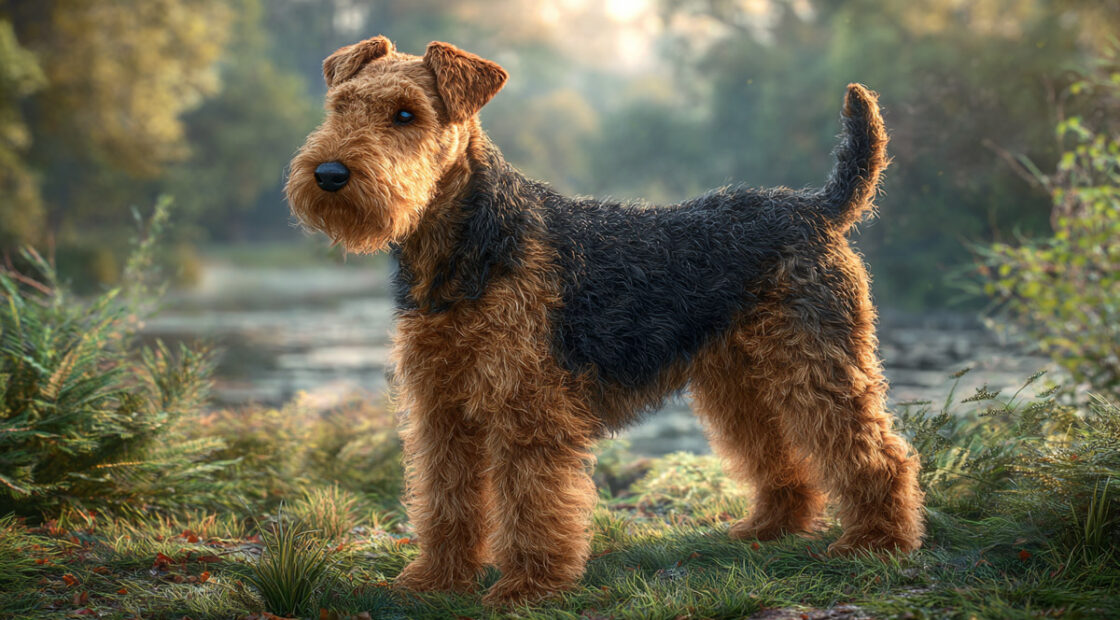
Picture a dog that embodies Welsh spirit in compact form. The Welsh Terrier combines fearless hunting instincts with unwavering family loyalty, creating a breed that’s both independent thinker and devoted companion.
These sturdy terriers emerged from Welsh valleys over 300 years ago. Originally bred for fox and badger hunting, they developed the hardy temperament that defines them today.
If you’re considering this spirited breed, you need complete information about their unique needs. Welsh Terriers aren’t typical family pets that adapt easily to any situation.
This guide covers everything from their hunting heritage to daily care requirements. You’ll learn about their exercise needs, grooming demands, training challenges, and health considerations.
By the end, you’ll understand whether a Welsh Terrier matches your lifestyle. We’ll explore their independent nature, energy requirements, and what it truly takes to live successfully with this remarkable terrier breed.
Welsh Terrier Breed Statistics
| Characteristic | Details |
|---|---|
| Size | Medium-small |
| Height | 15 inches (38 cm) |
| Weight | 20-22 lbs (9-10 kg) |
| Life Expectancy | 12-15 years |
| Energy Level | High |
| Exercise Needs | 60-90 minutes daily |
| Grooming Requirements | High (daily brushing, professional grooming every 6-8 weeks) |
| Shedding | Moderate |
| Trainability | Moderate (intelligent but stubborn) |
| Good with Kids | Yes (with proper socialization) |
| Good with Other Dogs | Yes (with early socialization) |
| Good with Cats | Caution needed (high prey drive) |
| Apartment Living | Yes (if exercise needs are met) |
| Climate Tolerance | Good in most climates |
| Barking Level | Moderate to high |
| Drooling | Low |
| Coat Type | Double coat, wiry outer layer |
| Coat Colors | Tan and black |
| Origin | Wales |
| Breed Group | Terrier |
| Common Health Issues | Hip dysplasia, eye problems, skin allergies |
| First-Time Owner Friendly | No (requires experienced handling) |
| Hunting Instinct | Very high |
| Watchdog Ability | Excellent |
| Cold Weather Tolerance | Good |
| Hot Weather Tolerance | Moderate |
Meet the Welsh Terrier: A Proud Welsh Heritage
Origins in the Welsh Valleys and Countryside
The Welsh Terrier emerged from the rugged Welsh countryside during the 1700s. Local farmers needed a hardy working dog capable of hunting fox and badger in difficult terrain.
These early terriers developed alongside other British breeds. The Airedale Terrier shares similar hunting heritage, though it grew larger over time.
Development in Wales During the 1700s
Welsh farmers bred these dogs for practical purposes, not show ring beauty. The terrier breed needed stamina to work all day in harsh conditions.
Regional variations appeared across different Welsh counties. Each area produced dogs suited to local hunting needs and terrain challenges.
Early Breeding for Fox and Badger Hunting
The Welsh Terrier’s hunting instincts remain strong today. These dogs were bred to pursue small game underground and in dense brush.

Their compact size allowed them to follow prey into tight spaces. This terrier temperament of fearless pursuit still defines the breed character.
From Working Dog to Show Ring Star
The breed gained recognition when dog shows became popular in the late 1800s. Welsh Terriers impressed judges with their sturdy build and alert expression.
The Kennel Club first registered the breed in 1885. American Kennel Club recognition followed in 1888, establishing breed standards.
First Dog Shows and Breed Recognition
Early show dogs maintained their working abilities alongside new aesthetic standards. Breeders refused to sacrifice function for form.
The breed standard emphasized the Welsh Terrier’s practical origins. Judges looked for dogs that could still work effectively in the field.
The Welsh Terrier’s Role in Welsh Culture
This breed became a symbol of Welsh tenacity and spirit. Local communities took pride in their terrier group representatives.
Traditional hunting partnerships between farmers and their terriers created lasting bonds. These working relationships shaped the breed’s loyal nature we see today.
Modern Wales still considers the Welsh Terrier a national treasure. The breed represents the country’s agricultural heritage and independent character.
Physical Characteristics: Built for Action
Size and Build Specifications
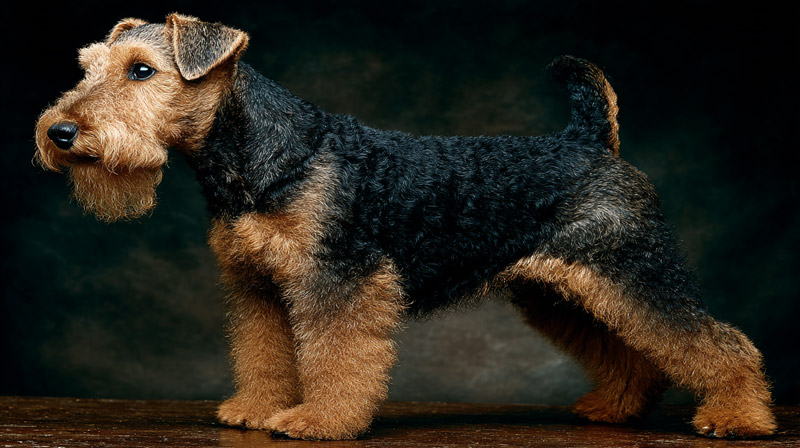
Welsh Terriers stand 15 inches tall at the shoulder. Males typically weigh 20-22 pounds, while females weigh slightly less.
Their compact build provides perfect proportions for agility and endurance. Every part of their body serves a functional purpose.
Height and Weight Standards for Males and Females
Breed standards specify exact measurements for show quality dogs. Males should not exceed 22 pounds in working condition.
Females maintain the same height but carry less muscle mass. Both sexes display identical energy levels and working ability.
Compact Yet Sturdy Frame Design
The Welsh Terrier’s frame combines strength with agility. Their square outline provides balance during quick direction changes.
Short backs and strong loins give them jumping power. Muscular hindquarters drive forward momentum during pursuit activities.
Athletic Proportions and Muscle Distribution
Well-developed chest muscles support endurance activities. Strong shoulders allow powerful digging motions when pursuing prey underground.
Their athletic build resembles other working terriers like the Irish Terrier. Both breeds share similar proportional requirements for effective hunting.
The Distinctive Welsh Terrier Coat
The double coat consists of a soft undercoat and wiry outer layer. This combination provides weather protection in harsh conditions.
Double-Layer Coat Structure and Texture
The undercoat insulates against cold and moisture. Dense outer hairs repel water and resist tangling in brush.
Proper coat texture feels crisp to the touch. Soft coats indicate poor breeding and reduce weather protection.
Standard Color Patterns: Tan and Black Combinations
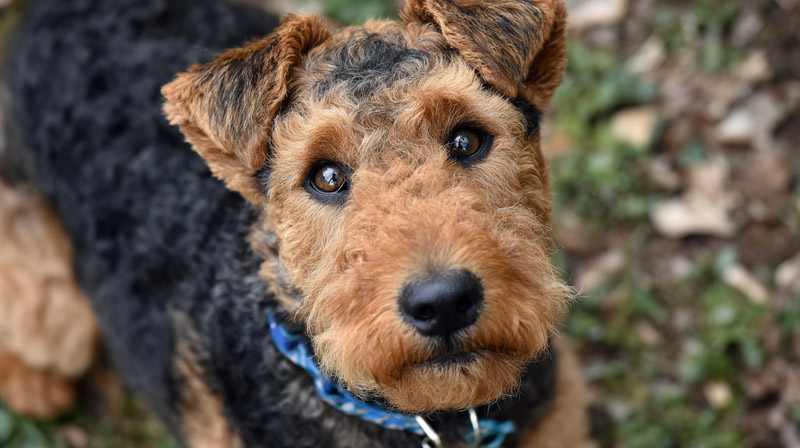
Welsh Terriers display a distinctive tan and black pattern. The tan covers the head, legs, and lower body areas.
Black appears on the back and sides, creating a “jacket” effect. This coloring helped hunters spot their dogs in dense vegetation.
Some dogs show grizzle coloring instead of solid black. Both patterns meet breed standards when properly distributed.
Seasonal Coat Changes and Natural Variations
Coats thicken during winter months for added warmth. Spring shedding reveals the lighter summer coat underneath.
Hand stripping maintains proper texture better than clipping. Professional grooming preserves the coat’s natural protective qualities.
Facial Features and Expression
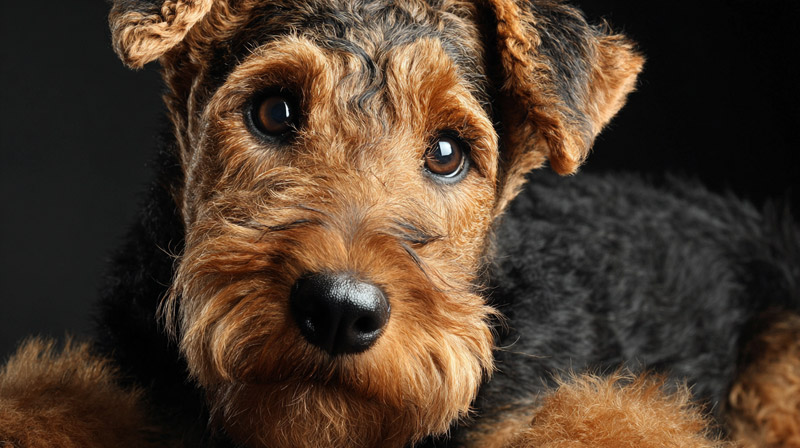
Alert, Intelligent Eyes and Their Placement
Small, dark eyes convey keen intelligence and alertness. Proper eye placement creates the breed’s characteristic terrier expression.
Light or large eyes detract from the desired sharp look. The eyes should appear deeply set within the skull.
V-Shaped Ears and Proper Carriage
Small, V-shaped ears fold forward close to the head. Correct ear carriage frames the face without appearing heavy.
Ears set too high or low change the breed’s expression. Proper placement contributes to the alert, confident appearance.
Strong Jaw Structure and Bite Alignment
Powerful jaws provide the grip strength needed for hunting work. A scissors bite ensures effective holding power.
Strong teeth and proper alignment indicate good breeding. Weak jaws compromise the dog’s working ability.
Gait and Movement Patterns
Free-Flowing, Balanced Movement
Welsh Terriers move with purpose and efficiency. Their gait should appear effortless at both walk and trot.
Front and rear legs coordinate smoothly during movement. Any signs of stiffness or awkwardness suggest structural problems.
Endurance Capabilities and Stride Efficiency
These dogs can work for hours without tiring. Their efficient stride conserves energy during long hunting sessions.
Proper movement indicates sound structure throughout the body. Poor gait often reveals hidden conformational faults.
Agility and Quick Direction Changes
Welsh Terriers excel at sudden stops and sharp turns. This agility proves essential when following unpredictable prey.
Their low center of gravity provides stability during rapid movements. Quick reflexes help them navigate challenging terrain safely.
Temperament: The Welsh Terrier Personality
Core Character Traits
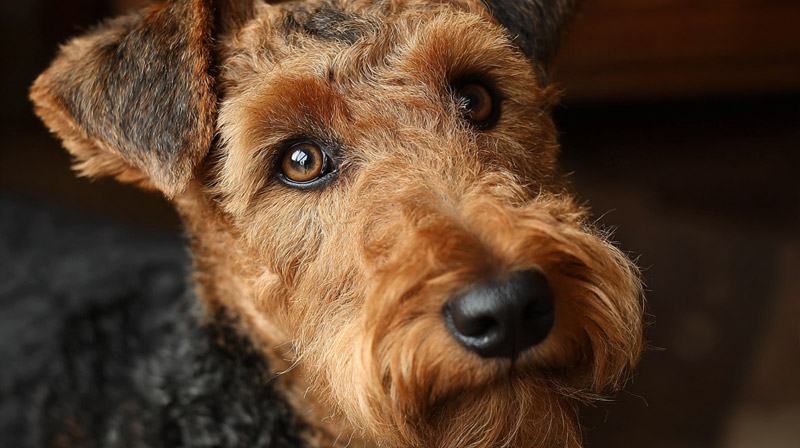
Welsh Terriers display remarkable independence combined with family loyalty. They think for themselves while remaining devoted companions.
Independent Thinking and Decision-Making
These dogs make decisions quickly in new situations. Their hunting background developed strong problem-solving abilities.
They rarely wait for human direction when action seems necessary. This independence can challenge inexperienced owners.
Confident Approach to New Situations
Confident dogs like Welsh Terriers face new experiences without fear. They investigate strange sights and sounds with curiosity rather than anxiety.
This boldness served them well during hunting expeditions. Modern pets retain this fearless approach to life.
Loyal Attachment to Family Members
Despite their independence, Welsh Terriers form strong family bonds. They protect their people while maintaining their self-reliant nature.
Multiple family members can develop close relationships with the same dog. Welsh Terriers distribute their affection generously within the household.
Energy Levels and Activity Requirements
High-Energy Needs and Daily Exercise Demands
Welsh Terriers require substantial daily exercise to maintain happiness. At least an hour of activity prevents destructive behaviors.
Their active breed status means they need more than casual walks. Running, hiking, and playing provide necessary physical outlets.
Mental Stimulation Requirements
Smart dogs like Welsh Terriers need mental challenges alongside physical exercise. Puzzle toys and training sessions engage their active minds.
Boredom leads to digging, barking, and other problem behaviors. Mental stimulation prevents these issues more effectively than increased exercise alone.
Indoor Versus Outdoor Activity Preferences
Welsh Terriers adapt to various living situations when properly exercised. They enjoy both indoor games and outdoor adventures.
Secure fencing becomes necessary for safe outdoor time. Their hunting instincts may lead them to pursue small animals beyond property boundaries.
Social Behavior with People
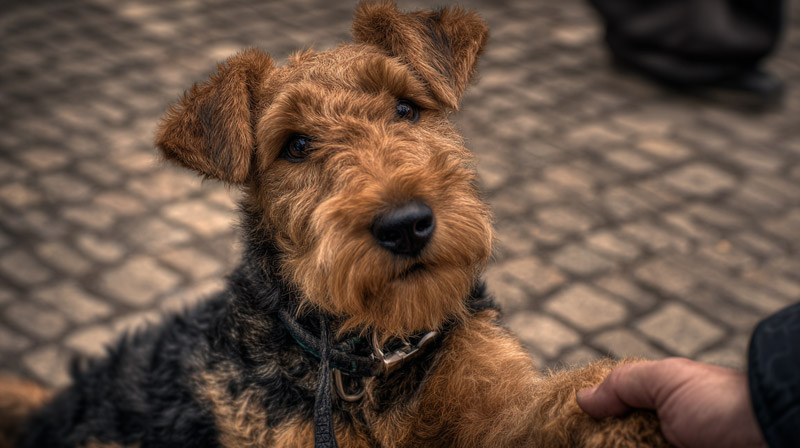
Interaction Style with Family Members
Welsh Terriers show affection without becoming overly dependent. They enjoy family activities while maintaining their dignified independence.
Children often find these dogs engaging playmates. Welsh Terriers match youthful energy levels while teaching respect through their confident demeanor.
Approach to Strangers and Visitors
Most Welsh Terriers greet strangers with polite interest rather than excessive enthusiasm. Early socialization shapes their adult responses to new people.
They typically reserve deep affection for family members. Visitors receive courteous treatment without the overwhelming welcome some breeds provide.
Compatibility with Children of Different Ages
Welsh Terriers generally enjoy children who respect their boundaries. They participate in active play while avoiding roughhousing.
Younger children need supervision during interactions. These dogs won’t tolerate ear pulling or tail grabbing from any source.
The breed’s size makes them suitable for families with school-age children. They’re sturdy enough for active play but not overwhelmingly large.
Relationships with Other Animals
Small Animal Prey Drive Considerations
Welsh Terriers retain strong hunting instincts toward small animals. Cats, rabbits, and rodents trigger their chase response automatically.
Early socialization with cats can create peaceful coexistence. However, neighborhood cats may still face pursuit in the yard.
Their prey drive resembles that of the Jack Russell Terrier and other working terriers. This instinct rarely disappears completely through training.
Dog-to-Dog Social Dynamics
Welsh Terriers typically get along well with other dogs when properly socialized. They prefer confident dogs who don’t challenge their authority.
Same-sex aggression can develop, particularly with other dominant breeds. Careful introductions and ongoing supervision prevent most conflicts.
The breed’s size allows them to interact safely with larger dogs. They rarely back down from challenges despite their moderate size.
Multi-Pet Household Compatibility
Welsh Terriers can succeed in multi-pet homes with proper planning. Introduction timing and methods significantly impact long-term success.
They often bond closely with one other dog in the household. This partnership can strengthen both dogs’ confidence and reduce behavioral problems.
Bird and small mammal pets require secure enclosures. Even well-trained Welsh Terriers may pursue these animals instinctively.
Training Your Welsh Terrier: Working with Intelligence and Stubbornness
Understanding the Welsh Terrier Learning Style
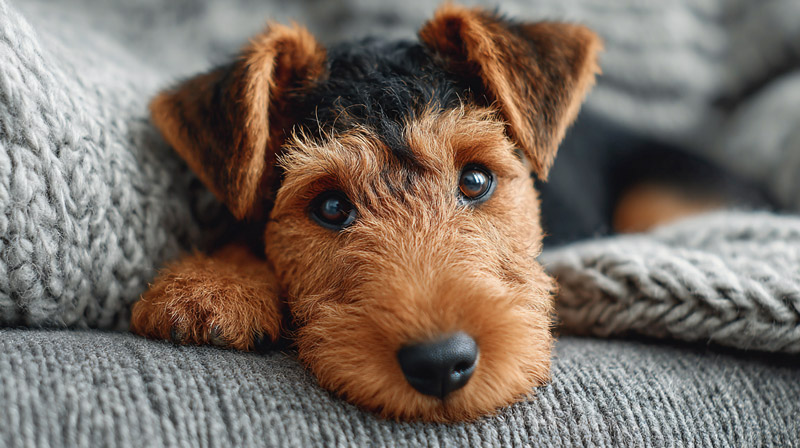
Welsh Terriers think independently before following commands. This smart breed needs to understand why they should obey rather than simply being told what to do.
Independent Problem-Solving Tendencies
These dogs solve problems on their own before asking for help. They inherited this trait from generations of hunting work where quick decisions meant survival.
Their independent nature can frustrate owners expecting immediate compliance. Patience and consistency work better than force or repeated commands.
Motivation Factors That Work Best
Food rewards motivate most Welsh Terriers during training sessions. High-value treats like small pieces of chicken or cheese capture their attention quickly.
Play breaks between training exercises maintain their interest. These dogs respond better to short, engaging sessions than long, repetitive drills.
Praise works when combined with other rewards. Welsh Terriers appreciate approval but rarely work for verbal praise alone.
Attention Span and Focus Patterns
Young Welsh Terriers focus for 5-10 minutes at a time. Adult dogs can concentrate longer when the training remains interesting and varied.
They lose interest in repetitive exercises quickly. Changing activities every few minutes keeps them engaged throughout the session.
Basic Obedience Training Essentials
House Training Methods and Timelines
Most Welsh Terrier puppies learn house training within 3-4 months. Consistent schedules speed up the process significantly.
Take puppies outside every 2 hours during initial training. Praise immediately when they eliminate in the correct location.
Crate training helps establish bathroom routines. Welsh Terriers naturally avoid soiling their sleeping areas when given appropriate opportunities.
Fundamental Commands and Their Importance
Basic commands like sit, stay, and come form the foundation for all advanced training. Welsh Terriers must master these before moving to complex behaviors.
“Come” becomes the most important safety command. Their hunting instincts can lead them into dangerous situations without reliable recall.
Start with “sit” since it’s easiest for most dogs to learn. Success with simple commands builds confidence for more challenging training.
Leash Training for Strong-Willed Terriers
Welsh Terriers often pull on leash due to their hunting drive. Start training with a properly fitted collar or harness designed for their size.
Stop moving forward when they pull ahead. Resume walking only when the leash loosens and they return to your side.
Reward good leash behavior with treats and praise. Make walking beside you more rewarding than pulling toward interesting scents.
Advanced Training Opportunities
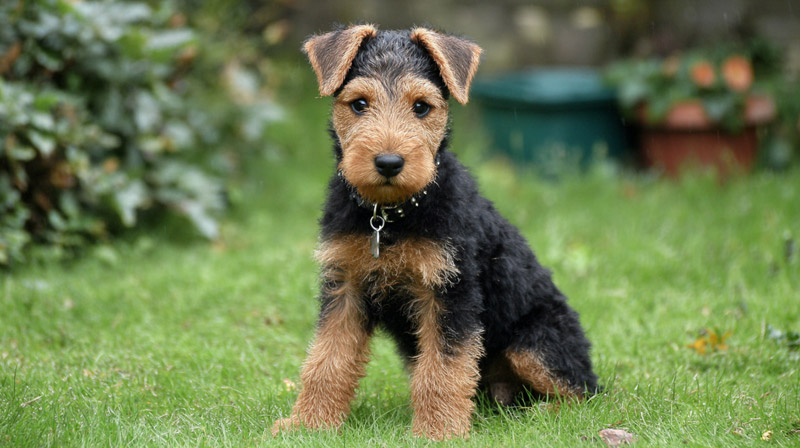
Agility Training and Competitive Sports
Welsh Terriers excel in agility competitions due to their athletic build. Their size allows them to navigate obstacles efficiently.
Start with basic jumps and tunnels before advancing to complex courses. Build confidence gradually to maintain their enthusiasm for the sport.
Many Welsh Terriers enjoy the mental and physical challenge of agility work. This activity provides excellent exercise while strengthening the human-dog bond.
Scent Work and Tracking Activities
Their hunting heritage makes Welsh Terriers natural candidates for scent work. Hide treats around the house to develop their natural tracking abilities.
Formal nose work classes teach systematic searching techniques. These activities satisfy their mental stimulation needs while building focus.
Tracking exercises can replace some physical exercise on bad weather days. Mental work often tires dogs more effectively than physical activity alone.
Trick Training for Mental Engagement
Welsh Terriers learn tricks quickly when motivated properly. Start with simple behaviors like “shake” or “roll over” to build success.
Complex tricks challenge their intelligence and prevent boredom. Teaching new behaviors regularly keeps their minds active and engaged.
Use trick training to strengthen your relationship. The one-on-one attention during these sessions builds trust and communication between you and your dog.
Common Training Challenges and Solutions
Selective Hearing and When to Push
Welsh Terriers sometimes ignore commands they don’t want to follow. This selective hearing tests every owner’s patience and consistency.
Never repeat commands multiple times without consequences. Use a firm voice and immediately guide them through the behavior you requested.
End training sessions on a positive note even during difficult days. Success builds motivation for future training opportunities.
Digging Behavior Management
Most Welsh Terriers dig due to their hunting instincts. Provide designated digging areas in your yard filled with soft soil or sand.
Bury toys and treats in the approved digging zone. Redirect digging behavior to this area rather than trying to eliminate it completely.
Increase exercise and mental stimulation to reduce unwanted digging. Tired dogs spend less energy on destructive behaviors.
Barking Control Strategies
Welsh Terriers bark to alert their families about visitors or unusual activities. Distinguish between appropriate alerts and excessive barking.
Teach a “quiet” command using positive reinforcement methods. Reward silence immediately after they stop barking on command.
Address the underlying cause of excessive barking. Boredom, anxiety, or insufficient exercise often trigger problem barking behaviors.
Health and Wellness: Keeping Your Welsh Terrier Thriving
General Health Profile and Lifespan
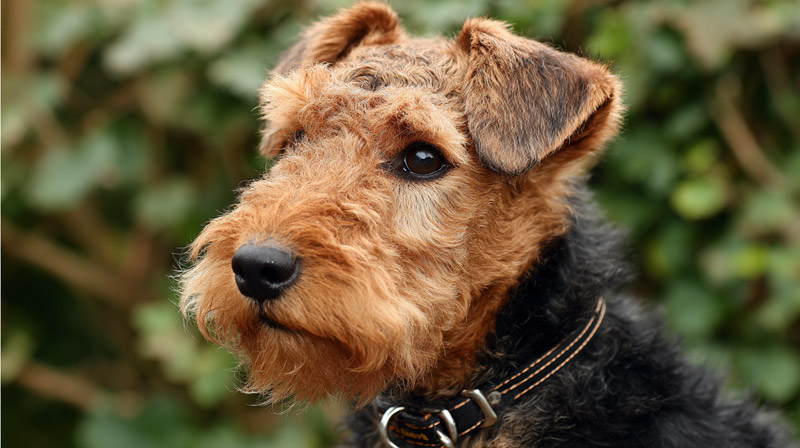
Welsh Terriers typically live 12-15 years with proper care. This hardy breed suffers from fewer genetic problems than many purebred dogs.
Average Life Expectancy Ranges
Most Welsh Terriers remain active well into their senior years. Regular veterinary care and preventive measures support long, healthy lives.
Factors like diet, exercise, and genetics influence individual lifespan. Well-cared-for dogs often exceed average expectations by several years.
Overall Hardiness and Disease Resistance
Their working dog background contributed to strong immune systems. Welsh Terriers rarely suffer from the breathing problems common in flat-faced breeds.
Cold weather doesn’t bother most Welsh Terriers due to their double coat. They handle temperature extremes better than many smaller breeds.
Factors Affecting Longevity
Regular exercise throughout life maintains muscle mass and joint health. Active dogs typically live longer than sedentary ones.
Proper weight management prevents many age-related health problems. Overweight dogs face increased risks of diabetes, heart disease, and joint issues.
Early detection of health problems improves treatment outcomes. Annual veterinary exams catch issues before they become serious.
Common Health Concerns to Monitor
Hip Dysplasia Prevalence and Screening
Hip dysplasia affects some Welsh Terriers, though less frequently than larger breeds. Responsible breeders screen breeding dogs for this condition.
Signs include difficulty rising, reluctance to jump, or altered gait patterns. Early detection allows for management strategies that maintain quality of life.
Maintaining proper weight reduces stress on affected joints. Swimming provides excellent low-impact exercise for dogs with hip problems.
Eye Conditions Specific to the Breed
Progressive retinal atrophy occasionally affects Welsh Terriers. This inherited condition gradually reduces vision over several years.
Regular eye exams detect problems before obvious symptoms appear. Early intervention sometimes slows progression of certain eye diseases.
Cataracts can develop in older Welsh Terriers. Surgery successfully restores vision in many cases when performed by veterinary ophthalmologists.
Skin Allergies and Sensitivities
Some Welsh Terriers develop food allergies or environmental sensitivities. Common signs include itching, red skin, or recurring ear infections.
Skin allergies often require dietary changes or allergy testing for proper management. Working with your veterinarian helps identify specific triggers.
Regular grooming helps detect skin problems early. Weekly brushing sessions provide opportunities to check for unusual bumps, rashes, or irritation.
Preventive Healthcare Schedule
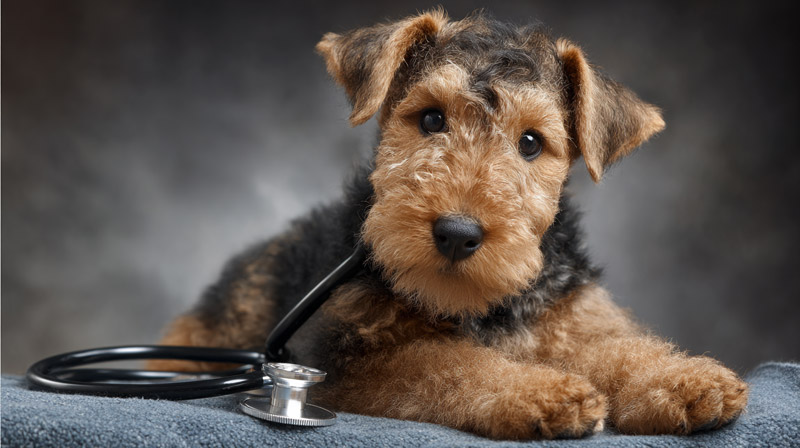
Vaccination Protocols and Timing
Puppies need a series of vaccinations starting around 6-8 weeks of age. Adult dogs require annual boosters to maintain immunity.
Core vaccines protect against distemper, parvovirus, and rabies. Your veterinarian may recommend additional vaccines based on your area’s disease risks.
Keep vaccination records current for boarding, grooming, and travel purposes. Many facilities require proof of current vaccinations before providing services.
Parasite Prevention Programs
Monthly heartworm prevention protects against this potentially fatal disease. Welsh Terriers should start prevention by 6 months of age.
Flea and tick prevention becomes especially important for active outdoor dogs. These parasites carry diseases that affect both dogs and humans.
Regular fecal exams detect intestinal parasites before they cause serious problems. Prompt treatment prevents spread to other pets and family members.
Regular Health Screening Recommendations
Annual blood work establishes baseline values for your individual dog. Changes in these values help detect diseases in early stages.
Dental health requires attention throughout their lives. Professional cleanings prevent periodontal disease and maintain overall health.
Senior dogs benefit from twice-yearly veterinary visits. More frequent monitoring catches age-related changes before they become serious problems.
Signs of Health Issues to Watch For
Early Warning Symptoms in Different Body Systems
Changes in appetite, energy level, or bathroom habits often signal health problems. Monitor these daily patterns to catch issues quickly.
Difficulty breathing, persistent coughing, or exercise intolerance may indicate heart or lung problems. These symptoms require immediate veterinary attention.
Limping, stiffness, or reluctance to move suggests joint or muscle pain. Early treatment prevents minor issues from becoming chronic problems.
When to Contact Your Veterinarian
Call your vet if symptoms persist for more than 24 hours. Welsh Terriers typically bounce back quickly from minor illnesses when they’re truly healthy.
Sudden behavior changes often indicate pain or illness. Dogs that normally greet family members but become withdrawn need professional evaluation.
Vomiting, diarrhea, or loss of appetite lasting more than one day requires veterinary assessment. Dehydration develops quickly in smaller dogs.
Emergency Situations Requiring Immediate Care
Difficulty breathing, pale gums, or collapse require emergency treatment. Don’t wait for regular office hours if these symptoms appear.
Bloat symptoms include unsuccessful attempts to vomit, pacing, and enlarged abdomen. This condition becomes fatal within hours without treatment.
Seizures lasting more than 5 minutes or multiple seizures in one day constitute emergencies. Keep your dog safe and contact emergency services immediately.
Grooming and Coat Care: Maintaining That Classic Look
Daily Grooming Routine Requirements
Welsh Terriers need daily brushing to prevent matting and distribute natural oils. Their wire coat requires more maintenance than smooth-coated breeds.
Brushing Frequency and Technique
Brush thoroughly every day using a slicker brush and metal comb. Start at the head and work systematically toward the tail.
Pay special attention to areas that mat easily like behind ears, under legs, and around the collar. These spots need extra care during daily sessions.
Work through small tangles gently with your fingers before using tools. Pulling hard on mats causes pain and makes dogs resist grooming.
Tools Needed for Proper Maintenance
A quality slicker brush removes loose undercoat effectively. Professional grooming tools last longer and work more efficiently than cheap alternatives.
Metal combs with both wide and narrow teeth handle different coat areas. Use wide teeth for initial combing and narrow teeth for final checking.
Grooming scissors help trim hair around eyes and paws between professional visits. Keep them sharp for clean cuts that don’t pull hair.
Checking for Tangles and Debris
Run your hands through the coat during brushing sessions. Feel for mats, burrs, or foreign objects that brushes might miss.
Check between toes for grass seeds or small stones. These can cause painful irritation if left in place.
Look for any unusual lumps, bumps, or skin irritation during grooming. Early detection helps address problems before they worsen.
Professional Grooming and Hand-Stripping
Traditional Hand-Stripping Process Explained
Hand stripping removes dead outer coat hairs by pulling them out individually. This process maintains proper coat texture and color.
The technique requires specialized knowledge and experience. Most pet owners prefer to have professionals perform this service.
Stripping typically occurs every 3-4 months depending on coat growth rate. Regular stripping keeps the coat looking its best year-round.
Professional Grooming Schedule Recommendations
Plan professional grooming appointments every 6-8 weeks for pet dogs. Show dogs may need more frequent attention to maintain perfect condition.
Schedule appointments well in advance, especially during busy seasons. Popular groomers often book several weeks ahead.
Establish a relationship with a groomer experienced with terrier coats. Not all groomers understand proper hand stripping techniques.
Show Coat Versus Pet Coat Maintenance
Show coats require hand stripping to maintain proper texture and appearance. Pet coats can be clipped for easier maintenance with some texture loss.
Clipped coats become softer and may change color slightly. This doesn’t affect the dog’s health but alters their traditional appearance.
Discuss your goals with your groomer before the first appointment. They can recommend the best approach for your lifestyle and preferences.
Seasonal Coat Care Considerations
Shedding Patterns Throughout the Year
Welsh Terriers shed most heavily in spring and fall. Daily brushing becomes even more important during these periods.
Increase grooming frequency during shedding seasons. Extra attention prevents loose hair from accumulating around your home.
Seasonal shedding patterns help regulate body temperature naturally. Don’t be alarmed by increased hair loss during these times.
Weather-Related Grooming Adjustments
Winter coats grow thicker for insulation purposes. Allow this natural thickening rather than maintaining summer coat length.
Summer trimming helps prevent overheating during hot weather. Keep hair shorter around the face and feet for better heat dissipation.
Rainy weather requires more frequent drying and brushing. Wet coats mat more easily than dry ones.
Protecting the Coat During Outdoor Activities
Apply coat conditioner before hiking or swimming. This creates a barrier against burrs, mud, and other debris.
Rinse thoroughly after swimming in chlorinated pools or salt water. These chemicals can irritate skin and damage coat quality.
Check and brush the coat immediately after outdoor adventures. Remove debris while it’s still easy to extract.
Nail, Ear, and Dental Care
Nail Trimming Frequency and Techniques
Trim nails every 2-3 weeks to prevent overgrowth. Long nails cause discomfort and can lead to joint problems.
Use proper nail clippers designed for dogs of this size. Cut only the white tip, avoiding the pink quick inside.
Start nail trimming early in puppyhood. Dogs that learn to accept this handling remain cooperative throughout their lives.
Ear Cleaning and Infection Prevention
Clean ears weekly using veterinary-approved solutions. Welsh Terriers’ folded ears can trap moisture and debris.
Gently wipe visible ear areas with cotton balls. Never insert anything deep into the ear canal.
Watch for signs of infection like odor, discharge, or excessive scratching. Ear infections require prompt veterinary treatment.
Dental Hygiene and Teeth Cleaning Routines
Brush teeth 2-3 times weekly using dog-specific toothpaste. Human toothpaste contains ingredients harmful to dogs.
Start dental care early to establish acceptance. Adult dogs resist new handling routines more than puppies do.
Provide dental chews and toys to help maintain oral health. These supplements but don’t replace regular brushing and veterinary dental care.
Exercise and Activity Needs: Channeling That Terrier Energy
Daily Exercise Requirements
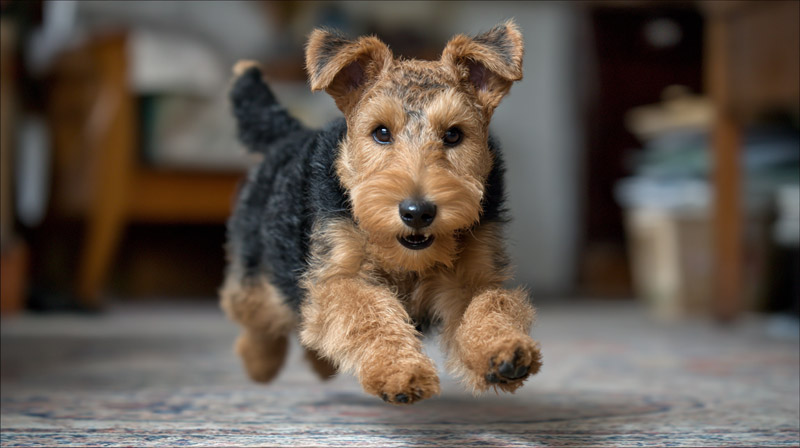
Welsh Terriers need 60-90 minutes of daily exercise to maintain physical and mental health. This active breed becomes destructive without adequate activity outlets.
Minimum Exercise Time Recommendations
Adult Welsh Terriers require at least one hour of vigorous exercise daily. Puppies need shorter but more frequent activity sessions throughout the day.
Split exercise into morning and evening sessions for best results. Two 30-45 minute periods work better than one long session.
Types of Physical Activity That Work Best
Brisk walks provide good baseline exercise but won’t fully satisfy their energy needs. Add running, hiking, or fetch sessions for complete workouts.
Swimming offers excellent low-impact exercise for dogs with joint concerns. Many Welsh Terriers enjoy water activities once properly introduced.
Interactive games like tug-of-war combine physical activity with bonding time. These sessions strengthen your relationship while burning energy.
Exercise Needs for Different Life Stages
Puppy exercise should focus on short play sessions rather than forced activities. Too much exercise can damage developing joints and bones.
Senior dogs still need regular activity but may require gentler options. Adjust intensity based on their individual health and mobility levels.
Adult dogs in their prime years need the most intense exercise routines. This age group handles demanding activities like agility training or long hikes.
Mental Stimulation Activities
Puzzle Toys and Problem-Solving Games
Mental stimulation tires Welsh Terriers as effectively as physical exercise. Puzzle feeders make mealtime more engaging and challenging.
Rotate puzzle toys weekly to maintain interest and difficulty levels. Dogs quickly solve familiar puzzles and lose interest in repeated challenges.
Hide treats around the house to create indoor scavenger hunts. This activity satisfies their hunting instincts while providing mental exercise.
Scent Work and Nose Games
Welsh Terriers excel at scent-based activities due to their hunting heritage. Start with simple games like finding hidden treats in boxes.
Formal nose work classes teach structured searching techniques. These activities channel their natural abilities into productive behaviors.
Create scent trails in your yard using treats or toys. Let them follow the trail to discover rewards at the end.
Training Sessions as Mental Exercise
Short training sessions provide mental workouts while reinforcing obedience. Teach new tricks or practice existing commands daily.
Dog training sessions should last 10-15 minutes to maintain focus and enthusiasm. End on a positive note with successful completion of a known command.
Vary training locations to generalize learned behaviors. Practice commands in different rooms, outdoors, and around distractions.
Seasonal Activity Adaptations
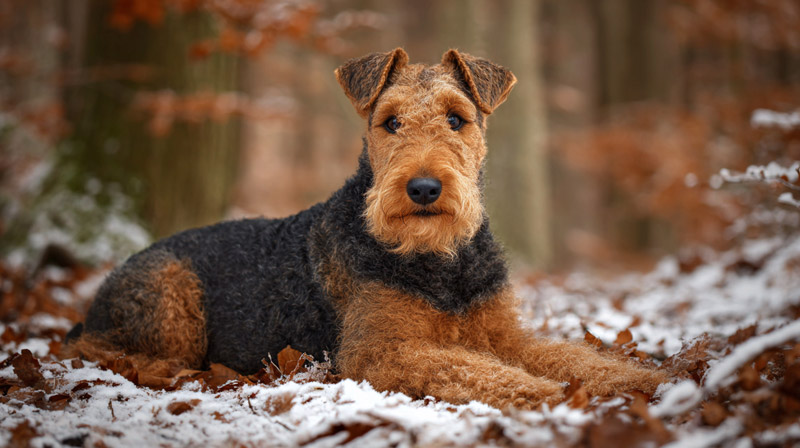
Summer Exercise Precautions and Cooling Strategies
Exercise early morning or late evening during hot weather. Pavement temperatures can burn paw pads during midday heat.
Provide frequent water breaks during summer activities. Watch for signs of overheating like excessive panting or slowed pace.
Consider indoor activities on extremely hot days. Air-conditioned spaces allow continued exercise without heat stress.
Winter Activity Modifications
Welsh Terriers handle cold weather well due to their double coat. Most can exercise normally in temperatures above 20°F.
Ice and snow create slipping hazards during winter walks. Use booties or paw wax to protect feet from salt and ice.
Shorten outdoor sessions during extreme cold snaps. Supplement with indoor games to maintain activity levels.
Indoor Alternatives for Bad Weather Days
Stair climbing provides excellent cardiovascular exercise indoors. Supervise carefully to prevent falls or overexertion.
Treadmill training works for some Welsh Terriers with proper introduction. Start slowly and always supervise treadmill sessions.
Indoor fetch using soft toys prevents damage to furniture and decorations. Hallways often provide adequate space for this activity.
Exercise Safety Considerations
Recognizing Overexertion Signs
Heavy panting, drooling, or stumbling indicate overexertion. Stop activity immediately and provide water and rest.
Active dogs sometimes push beyond safe limits during exciting activities. Monitor their condition throughout exercise sessions.
Older dogs may not self-regulate exercise intensity appropriately. Limit activities based on their overall health rather than enthusiasm levels.
Paw Care for Active Dogs
Check paws daily for cuts, thorns, or other injuries. Active dogs encounter more hazards than sedentary pets.
Trim hair between toes to prevent matting and debris accumulation. Keep nails short to improve traction and prevent injury.
Apply paw balm to protect against rough surfaces and weather extremes. This prevents cracking and maintains pad health.
Safe Exercise Environments and Surfaces
Choose soft surfaces like grass or dirt trails over concrete when possible. Hard surfaces increase joint stress and injury risk.
Avoid areas with broken glass, sharp rocks, or toxic plants. Research local hazards before exploring new exercise locations.
Secure fencing becomes essential for off-leash exercise. Welsh Terriers may chase small animals beyond property boundaries.
Feeding and Nutrition: Fueling an Active Terrier
Nutritional Requirements by Life Stage
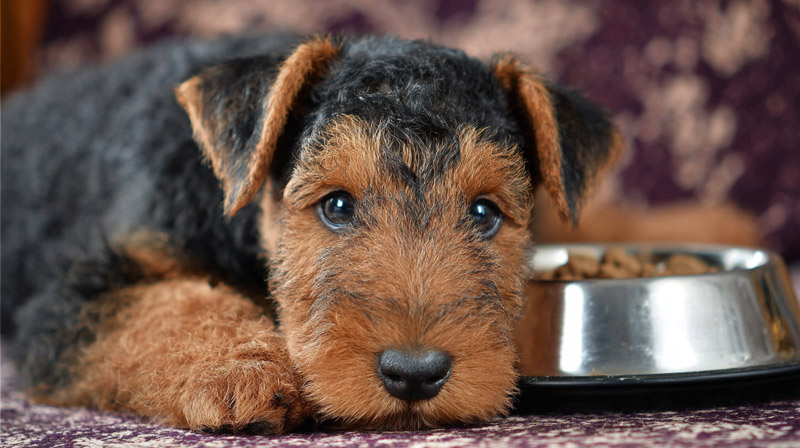
Welsh Terriers need high-quality protein to maintain their active lifestyle and muscular build. Their nutritional needs change significantly throughout their lives.
Puppy Feeding Guidelines and Growth Needs
Puppies require food with at least 22% protein content for proper development. Choose formulas specifically designed for small to medium breed puppies.
Feed puppies 3-4 times daily until six months old. Smaller, frequent meals prevent hypoglycemia and support steady growth.
Monitor puppy weight weekly to ensure appropriate growth rates. Rapid weight gain can cause joint problems later in life.
Adult Maintenance Nutrition Requirements
Adult Welsh Terriers need approximately 18% protein in their daily diet. Active breeds require higher protein levels than sedentary dogs.
Calculate daily calories based on activity level and body condition. Most adults need 600-800 calories per day.
Choose foods with named meat sources as the first ingredient. Avoid formulas with excessive fillers or by-products.
Senior Dog Dietary Adjustments
Senior dogs may need easily digestible proteins to support aging kidneys. Consider switching to senior-specific formulas around age 7-8.
Reduce calorie intake if activity levels decrease with age. Maintain protein levels while adjusting total food volume.
Add supplements like glucosamine for joint health with veterinary approval. Senior dogs benefit from targeted nutritional support.
Choosing the Right Food
High-Quality Protein Sources and Amounts
Look for foods listing chicken, beef, fish, or lamb as primary ingredients. These provide complete amino acid profiles for optimal health.
Avoid foods with unnamed meat meals or generic “meat” listings. Quality manufacturers specify exact protein sources.
Protein should comprise 25-30% of total calories for active Welsh Terriers. Working dogs may need even higher protein percentages.
Grain-Free Versus Traditional Formulations
Grain-free diets aren’t necessary for most Welsh Terriers unless specific allergies exist. Traditional formulas with whole grains provide good nutrition.
Recent studies link some grain-free diets to heart problems in dogs. Consult your veterinarian before making major dietary changes.
Focus on overall ingredient quality rather than grain presence or absence. Both types can provide excellent nutrition when properly formulated.
Wet Food, Dry Food, and Combination Feeding
Dry food helps maintain dental health through mechanical cleaning action. The crunchy texture reduces tartar buildup naturally.
Wet food provides additional moisture and often higher palatability. Mix with kibble to increase water intake and meal enjoyment.
Combination feeding offers benefits of both food types. Use 75% dry kibble and 25% wet food for optimal results.
Feeding Schedule and Portion Control
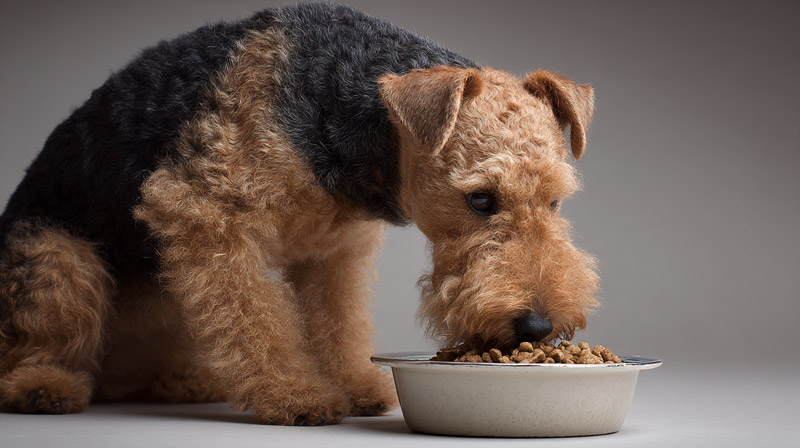
Meal Frequency Recommendations by Age
Adult Welsh Terriers should eat twice daily at consistent times. Regular schedules help with house training and digestive health.
Space meals 8-12 hours apart to maintain stable blood sugar levels. Avoid feeding immediately before or after exercise.
Free feeding rarely works well for food-motivated dogs like Welsh Terriers. Measured meals prevent overeating and weight gain.
Portion Sizes for Weight Management
Follow feeding guidelines on food packages as starting points only. Adjust portions based on individual dog’s body condition and activity level.
Use measuring cups rather than estimating portion sizes. Even small overfeeding adds up to significant weight gain over time.
Monitor body condition monthly by feeling for ribs under a thin fat layer. Adjust portions immediately if weight changes occur.
Treating and Snack Guidelines
Limit treats to 10% of total daily calories to prevent nutritional imbalances. Choose healthy options like small pieces of cooked chicken or vegetables.
Use treats strategically during training sessions for maximum impact. High-value rewards motivate better than constant treat dispensing.
Avoid human foods that are toxic to dogs like chocolate, grapes, or onions. When in doubt, stick to commercial dog treats.
Special Dietary Considerations
Food Allergies and Sensitivities
Common food allergens for dogs include beef, chicken, dairy, and wheat. Food allergies typically cause skin problems or digestive upset.
Elimination diets help identify specific allergens under veterinary guidance. This process requires 8-12 weeks to complete properly.
Novel protein diets use unusual ingredients like venison or duck. These work well for dogs with multiple food sensitivities.
Weight Management for Less Active Dogs
Reduce portion sizes gradually if activity levels decrease due to age or injury. Sudden dietary changes can cause digestive problems.
Choose weight management formulas with increased fiber and reduced calories. These help dogs feel full while losing weight.
Increase exercise gradually as weight decreases to improve results. Weight management requires both dietary and activity changes.
Supplements and Their Potential Benefits
Fish oil supplements support coat health and reduce inflammation. Choose products specifically formulated for dogs with appropriate dosing.
Probiotics may help dogs with sensitive digestive systems. Introduce gradually and monitor for positive changes.
Joint supplements become beneficial for active dogs as they age. Start these around age 5-6 for maximum preventive benefit.
Living with a Welsh Terrier: Daily Life Considerations
Housing and Space Requirements
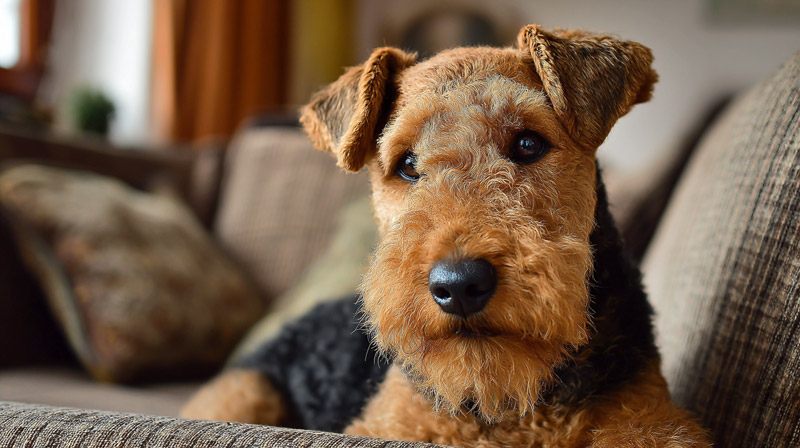
Welsh Terriers adapt to various living situations when their exercise needs are met. Apartment living works if owners commit to adequate daily activity.
Apartment Living Feasibility
These dogs can live happily in apartments with sufficient exercise and mental stimulation. Their moderate size makes them suitable for smaller spaces.
Establish quiet times to prevent barking complaints from neighbors. Early training helps them understand appropriate noise levels.
Provide a comfortable sleeping area away from high-traffic zones. Welsh Terriers need quiet spaces to rest between activity periods.
Yard Size and Fencing Needs
Secure fencing prevents escape attempts when interesting scents or animals pass by. Six-foot fencing height deters most jumping attempts.
Small yards work fine if supplemented with daily walks and outings. Yard size matters less than total daily exercise provided.
Check fencing regularly for gaps or weak spots that allow digging escapes. Welsh Terriers are persistent when motivated to pursue something.
Indoor Space Optimization for Active Dogs
Create designated play areas with durable toys and safe surfaces. This prevents damage to furniture and valuables during indoor activities.
Remove breakable items from areas where the dog plays regularly. Welsh Terriers can be enthusiastic but not always careful indoors.
Provide comfortable resting spots in multiple rooms. Dogs like having options for sleeping and relaxing throughout the house.
Family Life Integration
Establishing Routines and Boundaries
Consistent routines help Welsh Terriers understand household expectations and reduce anxiety. Feed, walk, and play at similar times daily.
Set clear boundaries about furniture, sleeping areas, and off-limits rooms. Consistency from all family members prevents confusion.
Include training sessions in daily routines to reinforce good behavior. Short, regular practice maintains obedience skills.
Including the Dog in Family Activities
Welsh Terriers enjoy participating in family outings when appropriately planned. Bring water, waste bags, and leash for all excursions.
Hiking, camping, and outdoor festivals suit their adventurous nature. Always check event policies regarding pets before attending.
Car rides become enjoyable bonding experiences for most Welsh Terriers. Secure them safely using appropriate restraints or carriers.
Managing Terrier Independence with Family Expectations
These dogs balance family loyalty with independent thinking. Respect their need for space while maintaining household rules.
Don’t force affection when they prefer solitude. Welsh Terriers show love differently than clingy breeds but are equally devoted.
Channel their independence into positive activities like puzzle solving or exploring new environments safely.
Travel and Transportation
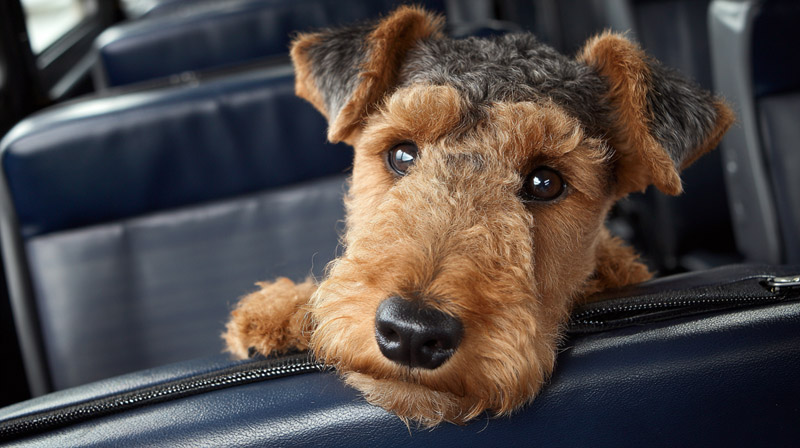
Car Travel Safety and Comfort
Use properly sized crates or car harnesses for travel safety. Loose dogs in cars create dangerous distractions for drivers.
Take practice drives before long trips to assess motion sickness tendencies. Some dogs need gradual conditioning to car travel.
Pack familiar items like favorite toys or blankets for longer journeys. Familiar scents reduce stress in new environments.
Air Travel Considerations and Requirements
Check airline policies for pet travel well before booking flights. Different carriers have varying requirements and restrictions.
Consider pet-friendly alternatives like driving for medium-distance trips. Air travel can be stressful for dogs and owners alike.
Book direct flights when possible to minimize handling and transfer stress. Layovers increase risks of problems or delays.
Boarding Versus Pet-Sitting Options
Visit boarding facilities before booking to assess cleanliness and staff interactions. Quality facilities welcome tours and answer questions thoroughly.
Pet-sitting in your home often causes less stress than boarding. Dogs maintain familiar routines and environments.
Provide detailed care instructions regardless of chosen option. Include feeding schedules, medication needs, and emergency contacts.
Weather Adaptability
Hot Weather Management and Cooling Needs
Provide shade and fresh water during outdoor time in summer heat. Welsh Terriers can overheat despite their moderate coat length.
Avoid exercise during peak heat hours (10 AM – 4 PM). Early morning and evening activities are safer and more comfortable.
Watch for overheating signs like excessive drooling or reluctance to continue activities. Move to air conditioning immediately if these occur.
Cold Weather Tolerance and Protection
Most Welsh Terriers handle cold weather well without additional clothing. Their double coat provides natural insulation against moderate cold.
Consider protective booties for walks on salted sidewalks. Ice melt chemicals can irritate paw pads and cause discomfort.
Limit outdoor time during extreme cold snaps below 15°F. Even cold-tolerant dogs can suffer frostbite in severe conditions.
Seasonal Behavior Changes
Some Welsh Terriers become more active during cooler months. Seasonal changes in behavior are normal and usually temporary.
Increased shedding in spring and fall requires more frequent grooming. Daily brushing prevents loose hair from accumulating indoors.
Monitor appetite changes during season transitions. Most dogs eat more during winter months to maintain body heat.
Finding and Choosing a Welsh Terrier: Making the Right Match
Reputable Breeder Selection
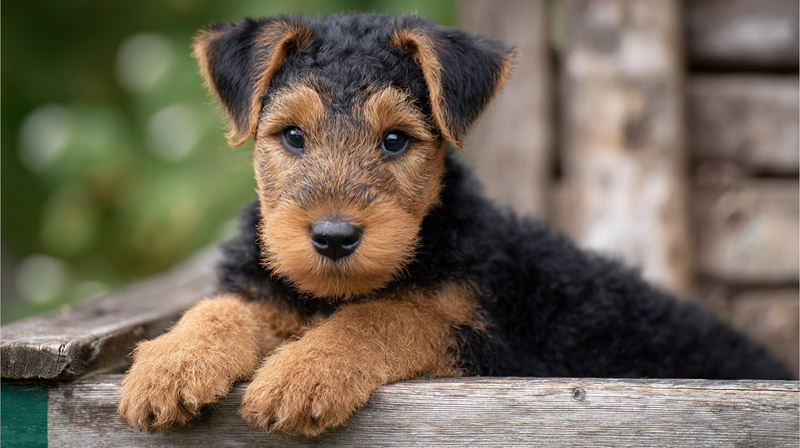
Finding a responsible breeder requires research and patience. Quality breeders prioritize health testing and proper socialization over quick profits.
Questions to Ask Potential Breeders
Ask about health clearances for both parents including hip and eye certifications. Legitimate breeders willingly provide documentation and encourage veterinary verification.
Request to meet the puppy’s mother and see where puppies are raised. Well-socialized puppies come from clean, stimulating environments with regular human interaction.
Inquire about the breeder’s experience with Welsh Terriers specifically. Breed expertise matters more than general dog breeding knowledge.
Health Testing and Certification Requirements
Hip dysplasia clearances should come from OFA or PennHIP evaluations. Both parents need current certifications before breeding occurs.
Eye clearances from board-certified veterinary ophthalmologists protect against hereditary vision problems. Annual eye exams ensure breeding dogs remain clear.
Reputable breeders test for additional conditions affecting the terrier breed. Ask for complete health testing documentation before making deposits.
Red Flags in Breeding Operations
Multiple litters available simultaneously often indicates puppy mill operations. Quality breeders typically have one or two litters per year maximum.
Breeders who won’t let you visit their facilities hide poor conditions. Always insist on seeing where puppies live and interact with their mothers.
Pressure to buy immediately without meeting the puppy suggests profit-driven motives. Responsible breeders want good matches between families and puppies.
Rescue and Adoption Options
Welsh Terrier Rescue Organizations
Breed-specific rescues specialize in Welsh Terriers and related breeds. These organizations understand the breed’s needs and screen potential adopters carefully.
Contact local Scottish Terrier and other terrier rescues as they sometimes help Welsh Terriers. Many rescues work together across breed lines.
National Welsh Terrier organizations maintain lists of approved rescue contacts. Start with breed club websites for legitimate rescue referrals.
What to Expect from Rescue Dogs
Most rescue Welsh Terriers are adults with established personalities. This allows better matching between dogs and families than with young puppies.
Some rescue dogs come with behavioral challenges requiring patience and training. Previous trauma or lack of socialization may need professional intervention.
Health information may be incomplete for rescue dogs. Budget for thorough veterinary examinations and potential medical treatments.
Adoption Process and Requirements
Expect detailed application forms asking about experience, housing, and lifestyle factors. Rescues want to prevent returns and ensure good matches.
Home visits help rescues assess your living situation and family dynamics. These visits protect both dogs and adopters from poor placements.
Most rescues require adoption fees covering medical care and administrative costs. Fees typically range from $200-500 depending on the organization.
Puppy Selection Process
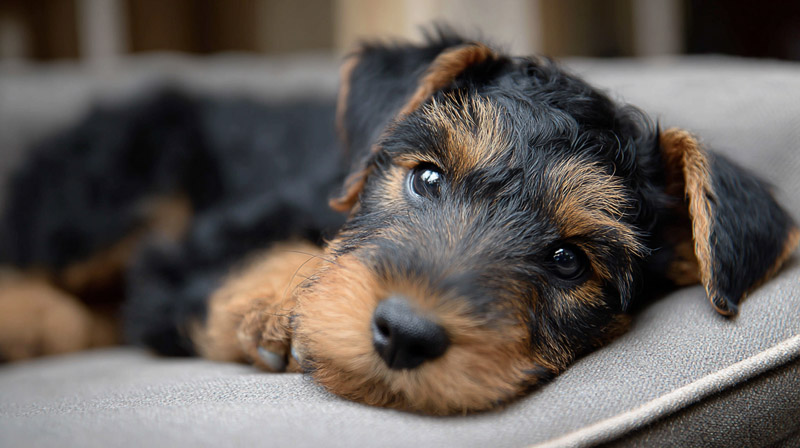
Evaluating Temperament in Young Puppies
Puppy temperament testing helps predict adult personality traits. Look for confident puppies that recover quickly from startling sounds or handling.
Avoid extremely shy puppies that hide or show excessive fear. These traits often persist into adulthood despite socialization efforts.
Choose puppies that show interest in people while maintaining independence. Welsh Terriers should be friendly but not overly clingy or demanding.
Health Checks and Early Socialization Signs
Healthy puppies have clear eyes, clean ears, and appropriate weight for their age. Check for hernias, heart murmurs, or other obvious physical problems.
Well-socialized puppies approach strangers with curiosity rather than fear. They should tolerate gentle handling of feet, ears, and mouth.
Ask about socialization experiences including exposure to different sounds, surfaces, and people. Early socialization creates more confident adult dogs.
Matching Puppy Personality with Family Lifestyle
Active families need energetic puppies willing to engage in play and exploration. Calmer households might prefer more reserved puppies.
Consider how the puppy interacts with children if you have kids. Some puppies naturally enjoy rougher play while others prefer gentler interactions.
Think about your experience level and training goals. First-time owners might prefer easier-going puppies over strong-willed individuals.
Preparing for Your New Welsh Terrier
Essential Supplies and Equipment
Purchase appropriately sized food and water bowls made from stainless steel or ceramic. Plastic bowls can harbor bacteria and cause chin acne.
Dog supplies should include a collar, leash, ID tag, and properly fitted crate. Choose equipment sized for adult Welsh Terriers rather than puppy sizes.
Stock basic grooming tools including brushes, nail clippers, and dog-specific shampoo. Start grooming routines early to build acceptance.
Essential Supply Checklist
- Stainless steel food and water bowls
- High-quality puppy or adult food
- Collar with ID tag
- 6-foot training leash
- Appropriately sized crate
- Comfortable bedding
- Slicker brush and metal comb
- Dog-safe toys for chewing and play
- Waste cleanup bags
- First aid supplies
Puppy-Proofing Your Home and Yard
Remove or secure dangerous items like electrical cords, toxic plants, and small objects. Welsh Terriers investigate everything with their mouths, especially as puppies.
Install baby gates to restrict access to unsafe areas. These help with house training and prevent destructive behavior when unsupervised.
Check fencing for gaps or weak spots that allow escapes. Puppy-proofing requires thinking like a curious, determined terrier.
First Week Preparation and Planning
Schedule a veterinary appointment within 48-72 hours of bringing your puppy home. Establish medical care immediately to catch any problems early.
Plan to spend significant time at home during the first week. New puppies need frequent bathroom breaks and reassurance in unfamiliar environments.
Prepare family members for the adjustment period ahead. Puppies require patience, consistency, and understanding as they learn household rules.
Establishing Early Routines
Create feeding schedules with 3-4 meals daily for young puppies. Consistent timing helps with house training and reduces anxiety.
Set up sleeping areas away from high-traffic zones. Puppies need 16-18 hours of sleep daily for proper development.
Begin basic training immediately using positive reinforcement methods. Start with simple commands like “sit” and “come” to build communication.
Managing Initial Challenges
Expect some accidents during house training regardless of your efforts. Patience and consistency produce better results than punishment or frustration.
New puppies often cry at night when separated from littermates. Gradual crate training helps them adjust to sleeping alone.
Establish boundaries immediately about furniture, sleeping areas, and acceptable behaviors. Consistency from day one prevents future conflicts.
Age Considerations and Timing
Optimal Ages for Different Family Situations
Young families with children might prefer adult dogs past the destructive puppy stage. Adults around 2-3 years old often make excellent family additions.
Empty nesters or retired individuals often enjoy raising puppies from 8-12 weeks old. This age allows maximum bonding and training opportunities.
First-time dog owners might benefit from young adult dogs (1-2 years) with basic training completed. This reduces initial training demands while maintaining adaptability.
Seasonal Considerations for New Additions
Spring and fall often provide ideal weather for house training and outdoor socialization. Extreme weather complicates the adjustment process.
Summer heat limits exercise opportunities for new dogs adjusting to routines. Plan indoor activities and early morning or late evening outings.
Holiday seasons create additional stress for new pets adjusting to households. Plan acquisitions for calmer periods when family schedules allow focus.
Long-Term Commitment Factors
Welsh Terriers live 12-15 years requiring consistent care throughout their lives. Consider your family’s stability and future plans before committing.
Dog ownership costs include food, veterinary care, grooming, and potential boarding expenses. Budget $1,000-2,000 annually for basic care.
Think about lifestyle changes like moving, career changes, or family additions. Dogs need stability and consistency throughout their lives for optimal wellbeing.
FAQ on Welsh Terrier
Are Welsh Terriers good family dogs?
Welsh Terriers make excellent family pets for active households. They’re loyal and protective but need consistent training and daily exercise. Their independent nature requires experienced owners who understand terrier temperament and can provide firm, patient guidance.
How much exercise do Welsh Terriers need daily?
Welsh Terriers require 60-90 minutes of daily exercise including walks, play, and mental stimulation. This active breed becomes destructive without adequate activity. Swimming, hiking, and interactive games satisfy their high energy needs effectively.
Do Welsh Terriers shed a lot?
Welsh Terriers shed moderately year-round with heavier shedding in spring and fall. Their double coat requires daily brushing to prevent matting. Hand stripping every 3-4 months maintains proper coat texture better than clipping.
Are Welsh Terriers easy to train?
Welsh Terriers are intelligent but stubborn, making training challenging for beginners. Their independent thinking requires patient, consistent methods. Positive reinforcement works best with short, engaging sessions. Early socialization prevents behavioral problems later.
How big do Welsh Terriers get?
Adult Welsh Terriers stand 15 inches tall and weigh 20-22 pounds. Males are slightly larger than females. Their compact build combines strength with agility, making them perfect for both apartment living and active outdoor lifestyles.
What health problems do Welsh Terriers have?
Welsh Terriers are generally healthy with few genetic issues. Hip dysplasia, eye problems, and skin allergies occur occasionally. Regular veterinary care, proper nutrition, and exercise help prevent most health problems. Lifespan averages 12-15 years.
Are Welsh Terriers good with other dogs?
Welsh Terriers usually get along well with other dogs when properly socialized. They prefer confident dogs and may challenge submissive ones. Same-sex aggression can develop. Their prey drive makes them unsuitable with small pets like rabbits.
How much grooming do Welsh Terriers need?
Welsh Terriers need daily brushing and professional grooming every 6-8 weeks. Professional grooming includes hand stripping or clipping. Regular nail trimming, ear cleaning, and dental care prevent health problems and maintain their classic appearance.
Can Welsh Terriers live in apartments?
Welsh Terriers adapt to apartment living when their exercise needs are met. They need secure outdoor access and daily activities. Early training prevents excessive barking. Their moderate size suits smaller spaces better than larger breeds.
What’s the difference between Welsh Terriers and other terriers?
Welsh Terriers are larger than West Highland White Terriers but smaller than Airedale Terriers. They share hunting heritage with Irish Terriers but have distinct coloring. Their wire coat and tan-black pattern distinguish them from other terrier breeds.
Conclusion
The Welsh Terrier stands as a testament to centuries of Welsh breeding excellence. This remarkable breed combines hunting prowess with unwavering family devotion in a perfectly sized package.
Success with Welsh Terriers requires understanding their unique needs. Dog training, consistent grooming, and adequate exercise aren’t optional extras but daily necessities for this energetic breed.
Their independent spirit challenges novice owners but rewards experienced handlers. Welsh Terriers thrive with families who appreciate their confident personality and can channel their natural hunting instincts productively.
Before choosing this breed, honestly assess your lifestyle and commitment level. These dogs need active owners who enjoy outdoor adventures and can provide firm, patient guidance throughout their 12-15 year lifespan.
Welsh Terriers make exceptional companions for the right families. Their loyalty, intelligence, and spirited nature create bonds that last a lifetime when properly matched with understanding owners who embrace their terrier personality.