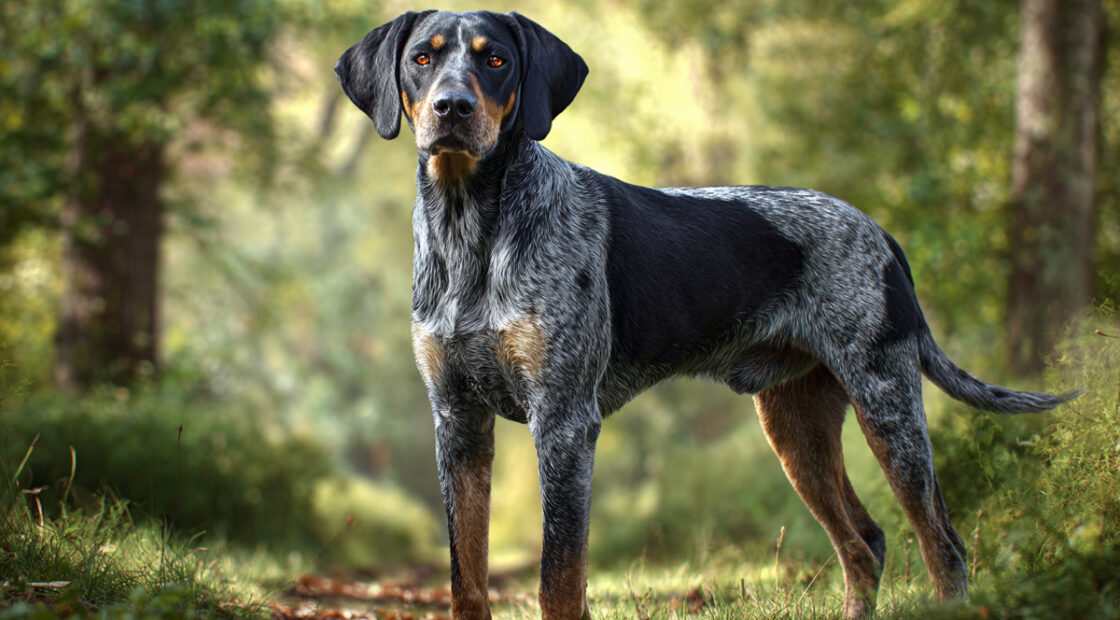
That distinctive bay echoing through the woods signals one thing: a Bluetick Coonhound on the trail. This Tennessee State Dog combines striking blue mottled coat patterns with unmatched hunting prowess.
Pet owners considering this breed face unique challenges beyond typical canine care. Their powerful vocal abilities and intense exercise requirements demand specialized knowledge.
This guide covers everything from managing their famous baying habits to creating effective exercise routines. You’ll learn practical training techniques, safety protocols, and solutions for apartment living with these energetic hounds.
Key topics include:
- Vocal behavior science and management strategies
- Daily exercise requirements and indoor alternatives
- Health monitoring during physical activities
- Special considerations for different living situations
Bluetick Coonhound Breed Statistics
| Characteristic | Details |
|---|---|
| Size | Large |
| Weight | Males: 55-80 lbs, Females: 45-65 lbs |
| Height | Males: 22-27 inches, Females: 21-25 inches |
| Life Span | 11-12 years |
| Coat Type | Short, dense, glossy |
| Coat Colors | Blue mottled with black spots, tan markings |
| Shedding Level | Moderate |
| Grooming Needs | Low to moderate (weekly brushing) |
| Exercise Requirements | Very high (90+ minutes daily) |
| Energy Level | High |
| Training Difficulty | Moderate to challenging |
| Intelligence | High |
| Barking Tendency | Very high (frequent baying) |
| Good with Kids | Yes, with proper socialization |
| Good with Other Dogs | Yes, pack hunting background |
| Good with Cats | Challenging due to high prey drive |
| Apartment Living | Not recommended |
| Climate Tolerance | Moderate heat, good cold tolerance |
| Health Issues | Hip dysplasia, bloat, ear infections |
| Origin | United States (Tennessee) |
| Breed Group | Hound |
| AKC Recognition | Yes (2009) |
| Purpose | Raccoon hunting, tracking |
| Temperament | Loyal, determined, gentle, vocal |
The Science Behind Bluetick Vocal Habits
Genetic Basis for Vocalization
Blueticks inherit their vocal prowess from generations of selective breeding. Hunters prized dogs with strong, clear voices that could carry across valleys and dense forests.
Key inherited traits:
- Deep chest cavity for resonant sound production
- Extended soft palate that creates distinctive bay tones
- Enhanced laryngeal muscles for sustained vocalizations
- Natural prey drive linked to vocal expression
The American Kennel Club recognizes these vocal characteristics as breed standards. Professional dog breeders specifically select breeding pairs based on voice quality and volume.
Unlike quieter breeds such as the Basenji, Blueticks possess anatomical features designed for long-distance communication. Their elongated muzzles and large nasal cavities amplify sound effectively.
Types of Vocalizations and Their Meanings
Each Bluetick sound serves a specific purpose in hunting and social situations.

Primary vocal patterns:
Baying while on trail – This sustained, melodic howl tells hunters the dog is actively tracking. The rhythm and pitch indicate scent strength and direction.
Chopping bark when prey is treed – Short, rapid barks signal success. This urgent sound pattern differs completely from trail baying.
Social howling and pack communication – Multiple dogs create harmonized choruses that maintain group cohesion during hunts.
Alert barking for home protection – Sharp, aggressive barks warn of intruders. This differs from hunting vocalizations in tone and frequency.
Whining and emotional expressions – Soft sounds communicate needs, excitement, or anxiety to family members.
Comparison with Other Hound Breeds
Blueticks stand out among scent hounds for vocal intensity. The Bloodhound typically works silently, while Beagles produce higher-pitched sounds.
Volume differences:
- Blueticks: 100-110 decibels during full bay
- American Foxhounds: 90-100 decibels
- Basset Hounds: 85-95 decibels
The Tennessee State Dog produces deeper, more resonant tones than most coonhound breeds. Their blue mottled coat often correlates with specific vocal characteristics passed down through bloodlines.
When and Why Blueticks Vocalize
Hunting and Working Situations
Trail announcements during scent tracking
Fresh raccoon scent triggers immediate vocal response. The dog’s baying intensifies as the trail grows stronger, providing real-time updates to hunters following behind.
Location calls to hunters and other dogs
Dense Appalachian Mountain terrain requires constant communication. Blueticks bay regularly to maintain contact with their human partners and pack members.
Success signals when quarry is cornered
The chopping bark means money in the bank for hunters. This rapid-fire vocalization can continue for hours until hunters arrive at the treed location.
Home Environment Triggers
Modern pet owners face different challenges than hunters in rural areas.
Doorbell and visitor responses
Blueticks announce every arrival with enthusiastic barking. This protective instinct stems from their working dog heritage and territorial nature.
Neighborhood sounds and distractions
Sirens, other dogs, and unusual noises trigger immediate vocal responses. Their sensitive hearing picks up sounds humans miss entirely.
Separation anxiety manifestations
Prolonged howling when left alone signals emotional distress. This behavior intensifies without proper exercise and mental stimulation.
Attention-seeking behaviors
Smart dogs learn that barking brings human interaction. Consistent responses to vocal demands accidentally train more frequent vocalizations.
Emotional and Social Vocalizations
Excitement and playtime expressions
Happy Blueticks produce distinctive “singing” sounds during play. These joyful vocalizations differ completely from hunting or alert barks.
Frustration when confined or restricted
Crate training and containment often trigger protest vocalizations. These frustrated sounds communicate the dog’s desire for freedom and activity.
Communication with family members
Each family member may receive different vocal greetings. Blueticks often develop unique sounds for specific people or situations.
Response to other dogs in the area
Neighborhood dog conversations happen through howling sessions. One Bluetick’s bay often triggers responses from other dogs within hearing range.
The United Kennel Club emphasizes that proper socialization reduces problematic vocalizations while maintaining the breed’s natural communication abilities.
Managing Excessive Barking and Howling
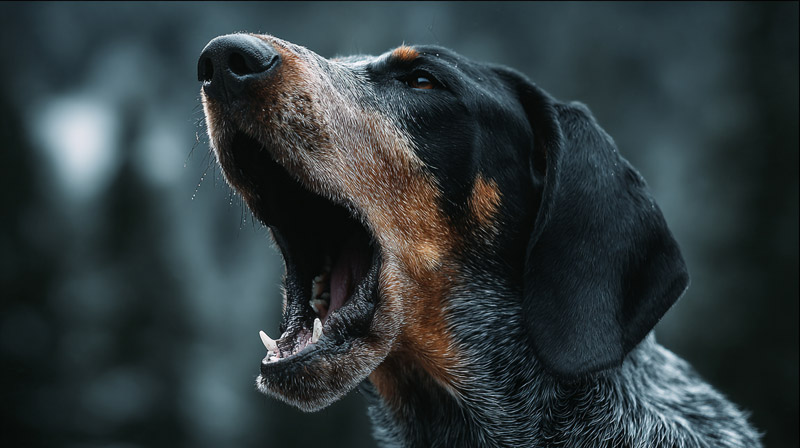
Training Techniques for Voice Control
“Quiet” command establishment and reinforcement
Start training during calm moments. Say “quiet” when your dog stops barking naturally, then reward immediately with treats. Practice daily for consistent results.
Positive reinforcement methods
Never yell or punish vocal behavior. This often makes barking worse. Instead, reward silence with high-value treats, praise, and attention.
Redirect attention strategies
- Give alternative commands like “sit” or “come”
- Offer puzzle toys during trigger times
- Practice obedience exercises to refocus energy
- Use scent work to engage their natural tracking instincts
Consistency in household rules
Every family member must follow identical training protocols. Mixed messages confuse dogs and slow progress significantly.
Environmental Management Strategies
Reducing trigger exposure in the home
Block visual access to windows facing busy streets. Close curtains during high-traffic periods. Move dog beds away from front doors and mailbox areas.
Creating quiet zones and safe spaces
Designate specific rooms for calm activities. Use baby gates to limit access to stimulating areas. Provide comfortable crates in low-traffic zones.
Sound masking and white noise solutions
- Classical music reduces stress-related barking
- White noise machines mask outdoor triggers
- Television background noise helps some dogs
- Calming pheromone diffusers create peaceful environments
Strategic placement of dog areas
Position feeding stations away from windows. Place sleeping areas in quiet corners. Keep toys in designated zones to prevent overstimulation.
When Professional Help Is Needed
Signs of problematic vocalization levels
Barking exceeding 30 minutes continuously requires intervention. Neighbor complaints indicate serious issues. Stress-related behaviors like pacing accompany excessive vocalizations.
Working with certified dog trainers
Certified dog trainers understand hound-specific behaviors better than general pet trainers. Look for experience with working dog breeds and vocal management.
Veterinary consultation for underlying issues
Medical problems sometimes cause increased barking. Hearing loss, cognitive decline, or pain can trigger vocal changes. Annual health checkups catch these issues early.
Exercise Requirements and Energy Levels
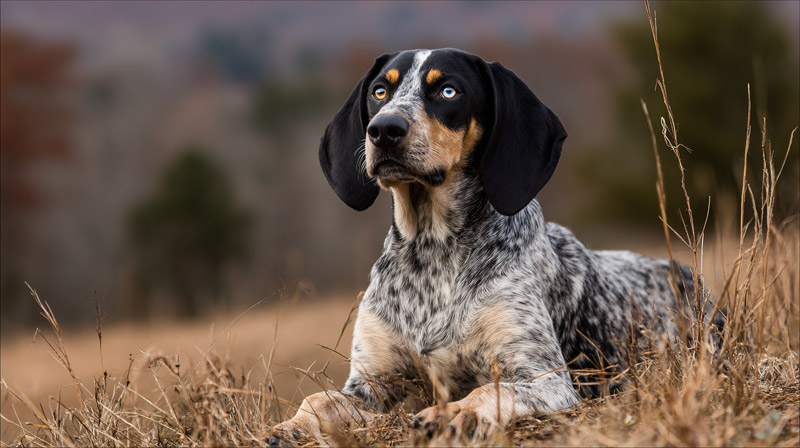
Daily Exercise Minimums
Time requirements for adult dogs
Adult Blueticks need minimum 90 minutes daily exercise. This includes structured activities like walks plus free play time.
Split sessions work better than single long periods. Morning and evening exercise prevents destructive behaviors during peak energy times.
Puppy exercise guidelines and limitations
Puppies under 18 months require careful exercise management. Follow the five-minute rule: five minutes per month of age, twice daily.
Avoid forced running until growth plates close around 12-18 months. Swimming provides excellent low-impact exercise for developing joints.
Senior dog modifications and considerations
Dogs over seven years need gentler activities. Arthritis affects many senior hounds. Swimming and short walks replace intensive running sessions.
Use a dog age calculator to determine appropriate activity levels for your pet’s life stage.
Types of Physical Activity
Long walks and hiking adventures
Blueticks excel at extended hiking trips. Their stamina surpasses most family pets. Plan 3-5 mile hikes for adequate physical challenge.
Running and jogging partnerships
These athletic dogs make excellent running companions. Build distance gradually to prevent injury. Monitor paw pads for cuts or wear.
Swimming opportunities and benefits
Water exercise works entire muscle groups without joint stress. Rivers and lakes provide natural swimming areas. Always supervise water activities for safety.
Interactive play sessions
- Fetch games with tennis balls or frisbees
- Tug-of-war using rope toys
- Chase games in securely fenced areas
- Hide-and-seek to combine mental and physical stimulation
Mental Stimulation Needs
Scent work and tracking games
Hide treats around the yard for natural foraging behavior. Create scent trails using bacon grease or liver treats. This satisfies their hunting instincts without live prey.
Puzzle toys and food-dispensing devices
Kong toys stuffed with peanut butter provide extended entertainment. Rotate different puzzle difficulties to maintain interest. Food-dispensing balls make mealtime challenging.
Training sessions as mental exercise
New trick learning exhausts dogs mentally faster than physical exercise. Practice basic obedience commands daily. Advanced training like agility provides mental challenges.
Rotating toy selection for continued interest
Keep only 3-4 toys available at once. Store others in rotation bins. Fresh toys every few days maintain excitement and engagement levels.
Unlike lower-energy breeds such as Bulldogs or Pugs, Blueticks require significant daily activity to prevent behavioral problems.
Consequences of Insufficient Exercise

Behavioral Problems from Under-Stimulation
Destructive chewing and digging
Under-exercised Blueticks destroy furniture, shoes, and landscaping. Their powerful jaws can demolish expensive items within hours. Digging becomes obsessive without proper outlets.
Increased vocalization and restlessness
Bored dogs bark constantly at minor sounds. Pacing, whining, and inability to settle indicate insufficient activity. Unlike calm breeds like Cavalier King Charles Spaniels, Blueticks need intense daily exercise.
Escape attempts and wandering
Frustrated hounds dig under fences or jump barriers seeking adventure. Their strong prey drive compels them to follow interesting scents. Many missing dogs result from inadequate exercise routines.
Attention-seeking behaviors
- Jumping on people repeatedly
- Stealing food from counters
- Demanding constant petting
- Following owners everywhere
Physical Health Impacts
Weight gain and obesity risks
Sedentary Blueticks gain weight rapidly. Obesity leads to joint problems, diabetes, and shortened lifespan. These athletic dogs require consistent activity to maintain healthy body condition.
Joint and muscle weakness
Inactive muscles atrophy quickly in working breeds. Weak joints become injury-prone during sudden activity. Regular exercise maintains bone density and muscle mass.
Cardiovascular fitness decline
Heart health deteriorates without regular exercise. Stamina drops significantly within weeks of reduced activity. Recovery time increases for simple activities.
Overall stamina reduction
Previously athletic dogs struggle with basic activities. Stairs become challenging. Short walks exhaust dogs that once hiked for miles.
Psychological Effects
Depression and lethargy
Under-stimulated Blueticks lose enthusiasm for activities they once enjoyed. Sleeping increases dramatically. Social interaction decreases noticeably.
Anxiety and stress behaviors
- Excessive panting without heat
- Destructive behaviors when alone
- Difficulty settling or relaxing
- Increased startle responses
Reduced social interaction quality
Stressed dogs become less responsive to training. Play behaviors diminish. Bonding with family members suffers.
Creating an Exercise Routine

Age-Appropriate Activity Planning
Puppy development stages and safe activities
8-16 weeks: Short play sessions, basic socialization walks, swimming introduction
4-6 months: Increased walk duration, puppy training classes, supervised off-leash play
6-12 months: Longer hikes, jogging introduction, advanced training activities
12-18 months: Full adult exercise once growth plates close
Adult dog peak performance periods
Peak energy occurs between 2-6 years old. These dogs can handle marathon-length activities. Plan challenging adventures during this prime period.
Unlike high-maintenance breeds such as Border Collies, Blueticks prefer endurance activities over quick agility work.
Senior dog gentle exercise options
Dogs over 7 years need modified routines. Swimming provides joint-friendly exercise. Short, frequent walks replace long hikes. Monitor for signs of fatigue or discomfort.
Weather and Seasonal Considerations
Hot weather precautions and alternatives
Exercise before 8 AM or after 6 PM during summer months. Pavement burns sensitive paw pads. Provide constant water access during activities.
Indoor alternatives:
- Treadmill training sessions
- Stair climbing exercises
- Interactive puzzle games
- Basement or garage play areas
Cold weather protection and indoor options
Blueticks tolerate cold better than heat. Ice can cut paw pads during winter walks. Booties protect feet on salted surfaces.
Rainy day activities and backup plans
- Mall walking for socialization
- Indoor dog facilities
- Garage fetch sessions
- Swimming at indoor pools
Urban vs. Rural Exercise Opportunities
City living adaptations and solutions
Urban Blueticks need creative exercise solutions. Early morning runs avoid crowds. Dog parks provide off-leash opportunities with supervision required.
Dog park utilization and etiquette
Monitor your dog’s vocal behavior around other pets. Some owners find Bluetick baying disturbing. Choose parks with separate areas for large, active dogs.
Rural property advantages and safety
Large properties allow natural exercise patterns. Secure fencing prevents wandering. Wildlife exposure requires updated vaccinations and parasite prevention.
Recommended routine schedule:
Monday/Wednesday/Friday: Long walks or hikes (60-90 minutes)
Tuesday/Thursday: Intense activities like running or swimming (45 minutes)
Saturday: Adventure day with new locations (2-3 hours)
Sunday: Moderate activity and rest (30-45 minutes)
This schedule works better than daily identical activities. Variety prevents boredom while maintaining fitness levels.
Indoor Exercise and Mental Enrichment
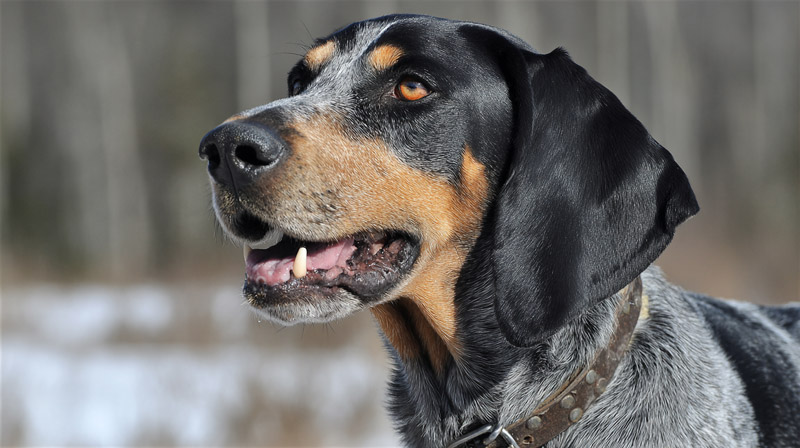
Space-Efficient Activities
Treadmill training and safety
Start with 5-minute sessions at slow speeds. Gradually increase duration and pace over several weeks. Never leave dogs unattended on treadmills.
Safety requirements:
- Non-slip surface mats
- Emergency stop button within reach
- Proper harness attachment
- Constant supervision
Stair climbing exercises
Stairs provide excellent cardio workouts. Start with 5-10 repetitions. Build endurance gradually to prevent joint stress.
Indoor obstacle courses
Create courses using household items:
- Chairs for weaving patterns
- Blankets for tunnel crawling
- Pillows for jumping practice
- Boxes for climbing challenges
Hide and seek games
This combines physical activity with mental stimulation. Hide treats or toys throughout the house. Start easy, then increase difficulty levels.
Cognitive Challenges
Scent training with household items
Use cotton balls with different essential oils. Hide them around rooms for detection practice. This satisfies natural tracking instincts indoors.
Obedience practice sessions
Daily training prevents skill deterioration. Practice basic commands for 10-15 minutes. Advanced tricks provide mental exhaustion equivalent to physical exercise.
New trick learning and skill building
Teach complex behaviors like:
- Opening doors or drawers
- Bringing specific items by name
- Balance exercises on different surfaces
- Multi-step command sequences
Problem-solving toy rotation
Rotate puzzle toys weekly to maintain interest. Increase difficulty levels as dogs master easier challenges. Food-dispensing toys extend meal times.
Social Indoor Activities
Playdates with compatible dogs
Indoor socialization requires careful dog selection. Choose calm, well-socialized dogs for apartment play sessions. Monitor interactions closely in confined spaces.
Unlike reactive breeds such as Jack Russell Terriers, Blueticks generally enjoy other dogs when properly introduced.
Family interaction games
- Gentle tug-of-war sessions
- Indoor fetch with soft toys
- Training competitions between family members
- Puzzle-solving teamwork activities
Structured indoor training time
Dedicate specific hours for indoor activities. Consistency helps dogs understand expectations. Morning sessions work well before family members leave for work.
Exercise Safety and Health Monitoring
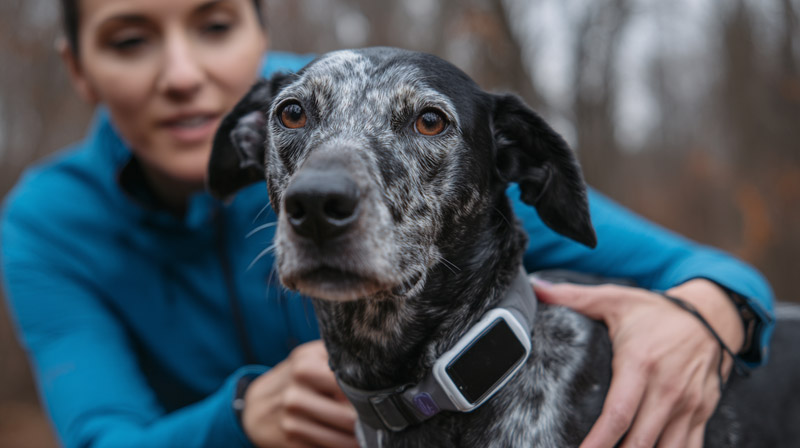
Pre-Exercise Health Checks
Paw and pad inspection routines
Check daily for:
- Cuts or abrasions on pads
- Foreign objects between toes
- Swelling or unusual odors
- Excessive wear or cracking
Joint flexibility and movement assessment
Watch for limping or stiffness during warm-up. Older dogs need longer warm-up periods. Cold weather increases joint stiffness.
Overall energy level evaluation
Lethargic dogs may have underlying health issues. Sudden energy changes warrant veterinary consultation. Normal enthusiasm indicates readiness for activity.
During Exercise Precautions
Hydration monitoring and water breaks
Provide water every 15-20 minutes during intense activity. Watch for excessive panting or drooling. Cool water helps regulate body temperature.
Signs of overexertion recognition
Stop immediately if you notice:
- Heavy panting with extended tongue
- Stumbling or coordination loss
- Excessive drooling
- Reluctance to continue
Temperature regulation awareness
Unlike cold-weather breeds such as Siberian Huskies, Blueticks overheat quickly. Exercise during cooler hours when possible.
Terrain safety considerations
Avoid areas with:
- Broken glass or sharp debris
- Toxic plants or mushrooms
- Steep, unstable surfaces
- Heavy vehicle traffic
Post-Exercise Care
Cool-down procedures and timing
Walk slowly for 5-10 minutes after intense exercise. Sudden stops can cause muscle stiffness. Gradual heart rate reduction prevents circulation problems.
Injury checking and first aid basics
Examine paws, legs, and body for injuries. Clean minor cuts immediately. Apply pressure to bleeding wounds.
Recovery time requirements
Young dogs recover faster than seniors. Allow 24-48 hours between intense exercise sessions. Swimming requires less recovery time than running.
When to contact a veterinarian
Call immediately for:
- Persistent limping after 24 hours
- Swelling that doesn’t reduce with rest
- Loss of appetite following exercise
- Unusual behavioral changes
Professional dog trainers recommend starting exercise programs gradually, especially for previously sedentary dogs. Veterinary clinics can assess fitness levels before beginning intensive routines.
Special Considerations for Bluetick Owners
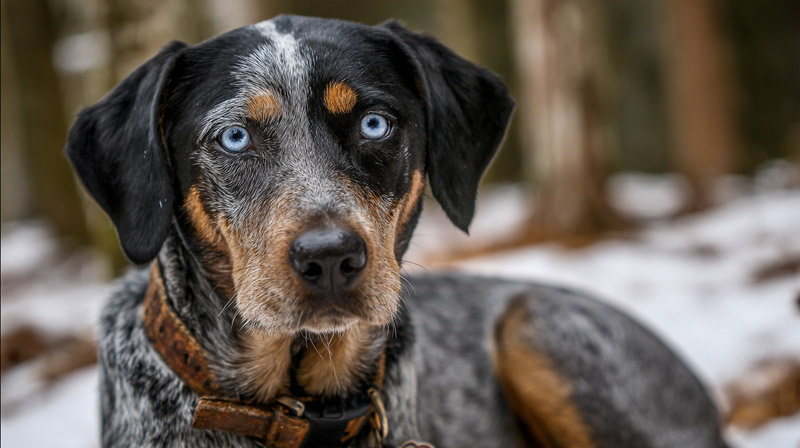
Apartment and Small Space Living
Adapting exercise routines for limited space
Apartment living requires creative solutions. Morning runs before 7 AM avoid noise complaints. Use dog parks within walking distance daily.
Essential adaptations:
- Multiple daily outings instead of single long sessions
- Puzzle toys for mental exhaustion
- Stair climbing in buildings
- Mall walking during bad weather
Neighbor consideration for vocal habits
Blueticks bay louder than apartment-friendly breeds like Shih Tzus or French Bulldogs. Warn neighbors about natural vocal tendencies before moving in.
Creative indoor solutions
- Treadmill training in living rooms
- Hallway fetch with tennis balls
- Bathroom swimming in large tubs
- Balcony supervised playtime
Regular outdoor excursion planning
Schedule weekend hiking trips. Plan vacation time around dog needs. Budget for dog daycare services during long work days.
Multi-Dog Household Dynamics
Pack exercise coordination
Exercise all dogs together when possible. Separate sessions prevent competition and jealousy. Rotate individual attention to maintain bonds.
Individual attention needs
Each dog requires solo training time. Personality differences affect exercise preferences. Some dogs need quiet activities while others crave intense play.
Vocal behavior amplification effects
Multiple Blueticks create neighborhood noise issues. One dog’s baying triggers others instantly. Consider sound-dampening solutions for indoor areas.
Competition for resources management
- Separate feeding stations prevent food guarding
- Multiple water bowls reduce conflicts
- Individual toy collections stop possessiveness
- Designated sleeping areas maintain peace
Seasonal Activity Adjustments
Summer heat management strategies
Exercise before sunrise and after sunset. Pavement temperatures burn paw pads above 80°F. Swimming provides cooling exercise alternatives.
Heat safety measures:
- Cooling vests for outdoor activities
- Frozen Kong toys for mental stimulation
- Kiddie pools for backyard cooling
- Air conditioning during peak hours
Winter exercise modifications
Unlike cold-adapted breeds such as Alaskan Malamutes, Blueticks need protection in extreme cold. Booties prevent ice ball formation between toes.
Allergy season considerations
Spring pollen affects some dogs with itchy skin and watery eyes. Wipe paws after outdoor activities. Bath frequency may increase during peak pollen periods.
Holiday routine disruptions
Maintain exercise schedules during family gatherings. Guests trigger increased barking behaviors. Create quiet spaces away from celebration noise.
Travel considerations:
- Research dog-friendly accommodations
- Pack familiar toys and bedding
- Maintain feeding schedules during trips
- Locate emergency veterinary clinics
Hunting season awareness
Active hunting areas require leash use for safety. Bright orange vests increase visibility. Avoid popular hunting locations during peak seasons.
Weather monitoring apps help plan activities around storms and temperature extremes.
Pet insurance becomes crucial for active breeds prone to exercise-related injuries. Professional dog trainers familiar with hound breeds provide specialized guidance for challenging behaviors.
FAQ on Bluetick Coonhound
How much do Bluetick Coonhounds bark?
Blueticks bay frequently and loudly. Their hunting heritage makes them more vocal than apartment-friendly breeds like Maltese or Pomeranian. Expect regular baying at outdoor sounds, other dogs, and during excitement. Training helps manage excessive vocalization.
Are Bluetick Coonhounds good family pets?
Yes, with proper exercise and training. They’re gentle with children but need 90+ minutes daily activity. Their prey drive requires supervision around small pets. Family-friendly temperament makes them excellent companions for active households.
How much exercise do Bluetick Coonhounds need daily?
Minimum 90 minutes of vigorous exercise daily. This includes long walks, running, swimming, or hiking. Mental stimulation through scent work prevents destructive behaviors. Inadequate exercise leads to barking, digging, and escape attempts.
Do Bluetick Coonhounds shed a lot?
Moderate shedding year-round with seasonal increases. Their short coat requires weekly brushing. Unlike heavy-shedding breeds such as German Shepherd Dogs, grooming needs remain manageable. Regular brushing controls loose hair effectively.
Can Bluetick Coonhounds live in apartments?
Challenging but possible with dedication. Requires multiple daily exercise sessions, noise management strategies, and neighbor consideration. Their vocal nature conflicts with close living quarters. Rural or suburban homes suit them better.
Are Bluetick Coonhounds easy to train?
Moderately challenging due to independent hunting instincts. Positive reinforcement works best. Their intelligence allows complex learning but stubbornness requires patience. Professional dog trainers familiar with hound breeds provide valuable assistance.
How big do Bluetick Coonhounds get?
Males: 55-80 pounds, 22-27 inches tall. Females: 45-65 pounds, 21-25 inches tall. Larger than Beagles but smaller than Great Danes. Athletic build designed for endurance hunting activities.
What health problems do Bluetick Coonhounds have?
Hip dysplasia, bloat, and ear infections are primary concerns. Their deep chest increases bloat risk. Regular veterinary care catches issues early. Pet insurance helps manage potential health costs throughout their 11-12 year lifespan.
Do Bluetick Coonhounds get along with other dogs?
Generally yes, especially when socialized early. Pack hunting background promotes dog-friendly behavior. Supervision needed during initial introductions. Their vocal communication style may overwhelm quieter breeds like Lhasa Apsos.
Are Bluetick Coonhounds good with cats?
High prey drive makes cat relationships challenging. Early socialization improves success rates. Separate feeding areas prevent resource guarding. Indoor cats face less risk than outdoor cats that trigger hunting instincts.
Conclusion
Owning a Bluetick Coonhound requires commitment to their unique needs and natural instincts. These athletic working dogs thrive with active families who understand their vocal nature and exercise demands.
Success factors for ownership:
- Consistent daily exercise routines
- Proper vocal training from puppyhood
- Understanding of their hunting heritage
- Adequate space for natural behaviors
Unlike low-maintenance breeds such as Boston Terriers or Chihuahuas, these hounds need experienced owners. Their loyalty and gentle temperament reward dedicated families with years of companionship.
Canine health organizations emphasize early socialization and professional training for optimal results. Animal shelters often see surrendered hounds due to unrealistic expectations about their activity needs.
With proper preparation and commitment, these remarkable scent hounds become treasured family members who excel in both hunting scenarios and home environments.