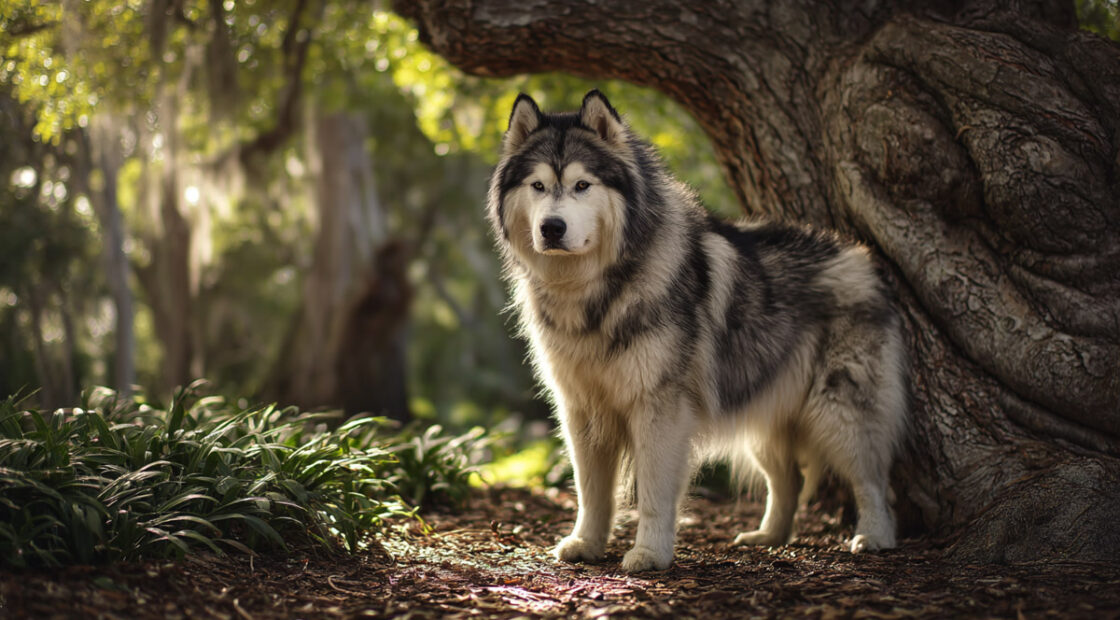
Few Arctic dogs command respect like the magnificent Alaskan Malamute. These powerful sled dogs descended from the Mahlemut tribe and conquered some of Earth’s harshest terrain alongside their human partners.
Working dogs by nature, Malamutes aren’t typical family pets. Their wolf-like appearance and imposing size mask complex needs that challenge even experienced dog owners.
Pet ownership of this Northern breed demands understanding their unique characteristics. From cold weather adaptations to pack mentality behaviors, these strong dogs require specialized care.
This guide covers everything potential owners need to know. You’ll discover their physical traits, temperament requirements, exercise needs, and training challenges. We’ll explore grooming demands, health considerations, and housing requirements that make or break success with these remarkable spitz breeds.
Alaskan Malamute Stats
| Characteristic | Details |
|---|---|
| Size | Large (23-25 inches tall) |
| Weight | Males: 85 lbs, Females: 75 lbs |
| Lifespan | 10-14 years |
| Energy Level | High – bred for endurance and heavy work |
| Exercise Needs | 2+ hours daily (hiking, sledding, weight pulling, running) |
| Grooming Requirements | High – daily brushing required, heavy seasonal shedding |
| Shedding | Very high – constant shedding with extreme seasonal “blowouts” |
| Trainability | Low to moderate – intelligent but independent and stubborn |
| Good with Children | Good with proper socialization – gentle giants |
| Good with Other Pets | Challenging – high prey drive, can be dominant with other dogs |
| Barking Level | Low – rarely barks but will howl and “talk” |
| Climate Tolerance | Excellent in cold, struggles in hot climates |
| Living Space | Needs large, securely fenced yard – not suitable for apartments |
| Common Health Issues | Hip dysplasia, elbow dysplasia, bloat, polyneuropathy, day blindness |
| Coat Type | Dense double coat – coarse outer guard hairs with woolly undercoat |
| Coat Colors | Light gray to black, sable to red, always with white markings |
| Temperament | Friendly, loyal, playful, dignified, devoted, strong-willed |
| Origin | Alaska (United States) |
| AKC Group | Working Group |
| Good for First-Time Owners | Not recommended – requires very experienced arctic breed owner |
Physical Characteristics and Breed Standards
Size and Weight Specifications
Male Malamutes tower at 25 inches tall and weigh 85 pounds. Females measure 23 inches and tip scales at 75 pounds. This large dog breed shows impressive muscle mass and bone density.
Puppies grow rapidly during their first year.
At 3 months: 30-35 pounds
At 6 months: 50-60 pounds
At 12 months: 70-80 pounds
Full skeletal development completes around 18-24 months. Weight varies based on bloodline and activity level.
Coat and Color Variations
The double coat protects against Arctic conditions. Dense undercoat insulates while guard hairs repel moisture. This thick fur sheds heavily twice yearly during spring and fall.
Accepted colors include:

- Gray and white
- Black and white
- Red and white
- Seal and white coloring
- Sable and white
Agouti coloring creates banded hair patterns. Some dogs develop snow nose – black pigment fading to brown in winter.
Wooly coat disqualifies dogs from conformation shows. Solid colors without white markings also fail breed standards.
Body Structure and Movement
Broad skulls showcase small triangular ears set wide apart. Dark brown eyes convey intelligence and alertness. Blue eyes disqualify the dog from dog shows.
Strong dog builds feature deep chests and compact feet. Shoulders angle properly for efficient pulling. The body appears slightly longer than tall.
Smooth, powerful gait demonstrates endurance capabilities. Rear drive propels forward while front legs reach efficiently. Athletic capabilities shine during weight pulling and sledding work.
Temperament and Personality Traits
Core Behavioral Characteristics
Malamutes think independently. Strong-willed nature challenges novice owners who expect instant obedience like a Labrador Retriever.
Pack mentality drives social hierarchy needs. These dogs test boundaries constantly. High energy levels demand outlets through working dog activities.
Work drive runs deep in their genetics. Bred for freight hauling across frozen terrain, they crave jobs. Boredom leads to destructive behavior.
Interaction with Family Members
Loyal companion dogs form strong family bonds. Protective instincts surface around perceived threats, though they’re not aggressive guard dogs.
Children fascinate them, but size creates concerns. Gentle giants can accidentally knock over toddlers. Supervision helps prevent issues.
Bonding patterns favor one primary person while maintaining affection for all family members. They shadow favorite humans throughout the house.
Social Behavior with Other Animals
Dog behavior varies significantly with other canines. Proper dog socialization during puppyhood creates better outcomes. Some Malamutes prefer being only dogs.
Prey drive targets small animals. Cats, rabbits, and chickens trigger chase instincts. Early exposure may reduce this tendency but never eliminates it entirely.
Resource guarding emerges around food and toys. Multiple dog households need careful management. Unlike Golden Retrievers or Beagles, Malamutes don’t naturally share.
Territory marking increases with intact males. Neutering reduces but doesn’t eliminate territorial behaviors. Dog training helps manage these instincts.
These Arctic dogs descended from Mahlemut tribe companions. Their wolf-like appearance often misleads people about temperament. Unlike Siberian Huskies, they’re less vocal but more independent.
Family dogs work best with experienced owners who understand spitz breed characteristics. Their cold weather heritage influences many behaviors year-round.
Exercise and Activity Requirements

Daily Exercise Needs
Working dogs require 2-3 hours of vigorous activity daily. Simple walks don’t satisfy their endurance needs. These Arctic dogs crave challenging physical work.
Mental stimulation prevents destructive behavior. Puzzle toys and training sessions engage their intelligence. Bored Malamutes destroy furniture, dig holes, and escape yards.
Seasonal exercise adjustments protect health. Summer activities happen during cooler morning and evening hours. Winter unleashes their natural cold tolerance and energy.
Suitable Activities and Sports
Sledding remains their favorite activity. Dog sledding competitions showcase natural abilities. Mushing clubs welcome beginners across many regions.
Weight pulling competitions highlight pulling power. Dogs drag weighted sleds across measured distances. Training builds strength gradually to prevent injury.
Outdoor activities include:
- Hiking with weighted packs
- Skijoring (pulling skiers)
- Canicross (cross-country running)
- Dog sports like agility (with modifications)
Winter activities suit them perfectly. Unlike Chihuahuas or French Bulldogs, they thrive in snow and ice conditions.
Exercise Safety and Precautions
Heat sensitivity creates serious summer risks. Thick fur and heavy build cause overheating quickly. Exercise stops when temperatures exceed 70°F.
Puppy training starts with short, gentle sessions. Growing bones need protection from excessive impact. Adult exercise begins around 18 months.
Senior dogs maintain active lifestyles with reduced intensity. Joint health determines appropriate activities. Calculate their age to adjust expectations properly.
Warning signs include:
- Excessive panting
- Drooling
- Stumbling
- Seeking shade constantly
Training and Obedience
Training Challenges and Solutions
Stubborn nature frustrates new owners. These independent thinkers question every command. Unlike Golden Retrievers who please eagerly, Malamutes need motivation.
Positive methods work best. Food rewards, praise, and play motivate better than force. Pack animals respect confident leadership, not dominance.
Consistency across family members prevents confusion. Everyone uses identical commands and expectations. Mixed messages create training setbacks.
Basic Command Training
House training succeeds with crate training foundations. Northern breeds naturally avoid soiling sleeping areas. Consistent schedules accelerate progress.
Leash training challenges their pulling power. Front-clip harnesses reduce pulling better than collars. Start training young before habits solidify.
Essential commands:
- Come (critical for safety)
- Stay (prevents door dashing)
- Drop it (protects from dangerous items)
- Wait (food and doorway manners)
Dog training sessions stay short. Five-minute sessions prevent boredom and maintain focus.
Advanced Training Opportunities
Working dog activities satisfy their drive. Cart pulling, backpacking, and freight hauling provide purpose. Team dogs excel in group activities.
Socialization training helps dog behavior around strangers. Public spaces require calm, controlled responses. Unlike Jack Russell Terriers, size makes poor behavior dangerous.
Problem-solving training engages intelligence. Advanced tricks and obstacle courses challenge their minds. Dog sports adapted for large breeds work well.
Behavior modification addresses resource guarding and territorial issues. Professional help may be needed for serious problems. Early intervention prevents escalation.
These Arctic survival specialists descended from Inuit working dogs. Their wolf-like appearance and size intimidate, making proper training essential. Pet ownership of this breed demands experience and dedication.
Grooming Requirements and Coat Care
Daily and Weekly Grooming Routine
Double coat requires brushing 3-4 times weekly. Thick fur mats quickly without regular maintenance. Unlike Poodles or Maltese, they need minimal trimming.
Essential tools:
- Undercoat rake
- Pin brush
- Metal comb
- Nail clippers
Dog grooming sessions last 20-30 minutes. Start young to build tolerance. Daily brushing during shedding seasons prevents fur tumbleweeds.
Nail trimming happens bi-weekly. Active lifestyle dogs wear nails naturally but still need regular checks. Overgrown nails cause mobility issues.
Dental care prevents serious health problems. Brush teeth 2-3 times weekly using dog-specific toothpaste. Dental chews supplement but don’t replace brushing.
Seasonal Coat Management
Spring brings massive shedding. Cold weather dogs lose winter undercoat over 4-6 weeks. Daily brushing becomes mandatory.
Fall coat preparation starts early September. New undercoat grows dense for winter protection. Arctic conditions demand full coat development.
Summer thinning helps heat tolerance. Never shave completely – snow dogs need coat protection year-round. Light trimming around paws prevents ice balls.
Coat changes indicate health status. Dull, brittle fur suggests nutritional deficiencies or illness.
Professional Grooming Services
Professional help becomes necessary during peak shedding. Groomers have powerful tools for undercoat removal. Expect $60-120 per session.
Grooming frequency:
- Every 6-8 weeks normally
- Monthly during shedding seasons
- As needed for nail/ear care
Specialty services include de-shedding treatments and sanitary trims. Avoid groomers unfamiliar with Northern breeds.
Health Considerations and Common Issues

Genetic Health Conditions
Hip dysplasia affects 12-15% of the breed. American Kennel Club requires health testing for breeding dogs. X-rays detect joint problems early.
Elbow dysplasia causes front leg lameness. Symptoms appear around 6-18 months. Veterinary care includes surgery for severe cases.
Progressive retinal atrophy leads to blindness. DNA testing identifies carriers before breeding. No treatment exists once symptoms start.
Chondrodysplasia creates dwarfism in affected puppies. Responsible breeders test breeding stock. Purebred dogs need careful genetic screening.
Heart problems include cardiomyopathy. Annual cardiac exams monitor heart health. Early detection improves treatment outcomes.
Preventive Care and Wellness
Vaccination schedules protect against common diseases. Core vaccines include rabies, DHPP, and bordetella. Dog health depends on consistent prevention.
Regular checkups catch problems early. Annual exams for adults, bi-annual for seniors. Blood work monitors organ function.
Parasite prevention covers fleas, ticks, and heartworms. Monthly preventatives protect year-round. Arctic dogs still need protection despite climate origins.
Weight management prevents joint stress. Large dog breeds develop arthritis faster when overweight. Monitor body condition regularly.
Age-Related Health Changes
Puppy health focuses on growth monitoring. Rapid development stresses joints and organs. Avoid overexercise until skeletal maturity.
Adult maintenance emphasizes preventive care. Peak health years require consistent monitoring. Active dogs need injury prevention strategies.
Senior care addresses mobility and comfort. Cold tolerance may decrease with age. Joint supplements and pain management improve quality of life.
Bloat risks increase with age and size. Feed smaller, frequent meals. Avoid exercise immediately after eating. Emergency surgery saves lives when caught early.
Hypothyroidism appears in middle-aged dogs. Symptoms include weight gain and lethargy. Blood tests confirm diagnosis. Daily medication manages the condition effectively.
Zinc deficiency creates skin problems in some bloodlines. Supplements correct deficiencies. Northern breed genetics predispose certain health issues.
Unlike smaller breeds like Yorkshire Terriers or Boston Terriers, these working dogs face unique health challenges related to their size and genetics.
Nutrition and Feeding Guidelines

Dietary Requirements by Life Stage
Puppy nutrition supports rapid growth. Feed 3-4 meals daily until 6 months. Large breed puppy formulas prevent skeletal problems. Calcium ratios matter more than quantity.
Adult maintenance requires 2,500-3,000 calories daily for active dogs. Working dogs need 4,000+ calories during heavy exercise periods. Adjust portions based on activity level.
Senior dogs need fewer calories but higher quality protein. Joint supplements become important. Digestive sensitivities increase with age.
Food Quality and Ingredient Selection
Protein requirements for working dogs exceed pet food minimums. Look for 26-30% protein from named meat sources. Fish, chicken, and lamb work well.
Harmful ingredients to avoid:
- Chocolate and xylitol
- Grapes and raisins
- Onions and garlic
- Excessive corn or wheat
Arctic dogs evolved eating fish and game. High-fat diets fuel endurance activities. Cold climate dogs burn more calories maintaining body temperature.
Unlike Chihuahuas or Pomeranians, these large dogs need substantial nutrition to maintain heavy build and energy levels.
Feeding Schedule and Portion Control
Meal frequency prevents bloat risks. Two meals daily works best for adults. Puppies eat 3-4 times until maturity.
Portion sizes vary dramatically:
- Puppies: 1-4 cups daily (age dependent)
- Active adults: 4-6 cups daily
- Working dogs: 6-8 cups during peak activity
- Seniors: 3-4 cups daily
Treating guidelines limit extras to 10% of total calories. Training treats should be tiny and frequent. Dog nutrition balance matters more than variety.
Living Arrangements and Housing Needs

Indoor Living Requirements
Space needs exceed apartment capabilities. These strong dogs need room to move freely. Unlike French Bulldogs or Pugs, they’re not suited for cramped quarters.
Temperature control challenges include overheating prevention. Thick fur makes them uncomfortable above 70°F. Air conditioning becomes essential in warm climates.
Furniture protection requires planning. Heavy build dogs break lightweight furniture. Leather resists shedding better than fabric. Invest in quality pieces.
Outdoor Space and Fencing
Yard requirements include minimum half-acre for adequate exercise. Pack animals need space to patrol territory. Small yards create behavioral problems.
Fence specifications:
- 6-foot minimum height
- Buried barrier or concrete footer
- No gaps wider than 4 inches
- Reinforced gate latches
Escape artists dig under or climb over inadequate fencing. Strong dogs break through weak barriers. Security requirements exceed most breeds.
Weather protection includes insulated doghouses for outdoor time. Arctic dogs prefer cool temperatures but need wind protection. Snow dogs may sleep outside voluntarily.
Apartment and Urban Living
City living challenges include noise complaints and space limitations. High energy dogs become destructive without adequate outlets. Neighbors complain about shedding and size.
Urban adaptations:
- Daily park visits for exercise
- Professional dog walking services
- Indoor exercise equipment
- Frequent grooming to control fur
Building relationships with neighbors prevents complaints. Educate about breed characteristics. Clean up meticulously after outdoor activities.
Alternative housing like condos with private yards work better than high-rise apartments. Ground floor access simplifies potty breaks. Large dog logistics become complicated in small spaces.
These Northern dogs evolved for harsh weather and open terrain. Pet ownership in urban environments requires significant lifestyle adjustments. Unlike adaptable breeds like Labrador Retrievers or Golden Retrievers, Malamutes struggle with confined living situations.
Choosing and Acquiring an Alaskan Malamute
Finding Reputable Breeders
Health testing requirements include hip/elbow clearances and eye exams. Alaskan Malamute Club of America maintains breeder directories. Avoid breeders without health certifications.
Essential health tests:
- Hip dysplasia OFA/PennHIP clearance
- Progressive retinal atrophy DNA testing
- Chondrodysplasia carrier screening
- Annual cardiac exams
Questions for breeders:
- Can I meet both parents?
- What health guarantees do you provide?
- How do you socialize puppies?
- Can I see health clearances?
Red flags include multiple litters available, no health testing, or refusing home visits. Puppy mills often advertise online with too-good prices.
Dog breeding ethics matter. Purebred dogs need responsible breeding to maintain health. Expect $1,500-3,000 for quality puppies.
Rescue and Adoption Options
Breed-specific rescues specialize in Northern breeds. Arctic dog rescues understand temperament needs. Unlike general shelters, they provide breed education.
Rescued dogs often come from:
- Owner surrenders due to size/energy
- Divorce or housing changes
- Working dog retirement
- Behavioral issues from poor training
Adoption process includes applications, references, and home visits. Rescue organizations match dogs to appropriate families. Expect 2-8 weeks for approval.
What to expect:
- Basic training completed
- Health screening and vaccination
- Spay/neuter requirement
- Ongoing support from rescue
Adoption fees range $300-800. This covers veterinary care and transportation costs.
Puppy Selection and Preparation
Choosing puppies requires understanding individual temperaments. Active lifestyle families need confident, outgoing puppies. Calmer dogs suit less experienced owners.
Puppy evaluation includes:
- Response to handling
- Reaction to noise
- Play style with littermates
- Interest in people
Home preparation checklist:
- Puppy-proof dangerous items
- Stock appropriate food and supplies
- Schedule veterinary care appointment
- Arrange time off work
Initial supplies:
- Large dog crate (48-54 inches)
- Quality puppy food
- Dog training treats
- Grooming tools for double coat
- Heavy-duty toys
First weeks focus on house training and socialization. Puppy training classes start after vaccination completion. Unlike smaller breeds like Shih Tzus or Yorkshire Terriers, early training prevents future problems.
Lifestyle compatibility matters more than appearance. These pack animals need experienced pet owners who understand spitz breed characteristics. Family dogs work best with active households ready for long-term commitment.
Working dog heritage creates specific needs unlike companion breeds such as Golden Retrievers or Labrador Retrievers. Research thoroughly before acquiring these magnificent Arctic dogs.
FAQ on Alaskan Malamute
Are Malamutes good family dogs?
Family dogs require careful consideration. These large dogs bond strongly with households but need experienced owners. Unlike Golden Retrievers, their independent nature and size create challenges around small children.
How much exercise do Malamutes need?
Working dogs demand 2-3 hours daily of vigorous activity. Sledding, hiking, and weight pulling satisfy their high energy needs. Arctic dogs become destructive without adequate physical and mental stimulation.
Do Malamutes shed a lot?
Double coat creates massive shedding twice yearly during spring and fall. Thick fur requires daily brushing during peak seasons. Unlike Poodles, they’re not hypoallergenic and shed constantly.
Can Malamutes live in hot climates?
Cold weather dogs struggle with heat sensitivity. Snow dogs overheat quickly above 70°F due to their thick fur. Air conditioning and limited summer exercise become essential for Arctic breeds.
Are Malamutes aggressive?
Pack animals aren’t typically aggressive toward humans but can challenge other dogs. Strong-willed nature requires consistent training. Unlike German Shepherds, they’re not natural guard dogs despite protective instincts.
How big do Malamutes get?
Males reach 85 pounds and 25 inches tall. Females average 75 pounds and 23 inches. This heavy build makes them unsuitable for apartment living unlike smaller breeds such as Boston Terriers.
Are Malamutes hard to train?
Stubborn and independent thinking challenges novice owners. Dog training requires patience and consistency. These Northern breeds respond better to positive methods than force-based techniques used successfully with other breeds.
What health problems do Malamutes have?
Hip dysplasia, progressive retinal atrophy, and bloat affect the breed. Large dog breeds face joint issues and heart problems. Regular veterinary care and health testing prevent serious complications.
Do Malamutes get along with other pets?
Prey drive targets small animals like cats and rabbits. Dog socialization during puppyhood improves outcomes with other canines. Unlike Labrador Retrievers, they often prefer being only pets.
How long do Malamutes live?
Arctic dogs typically live 10-14 years. Active lifestyle and proper dog health care extend lifespan. Large breeds generally have shorter lifespans than smaller dogs like Chihuahuas or Yorkshire Terriers.
Conclusion
The Alaskan Malamute represents a remarkable achievement in canine genetics and dog breeding. These magnificent freight hauling specialists embody centuries of Arctic survival expertise from the Inuit people.
Pet care for this breed demands commitment beyond typical companion animals. Their mushing heritage creates unique needs that challenge unprepared owners.
Success factors include:
- Understanding spitz temperament
- Providing adequate outdoor activities
- Managing coat changes and grooming
- Addressing territorial behaviors early
Winter dog enthusiasts find unmatched loyalty and athletic capabilities in these team dogs. However, their endurance and pulling power require experienced handling.
Before acquiring these pack dogs, honestly assess your lifestyle compatibility. Unlike adaptable breeds such as Australian Shepherds or Bernese Mountain Dogs, Malamutes don’t compromise their nature for convenience. Responsible ownership means respecting their harsh weather origins and load pulling instincts throughout their lives.