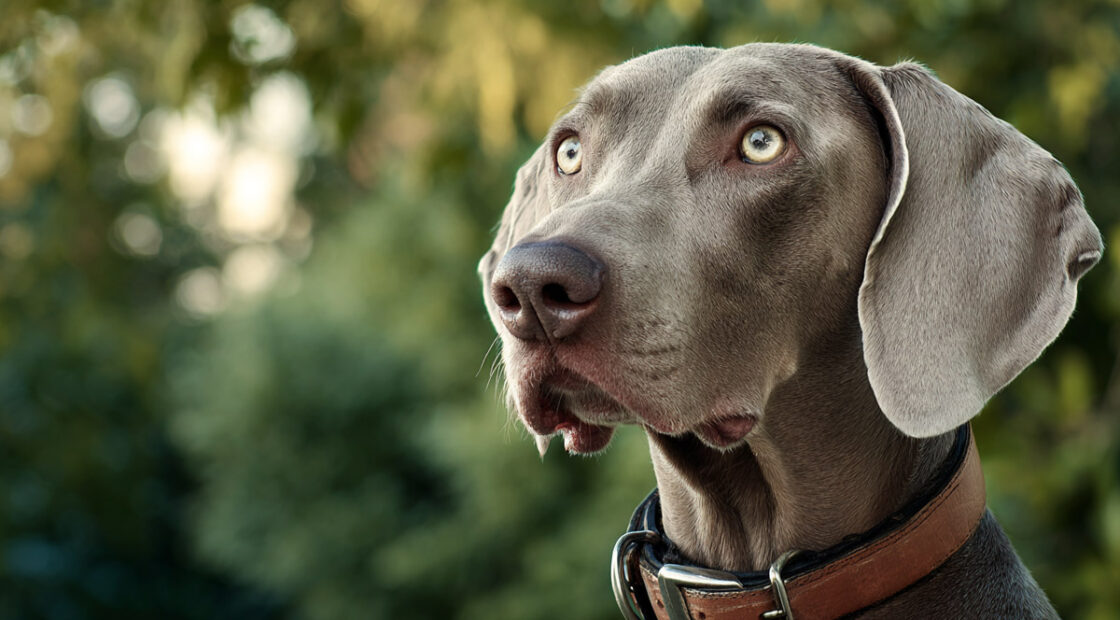
That sleek silver shadow following you around isn’t just your imagination. The Weimaraner has earned its “Gray Ghost” nickname through decades of devoted companionship and athletic excellence.
This German hunting dog brings together athletic prowess, unwavering loyalty, and boundless energy in one striking package. Their unique combination of traits makes them both rewarding and challenging companions.
Understanding their specific needs before bringing one home can mean the difference between a lifelong bond and rehoming heartbreak.
This guide covers everything from their athletic abilities and loyalty characteristics to training requirements and lifestyle compatibility. You’ll learn what makes these dogs tick, whether they match your lifestyle, and how to set both of you up for success.
Whether you’re considering adding a Weimaraner to your family or already share your home with one, these insights will help you appreciate their complex personality and meet their unique needs.
Weimaraner Breed Statistics
| Characteristic | Details |
|---|---|
| Size | Large |
| Height | Males: 25-27 inches, Females: 23-25 inches |
| Weight | Males: 70-90 lbs, Females: 55-75 lbs |
| Life Span | 10-13 years |
| Group | Sporting |
| Origin | Germany |
| Coat Type | Short, smooth, dense |
| Coat Colors | Silver-gray, mouse-gray, blue-gray |
| Shedding | Moderate |
| Energy Level | Very High |
| Exercise Needs | 2-3 hours daily |
| Training Difficulty | Moderate to High |
| Intelligence | Very High |
| Good with Kids | Yes (with supervision) |
| Good with Pets | With proper socialization |
| Apartment Living | Not recommended |
| Barking Tendency | Moderate |
| Drooling | Low |
| Climate Tolerance | Moderate (prefers temperate) |
| Grooming Needs | Low to Moderate |
| Health Issues | Hip dysplasia, bloat, eye conditions |
| AKC Recognition | 1943 |
| Common Nicknames | Gray Ghost, Weim |
| Best For | Active families, experienced owners |
| Not Suitable For | First-time owners, sedentary households |
Athletic Abilities and Physical Traits
Natural Hunting and Sporting Heritage
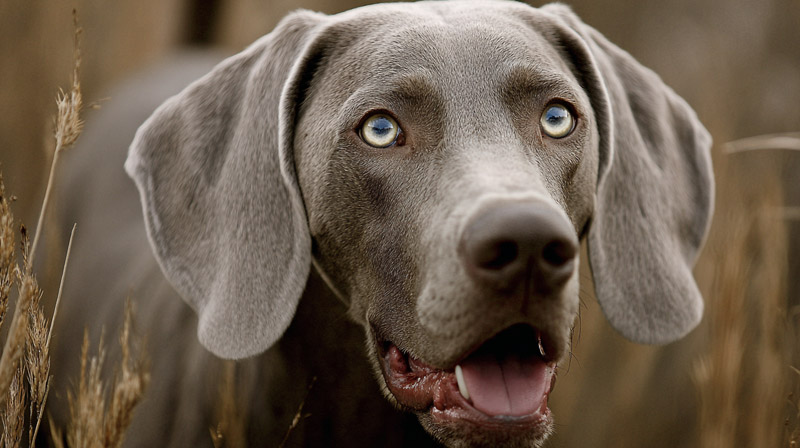
The Gray Ghost earned its nickname through decades of selective breeding for hunting excellence. This German hunting dog showcases remarkable pointer and retriever instincts that remain deeply embedded in their DNA.
Their stamina for long hunting sessions puts many other sporting breeds to shame. A well-conditioned adult can work in the field for hours without showing signs of fatigue.
Speed and agility define their movement patterns. Watch a Weimaraner track upland game, and you’ll see fluid motion that rivals professional athletes.
Physical Build and Muscle Structure
Their lean, athletic frame serves a specific purpose. Every muscle group works together to create explosive power and sustained endurance.

The deep chest houses impressive lung capacity. This anatomical feature allows for efficient oxygen intake during intense physical activity.
Strong hindquarters provide the driving force behind their impressive speed. These powerful muscles launch them forward with remarkable acceleration.
Exercise Requirements and Capabilities
Daily activity needs far exceed those of typical family pets. Most Weimaraners require 2-3 hours of vigorous exercise to maintain mental and physical health.
Suitable exercise types include:
- Trail running and hiking
- Swimming sessions
- Fetch games with high-intensity intervals
- Agility training courses
Performance in dog sports showcases their athletic versatility. Many excel in field trials, hunt tests, and competitive agility events.
Loyalty and Bonding Characteristics
Pack Mentality and Family Attachment
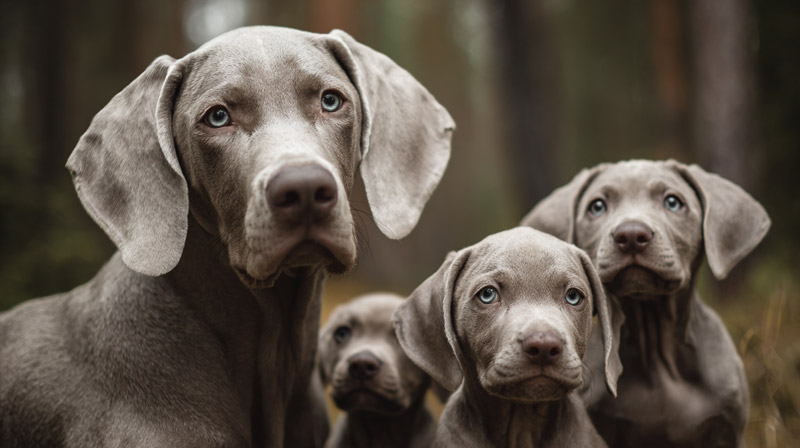
The pack mentality runs strong in this breed. They view their human family as their pack and expect to participate in daily activities.
Strong desire to be with their people often surprises new owners. This isn’t just preference – it’s a fundamental need that shapes their entire personality.
Separation anxiety tendencies develop when left alone too frequently. Many Weimaraners struggle with extended periods of isolation.
Following behavior patterns emerge early in puppyhood. Your shadow will likely have four legs and a constantly wagging tail.
Protective Instincts
Natural guarding abilities make them excellent watchdogs. They’ll alert you to any unusual activity around your property.
Alertness to strangers comes standard with the breed. Most remain reserved with newcomers until properly introduced.
Territorial behavior manifests differently in each dog. Some become protective of specific areas, while others guard their entire family unit.
Relationship with Children and Other Pets
Gentle nature with family kids makes them wonderful companions for active children. Their patient temperament shines through during playtime.
Socialization requirements start early and continue throughout their lives. Proper exposure to various people, animals, and situations prevents behavioral issues.
Interactions with other dogs depend heavily on early socialization. Well-socialized Weimaraners typically enjoy canine companionship, while those lacking exposure may struggle.
Their relationship with smaller pets requires careful management. That Beagle next door might trigger their prey drive instincts.
High-Energy Personality and Mental Stimulation Needs
Intelligence Level and Problem-Solving Skills
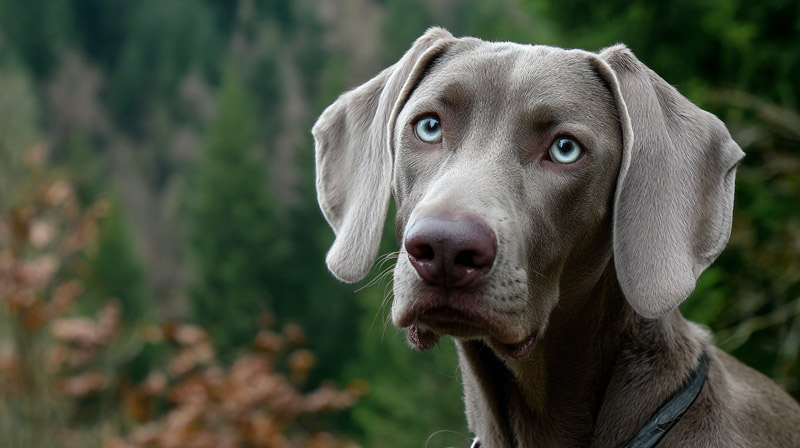
Quick learning ability sets them apart from many other breeds. They grasp new concepts rapidly and retain information well.
Independent thinking traits can work for or against you during training. They’ll often find creative solutions to problems you didn’t know existed.
Memory retention impresses even experienced dog trainers. Once they learn something, they rarely forget it.
Mental Exercise Requirements
Puzzle games and brain teasers provide necessary mental challenges. A bored Weimaraner becomes a destructive Weimaraner.
Training challenges should escalate in difficulty as they master basic skills. Simple obedience work won’t satisfy their intellectual needs.
Job-oriented activities tap into their working heritage. Give them a purpose, and they’ll excel beyond your expectations.
Unlike more sedentary breeds like the Bulldog, Weimaraners need constant mental engagement.
Behavioral Issues from Understimulation
Destructive behaviors emerge when mental needs aren’t met. Chewed furniture and destroyed belongings often signal insufficient stimulation.
Excessive barking or whining indicates frustration with their current situation. This vocalization serves as their way of expressing unmet needs.
Escape attempts become common when they’re understimulated. Many owners discover their Weimaraner’s impressive ability to clear six-foot fences.
Their intelligence works against them without proper outlets. A smart, bored dog creates problems that less intelligent breeds never consider.
The energy levels that make them excellent German Shorthaired Pointer companions in the field become problematic in inactive households.
Physical exercise alone won’t satisfy their needs. Mental stimulation proves equally important for maintaining a balanced, well-behaved companion.
Some owners compare their energy requirements to those of Australian Cattle Dog breeds, though Weimaraners typically show more emotional sensitivity.
Understanding these core traits helps potential owners make informed decisions. The athletic demands, loyalty expectations, and high-energy personality require specific lifestyle compatibility for successful ownership.
Training and Socialization Requirements
Early Training Importance

Puppy socialization windows close quickly in this breed. The critical period between 8-16 weeks shapes their adult personality permanently.
Basic obedience foundations must start immediately. Waiting until six months creates unnecessary behavioral challenges.
House training considerations differ from smaller breeds. Their larger size means accidents have bigger consequences, making consistency crucial.
Advanced Training Potential
Hunting and field work tap into their natural abilities. Many Weimaraners excel in North American Versatile Hunting Dog Association events.
Agility and competitive sports showcase their athletic intelligence. Their combination of speed and problem-solving makes them natural competitors.
Service dog capabilities exist in well-bred lines. Some work as therapy dogs or mobility assistance animals, though this requires specific temperament testing.
Common Training Challenges
Stubbornness and independence create unique obstacles. Unlike eager-to-please breeds like the Golden Retriever, Weimaraners question commands.
Prey drive management becomes essential around smaller animals. Their hunting heritage makes them instinctively chase moving objects.
Impulse control development takes patience and consistency. Teaching them to wait, stay, and come when called requires dedicated effort.
Health and Physical Care Considerations
Common Health Issues in the Breed
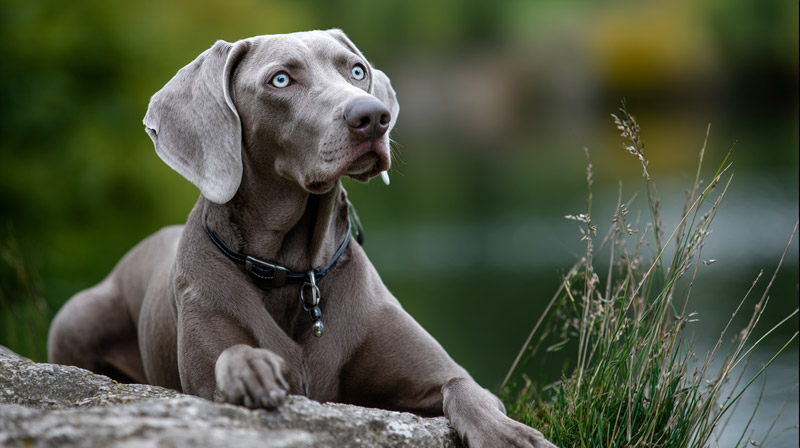
Hip dysplasia concerns affect many large sporting breeds. The Orthopedic Foundation for Animals recommends screening breeding stock.
Bloat and gastric torsion pose serious risks in deep-chested dogs. This life-threatening condition requires immediate veterinary intervention.
Progressive Retinal Atrophy appears in some bloodlines. Responsible breeders test for this inherited eye condition.
Hypertrophic Osteodystrophy can affect growing puppies. This painful bone condition typically resolves with proper management.
Grooming and Maintenance Needs
Short coat care requirements stay minimal compared to breeds like the Poodle. Weekly brushing removes loose hair and distributes skin oils.
Nail trimming and ear cleaning need regular attention. Their active lifestyle naturally wears down nails, but indoor dogs require monthly trims.
Dental health considerations mirror those of other large breeds. Daily brushing prevents tartar buildup and gum disease.
Nutritional Requirements for Active Dogs
High-quality protein needs support their muscular build. Active adults require 25-30% protein in their diet.
Caloric requirements vary dramatically based on activity level. Working dogs need 1,800-2,400 calories daily, while pet dogs need 1,200-1,600.
Feeding schedules should include multiple small meals. This reduces bloat risk compared to single large portions.
Living Situations and Lifestyle Compatibility
Ideal Home Environment

Space requirements exceed those of apartment-friendly breeds. Unlike compact dogs like the French Bulldog, Weimaraners need room to move.
Yard needs include secure fencing at least six feet high. Their escape artist tendencies rival those of Siberian Husky breeds.
Urban vs. rural living considerations matter significantly. City life works only with dedicated owners who provide adequate exercise.
Climate adaptability favors moderate temperatures. Their short coat offers little protection in extreme cold or heat.
Owner Experience Level Requirements
First-time owner challenges multiply with this breed. Their intelligence and energy levels overwhelm unprepared families.
Experience with high-energy breeds helps tremendously. Previous Border Collie or Australian Shepherd ownership provides valuable perspective.
Time commitment expectations include 3-4 hours daily for exercise, training, and mental stimulation.
Activity Level Matching
Active family compatibility determines success. Owners who enjoy hiking, running, and outdoor adventures make ideal matches.
Outdoor enthusiast partnerships create the perfect lifestyle fit. Camping, hunting, and trail running satisfy their exercise needs naturally.
Sedentary lifestyle incompatibility cannot be overstated. Couch potatoes and Weimaraners don’t mix well.
Age-Related Exercise Adjustments
Puppy energy levels require careful management. Too much exercise damages developing joints, while too little creates behavioral problems.
Adult prime years (2-7 years) demand peak activity levels. This period showcases their full athletic potential.
Senior dog adjustments become necessary around age 8-10. Arthritis and decreased stamina require modified exercise routines.
Comparison with Similar Breeds
Energy levels match those of Vizsla breeds but with less velcro-dog tendencies. Both require extensive daily exercise.
Intelligence rivals that of German Shepherd Dog breeds. However, Weimaraners show more independence and less biddability.
Size comparisons with breeds like Rhodesian Ridgeback show similar space requirements but different temperament needs.
Special Considerations
Working line vs. show line differences affect energy levels significantly. Field-bred dogs require more intensive exercise than show-bred companions.
Rescue considerations often involve dogs with existing behavioral issues. Many end up in shelters due to inadequate exercise and training.
The breed’s velcro nature makes them unsuitable for families wanting independent pets like Basenji or similar breeds.
Understanding their specific needs prevents the common rehoming cycle. Proper preparation and lifestyle matching ensure successful long-term ownership.
Weimaraner Temperament Variations
Individual Personality Differences
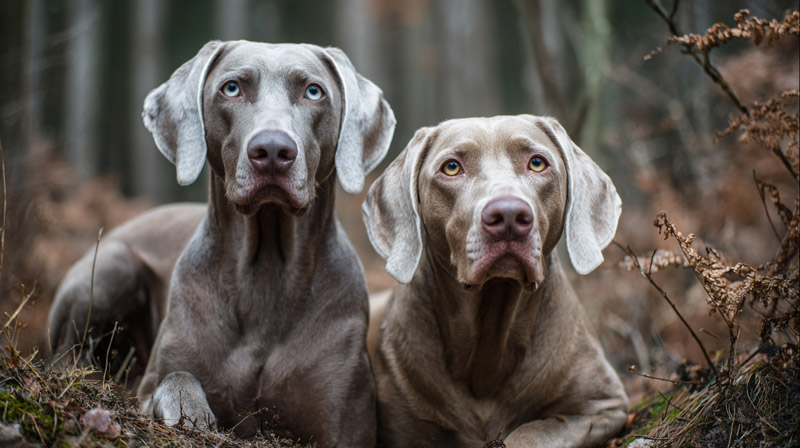
Calm vs. Hyperactive Tendencies
Some Weimaraners display calm, measured personalities despite their breed reputation. These dogs still need exercise but approach activities with deliberate focus.
Hyperactive tendencies appear more commonly in young dogs and certain bloodlines. Their energy manifests as constant motion and difficulty settling.
The difference often traces back to breeding priorities. Show lines typically produce calmer temperaments than field-bred working lines.
Social vs. Reserved Behaviors
Social butterflies exist within the breed, greeting everyone enthusiastically. These dogs thrive in busy households with frequent visitors.
Reserved behaviors show up in dogs with strong guarding instincts. They remain polite but distant with strangers until trust develops.
Early socialization heavily influences this trait. Well-exposed puppies usually develop confident, social personalities.
Confidence Levels
Bold, confident Weimaraners tackle new situations head-on. Their natural curiosity overrides caution in most circumstances.
Shy or anxious individuals require patient handling and gradual exposure. These dogs often excel once they feel secure in their environment.
Confidence levels can shift with age and experience. Many start bold as puppies but become more discerning as adults.
Gender-Based Trait Variations
Male vs. Female Characteristics
Males typically display more outgoing, playful personalities throughout their lives. They often remain puppy-like longer than females.
Females tend toward independence and subtle dominance. They’re often more focused during training sessions but less forgiving of mistakes.
The size difference affects personality expression. Larger males may seem more imposing despite gentler temperaments.
Size and Temperament Differences
Male size ranges from 70-90 pounds, while females stay between 55-75 pounds. This 15-20 pound difference impacts their physical presence significantly.
Smaller females often display more intense personalities. They compensate for size with stronger territorial instincts and sharper alertness.
Both genders show similar energy levels, but males may have slightly more endurance for extended activities.
Training Responsiveness
Females generally show faster learning curves during initial training phases. Their focus and attention span often exceed males in structured sessions.
Males excel in relationship-based training approaches. They respond better to praise and play rewards than strict correction methods.
Consistency matters more with males, who test boundaries repeatedly. Females typically accept rules once clearly established.
Age-Related Changes in Energy and Behavior
Puppy Energy Levels
Puppy years (8 weeks to 18 months) showcase extreme energy bursts. These young dogs can go from full sprint to deep sleep within minutes.
Their attention spans remain limited during this phase. Training sessions should stay short and positive to maintain engagement.
Destructive behaviors peak around 6-12 months when adult energy meets puppy impulse control. This phase tests many owners’ patience.
Adult Prime Years
Prime years (2-7 years old) represent peak physical and mental capability. Dogs this age can handle the most demanding exercise routines.
Their personalities stabilize during this period. The dog you see at three years old will likely maintain similar traits throughout adulthood.
This stage offers the best training opportunities for advanced skills. Their maturity combines with peak learning ability.
Senior Dog Adjustments
Energy levels naturally decrease after age eight. Many owners appreciate the calmer, more settled companion that emerges.
Mental sharpness often remains high even as physical capabilities decline. Senior Weimaraners still need mental stimulation despite reduced exercise tolerance.
Some develop age-related anxiety or confusion. These changes require veterinary evaluation and possible medication support.
Bloodline Influences
American vs. European bloodlines show distinct personality differences. European dogs often display stronger hunting drives and independence.
Field trial bloodlines produce higher energy, more intense personalities. These dogs excel in competitive venues but challenge inexperienced owners.
Show bloodlines emphasize temperament stability and biddability. They’re often better suited for family companionship than working roles.
Environmental Factors
Urban environments can suppress natural behaviors. City dogs may develop different coping mechanisms than their rural counterparts.
Pack dynamics in multi-dog households influence individual personalities. Some become more dominant while others defer to stronger pack members.
Owner personality significantly impacts temperament development. Confident handlers typically produce more balanced, secure dogs.
Comparing to Similar Breeds
Unlike Brittany spaniels, Weimaraners show less eagerness to please. Their independence requires different training approaches.
They share intensity levels with English Pointer breeds but display stronger protective instincts toward family.
Prey drive exceeds that of most Labrador Retriever lines. This affects their interactions with smaller pets and wildlife.
Their loyalty surpasses that of many sporting breeds like Irish Setter dogs. This creates stronger bonds but also separation anxiety risks.
Working intelligence matches Doberman Pinscher levels but with less handler focus. They think independently rather than constantly checking for direction.
Understanding these variations helps set realistic expectations. No two Weimaraners express identical personalities, even from the same litter.
FAQ on Weimaraner
Are Weimaraners good family dogs?
Weimaraners make excellent family dogs for active households. They’re gentle with children and form strong bonds with all family members.
However, their high energy and size require supervision around small kids. They need owners who can provide adequate exercise and mental stimulation daily.
How much exercise do Weimaraners need?
Adult Weimaraners require 2-3 hours of vigorous exercise daily. This includes running, hiking, swimming, or intensive play sessions.
Mental stimulation proves equally important. Puzzle games, training sessions, and job-oriented activities prevent destructive behaviors from boredom.
Do Weimaraners have separation anxiety?
Yes, most Weimaraners develop separation anxiety when left alone frequently. They’re known as “velcro dogs” who prefer constant companionship.
Crate training and gradual alone-time conditioning help. However, they’re unsuitable for families who work long hours without pet care arrangements.
Are Weimaraners easy to train?
Weimaraners are intelligent but independent thinkers. They learn quickly but may question commands, unlike eager-to-please breeds.
Consistent, positive training methods work best. Their stubbornness requires patience and experienced handling, making them challenging for first-time owners.
What health problems do Weimaraners have?
Common issues include hip dysplasia, bloat (gastric torsion), and Progressive Retinal Atrophy. Responsible breeders screen for these genetic conditions.
Their deep chest makes them prone to bloat, a life-threatening emergency. Multiple small meals and avoiding exercise after eating reduce risks.
How big do Weimaraners get?
Males typically weigh 70-90 pounds and stand 25-27 inches tall. Females are smaller at 55-75 pounds and 23-25 inches.
Their athletic build and long legs create an elegant appearance. Unlike stockier breeds like Rottweiler, they maintain lean muscle mass throughout adulthood.
Are Weimaraners good with other pets?
Socialization determines success with other pets. Well-exposed Weimaraners typically coexist peacefully with other dogs and cats.
Their strong prey drive may trigger chasing behaviors toward small animals. Unlike gentle breeds like Cavalier King Charles Spaniel, they require careful introduction protocols.
Do Weimaraners shed a lot?
Their short, silver-gray coat sheds moderately year-round with seasonal increases. Weekly brushing removes loose hair and maintains coat health.
They’re not hypoallergenic but require less grooming than long-haired breeds. Regular nail trims and ear cleaning complete their maintenance routine.
What is the lifespan of a Weimaraner?
Weimaraners typically live 10-13 years. Proper nutrition, regular exercise, and preventive veterinary care help maximize their lifespan.
Large breed dogs generally have shorter lifespans than smaller breeds. Use a dog age calculator to track their aging process accurately.
Are Weimaraners apartment dogs?
Weimaraners are unsuitable for apartment living unless owners provide extensive daily exercise. Their size and energy levels require significant space.
A securely fenced yard becomes necessary for safe off-leash exercise. Unlike compact breeds like Boston Terrier, they need room to run freely.
Conclusion
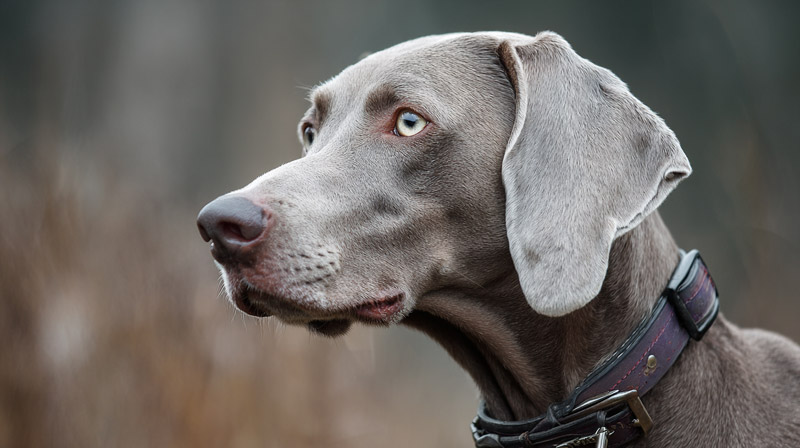
The Weimaraner represents a unique blend of athletic ability, unwavering devotion, and intelligent independence that sets them apart from other sporting breeds. Their distinctive silver coat and piercing eyes reflect an inner complexity that demands understanding.
Successful ownership requires honest assessment of your lifestyle and commitment level. These dogs thrive with active families who embrace outdoor adventures and appreciate their velcro-dog nature.
Their protective instincts and pack mentality create deep family bonds but also separation anxiety challenges. Unlike low-maintenance breeds, they need constant mental stimulation and physical outlets.
Proper socialization during the critical puppy window shapes their adult temperament significantly. Working with experienced breeders who health test for hip dysplasia and other genetic conditions protects your investment.
The breed standard emphasizes both form and function, producing dogs capable of field work and family companionship. Their intelligence level rivals working breeds but comes with independent thinking that challenges novice trainers.
Choose this breed only if you’re prepared for a decade-plus commitment to an athletic, devoted companion.