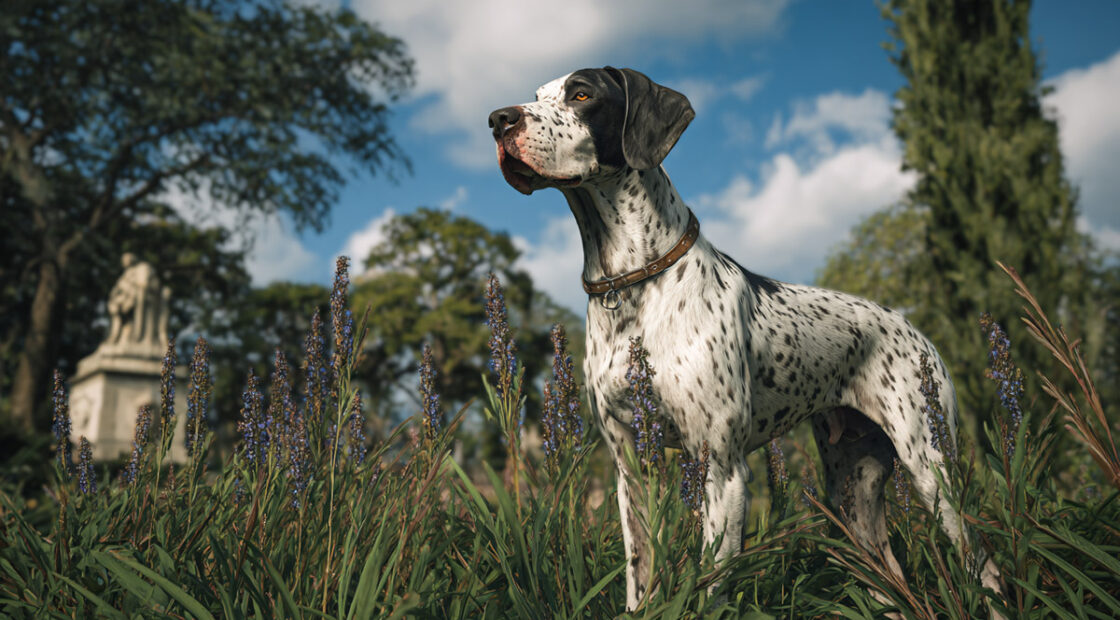
Few breeds combine athletic prowess with unwavering loyalty like the English Pointer. These exceptional sporting dogs have captivated hunters and families for centuries with their remarkable pointing instincts and gentle temperament.
Originally developed in England for upland game hunting, Pointers possess an incredible ability to locate and freeze on bird scent. Their distinctive stance and intense focus make them legendary among gun dog enthusiasts.
But there’s much more to these magnificent animals than hunting ability alone. English Pointers excel as family companions when their substantial exercise needs are met properly.
This comprehensive guide covers everything potential owners need to know:
- Personality traits and family compatibility
- Physical characteristics and health considerations
- Training requirements and mental stimulation needs
- Exercise demands and activity recommendations
- Nutrition guidelines and feeding schedules
- Grooming routines and maintenance tips
- Choosing the right dog for your lifestyle
Whether you’re considering your first Pointer or want to better understand your current companion, you’ll discover practical insights to ensure a successful relationship with this remarkable breed.
English Pointer Breed Statistics
| Characteristic | Details |
|---|---|
| Size | Medium to Large |
| Male Height | 25-28 inches |
| Female Height | 23-26 inches |
| Male Weight | 55-75 pounds |
| Female Weight | 45-65 pounds |
| Life Span | 12-14 years |
| Coat Type | Short, smooth, dense |
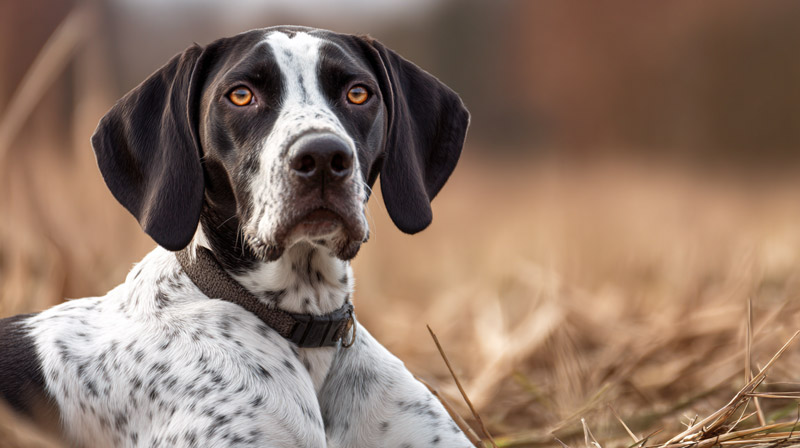
| Coat Colors | Liver & white, orange & white, lemon & white, black & white |
| Shedding Level | Moderate (seasonal increases) |
| Energy Level | Very High |
| Exercise Needs | 90-120 minutes daily |
| Training Difficulty | Moderate (responds well to positive methods) |
| Grooming Needs | Low to Moderate |
| Good with Kids | Yes (with proper socialization) |
| Good with Pets | Moderate (strong prey drive) |
| Apartment Living | Not recommended |
| Climate Tolerance | Moderate (needs protection in extremes) |
| Barking Level | Moderate |
| Drooling Level | Low |
| Health Issues | Hip dysplasia, eye conditions, bloat |
| AKC Group | Sporting |
| Origin | England |
| Primary Purpose | Bird hunting, pointing |
| First-Time Owner | Not recommended |
| Activity Level | Very Active |
| Attention Needs | High |
| Socialization Needs | High |
Personality and Temperament
Core Character Traits
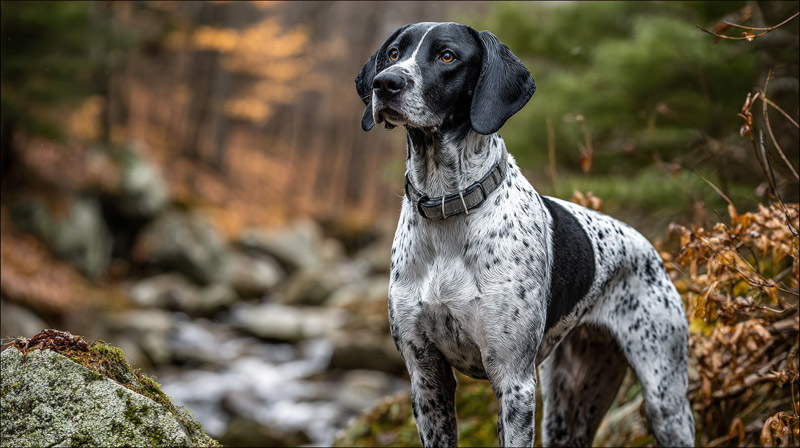
English Pointers burst with energy. These sporting dogs need constant activity to stay happy and balanced.
High Energy Demands My Pointer requires 2+ hours of exercise daily. Without it, destructive behavior follows quickly. Running, hiking, and field work satisfy their athletic needs best.
Their friendly nature makes them poor guard dogs but excellent family companions. Pointers greet strangers with wagging tails rather than suspicion.
Focus and Concentration When pointing at game birds, these dogs show incredible concentration abilities. That same focus transfers to training sessions when properly motivated. Food rewards and praise work better than harsh corrections.
Interaction with Family Members
With Children Pointers love kids but their size can overwhelm toddlers. Proper socialization prevents jumping and over-excitement around small children. Supervised play works best until dogs mature around 2 years old.
Adult Bonding These dogs form strong bonds with their primary handler. They thrive on consistent interaction and clear pack hierarchy. Leadership must be established early through positive training methods.
Pack Mentality Pointers naturally understand family structure. They respond well to household rules when consistently enforced by all family members.
Social Behavior with Other Animals
Dog Compatibility Most Pointers get along well with other dogs, especially when raised together. Their sporting background makes them cooperative rather than aggressive. Early socialization with various breeds prevents reactivity issues.
Small Pet Considerations Strong hunting instincts make Pointers challenging around cats and small pets. Some individuals can learn to coexist peacefully, but supervision remains necessary. Their bird dog genetics create natural chase responses.
Wildlife Interactions Expect pointing behavior around any birds or small game. This instinct cannot be trained away. Secure fencing prevents escape when scent trails become irresistible.
Physical Characteristics and Health
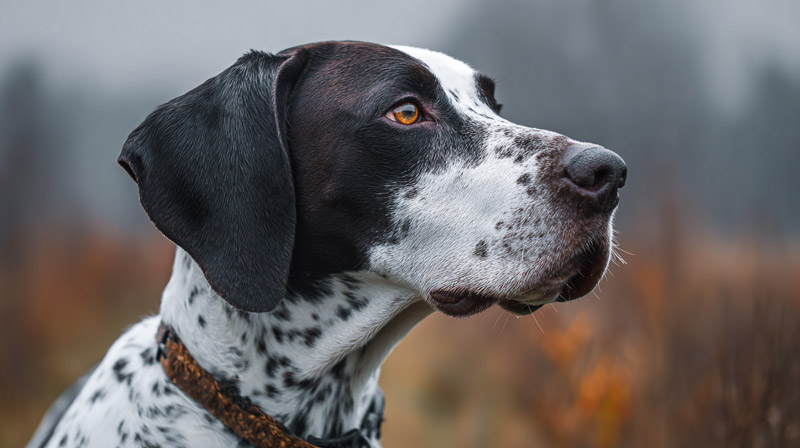
Size and Weight Standards
Male Specifications
- Height: 25-28 inches at shoulder
- Weight: 55-75 pounds
- Mature size reached by 18 months
Female Specifications
- Height: 23-26 inches at shoulder
- Weight: 45-65 pounds
- Generally more refined build than males
Growth Patterns Puppies grow rapidly for the first 12 months. dog age calculations help track proper development milestones. Overfeeding during growth phases can cause joint problems later.
Unlike slower-maturing breeds like Great Dane dogs, Pointers reach adult proportions relatively quickly.
Coat and Grooming Requirements
Coat Texture Short, dense coat feels smooth to touch. Weather-resistant properties protect during outdoor activities. Minimal grooming requirements make maintenance simple.
Color Variations
- Liver and white (most common)
- Orange and white
- Lemon and white
- Black and white (less frequent)
Shedding Patterns Moderate year-round shedding increases during spring and fall. Weekly brushing controls loose hair effectively. Daily brushing during heavy shed periods prevents coat from covering furniture.
Basic Grooming Routine
- Weekly brushing with rubber curry brush
- Monthly baths unless dirty from field work
- Regular nail trimming every 3-4 weeks
- Weekly ear cleaning to prevent infections
Common Health Issues
Hip Dysplasia This joint condition affects many large sporting breeds. Responsible breeding practices and health testing help reduce occurrence. Symptoms include difficulty rising, limping, and reluctance to exercise.
Unlike breeds such as German Shepherd Dog that show higher rates, Pointers have moderate susceptibility when properly bred.
Eye Conditions Progressive retinal atrophy (PRA) can cause blindness in older dogs. Annual eye examinations by veterinary ophthalmologists catch problems early. Cataracts occasionally develop but rarely impair hunting ability significantly.
Bloat and Digestive Concerns Deep-chested build increases bloat risk. Symptoms include restlessness, drooling, and distended abdomen. This emergency requires immediate veterinary intervention.
Prevention strategies:
- Feed smaller, frequent meals
- Avoid exercise immediately after eating
- Use elevated food bowls
- Monitor eating speed
Lifespan and Aging Average lifespan ranges 12-14 years. Proper nutrition, regular exercise, and preventive veterinary care maximize longevity. Senior dogs benefit from joint supplements and adjusted activity levels.
Regular health screening becomes critical after age 7. Early detection of conditions allows for better management and quality of life maintenance.
Training and Mental Stimulation
Basic Obedience Training
House Training Fundamentals Pointers learn house rules quickly with consistent schedules. Take puppies outside every 2 hours and immediately after meals. Crate training accelerates the process significantly.
Accidents happen during excitement. Their enthusiastic nature sometimes overrides bladder control, especially when greeting people.
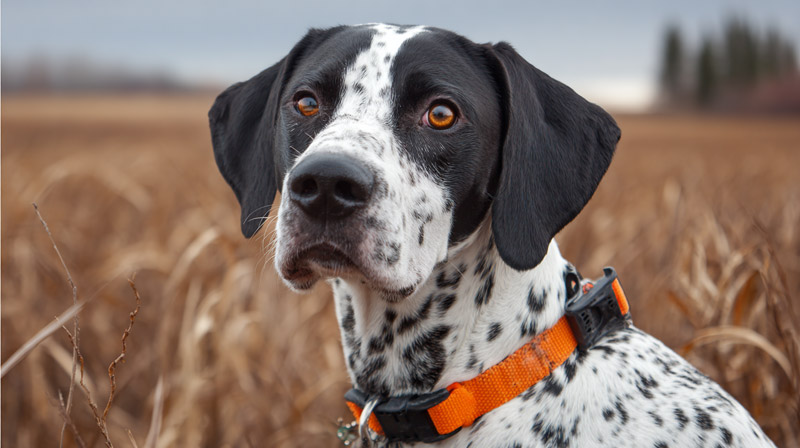
Leash Training Techniques Start leash training early. These powerful dogs can pull hard when they catch interesting scents. Use positive reinforcement methods rather than harsh corrections.
Front-clip harnesses provide better control than traditional collars. Never use choke chains or prong collars – they damage the relationship and trust.
Basic Commands and Responses Essential commands for Pointers:
- Sit – Foundation for all other training
- Stay – Critical for safety around game
- Come – Non-negotiable for off-leash work
- Heel – Prevents pulling during walks
- Whoa – Hunting-specific stop command
Unlike more independent breeds like Basenji dogs, Pointers respond eagerly to training when motivated properly.
Advanced Training Opportunities
Hunting and Field Work Training Professional trainers specializing in gun dogs produce the best results. Field training develops natural pointing instincts while teaching steady behavior around gunfire.
Basic field commands include:
- Point and hold steady
- Retrieve on command
- Quarter (systematic ground coverage)
- Honor (respect other dogs’ points)
Agility and Sports Participation Pointers excel in dog sports due to their athleticism and trainability. Popular activities include agility competitions, dock diving, and flyball.
Their high energy makes them natural competitors. Start with basic agility equipment around 12 months old to avoid joint stress.
Therapy and Service Dog Potential Some Pointers work as therapy dogs in hospitals and schools. Their gentle nature and eagerness to please make them suitable candidates after proper certification training.
Service dog work requires specialized training from professional organizations. Not all Pointers have the temperament for this demanding role.
Mental Exercise Requirements
Puzzle Toys and Brain Games Mental stimulation tires Pointers faster than physical exercise alone. Rotate puzzle toys weekly to maintain interest.
Effective mental challenges:
- Food-dispensing toys
- Hide-and-seek games
- Interactive puzzle feeders
- Treat-hiding sessions
Scent Work and Tracking Activities Natural scenting ability makes tracking perfect mental exercise. Hide treats around the yard and encourage searching behavior.
Formal scent work classes teach systematic searching techniques. This structured activity satisfies hunting instincts in controlled environments.
Problem-Solving Challenges Create simple obstacles that require thinking to overcome. Stack boxes to hide toys or use baby gates to create puzzles.
Change challenges regularly. Bored Pointers create their own entertainment, often destructively.
Exercise and Activity Needs
Daily Exercise Requirements
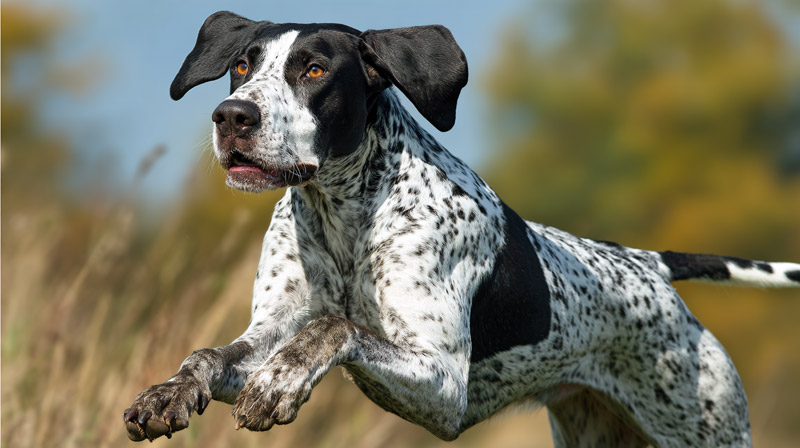
Minimum Activity Time Adult Pointers need 90-120 minutes of vigorous exercise daily. Puppies require shorter, more frequent sessions to avoid overexertion.
Walking alone doesn’t meet their needs. These athletes need running, swimming, or field work to stay satisfied.
Types of Physical Exercise High-impact activities:
- Running and jogging
- Swimming
- Fetch games
- Hiking with pack
- Field training
Low-impact alternatives:
- Long walks
- Mental stimulation games
- Controlled play sessions
Unlike smaller breeds such as Cavalier King Charles Spaniel dogs, Pointers crave intense physical challenges.
Indoor vs Outdoor Options Outdoor exercise remains ideal for breed satisfaction. Large fenced yards allow free running and exploration.
Indoor alternatives during bad weather:
- Treadmill training
- Hallway fetch
- Stair climbing
- Interactive toys
Structured Activities and Sports
Running and Jogging Partnerships Pointers make excellent running companions after 18 months old. Build endurance gradually to prevent injury.
Start with 1-2 mile runs and increase distance slowly. Watch for signs of fatigue or overheating.
Hiking and Outdoor Adventures Mountain trails and forest paths satisfy their need for exploration. Bring plenty of water and check paws for cuts after rocky terrain.
GPS collars provide security when hiking in unfamiliar areas. Strong scenting instincts can lead them far from trails.
Swimming and Water Activities Most Pointers love water despite not being bred as water retrievers. Swimming provides excellent low-impact exercise for joints.
Introduce water gradually. Not all individuals swim naturally despite their sporting background.
Similar to Labrador Retriever dogs, many Pointers become water enthusiasts with proper introduction.
Managing Energy Levels
Signs of Insufficient Exercise
- Destructive chewing
- Excessive barking
- Restlessness at night
- Attention-seeking behaviors
- Weight gain
Address exercise deficits immediately. Under-exercised Pointers become difficult household companions.
Balancing Rest and Activity Young dogs need 18-20 hours of sleep daily despite high energy. Provide quiet spaces for recovery between exercise sessions.
Older dogs require gentler activities but still need daily movement. Adjust intensity based on individual capability.
Age-Appropriate Exercise Adjustments
Puppies (8 weeks – 6 months):
- 5 minutes per month of age, twice daily
- Focus on play rather than structured exercise
- Avoid forced exercise until growth plates close
Adults (1-7 years):
- Peak exercise requirements
- Can handle intense, prolonged activities
- Build endurance gradually
Seniors (7+ years):
- Maintain activity but reduce intensity
- Monitor for joint stiffness
- Swimming becomes preferred exercise
Nutrition and Feeding
Dietary Requirements by Life Stage
Puppy Nutrition Needs High-quality puppy formula supports rapid growth. Feed 3-4 times daily until 6 months old, then reduce to twice daily.
Protein content should be 22-24% minimum. Avoid adult food until 12-18 months when growth plates close.
Adult Dog Feeding Guidelines Active adults need 1,800-2,400 calories daily depending on exercise level. Working dogs require up to 3,000 calories during hunting season.
Split daily portions into two meals to prevent bloat. Morning and evening feeding works best for most households.
Senior Dog Dietary Adjustments Reduce calories by 20% around age 7 unless maintaining high activity. Joint support supplements become beneficial.
Senior formulas with lower protein (18-20%) help aging kidneys. Increase fiber to aid digestion.
Food Quality and Ingredients
High-Quality Protein Sources Named meat proteins should appear first on ingredient lists. Chicken, beef, fish, and lamb provide complete amino acid profiles.
Avoid generic “meat meal” or “poultry by-products.” Quality matters more than price for athletic breeds.
Avoiding Harmful Ingredients Dangerous ingredients:
- Xylitol (artificial sweetener)
- Chocolate and caffeine
- Grapes and raisins
- Onions and garlic
- Macadamia nuts
Unlike less food-motivated breeds such as Afghan Hound dogs, Pointers often eat inappropriate items when unsupervised.
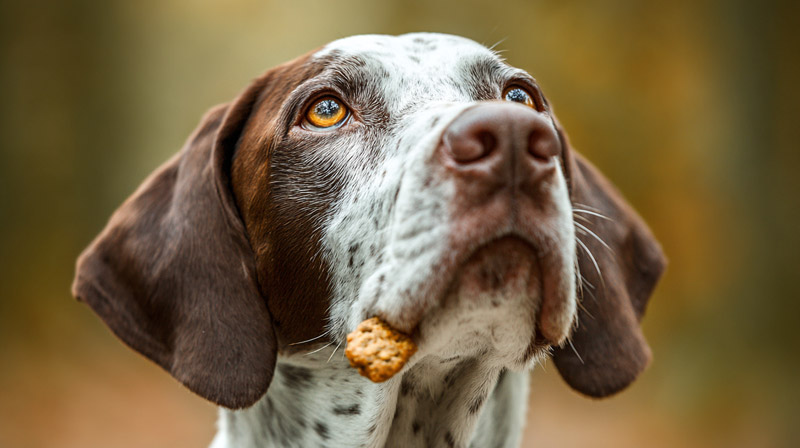
Treats and Supplement Considerations Training treats should be small and high-value. Freeze-dried liver works excellently for field training rewards.
Glucosamine and fish oil support joint health in active dogs. Probiotics help sensitive stomachs common in the breed.
Feeding Schedule and Portions
Meal Frequency Recommendations Age-based feeding:
- 8-12 weeks: 4 meals daily
- 3-6 months: 3 meals daily
- 6+ months: 2 meals daily
- Adults: 2 meals daily (morning/evening)
Portion Control for Weight Management Measure food precisely using kitchen scales. Free-feeding leads to overeating and weight gain.
Adjust portions based on body condition rather than package recommendations. Active hunting dogs need more food than couch companions.
Special Dietary Needs and Allergies Common food allergies include chicken, beef, and grains. Elimination diets identify specific triggers.
Grain-free diets may increase heart disease risk. Consult veterinarians before making major dietary changes.
Living Arrangements and Environment
Ideal Home Settings
Space Requirements and Yard Size Large fenced yards suit Pointers best. Minimum half-acre allows proper exercise and exploration.
Invisible fencing doesn’t work reliably. Strong prey drive overrides shock when chasing game birds.
Urban vs Rural Living Considerations Rural settings with hunting opportunities provide ideal environments. Urban Pointers need daily trips to large dog parks or hiking trails.
City living requires more planning and commitment to meet exercise needs. Apartment living becomes challenging without dedicated outdoor time.
Indoor Living Arrangements Pointers adapt to indoor life when properly exercised. Crate training provides safe spaces during absence.
Baby gates create boundaries between rooms. These dogs respect established household areas when consistently enforced.
Unlike more apartment-suitable breeds such as French Bulldog dogs, Pointers need significant outdoor access.
Family Lifestyle Compatibility
Active Families and Outdoor Enthusiasts Hiking families, runners, and hunters make ideal Pointer owners. These dogs thrive with adventure-seeking households.
Weekend camping trips and outdoor activities satisfy their need for exploration and variety.
Working Schedules and Time Commitment Full-time workers must arrange midday exercise or dog walking services. Eight-hour workdays without breaks cause behavior problems.
Retired owners or flexible schedules work best for breed needs. Stay-at-home parents provide ideal situations.
Experience Level Requirements First-time owners often struggle with energy levels and training needs. Previous experience with sporting breeds helps significantly.
Professional training assistance benefits novice owners. These dogs respond well to structured programs.
Climate and Weather Adaptations
Hot Weather Management Exercise during cooler morning and evening hours. Provide shade and fresh water during outdoor activities.
Watch for overheating signs: excessive panting, drooling, and lethargy. Light-colored coats handle heat better than dark ones.
Cold Weather Protection Short coats offer minimal insulation. Protective gear becomes necessary below 32°F for extended outdoor time.
Cold weather gear:
- Insulated dog coats
- Protective booties
- Heated outdoor shelters
Seasonal Activity Adjustments Summer activities shift to early morning and late evening. Swimming provides cooling exercise alternatives.
Winter hunting requires gradual cold conditioning. Start with shorter exposure periods and build tolerance slowly.
Similar to other short-coated breeds like Boxer dogs, Pointers need weather protection in extreme temperatures.
Grooming and Maintenance
Regular Grooming Routine
Brushing Frequency and Techniques Weekly brushing with rubber curry brush removes loose hair effectively. During shedding seasons, daily brushing prevents coat from covering furniture.
Use circular motions to loosen dead hair. Follow with bristle brush for smooth finish.
Bathing Schedule and Methods Monthly baths maintain coat health unless dirty from field work. Over-bathing strips natural oils.
Use lukewarm water and dog-specific shampoo. Rinse thoroughly to prevent skin irritation.
Ear Cleaning and Nail Trimming Clean ears weekly with veterinary-approved solution. Floppy ears trap moisture and debris easily.
Trim nails every 3-4 weeks. Active dogs naturally wear down nails but still need regular maintenance.
Unlike breeds with complex grooming needs such as Poodle dogs, Pointers require minimal coat care.
Dental Care and Oral Health
Daily Teeth Cleaning Practices Brush teeth daily with dog toothpaste. Start gradually to build tolerance for handling.
Finger brushes work well for initial training. Progress to regular dog toothbrushes.
Dental Treats and Toys Hard chew toys help scrape plaque naturally. Avoid cooked bones that splinter.
Safe dental options:
- Raw marrow bones
- Dental chews approved by veterinarians
- Rope toys for supervised play
- KONG toys stuffed with treats
Professional Dental Care Annual dental cleanings remove tartar buildup. Some dogs need cleanings every 6 months.
Watch for bad breath, yellow buildup, or reluctance to eat hard food.
Seasonal Grooming Considerations
Shedding Management Spring and fall bring heavy shedding periods. Daily brushing during these times controls loose hair.
High-quality diet with omega fatty acids reduces excessive shedding.
Protection from Elements Check paws after outdoor activities for cuts, thorns, or ice balls between toes.
Apply paw balm in winter to prevent cracking from salt and cold.
Inspection for Cuts and Injuries Examine skin weekly for cuts, bumps, or tick attachment. Field dogs encounter more hazards than house pets.
Part coat to check for embedded thorns or burrs after hunting trips.
Socialization and Behavior Management
Early Socialization Importance
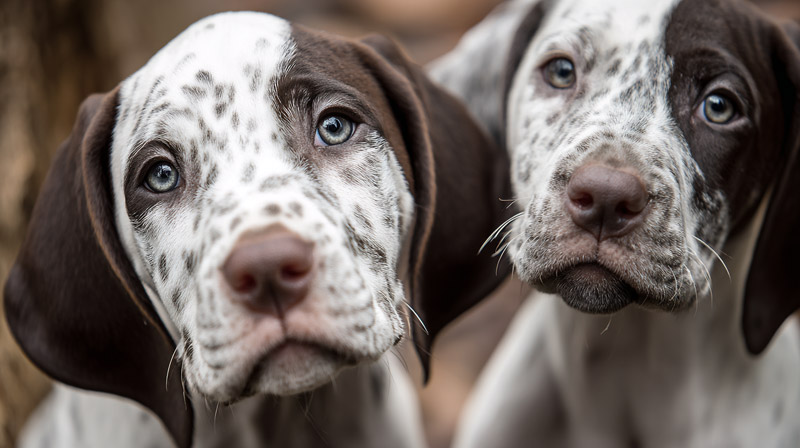
Puppy Socialization Windows Critical period occurs between 8-16 weeks old. Expose puppies to various people, animals, and environments safely.
Puppy classes provide controlled socialization opportunities. Choose classes requiring vaccination proof.
Exposure to Different Environments Introduce car rides, urban sounds, different surfaces, and weather conditions gradually.
Essential exposures:
- Strangers of all ages
- Other dogs and animals
- Loud noises (gunfire for hunting prospects)
- Different walking surfaces
- Handling by veterinarians and groomers
Meeting New People and Animals Supervise all interactions initially. Pointers’ enthusiasm can overwhelm smaller dogs or nervous people.
Teach proper greeting behavior early. Jumping becomes problematic with their size and energy.
Common Behavioral Issues
Excessive Barking and Vocalization Pointers bark when excited, bored, or alerting to game birds. Address root causes rather than symptoms.
Mental stimulation and adequate exercise reduce attention-seeking barking.
Jumping and Over-Excitement Size makes jumping dangerous around children and elderly people. Consistent training prevents this behavior.
Ignore jumping completely. Attention rewards unwanted behavior even when correcting.
Unlike calmer breeds such as Bullmastiff dogs, Pointers express excitement physically.
Separation Anxiety Management Gradual departures prevent anxiety development. Start with 5-minute absences and increase slowly.
Provide puzzle toys and safe chews during alone time. Crate training creates security.
Positive Reinforcement Techniques
Reward-Based Training Methods High-value treats motivate better than punishment. Use small, soft treats for quick consumption during training.
Timing matters critically. Reward within 3 seconds of desired behavior.
Consistency in Commands All family members must use identical commands. Mixed signals confuse dogs and slow progress.
Common command variations to avoid:
- “Sit” vs “Sit down”
- “Come” vs “Come here”
- “Stay” vs “Wait”
Patience and Persistence Strategies Young Pointers test boundaries regularly. Maintain consistent responses without losing temper.
Training sessions work best at 5-10 minutes for puppies, 15-20 minutes for adults. End on successful notes.
Professional trainers help with stubborn behaviors. Group classes provide socialization benefits alongside training.
Choosing an English Pointer
Finding Reputable Breeders
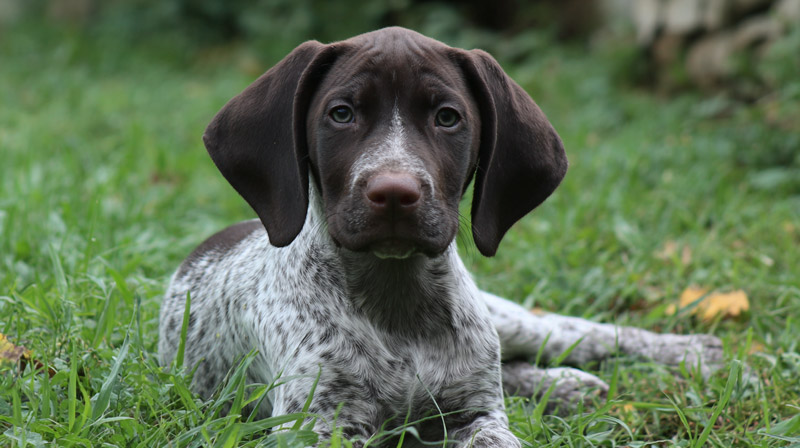
Health Testing and Certifications Verify hip dysplasia clearances through Orthopedic Foundation for Animals (OFA). Eye clearances from Canine Eye Registration Foundation (CERF) confirm genetic health.
Request documentation for both parent dogs. Responsible breeders test breeding stock annually.
Required health screenings:
- Hip dysplasia evaluation
- Progressive retinal atrophy (PRA)
- Cardiac examination
- Thyroid function testing
Breeding Practices and Ethics Quality breeders limit breeding frequency to maintain dam health. No more than one litter per year per female.
Avoid puppy mills advertising multiple breeds or constant availability. Reputable breeders often have waiting lists.
Meeting Parent Dogs Observe temperament in both parents when possible. Sire may live elsewhere, but dam should be available.
Parent behavior predicts puppy personality. Shy or aggressive parents often produce similar offspring.
Unlike more common breeds such as Golden Retriever dogs, finding quality Pointer breeders requires more research.
Rescue and Adoption Options
Pointer-Specific Rescue Organizations Breed-specific rescues understand Pointer needs better than general shelters. Volunteers often have extensive breed experience.
National organizations coordinate with local chapters. Online databases list available dogs by region.
General Shelter Considerations Mixed breeds with Pointer genetics appear in shelters regularly. These dogs often need similar care as purebreds.
Ask about exercise history and behavior with other animals. Shelter evaluations provide basic temperament information.
Adult Dog Adoption Benefits Adult dogs skip destructive puppy phases. Personality is established, eliminating guesswork about adult temperament.
House training is often complete. Energy levels are predictable and established.
Preparing for Your New Dog
Supplies and Equipment Needed Essential items:
- Crate sized for adult dog
- Food and water bowls (stainless steel preferred)
- High-quality puppy or adult food
- Collar and leash
- ID tags with contact information
- Dog bed and blankets
- Appropriate toys for chewing
Training supplies:
- Treat pouch for rewards
- Long training leash (30 feet)
- Clicker for marker training
- Baby gates for house management
Home Preparation Checklist Secure fencing before bringing dog home. Check for gaps or weak spots that allow escape.
Remove toxic plants and secure household chemicals. Pointers investigate everything with their mouths.
Puppy-proofing priorities:
- Electrical cords out of reach
- Small objects that pose choking hazards
- Trash cans with secure lids
- Shoes and clothing in closets
Unlike less active breeds such as Pekingese dogs, Pointers require extensive preparation for their energy needs.
First Days and Weeks Expectations Adjustment period lasts 2-3 weeks minimum. Expect accidents, anxiety, and testing of boundaries.
Establish routines immediately. Consistent feeding, exercise, and sleep schedules reduce stress.
Week one priorities:
- Veterinary examination within 72 hours
- Begin house training routine
- Start basic command training
- Gradual introduction to family members
- Limited exposure to prevent overwhelming
Common early challenges:
- Sleep disruption from anxiety or excitement
- Appetite changes from stress
- Destructive behavior from boredom
- Excessive vocalization in new environment
Professional training classes should begin after full vaccination series around 16 weeks old. Early puppy classes may be available with veterinary approval.
FAQ on English Pointer
Are English Pointers good family dogs?
English Pointers make excellent family pets when properly exercised. Their gentle nature and loyalty create strong bonds with children and adults. However, their high energy requires active households willing to provide 2+ hours of daily exercise and mental stimulation.
How much exercise do English Pointers need daily?
Adult Pointers require 90-120 minutes of vigorous exercise daily. This includes running, hiking, swimming, or field work. Unlike less active breeds such as Bulldog dogs, simple walks don’t satisfy their athletic needs and energy levels.
Do English Pointers shed a lot?
Moderate shedding occurs year-round with heavier periods during spring and fall. Weekly brushing controls loose hair effectively. Their short coat requires minimal grooming compared to breeds like Golden Retriever dogs but still needs regular maintenance.
Are English Pointers easy to train?
Pointers respond well to positive reinforcement training methods. Their intelligence and eagerness to please make basic obedience achievable. However, their hunting instincts require experienced handling, especially around small animals and birds in the environment.
What health problems do English Pointers have?
Common issues include hip dysplasia, progressive retinal atrophy, and bloat. Responsible breeding practices and health testing reduce risks significantly. Regular veterinary care and proper nutrition help maintain their 12-14 year average lifespan and overall wellness.
How big do English Pointers get?
Males reach 25-28 inches tall and weigh 55-75 pounds. Females measure 23-26 inches and weigh 45-65 pounds. They achieve adult size around 18 months old, making them medium to large sporting dogs requiring adequate space for movement.
Can English Pointers live in apartments?
Apartment living proves challenging without dedicated outdoor access. These athletic dogs need large spaces for exercise and mental stimulation. Urban owners must commit to daily trips to dog parks or hiking trails to meet their substantial activity requirements.
Are English Pointers good with other pets?
Socialized Pointers generally get along well with other dogs. However, strong hunting instincts make them challenging around cats and small pets. Early socialization helps, but supervision remains necessary due to their natural bird dog genetics and prey drive.
How long do English Pointers live?
Average lifespan ranges 12-14 years with proper care. Quality nutrition, regular exercise, preventive veterinary care, and genetic health testing maximize longevity. Senior dogs benefit from adjusted activity levels and joint supplements to maintain quality of life.
What colors do English Pointers come in?
Standard colors include liver and white, orange and white, lemon and white, and black and white. Liver and white remains the most common color combination. All colors feature the breed’s distinctive short, smooth coat texture and athletic build.
Conclusion
The English Pointer stands out as an exceptional sporting breed that rewards dedicated owners with unwavering loyalty and remarkable athletic ability. Their pointing instincts and field work capabilities make them legendary among gun dog enthusiasts worldwide.
Success with this breed requires honest assessment of your lifestyle and commitment levels. These energetic dogs thrive with active families who understand their substantial exercise requirements and mental stimulation needs.
Key considerations for ownership:
- Daily exercise commitment of 90+ minutes
- Consistent training using positive reinforcement methods
- Adequate space for running and exploration
- Regular veterinary care and health screening
- Patient socialization with children and other pets
Whether you choose a puppy from champion bloodlines or adopt an adult from rescue organizations, proper preparation ensures a rewarding relationship. Their gentle temperament, combined with incredible focus and concentration abilities, creates bonds that last their entire 12-14 year lifespan.
The investment in time and energy pays dividends through years of companionship with one of the canine world’s most devoted hunting partners.