Few dogs combine the hunting heritage of Wales with such unwavering family devotion as the Welsh Springer Spaniel. This medium-sized sporting dog captivates owners with its distinctive red and white coat and gentle, eager-to-please temperament.
Welsh Springers remain relatively uncommon compared to their English Springer Spaniel cousins, making accurate breed information crucial for prospective owners. Many people mistake them for other spaniel breeds or underestimate their exercise requirements and intelligence.
This guide covers everything from their Welsh origins to daily care needs, training methods, and health considerations. You’ll discover whether this affectionate and active breed matches your lifestyle and learn how to provide the best possible care.
Whether you’re considering adding a Welsh Springer to your family or already share your home with one, this comprehensive resource will help you understand and appreciate this remarkable loyal companion.
Welsh Springer Spaniel Breed Statistics
| Characteristic | Details |
|---|---|
| Size | Medium |
| Weight | 35-55 lbs (Males: 45-55 lbs, Females: 35-45 lbs) |
| Height | 17-19 inches |
| Lifespan | 12-15 years |
| Energy Level | High |
| Exercise Needs | 90+ minutes daily |
| Trainability | High |
| Intelligence | Above average |
| Shedding | Moderate |
| Grooming Needs | Moderate to high |
| Good with Kids | Excellent |
| Good with Pets | Good with proper socialization |
| Barking Level | Moderate |
| Climate Tolerance | Moderate (prefers cooler climates) |
| Apartment Living | Possible with sufficient exercise |
| Coat Type | Double coat, silky texture |
| Coat Colors | Red and white only |
| AKC Group | Sporting |
| Origin | Wales |
| Purpose | Hunting, flushing, retrieving |
| Common Health Issues | Hip dysplasia, epilepsy, eye problems |
| Puppy Price Range | $1,200 – $2,500 |
| Ideal Owner | Active families, experienced dog owners |
Meet the Welsh Springer Spaniel
The Welsh Springer Spaniel stands as one of Wales’ most treasured sporting dog breeds. This medium-sized companion combines centuries of hunting heritage with a gentle family temperament.
Origins and History in Wales
Welsh farmers and hunters developed this breed in the valleys of Wales during the 1700s. Historical records show these red and white spaniels working alongside hunters in the rugged Welsh countryside.
The breed nearly disappeared during World War I when breeding programs stopped. Dedicated Welsh breeders worked tirelessly to revive the bloodlines in the 1920s.
Breed Recognition and Development
The Kennel Club in Britain first recognized the Welsh Springer Spaniel in 1902. The American Kennel Club followed suit in 1906, placing them in the sporting group.
Early breed standards emphasized the distinctive red and white coat pattern. Breeders focused on maintaining the breed’s natural hunting abilities while developing their family-friendly nature.
What Makes Them Different from English Springer Spaniels
Welsh Springers are notably smaller than their English Springer Spaniel cousins. They typically weigh 35-55 pounds compared to the English variety’s 45-55 pounds.

The coat color sets them apart completely. Welsh Springers only come in red and white, while English Springers appear in liver and white or black and white combinations.
Temperament differences are subtle but important. Welsh Springers tend to be more reserved with strangers initially. They bond more intensely with their immediate family members.
Key Physical and Personality Traits
This active dog breed displays remarkable loyalty and affection toward their owners. Their intelligence makes them highly trainable for both hunting work and family life.
Welsh Springers possess natural water retrieval instincts. Many owners discover their dogs love swimming and fetching from ponds or lakes.
Their energetic nature requires consistent daily exercise. Without proper activity, they can develop destructive behaviors or excessive barking.
Physical Characteristics and Appearance
Size, Weight, and Body Structure
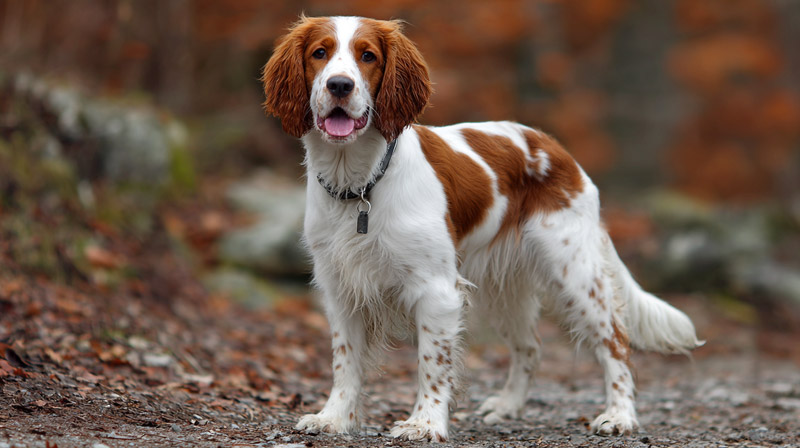
Adult Welsh Springers stand 17-19 inches tall at the shoulder. Males typically weigh 45-55 pounds, while females range from 35-45 pounds.
Their compact, athletic build reflects generations of working dog breeding. The body length slightly exceeds their height, creating a rectangular silhouette.
Strong, muscular hindquarters provide the power needed for jumping and retrieving. Their chest is deep enough to house strong lungs for endurance work.
Coat Color and Markings
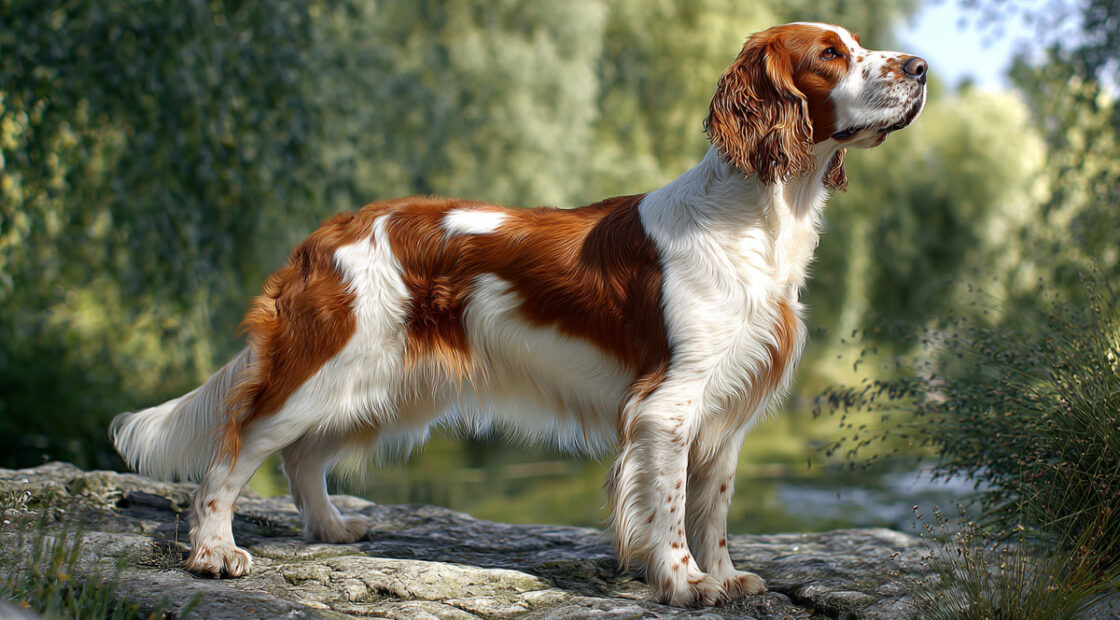
The breed’s signature red and white coat comes in rich, vibrant shades. Red can range from deep mahogany to lighter orange tones.
White markings appear on the chest, legs, face, and tail tip. Some dogs have a white blaze running up their face between the eyes.
The coat feels silky and flat against the body. Feathering appears on the ears, chest, legs, and tail, adding elegance to their appearance.
Facial Features and Expression
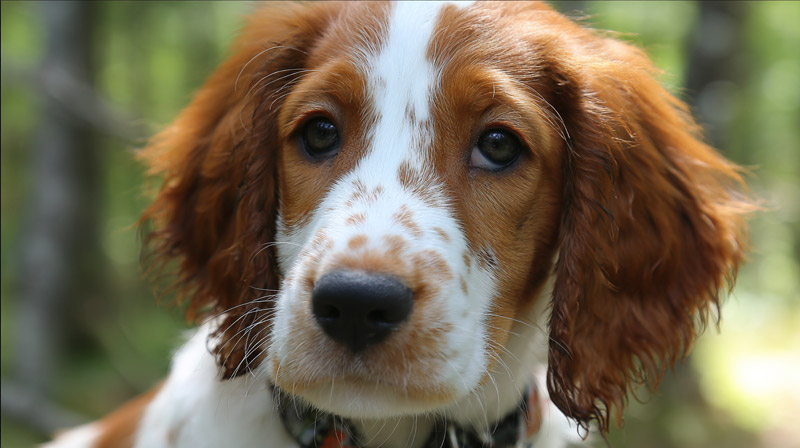
Oval-shaped, dark eyes convey intelligence and gentleness. The eyes should never appear prominent or sunken.
Medium-length ears hang close to the head with rounded tips. Ear care becomes important since the hanging ears can trap moisture and debris.
Their muzzle appears square and substantial without being coarse. A black nose provides contrast against the red and white coloring.
Tail, Ears, and Movement
The tail carries low and moves constantly when the dog is happy or excited. Docking is optional and depends on intended use and local regulations.
Movement should appear effortless and ground-covering. Their gait demonstrates the endurance bred for long hunting days.
Well-angulated shoulders and hindquarters contribute to their fluid movement. Poor structure shows up quickly in working situations.
Seasonal Coat Changes
Welsh Springers shed moderately year-round with heavier periods in spring and fall. Regular brushing helps manage loose hair during these times.
The coat may appear thicker and more lustrous in winter months. Summer coats often look sleeker and lighter in color.
Puppies are born with softer, fluffier coats that gradually develop the adult texture. Adult coat characteristics typically establish by 12-18 months of age.
Temperament and Personality
Affectionate Nature with Family
Welsh Springers form incredibly strong bonds with their human families. They often choose one person as their special favorite while remaining loving with everyone.
These dogs crave physical contact and emotional connection. Don’t be surprised to find your Welsh Springer leaning against your legs or trying to sit in your lap.
Their affectionate nature makes them excellent therapy dog candidates. Many excel in visiting hospitals, nursing homes, and schools.
Energy Levels and Activity Needs
This breed requires substantial daily exercise to maintain mental and physical health. A tired Welsh Springer is a well-behaved Welsh Springer.
Morning and evening exercise sessions work best for most families. These dogs adapt their energy to match their owner’s activity level throughout the day.
Young Welsh Springers (under 2 years) need careful exercise management. Too much high-impact activity can damage developing joints.
Loyalty and Bonding Tendencies
Loyalty defines the Welsh Springer Spaniel personality more than any other trait. They become devoted family members who genuinely want to please.
Separation anxiety can develop if they’re left alone too frequently. Gradual conditioning helps them learn to cope with brief absences.
Their pack mentality makes them naturally protective without being aggressive. They’ll alert you to visitors but rarely show hostility toward strangers.
Behavior with Children
Welsh Springers typically love children and show remarkable patience with young family members. Their gentle mouth makes them safe around toddlers.
Socialization during puppyhood helps ensure positive relationships with children. Early exposure prevents any resource guarding or territorial behaviors.
These dogs often become a child’s constant companion and protector. They seem to understand the need for gentler play with smaller humans.
Social Nature and Friendliness
Most Welsh Springers are naturally friendly once properly introduced to new people. They prefer gradual introductions rather than overwhelming social situations.
Dog parks can work well if your Welsh Springer is properly socialized. They generally play well with other dogs of similar energy levels.
Cat relationships depend heavily on early socialization. Many Welsh Springers live peacefully with cats when raised together from puppyhood.
Intelligence and Trainability
Welsh Springers rank among the more intelligent spaniel breeds. They learn quickly and retain training well when methods remain consistent.
Positive reinforcement works far better than harsh corrections with this sensitive breed. They shut down emotionally when handled roughly.
Their eagerness to please makes them naturally trainable for most activities. However, they can be independent thinkers during hunting situations.
Problem-solving abilities shine during training sessions. Many owners are surprised by their dog’s ability to figure out complex tasks independently.
Exercise and Activity Requirements
Daily Exercise Needs
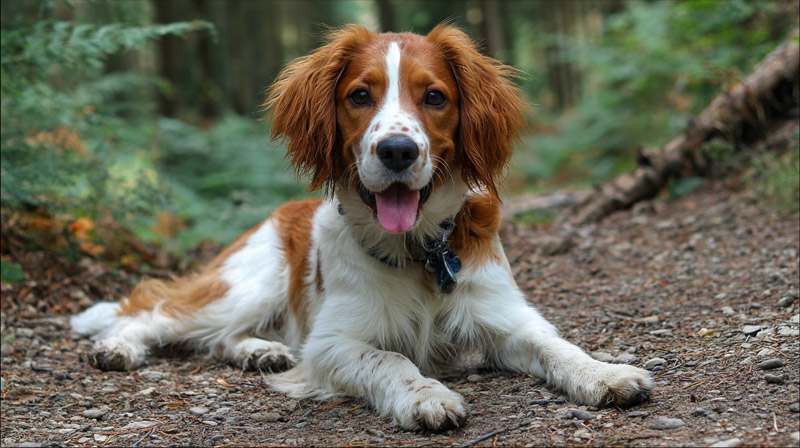
Welsh Springers need 90 minutes of activity daily to stay physically and mentally balanced. This breaks down into multiple sessions rather than one marathon workout.
Morning walks should last 30-45 minutes with opportunities for sniffing and exploring. Evening sessions can focus more on active play and training.
Weekend adventures provide excellent outlets for their sporting dog heritage. Hiking trails, beaches, and dog parks offer varied terrain and stimulation.
Mental Stimulation Requirements
Physical exercise alone won’t satisfy this intelligent breed’s needs. Mental challenges prevent destructive behaviors that stem from boredom.
Puzzle toys, treat-dispensing balls, and hide-and-seek games engage their problem-solving abilities. Rotate toys weekly to maintain novelty and interest.
Training sessions double as mental workouts. Short 10-15 minute sessions throughout the day work better than lengthy training marathons.
Best Activities and Sports
Their natural bird dog instincts make them excellent candidates for field trials and hunt tests. Many Welsh Springers excel in these traditional sporting events.
Agility training suits their athletic build and eagerness to please. The sport provides physical exercise while strengthening the human-dog bond.
Swimming ranks among their favorite activities thanks to their water retriever heritage. Lakes, rivers, and dog-friendly beaches offer perfect exercise venues.
Popular Welsh Springer Activities
- Field work and hunting
- Agility competitions
- Dock diving
- Hiking and backpacking
- Fetch games
- Swimming and water sports
Indoor vs Outdoor Exercise Options
Rainy days require creative indoor solutions for this active breed. Stair climbing, treadmill work, and indoor fetch help maintain fitness levels.
Interactive feeding toys slow down mealtimes while providing mental stimulation. Food puzzles can occupy 20-30 minutes of concentrated effort.
Outdoor activities remain preferable whenever weather permits. Fresh air and varied terrain offer sensory experiences impossible to replicate indoors.
Age-Appropriate Activity Levels
Puppies under 18 months need careful exercise management to protect developing joints. Short, frequent play sessions work better than extended activities.
Adult Welsh Springers (2-7 years) can handle the most demanding exercise routines. This peak period allows for intensive training and conditioning.
Senior dogs require modified activities that accommodate aging bodies. Swimming and gentle walks often replace high-impact sports.
Training Your Welsh Springer Spaniel
Basic Obedience Training
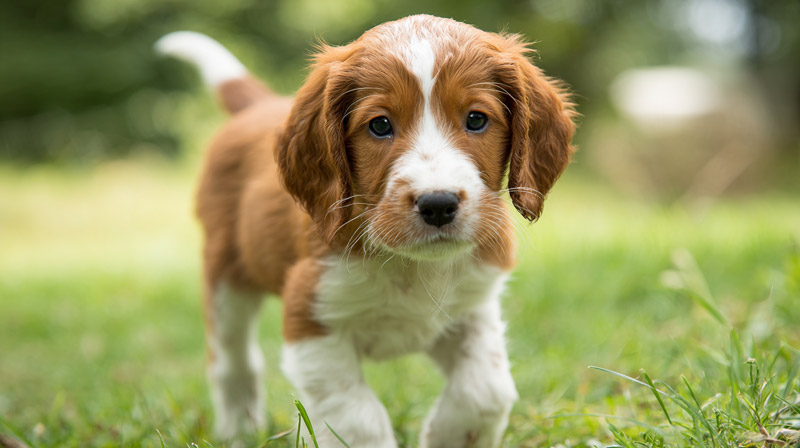
Start obedience training as early as 8 weeks old when puppies are most receptive to learning. Consistency in commands and expectations accelerates progress.
Essential commands include sit, stay, come, down, and heel. Master these basics before advancing to more complex training scenarios.
Positive reinforcement methods work exceptionally well with this sensitive breed. Food rewards, praise, and play create eager, willing students.
House Training and Crate Training
Crate training provides a safe space while preventing destructive behavior when unsupervised. Choose a crate large enough for adult size but use dividers for puppies.
Establish regular feeding and elimination schedules to accelerate house training. Take puppies outside every 2-3 hours and immediately after meals.
Accidents will happen during the learning process. Clean thoroughly with enzymatic cleaners to eliminate odors that might encourage repeat incidents.
House Training Timeline
- Week 1-2: Constant supervision, frequent outdoor trips
- Week 3-4: Extended periods between breaks
- Month 2-3: Reliable indoor behavior with occasional lapses
- Month 4+: Fully house trained with rare accidents
Socialization Needs
The critical socialization period occurs between 3-14 weeks of age. Expose puppies to various people, animals, sounds, and environments during this window.
Puppy classes provide structured socialization opportunities with other dogs and people. Look for classes that emphasize positive experiences over dominance-based methods.
Adult dogs benefit from continued social exposure, though progress may come more slowly. Gradual, positive introductions help build confidence.
Dealing with Stubbornness
Welsh Springers can display selective hearing when distracted by interesting scents or sights. This isn’t true stubbornness but rather breed-specific focus.
Recall training requires extra patience and practice in gradually increasing distractions. Start indoors, progress to fenced yards, then advance to open areas.
High-value treats and enthusiastic praise help compete with environmental distractions. Make coming to you the best part of your dog’s day.
Advanced Training Opportunities
Many Welsh Springers excel in canine sports like agility, rally, and competitive obedience. These activities channel their intelligence and energy positively.
Therapy dog certification suits well-socialized, calm individuals. The breed’s gentle nature makes them excellent candidates for hospital and school visits.
Hunting training taps into their genetic heritage and provides deeply satisfying work. Even non-hunting families can explore retrieving games and scent work.
Common Training Challenges
Separation anxiety affects some Welsh Springers who bond intensely with their families. Gradual conditioning to alone time prevents destructive behaviors.
Jumping on people stems from their enthusiastic, affectionate nature. Teach alternative greeting behaviors like sitting for attention.
Chewing habits typically indicate insufficient mental stimulation or teething in young dogs. Provide appropriate outlets and rotate chew toys regularly.
Grooming and Coat Care
Brushing Schedule and Techniques
Daily brushing prevents matting and reduces shedding around the house. Focus extra attention on feathered areas where tangles form most readily.
Use a slicker brush for general coat maintenance and a metal comb for feathered areas. Work through the coat systematically from head to tail.
Brushing sessions also provide bonding time and health checks. Look for cuts, bumps, or skin irritations while grooming.
Bathing Requirements
Welsh Springers need baths every 6-8 weeks under normal circumstances. More frequent bathing strips natural oils that protect their coat and skin.
Active dogs who swim regularly may need fewer traditional baths. Rinse with fresh water after swimming to remove chlorine or salt.
Use dog-specific shampoos that match their coat type. Harsh human products can cause skin irritation and dull the coat’s natural shine.
Bathing Steps
- Brush thoroughly before wetting
- Use lukewarm water temperature
- Work shampoo through completely
- Rinse until water runs clear
- Towel dry and brush again
Ear Care and Cleaning
Hanging ears create warm, moist environments perfect for bacterial growth. Weekly ear cleaning prevents infections and removes accumulated debris.
Use veterinarian-approved ear cleaning solutions rather than home remedies. Cotton balls work better than cotton swabs for safety.
Signs of ear problems include head shaking, scratching, odor, or discharge. Contact your veterinarian if these symptoms appear.
Nail Trimming and Dental Care
Nail trimming every 2-3 weeks prevents overgrowth and splitting. Start handling paws early to make the process easier throughout your dog’s life.
Regular dental care prevents tartar buildup and gum disease. Daily tooth brushing represents the gold standard for oral health.
Dental chews and toys provide supplemental cleaning between brushing sessions. Choose products approved by veterinary dental associations.
Professional Grooming Needs
Most Welsh Springer owners can handle basic grooming at home with proper tools and techniques. Professional grooming every 3-4 months helps maintain coat health.
Show dogs require more intensive grooming to meet breed standards. Professional groomers understand the specific trimming patterns for competition.
Nail grinding, anal gland expression, and ear plucking are services many owners prefer leaving to professionals.
Managing Shedding
Welsh Springers are moderate shedders with heavier periods in spring and fall. Regular brushing dramatically reduces loose hair around the house.
High-quality diet supports healthy coat growth and reduces excessive shedding. Look for foods with omega fatty acids and quality protein sources.
Vacuum frequently during shedding seasons and consider washable furniture covers. Accept that some dog hair is part of life with this breed.
Health and Wellness
Common Health Issues in the Breed
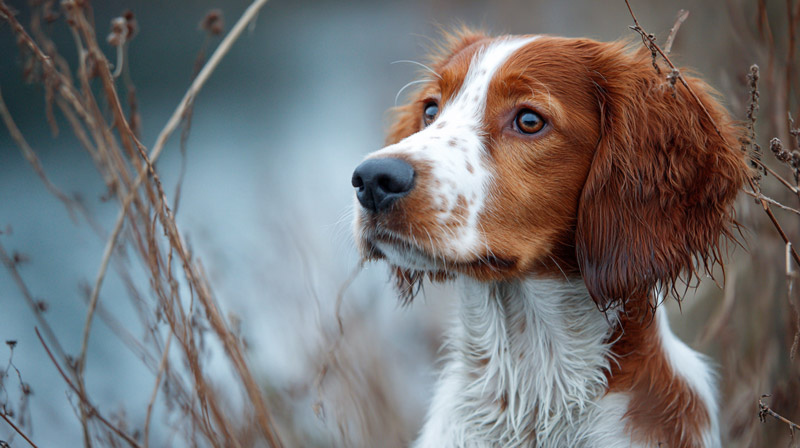
Welsh Springers are generally healthy dogs with fewer genetic problems than many purebreds. However, certain conditions appear more frequently in this breed than others.
Hip dysplasia affects approximately 15-20% of Welsh Springers according to recent health surveys. This joint malformation can cause pain and mobility issues if severe.
Eye problems, particularly progressive retinal atrophy, occur in some bloodlines. Annual eye exams help detect problems early when treatment options remain viable.
Hip and Elbow Dysplasia
Elbow dysplasia appears less frequently than hip issues but can be equally debilitating. Both conditions stem from improper joint formation during growth.
Responsible breeders screen breeding stock through OFA or PennHIP evaluations. Ask to see health clearances before purchasing a puppy.
Weight management and controlled exercise during puppyhood help reduce dysplasia risks. Avoid high-impact activities until growth plates close around 18 months.
Risk Factors for Joint Problems
- Genetics (most important factor)
- Rapid growth in puppyhood
- Excess weight
- Inappropriate exercise timing
- Poor nutrition during development
Eye Problems and Testing
CERF testing (now called CAER) should be performed annually on breeding dogs. This comprehensive eye exam detects hereditary conditions before they progress.
Progressive retinal atrophy causes gradual vision loss starting with night blindness. Dogs adapt well to vision loss when it occurs slowly.
Cataracts can develop at any age but appear most commonly in middle-aged dogs. Surgical removal is possible in severe cases affecting quality of life.
Epilepsy and Neurological Concerns
Epilepsy affects roughly 5% of Welsh Springers, typically appearing between 1-3 years of age. Seizures range from mild focal episodes to generalized convulsions.
Most epileptic dogs live normal lives with proper medication management. Work closely with a veterinary neurologist for best outcomes.
Stress, excitement, and certain triggers can precipitate seizures in susceptible dogs. Maintaining calm environments helps reduce episode frequency.
Preventive Care and Regular Checkups
Annual veterinary exams catch problems early when treatment remains most effective. Senior dogs benefit from twice-yearly checkups starting around age 7.
Vaccination schedules protect against dangerous infectious diseases. Follow your veterinarian’s recommendations based on local disease risks.
Parasite prevention includes monthly heartworm preventatives and flea/tick control. Year-round protection works better than seasonal approaches in most climates.
Expected Lifespan
Welsh Springers typically live 12-15 years with proper care and nutrition. This lifespan compares favorably to many medium-sized breeds.
Quality of life matters more than absolute longevity. Regular exercise, mental stimulation, and veterinary care contribute to healthy aging.
Genetics play the largest role in determining individual dog age and health outcomes. Choose puppies from health-tested parents when possible.
Nutrition and Feeding
Dietary Requirements by Life Stage
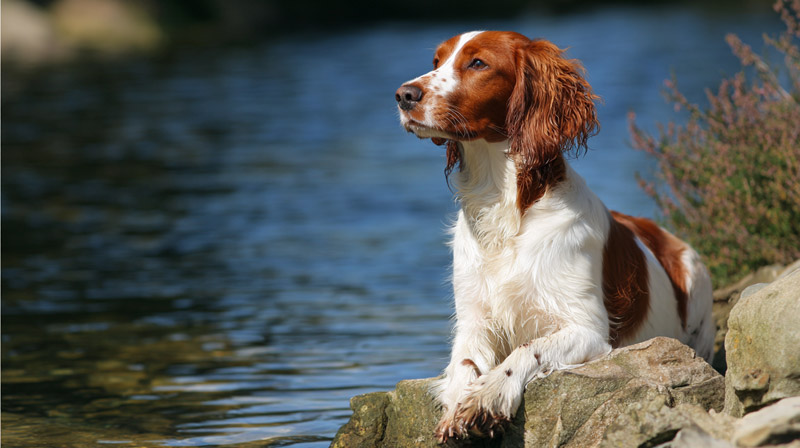
Puppy food should contain 25-30% protein and 12-15% fat to support rapid growth. Switch to adult food around 12-15 months when growth slows.
Adult Welsh Springers thrive on high-quality diets with 20-25% protein and 10-12% fat. Active dogs may need higher fat content for energy.
Senior dogs often benefit from reduced calories and increased fiber to prevent weight gain. Joint supplements become more important after age 7.
Choosing the Right Food
Look for foods where meat appears as the first ingredient. Avoid foods with excessive fillers like corn, wheat, or by-product meals.
Premium dog foods cost more initially but often provide better nutrition per serving. Higher digestibility means smaller portions and less waste.
Grain-free diets aren’t necessary unless your dog has specific allergies. Recent research links some grain-free foods to heart problems.
Quality Food Characteristics
- Named meat protein as first ingredient
- No artificial colors or preservatives
- AAFCO feeding trial statement
- Appropriate life stage formulation
- Reputable manufacturer with quality control
Feeding Schedule and Portions
Adult dogs should eat twice daily rather than once to prevent bloat and aid digestion. Feeding schedules help with house training and routine.
Portion sizes depend on age, activity level, and individual metabolism. Start with package recommendations and adjust based on body condition.
Use measuring cups rather than estimating portions. Food scales provide the most accurate measurements for consistent feeding.
Treats and Training Rewards
Training treats should comprise no more than 10% of daily calories to prevent nutritional imbalances. Choose small, easily digestible options.
High-value rewards like freeze-dried liver or cheese work well for difficult training situations. Save these special treats for challenging lessons.
Avoid giving table scraps that can cause digestive upset or unwanted begging behaviors. Stick to dog-appropriate treats and chews.
Weight Management
Welsh Springers can gain weight easily, especially as they age or if exercise decreases. Obesity shortens lifespan and worsens joint problems.
You should feel ribs easily but not see them prominently. A visible waist tuck indicates healthy body condition.
Reduce portions by 10-15% if weight gain occurs, rather than switching to diet foods immediately. Increase exercise when possible.
Food Allergies and Sensitivities
True food allergies are uncommon, but sensitivities to specific proteins can develop. Chicken and beef cause reactions most frequently.
Elimination diets help identify problem ingredients when allergies are suspected. Work with your veterinarian to design appropriate trials.
Symptoms include itchy skin, ear infections, and digestive upset. Environmental allergies often mimic food sensitivities.
Living with a Welsh Springer Spaniel
Best Home Environments
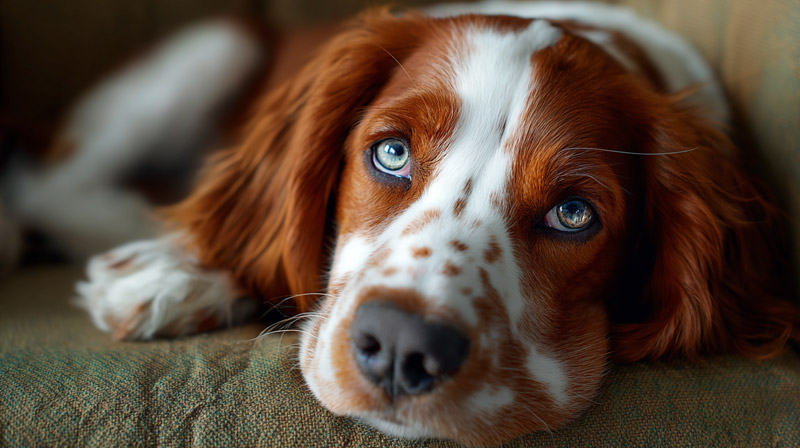
Welsh Springers adapt well to various living situations when their exercise needs are met. Active families provide the best matches for this energetic breed.
Houses with fenced yards offer ideal setups for safe off-leash exercise and play. The yard doesn’t need to be huge if supplemented with walks and outings.
Rural properties with space to roam satisfy their hunting heritage and natural instincts. However, proper recall training remains essential for safety.
Apartment Living Considerations
Apartment living works for Welsh Springers with committed owners who provide adequate exercise. Size matters less than activity level and mental stimulation.
Multiple daily walks, trips to dog parks, and indoor activities become essential in smaller spaces. Puzzle toys and training sessions help burn mental energy.
Neighbors may complain about barking if the dog becomes bored or anxious. Proper exercise and training prevent most noise issues.
Apartment Success Tips
- 2-3 walks daily minimum
- Access to dog parks or beaches
- Interactive toys and puzzles
- Regular training sessions
- Consistent routine
Yard and Space Requirements
A securely fenced yard allows for safe play and exploration. Welsh Springers can jump surprisingly high when motivated by interesting scents or sights.
Invisible fences work for some dogs but don’t prevent other animals from entering your property. Physical barriers provide better protection.
Swimming pools require safety measures since not all Welsh Springers swim naturally despite their water dog heritage. Pool covers and fencing prevent accidents.
Weather Tolerance
Welsh Springers handle moderate climates best, similar to their native Wales. They tolerate cool, damp weather better than extreme heat or cold.
Hot weather requires careful management since their coat provides insulation. Provide shade, fresh water, and limit exercise during peak temperatures.
Winter coats help in harsh climates, though many Welsh Springers enjoy snow and cold weather. Monitor for ice buildup between toes during winter walks.
Travel and Transportation
Most Welsh Springers travel well once accustomed to car rides. Start with short trips and gradually increase distance to prevent motion sickness.
Crate training makes travel safer and easier for everyone. Secure crates prevent injury during sudden stops or accidents.
Air travel requires careful planning and appropriate carriers. Many airlines have breed restrictions during hot weather months.
Multi-Pet Households
Welsh Springers generally get along well with other dogs when properly socialized. Early introduction and supervised interactions prevent territorial issues.
Cats require more careful management due to the breed’s hunting instincts. Dogs raised with cats from puppyhood typically coexist peacefully.
Smaller pets like rabbits or birds may trigger prey drive in some individuals. Always supervise interactions and provide escape routes for smaller animals.
Multi-Dog Considerations
- Similar energy levels work best
- Proper introduction protocols
- Separate feeding areas
- Individual attention for each dog
- Adequate space for all pets
Resource guarding can develop in multi-dog homes. Feed dogs separately and provide multiple beds, toys, and attention to prevent competition.
Finding and Choosing Your Welsh Springer Spaniel
Reputable Breeders vs Rescue Options

Reputable breeders provide health testing, early socialization, and lifetime support for their puppies. Research breeders carefully since Welsh Springers are relatively uncommon.
Breed-specific rescues occasionally have adult dogs or young adults available for adoption. These organizations understand the breed’s specific needs and temperament.
Rescue dogs often come with unknown histories but can make wonderful companions. Adult dogs skip the demanding puppy phase while still forming strong bonds.
What to Look for in a Breeder
Quality breeders welcome visits to see where puppies are raised and meet the parents. Clean facilities and healthy, well-socialized dogs indicate professional operations.
Health clearances should be available for both parents including hip, elbow, and eye testing. Reputable breeders perform genetic testing for hereditary conditions.
Ask about the breeder’s involvement in dog shows, field trials, or other activities that demonstrate commitment to breed quality.
Red Flags in Breeders
- Multiple litters available year-round
- Won’t allow facility visits
- No health testing documentation
- Puppies always available immediately
- Unusually low or high prices
- Poor facility conditions
Health Testing and Certifications
OFA certifications for hips and elbows provide standardized evaluation of joint health. Look for ratings of Good, Fair, or Excellent.
Eye clearances should be current within 12 months of breeding. CERF testing identifies hereditary eye problems before they manifest.
DNA testing screens for genetic conditions like Exercise Induced Collapse and other breed-specific disorders. Progressive breeders use comprehensive panels.
Puppy Selection Tips
Visit when puppies are 6-8 weeks old to observe personalities and interactions. Look for curious, confident puppies that approach strangers willingly.
Avoid extremely shy or overly aggressive puppies unless you have extensive experience with behavior modification. Moderate temperaments suit most families best.
Health screening should show clear eyes, clean ears, and appropriate weight for age. Puppies should move freely without limping or favoring legs.
Adoption Process and Costs
Expect to pay $1,200-2,500 for well-bred Welsh Springer puppies from health-tested parents. Championship bloodlines command higher prices.
Many breeders require applications and interviews to ensure good matches. This process protects both puppies and families from unsuitable placements.
Deposits typically hold puppies while completing health testing and vaccination schedules. Final selection often occurs around 7-8 weeks of age.
Red Flags to Avoid
Puppy mills mass-produce dogs without regard for health or temperament. Avoid operations selling multiple breeds or constant availability.
Backyard breeders lack proper health testing and breeding knowledge. Low prices often indicate corners cut on health care and genetics.
Internet sales without meeting parents or visiting facilities present significant risks. Legitimate breeders want to meet potential families in person.
Puppy Care and Early Development
Preparing Your Home for a Puppy

Puppy-proofing prevents accidents and protects belongings from sharp puppy teeth. Remove small objects, secure electrical cords, and block access to dangerous areas.
Set up feeding stations, sleeping areas, and designated potty spots before bringing your puppy home. Consistency helps establish routines quickly.
Purchase essential supplies including crates, beds, toys, food, and grooming tools. Quality items last longer and provide better value than cheap alternatives.
Essential Puppy Supplies
- Appropriately sized crate
- Food and water bowls
- High-quality puppy food
- Collar, leash, and ID tags
- Variety of safe toys
- Grooming supplies
- Cleaning materials for accidents
First Few Weeks at Home
The first 48 hours determine how quickly puppies adjust to new environments. Maintain calm, consistent routines to reduce stress and anxiety.
House training begins immediately with frequent outdoor trips and praise for appropriate elimination. Expect accidents during the learning process.
Sleep schedules vary widely among individual puppies. Some sleep through the night immediately while others need midnight potty breaks for weeks.
Vaccination and Health Schedule
Puppy vaccines typically begin at 6-8 weeks with boosters every 3-4 weeks until 16 weeks old. Follow your veterinarian’s recommended schedule.
Avoid public areas until vaccination series completes to prevent exposure to dangerous diseases. Parvovirus and distemper pose serious threats to young puppies.
Spay and neuter timing varies based on recent research and intended activities. Discuss optimal timing with your veterinarian.
Early Socialization Window
The critical socialization period ends around 14 weeks, making early exposure crucial. Introduce puppies to various people, animals, sounds, and experiences.
Puppy classes provide structured socialization opportunities with other vaccinated dogs. Look for positive-reinforcement based training methods.
Car rides, different surfaces, and handling exercises prepare puppies for adult life. Make all experiences positive through treats and praise.
Puppy Training Basics
Crate training teaches puppies to view their crate as a safe haven rather than punishment. Feed meals in crates and provide comfortable bedding.
Basic commands like sit, stay, and come should begin as early as 8 weeks. Short, frequent training sessions work better than lengthy lessons.
Positive reinforcement builds confidence and eagerness to learn. Harsh corrections can damage the sensitive puppy psyche permanently.
Common Puppy Challenges
Chewing behavior peaks during teething periods around 4-6 months. Provide appropriate outlets and redirect inappropriate chewing immediately.
Separation anxiety can develop if puppies aren’t gradually conditioned to alone time. Practice brief departures and returns without fanfare.
Biting and mouthing are normal puppy behaviors that require consistent redirection. Teach bite inhibition through appropriate play and training.
Activities and Working Roles
Hunting and Field Work Heritage
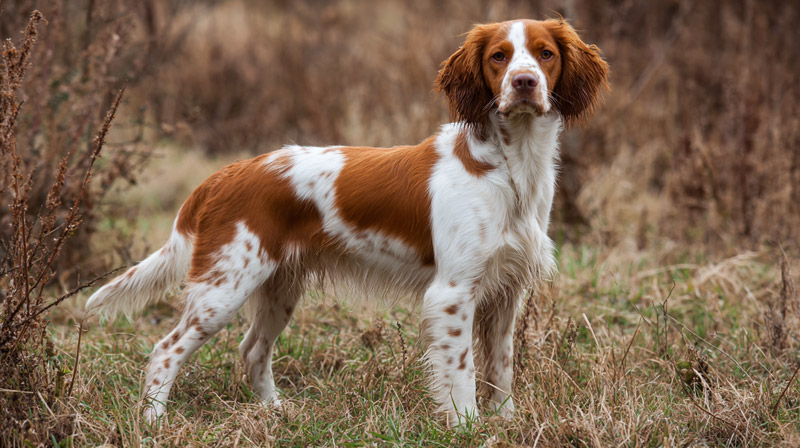
Welsh Springers were bred specifically for bird hunting in the challenging Welsh terrain. Their natural instincts include quartering, flushing, and retrieving game birds.
Field trials showcase these traditional abilities in competitive formats. Many pet owners discover their dogs possess strong hunting drives despite generations away from working lines.
Water retrieval comes naturally to most Welsh Springers thanks to their aquatic heritage. Swimming and dock diving provide outlets for these instincts.
Dog Sports and Competitions
Agility suits the breed’s athletic ability and eagerness to please. The sport strengthens bonds while providing physical and mental exercise.
Rally obedience combines obedience training with navigational challenges. The relaxed atmosphere suits the Welsh Springer’s sensitive nature.
Tracking and scent work tap into their natural hunting abilities. These activities provide mental stimulation and satisfy their need to use their noses.
Popular Welsh Springer Sports
- Field trials and hunt tests
- Agility competitions
- Rally and competitive obedience
- Tracking and scent work
- Dock diving
- Therapy dog work
Therapy and Service Dog Potential
The breed’s gentle, intuitive nature makes them excellent therapy dog candidates. Their size allows visits to hospitals, schools, and nursing homes.
Service dog training requires specific temperament traits that not all Welsh Springers possess. Professional evaluation determines suitability for this demanding work.
Pet therapy provides meaningful activities for dogs and owners while helping others. Training and certification ensure safe, effective visits.
Family Activities and Adventures
Hiking and camping suit the breed’s outdoor heritage and exercise needs. Their moderate size makes them excellent trail companions.
Beach visits combine swimming opportunities with new sensory experiences. Always check local leash laws and water conditions before visiting.
Backpacking adventures allow Welsh Springers to carry their own supplies in appropriately sized packs. Build endurance gradually over several months.
Mental Enrichment Games
Puzzle toys challenge problem-solving abilities while providing independent entertainment. Rotate toys weekly to maintain interest and novelty.
Hide-and-seek games with treats or toys engage natural hunting instincts. Start easy and gradually increase difficulty as skills develop.
Training sessions double as mental workouts when teaching new tricks or commands. Keep sessions short and positive for best results.
DIY Enrichment Ideas
- Frozen Kong toys with treats
- Cardboard boxes with hidden snacks
- Muffin tin puzzles with tennis balls
- Snuffle mats for food searches
- Obstacle courses using household items
Scent games provide the most satisfying mental exercise for this hunting breed. Hide treats around the house or yard for searching adventures.
FAQ on Welsh Springer Spaniel
Are Welsh Springers good family dogs?
Welsh Springers make excellent family pets with proper socialization and exercise. Their gentle, affectionate nature works well with children, though they need daily activity to prevent destructive behaviors from boredom.
How much exercise do they need daily?
This active breed requires 90 minutes of exercise daily, including walks, play, and mental stimulation. Without adequate activity, they can develop behavioral problems like excessive barking or chewing.
Do Welsh Springers shed a lot?
Welsh Springers are moderate shedders with heavier periods in spring and fall. Regular brushing helps manage loose hair, but expect some shedding year-round with their double coat.
What’s the difference between Welsh and English Springer Spaniels?
Welsh Springers are smaller (35-55 pounds vs 45-55 pounds) and only come in red and white. They’re typically more reserved with strangers than English Springer Spaniels but equally loyal to family.
Are they easy to train?
Welsh Springers are highly trainable due to their intelligence and eagerness to please. Positive reinforcement works best with this sensitive breed, avoiding harsh corrections that can damage their confidence.
What health problems do they have?
Common issues include hip dysplasia, epilepsy, and progressive retinal atrophy. Reputable breeders perform health testing on parents. Regular veterinary care and proper nutrition help prevent many problems.
How long do Welsh Springers live?
Welsh Springers typically live 12-15 years with proper care. Their lifespan depends on genetics, diet, exercise, and healthcare quality throughout their lives.
Do they get along with other pets?
Well-socialized Welsh Springers generally coexist peacefully with other dogs and cats. Early socialization is key, though their hunting instincts may trigger chase behaviors with smaller animals.
Are they good apartment dogs?
Welsh Springers can adapt to apartment living if owners provide sufficient exercise and mental stimulation. Without adequate activity, they become restless and potentially destructive in small spaces.
How much do Welsh Springer puppies cost?
Puppy prices range from $1,200-2,500 from reputable breeders with health testing. Championship bloodlines cost more. Avoid cheap puppies from puppy mills or backyard breeders lacking proper health clearances.
Conclusion
The Welsh Springer Spaniel offers devoted companionship for families who appreciate their unique blend of gentleness and athleticism. This medium-sized dog thrives with owners who understand their need for consistent exercise and mental challenges.
Success with this breed depends on matching their energy levels with your lifestyle. Daily walks, swimming opportunities, and training sessions keep them physically and mentally satisfied.
Their coat care requirements are manageable with regular brushing, while their health screening needs make choosing health-tested breeding stock crucial. Professional training helps channel their intelligence productively.
These gun dogs retain strong instincts that make them excellent candidates for dog sports and outdoor adventures. Their natural water retrieval abilities and field work heritage provide endless activity options.
Responsible ownership includes understanding their socialization needs and potential for separation anxiety. With proper care, nutrition, and veterinary attention, these remarkable sporting dogs become treasured family members for 12-15 years.
Consider your commitment to their exercise and grooming needs before welcoming this loyal breed home.