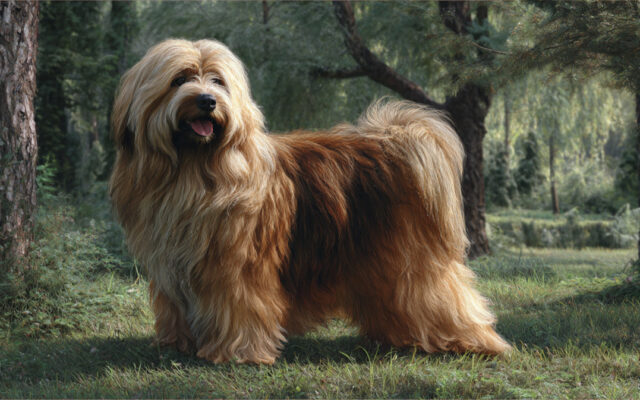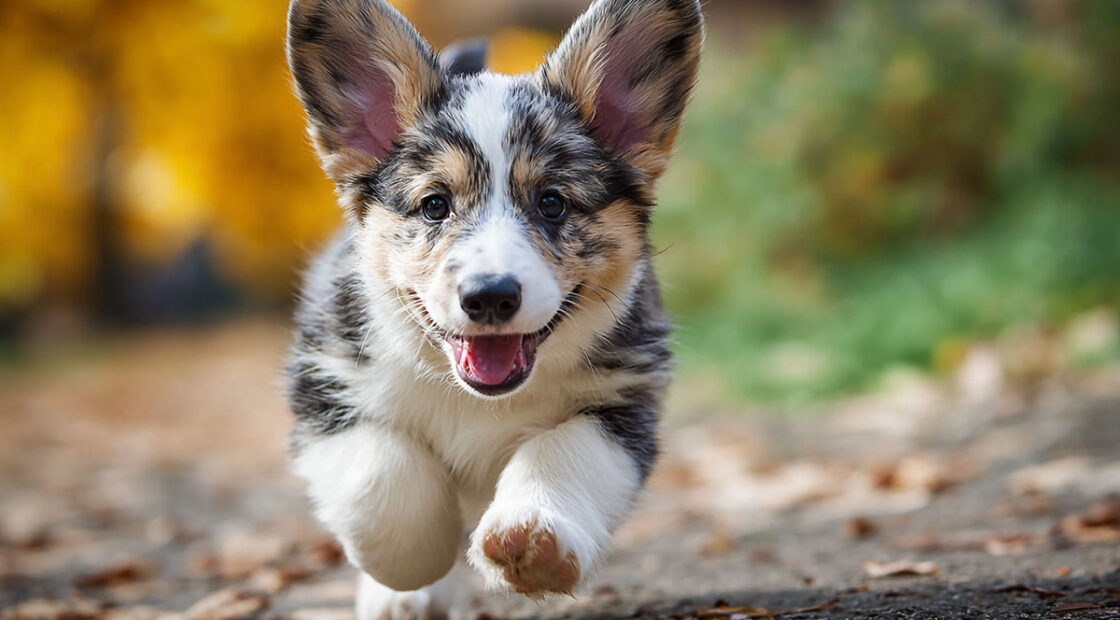
That fox-like face and sturdy build make the Cardigan Welsh Corgi instantly recognizable among dog breeds. These intelligent problem-solvers combine herding instincts with family devotion in ways that surprise new owners daily.
Welsh countryside origins shaped their independent thinking and calm confidence. Unlike their Pembroke cousins, Cardigans carry tails and display more reserved temperaments with strangers.
This comprehensive guide covers everything from puppy development stages through senior care considerations. You’ll discover their unique personality traits, training approaches that work, and health management strategies.
Essential topics include:
- Daily exercise requirements and mental stimulation needs
- Grooming routines for their weather-resistant double coat
- Common health conditions and prevention protocols
- Family integration and child-friendly interaction styles
Whether you’re considering adding a Cardigan to your family or already share your home with one, this guide provides practical insights for every life stage.
Cardigan Welsh Corgi Quick Stats
| Characteristic | Details |
|---|---|
| Size | Medium (25-38 lbs) |
| Height | 10.5-12.5 inches |
| Lifespan | 12-15 years |
| Energy Level | Moderate to High |
| Exercise Needs | 60-90 minutes daily |
| Grooming | Moderate (weekly brushing) |
| Shedding | High (seasonal) |
| Training | Moderate difficulty |
| Good with Kids | Yes (with supervision) |
| Good with Pets | Yes (with socialization) |
| Apartment Living | Yes |
| Climate Tolerance | Cold tolerant, heat sensitive |
| Barking Level | Moderate |
| Drooling | Low |
| Health Issues | Hip dysplasia, PRA, DM |
| Origin | Wales |
| AKC Group | Herding |
| Coat Type | Double coat |
| Colors | Red, brindle, blue merle, black |
| Temperament | Loyal, intelligent, independent |
The Cardigan Welsh Corgi Personality: What Makes Them Special
Core Temperament Traits
Loyal companions define the Cardigan’s character. These dogs form unbreakable bonds with their families.
Alert expression features mirror their sharp intelligence. Problem-solving abilities shine through daily interactions. My own Cardigan figured out how to open kitchen cabinets within weeks of arriving home.
Independent thinking sets them apart from other herding group breeds. They make decisions quickly. Sometimes those decisions clash with your plans.
Calm confidence characterizes their approach to new situations. Unlike nervous breeds, Cardigans assess before reacting. This Welsh herding dog temperament stems from centuries of working independently in the Welsh countryside.

Social Behavior with Family Members
Bonding patterns differ with adults versus children. Adults earn respect through consistent leadership. Children win hearts through gentle play and treat-giving.
Protective instincts emerge naturally without aggressive tendencies. My Cardigan positions herself between strangers and my kids. No growling. No snapping. Just steady presence.
Family routines become sacred to these dogs. Dinner at six? They’ll remind you at 5:55. Weekend sleep-ins? Forget it. Their internal clocks rival Swiss timepieces.
Affectionate but not clingy describes their attachment style perfectly. They want to be near you, not on you. Lap dogs they are not, despite their moderate size.
Interaction with Other Pets
Pack mentality runs deep in Cardigan genetics. Hierarchy establishment happens quickly with other dogs. Usually peaceful, sometimes pushy.
Multi-pet household dynamics require careful management. Introduce slowly. Supervise initially. Success rates are high with proper planning.
Cats present interesting challenges. That herding behavior kicks in fast. Some Cardigans learn boundaries. Others never stop trying to “manage” the cat’s movements.
Small animals trigger strong prey drives. Rabbits, hamsters, and birds need secure housing. The Welsh countryside origin shows in these instincts.
Stranger Relations and Territorial Instincts
Natural wariness protects without paranoia. Cardigans evaluate newcomers carefully. Initial distance softens with proper introductions.
Alert and intelligent problem-solvers, they distinguish between delivery drivers and potential threats. Excessive barking isn’t typical with good socialization.
Watchdog qualities shine here. Deep barks announce arrivals. Protective qualities as family guardians emerge naturally without formal training.
Socialization needs start early. Puppy classes, neighborhood walks, and controlled stranger meetings build balanced responses. The American Eskimo Dog shares similar alertness traits.
Intelligence and Training Your Cardigan Welsh Corgi

Mental Capacity and Learning Style
Quick learning characterizes this breed’s approach to new concepts. Memory retention impresses even experienced trainers. Pattern recognition happens fast.
Attention span during training sessions averages 10-15 minutes for young dogs. Adult focus extends to 20 minutes with engaging methods.
Independent decision-making tendencies challenge traditional training approaches. These dogs think first, then decide whether to comply. Unlike Golden Retrievers who eagerly please, Cardigans weigh options.
Problem-solving abilities manifest daily. Gates become puzzles. Food dispensers turn into games. Boredom leads to creative solutions you might not appreciate.
Basic Obedience and House Training
Housebreaking timelines vary but average 3-4 months with consistency. Crate training acceptance happens quickly due to den instincts.
Essential commands form the foundation:
- Sit (learned in days)
- Stay (requires patience)
- Come (needs high-value rewards)
- Down (can trigger stubbornness)
Leash training addresses pulling tendencies early. Strong necks and determined personalities create challenges. Positive reinforcement training works better than force-based methods.
Weekly brushing routines start as puppies. Handle paws, ears, and mouth during calm moments. These sessions build trust and ease future grooming.
Advanced Training Opportunities
Herding instinct channeling requires specific outlets. Agility courses, rally competitions, and sheep herding lessons satisfy these drives.
Mental stimulation activities prevent destructive behaviors:
- Interactive puzzle toys
- Scent work games
- Training sessions as mental workouts
- Nose games using treats
Therapy dog potential exists in calmer individuals. Service dog capabilities are limited due to size and independent nature. The Border Collie excels more in service roles.
Trick training engages their intelligence positively. “Speak,” “spin,” and “play dead” come easily. Complex sequences challenge their minds appropriately.
Common Training Challenges
Stubbornness tops the challenge list. Selective hearing appears when they disagree with requests. Consistent training approach and high-value rewards overcome resistance.
Barking control requires early intervention. Noise management strategies include:
- Teaching “quiet” commands
- Removing trigger sources
- Providing adequate exercise
- Using positive interruption techniques
Resource guarding prevention starts with puppy handling. Touch food bowls during meals. Practice taking and returning toys. Prevention beats correction.
Nipping and herding behavior emerge naturally. Redirection to appropriate outlets stops unwanted targeting of ankles and children. The Australian Cattle Dog shares these tendencies.
Daily exercise routines reduce many behavioral issues. Tired Cardigans are well-behaved Cardigans. Mental and physical stimulation work together.
Canine intelligence ranking places Cardigans in the top tier for problem-solving. They’re smart enough to train you if you’re not careful.
Exercise Requirements and Activity Needs

Daily Physical Exercise Minimums
Two 30-minute walks meet basic requirements for adult Cardigans. Young dogs need shorter, more frequent sessions. Senior dogs require gentle modifications.
Walk duration extends based on fitness levels. Start slow with new dogs. Build endurance gradually over weeks.
Yard play supplements structured exercise. Off-leash time in secure areas satisfies natural movement patterns. Weather considerations matter more than many realize.
Heat sensitivity requires indoor alternatives during summer months. Early morning and evening walks prevent overheating. Unlike the Siberian Husky, Cardigans struggle in extreme temperatures.
Age-appropriate activity modifications prevent joint damage:
- Puppies: 5 minutes per month of age, twice daily
- Adults: 60-90 minutes total activity
- Seniors: Gentle walks with frequent rest breaks
Mental Stimulation Requirements
Interactive feeders turn meals into problem-solving sessions. Puzzle toys challenge their intelligence daily. Rotation prevents boredom.
Training sessions count as mental workouts. Fifteen minutes of obedience work equals thirty minutes of walking for mental fatigue.
Scent work taps into natural abilities. Hide treats around the house. Create simple tracking games in the yard. These activities satisfy hunting instincts safely.
Mental stimulation activities include:
- Puzzle toys (rotate weekly)
- Nose games (find the treat)
- New route walks (different neighborhoods)
- Interactive play with family members
Appropriate Activities and Sports
Hiking suits their sturdy build perfectly. Start with short trails. Build distance over time. Their weather-resistant coat handles most conditions.
Dog sports participation options expand their horizons:
- Agility competitions
- Rally obedience
- Herding trials
- Barn hunt events
Swimming provides excellent low-impact exercise. Not all Cardigans love water initially. Introduce slowly with positive experiences.
Urban exercise alternatives work for apartment dwellers. Stair climbing, indoor fetch, and puzzle toys substitute for yard play. Unlike the Great Dane, Cardigans adapt well to smaller spaces.
Exercise Restrictions and Cautions
Joint protection during growth prevents lifelong problems. Avoid repetitive jumping until 18 months old. No forced exercise for puppies under 6 months.
Overexertion signs appear as excessive panting, stumbling, or refusing to continue. Stop immediately. Provide water and shade.
Exercise intensity levels must match individual fitness. Senior dogs need modified routines. Activity modifications preserve quality of life longer.
Temperature sensitivity factors:
- Above 80°F: Limit outdoor time
- Below 20°F: Watch for ice between toes
- Humid conditions: Reduce exercise duration
Health Profile: Common Conditions and Prevention

Genetic Health Concerns
Progressive retinal atrophy affects vision gradually. Annual eye examinations by veterinary ophthalmologist specialists catch early changes. Genetic testing identifies carriers before breeding.
Degenerative myelopathy targets the spinal cord. No cure exists. Physical therapy slows progression. Weight management reduces symptom severity.
Hip and elbow dysplasia screening through the Orthopedic Foundation for Animals provides breeding guidance. PennHIP certification offers additional evaluation methods.
Cardiac conditions require regular monitoring. Heart murmurs appear in some lines. Early detection improves treatment outcomes. The Cavalier King Charles Spaniel faces similar cardiac risks.
Breed-Specific Physical Vulnerabilities
Intervertebral disc disease threatens their long spines. Back problems develop from jumping, obesity, or genetics. Prevention beats treatment every time.
Weight management protects joints throughout life. Excess pounds stress already vulnerable areas. Caloric needs vary by activity level.
Exercise limitations prevent injury:
- No jumping from furniture
- Ramps instead of stairs when possible
- Controlled play with larger dogs
- Soft surfaces for running
Long spine structure creates unique vulnerabilities. Unlike the compact Pug, Cardigans need specific precautions.
Routine Health Maintenance
Vaccination schedules follow standard protocols. Core vaccines include distemper, parvovirus, and rabies. Non-core vaccines depend on lifestyle and location.
Regular veterinary checkup frequency increases with age:
- Puppies: Monthly until 16 weeks
- Adults: Annually
- Seniors (7+): Every 6 months
Dental care prevents serious health issues. Daily brushing ideal. Dental chews help. Professional cleanings remove tartar buildup.
Parasite prevention protocols include:
- Monthly heartworm preventatives
- Flea and tick control
- Regular deworming schedules
- Environmental management
Health Testing for Breeding Dogs
Required genetic testing panels vary by registry. Canine Health Information Center maintains breed-specific recommendations.
Hip and elbow scoring procedures evaluate joint quality. Results guide breeding decisions. Both parents need clear ratings.
Eye examination certifications must be current. Annual testing continues throughout breeding careers. Results appear in pedigree databases.
Responsible breeding health standards include:
- Genetic testing for known conditions
- Health clearances from parents
- Regular health monitoring of breeding stock
- Open health discussions with puppy buyers
Professional veterinary oversight ensures proper testing protocols. Unlike puppy mills, reputable breeders invest heavily in health screening.
Nutrition and Feeding Guidelines

Life Stage Feeding Requirements
Puppy nutrition fuels rapid growth. High-quality protein sources support muscle development. Feed 3-4 times daily until 6 months.
Adult maintenance feeding shifts to twice daily. Caloric needs drop significantly after spay/neuter. Monitor weight closely during this transition.
Senior dietary adjustments accommodate slower metabolism. Joint supplements become valuable. Softer foods help aging teeth.
Pregnant females need 25-50% more calories during last trimester. Nursing mothers require unlimited access to premium puppy food. Quality matters more than quantity.
Food Quality and Ingredient Selection
Premium dog food manufacturers list meat as first ingredients. Avoid by-products and excessive fillers. Real protein beats plant-based alternatives.
Grain-free versus traditional formulas spark endless debates. Most Cardigans thrive on either. Individual sensitivities determine best choices.
Food allergies appear as skin issues or digestive problems. Common triggers include chicken, beef, and wheat. Elimination diets identify culprits.
Harmful ingredients to avoid:
- Xylitol (toxic sweetener)
- Chocolate (theobromine poisoning)
- Grapes and raisins (kidney damage)
- Onions and garlic (anemia risk)
Portion Control and Weight Management
Measuring portions prevents overfeeding. Use actual measuring cups, not random containers. Free-feeding leads to obesity quickly.
Caloric needs depend on activity level:
- Sedentary dogs: 700-900 calories daily
- Active dogs: 1000-1200 calories daily
- Working dogs: 1200-1500 calories daily
Treat allowances shouldn’t exceed 10% of total calories. Training rewards add up fast. Subtract treat calories from meal portions.
Obesity prevention starts early. Weekly weigh-ins catch problems quickly. Feel ribs easily through skin layer. Visible waist from above indicates proper weight.
Special Dietary Considerations
Digestive issues affect some Cardigans. Sensitive stomach formulas help. Probiotics support gut health. Small, frequent meals reduce upset.
Food sensitivities develop over time. Chicken allergies are common. Fish-based diets often work better. The Labrador Retriever shares similar sensitivities.
Prescription diets treat specific conditions. Kidney disease requires phosphorus restriction. Heart conditions need sodium limits. Veterinary guidance essential.
Supplement needs vary by individual. Omega-3 fatty acids support coat health. Glucosamine helps joints. Quality dog food provides most nutrients.
Grooming and Coat Care Essentials
Regular Brushing and Coat Maintenance
Weekly brushing routines manage the double coat effectively. Undercoat removal prevents matting. Seasonal shedding requires daily attention.
Grooming tool requirements include:
- Slicker brush for daily maintenance
- Undercoat rake for seasonal blowouts
- Pin brush for finishing touches
- Nail clippers for weekly trims
Seasonal shedding happens twice yearly. Spring and fall coat changes last 2-3 weeks. Vacuum daily during these periods.
Mat prevention beats removal every time. Focus on friction areas: behind ears, under legs, rear end. Daily checks catch problems early.
Bathing and Skin Care
Bathing frequency ranges from monthly to quarterly. Over-bathing strips natural oils. Active outdoor dogs need more frequent cleaning.
Shampoo selection matters for sensitive skin. Oatmeal formulas soothe irritation. Avoid human products completely. pH differences cause problems.
Drying techniques prevent skin issues. Blow-dry on cool setting. Ensure complete dryness, especially undercoat. Damp fur breeds bacteria.
Skin condition monitoring catches problems early. Check for hot spots, rashes, or unusual odors during grooming sessions.
Nail, Ear, and Dental Care
Nail trimming every 2-3 weeks maintains proper length. Start young for acceptance. Use proper dog nail clippers, never human tools.
Ear cleaning prevents infections. Weekly checks sufficient for healthy ears. Clean only visible areas. Never probe deep into ear canals.
Daily dental care routines prevent serious problems:
- Brush teeth with dog toothpaste
- Dental chews between brushings
- Water additives for extra protection
- Professional cleanings as needed
Professional grooming services handle complex tasks. Nail grinding, ear plucking, and deep coat work require expertise. Unlike the Poodle, Cardigans need minimal professional styling.
Seasonal Grooming Adjustments
Summer coat management keeps dogs cool. Brush out loose undercoat thoroughly. Never shave double-coated breeds completely.
Winter protection includes paw care. Salt and ice damage pads. Rinse feet after walks. Apply paw balm before outings.
Mud season challenges patience. Keep towels by doors. Rinse legs before entering house. Waterless shampoos help between baths.
Allergy season increases grooming needs. Pollen clings to coats. Daily brushing removes allergens. Wipe paws and face after outdoor time.
Weather-resistant coats naturally repel moisture. Proper grooming maintains these protective qualities. Regular maintenance preserves coat function.
Living Arrangements and Home Environment

Indoor Living Requirements
Apartment suitability rates high for Cardigans. Space needs are moderate. Mental stimulation matters more than square footage.
Temperature control keeps them comfortable. Ideal range: 65-75°F. Their double coat handles cold better than heat.
Safe indoor environment setup prevents accidents:
- Baby gates for stairs
- Cord protectors from chewing
- Secure trash cans
- Non-slip rugs on smooth floors
Furniture protection starts immediately. Leather couches suffer from sharp nails. Fabric choices affect hair removal ease. Unlike the Maltese, Cardigans shed significantly.
Outdoor Space and Fencing Needs
Secure fencing must reach 4-5 feet minimum. Cardigans rarely jump high but can dig under. Bury wire mesh 6 inches deep.
Yard size alternatives include dog parks and hiking trails. Daily adventures substitute for large spaces. Quality time beats quantity space.
Garden considerations protect both plants and dogs. Toxic plants like azaleas pose serious risks. Raised beds prevent digging damage.
Outdoor shelter provides weather protection. Shade structures essential in summer. Insulated doghouses help in winter. The Keeshond requires similar cold weather accommodations.
Travel and Transportation
Car safety requires proper restraints. Crash-tested harnesses or travel crates protect during accidents. Never allow loose dogs in vehicles.
Air travel regulations vary by airline. Most Cardigans fly as cabin pets under seats. Weight limits apply strictly.
Hotel planning starts early. Pet-friendly chains book quickly. Verify policies before arrival. Damage deposits are standard.
Emergency evacuation procedures include:
- Go-bags with food and medications
- Current photos for identification
- Backup boarding arrangements
- Transport carriers ready to use
Child and Family Integration
Teaching children proper interaction prevents problems. No tail pulling. Gentle petting only. Respect dog’s space during meals.
Supervision requirements depend on ages. Toddlers need constant watching. School-age children handle basic care tasks.
Family activity inclusion strengthens bonds. Hiking, camping, and beach trips work well. Cardigans adapt to family rhythms quickly.
Multi-pet household dynamics require management. Introduce gradually. Feed separately initially. Supervise play sessions.
Puppy Development and Early Care

Choosing a Cardigan Welsh Corgi Puppy
Reputable breeder selection starts with health testing verification. Hip scores, eye clearances, and genetic panels prove responsible breeding.
Health testing requirements include:
- Progressive retinal atrophy screening
- Degenerative myelopathy testing
- Hip dysplasia evaluation
- Cardiac examination certification
Temperament evaluation matches personalities. Active families need energetic puppies. Calm households suit quieter individuals.
Puppy mill avoidance protects against lifelong problems. Multiple breeds on property signal danger. No health testing equals red flags. The Chihuahua suffers heavily from puppy mill conditions.
First Year Development Milestones
Growth stages progress predictably. Weight doubles monthly until 4 months. Adult size reached by 12 months.
Behavioral development windows close quickly:
- 3-14 weeks: Critical socialization period
- 8-11 weeks: Fear impact period
- 4-6 months: Juvenile period begins
- 6-18 months: Adolescent challenges emerge
Training readiness appears around 8 weeks. Basic commands start immediately. House training begins day one.
Veterinary care schedule follows standard protocols. Initial vaccines at 6-8 weeks. Boosters every 3-4 weeks until 16 weeks old.
Puppy-Proofing and Safety Measures
Home hazard identification prevents emergencies. Electrical cords, small objects, and toxic substances pose immediate dangers.
Choking hazard prevention includes:
- Remove small toys under 2 inches
- Secure loose buttons and coins
- Lock away medications completely
- Store cleaning supplies safely
Toxic plant awareness protects curious puppies. Common houseplants like philodendrons cause serious illness. Research all plants before bringing home.
Escape route blocking prevents lost puppies. Check fence gaps. Secure gates properly. Supervise outdoor time completely.
Early Socialization and Exposure
Critical socialization period shapes adult behavior permanently. Positive experiences between 3-14 weeks determine future reactions.
Puppy class participation provides controlled exposure. Professional instructors guide interactions safely. Vaccination timing affects enrollment.
Confidence building starts with gentle challenges. New surfaces, sounds, and sights build resilience. Overwhelm creates fearfulness instead.
Positive exposure activities include:
- Car rides to fun destinations
- Meeting strangers with treats
- Handling exercises for grooming prep
- Environmental sounds at low volumes
Critical socialization period activities lay groundwork for stable adults. Unlike the naturally confident Boxer, Cardigans need systematic exposure planning.
Senior Care and Aging Considerations

Recognizing Age-Related Changes
Physical mobility declines around age 7-8. Joint stiffness appears after rest periods. Stairs become challenging. Movement slows noticeably.
Cognitive changes develop gradually. Mental sharpness decreases. Confusion in familiar places signals decline. Sleep patterns shift dramatically.
Sensory decline affects quality of life:
- Hearing loss (common by age 10)
- Vision problems (cataracts frequent)
- Reduced smell (affects appetite)
- Touch sensitivity changes
Energy level modifications become obvious. Playing decreases. Longer naps increase. Enthusiasm for walks diminishes. Unlike the naturally low-energy Basset Hound, active Cardigans show dramatic changes.
Senior Health Management
Increased veterinary monitoring catches problems early. Bi-annual checkups become standard. Blood work screens for organ function. Early detection improves outcomes.
Pain management strategies include:
- Prescription medications for arthritis
- Physical therapy sessions
- Massage therapy for comfort
- Acupuncture for some dogs
Medication administration requires careful monitoring. Dog age affects dosing calculations. Side effects appear more readily. Compliance becomes challenging.
Quality of life assessment guides decisions. Good days versus bad days ratios matter. Eating, drinking, and bathroom habits indicate comfort levels.
Environmental Modifications for Comfort
Orthopedic bedding supports aging joints. Memory foam reduces pressure points. Heated beds ease morning stiffness. Multiple beds throughout house help.
Ramp installations replace stairs:
- Car access ramps for vehicles
- Porch steps become gentler slopes
- Furniture access for favorite spots
- Deck entry modifications
Non-slip flooring prevents falls. Rugs on smooth surfaces provide traction. Raised food bowls reduce neck strain.
Temperature regulation becomes critical. Senior dogs chill easily. Extra blankets help. Air conditioning prevents overheating. The Newfoundland shares similar temperature sensitivity in senior years.
End-of-Life Care Planning
Quality versus quantity decisions challenge families. Pain-free days matter most. Dignity preservation guides choices. Professional guidance helps.
Hospice care options include:
- In-home veterinary services
- Pain management protocols
- Comfort measures only
- Family time maximization
Euthanasia considerations require honest assessment. Suffering outweighs enjoyment signals timing. Peaceful passing prevents prolonged distress.
Memorial planning honors their memory:
- Photo collections preserve moments
- Paw print keepsakes provide comfort
- Cremation or burial arrangements
- Donation options help other dogs
Grief support resources help families cope. Pet loss counselors understand unique bonds. Support groups connect similar experiences. Unlike losing the independent Basenji, Cardigan bonds run exceptionally deep.
Canine lifespan expectations average 12-15 years. Genetics influence longevity. Preventive healthcare extends quality years. Regular health monitoring throughout life pays dividends in senior years.
FAQ on Cardigan Welsh Corgi
What’s the difference between Cardigan and Pembroke Welsh Corgis?
Cardigans have tails and rounded ears. They’re larger with more color variations. Pembroke Welsh Corgis lack tails and show more outgoing personalities. Cardigans display independent thinking and reserved temperament with strangers. Both share herding group classification.
How much exercise does a Cardigan Welsh Corgi need daily?
Daily exercise requirements include two 30-minute walks plus mental stimulation activities. Adult dogs need 60-90 minutes total activity. Puzzle toys and training sessions count as mental workouts. Age-appropriate modifications prevent joint damage.
Are Cardigan Welsh Corgis good with children?
Child-friendly interaction styles make them excellent family pets. They protect without aggression. Early socialization builds balanced responses. Teaching children proper handling prevents problems. Supervision requirements depend on child ages and dog temperament.
Do Cardigan Welsh Corgis shed a lot?
Seasonal shedding happens twice yearly during coat changes. Their weather-resistant double coat requires weekly brushing routines. Daily brushing during spring and fall blowouts manages loose fur. Unlike the Pomeranian, grooming needs are moderate.
What health problems are common in Cardigan Welsh Corgis?
Progressive retinal atrophy and degenerative myelopathy top genetic concerns. Hip dysplasia and intervertebral disc disease affect mobility. Back problems relate to their long spine structure. Regular veterinary checkups and genetic testing help prevention.
How big do Cardigan Welsh Corgis get?
Adult weight ranges 25-38 pounds. Males typically larger than females. Sturdy build characteristics include short legs and fox-like appearance. Growth stages complete by 12 months. Weight management prevents joint stress throughout life.
Are Cardigan Welsh Corgis easy to train?
Quick learning characterizes their approach to training. Independent decision-making creates challenges. Positive reinforcement training works better than force. Stubbornness appears when they disagree with requests. Consistent training approach brings success.
Can Cardigan Welsh Corgis live in apartments?
Apartment suitability rates high despite herding background. Space needs are moderate compared to larger breeds. Mental stimulation matters more than square footage. Daily walks and interactive toys meet exercise requirements indoors.
How long do Cardigan Welsh Corgis live?
Canine lifespan expectations average 12-15 years. Genetics and preventive healthcare influence longevity. Quality diet and regular exercise extend healthy years. Senior care modifications begin around age 7-8 for optimal comfort.
What should I feed my Cardigan Welsh Corgi?
High-quality protein sources should lead ingredient lists. Adult dogs need twice-daily feeding schedules. Caloric needs vary by activity level from 700-1200 calories daily. Portion control prevents obesity. Premium dog food manufacturers offer breed-appropriate formulas.
Conclusion
The Cardigan Welsh Corgi stands out as a remarkable companion for families seeking loyalty combined with intelligence. Their herding behavior patterns and protective qualities create devoted family guardians without excessive aggression.
Responsible breeder selection ensures healthy puppies with proper genetic testing. Hip and elbow scoring procedures, eye examination certifications, and degenerative myelopathy screening protect future generations.
Success with Cardigans requires understanding their unique needs:
- Consistent training approach overcomes stubborn tendencies
- Weight management importance protects vulnerable spines
- Mental stimulation activities satisfy intelligent minds
- Early puppy exposure builds confident adults
Their adaptable living conditions suit various lifestyles. From apartment dwellers to rural families, Cardigans adjust remarkably well with proper exercise and attention.
Canine nutrition needs and grooming tool requirements remain manageable for most owners. Regular health monitoring throughout their 12-15 year lifespan ensures quality time together.
These remarkable dogs reward dedicated owners with unwavering companionship and endless entertainment.