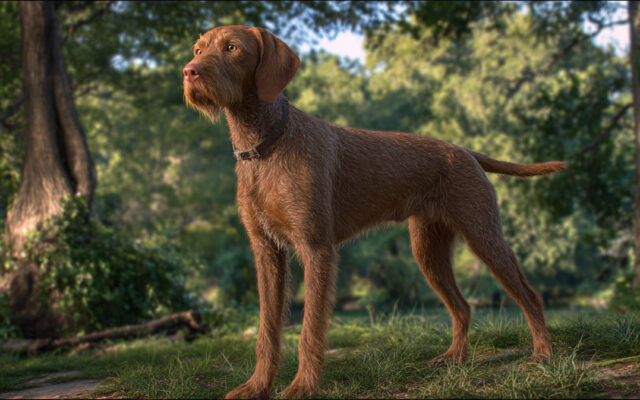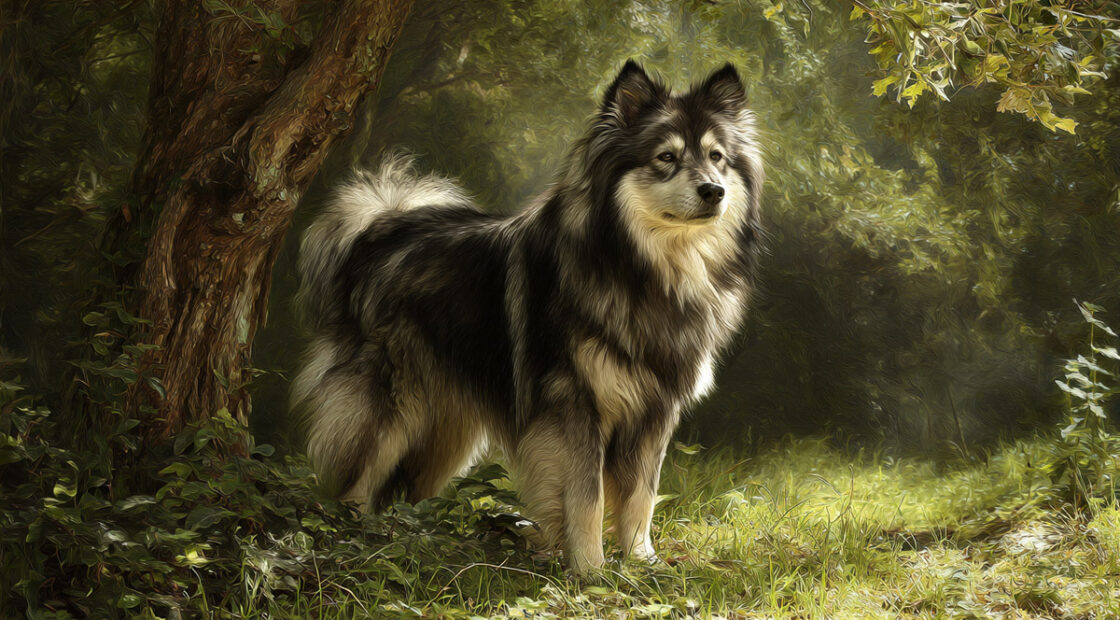
Picture a fluffy, fox-like companion with sparkling eyes and an irresistible smile trotting through snowy forests. The Finnish Lapphund embodies everything dog lovers seek in a family pet.
This Nordic breed combines the gentle nature of companion dogs with the intelligence of working breeds. Originally bred by the Sami people for reindeer herding in Lapland’s Arctic conditions, these spitz breeds have adapted beautifully to modern family life.
Whether you’re considering adding a canine companion to your household or simply curious about this remarkable Arctic dog, understanding their unique characteristics proves essential. These medium-sized dogs offer loyalty, trainability, and surprising adaptability to various living situations.
This guide covers everything from daily care and grooming needs to training methods and health considerations. You’ll discover why Finnish Lapphunds excel as family dogs, how to choose a responsible breeder, and what to expect throughout their 12-15 year lifespan.
By the end, you’ll know whether this Nordic treasure matches your lifestyle and pet ownership goals.
Finnish Lapphund Breed Statistics
| Characteristic | Details |
|---|---|
| Size | Medium |
| Weight | Males: 45-55 lbs, Females: 35-45 lbs |
| Height | Males: 18-21 inches, Females: 16-19 inches |
| Life Span | 12-15 years |
| Energy Level | Moderate |
| Exercise Needs | 1 hour daily |
| Grooming Requirements | High (daily brushing during shedding) |
| Shedding | Heavy seasonal, moderate year-round |
| Trainability | High |
| Good with Kids | Excellent |
| Good with Pets | Good with proper socialization |
| Barking Level | Moderate |
| Apartment Living | Yes, with adequate exercise |
| Climate Tolerance | Excellent cold, poor heat tolerance |
| Origin | Finland (Lapland region) |
| Breed Group | Non-Sporting (AKC), Nordic Spitz |
| Original Purpose | Reindeer herding |
| Coat Type | Double coat, thick undercoat |
| Colors | All colors allowed, various patterns |
| Health Issues | Hip dysplasia, PRA, curly coat syndrome |
| Puppy Price | $1,200-$2,500 |
| Monthly Care Cost | $80-150 |
Living with a Finnish Lapphund: Daily Life and Care
Exercise Requirements and Activity Levels
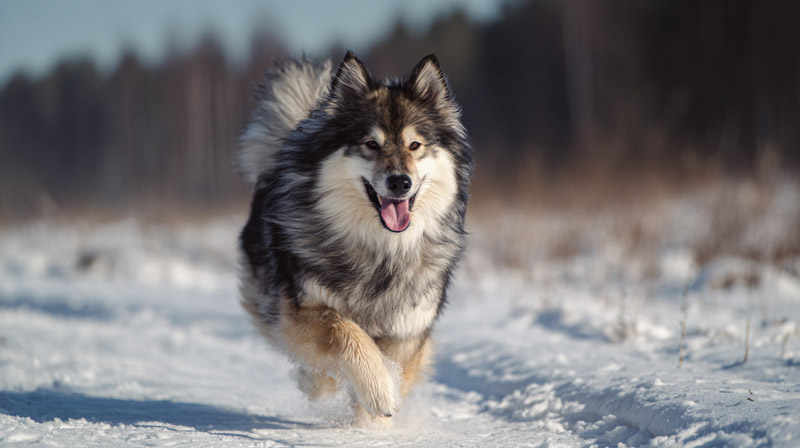
These Nordic breeds need moderate daily exercise to stay healthy. An hour of walking combined with playtime works well for most adult dogs.
Best activities include:
- Morning and evening walks
- Hiking trails and outdoor adventures
- Interactive play sessions in fenced yards
Mental stimulation prevents boredom in these intelligent breeds. Puzzle toys challenge their problem-solving abilities. Training games tap into their working dog heritage.
Seasonal exercise considerations:

Summer months require early morning or late evening walks. Their thick double coat makes them prone to overheating. Provide shade and fresh water during outdoor time.
Winter weather suits them perfectly. These Arctic dogs thrive in cold temperatures and snow. Extended outdoor activities become possible.
Grooming and Coat Maintenance
The spitz breed’s double coat needs regular attention. Brush three times weekly to prevent matting. Daily brushing during shedding seasons keeps loose fur under control.
Shedding patterns:
- Spring: Heavy undercoat release
- Fall: Moderate coat thickening
- Year-round: Light daily shedding
Use a slicker brush for the topcoat and undercoat rake for deeper layers. Pin brushes work well for final smoothing.
Bathing schedule:
- Every 6-8 weeks for normal activity
- After muddy hikes or outdoor adventures
- Use gentle, coat-specific shampoos
Essential grooming tasks:
- Nail trimming every 3-4 weeks
- Ear cleaning weekly with gentle solutions
- Dental hygiene through daily brushing or dental chews
Space and Housing Requirements
These medium-sized dogs adapt to various living situations. Apartments work if daily exercise needs are met. Houses with yards provide ideal space for natural movement.
Fencing considerations:
- 4-foot minimum height
- Secure latches (they’re smart escape artists)
- Check for gaps under gates
Indoor comfort preferences:
- Cool sleeping areas away from heat sources
- Access to tile or hardwood floors during warm weather
- Cozy bedding for winter months
Temperature tolerance:
- Excellent cold weather endurance
- Limited heat tolerance due to thick coat
- Air conditioning recommended in hot climates
Travel preparations:
- Crate training for car safety
- Temperature-controlled vehicle environment
- Extra water and cooling mats for summer trips
Training Your Finnish Lapphund: Building a Strong Partnership
Basic Obedience and House Training
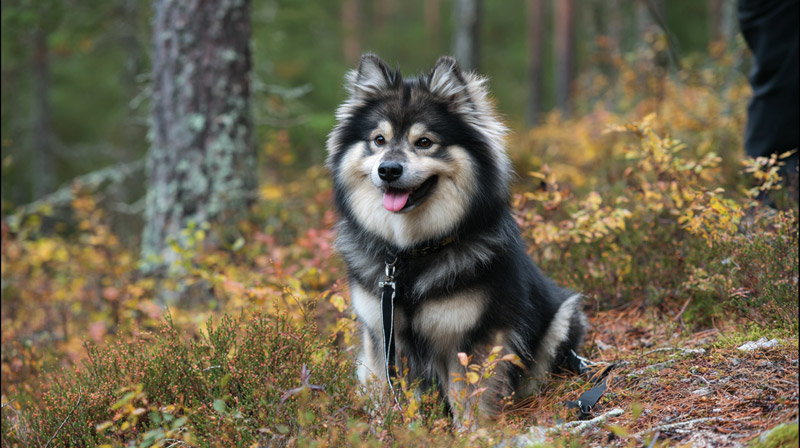
Start potty training immediately after bringing your puppy home. Most puppies master house training within 3-4 months with consistent schedules.
Effective potty training methods:
- Take outside every 2-3 hours
- Immediately after meals, naps, and play
- Use specific outdoor spots
- Reward successful elimination with treats and praise
Core commands to teach first:
Sit: Hold treat above head, move backward slowly. Most dogs naturally sit. Say “sit” and reward.
Stay: Start with short 5-second holds. Gradually increase duration. Use hand signal and verbal command.
Come: Practice in secure areas first. Use happy, excited voice. Never call for negative reasons.
Heel: Start indoors with treats at your side. Keep sessions short and positive.
Leash training basics:
- Begin with collar adjustment indoors
- Short 10-minute sessions prevent fatigue
- Reward loose leash walking with treats
- Stop forward movement when pulling occurs
Crate training benefits:
- Safe space during unsupervised time
- Easier house training schedule
- Reduced anxiety during travel
- Den-like comfort for rest
Introduce crates gradually with meals and treats inside. Never use as punishment.
Advanced Training and Mental Stimulation
These intelligent breeds excel at trick training. Start with simple commands and build complexity.
Popular tricks to teach:
- Shake hands and high-five
- Roll over and play dead
- Spin in circles (both directions)
- Touch specific objects on command
Dog sports opportunities:
Agility training suits their athletic abilities. Start with basic jumps and tunnels. Many Border Collies and Australian Shepherds excel in these activities alongside Finnish Lapphunds.
Scent work taps into natural hunting instincts. Hide treats around the house. Teach “find it” commands. Progress to specific scent detection.
Interactive feeding methods:
- Puzzle bowls slow eating pace
- Treat-dispensing toys provide mental challenge
- Hide food portions around the house
- Rotate toys weekly to maintain interest
Socialization from Puppyhood to Adulthood
Critical socialization happens between 8-16 weeks old. Expose puppies to various experiences during this window.
Important introductions:
- Different people (ages, appearances, voices)
- Various animals (cats, dogs, livestock)
- New environments (parks, streets, stores)
- Sounds (traffic, thunder, household appliances)
Puppy class benefits:
- Structured socialization with other dogs
- Professional guidance on training methods
- Problem prevention through early intervention
- Confidence building in controlled settings
Ongoing socialization needs:
Adult dogs require continued social exposure. Regular walks introduce new sights and smells. Dog parks provide controlled interaction with other canines.
Multi-dog household considerations:
When introducing to families with Golden Retrievers or Labrador Retrievers, supervise initial meetings. These breeds typically get along well due to similar temperaments.
Signs of successful socialization:
- Calm behavior around strangers
- Appropriate play with other dogs
- Quick recovery from startling sounds
- Confidence in new environments
Continue socialization throughout your dog’s life. Regular exposure prevents fear-based behaviors and maintains social skills.
Health and Nutrition: Keeping Your Lapphund Thriving
Common Health Issues and Genetic Concerns
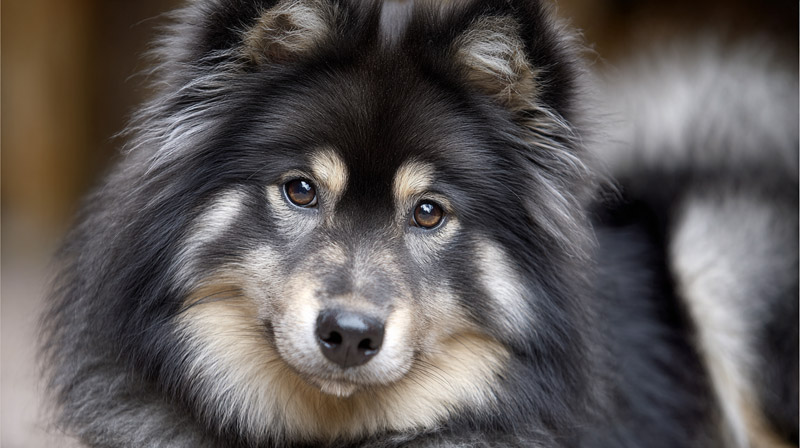
Finnish Lapphunds are generally healthy Nordic breeds. Responsible breeding programs focus on preventing inherited conditions through health screening.
Hip dysplasia affects joint mobility in some spitz breeds. X-ray screening at 24 months reveals joint quality. The Orthopedic Foundation for Animals (OFA) provides certification.
Prevention strategies:
- Maintain healthy weight during growth
- Avoid excessive jumping before 18 months
- Provide joint supplements as recommended by veterinarians
- Regular exercise on soft surfaces
Progressive retinal atrophy (PRA) causes gradual vision loss. DNA testing identifies carriers before breeding. Annual eye exams by certified veterinary ophthalmologists catch early changes.
Curly coat syndrome occasionally affects this Arctic dog breed. Genetic testing helps breeders avoid producing affected puppies. The condition changes coat texture and appearance.
Essential health screening:
- Hip and elbow radiographs
- Annual eye examinations
- Genetic testing for known conditions
- Regular veterinary check-ups every 6-12 months
Nutritional Needs Across Life Stages
Puppy feeding (8 weeks to 12 months):
- High-quality puppy food with 22-28% protein
- Feed 3-4 times daily until 6 months old
- Transition to twice daily at 6 months
- Monitor growth to prevent rapid weight gain
Adult maintenance (1-7 years):
- 18-25% protein content for active dogs
- 2 cups daily for average 45-55 pound adults
- Adjust portions based on activity level and body condition
- Feed twice daily to prevent bloat
Senior nutrition (7+ years):
- Lower calorie formulas prevent weight gain
- Joint support supplements aid mobility
- Easily digestible proteins reduce kidney stress
- Monitor weight closely as metabolism slows
High-quality food selection criteria:
- Named meat protein as first ingredient
- No artificial preservatives or fillers
- AAFCO certification for life stage
- Appropriate fat content (12-18% for adults)
Ingredient awareness:
- Avoid foods with excessive grain content
- Look for omega-3 fatty acids for coat health
- Consider limited ingredient diets for sensitive stomachs
- Fresh water available at all times
Preventive Care and Wellness
Core vaccination schedule:
- DHPP (distemper, hepatitis, parvovirus, parainfluenza) at 8, 12, 16 weeks
- Rabies at 16 weeks, then annually or tri-annually
- Annual boosters as recommended by veterinarians
- Bordetella for dogs attending daycare or boarding
Parasite prevention programs:
- Monthly heartworm preventatives year-round
- Flea and tick control during active seasons
- Regular fecal exams for internal parasites
- Deworm puppies at 2, 4, 6, and 8 weeks
Dental care routine:
- Daily brushing with dog-specific toothpaste
- Dental chews help reduce tartar buildup
- Professional cleanings every 1-3 years
- Monitor for broken teeth or gum disease
Regular health monitoring:
- Weekly weight checks prevent obesity
- Monthly nail trims keep feet healthy
- Ear cleaning prevents infections
- Annual blood work detects early problems
Finding and Choosing Your Finnish Lapphund
Responsible Breeder Selection
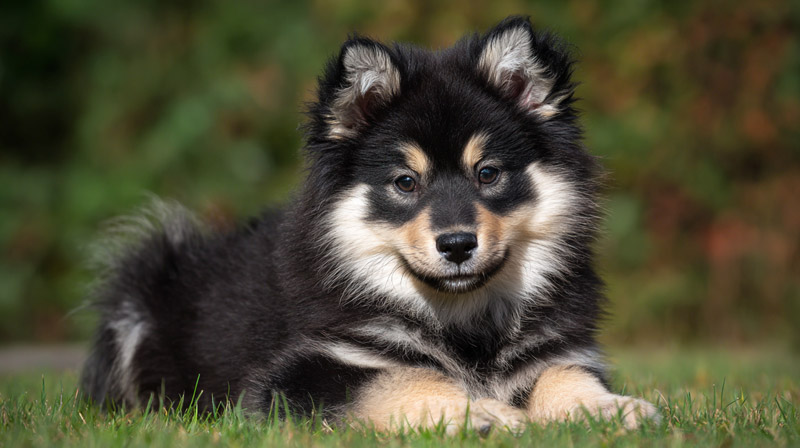
Quality breeders prioritize health testing over profit. They provide health certifications and welcome questions about their breeding program.
Required health testing:
- Hip dysplasia certification through OFA or PennHIP
- Eye clearances from certified veterinary ophthalmologists
- Genetic testing for curly coat syndrome
- Current health certificates for breeding dogs
Meeting parent dogs:
- Observe temperament and behavior
- Check coat quality and condition
- Assess interaction with family members
- Note any behavioral concerns or fears
Breeder interview questions:
- How long have you bred Finnish Lapphunds?
- May I see health testing results?
- What health guarantee do you provide?
- Do you require spay/neuter contracts?
- Will you take the dog back if needed?
Red flags to avoid:
- Multiple litters available simultaneously
- No health testing documentation
- Pressure to buy immediately
- Won’t allow meeting parent dogs
- Unusually low or high prices
Puppy selection process:
- Visit litter between 6-8 weeks old
- Observe individual personalities
- Choose puppy that matches your lifestyle
- Avoid overly shy or aggressive puppies
Adoption and Rescue Options
Finnish Lapphund rescue organizations save dogs needing new homes. These canine companions often come from owner surrenders or breeding facility closures.
Rescue organization benefits:
- Adult dogs with known temperaments
- Often house-trained and socialized
- Lower cost than purchasing from breeders
- Support for animal welfare causes
Adult dog adoption considerations:
- Previous training may need reinforcement
- Adjustment period typically 2-3 months
- May have specific behavioral needs
- Veterinary care history might be unknown
Evaluating rescue dogs:
- Meet the dog multiple times before deciding
- Ask about behavior with children and other pets
- Understand any medical conditions or treatments needed
- Discuss the dog’s history and known triggers
Transition period expectations:
- Initial stress and anxiety are normal
- Establish consistent routines immediately
- Gradual introduction to family members
- Professional training support if needed
Unlike some breeds such as German Shepherd Dogs or Siberian Huskies, Finnish Lapphunds are less commonly found in rescue situations due to their rarity.
Preparing Your Home for Your New Family Member
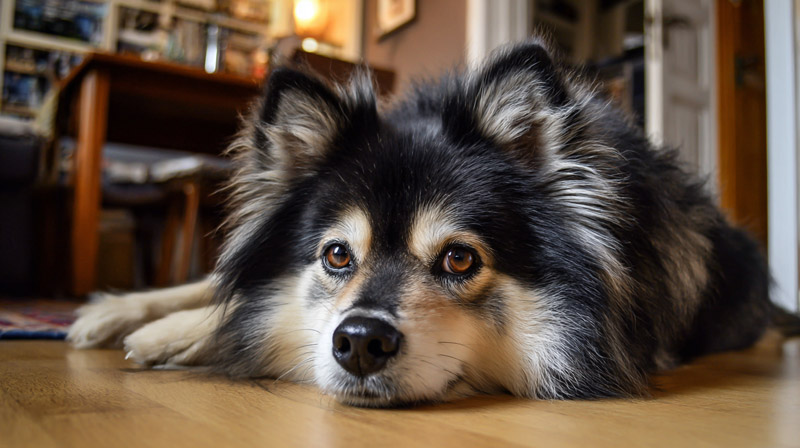
Puppy-proofing checklist:
- Remove toxic plants and household chemicals
- Secure electrical cords and small objects
- Install baby gates for restricted areas
- Store shoes and valuable items safely
Essential supply shopping:
- Collar and ID tags with current contact information
- Leash appropriate for medium-sized dogs
- Food and water bowls (stainless steel recommended)
- High-quality puppy or adult food
- Comfortable bedding for sleeping area
- Variety of appropriate-sized toys
Setting up living spaces:
- Choose quiet corner for sleeping area
- Place food station away from high-traffic areas
- Establish consistent potty area outside
- Create safe space for alone time
Family preparation:
- Assign daily care responsibilities to family members
- Research local veterinarians and emergency clinics
- Plan first veterinary appointment within days of arrival
- Discuss house rules and training consistency
Financial planning:
- Budget for monthly food costs ($40-60)
- Set aside emergency veterinary fund ($1,000-3,000)
- Consider pet insurance options
- Plan for grooming and training expenses
These Arctic dogs typically live 12-15 years. Using a dog age calculator helps track your pet’s equivalent human years for appropriate care adjustments.
The Finnish Lapphund as a Family Companion
Interaction with Children of All Ages
These gentle Nordic breeds excel with children. Their herding instinct translates into protective watching without aggression.
Natural traits with kids:
- Patient during toddler exploration
- Gentle mouth when playing
- Alert to children’s whereabouts
- Calm during loud play
Teaching children proper interaction:
- No pulling ears or tail
- Respect dog’s sleeping space
- Feed treats with flat palm
- Ask permission before petting
Supervision guidelines:
- Always supervise children under 5 with any dog
- Teach kids to recognize stress signals
- Separate during meal times
- Create quiet spaces for both child and dog
Building lifelong bonds:
- Include children in feeding routines
- Teach basic training commands together
- Encourage gentle grooming sessions
- Plan family outdoor adventures
Unlike more energetic breeds such as Jack Russell Terriers or intense guardian breeds like Rottweilers, Finnish Lapphunds maintain steady temperaments around active children.
Multi-Pet Households and Animal Compatibility
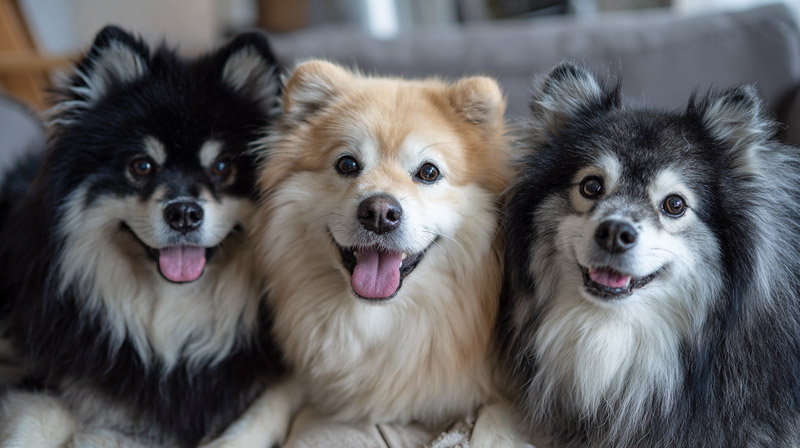
These spitz breeds generally accept other animals when properly introduced. Their herding background helps them integrate into pack dynamics.
Introducing to existing dogs:
- Meet on neutral territory first
- Keep initial interactions short (10-15 minutes)
- Allow parallel walks before face-to-face meetings
- Supervise all interactions for first month
Cat introduction strategies:
- Use baby gates for visual contact
- Feed on opposite sides of barrier
- Reward calm behavior around cats
- Never force direct interaction
Pack dynamics considerations:
- Establish feeding order to prevent competition
- Provide separate sleeping areas
- Monitor play sessions for intensity
- Address resource guarding immediately
Successful multi-pet households often include:
Companion breeds like Cavalier King Charles Spaniels integrate well due to similar energy levels. Working breeds such as Australian Cattle Dogs share compatible play styles.
Warning signs requiring intervention:
- Stiff body language during greetings
- Guarding food, toys, or sleeping spots
- Excessive mounting or dominating behavior
- Stress panting or hiding
Creating harmony:
- Maintain individual training schedules
- Rotate high-value toys and treats
- Ensure each pet gets individual attention
- Exercise together for pack bonding
Lifestyle Compatibility and Life Changes
These adaptable canine companions adjust to family routine changes with proper preparation and consistent care.
Adapting to schedule changes:
- Maintain feeding times during transitions
- Keep exercise routines consistent
- Provide extra attention during adjustment periods
- Use puzzle toys during longer alone periods
Traveling with your Finnish Lapphund:
- Crate training makes car travel safer
- Pack familiar bedding and toys
- Research pet-friendly accommodations
- Carry health certificates for longer trips
Climate considerations during travel:
- Avoid hot car temperatures
- Plan frequent water breaks
- Consider cooling vests in warm climates
- Book climate-controlled lodging
Preparing for major life events:
Moving to new homes:
- Pack dog supplies last, unpack first
- Maintain feeding and walking schedules
- Explore new neighborhood gradually
- Keep familiar items accessible
Welcoming new babies:
- Introduce baby sounds and smells gradually
- Adjust attention schedules before arrival
- Create positive associations with baby items
- Maintain dog’s routine and exercise needs
Job schedule changes:
- Gradually adjust departure times
- Increase mental stimulation toys
- Consider doggy daycare or dog walkers
- Monitor for separation anxiety signs
Long-term commitment planning:
Finnish Lapphunds typically live 12-15 years. Their needs change as they age.
Puppy years (0-2): High energy, intensive training, frequent veterinary visits
Adult years (2-7): Stable routine, moderate exercise, annual health checks
Senior years (7+): Reduced activity, increased veterinary care, comfort adjustments
Aging together considerations:
- Budget for increased medical expenses
- Modify exercise for joint comfort
- Provide orthopedic bedding
- Monitor for cognitive changes
End-of-life planning:
- Discuss quality of life indicators with veterinarians
- Consider pain management options
- Plan for difficult decisions
- Remember the joy they brought to your family
These loyal companions form deep bonds that last their lifetime. Their steady temperament and moderate size make them excellent family dogs for those committed to their care and exercise needs.
FAQ on Finnish Lapphund
Are Finnish Lapphunds good family dogs?
Yes, these Nordic breeds excel as family companions. Their gentle temperament and patience with children make them ideal pets. Originally bred by the Sami people for herding, they’re naturally protective without aggression. They adapt well to various living situations and form strong bonds with all family members.
How much exercise do Finnish Lapphunds need?
These medium-sized dogs require moderate daily exercise. One hour of walking plus playtime meets their needs. They enjoy hiking, outdoor adventures, and mental stimulation through puzzle toys. Their Arctic dog heritage means they prefer cooler weather for extended activities.
Do Finnish Lapphunds shed a lot?
Yes, their double coat sheds year-round with heavy seasonal periods. Spring brings major undercoat release while fall involves moderate shedding. Daily brushing during shedding seasons controls loose fur. Regular grooming prevents matting and keeps their spitz breed coat healthy.
Are Finnish Lapphunds easy to train?
These intelligent breeds respond well to positive training methods. Their working dog background makes them eager to please. Basic obedience comes naturally, though they can be independent thinkers. Consistent training sessions and mental stimulation prevent boredom-related behavioral issues.
What health problems do Finnish Lapphunds have?
Generally healthy, but hip dysplasia and progressive retinal atrophy occur in some lines. Responsible breeding programs screen for genetic conditions. Curly coat syndrome affects some dogs. Regular veterinary care and health screening help maintain their 12-15 year lifespan.
How big do Finnish Lapphunds get?
Adult males weigh 45-55 pounds and stand 18-21 inches tall. Females are slightly smaller at 35-45 pounds and 16-19 inches. Their medium size makes them suitable for various living spaces while maintaining the sturdy build of working breeds.
Are Finnish Lapphunds good with other pets?
Yes, when properly socialized. Their herding instinct helps them integrate into multi-pet households. They generally accept cats and other dogs. Unlike aggressive breeds such as Bullmastiffs, they prefer peaceful coexistence. Early introduction and supervision ensure harmony.
How much do Finnish Lapphunds cost?
Puppy prices range from $1,200-$2,500 from responsible breeders. Initial supplies cost $300-500. Monthly expenses include food ($40-60), grooming, and veterinary care. Pet insurance and emergency funds help manage healthcare costs throughout their lifetime.
Do Finnish Lapphunds bark a lot?
They bark moderately compared to vocal breeds like Beagles or Basset Hounds. Their alert nature means they’ll announce visitors but aren’t excessive barkers. Training reduces unnecessary vocalization while maintaining their natural watchdog abilities.
Can Finnish Lapphunds live in apartments?
Yes, if their exercise needs are met. These adaptable canine companions adjust to apartment living with daily walks and mental stimulation. Their moderate size and calm indoor behavior suit smaller spaces. Access to outdoor areas for regular exercise remains important.
Conclusion
The Finnish Lapphund represents an ideal balance of loyalty, intelligence, and adaptability for dedicated pet owners. These remarkable canine companions bring centuries of Scandinavian heritage into modern homes while maintaining their gentle, family-friendly nature.
Their moderate grooming needs, trainable temperament, and excellent health record make them suitable for first-time dog owners and experienced handlers alike. Unlike high-maintenance breeds such as Poodles or energy-intensive dogs like Dalmatians, Finnish Lapphunds offer manageable care requirements.
Key advantages include:
- Strong bonds with children and families
- Adaptability to various living environments
- Reasonable exercise and space requirements
- Generally robust health with proper breeding
Whether you choose a puppy from responsible breeders or adopt from rescue organizations, this Nordic treasure will reward your commitment with years of devoted companionship. Their 12-15 year lifespan provides plenty of time to build lasting memories with these exceptional Arctic dogs.