Most people have never seen a Wirehaired Vizsla in person. This rare Hungarian hunting dog remains one of the least common sporting breeds in North America.
While their smooth-coated cousins gained popularity decades ago, these wire-coated versions stayed hidden in European hunting circles. That scarcity makes finding reliable information challenging for potential owners.
Field-ready performance meets loyal family companionship in this versatile breed. They excel at upland game hunting while bonding intensely with their human families.
This guide covers everything from their Hungarian origins to daily care requirements. You’ll learn about their unique personality traits, exercise needs, and what makes them different from regular Brittany or Irish Setter breeds.
Whether you’re considering adding one to your family or already committed to this rare breed, understanding their specific needs prevents common ownership mistakes.
Wirehaired Vizsla Breed Statistics
| Characteristic | Details |
|---|---|
| Size | Medium to Large |
| Weight | Males: 55-65 lbs, Females: 45-55 lbs |
| Height | Males: 24-26 inches, Females: 22-24 inches |
| Lifespan | 12-14 years |
| Group | Sporting |
| Origin | Hungary |
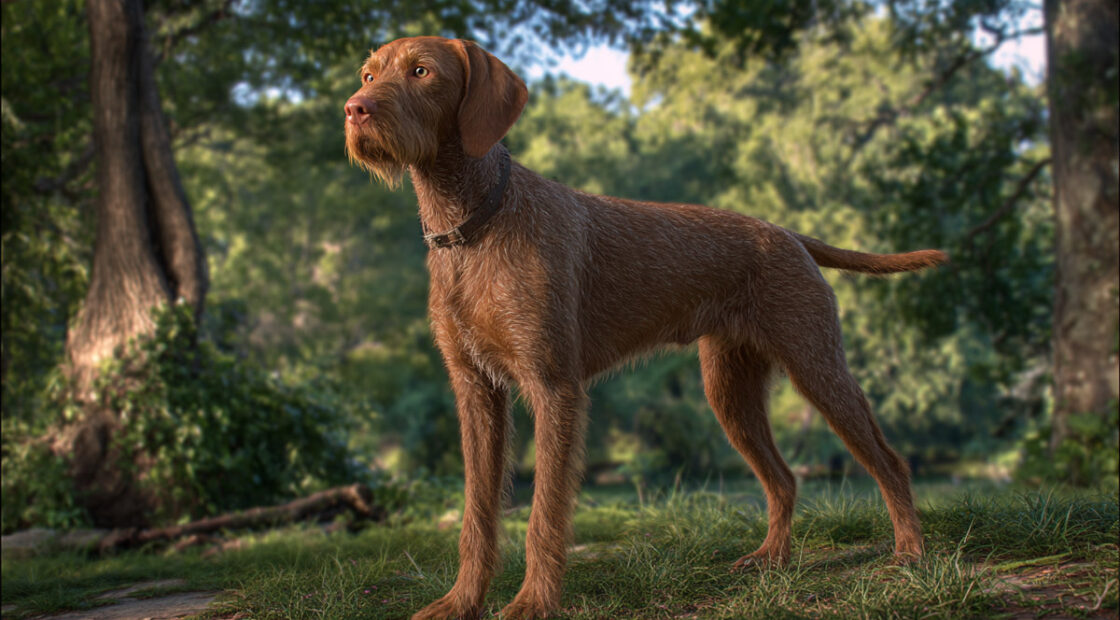
| Coat Type | Double coat (wiry outer, soft undercoat) |
| Coat Color | Russet gold to golden rust |
| Shedding | Moderate, seasonal peaks |
| Energy Level | Very High |
| Exercise Needs | 2+ hours daily |
| Training | Highly trainable, sensitive to harsh methods |
| Good with Kids | Yes, with supervision |
| Good with Pets | Moderate (depends on socialization) |
| Apartment Living | Not recommended |
| Barking Level | Moderate to High |
| Grooming Needs | Moderate (weekly brushing, professional stripping) |
| Health Issues | Hip dysplasia, epilepsy, eye problems |
| Price Range | $1,500-$3,000 |
| Rarity | Very Rare |
| AKC Recognition | 2014 |
| Best For | Active families, hunters, experienced owners |
Meet the Wirehaired Vizsla
The Wirehaired Vizsla stands apart from its smooth-coated cousin with one major difference: that distinctive wire coat that makes all the difference in harsh weather. This Hungarian hunting dog was built for tougher conditions than the regular Vizsla.
What Makes This Breed Different from Regular Vizslas
The wire coat isn’t just for looks. It protects against thorns, cold water, and rough terrain where smooth-coated dogs might struggle.
Coat texture feels dense and wiry to the touch. Think of it like a protective jacket that never comes off.
Weight ranges from 45-65 pounds, making them slightly sturdier than their smooth relatives. Males typically weigh more than females.
Quick Stats and Key Facts
Size: Medium to large sporting breed Lifespan expectancy: 12-14 years Energy level: High (needs 2+ hours daily exercise)

The American Kennel Club first recognized this rare sporting breed in 2014. Before that, most people had never seen one outside of Hungary.
These dogs need experienced owners. They’re not for first-time dog families.
Why They’re Called “Field-Ready” Dogs
Pointing instinct kicks in around 4-6 months old. No training required for this natural behavior.
Water retrieval comes naturally too. Many puppies jump into ponds without hesitation.
Their versatile hunter abilities include upland game tracking, waterfowl retrieval, and scent work. Unlike specialists like the German Shorthaired Pointer, these dogs excel at multiple hunting tasks.
The Federation Cynologique Internationale calls them “wire-haired Hungarian pointing dogs” in their official breed standards.
The Story Behind This Rare Breed
How the Wirehaired Vizsla Came to Be
Hungarian breeders in the 1930s wanted their beloved Vizslas to handle harsher conditions. They crossed smooth Vizslas with German Wirehaired Pointer bloodlines.
The goal was simple: keep the Vizsla’s gentle temperament but add weather resistance.
World War II almost destroyed the breeding program. Only a few dedicated Hungarian families kept bloodlines alive during the chaos.
Hungarian Hunting Heritage

Hungary’s diverse terrain demanded versatile hunting dogs. Forests, marshlands, and open fields all required different skills.
Gun dog traditions in Hungary date back centuries. Nobles prized dogs that could handle any game bird.
The Magyar people (ethnic Hungarians) developed these dogs alongside their English Pointer and setter imports. Local climate demanded tougher coats.
Near Extinction and Recovery
By 1945, fewer than 50 breeding dogs remained worldwide. The breed almost vanished completely.
Canadian and American enthusiasts imported the first dogs in the 1970s. These imports became the foundation for North American bloodlines.
Europe still holds the largest breeding populations. Most quality breeders trace their lines back to Hungarian kennels.
Recognition by Kennel Clubs
The United Kennel Club recognized them first in 2006. This opened doors for American breeding programs.
Westminster Dog Show featured its first Wirehaired Vizsla in 2015. The exposure helped increase public awareness significantly.
Crufts Dog Show in England showcases some of the finest European examples each year. Their performance events highlight the breed’s versatility.
What Your Wirehaired Vizsla Will Look Like
Size and Build Basics

Males stand 24-26 inches tall at shoulder height. Females measure 22-24 inches.
Weight management matters with this active breed. Overweight dogs lose their athletic edge quickly.
Body build appears slightly more substantial than smooth Vizslas. The wire coat adds visual bulk without extra weight.
Legs are strong and well-muscled for long days in the field. Feet are compact with thick pads for rough terrain.
The Famous Wiry Coat
Coat texture and feel
The outer coat feels coarse and wiry when properly maintained. Underneath lies a softer, denser undercoat.
Weekly brushing with a slicker brush prevents matting. Hand-stripping twice yearly maintains proper texture.
Puppy coats start soft and develop wire texture around 6-8 months. This transformation surprises many new owners.
Color variations
Russet gold is the classic and most common color. This warm, reddish-brown matches the original Hungarian standard.
Shades range from light golden to deep russet. Small white markings on chest and toes are acceptable.
Dark eyes complement the coat color perfectly. Light-colored eyes are considered a fault in breeding programs.
Seasonal changes
Seasonal care includes heavier brushing during spring and fall shedding periods. The undercoat thickens in winter.
Summer coats appear lighter and less dense. Winter brings fuller, darker coats that provide better insulation.
Climate adaptation happens naturally. Dogs in colder regions develop thicker undercoats than those in warm climates.
Facial Features and Expression
Eyes are medium-sized and set moderately apart. Expression shows intelligence and alertness.
Ears hang close to the head in typical sporting dog fashion. Ear leather is thin and silky, contrasting with the wire body coat.
Facial features include a moderately long muzzle perfect for carrying game birds. Nostrils are well-developed for scenting work.
The head appears noble and well-proportioned. Forehead shows slight furrows when the dog is alert.
Male vs Female Differences
Males are typically 10-15 pounds heavier than females. This size difference affects exercise requirements and food portions.
Adult supervision around small children matters more with larger males. Their enthusiasm can overwhelm tiny kids.
Females often mature faster mentally. Males may act puppyish longer, sometimes until age 3.
Temperament differences are subtle. Both sexes show equal loyalty and hunting ability when properly trained.
Personality and Temperament
The “Velcro Dog” Phenomenon

Wirehaired Vizslas stick to their owners like glue. This loyal companion trait runs deeper than most sporting breeds.
Separation anxiety hits hard if left alone too long. Four hours is about the maximum before destructive behaviors start.
They follow you from room to room constantly. Bathroom privacy becomes a thing of the past with these dogs.
Energy Levels Throughout the Day
Morning brings peak energy that lasts until noon. Afternoon brings moderate activity levels with bursts of excitement.
Mental stimulation matters as much as physical exercise. Bored dogs become destructive dogs quickly.
Evening energy drops after proper exercise. Without adequate activity, they’ll create their own entertainment (usually involving your furniture).
How They Act with Family Members
Children become their favorite playmates, but supervision matters with younger kids. Their enthusiasm can knock over toddlers accidentally.
Adult supervision prevents rough play from getting out of hand. These dogs don’t always know their own strength.
They bond strongest with whoever feeds and exercises them most. Fair warning: this creates some jealousy among family members.
Behavior Around Strangers
Initial wariness gives way to friendly greetings once properly introduced. They’re protective without being aggressive.
Socialization period between 8-16 weeks shapes their adult personality permanently. Miss this window and you’ll work twice as hard later.
Mailmen and delivery drivers often become their nemeses. That protective instinct never completely switches off.
Getting Along with Other Pets
Same-size dogs work best as companions. Tiny dogs might trigger their hunting instincts accidentally.
Cats require early introduction and constant supervision. Some Wirehaired Vizslas never accept feline housemates.
Training requirements include teaching proper play behavior with smaller animals. Not all dogs understand the difference between prey and playmate.
Training Your Wirehaired Vizsla
Puppy Training Essentials

House training timeline
Most puppies master house training by 4-5 months with consistent effort. Accidents happen until 6 months in some stubborn cases.
Crate training speeds up the process significantly. Dogs naturally avoid soiling their sleeping area.
Take them outside every 2 hours during the day. Set a phone alarm because consistency matters more than convenience.
Basic commands that matter most
“Sit” and “stay” prevent bolting out doors and jumping on visitors. These commands can literally save their lives.
Positive reinforcement works better than harsh corrections with this sensitive breed. They shut down emotionally when yelled at.
“Come” requires months of practice in safe, enclosed areas first. Never call them to come for something unpleasant.
Socialization windows
Puppy kindergarten classes start around 12-16 weeks after initial vaccinations. Group training builds confidence with other dogs.
Puppy development includes exposing them to different surfaces, sounds, and people weekly. The more variety, the better adjusted they become.
Car rides, elevator trips, and busy parking lots all count as valuable socialization experiences.
Hunting and Field Training
Natural instincts to work with
Pointing instinct emerges around 4-6 months without any training. You’ll see them freeze and lift one paw naturally.
Scent work begins with hidden treats around the house. This builds on their natural tracking abilities.
Most show natural water enthusiasm, but some need gentle encouragement for swimming activities.
Pointing and retrieving basics
Start with lightweight training dummies before introducing bird scents. Heavy objects discourage soft mouth development.
Field work progresses slowly over months, not weeks. Rushing creates confused dogs with bad habits.
Professional trainers help with advanced techniques like steadying to shot and handling multiple retrieves.
Water work introduction
Shallow, warm water works best for first swimming lessons. Cold water creates negative associations quickly.
Water retrieval requires patience with naturally cautious puppies. Never force them into deep water.
Life jackets help nervous swimmers build confidence safely. Remove them once they’re comfortable.
Dealing with Stubborn Moments
Independence shows up around 6-8 months when they test boundaries constantly. This phase passes with consistent training.
Intelligent breed characteristics include selective hearing when something more interesting catches their attention. They’re not actually stubborn, just distracted.
Short, frequent training sessions work better than long, boring ones. Five minutes of focus beats thirty minutes of frustration.
Mental Stimulation Needs
Puzzle toys provide entertainment when you’re busy. Rotate toys weekly to maintain interest levels.
Exercise requirements include mental challenges like hide-and-seek games. Physical activity alone won’t tire them completely.
Training new tricks monthly keeps their minds sharp and engaged. They love showing off new skills.
Exercise and Activity Requirements
Daily Exercise Minimums

Two hours of active exercise daily prevents destructive behaviors. This isn’t negotiable with working breeds.
Morning and evening sessions work better than one long afternoon workout. Split exercise prevents overexertion.
Bad weather doesn’t cancel exercise needs. Indoor activities become necessary during storms.
Best Activities for This Breed
Running and hiking
Running partner duties start around 18 months when growth plates close. Younger dogs risk joint damage from excessive impact.
Trail running satisfies their need for adventure and exercise simultaneously. Varied terrain keeps them mentally engaged.
Long hikes require gradual conditioning over weeks. Start with 30 minutes and add time slowly.
Swimming opportunities
Swimming ability provides excellent low-impact exercise for all ages. It’s easier on joints than road running.
Lakes and rivers offer more excitement than swimming pools. Natural environments engage their hunting instincts.
Always check water quality and temperature before letting them swim. Cold water can cause hypothermia quickly.
Fetch variations
Basic fetch becomes boring after a few months. Hide toys to add tracking elements to the game.
Fetch games using different objects (balls, frisbees, sticks) prevent boredom. Variety keeps them interested longer.
Water retrieves combine swimming with fetching for double exercise benefits.
Mental Exercise Ideas
Training sessions count as mental exercise when learning new commands. Work their brains, not just their bodies.
Food puzzle toys make mealtime last longer while providing mental stimulation. Slow eating also prevents bloat.
Hide-and-seek games around the house engage their natural hunting instincts safely.
Warning Signs of Under-Exercise
Destructive chewing indicates boredom and excess energy. Shoes, furniture, and walls become targets.
Exercise needs show up as attention-seeking behaviors like excessive barking or jumping. They’re trying to burn energy somehow.
Restless pacing and inability to settle down signal inadequate physical activity. Tired dogs are well-behaved dogs.
Grooming and Coat Care
Weekly Brushing Routine
Weekly brushing with a slicker brush prevents matting and removes loose hair. The wire coat tangles easily if neglected.
Pin brushes work better for the softer undercoat areas. Switch tools based on which part you’re working on.
Brush against the grain first, then with the grain to smooth everything down. This technique catches more loose hair.
Bathing Frequency and Techniques
Monthly baths keep the coat clean without stripping natural oils. Over-bathing softens the desired wire texture.
Grooming routine includes checking for burrs, thorns, and debris after outdoor adventures. Wire coats collect everything.
Use lukewarm water and dog-specific shampoo. Human products disrupt their skin’s pH balance.
Towel dry thoroughly, then air dry completely. Blow dryers can damage the wire coat texture.
Nail Trimming and Ear Care
Nail trimming every 3-4 weeks prevents painful overgrowth. Active dogs on hard surfaces may need less frequent trims.
Check ears weekly for debris, wax buildup, or signs of infection. Clean with vet-approved ear cleaner only.
Never use cotton swabs inside the ear canal. Stick to cleaning the visible parts gently.
Seasonal Coat Management
Spring shedding requires daily brushing for 2-3 weeks. The undercoat comes out in clumps during this period.
Seasonal care includes hand-stripping twice yearly to maintain proper wire texture. Professional groomers familiar with wire coats handle this best.
Fall preparation involves letting the undercoat grow thicker for winter protection.
Professional Grooming Needs
Hand-stripping every 6 months maintains the correct coat texture. Clipping with scissors ruins the wire quality permanently.
Professional grooming costs more than regular breeds due to specialized techniques required. Budget $80-150 per session.
Find groomers experienced with terriers or wire-coated breeds. Many regular groomers don’t understand hand-stripping.
Health Considerations
Common Health Issues

Hip and elbow dysplasia
Hip dysplasia affects roughly 15% of the breed according to Orthopedic Foundation for Animals data. Responsible breeders test parent dogs before breeding.
Symptoms include difficulty rising, reluctance to climb stairs, and limping after exercise. Early detection allows better management.
PennHIP evaluation provides more accurate hip scoring than standard OFA x-rays for younger dogs.
Eye problems
Progressive retinal atrophy can cause blindness in middle-aged dogs. Annual eye exams by board-certified ophthalmologists catch problems early.
Eye examination through Canine Eye Registry Foundation ensures breeding dogs are clear of hereditary eye diseases.
Cataracts occasionally develop but rarely cause significant vision problems in this breed.
Epilepsy concerns
Idiopathic epilepsy appears in some bloodlines around 2-4 years of age. Seizures range from mild to severe.
Genetic testing through Embark DNA testing identifies carriers of epilepsy genes. Affected dogs can live normal lives with medication.
Work with neurologists for proper diagnosis and treatment plans if seizures occur.
Health Testing for Breeding Dogs
Reputable breeders test for hip dysplasia, elbow dysplasia, eye diseases, and epilepsy before breeding. Ask to see all clearances.
Health clearances should be publicly viewable on OFA databases. Don’t accept “pending” results or verbal assurances.
Both parents need clear health testing, not just one. Genetic diseases require two copies to manifest.
Lifespan Expectations
Lifespan expectancy ranges from 12-14 years with proper care. This matches most medium-sized sporting breeds.
Regular exercise and weight management extend healthy years significantly. Overweight dogs age faster.
Cancer becomes more common after age 10, like most breeds this size.
Vet Care Schedule
Puppy visits every 3-4 weeks until 16 weeks old for vaccinations and health checks. Dog age calculations help track developmental milestones.
Veterinary care includes annual wellness exams, vaccinations, and parasite prevention. Senior dogs need twice-yearly checkups after age 8.
Dental cleanings every 2-3 years prevent periodontal disease and tooth loss.
Insurance Considerations
Pet insurance costs $30-80 monthly depending on coverage levels. Enroll before age 2 to avoid pre-existing condition exclusions.
Health screening results affect insurance eligibility and premiums. Some companies require health testing documentation.
Emergency surgery costs can exceed $5,000-10,000 for serious injuries or illnesses.
Feeding Your Wirehaired Vizsla
Puppy Feeding Guidelines

Puppy development requires high-quality food with 26-28% protein minimum. Growth happens rapidly during the first year.
Feed 3-4 meals daily until 6 months old, then switch to twice daily. Free feeding leads to overeating and bloat risk.
Measure portions carefully using a kitchen scale. Eyeballing amounts leads to overfeeding consistently.
Adult Dog Nutrition Needs
Quality nutrition should list named meat sources as the first ingredient. Avoid foods with excessive grain fillers.
Active hunting dogs need 25-30% protein to maintain muscle mass. Couch potato dogs need less protein and more fiber.
Royal Canin, Hill’s Science Diet, and Purina Pro Plan offer breed-specific formulas for sporting dogs.
Food Allergies and Sensitivities
Chicken allergies occasionally develop around 2-3 years of age. Symptoms include itchy skin, ear infections, and digestive upset.
Weight management becomes important if switching to limited-ingredient diets. Novel protein foods often have higher fat content.
Work with your vet to identify trigger ingredients through elimination diets. This process takes 8-12 weeks minimum.
Feeding Schedule Recommendations
Adult dog feeding works best on a consistent twice-daily schedule. Morning and evening meals prevent hypoglycemia.
Wait one hour after meals before exercise to prevent bloat. This large, deep-chested breed has higher bloat risk.
Fresh water should be available constantly, especially during hunting season or hot weather.
Weight Management Tips
Adult males should weigh 55-65 pounds in working condition. Females range from 45-55 pounds typically.
Exercise requirements burn significant calories, but desk jobs and winter weather can lead to weight gain quickly.
Feel for ribs easily under a thin fat layer. Visible ribs indicate underweight conditions in active dogs.
Reduce treats and increase exercise if weight creeps up. Prevention is easier than weight loss.
Finding and Choosing Your Dog
Reputable Breeders vs Puppy Mills

Questions to ask breeders
Responsible breeding starts with health testing. Ask to see OFA hip and elbow clearances for both parents.
Can you meet the mother dog? Red flag if the breeder won’t let you see mom.
How many litters does each female have per year? More than one annually suggests profit over health priorities.
What do you do if the puppy develops health problems? Good breeders offer lifetime support and take dogs back.
Health clearances to verify
Health testing should include hip dysplasia, elbow dysplasia, and eye clearances minimum. Verify results on OFA databases yourself.
Embark DNA testing reveals genetic epilepsy carriers. Both parents should test clear or carrier (not affected).
Ask for Canine Eye Registry Foundation certificates dated within the past year.
PennHIP scores under 0.5 indicate excellent hip quality for breeding dogs.
Meeting the parent dogs
Meeting the parent dogs tells you about temperament and size expectations. Shy or aggressive parents often produce similar puppies.
The father might not be on-site, but you should see photos and health clearances.
Parent dogs should appear healthy, well-socialized, and friendly toward strangers.
Rescue and Adoption Options
Vizsla rescue groups occasionally have wirehaired dogs available. Most rescues focus on the smooth variety.
Petfinder and Adopt-a-Pet list available dogs from shelters nationwide. Set alerts for breed-specific searches.
Adult dogs from rescues often come house-trained and past the destructive puppy phase.
Local animal shelters rarely see purebred Wirehaired Vizslas but might have mixes.
Puppy vs Adult Dog Decisions
Puppy development requires extensive time for house training, socialization, and basic obedience. Plan for 6-12 months of intensive work.
Adult dogs skip the puppy destruction phase but may have established bad habits.
Older dogs (5+ years) make excellent companions for less active owners but have shorter remaining lifespans.
Cost Breakdown and Budget Planning
Quality nutrition costs $80-120 monthly for premium dog food brands. Active dogs eat more than couch potatoes.
Initial puppy costs include:
- Purchase price: $1,500-3,000
- Vaccinations and vet care: $500-800
- Supplies and equipment: $300-500
Annual expenses typically run $1,500-2,500 including food, vet care, and grooming.
Living with a Wirehaired Vizsla
Best Home Environments

Active lifestyle families match this breed perfectly. Couch potatoes need different dogs.
Rural or suburban homes with yards work better than urban apartments. They need space to roam safely.
Homes with hunters or outdoor enthusiasts provide ideal outlets for natural instincts.
Apartment Living Reality Check
High energy breed characteristics make apartment living challenging but not impossible. Expect multiple daily outings.
Noise complaints from neighbors become likely with insufficient exercise. Bored dogs bark excessively.
Urban dog parks and hiking trails become essential for mental and physical stimulation.
Small apartments feel cramped with a 60-pound dog constantly following you around.
Yard Requirements and Fencing
Yard requirements include 6-foot privacy fencing minimum. These dogs jump higher than you’d expect.
Underground electric fences don’t work reliably. High prey drive overrides shock corrections when chasing squirrels.
Secure gates prevent escape artists from bolting during deliveries or visitors.
Pool safety requires consideration since most love water but can’t climb out independently.
Travel and Vacation Planning
Travel and vacation planning becomes complicated with separation anxiety issues. Boarding requires careful facility selection.
Road trips work well since they love car rides and outdoor adventures. Pack portable water and shade.
Flying requires research into airline pet policies and temperature restrictions.
Pet sitters work better than boarding for anxious dogs who do poorly away from home.
Seasonal Care Adjustments
Seasonal care includes paw protection during winter salt and ice exposure. Booties prevent chemical burns.
Summer heat requires modified exercise schedules. Early morning and late evening activities prevent overheating.
Spring brings increased shedding that requires daily brushing for several weeks.
Fall hunting season often triggers increased energy and excitement in field-bred dogs.
Climate adaptation happens naturally, but extreme temperatures require indoor climate control.
Mud season turns wire coats into dirt magnets. Extra towels and bathing supplies become necessary.
Winter coats grow thicker in cold climates but may require sweaters for short-haired dogs in extreme cold.
FAQ on Wirehaired Vizsla
Are Wirehaired Vizslas good family dogs?
Family companion qualities make them excellent with children and devoted to their owners. However, their high energy requirements and separation anxiety can challenge busy families. They need active households that provide consistent exercise and mental stimulation daily.
How much exercise do Wirehaired Vizslas need?
Daily exercise requirements include 2+ hours of active physical activity. Running, hiking, swimming, and field work satisfy their sporting dog needs. Without adequate exercise, they become destructive and develop behavioral problems quickly.
Do Wirehaired Vizslas shed a lot?
Seasonal care involves moderate shedding year-round with heavier periods in spring and fall. Weekly brushing manages loose hair effectively. Their wire coat texture means less hair sticks to furniture compared to smooth-coated breeds.
How big do Wirehaired Vizslas get?
Males reach 55-65 pounds and 24-26 inches tall. Females weigh 45-55 pounds and stand 22-24 inches. Weight management stays important since overweight dogs lose their athletic abilities and develop joint problems.
Are Wirehaired Vizslas hard to train?
Intelligent breed characteristics make them highly trainable with positive reinforcement methods. They’re sensitive to harsh corrections and shut down emotionally. Consistent training from puppyhood prevents stubborn behaviors from developing.
How much do Wirehaired Vizsla puppies cost?
Quality nutrition and breeding programs cost $1,500-3,000 from reputable breeders. Additional first-year expenses include veterinary care, supplies, and training. Annual costs typically run $1,500-2,500 for food, grooming, and health care.
Do Wirehaired Vizslas have health problems?
Health screening reveals hip dysplasia, epilepsy, and eye problems as main concerns. Responsible breeders test parent dogs before breeding. With proper health testing and care, most live 12-14 years without major issues.
Can Wirehaired Vizslas live in apartments?
Apartment living proves challenging due to their high energy and space needs. Daily trips to dog parks and extensive exercise become mandatory. Rural or suburban homes with yards better suit their activity requirements.
How often should I groom a Wirehaired Vizsla?
Weekly brushing prevents matting and removes debris from their wire coat. Professional hand-stripping twice yearly maintains proper coat texture. Monthly baths keep them clean without damaging the desired wire quality.
Are Wirehaired Vizslas rare?
The American Kennel Club only recognized them in 2014, making them extremely rare compared to Golden Retriever or Labrador Retriever breeds. Finding reputable breeders requires patience and research.
Conclusion
The Wirehaired Vizsla represents one of the most rewarding yet demanding sporting breeds for the right owner. Their rare status makes finding quality breeders challenging but worthwhile for those seeking an exceptional hunting companion.
Versatile hunter abilities combined with intense family loyalty create dogs that excel in multiple roles. They thrive with active families who appreciate their protective instincts and affectionate nature.
Consider your lifestyle carefully before committing to this breed. Unlike Border Collie or Australian Shepherd breeds, these dogs struggle without consistent outdoor adventures and mental challenges.
Their grooming care requirements and health testing needs add complexity beyond typical dog ownership. Professional grooming and veterinary expenses run higher than average breeds.
Success with this breed depends on matching their energy levels and providing adequate space. Rural homes with hunting opportunities offer ideal environments for showcasing their natural abilities and maintaining their physical conditioning.