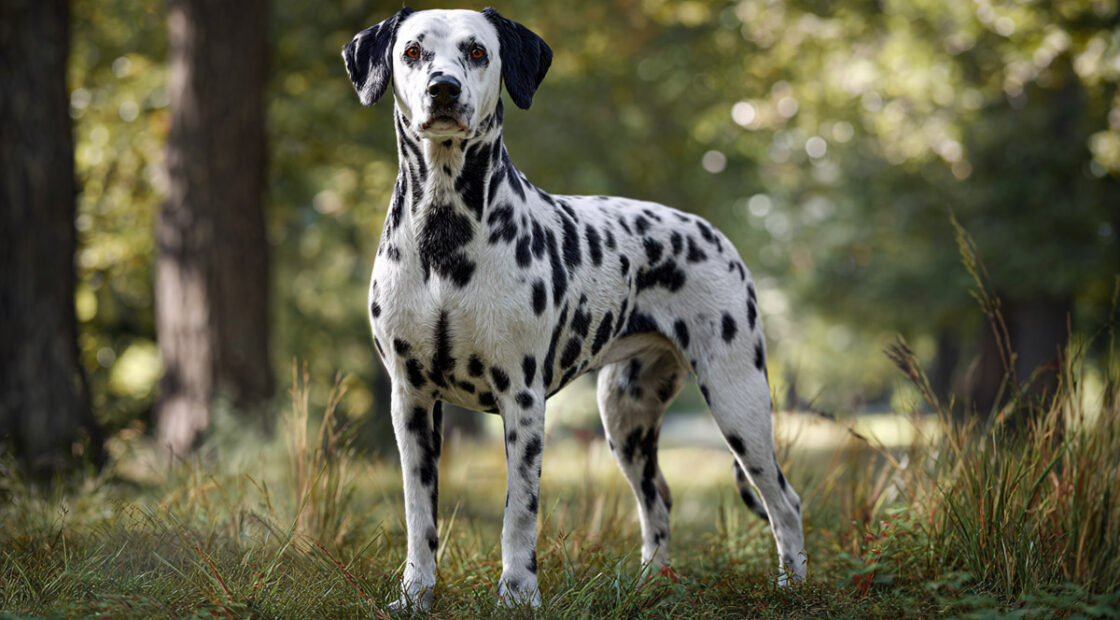
Those iconic black spots on white coats make Dalmatian dogs instantly recognizable worldwide. But this Croatian breed offers far more than Disney movie fame.
Originally bred as carriage dogs in the Dalmatia region, these athletic companions possess unique traits that set them apart from typical family pets. Their energy levels, genetic quirks, and specialized care needs require informed ownership decisions.
Understanding this breed prevents costly mistakes. Too many spotted dogs end up in rescue organizations because owners underestimate their requirements.
This guide covers everything from coat development and exercise needs to health considerations and training approaches. You’ll learn how to determine if this energetic breed matches your lifestyle, what health screenings matter most, and how to provide proper care throughout their 11-16 year lifespan.
Whether you’re considering a puppy from responsible breeders or adoption from rescue organizations, these insights will help you make the right choice for both you and your future four-legged family member.
Dalmatian Breed Statistics
| Characteristic | Details |
|---|---|
| Size | Medium to Large |
| Weight | Males: 60-70 lbs, Females: 50-60 lbs |
| Height | Males: 23-24 inches, Females: 22-23 inches |
| Life Expectancy | 11-16 years |
| Energy Level | Very High |
| Exercise Needs | 60-90 minutes daily |
| Grooming Requirements | Low maintenance, high shedding |
| Training Difficulty | Moderate |
| Good with Children | Yes, with supervision |
| Good with Other Dogs | Yes, with socialization |
| Good with Cats | Moderate, needs early exposure |
| Apartment Living | Not ideal, needs space |
| Climate Tolerance | Moderate heat, good cold tolerance |
| Barking Level | Moderate |
| Drooling Level | Low |
| Health Issues | Deafness (30%), urinary stones, hip dysplasia |
| Origin | Croatia (Dalmatia region) |
| Breed Group | Non-Sporting |
| Coat Type | Short, dense, spotted |
| Coat Colors | White with black or liver spots |
| Shedding | Year-round, heavy |
| Hypoallergenic | No |
| Puppy Price Range | $1,200-$3,000+ |
| Monthly Care Cost | $100-$200 |
Physical Characteristics and That Famous Coat
Size, Build, and Athletic Frame

Male spotted dogs typically reach 23-24 inches tall and weigh 60-70 pounds. Females stand 22-23 inches with weights between 50-60 pounds.
Built for endurance. Their muscular frame shows clear working dog heritage. Long legs and proportioned bodies make them natural athletes.
The Croatian breed’s chest is deep. Their back stays level. This athletic build served carriage dogs well during long journeys through Dalmatia region.
The Spotted Coat: More Than Just Pretty
Puppies arrive pure white. No spots at birth.
Black spots emerge around 2-3 weeks. The coat pattern develops over months, creating each dog’s unique markings. Most spots appear by 4 months, though some continue developing until the first year.
Spot patterns vary wildly. Some dogs sport large, well-defined circles. Others display smaller, closely-packed markings. The genetic markers determine size and distribution.
Beyond the classic black spots on white coat, liver spots (brown) occur in some bloodlines. These dogs often have amber eyes instead of dark ones.
Shedding happens year-round. Constant shedding. Their short, dense coat drops hair daily. Brushing helps but won’t eliminate it entirely.
Other Physical Features
Head shape: Moderate length with slight stop. Muzzle equals skull length.
Ears: Set high, medium size, hanging close to head. Triangular with rounded tips.
Tail: Reaches hock, carried with slight upward curve. Never curled over back.
Eye color: Dark in black-spotted dogs, amber in liver-spotted varieties. Bright, intelligent expression shows their alert nature.
Personality Traits: Energy Meets Loyalty
High Energy and Exercise Needs

Daily requirements: 60-90 minutes of activity minimum. Without proper exercise, destructive behaviors emerge quickly.
Mental stimulation matters equally. Puzzle toys, training sessions, and varied activities prevent boredom. An under-exercised fire dog becomes restless, vocal, and destructive.
Signs of insufficient exercise:
- Excessive barking
- Chewing furniture
- Pacing or restlessness
- Jumping on people
- Digging behaviors
Like their German Shepherd Dog counterparts, these athletic companions need jobs to do.
Loyalty and Family Bonds
Strong attachment develops with family members. They often choose one person as their primary bond, though they love the whole household.
Protective instincts run deep without crossing into aggression. They alert to strangers but rarely show hostility. Their size and confident presence deter unwanted visitors naturally.
Affection shows through:
- Following family members around
- Leaning against legs
- Gentle nudging for attention
- Sleeping near their people
Intelligence and Trainability
Problem-solving abilities impress most owners. They figure out latches, remember routines, and adapt to household schedules quickly.
Training response varies. Positive methods work best. Harsh corrections backfire with this sensitive breed. They want to please but won’t tolerate unfair treatment.
Independence vs. stubbornness: Often mistaken for each other. These dogs think for themselves. They need clear leadership, not dominance.
Consistency matters more than intensity. Short, frequent training sessions beat long, repetitive ones.
Social Nature and Pack Mentality
Interaction with other dogs: Generally friendly, especially with proper socialization. They prefer dogs of similar energy levels. Gentle giants like Great Dane companions often work well.
Stranger behavior: Polite but reserved. They observe before engaging. Early socialization prevents excessive wariness.
Territory instincts: Moderate guarding behavior. They patrol their space and announce visitors. Unlike breeds such as Rottweiler, they rarely show intense territorial aggression.
Pack mentality emerges in multi-dog households. They establish hierarchy peacefully when introduced properly. Their heritage as carriage dogs makes them naturally cooperative.
Health Considerations and Genetic Factors

Deafness: The Primary Concern
Statistics: 8% born completely deaf, 22% deaf in one ear. Congenital deafness affects this breed more than any other.
Genetic causes link to the same genes controlling coat color and spotted patterns. White coat genes increase deafness risk across many breeds.
Living with deaf dogs: They adapt remarkably well. Hand signals replace voice commands. Vibration training works effectively. Many deaf spotted dogs live full, happy lives with proper training methods.
Health screening through BAER testing identifies hearing levels in puppies as early as 5-6 weeks.
Urinary System Quirks
Unique metabolism: These dogs process purines differently than other breeds. They produce more uric acid, creating higher stone formation risks.
Urinary stones develop from excess uric acid crystals. Males show symptoms more often due to anatomy, though females also develop stones.
Dietary management:
- Low-purine protein sources
- Increased water intake
- Avoid organ meats, sardines
- Regular vet monitoring
Unlike Labrador Retriever nutrition needs, these dogs require specialized feeding approaches throughout life.
Other Health Issues to Watch
Hip dysplasia affects roughly 5% of the breed. Less common than in larger working dogs but worth screening.
Skin conditions include allergies and sensitivity. Their short coat provides little protection from environmental irritants.
Heart health generally stays good. Occasional reports of dilated cardiomyopathy in older dogs.
Life expectancy ranges 11-16 years with proper care.
Lifespan and Aging
Senior care needs increase after age 10. Joint supplements help mobility. Regular blood work catches kidney issues early.
Quality of life factors include maintaining exercise routines, mental stimulation, and social connections. Using a dog age calculator helps track developmental stages.
Care Requirements: Keeping Your Dalmatian Happy
Exercise and Activity Planning

Daily minimums: 60-90 minutes of physical activity. Mental exercise counts toward this total.
Best activities:
- Long walks or jogs
- Fetch games
- Agility training
- Swimming
- Hiking
Seasonal adjustments: Summer heat affects them more than cold. Early morning and evening exercise prevents overheating.
Unlike lower-energy breeds such as Bulldog, these athletic dogs need consistent activity regardless of weather.
Grooming and Coat Maintenance
Shedding happens year-round. Daily brushing reduces hair around the house but won’t eliminate it completely.
Weekly baths keep the white coat clean. Use gentle dog shampoos to prevent skin irritation.
Grooming schedule:
- Brush daily during heavy shedding periods
- Bath every 4-6 weeks
- Nail trimming monthly
- Ear cleaning weekly
Nutrition and Feeding Guidelines
Special dietary needs center on urinary health management. Low-purine diets prevent stone formation.
Feeding guidelines:
- High-quality protein (avoid organ meats)
- Measured portions prevent obesity
- Fresh water available constantly
- Divide daily food into 2-3 meals
Adult dogs typically eat 2-3 cups daily, depending on activity level and size.
Training treats: Use low-sodium, low-purine options. Small pieces work better than large rewards.
Mental Stimulation and Enrichment
Puzzle toys challenge their intelligence. Rotate toys weekly to maintain interest.
Training as exercise: Short sessions multiple times daily. Teaching new tricks provides mental workout.
Social activities: Dog parks, playdates, and group training classes satisfy their pack mentality.
Boredom leads to destructive behaviors quickly. Unlike calm breeds such as Basset Hound, these energetic dogs need constant engagement.
Enrichment ideas:
- Hide treats around the house
- Teach complex tricks
- Practice agility obstacles
- Arrange dog playdates
- Visit new environments regularly
Training Your Dalmatian: Building Good Habits
Early Socialization Importance

Critical window: 3-16 weeks determines lifelong social skills. Missing this period creates fearful, reactive adults.
Expose puppies to different environments, people, sounds, and animals daily. Puppy training classes provide structured socialization with professional guidance.
Key exposures:
- Children of various ages
- Other dogs and animals
- Different surfaces and textures
- Car rides and public spaces
- Household noises and equipment
Basic Obedience Training
House training: Crate training works best. Take outside every 2 hours initially, immediately after meals, naps, and play.
Essential commands:
- Sit and stay
- Come when called
- Down and wait
- Leave it
- Heel on leash
Leash training requires patience. Their energy level exceeds breeds like Cavalier King Charles Spaniel. Start with short sessions, reward calm walking.
Training tips:
- Keep sessions under 10 minutes
- Use high-value treats
- End on positive notes
- Practice in different locations
Addressing Common Behavior Issues
Excessive barking: Often stems from boredom or alerting behavior. Provide adequate exercise and mental stimulation. Teach “quiet” command with positive reinforcement.
Jumping on people: Ignore jumping, reward four paws on ground. Train alternative greeting behaviors.
Destructive behaviors: Usually indicate insufficient exercise or mental engagement. Increase activity levels before addressing specific behaviors.
Unlike calmer breeds such as Pekingese, these dogs need constant redirection of their energy.
Advanced Training Opportunities
Agility training suits their athletic build perfectly. Many excel in competitive agility sports.
Therapy dog potential exists with proper temperament testing and training. Their gentle nature with children makes them good candidates.
Trick training provides mental exercise. Complex tricks challenge their intelligence and strengthen bonds with owners.
Living with a Dalmatian: Home and Family Life
Best Home Environments

Space requirements: Large yards preferred but not mandatory. Apartment living possible with adequate daily exercise.
Minimum yard size: 1/4 acre ideal for free running. Smaller spaces work if exercise needs are met elsewhere.
Climate adaptations: Handle cold better than extreme heat. Provide shade and water in summer. Their short coat offers limited insulation.
Family Dynamics and Children
Age interactions:
- Toddlers: Supervision required due to energy level
- School-age: Excellent companions for active kids
- Teenagers: Great jogging and hiking partners
Teaching children proper handling:
- No tail or ear pulling
- Gentle petting only
- Respect dog’s space during meals
- Recognize warning signals
Safety guidelines: Always supervise interactions with children under 8. Their enthusiasm can overwhelm small kids.
Multi-Pet Households
Dog introductions: Gradual process over several weeks. Neutral territory meetings work best.
Living with cats: Early socialization helps. Adult dogs may have higher prey drive toward small animals.
Pack dynamics: Establish clear hierarchy through consistent rules. Feed separately to prevent resource guarding.
Compatible breeds include other high-energy dogs like Australian Shepherd or Border Collie.
Daily Routines and Schedules
Structured schedule benefits:
- Morning walk before work
- Midday exercise break
- Evening activity session
- Consistent meal times
- Regular bedtime routine
Work-day arrangements: Dog daycare, pet sitters, or midday walks prevent destructive behaviors.
Travel considerations:
- Gradual car ride conditioning
- Boarding facility research
- Pet-friendly accommodation planning
- Health certificate requirements
Boarding alternatives: In-home pet sitting often causes less stress than kennel boarding. Their attachment to family makes separation challenging.
Finding and Choosing Your Dalmatian

Reputable Breeders vs. Other Sources
Questions to ask breeders:
- Health testing results for parents
- BAER hearing test documentation
- Hip dysplasia screening certificates
- Previous litter health records
- Breeding program goals
Health certifications required:
- BAER testing for deafness
- Hip evaluation (OFA or PennHIP)
- Eye clearance (CERF)
- Genetic testing for hyperuricemia
Responsible breeders provide health guarantees and lifetime support. They ask questions about your lifestyle, experience, and expectations.
Red flags to avoid:
- No health testing documentation
- Multiple litters available year-round
- Selling puppies under 8 weeks
- Won’t let you meet parent dogs
- Puppy mill operations
Unlike mass breeding operations, quality breeders limit litters and focus on breed improvement.
Rescue and Adoption Options
National Dalmatian Club maintains rescue network across states. Regional rescue organizations specialize in breed-specific placements.
What to expect from rescued dogs:
- Basic health screening completed
- Temperament evaluation finished
- House training may need work
- Previous history often unknown
Adoption process:
- Application and reference checks
- Home visit requirements
- Meet-and-greet with current pets
- Trial period arrangements
- Post-adoption support
Adult rescued dogs often come with basic training. Their personalities are established, unlike unpredictable puppy development.
Puppy vs. Adult Dog Considerations
Puppy energy requirements:
- 5 meals daily initially
- House training commitment
- Constant supervision needed
- Socialization window critical
- Training from scratch
Benefits of adult dogs:
- Established temperament
- House training completed
- Less destructive behavior
- Known exercise needs
- Immediate companionship
Special needs considerations: Some rescued dogs have medical conditions or behavioral challenges. These dogs often make devoted companions with proper care.
Senior dogs (7+ years) need homes willing to provide medical care and gentle exercise. Their gratitude for second chances is remarkable.
Preparing Your Home

Puppy-proofing essentials:
- Secure electrical cords
- Remove toxic plants
- Lock cabinets with chemicals
- Block access to stairs
- Store shoes and valuables
Supply checklist:
- Crate appropriate for adult size
- Food and water bowls
- High-quality puppy or adult food
- Collar, leash, and ID tags
- Toys for chewing and mental stimulation
- Cleaning supplies for accidents
First week expectations: Sleep disruption is normal. Puppies need bathroom breaks every 2-3 hours initially.
Cost considerations:
- Initial purchase or adoption fees
- Veterinary care and vaccinations
- Quality food and treats
- Training classes
- Pet insurance premiums
- Emergency medical fund
Compare costs with other breeds like Golden Retriever to understand financial commitment.
Location factors: Rural areas may have fewer veterinarians familiar with breed-specific health issues. Urban environments provide more training and socialization opportunities.
Timeline planning: Allow 2-4 weeks for adjustment period. Adult dogs may take longer to fully settle into new routines.
Family preparation: Everyone must agree on rules and responsibilities. Inconsistent training confuses dogs and slows progress.
FAQ on Dalmatian
Are Dalmatians good family dogs?
Yes, with proper exercise and training. These energetic dogs bond strongly with families but need 60-90 minutes daily activity. They’re gentle with children but may overwhelm toddlers. Early socialization prevents behavioral issues. Not suitable for sedentary households.
Do Dalmatians shed a lot?
Constant shedding year-round. Their short white coat drops hair daily on furniture, clothes, and floors. Daily brushing reduces but doesn’t eliminate shedding. Unlike breeds such as Poodle, they’re not hypoallergenic. Expect white hairs everywhere.
Are Dalmatians born with spots?
No. Puppies arrive completely white. Black or liver spots develop around 2-3 weeks old. Most spot patterns emerge by 4 months, though some continue developing until age one. Each dog’s spotted coat becomes unique through genetic markers.
Do Dalmatians have health problems?
Several breed-specific issues exist. Deafness affects 30% of dogs (8% completely deaf, 22% in one ear). Urinary stones develop from unique uric acid metabolism. Hip dysplasia, skin allergies, and heart conditions occur less frequently. Health screening prevents many problems.
How much exercise do Dalmatians need?
Minimum 60-90 minutes daily. These athletic dogs need running, hiking, or intense play sessions. Mental stimulation through training and puzzle toys counts toward exercise needs. Under-exercised dogs become destructive. More active than breeds like Bullmastiff.
Are Dalmatians easy to train?
Moderately challenging. They’re intelligent but independent-minded. Positive reinforcement works best. Harsh methods backfire with this sensitive breed. Consistency matters more than intensity. Start training early and keep sessions short. They respond well to patient owners.
How long do Dalmatians live?
Average lifespan ranges 11-16 years. Proper diet, exercise, and veterinary care extend longevity. Regular health screening catches issues early. Senior dogs need joint supplements and modified exercise routines. Quality of life remains good with appropriate management.
Do Dalmatians bark a lot?
Moderate barking tendency. They alert to strangers and unusual sounds but aren’t excessive barkers like some terrier breeds. Boredom and insufficient exercise increase vocal behaviors. Training reduces unnecessary barking. Their protective instinct makes them good watchdogs.
Can Dalmatians live in apartments?
Possible but challenging. Large yards preferred for their energy needs. Apartment living requires multiple daily walks, dog parks, and mental stimulation. Without adequate exercise, they become destructive. Better suited to homes with outdoor space than breeds like French Bulldog.
What should I feed my Dalmatian?
Low-purine diet prevents urinary stones. Avoid organ meats, sardines, and high-purine proteins. Choose quality dog food with moderate protein levels. Ensure constant fresh water access. Adult dogs eat 2-3 cups daily depending on size and activity level.
Conclusion
Dalmatian ownership requires commitment beyond their striking appearance. These fire dogs demand active lifestyles, specialized nutrition, and understanding of their Croatian heritage as working companions.
Success depends on realistic expectations. Their athletic build needs daily exercise. Urinary health requires dietary management. Deafness screening and genetic testing prevent future heartbreak.
Key considerations:
- Daily activity requirements exceed most companion dogs
- Shedding happens constantly throughout the year
- Health screening from reputable breeders saves costs
- Early socialization prevents behavioral problems
For the right family, these intelligent, loyal dogs provide years of devoted companionship. Their pack mentality and protective instincts make them excellent family guardians without excessive aggression.
Research thoroughly before committing. Visit rescue organizations or responsible breeding programs. Meet adult dogs to understand their true energy levels and space requirements.
The reward for proper preparation: A lifetime bond with one of the most distinctive and faithful breeds in the canine world.