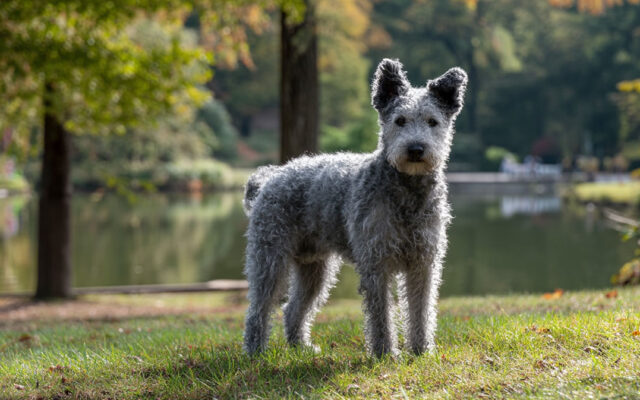
Few sporting dogs command attention like the Irish Water Spaniel with its distinctive curly coat and playful personality. This rare breed combines intelligence, athleticism, and unwavering loyalty in one impressive package.
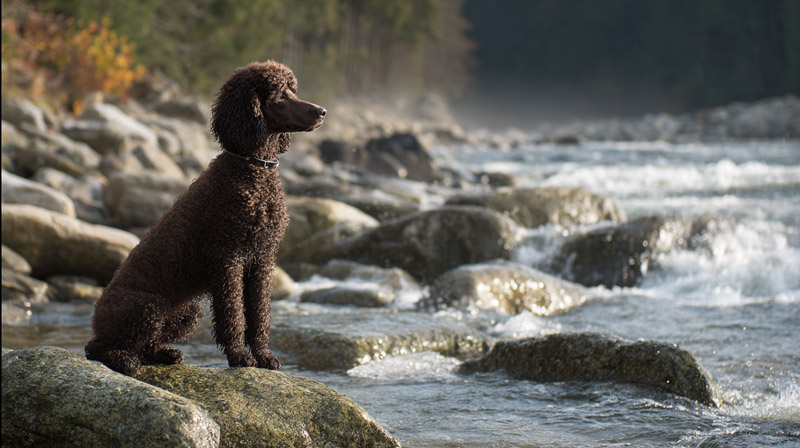
Originally bred for waterfowl hunting in Ireland’s marshlands, these water dogs bring centuries of working heritage to modern families. Their webbed feet and double coat make them natural swimmers, while their problem-solving abilities challenge even experienced dog owners.
Understanding this breed requires more than surface knowledge. Their exercise requirements, grooming needs, and training methods differ significantly from typical family dogs.
This comprehensive guide covers everything from selecting a reputable breeder to managing daily care routines. You’ll discover their unique temperament, health considerations, and activity requirements.
Whether you’re considering adding an Irish Water Spaniel to your family or already share your home with one of these curly-coated companions, this article provides practical insights for successful ownership.
Irish Water Spaniel Breed Statistics
| Characteristic | Details |
|---|---|
| Size | Large |
| Height | Males: 22-24 inches, Females: 21-23 inches |
| Weight | Males: 55-68 lbs, Females: 45-58 lbs |
| Life Span | 10-12 years |
| Coat Type | Double coat, curly/wavy, water-resistant |
| Coat Colors | Liver (reddish-brown) |
| Shedding Level | Low to Moderate |
| Grooming Needs | High |
| Exercise Requirements | Very High (90+ minutes daily) |
| Energy Level | High |
| Training Difficulty | Moderate to Challenging |
| Intelligence | Very High |
| Good with Kids | Yes, with proper socialization |
| Good with Pets | Yes, with early socialization |
| Apartment Living | Not ideal, needs space |
| Climate Tolerance | Cold: Excellent, Hot: Good with care |
| Barking Level | Moderate |
| Drooling | Low |
| Health Issues | Hip dysplasia, eye conditions, ear infections |
| AKC Group | Sporting Group |
| Origin | Ireland |
| Purpose | Water retrieval, hunting companion |
| Swimming Ability | Excellent |
| Protective Instincts | Moderate |
| Stranger Friendliness | Reserved but not aggressive |
| Price Range | $1,500 – $3,500 |
Understanding the Irish Water Spaniel’s Character
Intelligence and Learning Abilities
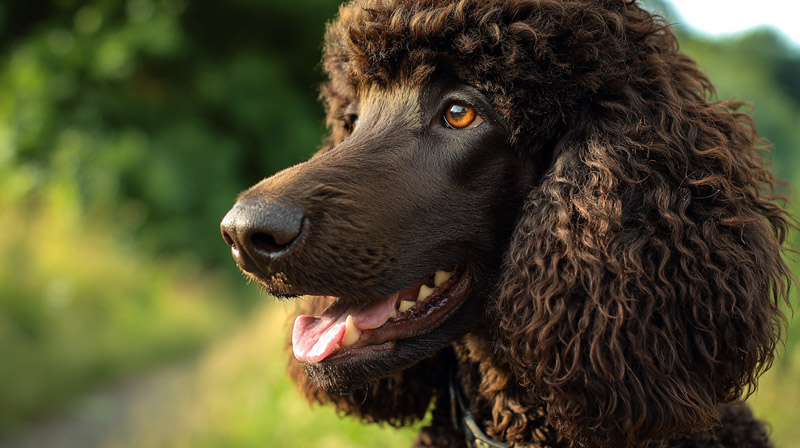
Irish Water Spaniels rank among the smartest sporting dogs. Their problem-solving skills shine during water retrieval sessions.
These dogs adapt quickly to new situations. Training responsiveness stays high when you keep sessions engaging.
Independent thinking versus obedience creates an interesting balance. Your spaniel will follow commands but might add their own creative twist. Memory retention impresses most owners.
Mental stimulation prevents destructive behavior. Puzzle toys and interactive games work well for this intelligent breed.

Boredom leads to trouble fast. Keep their minds busy with:
- Retrieval training sessions
- New walking routes
- Hide-and-seek games
- Food puzzle toys
Energy Levels and Exercise Requirements
Daily physical activity needs stay high throughout their lives. Plan for 90+ minutes of exercise daily.
Swimming tops their preference list. These water dogs excel at retrieving from lakes and rivers. Their webbed feet make them natural swimmers.
Indoor exercise options help during bad weather:
- Stair climbing
- Tug-of-war games
- Indoor fetch sessions
- Training practice
Age-related activity adjustments become important as your dog matures. Puppies need shorter, frequent play sessions. Adult dogs handle longer adventures. Senior dogs benefit from gentler activities but still need regular movement.
Social Behavior and Family Dynamics
Children and Irish Water Spaniels make great companions. Their patient nature works well with kids of all ages. Supervision helps during playtime with toddlers.
Compatibility with other pets varies by individual dog. Early socialization helps enormously. Labrador Retrievers often get along well with this breed.
Protective instincts run moderate to strong. They’ll alert you to strangers but rarely show aggression. Guarding behaviors focus more on barking than physical confrontation.
Socialization importance cannot be overstated. Start early and continue throughout their lives. Methods include:
- Puppy classes
- Dog parks (after vaccinations)
- Neighborhood walks
- Friend visits
Caring for Your Irish Water Spaniel’s Health
Common Health Issues and Prevention
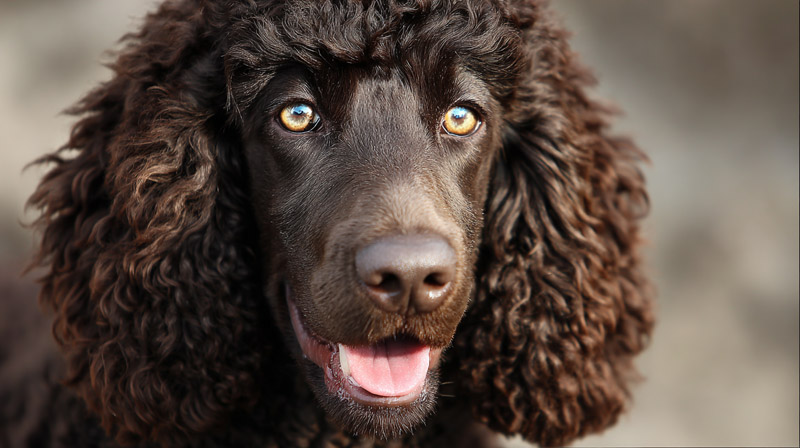
Hip dysplasia affects this breed more than owners expect. Regular screening through your veterinary clinic catches problems early.
Joint problems develop gradually. Watch for limping or reluctance to jump. Prevention includes:
- Maintaining healthy weight
- Avoiding excessive jumping as puppies
- Regular gentle exercise
- Quality nutrition
Eye conditions require annual screening. Progressive retinal atrophy and cataracts occur in some bloodlines. Find an ophthalmologist who specializes in canine genetics.
Ear infections strike water-loving breeds frequently. Their coat type traps moisture after swimming sessions. Proper cleaning prevents most problems.
Skin conditions relate directly to their curly coat texture. Regular grooming and quality shampoo products help maintain healthy skin.
Nutrition and Feeding Guidelines
Age-appropriate dietary requirements change significantly over time. Puppies need higher protein levels than adult dogs.
Portion control prevents obesity. This large dog breed gains weight easily. Follow feeding guidelines but adjust based on activity levels.
Food allergies and sensitivities show up as:
- Skin irritation
- Digestive upset
- Excessive scratching
- Ear problems
Treats should make up less than 10% of total calories. Supplements considerations include joint support for older dogs and omega fatty acids for coat health.
Regular Health Maintenance
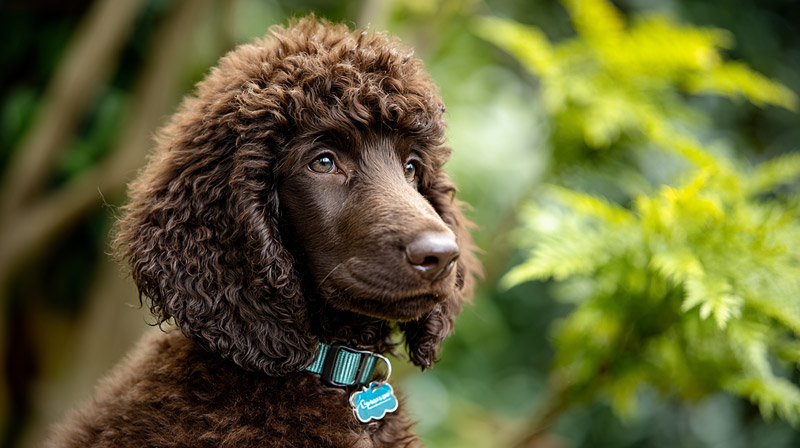
Veterinary checkup schedules vary by dog age. Puppies need monthly visits. Adult dogs require annual exams. Senior dogs benefit from twice-yearly checkups.
Vaccination protocols follow standard guidelines. Core vaccines include rabies, distemper, and parvovirus. Your vet determines the best schedule.
Parasite prevention covers both internal and external threats. Monthly heartworm preventatives protect against serious disease. Flea and tick protection keeps your dog comfortable.
Senior dog health monitoring becomes more intensive after age 7. Watch for:
- Changes in appetite
- Mobility issues
- Cognitive changes
- Weight fluctuations
Regular blood work catches problems before symptoms appear. Early detection improves treatment outcomes for most conditions.
Grooming Your Curly-Coated Companion
Coat Care and Maintenance
Brushing techniques for curly hair require specific tools. Use slicker brushes and metal combs designed for dense coats. Work in small sections to avoid pulling.
Brush weekly when dry. Daily brushing prevents matting during shedding seasons.
Bathing frequency depends on activity level. Swimming dogs need baths every 2-3 weeks. Indoor dogs can go 6-8 weeks between baths.
Proper products matter enormously. Use moisturizing shampoos designed for curly coats. Avoid harsh detergents that strip natural oils.
Preventing matting starts with regular maintenance:
- Brush before and after swimming
- Check behind ears daily
- Focus on leg feathering
- Use detangling spray when needed
Professional grooming versus home care depends on your comfort level. Groomers handle difficult areas like feet and sanitary trims. Home care covers basic brushing and bathing.
Nail, Ear, and Dental Care
Nail trimming frequency ranges from weekly to monthly. Active dogs on pavement need less trimming than indoor pets.
Trimming techniques require patience. Cut small amounts frequently rather than large chunks occasionally. Use sharp clippers designed for large dogs.
Ear cleaning prevents infections in this water-loving breed. Clean weekly with vet-approved solutions. Dry thoroughly after swimming sessions.
Check for:
- Redness or swelling
- Strong odors
- Dark discharge
- Excessive scratching
Dental hygiene needs daily attention. Brush teeth with dog-specific toothpaste. Dental chews help between brushing sessions.
Eye care involves gentle cleaning with damp cloths. Remove discharge buildup around eyes daily.
Seasonal Grooming Considerations
Summer coat management focuses on keeping your dog cool. Trim hair around paws and sanitary areas. Never shave completely – their coat provides insulation.
Winter protection comes naturally. Their double coat handles cold well. Focus on removing ice balls from between toes after walks.
Shedding patterns intensify twice yearly. Expect heavy hair collection during spring and fall transitions. Increase brushing frequency during these periods.
Show grooming follows strict breed standards. Pet grooming prioritizes comfort and cleanliness over appearance rules.
Training Your Smart and Spirited Irish Water Spaniel
Basic Obedience Training
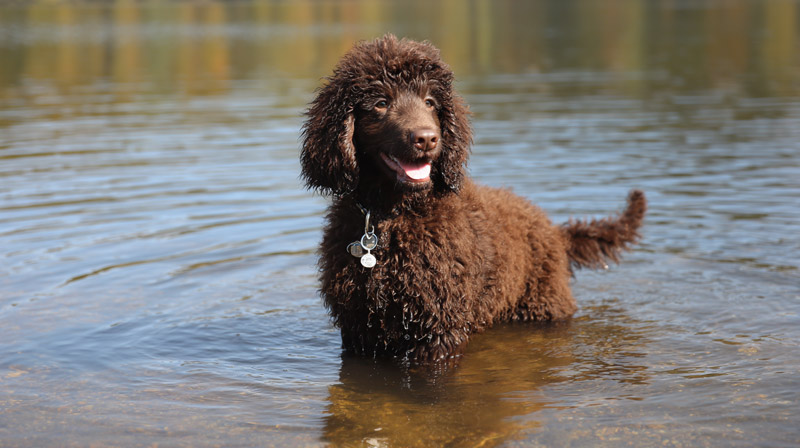
House training progresses quickly with consistent schedules. Take puppies outside every 2 hours initially.
Crate training provides security. Choose appropriately sized crates that allow standing and turning. Never use crates for punishment.
Essential commands include:
- Sit (easiest to teach first)
- Stay (builds impulse control)
- Come (critical for safety)
- Heel (prevents pulling)
Leash training requires patience with this strong breed. Start with short sessions indoors. Use front-clip harnesses to reduce pulling.
Positive reinforcement works best. High-value treats and praise motivate better than corrections. Time rewards immediately after correct responses.
Advanced Training and Skills Development
Retrieving skills come naturally but need refinement. Start with tennis balls on land before moving to water work.
Swimming instruction builds on natural abilities. Introduce water gradually. Never force reluctant dogs into deep water.
Water work instruction develops their heritage. Practice retrieves from ponds and lakes. Use floating bumpers designed for training.
Agility training suits their athletic nature. Start with basic jumps and tunnels. This breed excels at most dog sports.
Therapy dog potential exists in well-socialized individuals. Their calm nature and intelligence make them suitable candidates.
Service dog work requires professional evaluation. Some Irish Water Spaniels work as mobility assistance dogs.
Behavioral Training and Problem Solving
Excessive barking responds to redirection training. Teach “quiet” commands using positive methods. Address underlying causes like boredom.
Managing jumping behaviors starts early. Ignore jumping and reward calm greetings. Teach alternative behaviors like sitting for attention.
Destructive tendencies often stem from inadequate exercise. Increase physical activity before addressing specific behaviors.
Separation anxiety prevention includes:
- Gradual alone time increases
- Independence training
- Calm departures and arrivals
- Interactive toys during absences
Treatment requires consistency. Work with professional trainers for severe cases. Some dogs benefit from anxiety medications prescribed by veterinarians.
Unlike Border Collies that need constant mental challenges, Irish Water Spaniels balance work and relaxation well. Their training responds best to variety and fun rather than repetitive drilling.
Exercise and Activity Requirements
Daily Exercise Needs
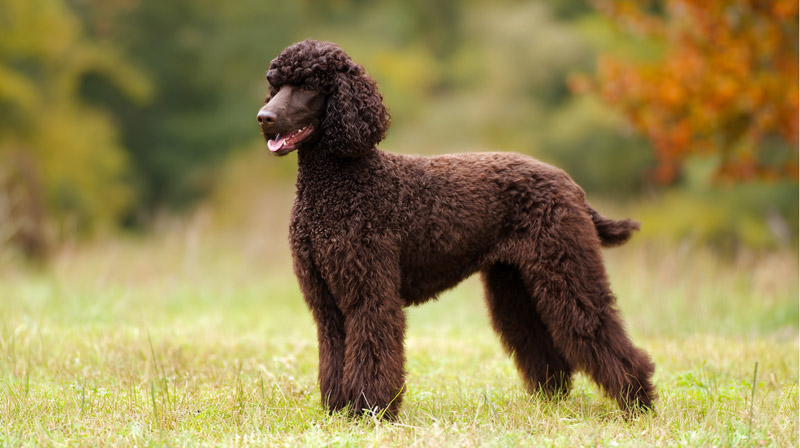
Minimum exercise time recommendations start at 90 minutes daily. This sporting dog needs substantial physical activity to stay healthy and content.
Break exercise into multiple sessions. Morning walks, afternoon play, evening training work best.
High-energy activities satisfy their working dog heritage:
- Swimming sessions
- Retrieving games
- Hiking trails
- Running alongside bikes
Mental stimulation through puzzle toys prevents destructive behavior. Rotate toys weekly to maintain interest.
Weather considerations affect outdoor activities. Hot summer days require early morning or evening exercise. Their curly coat handles cold well but watch for ice between toes.
Water Activities and Swimming
Introduction to water starts gradually with puppies. Never force fearful dogs into deep water. Most develop confidence naturally.
Safe swimming locations include:
- Shallow lakes with easy entry
- Dog-friendly beaches
- Swimming pools with ramps
- Calm rivers without strong currents
Water retrieval games build on natural instincts. Start with floating toys in shallow water. Progress to deeper retrieves as skills develop.
Pool safety requires constant supervision. Install safety covers when not in use. Teach pool exit locations clearly.
Unlike Golden Retrievers that retrieve gently, Irish Water Spaniels use firmer grips suited for waterfowl work.
Indoor Activities and Entertainment
Rainy day alternatives keep active dogs satisfied:
- Stair climbing exercises
- Indoor fetch sessions
- Hide-and-seek games
- Training practice
Interactive toys challenge intelligent minds. Food puzzles slow eating while providing mental work.
Indoor training sessions perfect obedience skills. Practice commands in different rooms to improve reliability.
Apartment living adaptations require creativity. Multiple daily walks replace yard time. Dog parks provide off-leash exercise opportunities.
Finding and Choosing an Irish Water Spaniel
Reputable Breeder Selection
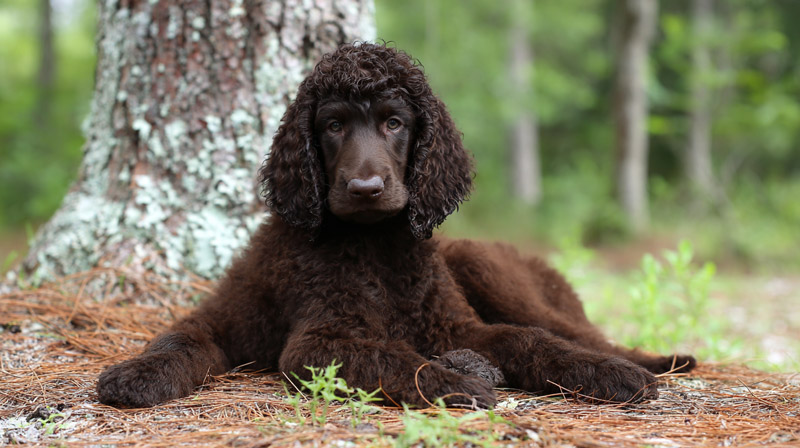
Research methods start with breed club referrals. The Irish Water Spaniel Club maintains breeder directories.
Red flags include:
- Multiple litters available year-round
- Unwillingness to show parent dogs
- No health testing documentation
- Pressure to purchase immediately
- Meeting puppies away from breeding facilities
Health testing requirements cover hip dysplasia, eye conditions, and genetic screening. Demand certificates from recognized organizations.
Meeting parent dogs reveals temperament and health. Both parents should display friendly, confident behavior.
Contracts protect both parties. Good breeders provide health guarantees and require spay/neuter agreements for pet-quality dogs.
Puppy Selection and Preparation
Choosing the right puppy personality matters more than appearance. Observe litter interactions for 30+ minutes.
Look for puppies that:
- Approach strangers confidently
- Recover quickly from startling sounds
- Show interest in toys and games
- Display moderate energy levels
Home preparation prevents accidents and damage:
- Remove toxic plants and chemicals
- Secure loose wires and small objects
- Install baby gates for restricted areas
- Purchase age-appropriate toys
Initial supplies include quality food, collar, leash, crate, bedding, and toys. Budget $500+ for startup costs.
First veterinary visits happen within 48 hours of bringing puppies home. Establish care relationships early.
Adoption and Rescue Options
Irish Water Spaniel rescue organizations operate regionally. Search online databases for available dogs. Expect thorough application processes.
Adult dog adoption offers advantages:
- Known temperament and size
- House training often complete
- Lower exercise requirements than puppies
- Grateful, bonding personalities
Transition periods require patience. Allow 2-3 months for full adjustment to new homes.
Supporting breed-specific rescues helps dogs nationwide. Volunteer, foster, or donate to worthy organizations.
Consider Chesapeake Bay Retrievers or Curly-Coated Retrievers if Irish Water Spaniels prove unavailable. These breeds share similar water-working backgrounds and exercise needs.
Living with an Irish Water Spaniel
Home Environment Requirements
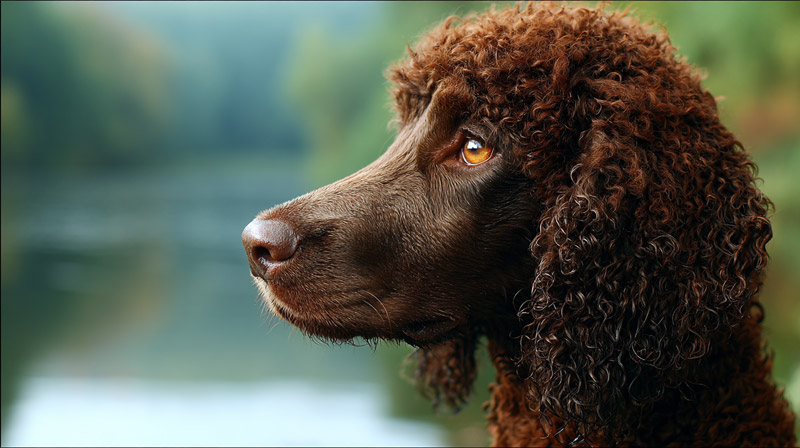
Space needs focus on access rather than size. A small house with large yard beats a mansion without outdoor access.
Indoor areas require:
- Non-slip flooring for wet paws
- Easy-clean surfaces near entry doors
- Designated feeding stations
- Comfortable sleeping areas away from high traffic
Outdoor space needs secure fencing minimum 6 feet high. These athletic dogs can clear shorter barriers easily.
Fencing and yard safety considerations include:
- Gates that latch securely
- No gaps wider than 4 inches
- Underground utility line marking
- Pool barriers and covers
Climate adaptability stays high across temperature ranges. Their double coat handles cold well. Hot climates require shade and water access.
Apartment living works with dedicated owners. Daily exercise requirements don’t change based on housing type.
House living provides ideal conditions. Unlike Great Danes that adapt well to smaller spaces, Irish Water Spaniels need active lifestyles regardless of home size.
Family Life Integration
Establishing routines benefits both dogs and owners. Feed, walk, and train at consistent times daily.
Morning routines include:
- 30-minute walk or swim
- Breakfast feeding
- Quick grooming check
- Interactive play session
Evening schedules wind down gradually. Calm activities before bedtime improve sleep quality.
Travel considerations require advance planning. These large dogs need spacious vehicles and pet-friendly accommodations.
Pet care arrangements become crucial for working owners. Professional dog walkers or daycare services fill exercise gaps.
Holiday management needs preparation. House guests trigger protective behaviors initially. Introduce visitors gradually.
Introducing new family members requires patience. Baby arrivals need supervised interactions and maintained exercise schedules.
Community and Social Activities
Dog park etiquette protects all participants. Watch for overexcited play and remove dogs when needed.
Socialization opportunities include:
- Puppy kindergarten classes
- Adult obedience training
- Swimming groups
- Hiking meetups
Training classes provide structure and social benefits. Group environments challenge focus and impulse control.
Dog sports suit their athletic nature. Field trials, agility, and dock diving competitions showcase natural abilities.
Competition opportunities exist through:
- American Kennel Club events
- United Kennel Club trials
- Local breed club activities
- Swimming competitions
Breed club participation connects owners nationwide. Regional specialties offer education and networking opportunities.
Unlike Poodles that excel in formal competitions, Irish Water Spaniels prefer water-based activities and outdoor adventures.
Community involvement includes:
- Therapy dog visits
- School education programs
- Water safety demonstrations
- Breed promotion events
Local clubs often need volunteers for rescue efforts and education programs. Experienced owners help newcomers navigate breed-specific challenges.
FAQ on Irish Water Spaniel
Are Irish Water Spaniels good family dogs?
Yes, they make excellent family companions. Their patient temperament works well with children. Early socialization helps them bond with all family members. They need active owners who can meet their exercise requirements and grooming needs.
How much exercise do Irish Water Spaniels need daily?
Plan for 90+ minutes of daily activity. This sporting dog thrives with swimming, retrieving games, and long walks. Mental stimulation through training prevents destructive behavior. Weather rarely stops their outdoor adventures.
Do Irish Water Spaniels shed a lot?
Minimal shedding makes them popular with allergy sufferers. Their curly coat traps loose hair rather than dropping it everywhere. Regular brushing removes trapped hair. Seasonal coat changes require increased grooming attention twice yearly.
How often should I groom an Irish Water Spaniel?
Weekly brushing prevents matting in their curly coat. Professional grooming every 6-8 weeks maintains proper coat shape. Daily ear cleaning after swimming prevents infections. Nail trimming needs attention every 2-3 weeks.
Are Irish Water Spaniels easy to train?
Their intelligence makes training enjoyable but challenging. They learn quickly but add creative twists to commands. Positive reinforcement works better than harsh corrections. Consistent training produces reliable obedience and strong bonds.
What health problems do Irish Water Spaniels face?
Hip dysplasia and eye conditions appear most frequently. Annual health screening catches problems early. Ear infections affect water-loving dogs regularly. Quality breeding programs reduce genetic health risks significantly through proper testing.
How big do Irish Water Spaniels get?
Males reach 22-24 inches and 55-68 pounds. Females measure 21-23 inches and weigh 45-58 pounds. Their athletic build requires space for comfortable movement. Growth continues until 18-24 months of age.
Can Irish Water Spaniels live in apartments?
Apartment living works with dedicated exercise commitments. Their size and energy levels prefer houses with yards. Daily activities must replace outdoor access. Unlike Bulldogs that adapt easily, these dogs need substantial activity regardless.
How much do Irish Water Spaniel puppies cost?
Expect $1,500-$3,500 from reputable breeders. Health testing and quality breeding increase prices. Show-quality puppies cost more than pets. Additional expenses include supplies, training, and veterinary care throughout their lives.
Do Irish Water Spaniels get along with other pets?
Early socialization determines compatibility success. They generally accept other dogs and cats when raised together. Their hunting instincts may trigger chasing behaviors with small animals. Supervision helps during initial introductions.
Conclusion
Owning an Irish Water Spaniel rewards dedicated families with years of loyal companionship and adventure. These athletic water dogs bring unique challenges and incredible joy to households prepared for their needs.
Success depends on understanding their heritage as hunting companions. Their intelligence demands mental stimulation beyond basic obedience training. Swimming opportunities keep them physically satisfied and emotionally content.
Commitment extends beyond daily exercise requirements. Regular grooming maintains their distinctive curly coat texture. Health screening through veterinary care prevents common breed issues. Socialization shapes their protective instincts into appropriate behaviors.
The investment in proper breeding, quality nutrition, and consistent training pays dividends throughout their lifespan. These sporting dogs thrive in active households that appreciate their independent thinking and problem-solving abilities.
Whether you’re drawn to their waterfowl hunting abilities or simply love their playful personalities, Irish Water Spaniels make exceptional pets for the right families. Their rare status makes each one special.