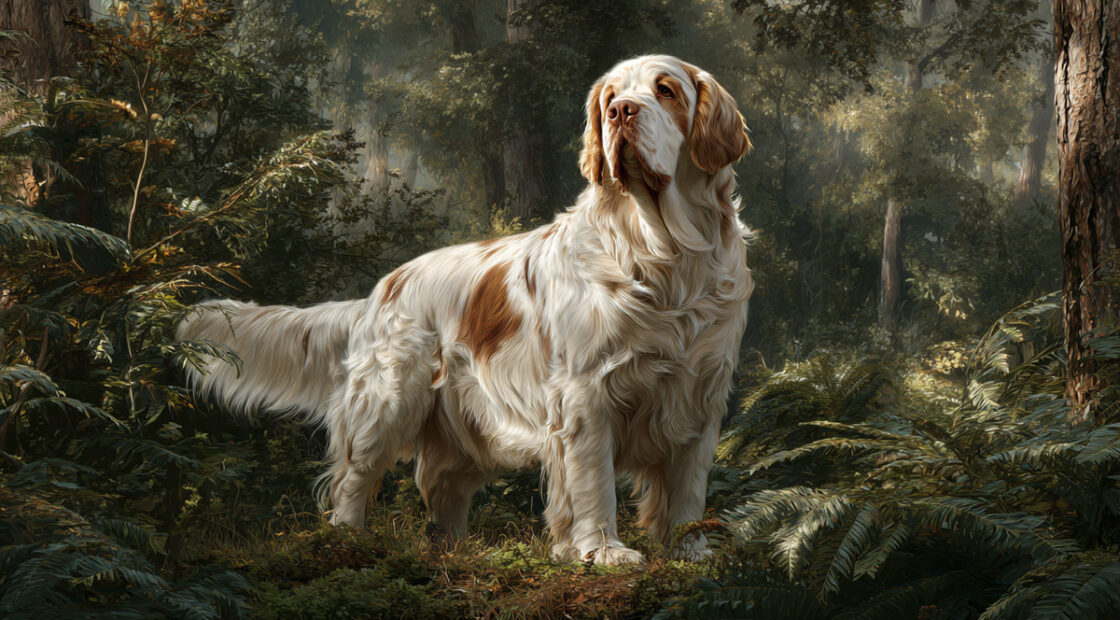
Few sporting dogs combine royal heritage with gentle family companionship like the Clumber Spaniel. This distinctive white and orange gun dog traces its lineage directly to British aristocratic estates, where dukes and queens treasured these calm, methodical hunting companions.
Modern families discover what royalty knew centuries ago. These large spaniels offer unwavering loyalty without the high energy demands of breeds like English Setters or Irish Setters.
Understanding this breed requires looking beyond their distinctive rolling gait and feathered coat. Their independent thinking, moderate exercise needs, and patient temperament create unique ownership considerations.
This guide covers everything from their fascinating royal origins to daily care requirements, helping you determine if a Clumber Spaniel matches your lifestyle and expectations.
Clumber Spaniel Breed Statistics
| Characteristic | Details |
|---|---|
| Size | Large |
| Weight | Males: 70-85 lbs, Females: 55-70 lbs |
| Height | 17-20 inches |
| Life Expectancy | 10-12 years |
| Energy Level | Low to Moderate |
| Exercise Needs | 30-45 minutes daily |
| Grooming Requirements | High (daily during shedding seasons) |
| Shedding | Heavy seasonal shedding |
| Trainability | Moderate (independent thinking) |
| Good with Kids | Excellent |
| Good with Pets | Yes, with proper socialization |
| Apartment Living | Yes, if exercise needs are met |
| Climate Tolerance | Cold: Excellent, Heat: Poor |
| Barking Level | Low |
| Drooling | Minimal |
| Coat Type | Dense double coat with feathering |
| Colors | White with lemon or orange markings |
| AKC Group | Sporting Group |
| Origin | England |
| Purpose | Gun dog, hunting companion |
| Common Health Issues | Hip dysplasia, eye problems, weight gain |
| Price Range | $1,200-$3,000 |
| Rarity | Uncommon |
History and Origins: From Royal Hunting Grounds to Family Homes
British Aristocratic Beginnings
The Duke of Newcastle developed this magnificent breed at Clumber Park estate during the 1700s. French aristocrats fled the revolution and brought their spaniel bloodlines to England. These dogs caught the attention of the British royal family immediately.
Prince Albert adored his pack. Queen Victoria kept several Clumber Spaniels as both hunting companions and beloved pets. The breed’s connection to royalty solidified its reputation among English nobility.
Working Dog Heritage
Originally bred for hunting, these sporting dogs excelled in dense woodland environments. Their specialized skills included:
- Silent tracking through thick brush
- Soft mouth retrieval of delicate game birds
- Steady temperament during long hunting sessions
- Methodical searching patterns in difficult terrain
Unlike faster gun dogs, Clumbers worked at a deliberate pace. Their retrieving instinct and natural pointer abilities made them perfect for pheasant hunting in English estates.
Journey to Modern Times
North America welcomed Clumbers in the 1840s.
The breed slowly evolved from working dog to family companion. Population declined dramatically after World War II when large estate hunting decreased. Today’s Clumbers maintain their hunting heritage while serving primarily as gentle family pets.

Breed registrations remain low worldwide, making them one of the rarer spaniel breeds.
Physical Characteristics: Understanding the Clumber Build
Body Structure and Movement
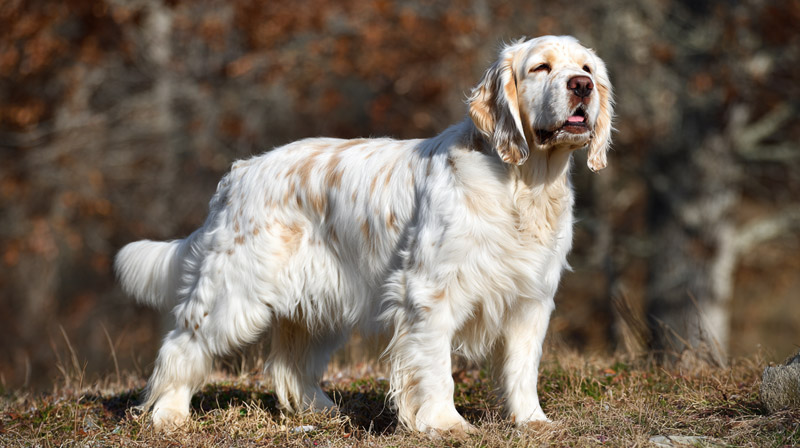
Rectangular body shape defines the Clumber’s distinctive silhouette. These large spaniels measure 17-20 inches tall and weigh 55-85 pounds.
Strong legs support their sturdy bone structure perfectly. The distinctive rolling gait comes from their wide chest and shorter legs compared to other sporting breeds like the English Springer Spaniel.
Tail carriage stays level with the back during movement. Their powerful hindquarters provide excellent drive through rough terrain.
Coat and Grooming Requirements
The dense, weather-resistant double coat protects against harsh hunting conditions.
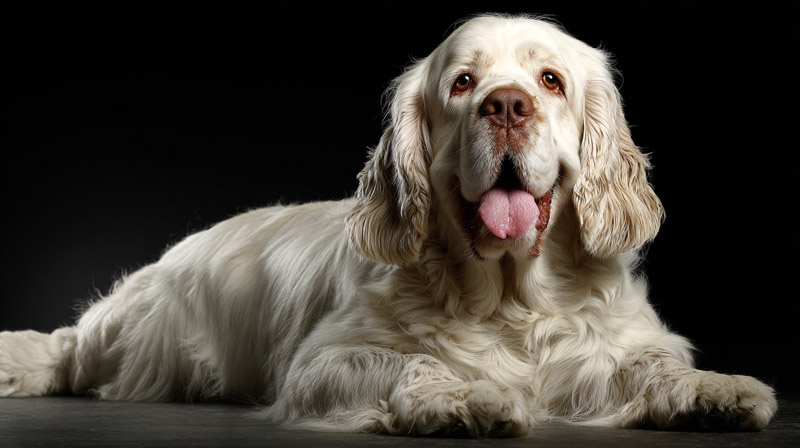
Primary color is white with lemon or orange markings around the ears and face. Some dogs show light body freckling.
Feathering appears on:
- Legs (front and rear)
- Chest area
- Tail underside
- Ears
Seasonal shedding increases dramatically twice yearly. Regular brushing prevents matting in the longer feathered areas.
Health-Related Physical Traits
Deep chest construction can predispose them to bloat concerns. Owners should monitor eating habits and avoid exercise immediately after meals.
Eye shape tends toward drooping lower lids. This can trap debris and requires regular cleaning. Some lines show inherited eye problems that responsible breeders screen for.
Ear structure hangs close to the head, creating warm, moist conditions. Weekly ear cleaning prevents infections common in many spaniel breeds.
Weight management becomes critical given their moderate exercise needs and food-motivated personality. Unlike high-energy breeds like Border Collies, Clumbers require careful portion control to maintain healthy body condition.
Temperament and Personality: The Clumber Character
Core Personality Traits
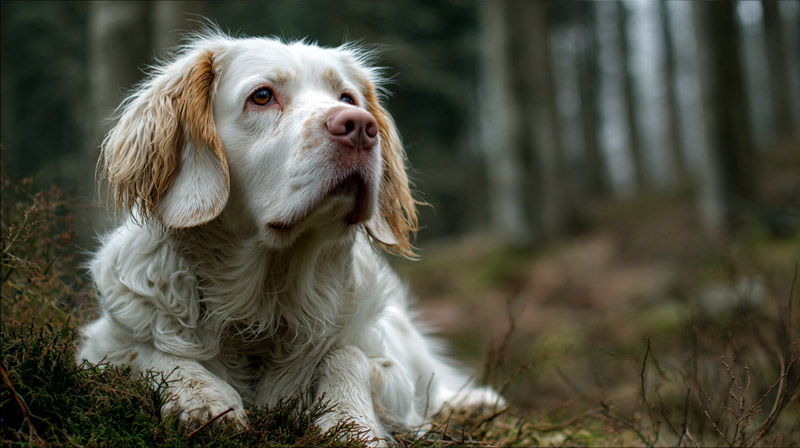
Calm and patient nature defines this breed completely. Clumbers rarely show aggression or hyperactivity like many terrier breeds.
Loyal and devoted to their families above all else. They form deep bonds with household members and prefer staying close to their people.
Intelligent but independent thinking creates interesting training dynamics. These dogs solve problems methodically rather than rushing into situations. Their gentle mouth instinct carries over from hunting heritage, making them naturally soft with children and small objects.
Social Behavior Patterns
Family interaction centers around quiet companionship. Clumbers enjoy being near their people without demanding constant attention.
Meeting new people happens cautiously but warmly. They assess strangers carefully before accepting them. No jumping or overwhelming enthusiasm here.
Other dogs typically get along well with Clumbers. Their calm demeanor prevents most conflicts. Early socialization helps maintain this peaceful approach.
Small animals trigger mild hunting instincts occasionally. Most Clumbers coexist peacefully with cats and other pets when properly introduced.
Energy Levels and Activity Preferences
Moderate exercise requirements suit many lifestyles perfectly. Unlike high-energy breeds like Australian Shepherds, Clumbers prefer steady walks over intense activity.
Preferred activities include:
- Leisurely neighborhood walks
- Swimming and water retrieval
- Scent work and tracking games
- Gentle hiking on established trails
Indoor behavior stays remarkably calm. These dogs excel at apartment living when exercise needs are met. They spend most days relaxing and observing household activities.
Age-related changes become noticeable around 7-8 years. Senior dogs require even less activity but maintain their gentle, devoted personality throughout their life expectancy of 10-12 years.
Living with a Clumber Spaniel: Daily Life and Care
Home Environment Requirements
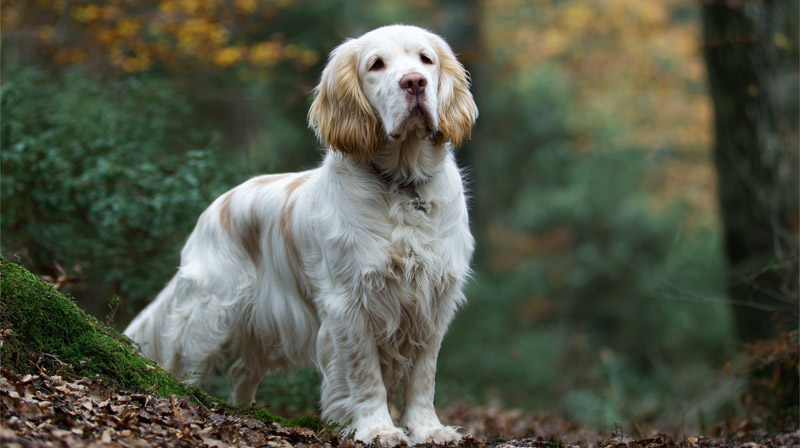
Space needs accommodate their large spaniel size comfortably. While they adapt to smaller homes, a yard provides ideal exercise opportunities.
Indoor arrangements should include:
- Comfortable sleeping areas away from high traffic
- Non-slip surfaces for their rolling gait
- Easy access to water stations
Yard requirements include secure fencing. These dogs rarely attempt escapes but may wander following interesting scents.
Climate considerations favor moderate temperatures. Their dense coat handles cold well but struggles in extreme heat.
Daily Care Routines
Feeding schedules require careful attention. Two measured meals prevent overeating and reduce bloat risk. Unlike active breeds like German Shorthaired Pointers, Clumbers gain weight easily.
Exercise timing works best in morning and evening. 30-45 minutes daily meets most dogs’ needs adequately.
Grooming frequency increases during shedding seasons:
- Daily brushing during spring and fall
- Weekly maintenance other times
- Monthly baths unless they find mud
Mental stimulation prevents boredom without overwhelming them. Puzzle toys and short training sessions work perfectly.
Family Integration
Children and Clumbers form wonderful partnerships. The breed’s gentle temperament and patience make them excellent family companions. They rarely get overstimulated during play.
Family activities include them naturally. Clumbers enjoy car rides, outdoor gatherings, and quiet evenings at home.
Travel considerations require planning. Their size limits some transportation options, but most Clumbers travel well.
Adjustment periods for new homes typically last 2-4 weeks. These dogs adapt gradually, preferring routine establishment over immediate integration. Unlike more adaptable breeds like Golden Retrievers, Clumbers need time to fully settle into new environments.
Training and Behavior: Working with the Clumber Mind
Learning Style and Intelligence
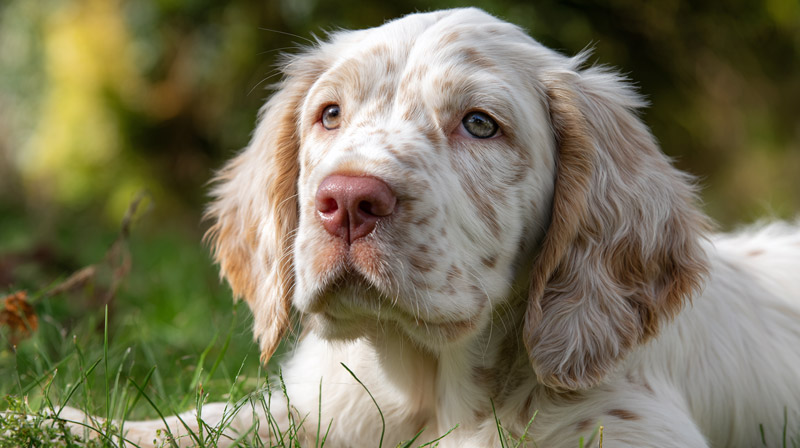
Problem-solving abilities shine through methodical approaches. Clumbers think before acting, unlike impulsive breeds like Jack Russell Terriers.
Attention span stays remarkably steady during short sessions. These dogs focus well for 10-15 minutes before losing interest.
Motivation factors center around food rewards and gentle praise. Harsh corrections backfire with this sensitive breed.
Independent thinking means they question commands occasionally. This isn’t defiance but careful consideration of requests.
Basic Training Approaches
Housebreaking succeeds with consistent schedules and patience. Most puppies learn quickly when taken outside every 2-3 hours.
Leash training requires gentle persistence. Their natural pace doesn’t match hurried owners, but they walk beautifully once trained.
Basic commands stick when taught positively:
- Sit – learned fastest with food rewards
- Stay – builds on their natural calm temperament
- Come – requires consistent practice and high-value treats
- Down – appeals to their preference for resting
Socialization during puppyhood prevents later shyness. Expose them gradually to different people, places, and situations.
Advanced Training Possibilities
Hunting skills remain strong in most lines. Many Clumbers excel at field trials and hunting tests with proper training.
Therapy dog certification suits their gentle nature perfectly. Their calm presence comforts people in hospitals and nursing homes.
Competitive activities include:
- Rally obedience – matches their steady pace
- Tracking events – uses natural scenting ability
- Water retrieval – highlights their swimming skills
Specialized training works best when building on natural instincts rather than forcing new behaviors.
Health and Wellness: Keeping Your Clumber Healthy
Common Health Concerns
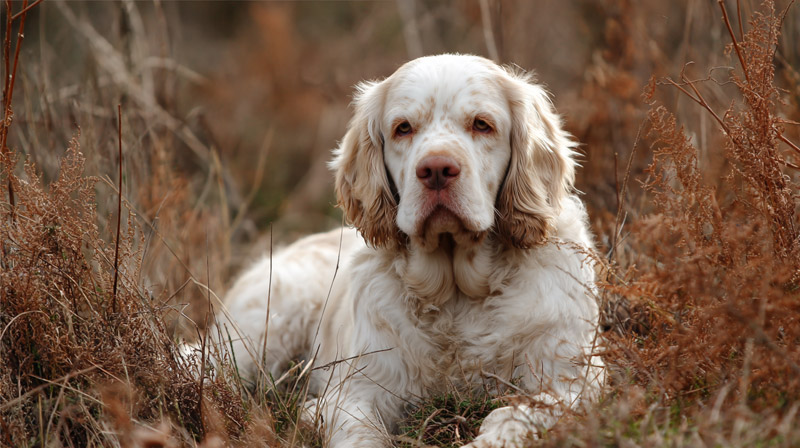
Hip dysplasia affects many large breeds including Clumbers. Responsible breeders screen parents and provide health certificates.
Elbow dysplasia occurs less frequently but requires similar screening protocols.
Eye conditions include:
- Entropion (eyelids rolling inward)
- Ectropion (eyelids drooping outward)
- Progressive retinal atrophy in some bloodlines
Weight management becomes critical early. Unlike active breeds like Labrador Retrievers, Clumbers gain weight easily and struggle to lose it.
Preventive Healthcare
Vaccination schedules follow standard protocols with adjustments for their low-activity lifestyle.
Health screenings should include:
- Hip and elbow X-rays before breeding
- Annual eye exams by certified ophthalmologists
- Cardiac evaluations for older dogs
Dental care prevents periodontal disease common in many breeds. Weekly brushing and dental chews help maintain oral health.
Parasite prevention protects against fleas, ticks, and heartworms through year-round preventatives.
Nutrition and Diet Management
Feeding guidelines vary by age and activity level:
- Puppies: 3-4 small meals daily
- Adults: 2 measured portions
- Seniors: Reduced calories with joint supplements
Weight control requires measuring portions carefully. Free-feeding leads to obesity in most Clumbers.
Food allergies affect some dogs, typically showing as skin irritation or digestive upset. Common triggers include chicken, beef, and grains.
Supplement considerations may include:
- Glucosamine for joint health
- Omega-3 fatty acids for coat condition
- Probiotics for digestive support
Monitor body condition monthly. You should feel ribs easily without pressing hard. Unlike lean breeds like Greyhounds, Clumbers carry more weight naturally but shouldn’t appear round when viewed from above.
Exercise and Activities: Keeping Your Clumber Active
Daily Exercise Needs
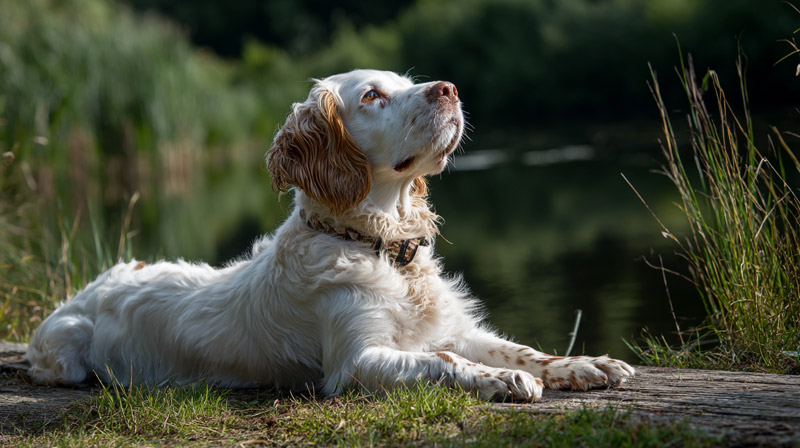
30-45 minutes daily meets most Clumbers’ requirements perfectly. Split this into two walks rather than one long session.
Walking pace should match their natural rolling gait. Forcing speed creates stress and potential injury.
Age-appropriate activities change significantly:
- Puppies: Short 10-minute sessions multiple times daily
- Adults: Steady 20-30 minute walks twice daily
- Seniors: Gentle 15-minute strolls with rest breaks
Weather considerations matter greatly. Their dense coat handles cold well but struggles in temperatures above 75°F.
Adequate exercise signs include:
- Calm behavior indoors
- Good appetite maintenance
- Restful sleep patterns
- Healthy weight stability
Mental Stimulation Activities
Puzzle toys challenge their problem-solving abilities without overwhelming them. Food-dispensing toys work particularly well.
Training sessions double as mental exercise. Five-minute sessions prevent boredom better than hour-long walks.
Scent work taps into natural hunting instincts:
- Hide treats around the yard
- Use snuffle mats during meals
- Practice basic tracking games
Interactive play works best with gentle games. Unlike energetic breeds like Brittanys, Clumbers prefer calm engagement over high-intensity activities.
Recreational Activities
Swimming provides excellent low-impact exercise. Their natural water retrieval skills make pool or lake activities enjoyable.
Hiking suits their steady pace perfectly. Choose well-maintained trails without steep inclines.
Dog sports options include:
- Nosework competitions – uses natural scenting ability
- Therapy dog work – matches their calm temperament
- Tracking events – builds on hunting heritage
Family activities integrate them naturally. Clumbers enjoy outdoor gatherings, camping trips, and leisurely nature walks.
Grooming and Maintenance: Keeping Your Clumber Looking Good
Coat Care Essentials
Brushing frequency depends on season and coat condition:
- Daily brushing during spring and fall shedding
- 3-4 times weekly during normal periods
- Extra attention to feathered areas always
Bathing schedules vary by lifestyle. Clean dogs need baths monthly, while active outdoor dogs may require weekly cleaning.
Seasonal changes bring dramatic shedding increases. Expect massive hair loss twice yearly lasting 2-3 weeks each time.
Professional grooming every 6-8 weeks maintains coat health and appearance. Unlike high-maintenance breeds like Poodles, Clumbers need basic trimming only.
Routine Maintenance Tasks
Nail trimming requires monthly attention. Their moderate activity level doesn’t wear nails naturally.
Ear cleaning prevents infections common in spaniel breeds:
- Weekly cleaning with proper solution
- Check for redness or odor
- Dry thoroughly after cleaning
Dental hygiene includes:
- Weekly brushing with dog-safe toothpaste
- Dental chews for additional cleaning
- Professional cleanings as recommended by veterinarians
Eye care focuses on the drooping lower lids that trap debris. Daily gentle cleaning prevents irritation.
Special Grooming Considerations
Show dog requirements include precise trimming and coat presentation. Contact breed-specific groomers for competition preparation.
Heavy shedding periods demand daily brushing and frequent vacuuming. High-quality deshedding tools reduce loose hair significantly.
Outdoor debris sticks easily to their feathered coat. Check legs, chest, and ears after every outdoor adventure.
Senior dogs may need grooming assistance as mobility decreases. Gentle handling and shorter sessions accommodate their comfort needs. Consider professional services for older dogs who struggle with home grooming routines.
Choosing and Finding a Clumber Spaniel: Making the Right Decision
Breed Suitability Assessment
Lifestyle Compatibility Factors
Time commitment requires 1-2 hours daily for exercise, grooming, and companionship. Unlike independent breeds like Basenji, Clumbers thrive on family interaction.
Living space accommodates their large size comfortably. They adapt to apartments but prefer homes with yards.
Activity level matches moderate lifestyles perfectly. These dogs suit owners who enjoy leisurely walks over intense hiking.
Family dynamics work best with:
- Calm households without chaos
- Children who understand gentle play
- Senior owners seeking loyal companions
- First-time owners willing to learn
Financial Considerations
Initial costs include:
- Purchase price: $1,200-$3,000 from reputable breeders
- Setup expenses: $300-500 for supplies
- First-year veterinary: $800-1,200
Annual expenses average $1,500-2,500:
- Quality food: $600-800 yearly
- Routine veterinary care: $400-600
- Grooming services: $300-500
- Supplies and replacements: $200-300
Long-term costs increase with age due to potential health issues requiring specialized care.
Family Situation Evaluation
Households with small children benefit from Clumbers’ patient nature. Their gentle temperament handles toddler curiosity well.
Multi-pet homes typically work smoothly. These dogs coexist peacefully with cats and other calm breeds.
Work schedules requiring 8+ hour absences may stress these family-oriented dogs. Unlike independent breeds like Chow Chows, Clumbers prefer constant companionship.
Finding Reputable Sources
Responsible Breeder Identification
Health testing requirements include:
- Hip and elbow clearances through OFA or PennHIP
- Eye examinations by certified ophthalmologists
- Cardiac screenings for breeding stock
- DNA testing for inherited conditions
Breeding standards focus on temperament preservation over appearance trends. Quality breeders prioritize calm personalities and hunting ability.
Red flags include:
- Multiple litters available simultaneously
- Puppies always ready for immediate pickup
- No health testing documentation
- Unwillingness to meet parent dogs
Questions for breeders:
- Health clearances on both parents
- Socialization practices during puppy development
- Return policies if situations change
- Ongoing support throughout the dog’s life
Rescue and Adoption Options
Breed-specific rescues occasionally have Clumbers needing homes. These organizations understand the breed’s unique needs.
General rescues may house Clumber mixes or purebreds. Temperament testing helps identify suitable matches.
Adult dogs from rescues often come house-trained and past destructive puppy phases. Many adapt quickly to new families.
Foster programs allow trial periods before permanent adoption commitments.
Puppy Selection and Preparation

Choosing the Right Puppy
Temperament testing reveals personality traits early:
- Calm puppies that approach slowly often mature into ideal family pets
- Overly shy puppies may need extra socialization
- Pushy puppies might challenge inexperienced owners
Health indicators include:
- Clear eyes without discharge
- Clean ears free from odor
- Steady gait without limping
- Appropriate weight for age
Age considerations favor 8-10 week old puppies for optimal bonding and training.
Home Preparation Checklist
Safety measures include:
- Puppy-proofing electrical cords and small objects
- Secure fencing around yard areas
- Non-slip rugs on smooth floors
Essential supplies:
- Appropriately sized crate for house training
- Quality puppy food recommended by breeder
- Collar and leash for early training
- Grooming tools including slicker brush
- Toys suitable for teething puppies
First Weeks Planning
Veterinary appointments should occur within 48 hours of bringing puppy home.
Socialization schedule introduces new experiences gradually during the critical 8-16 week period.
Training begins immediately with house rules and basic commands. Unlike stubborn breeds like Afghan Hounds, Clumber puppies respond well to consistent, gentle guidance.
Sleep arrangements help establish routines. Most puppies adjust to crate sleeping within a few nights.
FAQ on Clumber Spaniel
Are Clumber Spaniels good family pets?
Excellent family companions. Their calm, patient nature suits households with children perfectly. Unlike energetic breeds like Australian Cattle Dogs, Clumbers prefer gentle play and quiet companionship. They’re loyal, devoted, and rarely show aggression toward family members.
How much exercise do Clumber Spaniels need?
Moderate exercise requirements. 30-45 minutes daily through leisurely walks satisfies most Clumbers. They prefer steady, methodical activity over intense sessions. Swimming and gentle hiking work well for this sporting dog breed.
Do Clumber Spaniels shed a lot?
Heavy seasonal shedding. Their dense, weather-resistant double coat sheds dramatically twice yearly. Daily brushing during these periods helps manage loose hair. Regular grooming reduces shedding patterns throughout the year significantly.
Are Clumber Spaniels easy to train?
Intelligent but independent thinkers. They respond well to positive training methods but question commands occasionally. Basic obedience succeeds with patience and consistency. Unlike eager-to-please breeds like Labradoodles, they require thoughtful approaches.
What health problems do Clumber Spaniels have?
Hip dysplasia and eye conditions are primary concerns. Responsible breeders screen for these issues through health testing. Weight management prevents many problems. Their life expectancy ranges 10-12 years with proper care.
How big do Clumber Spaniels get?
Large spaniel breed. Males weigh 70-85 pounds, females 55-70 pounds. They stand 17-20 inches tall with a distinctive rectangular body shape and sturdy bone structure characteristic of gun dogs.
Are Clumber Spaniels good with other pets?
Generally peaceful with other animals. Early socialization helps maintain their calm demeanor around cats and dogs. Their gentle temperament and low energy make multi-pet households manageable for most families.
Do Clumber Spaniels bark much?
Quiet dog breed. They rarely bark excessively, making them suitable for apartment living. Unlike vocal breeds like Beagles, Clumbers communicate through body language and gentle vocalizations when necessary.
How much do Clumber Spaniels cost?
Purchase prices range $1,200-$3,000 from reputable breeders. Annual care costs average $1,500-2,500 including quality food, veterinary care, and grooming services. Initial setup requires additional $300-500 investment.
Are Clumber Spaniels rare?
Relatively uncommon breed. Population numbers remain low worldwide, making them one of the rarer spaniel varieties. Finding responsible breeders requires patience and research through breed-specific organizations and dog shows.
Conclusion
The Clumber Spaniel represents a unique choice for families seeking a devoted hunting companion with calm indoor manners. Their British aristocratic heritage created dogs perfectly suited for modern family life.
Key considerations include their grooming requirements, weight management needs, and preference for routine. Unlike high-maintenance breeds like Poodles or active dogs like Vizslas, Clumbers offer steady companionship without overwhelming demands.
Prospective owners should evaluate their commitment to:
- Daily exercise through leisurely walks
- Regular brushing during seasonal shedding
- Patient training approaches
- Long-term health monitoring
Their gentle mouth, loyal nature, and steady temperament make them exceptional therapy dogs and family guardians. For households appreciating quiet dignity over flashy energy, this woodland hunting breed delivers unmatched devotion and companionship throughout their decade-plus lifespan.