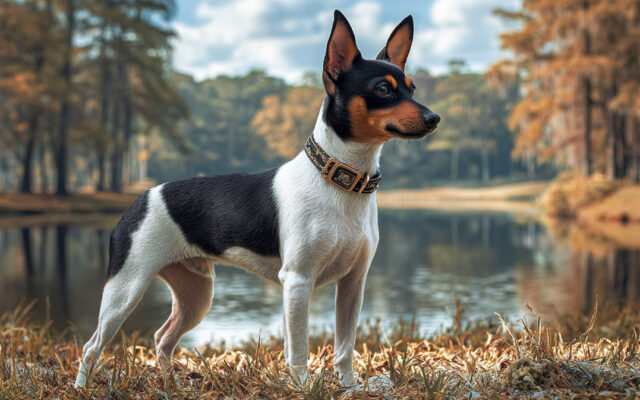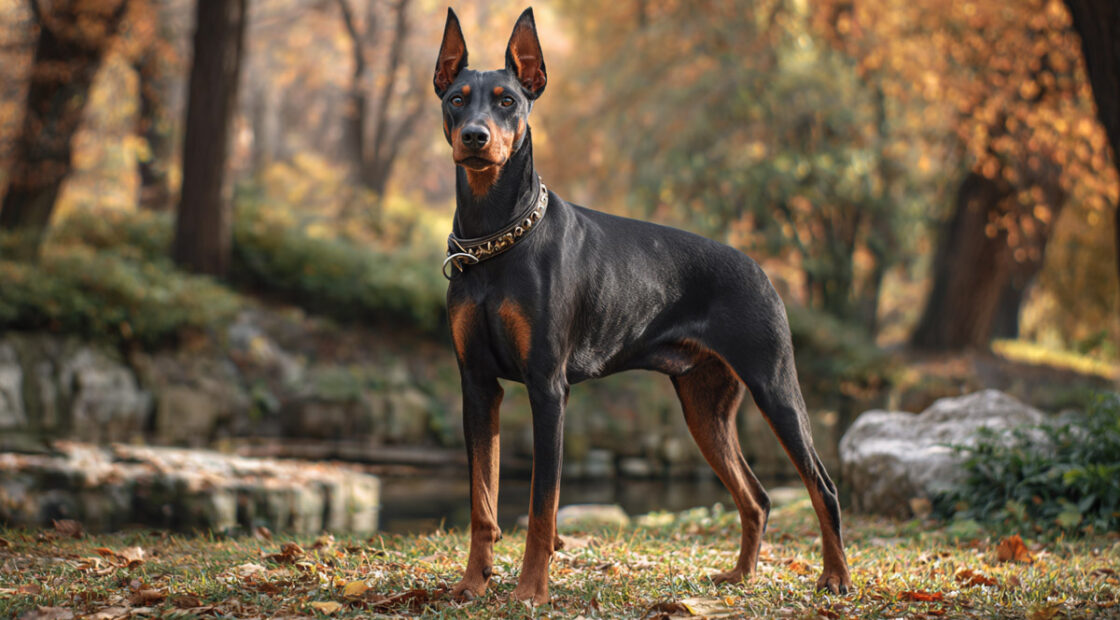
That sleek, confident dog trotting beside you with perfect posture? That’s a German Pinscher – one of the most misunderstood yet remarkable companion dogs you’ll ever meet.
Most people mistake them for small Doberman Pinschers or oversized Miniature Pinschers. Neither assumption captures this breed’s unique personality and needs.
These intelligent, energetic dogs demand experienced owners who understand working breeds. Their protective instincts and high energy levels create challenges that catch unprepared families off guard.
This guide covers everything from daily exercise requirements to health screening protocols. You’ll learn proper training techniques, grooming essentials, and how to find reputable breeders or rescue organizations.
Key topics include:
- Daily care and exercise needs
- Training strategies for smart, stubborn dogs
- Health concerns and preventive care
- Finding the right German Pinscher for your family
Whether you’re considering adoption or already share your home with one, this comprehensive resource helps you provide the best possible care for these remarkable companions.
German Pinscher Breed Statistics
| Characteristic | Details |
|---|---|
| Size | Medium (17-20 inches, 25-45 lbs) |
| Lifespan | 12-14 years |
| Energy Level | High (60-90 minutes daily exercise) |
| Shedding | Moderate (seasonal heavy shedding) |
| Grooming Needs | Low (weekly brushing) |
| Training Difficulty | Moderate (intelligent but stubborn) |
| Good with Kids | Yes (with proper socialization) |
| Good with Pets | Moderate (early socialization required) |
| Apartment Living | Possible (with adequate exercise) |
| Barking Level | Moderate to High (alert watchdog) |
| Stranger Friendly | Low to Moderate (naturally protective) |
| Climate Tolerance | Moderate cold, Low heat tolerance |
| Exercise Requirements | High (mental + physical stimulation) |
| Health Issues | Hip dysplasia, eye conditions, heart problems |
| Price Range | $1,200-3,000 (breeders), $200-600 (rescue) |
| Origin | Germany |
| AKC Group | Working Group |
| Recognition Year | 2003 (AKC) |
| Coat Type | Short, smooth, double-layered |
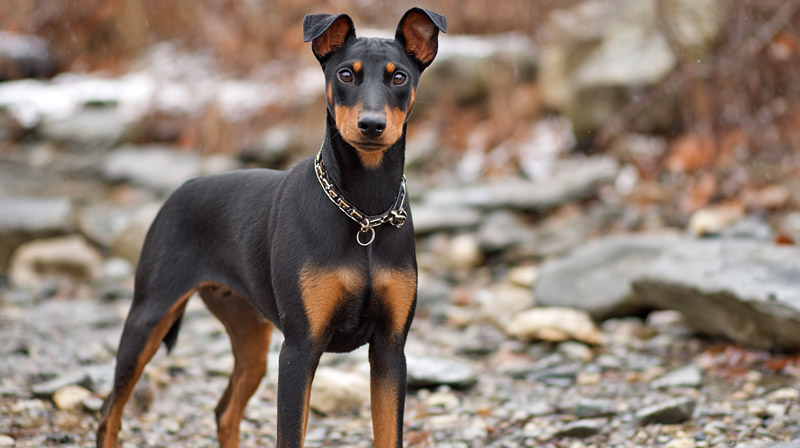
| Colors | Black/tan, red, fawn, blue/tan |
Living with a German Pinscher: Daily Life and Needs
Exercise Requirements
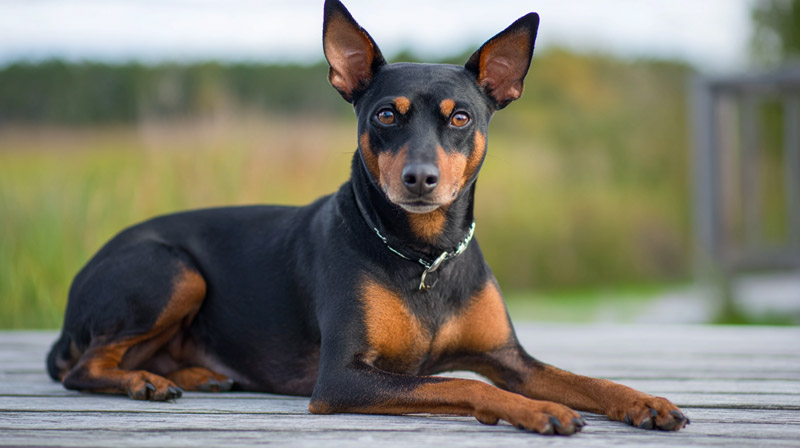
German Pinschers need 60-90 minutes of daily activity. These energetic breeds thrive on consistent physical stimulation.
Best Physical Activities
- Brisk walks and jogging
- Fetch games in secure areas
- Agility training sessions
- Interactive play with other dogs
Their high energy levels demand variety. Swimming provides excellent low-impact exercise for joint health.
Mental Stimulation Needs

Smart dogs require brain work. Puzzle toys, scent games, and training sessions prevent destructive behaviors. Hide treats around the house. Rotate toys weekly to maintain interest.
Indoor exercise options include:
- Treadmill training
- Stair climbing
- Hide-and-seek games
- Indoor agility courses
Weather shouldn’t stop daily exercise. These adaptable companions handle moderate cold but struggle in extreme heat.
Housing and Space Needs
Apartment Living Considerations
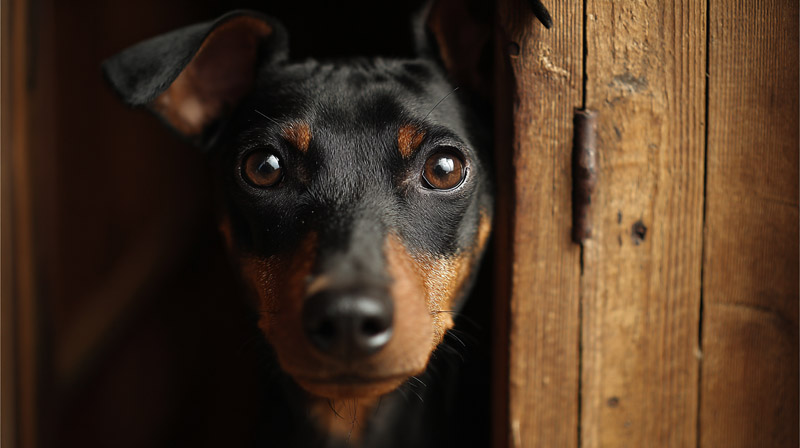
German Pinschers adapt well to apartments with sufficient exercise. Their medium size fits most living spaces. Noise control matters – these alert watchdogs bark at visitors and unusual sounds.
Sound-proofing helps maintain neighbor relationships. Daily walks become non-negotiable in smaller spaces.
Yard Requirements
Secure fencing stands at 6 feet minimum. These athletic dogs jump impressively high. Check fence integrity regularly – they’ll find escape routes.
Underground electric fences fail with determined German Pinschers. Their protective instincts override shock deterrents when pursuing threats.
Climate Tolerance
Temperature preferences:
- Ideal range: 60-75°F
- Cold tolerance: Moderate with coat protection
- Heat sensitivity: High – requires shade and water
Provide heated shelter in winter. Limit summer activity during peak heat hours.
Safe Home Environment
Puppy-proof thoroughly:
- Secure electrical cords
- Remove small swallowable objects
- Install baby gates for restricted areas
- Lock cabinets containing hazardous materials
Their curious nature and prey drive create unique safety challenges.
Family Dynamics
Child Compatibility
Well-socialized German Pinschers excel with children. Early exposure prevents overprotectiveness. Teach kids proper interaction – no rough play during meals or sleep.
Supervise toddler interactions. These dogs play enthusiastically and might accidentally knock over small children.
Other Pet Interactions
Successful multi-pet households require:
- Early socialization with cats and small animals
- Gradual introductions in neutral territory
- Consistent training to control prey drive
- Separate feeding areas
Similar-sized dogs often become best friends. Size differences need careful management.
Visitor Reactions
Expect initial wariness with strangers. Proper socialization reduces excessive suspicion. Train calm greetings – jumping guests isn’t acceptable.
Their loyalty creates strong family bonds but potential stranger anxiety.
Pack Leadership
German Pinschers respect confident, consistent leadership. Establish rules immediately. They’ll test boundaries regularly.
Leadership principles:
- Set clear household rules
- Maintain consistent consequences
- Reward good behavior immediately
- Stay calm during corrections
These intelligent breeds quickly learn family hierarchy when properly guided.
Training Your German Pinscher: Smart Dogs Need Smart Training
Basic Obedience Training
House Training Fundamentals
Successful house training timeline: 4-6 months
Start immediately with consistent schedules. Take outside after meals, naps, and play sessions. Choose specific outdoor spots for elimination.
Accidents happen – clean thoroughly with enzymatic cleaners. Never punish mistakes; redirect positively.
Crate training accelerates progress:
- Size crate appropriately – standing and turning room only
- Make comfortable with soft bedding
- Feed meals inside initially
- Gradually increase duration
Leash Training Techniques
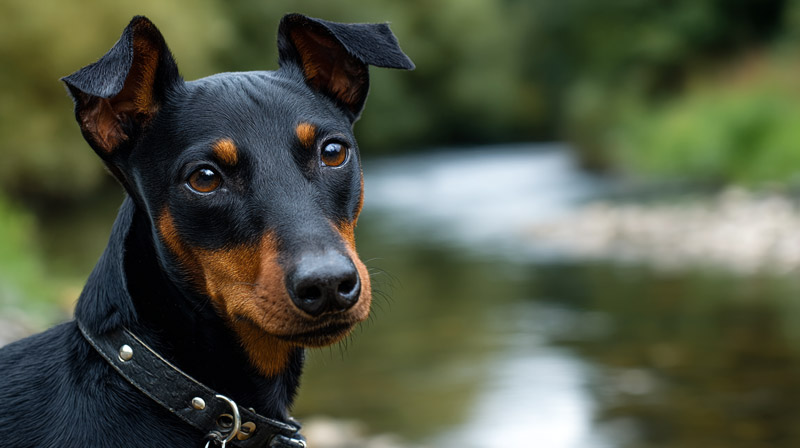
Begin indoors with collar adjustment. Add leash for short periods without tension. Practice basic commands before outdoor adventures.
Proper equipment:
- Well-fitted collar or harness
- 6-foot training leash
- Treat pouch for rewards
- Waste bags
Stop pulling immediately – these strong dogs develop bad habits quickly. Use positive reinforcement when walking beside you.
Basic Commands and Timing
Essential commands:
- Sit – foundation for all training
- Stay – builds impulse control
- Come – critical for safety
- Down – establishes calm behavior
- Leave it – prevents dangerous ingestion
Start training sessions at 5-10 minutes. Young puppies have short attention spans. Practice commands during daily routines.
Timing matters – reward within 3 seconds of correct behavior. Late rewards confuse the learning process.
Addressing Stubbornness
German Pinschers test boundaries consistently. Remain patient but firm. They’re thinking dogs who need logical reasons for compliance.
Strategies for stubborn moments:
- Increase reward value
- Break commands into smaller steps
- Change training locations
- Use play as motivation
Never resort to harsh corrections. These sensitive dogs shut down under pressure.
Socialization Strategies
Early Puppy Socialization
Critical period: 3-14 weeks
Expose puppies to various sights, sounds, and experiences. Carry them before full vaccination completion. Puppy classes provide safe social opportunities.
Create positive associations with:
- Different floor surfaces
- Various sounds (vacuum, doorbell, traffic)
- People wearing hats, sunglasses, uniforms
- Children of different ages
Environmental Exposure
Visit pet-friendly stores, parks, and neighborhoods. Car rides become routine adventures. Each positive experience builds confidence.
Gradual exposure prevents overwhelm:
- Start with quiet environments
- Increase stimulus intensity slowly
- Watch for stress signals
- End sessions positively
Meeting New People and Animals
Controlled introductions work best. Ask permission before allowing stranger interactions. Not everyone appreciates enthusiastic dog greetings.
Safe meeting protocols:
- Let others approach calmly
- Reward polite behavior
- Remove if overwhelmed
- Practice regularly
Doggy daycare and playdates expand social circles appropriately.
Preventing Overprotectiveness
Early intervention prevents guarding behaviors:
- Handle food bowls during meals
- Touch paws, ears, and mouth regularly
- Allow strangers to give treats
- Practice “gentle” commands
Resource guarding develops quickly without prevention. Professional help might be needed for established problems.
Advanced Training Opportunities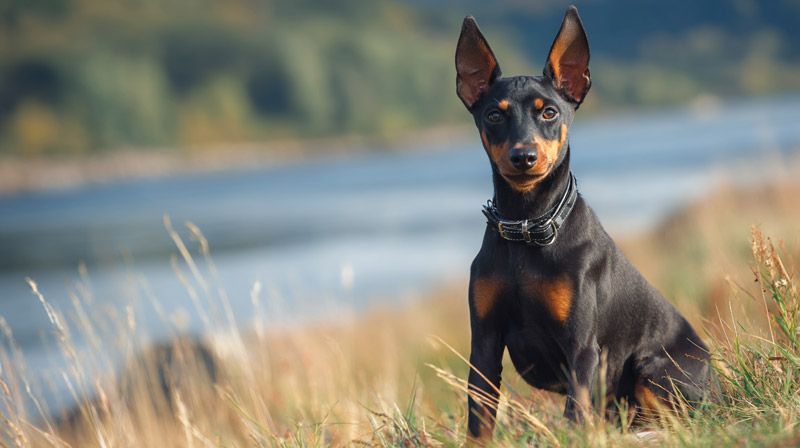
Agility and Sports Training
German Pinschers excel in canine sports. Their athletic ability and intelligence make training enjoyable.
Popular activities:
- Agility courses
- Rally obedience
- Scent work competitions
- Lure coursing events
Start with basic obstacles. Build confidence before adding complexity. Many local clubs offer beginner classes.
Therapy and Service Potential
Therapy dog qualities:
- Calm temperament around strangers
- Good basic obedience
- Comfortable with handling
- Stable personality
Certification requires testing and ongoing training. Service dog training demands professional expertise – not all German Pinschers qualify.
Competitive Obedience
These precise dogs often achieve high scores in formal competition. Requirements include:
- Perfect heel position
- Reliable recall
- Extended stays
- Retrieve exercises
Competition training builds incredible bonds between handler and dog.
Specialized Working Roles
Potential careers:
- Search and rescue work
- Detection training (drugs, explosives)
- Personal protection roles
- Livestock guardian duties
Professional training programs evaluate individual dogs for specialized work. Not every German Pinscher suits working roles.
Their intelligence and loyalty create endless training possibilities. Start with basics and build gradually toward advanced goals.
Health and Wellness: Keeping Your Pinscher Strong
Common Health Issues
Hip Dysplasia and Joint Problems
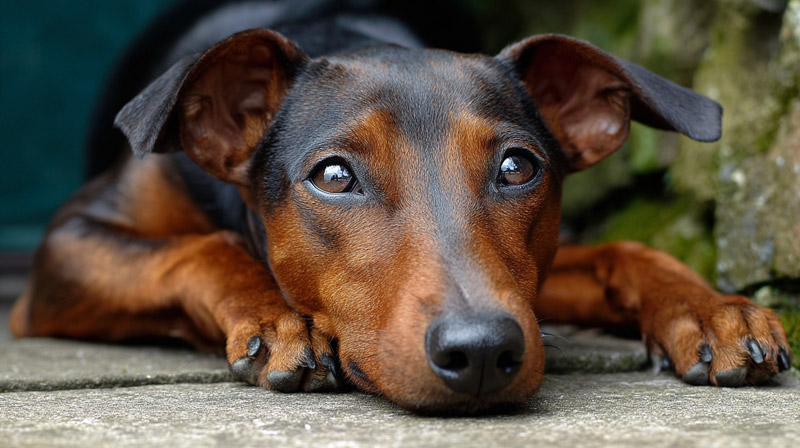
Hip dysplasia affects 15-20% of German Pinschers. This genetic condition causes improper hip socket formation. Early signs include limping, difficulty rising, and reluctance to exercise.
Orthopedic Foundation for Animals provides official hip screening. Breeding dogs require OFA certification to reduce genetic transmission.
Joint care strategies:
- Maintain proper weight
- Provide joint supplements (glucosamine, chondroitin)
- Use ramps instead of stairs
- Consider orthopedic bedding
Elbow dysplasia occurs less frequently but requires similar management.
Eye Conditions and Vision Concerns
Primary eye problems:
- Progressive retinal atrophy (PRA)
- Cataracts
- Glaucoma
- Corneal dystrophy
Annual eye examinations by Canine Eye Registration Foundation veterinarians detect early changes. Many conditions progress slowly with proper monitoring.
Warning signs:
- Cloudy pupils
- Night vision problems
- Bumping into objects
- Excessive tearing
Heart-Related Health Issues
Cardiac evaluation protocols screen for dilated cardiomyopathy and other heart conditions. Annual heart checks become critical after age 5.
Symptoms requiring immediate attention:
- Exercise intolerance
- Persistent coughing
- Labored breathing
- Fainting episodes
Skin Allergies and Sensitivities
Environmental and food allergies affect many German Pinschers. Common triggers include:
- Pollen and grass
- Dust mites
- Chicken and beef proteins
- Chemical cleaning products
Hypoallergenic diets and environmental controls reduce flare-ups. Allergy testing identifies specific triggers.
Preventive Care
Vaccination Schedules
Core vaccines (required):
- DHPP (Distemper, Hepatitis, Parvovirus, Parainfluenza) – annually
- Rabies – every 1-3 years per local law
Non-core vaccines (risk-based):
- Bordetella – every 6-12 months
- Lyme disease – annually in endemic areas
- Leptospirosis – annually for outdoor dogs
Discuss vaccination protocols with your veterinarian based on lifestyle and geographic risks.
Regular Health Screenings
Annual testing includes:
- Complete blood chemistry panel
- Thyroid function tests
- Heartworm screening
- Fecal parasite examination
German Pinscher Club of America recommends cardiac clearances and eye examinations for breeding dogs.
Dental Care Requirements
Daily brushing prevents periodontal disease. Use dog-specific toothpaste – human products contain toxic xylitol.
Professional cleaning under anesthesia removes tartar below the gumline. Schedule annually after age 3.
Dental health indicators:
- Fresh breath
- Pink, firm gums
- White teeth without tartar buildup
Parasite Prevention
Year-round prevention covers:
- Heartworms (monthly prevention)
- Fleas and ticks (topical or oral treatments)
- Intestinal worms (quarterly testing and treatment)
Climate affects parasite activity. Discuss regional risks with local veterinarians.
Nutrition and Diet
Age-Appropriate Feeding Guidelines
Puppy feeding (8 weeks – 12 months):
- High-quality puppy formula
- 3-4 meals daily until 6 months
- 2 meals daily after 6 months
- Monitor growth rate carefully
Adult feeding (1-7 years):
- Premium adult dog food
- 2 meals daily
- Consistent feeding times
- Portion control based on activity level
Senior feeding (7+ years):
- Senior formula with joint support
- Easily digestible proteins
- Reduced calories if less active
- More frequent health monitoring
High-Quality Protein Requirements
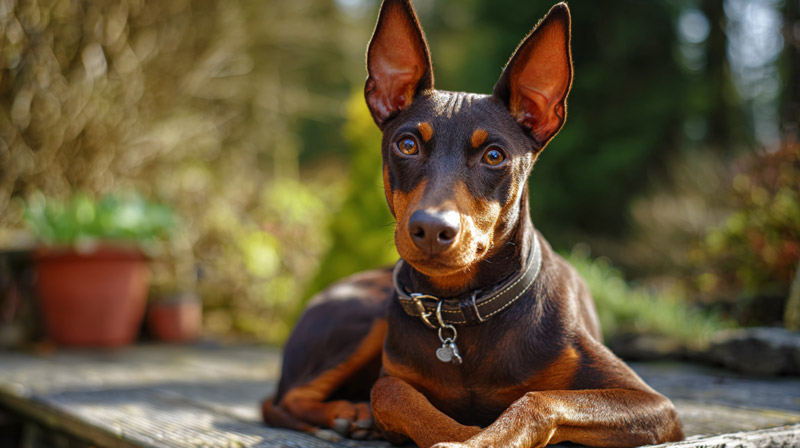
German Pinschers need minimum 22% protein for adults, 28% for puppies. Look for named meat sources as first ingredients.
Excellent protein sources:
- Deboned chicken, turkey, or fish
- Lamb and beef (if no allergies)
- Egg products
- Plant proteins (secondary sources)
Avoid generic “meat meal” or “by-product meal” ingredients.
Portion Control and Weight Management
Ideal body condition:
- Visible waist tuck
- Ribs easily felt but not visible
- No fat covering over ribs
Daily calorie needs:
- Active adults: 1,200-1,500 calories
- Less active adults: 900-1,200 calories
- Seniors: 800-1,100 calories
Adjust portions based on body condition, not appetite. These food-motivated dogs easily gain weight.
Treats and Supplements
Healthy treat options:
- Small training treats (under 10% daily calories)
- Fresh vegetables (carrots, green beans)
- Frozen fruit pieces (no grapes or raisins)
- Commercial dental chews
Beneficial supplements:
- Omega-3 fatty acids for coat health
- Probiotics for digestive support
- Joint supplements for older dogs
- Multivitamins if recommended by veterinarian
Grooming and Maintenance: Keeping That Sleek Look
Coat Care Basics
Brushing Frequency and Tools
Weekly brushing maintains the smooth coat. German Pinschers have double-layered fur requiring regular attention.
Essential grooming tools:
- Rubber curry brush for loose hair removal
- Metal slicker brush for undercoat
- Chamois cloth for final polish
- Nail clippers and styptic powder
Their short coat deceives owners about shedding amounts. Consistent brushing reduces household hair.
Bathing Schedules and Products
Bathe every 6-8 weeks or when dirty. Over-bathing strips natural oils, causing skin problems.
Recommended products:
- Gentle dog shampoo (pH balanced)
- Moisturizing conditioner for dry skin
- Waterless shampoo for quick touch-ups
- Hypoallergenic options for sensitive skin
Rinse thoroughly – soap residue causes irritation.
Seasonal Shedding Patterns
Heavy shedding periods:
- Spring (March-May)
- Fall (September-November)
Daily brushing during shedding seasons prevents hair accumulation. Expect increased grooming needs during these transitions.
Dealing with Minor Skin Issues
Common problems:
- Hot spots from allergens
- Dry patches in winter
- Minor cuts and scrapes
- Insect bites
First aid measures:
- Clean wounds with saline solution
- Apply thin layer of antibiotic ointment
- Prevent licking with cone collars
- Monitor for signs of infection
Contact veterinarians for persistent or worsening conditions.
Nail, Ear, and Dental Care
Nail Trimming Techniques and Frequency
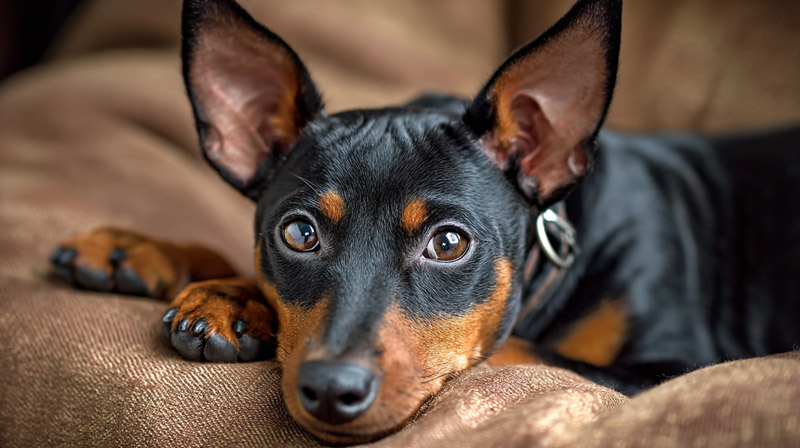
Trim nails every 2-3 weeks. Active dogs on pavement need less frequent trimming.
Proper technique:
- Cut only white nail tips
- Avoid pink quick (blood supply)
- Use sharp, appropriate-sized clippers
- Reward calm behavior with treats
Quick indicators:
- Pink area visible in light nails
- Hollow sound when tapping dark nails
- Dog pulls foot away (approaching quick)
Ear Cleaning and Infection Prevention
Weekly ear cleaning prevents problems. German Pinschers have upright ears with good air circulation.
Cleaning process:
- Use veterinarian-approved ear cleaner
- Apply solution and massage ear base
- Let dog shake out excess
- Wipe visible areas with cotton balls
Warning signs of infection:
- Strong odor
- Dark, waxy discharge
- Red, swollen ear canals
- Head shaking or scratching
Dental Hygiene Routines
Daily tooth brushing provides optimal care. Start slowly with finger brushing before introducing toothbrushes.
Dental care supplies:
- Soft-bristled dog toothbrush
- Enzymatic dog toothpaste
- Dental chews and toys
- Water additives for plaque control
Alternative cleaning methods:
- Dental wipes for quick cleaning
- Raw bones (supervised only)
- Specially designed dental toys
- Professional cleaning treats
Signs of Health Problems to Watch For
Immediate veterinary attention needed:
- Persistent limping or lameness
- Changes in appetite or water consumption
- Difficulty breathing or excessive panting
- Vomiting or diarrhea lasting over 24 hours
- Lethargy or behavioral changes
- Swelling or lumps anywhere on body
Early detection improves treatment outcomes significantly.
Professional Grooming Services
When to Seek Professional Help
Professional services benefit:
- Nail trimming for anxious dogs
- Anal gland expression
- Thorough ear cleaning
- Sanitary area trimming
Seasonal professional grooming:
- Pre-summer coat stripping
- Winter coat conditioning treatments
- Post-shedding season cleanup
What to Expect During Grooming Visits
Standard grooming packages include:
- Bath with appropriate shampoo
- Nail trimming and filing
- Ear cleaning and plucking
- Anal gland expression
- Brush-out and coat conditioning
Timeline: 2-3 hours for full service
Cost Considerations
Average grooming costs:
- Basic bath and brush: $40-60
- Full grooming service: $60-100
- Nail trimming only: $15-25
- Add-on services: $10-20 each
Prices vary by location and groomer experience.
Finding Qualified Groomers
Research criteria:
- Professional certifications
- German Pinscher experience
- Clean, well-equipped facilities
- Positive client references
- Gentle handling methods
Questions to ask:
- Experience with working breeds
- Handling methods for anxious dogs
- Emergency protocols
- Pricing structure and policies
Visit facilities before scheduling appointments.
Finding and Choosing Your German Pinscher
Reputable Breeders
Questions to Ask Potential Breeders
Essential breeder questions:
- How long have you bred German Pinschers?
- Are you a member of the German Pinscher Club of America?
- What health testing do you perform?
- Can I meet both parent dogs?
- Do you provide health guarantees?
Red flags:
- Multiple litters available simultaneously
- Puppies always available
- No health testing documentation
- Won’t allow property visits
- Pressure to buy immediately
Health Testing and Certifications
Required health clearances:
- Hip dysplasia evaluation (OFA or PennHIP)
- Elbow dysplasia screening
- Cardiac examination by certified cardiologist
- Eye examination by ophthalmologist
- Thyroid function testing
Documentation should include:
- Orthopedic Foundation for Animals certificates
- Canine Eye Registration Foundation clearances
- Genetic testing results
- Veterinary health records
Responsible breeders test both parents before breeding. Avoid breeders claiming “vet checked” without specific certifications.
Meeting the Parent Dogs
Observe temperament qualities:
- Confident, friendly demeanor
- Appropriate protectiveness without aggression
- Good social skills with strangers
- Calm behavior during interactions
Physical assessment:
- Healthy coat and skin condition
- Clear, bright eyes
- Proper weight and muscle tone
- Sound movement and gait
At minimum, meet the mother. Fathers may be unavailable if breeding was done via artificial insemination.
Red Flags to Avoid
Warning signs of puppy mills:
- Multiple breeds available
- Puppies sold at pet stores
- No health testing records
- Unwillingness to show facilities
- Immediate availability without waiting lists
- Extremely low or high prices
- No references from previous buyers
Backyard breeder indicators:
- Breeding without health testing
- No knowledge of breed standards
- Breeding dogs before 2 years old
- No written contracts or guarantees
- Poor living conditions
Rescue and Adoption Options
German Pinscher Rescue Organizations
National rescue resources:
- German Pinscher Club of America Rescue
- Petfinder database searches
- Regional pinscher rescue groups
- Breed-specific rescue networks
Benefits of rescue adoption:
- Adult dogs with known temperaments
- Often house-trained and socialized
- Lower costs than purchasing puppies
- Supporting homeless dog welfare
Adoption Process and Requirements
Typical application steps:
- Complete detailed application
- Provide veterinary references
- Home visit or virtual inspection
- Meet potential dogs
- Trial period before finalization
Common requirements:
- Fenced yard (often mandatory)
- Experience with working breeds
- No small children (age restrictions vary)
- Financial stability verification
- Commitment to training and exercise
Processing takes 2-8 weeks depending on organization thoroughness.
Adult Dog vs Puppy Considerations
Adult dog advantages:
- Established personality traits
- Past puppy destructive phase
- Known size and appearance
- Often basic training completed
Puppy benefits:
- Bond formation from early age
- Shape training and socialization
- Full health history knowledge
- Longer time together
Adult dog challenges:
- Possible behavioral issues from previous homes
- Established habits (good and bad)
- Shorter remaining lifespan
- Unknown early socialization quality
Costs and Fees Involved
Rescue adoption fees: $200-600
- Includes spaying/neutering
- Current vaccinations
- Microchip identification
- Basic health screening
Breeder purchase prices: $1,200-3,000
- Champion bloodlines cost more
- Geographic location affects pricing
- Health testing increases costs
- Show-quality dogs command premium prices
Preparing for Your New Dog

Essential Supplies and Equipment
Must-have items before arrival:
- Food and water bowls (stainless steel preferred)
- High-quality puppy or adult dog food
- Collar with ID tags
- 6-foot leash for training
- Crate appropriately sized
- Comfortable bedding
- Variety of safe toys
Additional supplies:
- Grooming tools (brush, nail clippers)
- Cleaning supplies for accidents
- First aid kit basics
- Training treats
- Baby gates for room restrictions
Budget estimate: $300-500 for initial setup
Puppy-Proofing Your Home
Safety checklist:
- Secure loose electrical cords
- Remove toxic plants and chemicals
- Install child locks on cabinets
- Block access to stairs initially
- Remove small objects that could be swallowed
- Secure trash cans with tight lids
Room-by-room preparation:
- Kitchen: Block access to appliances and food storage
- Living areas: Protect furniture legs and remote controls
- Bedrooms: Remove shoes and small clothing items
- Bathrooms: Secure medications and toiletries
- Garage: Store chemicals and tools safely
First Week Adjustment Period
Expect normal behaviors:
- Anxiety and restlessness
- Changes in appetite
- Excessive sleeping or alertness
- Accidents despite previous house training
- Testing household rules and boundaries
Helpful strategies:
- Maintain consistent schedules
- Limit visitors during adjustment
- Provide quiet spaces for retreat
- Keep interactions positive and calm
- Introduce family members gradually
Timeline expectations:
- Days 1-3: High stress and confusion
- Days 4-7: Beginning to settle in
- Weeks 2-4: Establishing new routines
- Months 1-3: Full adjustment to family life
Building Routines and Schedules
Daily schedule framework:
- Morning: Wake up, immediate potty break, breakfast
- Midday: Exercise, training session, rest period
- Evening: Dinner, family time, final potty break
- Bedtime: Settle in crate or designated sleeping area
Weekly routine elements:
- Grooming sessions
- Training practice
- Socialization outings
- Veterinary appointments as needed
- Regular exercise activities
Consistency guidelines:
- Same feeding times daily
- Regular potty break schedules
- Predictable exercise periods
- Established bedtime routines
- Consistent household rules
Age-specific modifications:
- Puppies need more frequent meals and potty breaks
- Adult dogs adapt to established family schedules
- Senior dogs may need adjusted exercise timing
- All ages benefit from routine predictability
Start routines immediately upon arrival. German Pinschers learn patterns quickly and expect consistency once established.
FAQ on German Pinscher
Are German Pinschers good family pets?
German Pinschers make excellent family pets for experienced dog owners. They’re loyal, protective, and bond strongly with their families. However, their high energy levels and protective instincts require consistent training and socialization from puppyhood to prevent overprotectiveness around strangers.
How much exercise do German Pinschers need daily?
These energetic dogs require 60-90 minutes of daily exercise. Activities should include brisk walks, fetch games, and mental stimulation through puzzle toys. Without adequate exercise, they become destructive and develop behavioral problems. Indoor exercise options help during bad weather.
Do German Pinschers shed a lot?
German Pinschers have moderate shedding year-round with heavier seasonal shedding in spring and fall. Their smooth coat requires weekly brushing to remove loose hair. Daily brushing during shedding seasons helps control household hair accumulation significantly.
Are German Pinschers easy to train?
These intelligent dogs learn quickly but can be stubborn. They respond best to positive reinforcement and consistent leadership. Early socialization and obedience training are essential. Their working dog heritage means they need mental challenges to prevent boredom and destructive behaviors.
What health problems do German Pinschers have?
Common health issues include hip dysplasia, eye conditions like progressive retinal atrophy, and heart problems. Responsible breeders perform health testing through the Orthopedic Foundation for Animals and Canine Eye Registration Foundation. Regular veterinary screenings help detect problems early.
How big do German Pinschers get?
Adult German Pinschers weigh 25-45 pounds and stand 17-20 inches tall. Males are typically larger than females. They’re medium-sized dogs with athletic builds, making them suitable for apartments with adequate exercise but better suited to homes with yards.
Are German Pinschers good with children?
Well-socialized German Pinschers excel with children when raised together. They’re protective and playful but need supervision with toddlers due to their energetic nature. Early exposure to children prevents overprotectiveness and ensures appropriate play behavior throughout their lives.
How long do German Pinschers live?
The average lifespan is 12-14 years. Proper nutrition, regular exercise, preventive veterinary care, and maintaining healthy weight contribute to longevity. Genetic health testing and choosing reputable breeders help ensure healthier dogs with fewer inherited conditions.
Do German Pinschers bark a lot?
German Pinschers are naturally alert watchdogs who bark at strangers and unusual sounds. With proper training, excessive barking can be controlled. They’re protective by nature but shouldn’t bark constantly. Early socialization helps distinguish real threats from normal activities.
How much do German Pinschers cost?
Purchase prices range from $1,200-3,000 from reputable breeders. Rescue adoption costs $200-600. Annual care expenses include food, veterinary bills, grooming, and supplies totaling approximately $1,500-2,500. Initial setup costs for equipment and supplies add another $300-500.
Conclusion
Owning a German Pinscher requires dedication, experience, and understanding of working dog breeds. These athletic companions thrive with consistent training, adequate exercise, and proper socialization from experienced handlers.
Success factors include:
- Daily physical and mental stimulation
- Early puppy socialization windows
- Regular health screenings and preventive care
- Strong leadership and obedience training
Their smooth coat, moderate grooming needs, and loyal temperament make them rewarding family pets for the right households. However, their protective instincts and high energy levels challenge unprepared owners.
Research reputable breeders who perform genetic testing, or consider rescue organizations offering adult dogs with known temperaments. Whether choosing a puppy or mature companion, prepare for 12-14 years with an intelligent, devoted dog who demands active participation in family life.
These remarkable canines reward committed owners with unwavering loyalty and years of companionship.