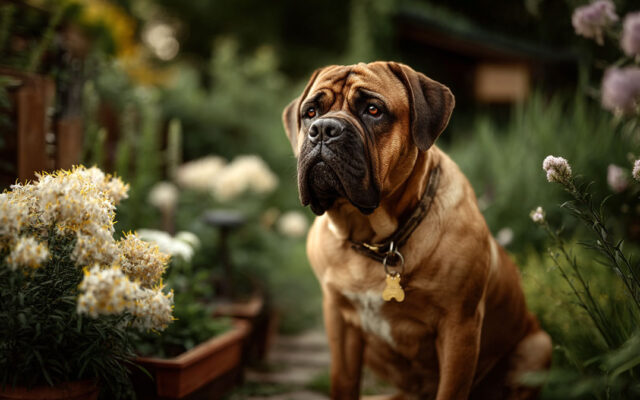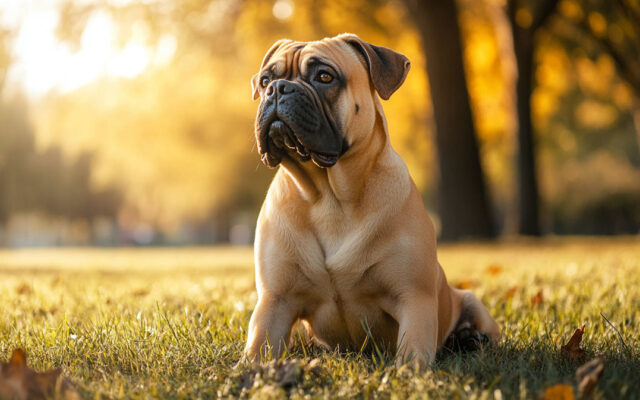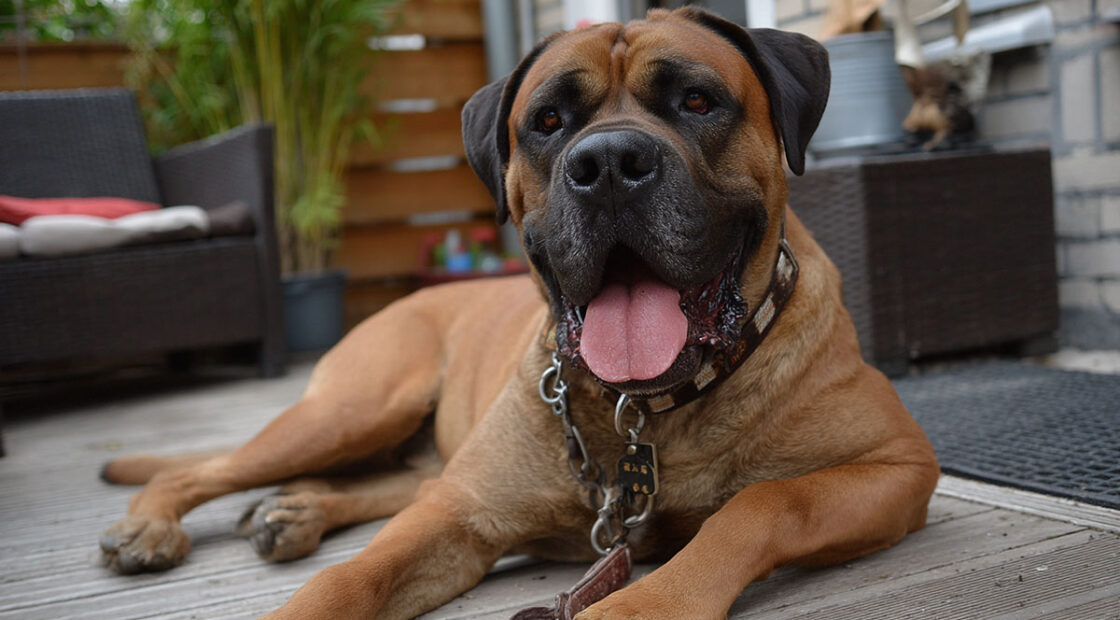
The American Bullmastiff Association sets the official standard that any legitimate Bullmastiff breeder is actually working from: size, temperament, and documented health clearances on both parents. That’s the line between a breeder and someone who just let two purebred dogs share a yard for a season.
Certified litters trace back to a working cross of Mastiff and Bulldog stock, dogs bred to physically stop poachers on English estates, not just bark at them. The job description hasn’t changed much, even though most Bullmastiffs today will never see a poacher in their life.
The AKC recognized the breed in 1934, and that’s still the standard a breeder’s litters get measured against.
What Is a Reputable Bullmastiff Breeder?
Reputable, in practice, means the basics get done without being asked. Hips, elbows, heart, and eyes on both parents get checked before any litter is planned. Every puppy leaves with real registration paperwork and a signed contract. And the breeder is still answering emails a year after the sale, not just until the check clears.
That’s the short version. The longer version is where most buyers get confused.
The Bullmastiff was built to physically intercept a poacher rather than just make noise at one, and that history is baked into what a good breeder is actually trying to reproduce in temperament.
A few habits separate a breeder taking this seriously from one who isn’t:
- Breeding stock gets tested for hip, elbow, cardiac, and eye conditions before any litter gets planned
- Every puppy leaves with AKC or equivalent registration and a written contract
- The breeder stays reachable well after the sale, not just until the money’s in
Skip any of that and the title doesn’t really apply, whatever’s printed on the paperwork.
The breed’s working background still shapes what a proper bullmastiff guard dog temperament should look like today. Calm inside the house, guarded around anyone unfamiliar. That’s not supposed to tip into hair-trigger aggression, and if it does, that’s a breeding problem, not bad luck.

A backyard breeder usually means well and skips most of this. A puppy mill skips it all.
What Breed Standard Does a Bullmastiff Breeder Produce Puppies To?
The AKC standard is what a breeder is actually working toward, and it’s specific. Exact ranges for height, weight, proportion, coat color, and markings, not loose guidelines open to interpretation.
The standard states the breed’s origin directly: 60 percent Mastiff and 40 percent Bulldog in the original foundation cross (AKC Bullmastiff Breed Standard).
Size and Weight Range
The numbers below come straight from the AKC standard document, not a breeder’s personal opinion.
| Measure | Males | Females |
|---|---|---|
| Height at withers | 25 to 27 inches | 24 to 26 inches |
| Weight | 110 to 130 pounds | 100 to 120 pounds |
| Body outline | Nearly square | Nearly square |
That near-square outline is one detail that separates the breed, visually, from the taller, more rectangular Mastiff it descends from.
Coat Colors and Markings
Approved colors are red, fawn, and brindle, always paired with a black mask.
- Ears and muzzle run darker than the body coat
- Eyes are dark, medium-sized, and set to give an alert expression
- A small patch of white on the chest is allowed but not encouraged by breeders showing to type
The standard is also explicit about what the breed is not. It should never read as a rectangular, giant-boned dog, which is exactly the comparison most Bullmastiff vs Mastiff breeds write-ups walk through.
What Health Testing Do Bullmastiff Breeders Perform on Breeding Stock?
This is the part that actually separates a breeder from someone whose two dogs happened to have puppies together: testing done before mating, not after the litter is already on the ground and everyone’s hoping for the best.
Joint Screening (OFA and PennHIP)
Bullmastiffs show hip dysplasia in 24.0 percent of dogs evaluated and elbow dysplasia in 14.2 percent, among the highest rates recorded across AKC breeds (peer-reviewed breed-prevalence study, PLOS ONE, 2017).
That single figure explains why joint testing isn’t optional here the way it might be in a smaller, lighter breed.
Put a few numbers next to each other and the picture gets clearer:
- Hip dysplasia shows up in 24.0 percent of evaluated dogs (PLOS ONE, 2017)
- Elbow dysplasia shows up in 14.2 percent of evaluated dogs (PLOS ONE, 2017)
- The American Bullmastiff Association’s own breeder directory lists hips, elbows, cardiac, eyes, and thyroid as baseline clearances
Screening happens by X-ray, read by a board-certified veterinary radiologist, not eyeballed at a routine vet visit. That process is how Bullmastiff hip dysplasia actually gets caught before it becomes the buyer’s problem.
Cardiac, Eye, and Genetic Clearances
Joints aren’t the only thing on the checklist.
- A cardiac exam rules out congenital heart defects before breeding age
- An eye exam screens for entropion and other structural eyelid issues
- A thyroid panel flags hypothyroidism, an endocrine condition with a hereditary link
- A DNA panel checks for known mutations tied to progressive retinal atrophy
Several breeders listed with the American Bullmastiff Association publish exactly this set of clearances, hips, elbows, hearts, eyes, thyroid, right alongside every dog’s registered name.
A breeder who can’t produce these results on request isn’t testing, whatever they claim over email.
How Do Bullmastiff Breeders Register Litters and Maintain Breed Club Standing?
Each litter needs to be registered with a recognized kennel club, and most breeders taking this seriously also hold membership in the breed’s national parent club.
Registration alone proves parentage. Club membership signals something closer to accountability.
AKC and Alternative Registries
Litter registration follows a fairly fixed sequence.
- The breeder registers the litter with the AKC, or with the UKC, Canadian Kennel Club, or The Kennel Club depending on country, within weeks of the whelp date
- Each puppy receives an individual registration number tied back to the litter record
- Buyers get a signed application transferring registration into their own name at the time of sale
- Pedigree papers show at least three generations of registered ancestry
Skipping steps here is how “papers available” ends up meaning nothing more than a name typed on a form.
American Bullmastiff Association Membership
The American Bullmastiff Association is the breed’s official AKC parent club, the body responsible for the breed standard and the national code of ethics (AKC Code of Ethics Guidelines).
Membership means agreeing to a few specific things:
- A written code of ethics covering health testing and sales practices
- A listing in the club’s breeder directory, searchable state by state
- Access to national specialty shows and futurity events used to evaluate breeding stock
Not every good breeder joins. Most club members, though, are breeders who wanted a second layer of accountability beyond their own word.
How Do Bullmastiff Breeders Socialize Puppies Before They Go Home?
Socialization work starts inside the first two weeks of a puppy’s life on a well-run program, long before any buyer even meets the litter.
Waiting until eight weeks to start is waiting too long for a guardian breed this size.
Early Neurological Stimulation
Early neurological stimulation, often shortened to ENS, runs from roughly day three to day sixteen.
The protocol runs through a handful of brief exercises per puppy, once a day:
- Tactile stimulation between the toes
- Holding the puppy head up, then head down
- Supine position, puppy resting on its back
- Thermal stimulation using a cool, damp cloth
None of it takes more than a few seconds per puppy. The idea is that mild, controlled stress this early builds a steadier adult temperament, though honestly, the evidence behind it is thinner than some breeders let on.
Structured Socialization Programs
Beyond ENS, many breeders follow a named curriculum rather than improvising session by session.
Jane Killion’s Puppy Culture program is the one most often referenced in Bullmastiff breeding circles, built around structured exposure during the critical socialization window that starts closing around twelve weeks.
That exposure usually covers a couple of things:
- Novel surfaces, sounds, and objects introduced gradually
- Short car rides before the puppy ever leaves for its new home
Some programs also work in supervised contact with people outside the immediate household, though how much of that actually happens by eight weeks varies a lot between breeders.
Buyers can ask exactly what program a breeder used, and a breeder worth buying from will have a straight answer, not a shrug.
Getting this stage right matters more here than for most breeds, which is why deliberate bullmastiff socialization work starts on the breeder’s watch, not the buyer’s.
How Does Bullmastiff Breeding and Whelping Work?
Planning a litter starts with the dam’s health clearances, age, and line, then runs through roughly nine weeks of pregnancy before delivery.
Getting this part wrong is where inexperienced breeding programs run into trouble fast.
Selecting the Dam and Sire
A few things get weighed before any mating happens:
- Both dogs hold current hip, elbow, cardiac, and eye clearances
- The dam is past two years old and hasn’t been bred back to back without a rest season
- Pedigree research checks shared ancestors, weighing linebreeding against outcrossing
- Some programs use artificial insemination when the ideal stud dog isn’t local
Progesterone testing narrows the fertile window before a planned mating, natural or otherwise.
Litter Size and Whelping
Litter size in this breed swings widely, commonly landing anywhere from the high single digits into the low teens.
The whelping process itself follows a rough order.
- The dam is moved to a prepared whelping box roughly a week before her due date
- Labor begins, often signaled by a drop in body temperature the breeder tracks closely
- Puppies are delivered, dried, and put to the dam to nurse within minutes of birth
- Weak or oversized puppies may need a breeder-assisted delivery or an emergency C-section
Giant breed whelping carries real risk. Stillbirths and dystocia, a puppy stuck in the birth canal, happen more often here than in smaller breeds, which is one reason an experienced breeder stays in the whelping room rather than just on call.
Bullmastiff Puppy Price and Contract Terms
Expect to pay $1,000 to $2,000 for a Bullmastiff puppy from a reputable breeder, more for show-quality or heavily titled bloodlines (A-Z Animals).
Price alone tells a buyer almost nothing about quality. The contract behind it matters more.
What Drives the Price
A few numbers on what buyers typically pay:
- Pet-quality puppy: roughly $1,000 to $2,000
- Show-quality or champion-line puppy: $2,500 and up
- Non-refundable deposit to hold a puppy: commonly $200 to $500
- Typical spot on a waiting list for a planned litter: 6 to 12 months
Health testing, stud fees, whelping complications, and vet costs incurred before the litter ever sells are baked into that number.
Owning the dog afterward costs more than the sticker price ever suggests, which is the whole argument behind the idea that a dog is expensive well past the day of purchase.
Health Guarantee and Spay-Neuter Clause
Most written contracts guarantee against major genetic defects for a set period, often one to two years, provided the buyer follows basic care terms laid out in the agreement.
- Limited registration until the dog is altered is standard on pet-quality placements
- Many breeders keep first right of refusal if the buyer can no longer keep the dog
- Environmental injury, obesity-related joint strain, and hard exercise before growth plates close are typically excluded
A breeder who won’t put any of this in writing is the clearest red flag on this entire list.
For the fuller picture of what ownership runs beyond the initial purchase, the full Bullmastiff cost breakdown covers food, insurance, and routine veterinary care.
Reputable Breeder vs Backyard Breeder vs Puppy Mill

The differences between these three sources aren’t subtle once you know what to check. They show up in health testing, paperwork, and how many litters a place produces in a year.
| Criterion | Reputable Breeder | Backyard Breeder | Puppy Mill |
|---|---|---|---|
| Health testing | OFA/PennHIP, cardiac, eye, thyroid | Rarely, if ever | None |
| Registration | Full AKC pedigree, 3+ generations | Sometimes registered | Often falsified or missing |
| Buyer contract | Written guarantee, spay-neuter clause | Informal or none | None |
| Litters per year | One or two, planned around the dam’s health | Frequent, little planning | Continuous, often multiple breeds |
An estimated 10,000 puppy mills operate in the US, producing an estimated 2 million puppies a year for pet stores and online sales (Humane Society of the United States / Humane World for Animals), an estimate that’s held fairly steady for over a decade.
A few signs mean it’s time to walk away:
- Multiple breeds available at once, all supposedly ready to ship
- No willingness to let a buyer see the parents or the actual facility
Payment requested by wire transfer or gift card, before any real contact with the dog, is its own separate red flag, and probably the easiest one to catch early.
A backyard breeder usually means well and just skips the expensive parts. A puppy mill skips them deliberately.
Bullmastiff Breeder vs Rescue: Which Should You Choose?

Both paths can lead to a great dog. They just come with very different levels of certainty going in.
Going through a breeder gets you a puppy with a known pedigree and clearances on record for both parents, weight and temperament tracking closely to the standard. It also means a longer wait and a bigger check, usually with a deposit locked in months before there’s an actual puppy to bring home.
Rescue moves faster. Adoption fees run lower than a breeder purchase, and placement can happen within days instead of months. What you don’t get is much certainty about early health history or genetic background, since most of that information simply doesn’t exist for a shelter dog.
Estimates of how many shelter dogs are actually purebred vary sharply depending on which study gets cited. Older figures put the number at around 25 percent, while a 2015 National Animal Interest Alliance study found closer to 5 percent, dropping to about 3 percent once pit bulls and Chihuahuas are excluded (NAIA, cited by the American Kennel Club).
A breeder can point to two generations of documented Bullmastiff temperament behind a specific puppy. A rescue intake evaluation usually reflects a few weeks in one foster home, nothing more.
The American Bullmastiff Association’s own rescue arm rarely places dogs under six months old, and the average age of a dog it rehomes runs around two years, already past the hardest training stretch.
A Bullmastiff rescue adoption suits a buyer who wants a calmer, already-formed dog more than a clean-slate puppy.
How to Find and Vet a Bullmastiff Breeder

Finding a name is the easy part. Vetting that name properly is where most buyers cut corners.
Here’s roughly how that sequence should go:
- Start with the American Bullmastiff Association’s breeder directory or a national specialty show, not a random web search
- Ask for OFA or PennHIP documentation on both parents before scheduling a visit
- Request contact information for at least two past puppy buyers
- Visit in person and watch the dam interact with her current litter
- Expect the breeder to ask questions back, about housing, yard, and experience with large dogs
- Get the health guarantee and spay-neuter clause in writing before any deposit changes hands
- Confirm registration paperwork transfers at pickup, not “sometime after”
Vetting platforms like Good Dog screen breeders against a set of community standards and health-testing requirements before publishing their profiles, which adds a layer beyond a buyer’s own reference calls.
A breeder who resists any single step on this list has already answered the real question.
When a Bullmastiff Breeder Is Not the Right Choice
A Bullmastiff breeder isn’t automatically the right call for every buyer.
- A small apartment with no realistic path to daily walks for a dog this size
- Needing a dog sooner than a planned, health-tested litter can typically deliver
- Not being able to cover both the purchase price and the testing costs built into it
- Wanting a dog whose personality is already visible, not a blank-slate puppy
Going the breeder route means months on a waiting list, then a puppy that still needs a full year of structured training on top of that. Rescue skips most of that timeline. An adult dog, temperament already visible, often costs less and can come home within days.
Renters and apartment dwellers in particular should weigh Bullmastiff living environments honestly before contacting any breeder at all.
Breed-specific legislation in some cities and counties rules out the breed entirely, regardless of how good the breeder is.
FAQ on Bullmastiff Breeder
What Is the Difference Between AKC, ABA, UKC, and Kennel Club Registration?
AKC, UKC, and The Kennel Club are registries first, just record-keepers for pedigree and litter data.
The American Bullmastiff Association isn’t a registry at all. It’s the breed’s parent club, setting the code of ethics and breed standard that member breeders agree to follow.
What’s the Difference Between Show-Quality and Pet-Quality Bullmastiff Puppies?
Show-quality puppies from the same litter conform closely to the standard in structure, movement, and markings, with a real shot at the conformation ring. Pet-quality littermates aren’t lesser dogs, they just carry a minor cosmetic fault (an off-standard bite, an odd coat marking) that rules out the ring, and they typically sell under limited registration instead.
How Long Is a Typical Wait for a Bullmastiff Litter?
Most reputable breeders keep a waiting list rather than puppies in stock.
Expect six months to a year between reserving a spot and bringing a puppy home, longer for a breeder producing only one or two planned litters a year.
What Questions Should You Ask a Bullmastiff Breeder Before Committing?
Ask which health clearances the parents hold, whether either has produced dysplasia or heart issues in past litters, and why this particular stud dog was chosen.
A breeder without ready answers on linebreeding or outcrossing decisions hasn’t planned the litter carefully.
Can You Meet the Puppy’s Parents Before Buying?
The dam is always on site and available to meet.
The sire often isn’t. Breeders frequently use an outside stud dog, sometimes states away, and artificial insemination is common when the ideal match doesn’t live nearby.
What Red Flags During a Breeder Visit Signal a Problem?
A dirty or overcrowded kennel, a dam that seems fearful or overly thin, and a breeder who won’t let a buyer see where the puppies actually live are all warning signs.
Reluctance to discuss temperament testing or health clearances is another.
What Should You Verify First With a Bullmastiff Breeder?
Trust here gets earned in a specific order: documented hip and elbow clearances on both parents first, American Bullmastiff Association standing second, and price or bloodline only after that, since health testing is the one variable a contract can’t fix after the fact.
The sequence runs in a fixed order, not a menu of equally weighted factors.
- Hip, elbow, cardiac, and eye clearances on the dam and sire
- Active listing with the breed’s parent club
- Written contract terms, price negotiated last
Buyers who reverse that order and chase a lower price first often absorb the cost later, in vet bills for joint disease a screened breeding program catches before the litter is ever planned.
Once a puppy comes home, the priority shifts entirely to Bullmastiff puppy training, which starts within days, not months.