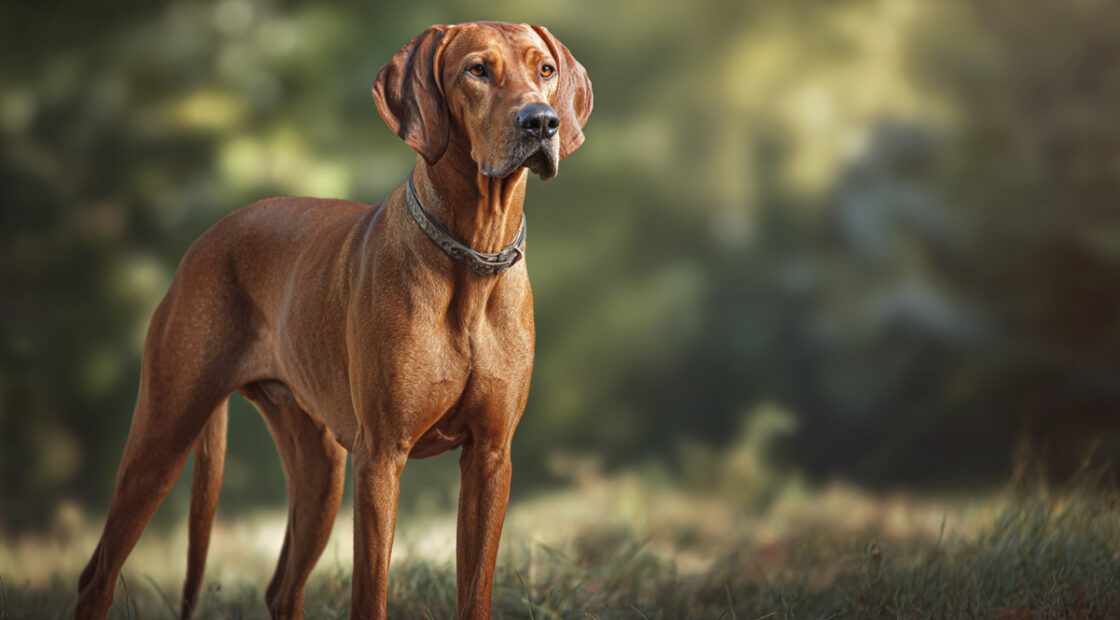
Picture a dog with the determination of a detective and the voice of an opera singer. The Redbone Coonhound combines these traits into one striking red-coated package that’s captured hearts across the American South for generations.
These scent hounds aren’t your typical family pet. They’re purpose-built hunting companions with gentle souls and musical voices that can wake the neighbors three blocks away.
Understanding this breed’s unique needs becomes crucial before bringing one home. Their hunting drive and vocal nature require specific management that differs dramatically from typical companion dogs.
This guide covers everything from their friendly temperament to their determined tracking instincts. You’ll discover their care requirements, training challenges, and what daily life really looks like with these musical athletes.
Whether you’re considering adoption or already share your home with a Redbone, you’ll learn practical strategies for living successfully with this remarkable American hunting dog breed.
Redbone Coonhound Statistics
| Characteristic | Details |
|---|---|
| Size | Medium to Large |
| Weight | 45-70 pounds |
| Height | 21-27 inches |
| Lifespan | 11-12 years |
| Coat Type | Short, dense, weather-resistant |
| Coat Color | Solid red to deep mahogany |
| Energy Level | High |
| Exercise Needs | 60-90 minutes daily |
| Trainability | Moderate (independent nature) |
| Good with Kids | Excellent |
| Good with Pets | Moderate (high prey drive) |
| Barking Level | High (vocal breed) |
| Shedding | Moderate |
| Grooming Needs | Low to Moderate |
| Climate Tolerance | Moderate to warm climates |
| Apartment Living | Not recommended |
| First-Time Owner | Not recommended |
| Separation Anxiety | Moderate |
| Drooling | Minimal |
| Health Issues | Hip dysplasia, eye problems, bloat |
| Origin | Southern United States |
| AKC Group | Hound Group |
| Original Purpose | Raccoon and big game hunting |
| Activity Level | Very Active |
| Mental Stimulation | High requirements |
Temperament and Personality Traits
Family-Friendly Nature
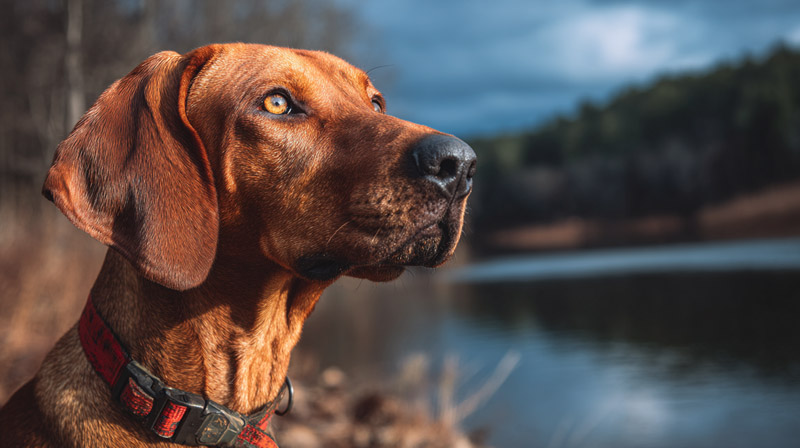
The Redbone Coonhound makes an excellent family companion with their gentle disposition around children. These dogs form strong social bonds with their human pack members.
Their pack mentality means they view your family as their hunting group. This creates intense loyalty that lasts a lifetime.
Unlike some working breeds, Redbones show protective instincts without displaying aggression toward strangers. They’re more likely to greet visitors with curiosity than suspicion.
Many families find these hounds adapt well to household routines. They’re patient with small children and seem to understand their role as gentle guardians.

The Famous Musical Voice
Every Redbone owner learns to appreciate their dog’s vocal talents. These hounds communicate through various barks, bays, and howls that carry different meanings.
Their deep bay can travel for miles when they’re on a scent trail. This musical voice served hunters well in dense forests where visual contact was impossible.
Volume levels can surprise new owners, especially during nighttime activities. Training helps control excessive barking without suppressing their natural communication style.
The Bloodhound shares similar vocal traits, though Redbones tend to be slightly less thunderous in their announcements.
Hunting Drive and Determination
Scent tracking abilities dominate every aspect of a Redbone’s personality. They’ll follow interesting smells with single-minded focus that can frustrate owners during walks.
Tree climbing and cornering prey remains their primary job description, even in suburban settings. Your flower beds might become casualty to their digging instincts.
Working independence runs deep in their genetic makeup. Unlike breeds that constantly seek human direction, Redbones make decisions based on their nose.
This persistence proves both blessing and challenge. They won’t give up easily on any task, whether tracking a raccoon or escaping your backyard fence.
Social Behavior with Other Pets
Getting along with other dogs comes naturally to most Redbones due to their pack hunting background. They understand canine social structure and respect established hierarchies.
Cat relationships require more careful management. Their prey drive can trigger chasing behaviors, though early socialization helps significantly.
The Bluetick Coonhound and Black and Tan Coonhound share similar temperaments when it comes to multi-pet households.
Small animals like rabbits or hamsters might trigger hunting instincts. Supervision becomes important when introducing them to pocket pets.
Care Requirements and Daily Needs
Exercise and Activity Levels
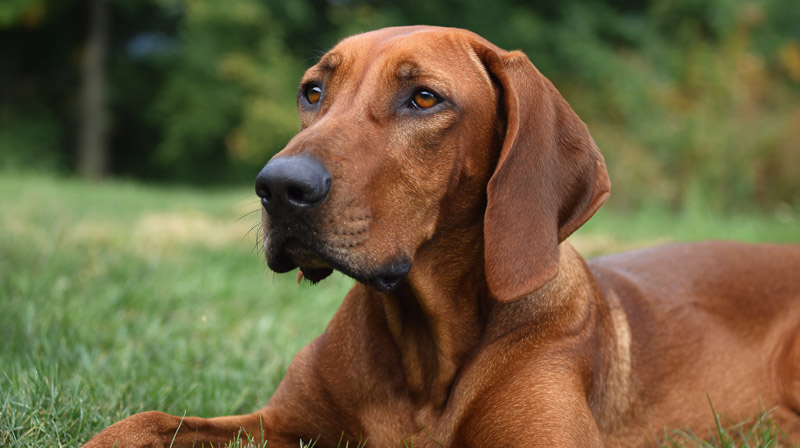
Daily exercise minimums reach 60-90 minutes for adult Redbones. These aren’t couch potato dogs that settle for short walks around the block.
Mental stimulation proves just as important as physical activity. Scent work games keep their minds engaged and prevent destructive behaviors.
Yard space requirements lean toward larger properties with secure fencing. Six-foot fences work better than shorter barriers for these athletic climbers.
Hiking and outdoor adventures satisfy their need for exploration. They excel at trail running and can handle challenging terrain that would tire other breeds.
Indoor activity alternatives include puzzle toys and hide-and-seek games. Rainy days don’t excuse you from providing adequate mental challenges.
Grooming and Maintenance
Coat care stays relatively simple thanks to their short, dense fur. Weekly brushing removes loose hair and distributes natural oils.
Bathing requirements increase during hunting season or muddy adventures. Their red coat shows dirt easily, though it’s also quick to clean.
Nail trimming becomes crucial for active dogs spending time on soft ground. Long nails can split or catch on obstacles during outdoor activities.
Ear cleaning prevents infections common in drop-eared breeds. Check weekly for wax buildup, odors, or redness that signal problems.
Dental hygiene routines start early in puppyhood. Beagle owners face similar challenges with hound-specific dental care needs.
Feeding and Nutrition
Age-appropriate diet plans vary significantly between puppyhood and senior years. Growing Redbones need more calories than their adult counterparts.
Portion control prevents weight gain that stresses joints and reduces athletic performance. High-quality protein supports their active lifestyle and muscle development.
Most adults thrive on two meals daily rather than free-feeding arrangements. This schedule also helps with house training consistency.
Treats and training rewards should represent no more than 10% of daily caloric intake. Choose options that support dental health when possible.
Calculate your dog’s needs using a dog age calculator to adjust portions as they mature.
Training Your Redbone Coonhound
Basic Obedience Training
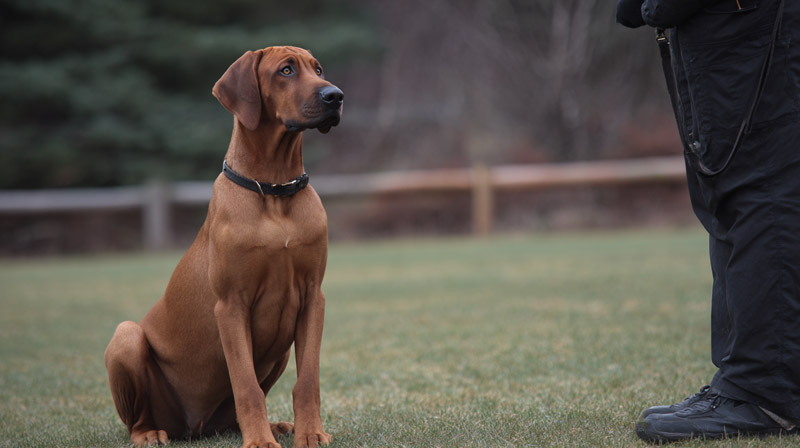
House training strategies work best with consistent schedules and positive reinforcement. Redbones respond well to routine and clear expectations.
Leash walking presents unique challenges due to their scent-driven nature. Start with shorter sessions and gradually increase distance as focus improves.
Come, sit, stay, and down commands require patience and high-value rewards. Food motivation works better than praise alone for most hounds.
Crate training benefits both dog and owner by providing a secure space. Choose sizes that allow standing and turning around comfortably.
Addressing Breed-Specific Challenges
Managing the prey drive starts with understanding you can’t eliminate it completely. Redirect these instincts through appropriate outlets like scent games.
Recall training difficulties stem from their independent nature and strong noses. Practice in fenced areas before attempting off-leash freedom.
Scent distraction management requires building focus gradually. Start training in low-distraction environments before moving to more challenging locations.
Reducing excessive vocalization takes time and consistency. Never use punishment methods that could damage their confidence or working drive.
Unlike breeds such as the German Shepherd Dog, Redbones need motivation beyond simple praise to maintain attention.
Positive Training Methods
Reward-based approaches work best with food-motivated hounds. Find high-value treats that compete with environmental distractions.
Consistency across all family members prevents confusion and speeds progress. Everyone needs to use the same commands and reward systems.
Patience becomes your most valuable training tool. These dogs think independently and may need extra time to process new concepts.
Professional trainer benefits include experience with scent hounds and their unique challenges. Look for trainers familiar with working breeds.
The American Foxhound requires similar training approaches, though Redbones tend to be slightly more biddable.
Hunting and Working Training
Scent work introduction can start as early as 12 weeks with simple games. Hide treats around your house and encourage natural searching behaviors.
Treeing training basics involve teaching the dog to bark when they find their target. This skill transfers to hunting situations naturally.
Field training techniques require access to appropriate terrain and possibly live game. Many owners join local coonhound clubs for training opportunities.
Competition preparation takes months of consistent work. The United Kennel Club sponsors events specifically designed for coonhound breeds.
Consider your dog’s physical development before starting intensive field work. Joint maturity doesn’t complete until 18-24 months of age.
Health Considerations and Lifespan
Common Health Issues’
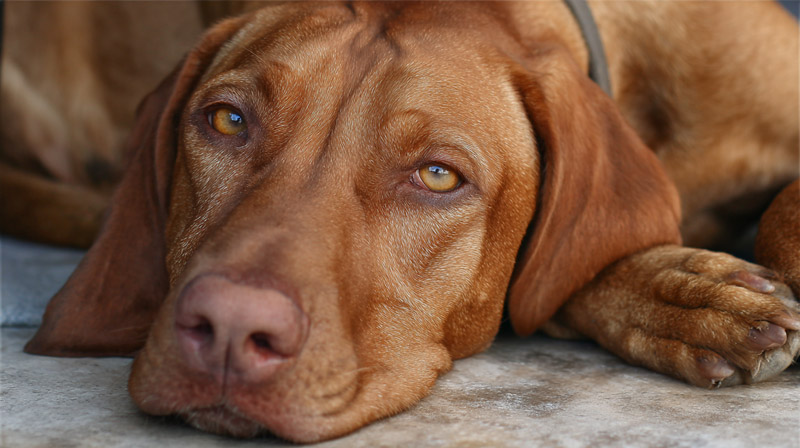
Hip dysplasia affects many medium to large hunting breeds. Redbones show moderate susceptibility to this joint condition that can limit mobility.
Eye problems include progressive retinal atrophy and cataracts in some bloodlines. Annual eye exams help catch issues before they progress.
Ear infections plague drop-eared breeds due to limited air circulation. Weekly cleaning prevents most bacterial and yeast overgrowth problems.
Bloat poses serious risks to deep-chested dogs like Redbones. This emergency condition requires immediate veterinary intervention to save lives.
Weight management becomes crucial as these food-motivated dogs age. Excess pounds stress joints already prone to dysplasia.
Preventive Healthcare
Regular veterinary checkups catch health issues before they become expensive problems. Annual visits suffice for healthy adults under seven years old.
Vaccination schedules follow standard protocols for hunting dogs with potential wildlife exposure. Rabies vaccination carries legal requirements in most areas.
Parasite prevention programs include monthly heartworm medication and flea control. Hunting dogs face higher exposure risks than house pets.
Dental care routines prevent periodontal disease common in hounds. Daily brushing works better than weekly attempts.
The Great Dane shares similar bloat risks, making preventive measures equally important for both breeds.
Lifespan and Aging
Average life expectancy ranges from 11-12 years for well-cared-for Redbones. This matches most medium-large breed standards.
Senior dog care adjustments start around eight years old. Joint supplements and modified exercise help maintain quality of life.
Age-related health monitoring includes twice-yearly vet visits after age seven. Early detection improves treatment outcomes significantly.
Quality of life considerations include pain management and maintaining mental stimulation. Old dogs still need purpose and engagement.
Finding and Choosing a Redbone Coonhound
Reputable Breeders vs. Rescue Options
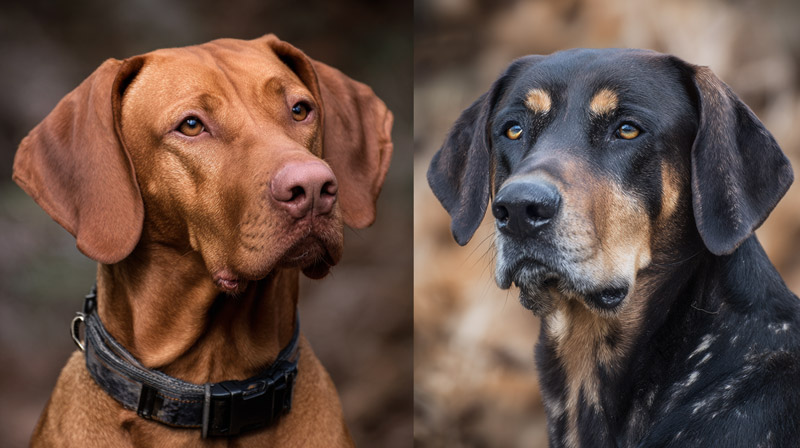
Breeder research requires checking health testing records and meeting parent dogs. Good breeders welcome questions about their breeding program.
Health testing requirements include hip scoring and eye clearances from certified veterinarians. Responsible breeders provide documentation willingly.
Rescue organization benefits include adult dogs with known temperaments. Many excellent hunting dogs end up in rescue through no fault of their own.
Shelter adoption considerations involve understanding the dog’s background and any behavioral challenges. Some rescues specialize in hound breeds.
Puppy Selection Process
Temperament testing methods help match puppies to appropriate homes. Bold puppies suit experienced handlers while quieter ones work better for families.
Health screening importance extends beyond visible defects to genetic testing when available. Ask about the parents’ health histories.
Meeting parent dogs gives insight into adult size and temperament. At minimum, expect to meet the mother dog.
Early socialization signs include confidence around people and novel experiences. Well-socialized puppies adapt better to new environments.
Cost Considerations
Initial purchase or adoption fees range from $300-1,200 depending on source and bloodlines. Hunting bloodlines typically command higher prices.
Setup costs for supplies include crates, fencing, and quality food. Budget $500-800 for initial equipment needs.
Ongoing monthly expenses average $100-150 including food, preventive healthcare, and basic supplies. Active dogs require more veterinary care.
Emergency fund planning should include $2,000-5,000 for unexpected health issues. Bloat surgery alone costs several thousand dollars.
Living with a Redbone Coonhound
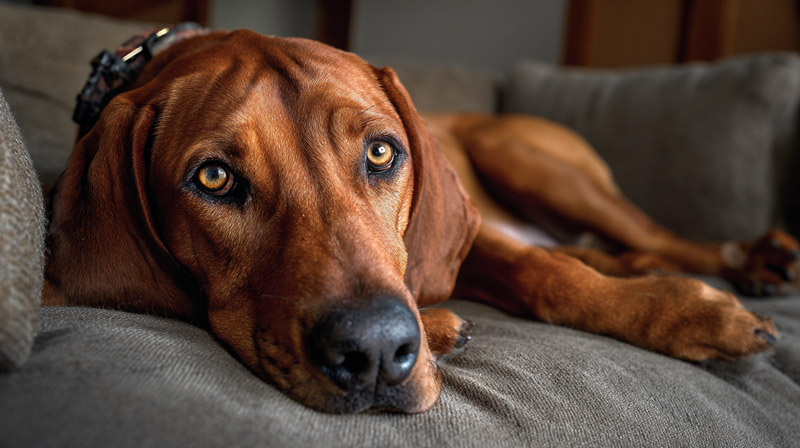
Housing Requirements
Apartment living challenges include noise complaints from vocal hounds. These dogs weren’t designed for confined spaces.
Fenced yard importance cannot be overstated for scent-driven dogs. Six-foot privacy fencing works better than chain link.
Rural environments suit their natural behaviors better than urban settings. Country dogs can express hunting instincts more appropriately.
Neighbor considerations include noise levels and property boundaries. Good fences make good neighbors with hunting breeds.
Family Integration
Introduction to household members should happen gradually with supervision. Children need instruction on appropriate interactions with large dogs.
Establishing routines helps hounds settle into family life. Consistent meal times and exercise schedules reduce anxiety.
Creating a dog-friendly environment means securing garbage and removing tempting items from reach. Hounds investigate everything with their mouths.
Travel and boarding options require research into hound-friendly facilities. Some boarding kennels specialize in hunting breeds.
Activity Ideas and Enrichment
Hiking and outdoor adventures satisfy their need for exploration and exercise. Choose trails with interesting scents and varied terrain.
Puzzle toys provide mental stimulation on indoor days. Food-dispensing toys work better than simple chew items.
Dog sports participation includes scent work trials and tracking competitions. These activities channel natural abilities constructively.
The Australian Cattle Dog requires similar activity levels but different types of mental challenges.
Daily Life Reality
Morning walks become non-negotiable commitments regardless of weather. These dogs need consistent exercise to remain manageable.
Household dynamics change when you add a vocal, active hound to the family. Everyone adjusts to the new reality together.
Seasonal considerations include increased grooming during shedding periods and modified exercise during extreme temperatures.
Long-term commitment spans over a decade of daily care, exercise, and companionship. Consider your lifestyle changes over this timeframe.
FAQ on Redbone Coonhound
Are Redbone Coonhounds good family dogs?
Yes, these gentle hounds make excellent family companions despite their hunting background. Their pack mentality translates into strong loyalty with children and adults alike. However, their high exercise needs and vocal nature require committed owners who understand working dog requirements.
How much do Redbone Coonhounds bark?
Redbones are naturally vocal breeds with deep, carrying bays used for hunting communication. Expect regular barking, especially at night when their hunting instincts peak. Training reduces excessive vocalization but never completely eliminates their musical voice.
Do Redbone Coonhounds shed a lot?
Their short red coat sheds moderately year-round with heavier periods during seasonal changes. Weekly brushing controls loose hair effectively. Unlike breeds such as the Golden Retriever, Redbones require minimal grooming maintenance beyond basic care.
How much exercise do Redbone Coonhounds need?
Active breeds like Redbones need 60-90 minutes of daily exercise minimum. Mental stimulation through scent work proves equally important as physical activity. Without adequate exercise, these athletic dogs develop destructive behaviors quickly.
Are Redbone Coonhounds easy to train?
Training requires patience due to their independent hunting dog nature and strong scent drive. They respond better to positive reinforcement than harsh corrections. Basic obedience comes easier than recall training when interesting smells distract them.
Can Redbone Coonhounds live in apartments?
Apartment living creates challenges for these medium-large dogs with high exercise needs and vocal tendencies. Rural environments suit their nature better. However, dedicated owners with active lifestyles sometimes succeed in urban settings with proper exercise.
Do Redbone Coonhounds get along with cats?
Prey drive makes cat relationships tricky but not impossible. Early socialization helps significantly. Adult Redbones introduced to cats later often struggle with their chasing instincts. The Australian Shepherd shows similar challenges with small animals.
How long do Redbone Coonhounds live?
Average lifespan spans 11-12 years with proper care and nutrition. Regular veterinary care, weight management, and preventive health measures help maximize longevity. Their relatively long life among medium-large breeds makes them worthwhile companions.
What health problems do Redbone Coonhounds have?
Common issues include hip dysplasia, eye conditions, and ear infections typical of drop-eared breeds. Bloat poses serious risks due to their deep chest. Reputable breeders test for genetic conditions before breeding.
How much do Redbone Coonhound puppies cost?
Puppy prices range from $500-1,200 depending on bloodlines and breeder reputation. Hunting bloodlines from proven working dogs cost more than pet-quality puppies. Rescue adoption fees typically run $200-400 including basic veterinary care.
Conclusion
The Redbone Coonhound represents a unique blend of athletic ability and gentle companionship that appeals to active families. Their musical voices and determined nature make them unforgettable pets for those who appreciate working dog heritage.
Success with these scent hounds requires commitment to their exercise needs and acceptance of their vocal tendencies. Rural owners typically find the adjustment easier than urban families.
Proper training and early socialization transform these independent hunters into manageable family members. Their loyalty and gentle temperament with children make the effort worthwhile.
Consider your lifestyle carefully before choosing this breed. The Basset Hound offers similar scent abilities with lower energy requirements for less active households.
These remarkable canines reward dedicated owners with years of faithful companionship and outdoor adventures. Their determination and musical personality create bonds that last a lifetime.