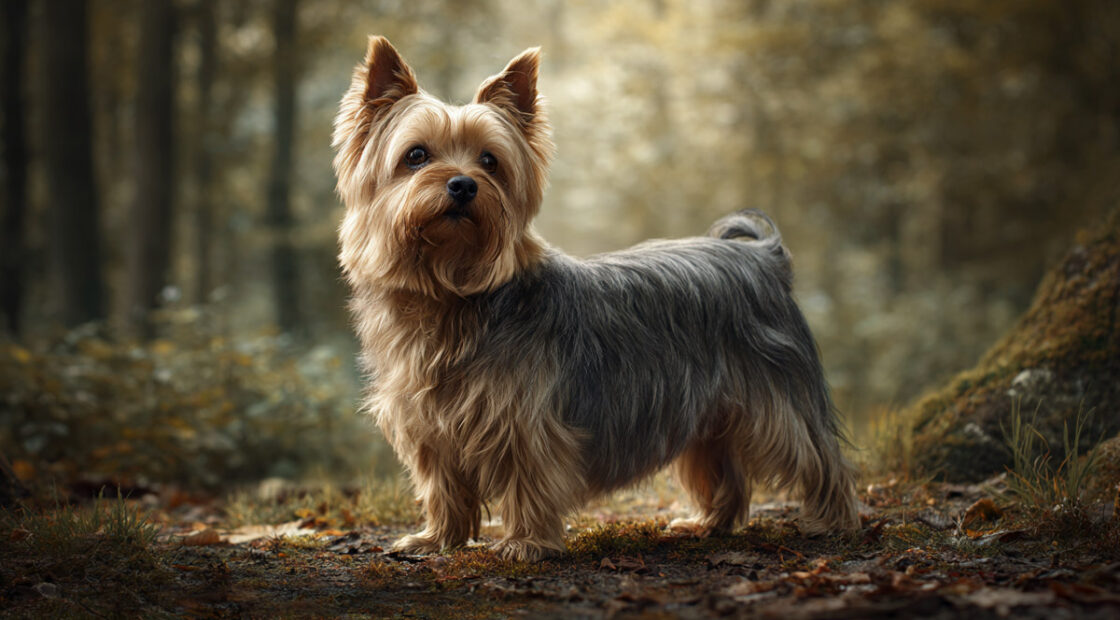
Don’t let the tiny size fool you—the Silky Terrier packs more personality per pound than most dogs twice their weight. This Australian-bred companion dog combines the elegance of a show dog with the bold spirit of a true terrier.
Originally developed by crossing Yorkshire Terriers with Australian Terriers, these toy breed gems offer apartment dwellers the perfect balance of beauty and brains.
Small dog care requires specific knowledge, especially when dealing with a breed as distinctive as the Silky Terrier. Their silky coat demands daily attention, while their terrier temperament needs proper channeling.
This guide covers everything from puppy training basics to senior care considerations. You’ll learn grooming techniques, health management, and training strategies that work specifically for this intelligent small breed.
Whether you’re considering adding a Silky to your family or already share your home with one, you’ll discover practical tips for raising a well-balanced companion animal that thrives in modern living situations.
Silky Terrier Breed Statistics
| Characteristic | Details |
|---|---|
| Size | Small/Toy |
| Weight | 8-11 pounds |
| Height | 9-10 inches |
| Lifespan | 12-15 years |
| Origin | Australia |
| Breed Group | Toy Group |
| Coat Type | Long, silky, single coat |
| Coat Colors | Blue and tan |
| Shedding Level | Low to moderate |
| Grooming Needs | High (daily brushing required) |
| Exercise Requirements | Moderate (30-45 minutes daily) |
| Energy Level | Moderate to high |
| Training Difficulty | Moderate (intelligent but independent) |
| Good with Children | Yes, with supervision |
| Good with Pets | Yes, with proper socialization |
| Apartment Living | Excellent |
| Barking Tendency | Moderate to high |
| Climate Tolerance | Moderate (sensitive to extremes) |
| Health Issues | Luxating patella, tracheal collapse, eye conditions |
| Monthly Care Cost | $75-150 (food, grooming, healthcare) |
| Puppy Price Range | $1,200-2,500 |
Meet the Silky Terrier
Origins and Australian Heritage
The Silky Terrier emerged in Australia during the late 1800s through careful breeding programs. Breeders crossed Yorkshire Terriers with Australian Terriers to create this distinctive companion dog.
The Australian Kennel Club first recognized the breed in 1958. American Kennel Club recognition followed in 1959, cementing the Silky’s place among recognized toy breeds worldwide.
Physical Characteristics That Stand Out

Silky coat texture defines this breed’s most striking feature. The fine, glossy hair falls straight down both sides of the body, creating an elegant silhouette.
Adult Silkys typically weigh between 8-11 pounds. They stand 9-10 inches at the shoulder, making them perfect apartment dogs for urban living.

The breed standard calls for blue and tan coloring. Puppies often show darker coats that lighten as they mature, sometimes taking up to 18 months to develop their final color.
Temperament Overview
Terrier personality shines through in every Silky despite their small size. These dogs display remarkable confidence and alertness that belies their toy dog classification.
Intelligence levels rank high among small dog breeds. Silkys learn quickly but maintain that independent thinking typical of all terrier breeds.
Social tendencies vary among individual dogs. Most bond strongly with their families while remaining somewhat reserved with strangers initially.
Energy requirements surprise many first-time owners. These aren’t sedentary lap dogs but active companions who need daily mental and physical stimulation.
Understanding Your Silky’s Personality
The Terrier Spirit in a Tiny Package

Natural hunting instincts remain strong despite generations of companion breeding. Your Silky will chase squirrels, birds, and even insects with surprising determination.
Fearless attitude toward larger dogs can create problems if not managed properly. Many Silkys don’t recognize their size limitations when confronting bigger animals.
Territorial behavior patterns emerge early in puppyhood. These dogs naturally guard their homes and families, making them excellent watchdogs despite their small stature.
Independent thinking traits mean your Silky won’t always comply immediately with commands. They prefer to evaluate situations before responding, unlike more biddable breeds like Golden Retrievers.
Social Behavior Patterns
Bonding with family members typically focuses on one or two people. Silkys often choose a favorite person while remaining friendly with other household members.
Interactions with children require early socialization. Well-socialized Silkys can be wonderful family pets, but their small size makes them vulnerable to rough handling.
Stranger wariness serves as both protection and potential problem. Early socialization helps prevent excessive suspicion while maintaining natural alertness.
Pack dynamics in multi-pet households depend heavily on introduction methods. Silkys often do better with cats than with other small dogs, possibly due to less competition for resources.
Intelligence and Learning Patterns
Problem-solving abilities impress many owners who underestimate small dog intelligence. Silkys figure out how to open doors, access forbidden areas, and manipulate situations to their advantage.
Learning speed varies with motivation levels. Food rewards and praise work well, but these dogs respond best when training feels like a game rather than work.
Stubbornness versus eagerness creates training challenges. One day your Silky performs perfectly; the next day they act like they’ve never heard the command before.
Mental stimulation needs exceed those of many larger breeds. Bored Silkys become destructive, developing behavioral problems that can persist without proper outlets.
Grooming Your Silky Terrier
Daily Coat Care Essentials
Brushing techniques require specific tools and methods to maintain that signature silky texture. Use a pin brush followed by a metal comb to work through the entire coat systematically.
Frequency matters more than duration. Quick daily sessions prevent mats better than lengthy weekly grooming marathons.
Tools and equipment should include a quality pin brush, metal comb, and detangling spray. Cheap brushes can damage the delicate coat texture that defines the breed.
Preventing mats starts at the skin level. Pay special attention to areas where movement creates friction: behind ears, under legs, and around the collar area.
Professional Grooming and Bathing
Bathing schedule depends on lifestyle and coat condition. Most Silkys need baths every 3-4 weeks, though active outdoor dogs may require more frequent cleaning.
Choosing the right shampoo protects coat quality. Look for products designed specifically for long, silky coats rather than general-purpose dog shampoos.
Professional grooming visits every 6-8 weeks help maintain coat health and catch potential problems early. Experienced groomers can teach you proper brushing techniques and recommend products.
Show grooming versus pet cuts offers different maintenance levels. Pet owners can choose shorter, more manageable styles while maintaining the breed’s elegant appearance.
Beyond the Beautiful Coat
Nail trimming requires careful attention due to the Silky’s small size. Dark nails make it harder to see the quick, so trim conservatively or seek professional help.
Ear cleaning should happen weekly using appropriate solutions. The Silky’s upright ears usually stay cleaner than drop-eared breeds, but regular checks prevent problems.
Dental care becomes critical in toy breeds prone to dental issues. Daily brushing with dog-specific toothpaste helps prevent the periodontal disease common in small dogs.
Eye area maintenance involves gentle cleaning of any discharge. Some Silkys develop tear staining, which responds better to prevention than treatment.
Grooming Tools Investment Guide
Quality tools cost more initially but last longer and work better. A good pin brush designed for silky coats makes daily grooming sessions faster and more effective.
Metal combs with different spacing help work through various coat sections. Fine teeth work well for facial areas, while wider spacing handles body coat efficiently.
Detangling products can save hours of brushing time. Spray lightly on clean, damp coat before brushing to reduce friction and prevent breakage.
Nail clippers designed for small dogs provide better control and safety. Consider investing in a nail grinder if your Silky tolerates the noise and vibration better than traditional clippers.
Training Your Silky Terrier
Puppy Training Foundations

Housebreaking strategies require patience and consistency with toy breeds. Silky Terrier puppies have tiny bladders and need frequent outdoor trips every 2-3 hours initially.
Socialization windows close by 16 weeks, making early exposure critical. Introduce your puppy to various people, sounds, and experiences during this crucial period.
Crate training benefits extend beyond housebreaking. A properly sized crate becomes your Silky’s safe haven and prevents destructive behavior when unsupervised.
Basic command introduction should start immediately. Simple commands like “sit” and “stay” build the foundation for more complex training later.
Addressing Terrier-Specific Challenges
Excessive barking control becomes necessary since Silkys naturally alert to every sound. Teach the “quiet” command early and reward calm behavior consistently.
Digging behavior emerges from natural terrier instincts. Provide designated digging areas or redirect this energy into puzzle toys and mental challenges.
Leash training for strong-willed dogs requires special techniques. Start with short, positive sessions and gradually increase duration as your Silky learns proper walking manners.
Recall training despite prey drive presents ongoing challenges. Practice in secure areas first, as Silkys may ignore commands when chasing interesting scents or movements.
Advanced Training Opportunities
Trick training provides excellent mental stimulation for intelligent Silkys. These dogs excel at learning complex sequences and enjoy showing off their abilities.
Agility training suits the breed’s athletic nature despite their small size. Many Silkys compete successfully in agility trials with appropriate equipment sizing.
Therapy dog potential exists for well-socialized Silkys with calm temperaments. Their portable size and engaging personalities make them suitable for certain therapy work.
Continued learning throughout life prevents cognitive decline. Regular training sessions keep senior Silkys mentally sharp and engaged with their families.
Health and Wellness
Common Health Concerns

Luxating patella affects many toy breeds including Silky Terriers. This kneecap dislocation can range from mild to severe, sometimes requiring surgical correction.
Tracheal collapse occurs when cartilage rings weaken, causing breathing difficulties. Using harnesses instead of collars reduces pressure on the delicate trachea.
Eye conditions like progressive retinal atrophy and cataracts appear in some bloodlines. Regular eye exams help detect problems early when treatment options remain available.
Skin allergies and sensitivities affect coat quality and comfort. Environmental allergens, food sensitivities, and contact irritants can all trigger reactions.
Preventive Care Protocols
Vaccination schedules follow standard protocols but require careful timing for small puppies. Work with your veterinarian to develop an appropriate immunization plan.
Parasite prevention programs protect against fleas, ticks, heartworms, and intestinal parasites. Many products now combine multiple protections in single treatments.
Regular veterinary checkups every six months help catch problems early. Senior dogs may need more frequent monitoring as age-related issues develop.
Dental health maintenance becomes critical in toy breeds prone to periodontal disease. Daily brushing and regular professional cleanings prevent painful complications.
Nutrition and Weight Management
Feeding schedules for small dogs require multiple daily meals to maintain stable blood sugar. Two to three smaller portions work better than one large meal.
Quality food selection matters more for tiny dogs since they eat smaller quantities. Choose foods specifically formulated for small breed nutritional needs.
Portion control prevents obesity that stresses joints and organs. Even one extra pound significantly impacts a 10-pound dog’s health and mobility.
Special dietary considerations may include food allergies or sensitivities common in the breed. Work with your vet to identify and eliminate problematic ingredients.
Exercise and Mental Stimulation
Daily Exercise Requirements

Walk duration should match your Silky’s age and fitness level. Adult dogs typically need 30-45 minutes of daily exercise split into multiple sessions.
Indoor exercise alternatives work well for apartment living. Hallway fetch, stair climbing, and interactive play satisfy exercise needs during bad weather.
Weather considerations matter for small dogs sensitive to temperature extremes. Protect your Silky from both heat and cold with appropriate clothing when needed.
Age-appropriate activity levels change throughout your dog’s life. Puppies need shorter, more frequent sessions while seniors benefit from gentle, consistent movement.
Mental Enrichment Activities
Puzzle toys challenge your Silky’s intelligence while providing entertainment. Rotate different types to maintain interest and prevent boredom.
Food dispensers turn mealtime into mental exercise. Slow-feeding bowls and treat-dispensing toys encourage natural foraging behaviors.
Scent work taps into natural terrier instincts. Hide treats around the house or teach formal scent detection games for mental stimulation.
Interactive play sessions with family members strengthen bonds while providing exercise. Games like hide-and-seek or fetch work well indoors.
Socialization and Playtime
Safe play with other dogs requires careful supervision due to size differences. Dog parks may not suit Silkys unless separate small dog areas exist.
Supervised interactions with children teach both parties appropriate behavior. Always monitor play sessions and intervene if excitement levels get too high.
Solo play versus interactive play both serve important purposes. Independent play develops confidence while interactive sessions strengthen family bonds.
Rotation of toys prevents boredom and maintains novelty. Store some toys away and rotate them weekly to keep your Silky engaged and interested.
Creating Mental Challenges
Training sessions double as mental exercise when kept short and positive. Five-minute sessions several times daily work better than long training marathons.
Problem-solving opportunities arise from simple environmental changes. Rearrange furniture occasionally or create obstacle courses using household items.
New experiences provide mental stimulation and prevent behavioral problems. Regular car rides, different walking routes, and novel environments keep minds active.
Social challenges like meeting new people or visiting pet-friendly stores expand your Silky’s world while building confidence and adaptability.
Living with a Silky Terrier
Home Environment Setup

Small dog safety considerations extend beyond obvious hazards. Check for gaps in deck railings, spaces under furniture, and toxic plants at your Silky’s eye level.
Creating comfortable spaces means providing multiple resting areas throughout your home. Silkys appreciate having options and often rotate between favorite spots.
Temperature control matters more for toy breeds than larger dogs. Maintain consistent indoor temperatures and provide heating or cooling options as needed.
Securing yards and balconies prevents escapes and falls. Even small gaps can accommodate a determined Silky, so inspect boundaries regularly.
Daily Routine and Structure
Establishing consistent schedules reduces anxiety and behavioral problems. Feed, walk, and play at roughly the same times each day.
Work-life balance requires planning when you have a companion dog that thrives on interaction. Consider pet sitters or doggy daycare for long workdays.
Travel considerations include carrier training and health certificates. Many Silkys enjoy car rides but need secure restraints for safety.
Seasonal routine adjustments account for weather changes and daylight variations. Winter may require indoor exercise alternatives and warmer clothing.
Family Integration Strategies
Introducing new family members whether human or animal requires gradual, supervised meetings. Silkys adapt well but need time to adjust to changes.
Managing attention-seeking behaviors starts with consistent responses from all family members. Don’t reward demanding behavior, even when it seems cute.
Setting boundaries helps your Silky understand house rules and expectations. Consistent enforcement prevents confusion and behavioral issues.
Building strong human-dog bonds happens through quality time, training, and shared activities. These relationships develop over months and years of consistent interaction.
Multi-Pet Household Dynamics
Pack dynamics in homes with multiple pets require careful management. Silkys often do better with cats than competing with other small dogs for attention.
Resource guarding can develop around food, toys, or favorite people. Prevent problems by feeding pets separately and providing individual spaces.
Territory establishment happens naturally but needs human guidance. Each pet should have designated areas for eating, sleeping, and playing.
Integration timelines vary depending on existing pets’ personalities and the new Silky’s temperament. Patience during adjustment periods prevents long-term conflicts.
Choosing and Caring for a Silky Puppy
Finding Reputable Breeders

Health testing requirements include genetic screening for common breed issues. Responsible breeders test breeding stock for luxating patella, eye conditions, and other hereditary problems.
Breeding ethics matter when selecting your puppy’s source. Avoid puppy mills and backyard breeders who prioritize profit over animal welfare.
Questions to ask breeders include health testing results, socialization practices, and return policies. Professional breeders welcome inquiries and provide documentation.
Red flags include multiple litters available simultaneously, meeting away from breeding facilities, and unwillingness to show parent dogs or health records.
Puppy Selection Process
Temperament testing helps match personalities with lifestyles. Observe how puppies interact with littermates, respond to handling, and react to new stimuli.
Health evaluation basics include checking eyes, ears, coat condition, and overall vitality. Healthy puppies appear alert, curious, and well-proportioned.
Male versus female considerations involve size differences and personality traits. Males often stay slightly larger while females may mature faster mentally.
Matching energy levels prevents future problems. Active families suit spirited puppies while calmer households work better with quieter personalities.
Bringing Puppy Home
Essential supplies include appropriately sized food bowls, a carrier, collar and leash, toys, and grooming tools. Buy quality items that won’t need immediate replacement.
Puppy-proofing involves removing hazards and securing dangerous items. Think from a curious puppy’s perspective when scanning each room.
First week adjustment periods challenge both puppies and families. Expect accidents, crying, and disrupted sleep as everyone adapts to changes.
Establishing routines early creates security and predictability. Start feeding, potty, and sleep schedules immediately for faster adjustment.
Early Puppy Care Essentials
Vaccination schedules begin around 6-8 weeks with boosters every 3-4 weeks until 16 weeks old. Follow your veterinarian’s recommended timeline precisely.
Socialization opportunities should start immediately but require caution before full vaccination. Carry your puppy to experience sights and sounds safely.
House training basics rely on frequent opportunities and consistent responses. Take puppies outside every 2 hours and immediately after eating, sleeping, or playing.
Early grooming introduction prevents future resistance. Handle paws, ears, and mouth regularly to prepare for nail trims and dental care.
Nutritional Needs for Growing Puppies

Puppy-specific nutrition supports rapid growth and development. Choose foods formulated for small breed puppies with appropriate kibble size.
Feeding frequency matters more than total quantity. Young puppies need 3-4 meals daily to maintain stable blood sugar levels.
Growth monitoring helps identify potential problems early. Weigh puppies weekly and track development against breed standards.
Transition periods between foods should happen gradually over 7-10 days. Sudden changes cause digestive upset in sensitive puppy systems.
Building Foundation Behaviors
Basic training starts immediately with simple commands and house rules. Puppies learn fastest during their first few months of life.
Bite inhibition training prevents future problems. Teach appropriate play behavior and redirect inappropriate chewing to suitable toys.
Crate training provides security and aids house training. Make the crate comfortable and never use it for punishment.
Sleep schedules help everyone rest better. Puppies sleep 18-20 hours daily but need consistent bedtime routines for nighttime success.
FAQ on Silky Terrier
Are Silky Terriers good family pets?
Family pets work well when properly socialized with children. Their small size requires supervision around young kids, but they bond strongly with family members and adapt to household routines easily.
How much grooming do Silky Terriers need?
Daily brushing prevents mats and maintains coat quality. Professional grooming every 6-8 weeks plus regular nail trimming and dental care keeps them healthy and looking their best.
Do Silky Terriers shed a lot?
Silky coat texture produces minimal shedding compared to double-coated breeds. Regular brushing removes loose hair before it falls, making them suitable for people with mild allergies.
How big do Silky Terriers get?
Adult Silkys weigh 8-11 pounds and stand 9-10 inches tall. Their toy breed classification makes them perfect apartment dogs while maintaining sturdy terrier build and personality.
Are Silky Terriers easy to train?
Terrier personality creates training challenges requiring patience and consistency. They’re intelligent but independent, responding best to positive reinforcement and short, engaging training sessions.
What health problems do Silky Terriers have?
Luxating patella and tracheal collapse affect many small breeds. Eye conditions and dental issues also occur. Regular veterinary care and preventive measures help manage these concerns.
How much exercise do Silky Terriers need?
Exercise needs include 30-45 minutes daily split into multiple walks and play sessions. Their energy levels suit active families while adapting to apartment living constraints.
Do Silky Terriers bark a lot?
Terrier temperament includes natural alertness and protective instincts. Early training helps control excessive barking while maintaining their valuable watchdog qualities for home security.
How long do Silky Terriers live?
Dog lifespan averages 12-15 years with proper care. Quality nutrition, regular exercise, preventive healthcare, and dental maintenance contribute to longevity in this generally healthy breed.
Are Silky Terriers good with other pets?
Multi-pet households work best with early socialization. They often prefer cats to competing small dogs, but individual personalities and proper introductions determine successful relationships.
Conclusion
The Silky Terrier proves that great things come in small packages when you understand their unique needs. These intelligent small breeds reward dedicated owners with years of loyal companionship and entertaining personality.
Ethical breeding practices ensure healthy puppies while proper socialization creates well-adjusted family pets. Investment in quality care pays dividends throughout your dog’s 12-15 year lifespan.
Professional grooming, preventive healthcare, and consistent training form the foundation of successful ownership. Regular brushing routines and dental care prevent common issues that affect many toy breeds.
Mental stimulation matters as much as physical exercise for these smart terriers. Puzzle toys, training sessions, and interactive play keep minds sharp and behaviors appropriate.
Whether you’re drawn to their elegant appearance or bold personality, remember that Miniature Schnauzers and other small terriers share similar care requirements. Research thoroughly before committing to any companion dog breed.
Your dedication to understanding breed-specific needs determines success. These remarkable dogs thrive when owners embrace both their terrier spirit and grooming demands.