Cuba’s best-kept secret walks on four silky paws. The Havana Silk Dog represents one of the rarest and most enchanting companion breeds on earth.
This Cuban treasure nearly vanished during political upheaval. Only dedicated breeders saved these gentle souls from extinction.
Why you need to know about this breed:
- Exceptional temperament for families
- Unique grooming requirements and coat care
- Specific health considerations for rare breeds
- Training approaches that work best
This guide reveals everything about living with a Havana Silk Dog. You’ll discover their fascinating Cuban origins, daily care needs, and what makes them perfect apartment living companions.
Whether you’re considering adoption or already share your home with one of these silky-coated gems, you’ll gain practical insights for successful pet ownership.
Havana Silk Dog Breed Statistics
| Characteristic | Details |
|---|---|
| Size Category | Toy/Small |
| Height | 8.5-11.5 inches (21-29 cm) |
| Weight | 7-13 pounds (3-6 kg) |
| Lifespan | 14-16 years |
| Energy Level | Moderate |
| Exercise Needs | 30-60 minutes daily |
| Grooming Requirements | High – daily brushing required |
| Shedding Level | Low |
| Hypoallergenic | Yes |
| Good with Kids | Excellent |
| Good with Pets | Very good |
| Trainability | High |
| Intelligence | High |
| Barking Level | Moderate |
| Apartment Living | Excellent |
| Climate Tolerance | Moderate (sensitive to extremes) |
| Stranger Friendliness | High |
| Watchdog Ability | Good (alert but not aggressive) |
| Common Health Issues | Heart conditions, eye problems, luxating patella |
| Origin | Cuba |
| Breed Group | Non-Sporting/Companion |
| Coat Type | Long, silky, double coat |
| Colors | All colors and combinations |
| Puppy Price Range | $1,500-$3,500 |
| Monthly Care Cost | $75-150 |
The Story Behind the Breed: Cuban Roots and Royal Connections
Origins in 18th Century Cuba
The Havana Silk Dog emerged from the elegant mansions of 18th-century Cuba. Wealthy families in Havana cherished these silky-coated companions. Spanish aristocracy brought their refined breeding practices to the island.
These weren’t working dogs. They lived pampered lives in Cuban upper class homes, developing their gentle temperament through generations of careful selection.
The Breed’s Golden Age in Havana
Cuban estates became breeding grounds for perfection. The silky coat caught sunlight streaming through mansion windows. Wealthy families competed to own the most beautiful specimens.
Breeding practices focused on:
- Maintaining the distinctive silk-like fur
- Preserving gentle, friendly personality traits
- Creating the perfect lap dog companion
Social status meant everything. A beautiful Havanese at your side showed wealth and taste.

Near Extinction and Survival Story
The Cuban Revolution changed everything overnight. Many families fled, leaving their beloved companions behind. The breed nearly vanished from existence.
Small groups of dedicated owners smuggled their dogs to safety. These heroic efforts saved the entire genetic line. Without them, we’d have lost this treasure forever.
Modern Recovery Efforts
Dedicated breeders worked tirelessly to rebuild the population. The American Kennel Club and other kennel clubs eventually recognized the breed.
Current population numbers remain small but stable. Reputable breeders focus on health testing and maintaining breed standards.
Physical Traits: More Than Just a Pretty Coat
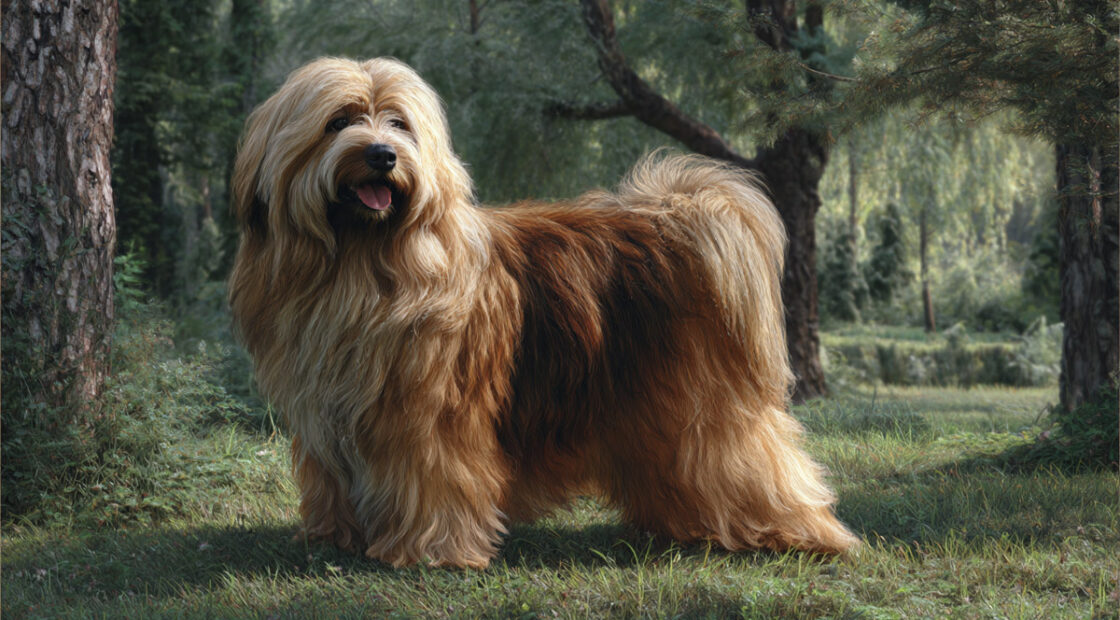
The Famous Silky Coat
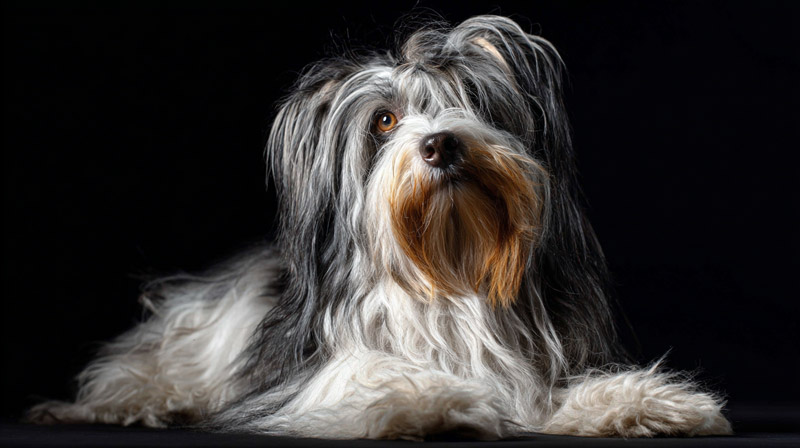
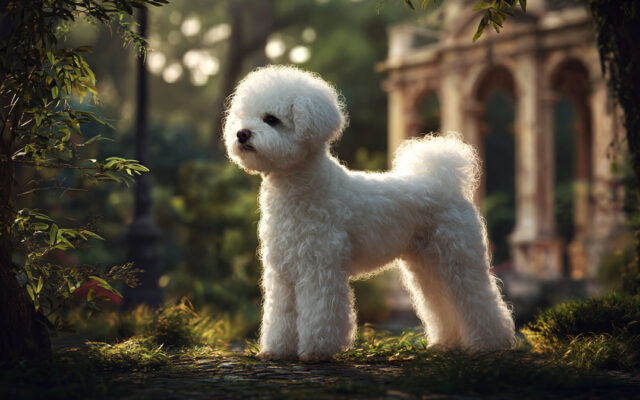
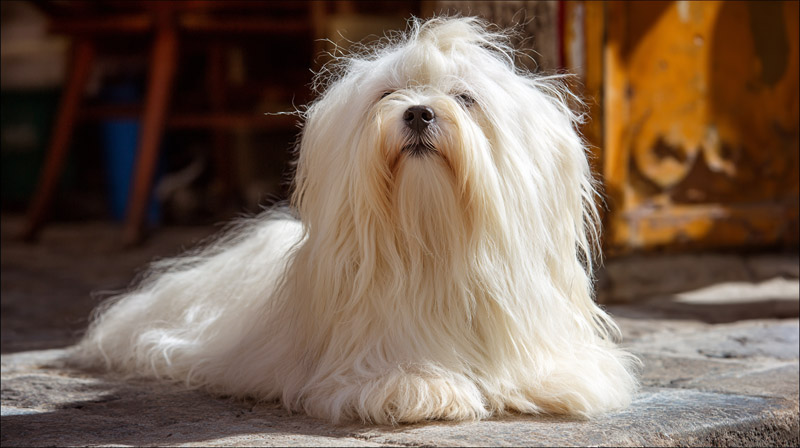
That legendary coat sets Havanese apart from every other breed. The texture feels like pure silk between your fingers. Unlike a Bichon Frise with its cottony fur, this coat flows and moves naturally.
Color variations include:
- Pure white and cream shades
- Rich chocolate and black tones
- Parti-color combinations
- Silver and gray patterns
The coat changes dramatically as puppies mature. Baby fur gives way to the adult silk texture around 12-18 months.
Size and Body Structure
These toy dogs pack personality into a compact frame. Height ranges from 8.5 to 11.5 inches at the shoulder. Weight typically falls between 7 to 13 pounds.
The body stays slightly longer than tall. This creates their characteristic rectangular silhouette. Males tend to be slightly larger and more substantial than females.
Unlike tiny breeds like Chihuahuas, Havanese feel sturdy in your arms. They’re portable without being fragile.
Facial Features and Expression
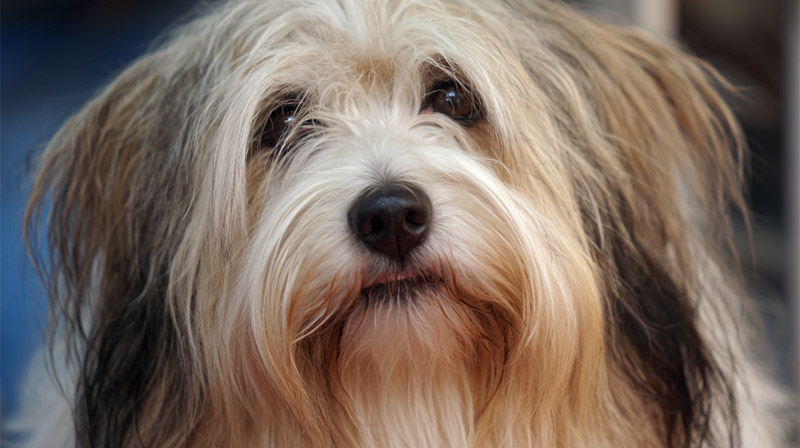
Large, dark eyes dominate their sweet faces. The expression shows intelligence and warmth. Ears hang close to the head, covered in that signature silky hair.
The muzzle length stays moderate. Not pushed-in like a Pug, but not elongated either. The nose appears black on most dogs.
This creates the perfect companion dog expression. Alert but gentle, intelligent but approachable.
Movement and Gait
Havanese move with surprising grace for their size. The flowing coat creates an almost floating appearance. Energy levels stay moderate during activity.
They’re not athletes like Border Collies. Daily walks and indoor play satisfy their exercise needs perfectly.
Athletic abilities include:
- Agility training potential
- Trick learning capacity
- Moderate endurance for family activities
These dogs adapt their energy to match their family’s lifestyle. Active families get an enthusiastic companion. Quieter households enjoy a calm, content pet.
Personality Profile: Sweet Nature and Social Butterfly
Core Temperament Traits
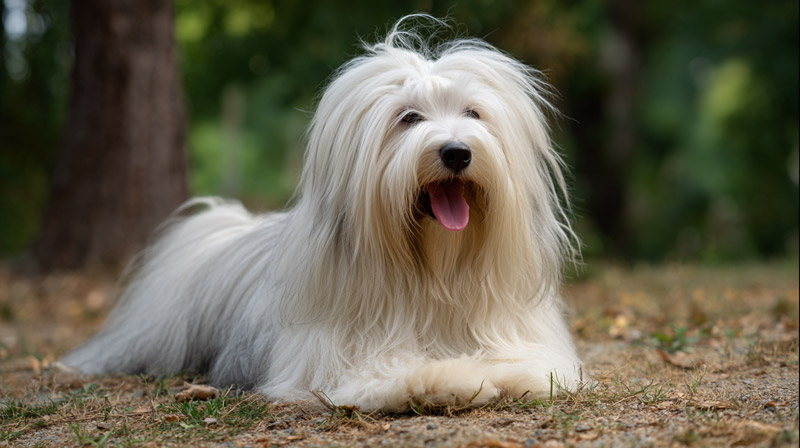
Havanese dogs radiate gentleness. Their affectionate nature makes them perfect family pets. Intelligence shows in quick learning and problem-solving abilities.
This playful yet calm demeanor fits any household. They read emotions like pros. Stress disappears when you’re around these sensitive companions.
Social Behavior with People
Strong bonds form with all family members, not just one person. Strangers receive warm welcomes after brief introductions. Children find devoted playmates in these patient dogs.
Unlike territorial breeds such as German Shepherd Dogs, Havanese welcome everyone. Their friendly personality creates instant connections.
Social strengths include:
- Natural therapy dog potential
- Excellent with elderly family members
- Calm around toddlers and babies
- Adaptable to different personalities
Relationship with Other Pets
These social butterflies get along beautifully with other dogs. Size doesn’t intimidate them. A Great Dane becomes their best friend as easily as a Yorkshire Terrier.
Cats often appreciate their gentle approach. Small animals trigger curiosity, not prey drive. Proper introductions lead to peaceful households.
Individual Personality Variations
Some Havanese lean shy, others burst with confidence. Activity levels range from couch potato to energetic explorer. Age brings wisdom and increased calmness.
Puppies show more energy than adult dogs. Senior dogs become incredibly sweet and mellow. Each dog develops unique quirks that make them special.
Daily Care: Keeping Your Havana Silk Dog Happy and Healthy
Grooming Requirements
Daily brushing prevents matting. Use a pin brush and metal comb. Work through sections systematically. Pay special attention to legs and belly areas.
Bathing happens every 2-3 weeks unless they get dirty. Professional grooming every 6-8 weeks maintains coat health. Many owners choose shorter “puppy cuts” for easier maintenance.
Essential grooming tools:
- Quality pin brush
- Metal comb with fine and wide teeth
- Slicker brush for touch-ups
- Dog-specific shampoo and conditioner
Exercise and Activity Needs
Two 20-minute walks satisfy their daily requirements. Indoor play counts as exercise too. Mental stimulation activities prevent boredom.
Unlike high-energy breeds like Australian Shepherds, Havanese adapt to your schedule. Apartment living works perfectly with proper activity.
Great indoor activities:
- Hide and seek games
- Puzzle toys and treat dispensers
- Basic trick training sessions
- Interactive play with family members
Diet and Nutrition
High-quality small-breed kibble provides balanced nutrition. Feed twice daily in measured portions. Adult dogs need 1/4 to 1/2 cup daily, depending on size and activity.
Treats should stay under 10% of total daily calories. Fresh water must always be available. Avoid feeding table scraps that might upset sensitive stomachs.
Weight management stays crucial. These compact dogs gain weight easily. Monitor body condition regularly with your veterinarian.
Sleep and Rest Patterns
Havanese love sleeping close to their families. Soft beds in multiple rooms let them follow you around. They naturally take several naps throughout the day.
Preferred sleeping spots:
- Your bedroom (on or near the bed)
- Living room furniture with family
- Cozy corners with soft blankets
- Quiet spaces during busy household times
Night sleeping ranges from 10-12 hours. Daytime naps add another 2-4 hours. This matches the sleep patterns of most companion breeds like Cavalier King Charles Spaniels.
Create comfortable spaces in main living areas. These social dogs want to be where the action happens, even while resting.
Training Your Havana Silk Dog: Smart Dogs with Gentle Hearts
Basic Training Approach
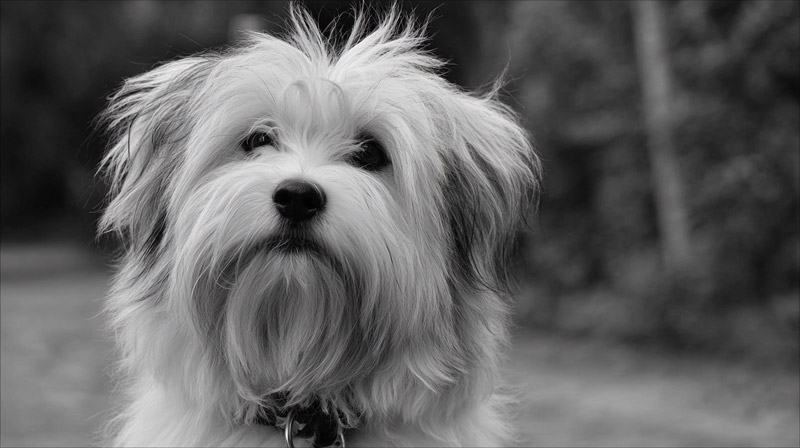
Positive reinforcement works best with these sensitive souls. Harsh corrections damage their trust. Consistency in commands builds confidence quickly.
Keep training sessions short and fun. These intelligent dogs learn fast but bore easily. Patience pays off with their gentle personalities.
Effective training methods:
- Treat-based rewards
- Praise and affection
- Clicker training techniques
- Short 5-10 minute sessions
House Training Success
Establish regular potty schedules immediately. Small bladders need frequent breaks. Crate training accelerates the process significantly.
Accidents happen during puppy stages. Clean thoroughly with enzyme cleaners. Never punish mistakes. Unlike stubborn breeds like Basset Hounds, Havanese want to please their families.
House training timeline:
- 8-12 weeks: Every 2-3 hours
- 3-6 months: Every 3-4 hours
- 6+ months: Regular adult schedule
Social Skills Development
Puppy socialization classes build confidence early. Expose them to different people, sounds, and environments. Gentle introductions prevent fearfulness.
Meeting new dogs should happen gradually. Their friendly nature makes socialization easier than with reserved breeds like Afghan Hounds.
Advanced Training Possibilities
These smart dogs excel at trick training. Many become certified therapy dogs. Competition activities like agility suit their athletic abilities.
Training opportunities include:
- Basic obedience certifications
- Canine Good Citizen programs
- Therapy dog evaluations
- Fun trick performances
Health and Wellness: Caring for a Rare Breed
Common Health Issues
Heart problems affect some bloodlines. Eye conditions need regular monitoring. Joint problems can develop with age.
Genetic conditions to watch:
- Heart murmurs and mitral valve disease
- Progressive retinal atrophy (PRA)
- Luxating patella (kneecap dislocation)
- Hip dysplasia in some lines
Skin sensitivities occur occasionally. Quality breeding reduces health risks significantly.
Preventive Care Schedule
Vaccinations start at 6-8 weeks with boosters following veterinary protocols. Annual check-ups catch problems early. Dental care prevents serious issues.
Essential health maintenance:
- Annual veterinary examinations
- Core vaccine protocols
- Monthly heartworm prevention
- Regular dental cleanings
Working with experienced veterinarians familiar with toy breeds makes a difference. Unlike hardy breeds such as Labrador Retrievers, small dogs need specialized care approaches.
Signs of Illness to Monitor
Changes in appetite signal potential problems. Energy level shifts need attention. Coat quality reflects overall health status.
Watch for these warning signs:
- Difficulty breathing or coughing
- Limping or reluctance to move
- Eye discharge or cloudiness
- Sudden behavior changes
Behavioral shifts often indicate pain or discomfort. These expressive dogs communicate health issues clearly.
Working with Veterinarians
Find veterinarians experienced with toy breeds and rare dogs. Keep detailed health records from reputable breeders. Emergency care preparation saves precious time.
Important veterinary relationships:
- Primary care veterinarian
- Emergency clinic contacts
- Specialist referrals when needed
- Grooming professionals for health monitoring
Health testing before breeding maintains breed quality. Responsible breeders provide health clearances for breeding stock. This differs from more common breeds like Golden Retrievers where health data is more readily available.
Regular weight monitoring prevents obesity-related problems. Small dogs gain weight quickly but lose it slowly. Professional guidance helps maintain optimal body condition throughout their 14-16 year lifespan.
Finding and Choosing Your Havana Silk Dog
Locating Reputable Breeders
Research takes time with rare breeds. Check Havanese Club of America member lists. Interview multiple breeders before deciding.
Background check essentials:
- Health testing certificates for breeding dogs
- References from previous puppy buyers
- Clean facility visits required
- Long-term breeder support offered
Avoid puppy mills at all costs. Quality breeders have waiting lists. Good things take time.
Evaluating Puppies
Health testing should include heart, eye, and joint clearances. Meet both parents when possible. Temperament matters more than perfect looks.
Assessment priorities:
- Confident but calm puppy behavior
- Clear eyes and clean ears
- Healthy coat texture for age
- Interactive play with littermates
Unlike more common breeds such as Beagles, finding quality Havanese requires patience and research.
Adoption Considerations
Rescue organizations exist but find fewer Havanese than popular breeds. Adult dogs adapt well to new families. Special needs dogs deserve consideration too.
Adoption advantages:
- Known adult temperament
- Often house trained already
- Grateful, bonded companions
- Lower initial costs
Check breed-specific rescues first. General shelters rarely see purebred Havanese.
Preparing Your Home
Puppy-proofing prevents accidents and injuries. Small dogs get into surprising places. Safety comes first.
Essential supplies needed:
- Appropriately sized crate and bedding
- Quality food and water bowls
- Grooming tools and supplies
- Safe toys for small mouths
Family preparation includes setting rules and schedules. Everyone needs consistent training approaches.
Living with a Havana Silk Dog: Real Owner Experiences
Daily Life Adjustments
Schedules revolve around potty breaks and meal times. Homes feel warmer with constant companionship. Lifestyle changes happen gradually.
Typical schedule changes:
- Morning and evening walks become routine
- Lunch breaks for young puppies
- Weekend grooming sessions
- Regular veterinary appointments
Joys and Rewards
These dogs create unbreakable bonds. Their entertaining personalities bring daily laughter. Stress melts away during cuddle sessions.
Unique bonding experiences:
- Shadow behavior following you everywhere
- Emotional support during difficult times
- Comic relief with silly antics
- Unconditional love that heals hearts
Unlike independent breeds like Basenji dogs, Havanese want constant interaction with their families.
Practical Considerations
Travel requires pet-friendly accommodations or trusted pet sitters. Work schedules need flexibility for young puppies. Budgeting includes ongoing grooming and healthcare costs.
Financial planning includes:
- Monthly grooming expenses
- Quality food and treats
- Regular veterinary care
- Pet insurance considerations
- Emergency fund for health issues
Vacation planning gets more complex. These devoted companions don’t handle separation well.
Common Surprises for New Owners
Their intelligence surprises first-time owners. Energy levels vary dramatically between individual dogs. Grooming requirements exceed expectations initially.
Learning curve realities:
- Coat maintenance takes daily commitment
- Separation anxiety needs gradual conditioning
- Small dog syndrome requires consistent boundaries
- Weather sensitivity limits outdoor time
Adjustment periods last 2-3 months typically. Patience during this time pays off forever.
Unexpected behaviors include:
- Velcro dog tendencies
- Excellent memories for routines
- Strong food motivation for training
- Remarkable emotional intelligence
The investment in time and energy returns tenfold in companionship. Unlike low-maintenance breeds such as Greyhounds, Havanese require active daily participation in their care and happiness.
FAQ on Havana Silk Dog
Are Havana Silk Dogs hypoallergenic?
Yes, their silky coat produces minimal dander. The hair doesn’t shed like typical fur. Regular grooming reduces allergens further. Many people with mild allergies tolerate them well, though individual reactions vary.
How much exercise do they need daily?
Two short walks plus indoor play satisfy their exercise needs. Unlike high-energy breeds such as Jack Russell Terriers, they adapt to your activity level. Mental stimulation matters more than intense physical activity.
What’s the average lifespan of a Havana Silk Dog?
Lifespan ranges from 14-16 years with proper care. Quality breeding and regular veterinary care extend longevity. Their small size contributes to longer lives compared to larger breeds. Health testing prevents genetic issues.
How often should I groom my Havana Silk Dog?
Daily brushing prevents matting of their flowing coat. Professional grooming every 6-8 weeks maintains coat health. Many owners choose shorter cuts for easier maintenance. Bathing occurs every 2-3 weeks unless dirty.
Are they good with children and other pets?
Excellent family pets with gentle temperaments. Their patient nature suits households with young children. They socialize well with other dogs and cats. Unlike territorial breeds, they welcome new friendships easily.
Do Havana Silk Dogs bark excessively?
Moderate barkers who alert to visitors but aren’t yappy. Training reduces unnecessary barking quickly. Their intelligent nature responds well to positive reinforcement. Much quieter than many toy dog breeds indoors.
What health problems are common in the breed?
Heart conditions, eye issues, and luxating patella occur in some lines. Reputable breeders provide health clearances for breeding stock. Regular vet check-ups catch problems early. Genetic testing helps prevent inherited diseases.
How much do Havana Silk Dog puppies cost?
Quality puppies range from $1,500-$3,500 from reputable sources. Breeding costs reflect health testing and small litter sizes. Rare breed status increases prices. Adult dog adoption offers more affordable alternatives.
Can they live in apartments?
Perfect apartment living companions due to their adaptable size and moderate energy. They thrive indoors with proper mental stimulation. Unlike breeds requiring yards, they’re content with urban environments and regular walks.
Are Havana Silk Dogs easy to train?
Very trainable due to their intelligence and eagerness to please. Positive reinforcement works best with their sensitive personalities. House training succeeds with consistency. They excel at tricks and basic obedience commands quickly.
Conclusion
The Havana Silk Dog offers unmatched companionship for dedicated owners. These Cuban treasures bring joy to families willing to invest in proper care and socialization.
Key ownership considerations:
- Daily grooming commitment required
- Excellent emotional support capabilities
- Small dog care with big personality
- Health testing from quality sources essential
Their adaptable personality suits various lifestyles. From busy families to quiet seniors, these gentle dogs adjust beautifully. Puppy care requires patience, but adult dogs reward you with unwavering loyalty.
Finding a reputable breeder takes time but ensures healthy, well-socialized puppies. Rescue organizations offer second chances for adult dogs needing homes.
This rare breed deserves recognition beyond their Cuban origins. Their silky coat and sweet nature create lasting bonds with committed families. Canine genetics preservation depends on responsible ownership and breeding practices continuing this magnificent breed’s legacy.