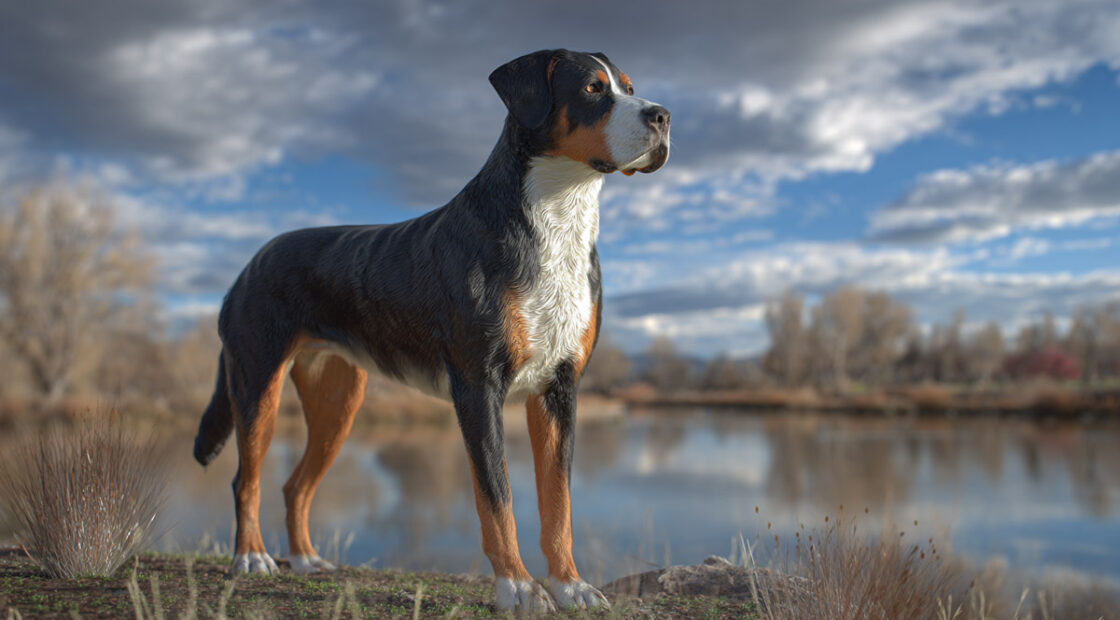
Few dogs command respect through presence alone like the Greater Swiss Mountain Dog. This Swiss mountain breed combines impressive size with gentle temperament, creating the perfect family guardian for those seeking a loyal companion with working heritage.
Originally bred for draft work in the Swiss Alps, these tricolor giants nearly disappeared in the early 1900s. Today’s calm, steady dogs reflect centuries of selective breeding for specific mountain tasks.
What you’ll discover:
- Complete breed history from Roman origins to modern revival
- Physical traits that define this working dog breed
- Temperament insights for family integration
- Training approaches for large breed success
- Health considerations and preventive care
- Finding reputable breeders or rescue options
Whether you’re considering adding a gentle giant to your family or simply curious about Swiss Sennenhund breeds, this guide provides the essential knowledge for understanding these remarkable mountain dogs.
Greater Swiss Mountain Dog Stats
| Characteristic | Details |
|---|---|
| Size | Large (Males: 25.5-28.5 inches, Females: 23.5-27 inches) |
| Weight | Males: 115-140 lbs, Females: 85-110 lbs |
| Lifespan | 8-11 years |
| Energy Level | Moderate |
| Exercise Needs | 60-90 minutes daily |
| Trainability | Moderate (patient, consistent training required) |
| Grooming | Moderate (weekly brushing, seasonal shedding) |
| Shedding | High (especially spring/fall) |
| Good with Kids | Excellent (supervision needed due to size) |
| Good with Pets | Good (with proper socialization) |
| Apartment Living | Not recommended |
| Climate Tolerance | Cold weather preferred, struggles in heat |
| Barking Level | Low to moderate |
| Protective Instinct | High |
| Stranger Friendly | Moderate (reserved but polite) |
| Health Issues | Hip/elbow dysplasia, bloat, eye conditions |
| Coat Type | Double coat, tricolor (black, white, rust) |
| Origin | Switzerland |
| AKC Group | Working Group |
| Price Range | $1,500-$3,000 from reputable breeders |
History and Origins
Ancient Swiss Working Dogs

Roman legions brought mastiff-type breeds into Swiss territory over 2,000 years ago. These powerful dogs became the foundation for all Swiss mountain breeds.
Swiss farmers developed these dogs specifically for alpine herding and draft work. The harsh mountain climate shaped their resilience. Working alongside the Bernese Mountain Dog, Entlebucher Mountain Dog, and Appenzeller Sennenhund, they formed the four Sennenhund breeds.
Farm families needed dogs that could pull carts loaded with milk and cheese to market. These Swiss cattle dogs also protected livestock from predators in alpine pastures.
Near Extinction and Recovery
The early 1900s nearly destroyed the breed. Mechanization replaced draft dogs. Population numbers dropped dangerously low.
Franz Schertenleib, a Swiss breeder, discovered two dogs at a 1908 jubilee show. He convinced judge Albert Heim to help save the breed. Heim had already rescued the Bernese Mountain Dog from extinction.

Swiss dog enthusiasts began serious revival efforts in 1910. The American Kennel Club recognized the breed in 1995. The United Kennel Club followed in 1992.
Working Heritage
Traditional jobs included pulling milk carts through mountain villages. These livestock guardians protected cattle, sheep, and goats. Swiss farm dogs worked alongside families for generations.
Their draft dog capabilities required calm temperament under pressure. Mountain living demanded dogs that could think independently. This working background creates today’s confident but not aggressive personality.
Modern behavior reflects centuries of selective breeding for specific tasks. Their protective instincts remain strong without overguarding tendencies.
Physical Characteristics
Size and Build

Males: 25.5-28.5 inches tall, 115-140 pounds
Females: 23.5-27 inches tall, 85-110 pounds
Their strong, sturdy frame shows clear working dog heritage. Heavy bone structure supports impressive weight-pulling ability. The Rottweiler shares similar build characteristics.
Males display noticeably more substantial muscle mass. Females maintain feminine elegance while preserving working strength. Both sexes mature slowly, reaching full size around 18-24 months.
Coat and Colors
The tricolor coat pattern defines the breed standard. Black base color dominates the body. White markings appear on chest, feet, tail tip, and blaze. Rust markings highlight eyebrows, cheeks, chest, and legs.
Their double coat provides weather protection. The outer guard hairs repel moisture. Dense undercoat insulates against cold. Seasonal shedding peaks twice yearly, requiring increased grooming attention.
Weekly brushing removes loose hair and prevents matting. Professional grooming every 6-8 weeks maintains coat health. Cold weather dogs naturally grow thicker winter coats.
Distinctive Features
Broad heads convey strength and intelligence. Kind eyes reflect their gentle giant nature. Expression shows alertness without aggression.
Strong necks support their powerful heads. Deep chests house large lung capacity for mountain work. Well-sprung ribs provide room for heart and lungs.
Their tail carriage stays level with the back when alert. Natural movement displays confident, ground-covering gait. Overall balance suggests power without clumsiness.
Large breed characteristics include slower maturation rates. Patient temperament develops alongside physical growth. Their imposing size commands respect while maintaining approachable demeanor.
Temperament and Personality
The Gentle Giant Nature

Calm, steady personality defines this breed. They possess remarkable emotional stability. Unlike the high-energy Australian Shepherd or Border Collie, these dogs maintain composed demeanor.
Patient with children of all ages. Their loyal companion nature makes them exceptional family dogs. Confident but not aggressive behavior stems from centuries of working alongside humans.
Their gentle giant reputation proves well-deserved. Size intimidates strangers, but temperament welcomes friends.
Loyalty and Bonding
Strong attachment to family members develops early. They form deep emotional connections with their people. Protective instincts activate when threats appear, but without overguarding behavior.
How they show affection:
- Leaning against family members
- Following owners room to room
- Gentle mouth contact during play
- Calm presence during family activities
Devotion runs deeper than simple obedience. These dogs read family moods accurately. Their patient temperament makes them excellent therapy dog candidates.
Social Behavior
Interaction with other dogs varies by individual. Early socialization prevents dominance issues. Their size can intimidate smaller breeds like Chihuahua or Yorkshire Terrier.
Behavior around strangers remains politely reserved. They assess newcomers carefully before accepting them. Territorial tendencies exist but rarely create problems with proper training.
Watchdog abilities include alerting to visitors without excessive barking. Their imposing presence deters intruders naturally. Unlike guard breeds such as German Shepherd Dog, they prefer intimidation over confrontation.
Living with a Greater Swiss Mountain Dog
Space and Housing Needs

Best living situations include homes with large yards. Apartment living creates challenges due to their size. Indoor vs outdoor preferences lean toward family time inside.
Climate considerations:
- Cold weather dogs by design
- Summer heat requires careful monitoring
- Weather tolerance peaks in cooler temperatures
- Air conditioning necessary in hot climates
These mountain dog breeds prefer moderate exercise over intense activity. Their slow maturation means puppy energy lasts longer than expected.
Daily Care and Routine
Exercise requirements include 60-90 minutes daily. Moderate exercise suits them better than marathon sessions. Unlike athletic breeds like Australian Cattle Dog, they prefer steady walks over intense running.
Mental stimulation needs:
- Puzzle toys for problem-solving
- Training sessions as brain exercise
- Job-like activities that satisfy work drive
- Interactive feeding games
Daily grooming includes brushing and basic health checks. Maintenance tasks stay manageable with consistent routines.
Family Life Integration
Interaction with children requires supervision due to size. Their child-friendly nature shines with proper dog age awareness. Toddlers can be accidentally knocked over during play.
Relationship with other pets depends on early socialization. They coexist well with cats when raised together. Smaller dogs like Maltese or Pug need protection from accidental injuries.
Adapting to household schedules comes naturally. Their calm indoor behavior makes them excellent house dogs. Socialization importance cannot be overstated for proper development.
Family guardian instincts activate appropriately when needed. They distinguish between normal visitors and genuine threats. Training consistency helps channel protective behaviors properly.
Training and Intelligence
Learning Abilities

Intelligence level ranks above average. They solve problems methodically rather than quickly. Eagerness to please competes with independent thinking inherited from working heritage.
Memory and retention excel once concepts stick. Unlike highly trainable breeds like Golden Retriever or Labrador Retriever, they need more repetition initially.
Problem-solving skills reflect their working background. They think before acting. This deliberate approach frustrates impatient trainers.
Training Approaches
Positive reinforcement methods work best. Food motivation runs high. Harsh corrections damage their sensitive nature and trust.
Consistency requirements:
- Same commands from all family members
- Regular training sessions
- Clear expectations
- Patience during slow learning phases
Training consistency matters more than intensity. Short, frequent sessions beat marathon training. Professional trainers experienced with large breeds provide valuable guidance.
Early socialization prevents behavioral problems. Puppy classes introduce controlled environments. Animal behaviorists recommend exposure to various people, animals, and situations before 16 weeks.
Common Training Goals
Basic obedience includes sit, stay, come, and down. House training progresses steadily with consistent schedules. Their size makes accidents problematic.
Leash training for large dogs requires proper equipment. Head halters or front-clip harnesses provide better control than standard collars. Walking manners prevent pulling injuries.
Managing protective instincts through training channels natural behaviors appropriately. They need clear boundaries about when protection is welcome versus unwanted.
Exercise and Activity Requirements
Physical Exercise Needs

Daily walk requirements include 60-90 minutes split across multiple sessions. Age-appropriate exercise varies significantly. Puppies need limited activity to protect developing joints.
Exercise levels by age:
- 8-12 weeks: 5 minutes per month of age, twice daily
- 3-6 months: Short walks plus supervised play
- 6-18 months: Moderate exercise, avoid forced running
- 18+ months: Full exercise capacity
Unlike high-energy breeds such as Siberian Husky or Jack Russell Terrier, they prefer steady activity over intense bursts.
Activities matching working heritage include cart pulling and weight pulling. Draft work satisfies their genetic programming.
Mental Stimulation
Puzzle toys challenge their thinking abilities. Food-dispensing toys extend meal times while engaging minds. Training sessions as mental exercise tire them more than physical activity.
Problem-solving games:
- Hide treats around the house
- Frozen Kong toys with food
- Interactive feeding puzzles
- Scent work activities
Job-like activities fulfill their work drive. They excel at carrying backpacks during hikes. Learning new commands provides mental challenges.
Recreational Activities
Hiking and outdoor adventures suit their mountain heritage. Their climate adaptation favors cooler weather activities. Summer hiking requires frequent water breaks and shade.
Draft work opportunities include:
- Cart pulling competitions
- Therapy work visits
- Weight pulling events
- Backpacking expeditions
Dog sports suitable for the breed include rally obedience and tracking. They lack the speed for agility but excel at steady, methodical activities. Canine good citizen tests showcase their calm temperament.
Their working dog background means they thrive with purpose. Idle time leads to destructive behaviors. Regular activities prevent boredom-related problems.
Health and Wellness
Common Health Issues

Hip and elbow dysplasia affect most large breeds. The Orthopedic Foundation for Animals (OFA) provides screening protocols. PennHIP evaluation offers additional hip assessment methods.
Bloat and gastric torsion pose life-threatening risks. Deep-chested dogs like Great Dane and Newfoundland share this vulnerability. Emergency surgery saves lives when caught early.
Eye conditions include progressive retinal atrophy and cataracts. The Canine Eye Registration Foundation (CERF) tracks hereditary eye diseases. Annual eye exams detect problems early.
Heart problems include dilated cardiomyopathy. Veterinary specialists recommend cardiac screening for breeding dogs. Symptoms appear gradually and require professional diagnosis.
Preventive Care
Regular veterinary checkups catch problems before symptoms appear. Large breed dogs need specialized care protocols. Canine health researchers continue studying genetic predispositions.
Health screening schedules:
- Hip/elbow X-rays: 24+ months
- Eye exams: Annually
- Cardiac screening: 12-24 months, then annually
- Blood work: Annual wellness panels
Vaccination and parasite prevention follow standard protocols. Weight management reduces joint stress significantly. Obesity accelerates hip dysplasia progression.
Pet insurance companies offer breed-specific coverage. Early enrollment before problems develop maximizes benefits.
Nutrition Requirements
Large breed nutrition requires careful calcium-phosphorus ratios. Puppy formulas designed for large breeds prevent developmental orthopedic disease.
Feeding guidelines:
- Puppies: 3-4 meals daily until 6 months
- Adults: 2 meals daily to prevent bloat
- Seniors: Adjusted portions for lower activity
Supplements include glucosamine for joint health. Fish oil supports coat condition and reduces inflammation. Consult veterinary specialists before adding supplements.
Slow maturation means puppy nutrition extends to 18-24 months. Adult food transitions should happen gradually.
Grooming and Maintenance
Coat Care Basics
Brushing frequency requires weekly sessions year-round. Seasonal shedding demands daily brushing during spring and fall coat blows.
Effective brushing techniques:
- Start with slicker brush for undercoat
- Follow with pin brush for outer coat
- Finish with metal comb for detail work
- Work systematically from head to tail
Professional grooming every 6-8 weeks maintains coat health. Groomers experienced with double coats understand proper techniques.
Tools needed:
- Slicker brush for undercoat removal
- Pin brush for daily maintenance
- Metal comb for finishing
- Undercoat rake during shedding season
Other Grooming Tasks
Nail trimming requires weekly attention. Their size makes overgrown nails problematic for walking. Professional help prevents injury during trimming.
Ear cleaning prevents infection in folded ears. Weekly inspection catches problems early. Use veterinarian-approved cleaning solutions only.
Dental care includes daily brushing when possible. Teeth brushing prevents periodontal disease common in large breeds. Dental chews supplement but don’t replace brushing.
Bathing frequency stays minimal unless needed. Over-bathing strips natural oils from double coats. Use dog-specific shampoos formulated for thick coats.
Professional Grooming
When to seek professional help:
- Seasonal coat blowouts
- Matting beyond home management
- Nail trimming for nervous dogs
- Sanitary area maintenance
Services benefiting the breed include de-shedding treatments and nail grinding. Experienced groomers handle large dogs safely.
Maintaining appearance between visits requires consistent home care. Daily brushing prevents matting that requires professional removal.
Choosing and Finding a Greater Swiss Mountain Dog
Is This Breed Right for You?
Lifestyle compatibility requires honest assessment. These dogs need significant space, exercise, and grooming time. Unlike smaller breeds like Havanese or Cavalier King Charles Spaniel, they demand substantial daily commitment.
Time requirements:
- 2+ hours daily exercise and training
- Weekly grooming sessions
- Regular veterinary care
- Consistent socialization
Financial considerations include higher costs across all categories. Large dog expenses multiply quickly. Food costs alone exceed small breed requirements by 300-400%.
Annual expenses:
- Premium dog food: $1,200-1,800
- Veterinary care: $800-1,500
- Grooming: $600-900
- Pet insurance: $400-800
Their 10-11 year lifespan represents significant long-term commitment. Slow maturation means puppy behaviors last 18-24 months.
Finding a Reputable Breeder
Health testing documentation proves breeding quality. Responsible breeders provide OFA hip/elbow clearances, cardiac clearances, and eye certifications from CERF or canine genetics laboratories.
Required health clearances:
- Hip dysplasia: OFA Good/Fair/Excellent or PennHIP
- Elbow dysplasia: OFA Normal rating
- Eye conditions: Annual CERF exams
- Cardiac screening: Veterinary cardiologist evaluation
Questions for breeders:
- Can I meet both parents?
- What health testing was completed?
- How do you socialize puppies?
- What support do you provide new owners?
The Greater Swiss Mountain Dog Club of America maintains breeder directories. Dog breeders associations offer additional resources. Responsible breeding includes lifetime breeder support.
Warning signs:
- No health testing documentation
- Multiple litters available simultaneously
- Puppies always available
- Meeting away from breeding facility
Adoption and Rescue Options

Breed-specific rescue organizations help displaced dogs find homes. Adult dogs skip destructive puppy phases but may carry behavioral baggage.
Dog rescue benefits:
- Adult temperament already established
- House training often completed
- Lower initial costs
- Immediate companionship
Adult dog considerations:
- Unknown health history
- Possible behavioral issues
- Socialization gaps requiring patience
- Adjustment period varies
Rescue evaluation process:
- Temperament testing with professional evaluators
- Veterinary health assessment
- Foster home reports
- Meet-and-greet requirements
Many rescues require home visits and reference checks. Special considerations include existing pets and children in the household.
Finding rescue dogs:
- Greater Swiss Mountain Dog rescue networks
- General large breed rescues
- Petfinder and Adopt-a-Pet websites
- Local animal shelters
Foster-to-adopt programs allow trial periods. This approach benefits both families and dogs needing special placement consideration.
The American Kennel Club maintains rescue contact information. Kennel clubs worldwide coordinate with rescue organizations for breed placement.
FAQ on Greater Swiss Mountain Dog
How big do Greater Swiss Mountain Dogs get?
Males reach 25.5-28.5 inches tall and weigh 115-140 pounds. Females measure 23.5-27 inches and weigh 85-110 pounds. Their heavy bone structure supports impressive size. Slow maturation means full growth occurs around 18-24 months. These large breed dogs need appropriate space for comfortable living.
Are Greater Swiss Mountain Dogs good with children?
Patient with children describes their nature perfectly. Their gentle giant temperament makes them excellent family dogs. Size requires supervision with toddlers to prevent accidental knockdowns. Early socialization builds confidence around kids. Their protective instincts activate appropriately when children need defending.
How much exercise do they need daily?
Daily exercise requires 60-90 minutes split across multiple sessions. Moderate exercise suits them better than intense activity. Age-appropriate exercise varies significantly during puppy development. Adult dogs enjoy steady walks and hiking adventures. Mental stimulation through training sessions provides additional exercise benefits.
Do Greater Swiss Mountain Dogs shed a lot?
Seasonal shedding peaks twice yearly during coat changes. Their double coat requires weekly brushing year-round. Spring and fall coat blowouts demand daily brushing. Professional grooming every 6-8 weeks manages shedding effectively. Grooming tools include slicker brushes and undercoat rakes.
What health problems are common in the breed?
Hip and elbow dysplasia affect most large dogs. Bloat poses life-threatening risks requiring emergency surgery. Eye conditions include progressive retinal atrophy. Heart problems like dilated cardiomyopathy occur occasionally. Preventive care includes health screening through OFA and CERF evaluations.
How long do Greater Swiss Mountain Dogs live?
Lifespan averages 8-11 years, typical for large breed dogs. Weight management and regular veterinary checkups extend longevity. Quality nutrition during slow maturation supports healthy development. Joint health supplements may benefit aging dogs. Early health screening catches problems before symptoms appear.
Are they easy to train?
Intelligence level ranks above average but requires patience. Eagerness to please competes with independent thinking from working heritage. Positive reinforcement methods work best. Training consistency matters more than intensity. Early socialization prevents behavioral problems. Professional trainers help with large dog handling.
How much do Greater Swiss Mountain Dogs cost?
Initial purchase ranges $1,500-3,000 from reputable breeders. Annual expenses include $1,200-1,800 for premium food. Veterinary care costs $800-1,500 yearly. Professional grooming adds $600-900 annually. Pet insurance ranges $400-800. Large dog expenses multiply across all categories significantly.
Can they live in apartments?
Space requirements make apartment living challenging. Best living situations include homes with large yards. Their size creates space constraints indoors. Indoor preferences lean toward family time inside. Climate considerations favor cooler temperatures. Mountain dog breeds thrive with outdoor access for proper exercise.
What’s the difference between Greater Swiss and Bernese Mountain Dogs?
Greater Swiss dogs are larger and have shorter coats. Bernese Mountain Dogs feature longer, silkier fur. Both share tricolor patterns and Swiss origins. Greater Swiss were bred primarily for draft work. Bernese served as farm companions. Both belong to the Sennenhund family of Swiss breeds.
Conclusion
The Greater Swiss Mountain Dog represents centuries of Swiss breeding excellence combined with modern family companionship. These working dog giants offer patient temperament and protective instincts wrapped in an impressive heavy bone structure.
Success with this breed requires:
- Understanding their draft work heritage
- Providing adequate mental stimulation
- Managing joint health through proper nutrition
- Committing to consistent training approaches
- Accepting grooming responsibilities during seasonal shedding
Responsible breeding practices ensure healthy puppies from reputable sources. Health testing through veterinary specialists catches problems early. The Greater Swiss Mountain Dog Club of America provides valuable resources for new owners.
These Swiss farm dogs thrive in families ready for large breed commitment. Their calm indoor behavior balances perfectly with outdoor hiking adventures. Cold weather tolerance makes them ideal mountain living companions.
Whether seeking a livestock guardian or family guardian, this breed delivers loyal companion qualities unmatched by smaller dogs.