That rhubarb plant in your garden looks harmless. It is not.
Rhubarb and dogs are a combination that sends thousands of pet owners to poison control every year. The plant contains oxalic acid and soluble calcium oxalate crystals, both of which can cause kidney damage, hypocalcemia, and in severe cases, acute kidney failure.
Most owners do not know which parts are dangerous, how quickly symptoms develop, or when to call a vet versus wait and watch.
This article covers exactly that: the toxic compounds involved, symptoms of rhubarb poisoning in dogs, how vets treat it, and what recovery actually looks like.
Is Rhubarb Toxic to Dogs?
Rhubarb is toxic to dogs. The ASPCA Animal Poison Control Center lists it as a toxic plant, with kidney failure, tremors, and excessive salivation as the primary clinical signs.
The toxicity affects dogs of all breeds and sizes. Smaller dogs reach dangerous oxalate doses faster than larger ones, but no dog is safe from the effects of rhubarb ingestion.
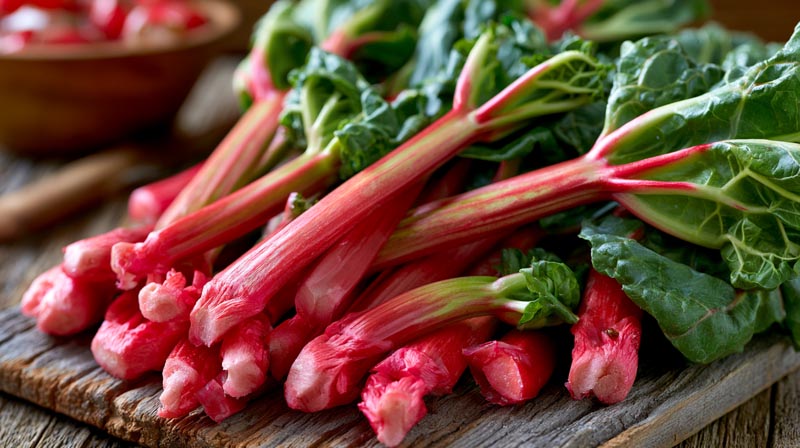
Both the leaves and stalks contain harmful compounds. The leaves carry a much higher concentration, but the stalks are not safe either. Raw, cooked, or dried forms of rhubarb all retain their toxic properties.
In 2024, the ASPCA Poison Control Center responded to more than 451,000 calls related to toxic exposures in animals, a nearly 4% increase from the year prior (ASPCA, 2025). Plants and fungi accounted for 8.1% of all exposures, ranking 6th on their annual toxin list.
I grow vegetables in my yard, and rhubarb used to be one of them. The first time I had a dog sniff around the rhubarb stalks, I pulled the whole plant. Not worth the risk.
Why the Entire Plant Is a Problem
All parts of Rheum rhabarbarum contain soluble calcium oxalate crystals, concentrated most heavily in the large triangular leaves.
- Leaves: 0.5-1.0% oxalic acid by fresh weight (Compound Chem, 2015)
- Stalks: lower oxalate concentration, but not zero
- Roots: also contain oxalate compounds
Cooking rhubarb does not neutralize the oxalic acid. A dog that eats rhubarb from a pie is still at risk, though the sugar in the filling often causes gastrointestinal upset before oxalate damage becomes the main concern (Dogster, 2026).
Which Dogs Face the Highest Risk
Small breeds already carry a predisposition to calcium oxalate stone formation. Research from the University of Minnesota College of Veterinary Medicine found that Miniature Schnauzers and Bichon Frises have more than 20 times the risk of developing calcium oxalate stones compared to mixed breed dogs.
Other high-risk breeds include the Shih Tzu, Lhasa Apso, Pomeranian, Dachshund, and Yorkshire Terrier. For these dogs, dietary oxalate intake from any source, including rhubarb, adds directly to an existing physiological vulnerability.
Dogs with pre-existing kidney conditions or chronic dehydration face higher risk of injury from oxalate exposure at lower doses (Dogster, 2026).
What Makes Rhubarb Dangerous to Dogs?
Rhubarb contains 2 classes of toxic compounds: soluble oxalate salts (including oxalic acid) and anthraquinone glycosides. Both cause harm, but through different mechanisms.
| Compound | Location in Plant | Primary Effect |
|---|---|---|
| Oxalic acid / soluble oxalates | Leaves (high concentration), stalks (lower concentration) | Calcium depletion and kidney crystal formation |
| Anthraquinone glycosides | Primarily in the leaves | Gastrointestinal irritation and laxative effects |
| Insoluble calcium oxalate crystals | Present in all plant parts | Immediate irritation and pain in the mouth and throat |
Oxalic Acid and Calcium Oxalate Crystal Formation
When a dog ingests soluble oxalates, they enter the bloodstream rapidly. Soluble forms absorb faster than insoluble ones, which speeds up the onset of systemic effects.
Once in the blood, oxalic acid binds with free calcium ions. This does 2 things at once: it removes calcium from circulation, causing hypocalcemia, and it forms calcium oxalate crystals that deposit in kidney tubule cells.
Crystal accumulation in the renal tubules causes acute tubular necrosis. The kidney cells die, impairing the organ’s ability to filter waste. This is how rhubarb ingestion progresses to acute kidney injury in dogs.
Rhubarb leaves contain approximately 500 mg of oxalate per 100 grams of fresh weight (National Geographic). Cooked rhubarb stalks deliver roughly 25-35 mg of oxalic acid per 100 grams, while raw leaves can reach 500-750 mg per 100 grams, sometimes exceeding 1,000 mg depending on growing conditions (Alibaba Product Insights, 2026).
Anthraquinone Glycosides in Rhubarb Leaves
Anthraquinone glycosides are secondary compounds concentrated in the leaves. They irritate the gastrointestinal lining directly, causing vomiting and diarrhea independent of the oxalate pathway.
Their presence means a dog can develop GI symptoms before kidney damage becomes measurable. This is actually useful from a diagnostic standpoint. Early vomiting sometimes brings plant material back up, reducing total oxalate absorption.
The problem is that most pet owners see the GI symptoms and assume their dog is recovering, when the systemic oxalate damage may still be underway.
Are Rhubarb Leaves More Toxic Than Stalks to Dogs?
Yes. Rhubarb leaves contain significantly more oxalic acid than stalks. The leaves sit at 0.5-1.0% oxalic acid by fresh weight. Stalks are lower, but research data on exact stalk concentrations varies by cultivar and growing conditions (Garden Myths, 2024).
Pet Poison Helpline notes that rhubarb stalks “contain very little soluble oxalate and are nontoxic” in their clinical summary. Dogster’s veterinary review similarly states healthy dogs would need to eat an extreme amount of stalks to show signs of toxicity, because the tart flavor usually discourages large consumption.
That said, neither part of the plant should be fed to dogs intentionally.
Cooked vs. Raw Rhubarb Toxicity
Cooking does not make rhubarb safe for dogs. Thermal processing reduces some oxalate content through leaching into cooking water, but does not eliminate it.
- Raw rhubarb leaf: up to 1,000 mg oxalate per 100g (severe risk)
- Cooked rhubarb stalk: approximately 25-35 mg oxalate per 100g (lower risk, still not safe)
- Rhubarb pie filling: oxalate reduced further, but sugar content causes separate GI issues
Green-stalked and red-stalked varieties of Rheum rhabarbarum carry identical toxicological profiles. Color does not indicate different oxalate levels.
Ornamental Rhubarb and Other Rheum Species
Ornamental rhubarb (Rheum palmatum and related species) used in garden landscaping also contains oxalic acid. A dog in a garden with any Rheum species faces the same exposure risk as one near edible garden rhubarb.
The species distinction matters to gardeners choosing plants, not to a dog that chews the nearest large leaf it finds.
What Are the Symptoms of Rhubarb Poisoning in Dogs?
Rhubarb poisoning produces symptoms in 2 stages. The first wave targets the mouth and digestive tract within minutes. The second involves kidney and systemic effects that develop over hours to days.
Early-Onset Symptoms (0 to 2 Hours)
The insoluble calcium oxalate crystals in rhubarb cause immediate oral pain when chewed. Most dogs stop eating the plant because of this, which is why severe poisoning cases are relatively rare (Wagwalking, 2026).
Early signs include:
- Excessive drooling (often the first visible sign)
- Pawing at the mouth or rubbing the face on the ground
- Vomiting, sometimes containing plant material
- Diarrhea
- Loss of appetite
- Lethargy or restlessness
When a dog swallows rhubarb without chewing, symptoms can take up to 2 hours to appear because the irritation bypasses the mouth (Wagwalking, 2026).
Delayed Kidney and Systemic Symptoms
Kidney-related signs develop as calcium oxalate crystals accumulate in the renal tubules. These symptoms signal that the poisoning has progressed beyond the GI tract.
Signs of kidney involvement:
- Increased thirst and urination, then decreased urination as function drops
- Blood in urine (indicates tubular damage)
- Abdominal pain and tenderness
- Muscle weakness and tremors (from hypocalcemia)
- Collapse in severe cases
The ASPCA lists kidney failure, tremors, and salivation as the 3 primary clinical signs for rhubarb toxicity (ASPCA Toxic Plant Database). Neurological symptoms appear when serum calcium drops far enough to disrupt nerve and muscle function.
How Much Rhubarb Is Dangerous for a Dog?
There is no established safe dose of rhubarb for dogs. Any rhubarb ingestion warrants a call to a vet or poison control. The ASPCA recommends contacting the Animal Poison Control Center at (888) 426-4435 regardless of the amount consumed.
Toxic threshold data from human studies puts the reported average lethal oxalate dose at approximately 375 mg per kg of body weight (Healthline, citing published toxicology data). Dogs are more sensitive than humans to soluble oxalates, meaning the effective harmful dose is lower.
| Dog Weight | Risk Level After Leaf Ingestion | Action |
|---|---|---|
| Under 5 kg (toy breeds) | High: even partial leaf consumption can be significant | Contact a veterinarian immediately |
| 5–15 kg (small breeds) | Moderate to high | Contact a veterinarian immediately |
| Over 25 kg (large breeds) | Lower risk per bite, but still unsafe | Veterinary consultation recommended |
Cumulative Exposure Risk
Repeated small exposures carry cumulative kidney risk. A dog that nibbles rhubarb from a garden repeatedly over days or weeks can develop kidney damage without a single large ingestion event.
This is especially relevant for dogs with access to gardens where rhubarb grows alongside other plants. They may not eat enough at once to show acute symptoms, but the oxalate load builds in the kidneys over time.
Dogs already eating high-oxalate foods in their diet (spinach, beets, sweet potatoes) compound this risk. The kidneys are processing oxalate from multiple dietary sources at once.
Small and Toy Breed Vulnerability
Small breed dogs face 2 separate risks: they reach a harmful oxalate dose faster by body weight, and they already have a higher baseline predisposition to calcium oxalate stone formation.
Research from the University of Minnesota found that breeds like the Miniature Schnauzer show more than 20 times the calcium oxalate urolith risk compared to mixed breed dogs. Adding dietary oxalate from rhubarb exposure significantly worsens this risk profile.
Toy and small breeds including the Yorkshire Terrier, Pomeranian, Lhasa Apso, and Shih Tzu are consistently overrepresented in calcium oxalate urolithiasis studies. For these dogs, any rhubarb exposure is a higher-stakes event than it would be for a large mixed-breed dog.
What to Do If a Dog Eats Rhubarb
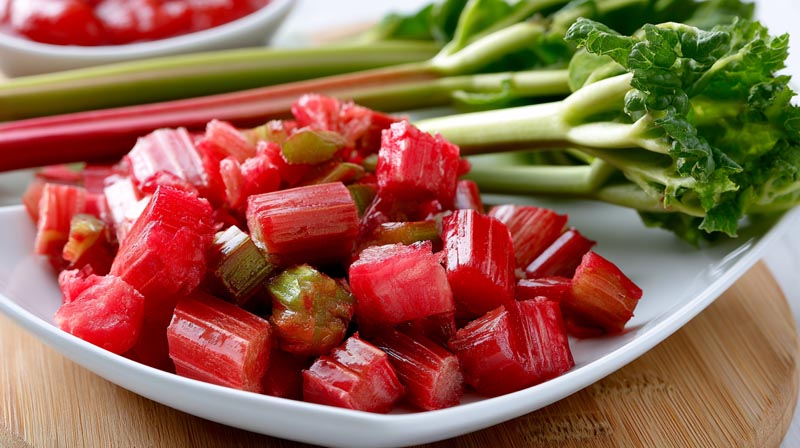
Act immediately. Do not wait for symptoms to appear before contacting a vet. Rhubarb poisoning causes damage before visible symptoms develop, and early intervention directly affects kidney outcome (Rover, 2024).
Immediate Steps
Call first, move second. Contact the ASPCA Animal Poison Control Center at (888) 426-4435 or your nearest emergency vet before doing anything else. The ASPCA APCC operates 24 hours a day, 365 days a year.
Gather this information before the call:
- Dog’s weight, age, breed, and any existing health conditions
- Which part of the rhubarb plant was consumed (leaf vs. stalk)
- Estimated quantity, described specifically (“half a leaf the size of my hand” is more useful than “some rhubarb”)
- Time of ingestion
- Current symptoms, if any
Take photos of the plant and bring a sample or bagged piece to the veterinary clinic if possible. This helps confirm the species and rules out other toxic plants in the garden.
What Not to Do
Do not induce vomiting without direct veterinary instruction. Inducing vomiting is sometimes appropriate and sometimes contraindicated depending on the dog’s condition, time elapsed, and what was consumed. Getting this wrong can cause additional harm.
There is no effective home treatment for rhubarb toxicity (PetPlace). The only appropriate care setting is a veterinary clinic.
How Do Vets Treat Rhubarb Poisoning in Dogs?
Treatment intensity depends on how much was ingested, which plant part, how quickly the dog reached the clinic, and what symptoms are present at admission.
Most dogs with confirmed rhubarb leaf ingestion require hospitalization. There is no specific antidote for oxalate toxicity. Treatment is supportive and focused on decontamination, calcium restoration, and kidney protection.
Decontamination Protocol
If the dog arrives within 1-2 hours of ingestion and shows no contraindications, the vet will typically induce emesis to remove plant material from the stomach before further absorption occurs.
Activated charcoal is administered after emesis to bind remaining oxalates in the gastrointestinal tract and block systemic absorption. This step is time-sensitive. The longer the gap between ingestion and activated charcoal administration, the less effective it becomes.
In cases where the dog swallowed whole pieces of leaf without chewing, gastric lavage may be performed instead of or alongside emesis induction.
Kidney Support and Calcium Correction
Aggressive IV fluid therapy is the backbone of treatment. Fluids flush calcium oxalate crystals from the renal tubules, correct dehydration, and maintain kidney perfusion while the organ recovers.
Key treatment components:
- IV calcium gluconate to address hypocalcemia and restore serum calcium to normal range
- Blood urea nitrogen (BUN) and creatinine panels to monitor kidney function during hospitalization
- Urinalysis to check for calcium oxalate crystals in urine and measure output
- Anti-seizure medication if neurological signs are present
A complete blood count, biochemistry profile, and urinalysis are standard on admission (Wagwalking, 2026). These confirm the extent of renal involvement and rule out concurrent conditions that might complicate treatment.
VCA Animal Hospitals reports that the initial prognosis for all causes of acute kidney injury in dogs is guarded, with a mortality rate of approximately 60% across all AKI causes when treatment is delayed or the case is severe. Dogs treated early for plant-based oxalate toxicity generally have better outcomes than this aggregate figure suggests.
Can Dogs Recover Fully From Rhubarb Poisoning?
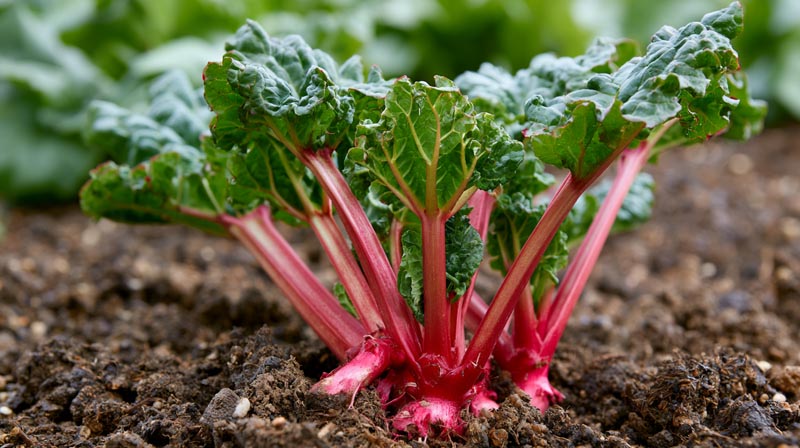
Most dogs treated quickly do recover. The critical variable is not how much was eaten but how fast treatment started.
Dr. Renee Schmid, Senior Veterinary Toxicologist at Pet Poison Helpline, states directly: rhubarb poisoning causes damage before symptoms appear, so early intervention is what determines a full recovery (Rover, 2024).
What Recovery Actually Looks Like
Prognosis for small-sample ingestion is generally good, with most dogs recovering fully when the dog chewed only a small amount before the pain stopped it from continuing (Wagwalking, 2026).
For dogs with confirmed kidney involvement, a 2022 study in the Journal of Veterinary Internal Medicine tracked 132 dogs recovering from acute kidney injury across all causes. Serum creatinine normalized in 75% of dogs either at discharge or during follow-up, with a median estimated survival time of 1,322 days (Bar-Nathan et al., Journal of Veterinary Internal Medicine, 2022).
The study found that the cause of the AKI mattered more to long-term outcome than the severity of kidney dysfunction at its peak. Dogs treated for nephrotoxic (toxic-origin) injury had an 81% creatinine normalization rate in that dataset.
When Full Recovery Is Less Likely
Delayed treatment sharply changes outcomes. Every hour between ingestion and veterinary care allows more oxalate crystals to deposit in the renal tubules.
3 factors push recovery outcomes in the wrong direction:
- Pre-existing kidney disease or chronic dehydration at the time of ingestion
- Large-quantity leaf ingestion, especially in dogs under 10 kg
- Treatment starting more than 6 hours after ingestion
Dogs that develop anuria (complete failure to urinate) during hospitalization face a significantly worse prognosis, according to the Journal of Veterinary Internal Medicine 2022 study, where anuria was one of only 3 significant independent predictors of death in AKI cases.
Post-Recovery Monitoring
Follow-up blood panels at 48 and 72 hours after discharge confirm whether kidney function is trending back toward normal ranges.
BUN and creatinine are the two key markers. A creatinine level that fails to normalize within 3 months post-discharge indicates the dog has progressed to azotemic chronic kidney disease (CKD), requiring long-term dietary and fluid management (Today’s Veterinary Practice, 2026).
Dogs that recover fully from a single rhubarb exposure and have no pre-existing conditions generally carry no elevated long-term risk, provided they have no further oxalate exposure.
What Other Plants Contain Oxalates That Are Toxic to Dogs?
Rhubarb belongs to a broader category of oxalate-containing plants that create similar risks for dogs. Understanding which plants share this toxicity mechanism helps owners make better decisions for indoor and outdoor spaces.
Soluble oxalates (like those in rhubarb) differ from insoluble oxalate plants in one key way: soluble forms absorb systemically and cause kidney injury, while insoluble forms primarily cause local oral irritation (Merck Veterinary Manual, 2024).
| Plant | Oxalate Type | Primary Risk to Dogs | Location |
|---|---|---|---|
| Rhubarb (Rheum rhabarbarum) | Soluble | Kidney injury, hypocalcemia | Garden |
| Star fruit (carambola) | Soluble | Oxalate nephropathy | Kitchen/fruit bowl |
| Shamrock (Oxalis spp.) | Soluble | Kidney and gastrointestinal damage | Indoor/outdoor |
| Dieffenbachia | Insoluble | Oral pain and airway swelling | Houseplant |
| Philodendron | Insoluble | Oral irritation and vomiting | Houseplant |
Soluble Oxalate Plants: The Higher-Risk Group
Soluble oxalate plants share rhubarb’s mechanism of systemic calcium binding and kidney crystal deposition. They are generally considered more dangerous than insoluble oxalate plants because the toxic compounds enter the bloodstream rather than staying in the GI tract.
Star fruit (carambola) is particularly relevant for households where fruit is left on counters. Dogs that eat star fruit can develop oxalate nephropathy through the same calcium-binding mechanism as rhubarb ingestion.
The shamrock plant (Oxalis species) is a common houseplant that contains soluble oxalate salts. It looks harmless and is often given as a gift around St. Patrick’s Day. Worth knowing if you have dogs that chew houseplants.
Insoluble Oxalate Plants: More Common, Less Systemic
Insoluble calcium oxalate plants are the most common oxalate exposure type in dogs, according to Vetster (2024). Dieffenbachia and Philodendron are found in over 200 Araceae family species, making them among the most widespread houseplant hazards (VETgirl, 2023).
Key distinction: insoluble oxalate plants do not pose a kidney injury risk the way rhubarb does (Merck Veterinary Manual, 2024). The concern with Dieffenbachia and Philodendron is oral pain, throat swelling, and in rare severe cases, airway obstruction.
For owners of breeds like the Golden Retriever, Labrador Retriever, or Beagle that are known to eat things they should not, both categories of oxalate plant deserve attention in the home and garden.
Practical Garden and Home Safety
Removing rhubarb entirely is the cleanest solution if you have a dog with garden access.
If removal is not practical, physical barriers work. Dr. Schmid at Pet Poison Helpline recommends dog-proof fencing around any rhubarb patch as a direct prevention strategy (Rover, 2024). Raised garden beds above 60 cm deter most dogs from casual browsing, though determined diggers or jumpers will still need solid barriers.
Indoor checklist for oxalate plant safety:
- Move Dieffenbachia, Philodendron, and Pothos to rooms the dog cannot access
- Do not leave star fruit on low counters or accessible fruit bowls
- Check any new houseplant against the ASPCA toxic plant database before bringing it home
- Discard cut rhubarb leaves directly into sealed bins, not open compost
The ASPCA toxic plant database lists over 400 plants with documented toxicity concerns for dogs and cats. Cross-referencing before a new plant enters the house takes under a minute and covers risks well beyond oxalates alone.
For breeds that are already predisposed to chewing and exploring, like the Australian Shepherd, Border Collie, or Jack Russell Terrier, garden supervision alongside physical barriers is the most realistic prevention approach. Training alone is not enough when a dog is bored, unsupervised, or has already discovered the plant smells interesting.
Providing safe dog chews as a redirect gives high-chew dogs an alternative outlet, reducing the chance they turn to garden plants for oral stimulation. It is a small thing, but it closes one of the more common paths to accidental plant ingestion.
FAQ on Rhubarb And Dogs
Is rhubarb toxic to dogs?
Yes. Rhubarb is toxic to dogs and is listed as such by the ASPCA Animal Poison Control Center. The plant contains oxalic acid and soluble calcium oxalate crystals that cause kidney damage, hypocalcemia, and gastrointestinal distress in dogs of all breeds and sizes.
Which part of the rhubarb plant is most dangerous?
The leaves. Rhubarb leaves contain 0.5-1.0% oxalic acid by fresh weight, significantly higher than the stalks. No part of the plant is safe for dogs, but leaf ingestion carries the highest risk of acute kidney injury and systemic oxalate toxicity.
What happens if a dog eats rhubarb?
Oxalic acid binds with calcium in the bloodstream, forming calcium oxalate crystals that deposit in the kidney tubules. This causes hypocalcemia and acute tubular necrosis. Symptoms include drooling, vomiting, tremors, and reduced urination as kidney function drops.
How quickly do symptoms appear?
Oral irritation starts within minutes of chewing. Systemic symptoms, including vomiting and lethargy, typically appear within 30-60 minutes. Kidney-related signs develop over 24 hours. If the dog swallowed rhubarb whole without chewing, symptoms can take up to 2 hours to appear.
How much rhubarb is dangerous for a dog?
There is no established safe dose. Any ingestion warrants contacting a vet. Small breeds reach harmful oxalate thresholds faster by body weight. A single large rhubarb leaf can deliver a clinically significant oxalate dose to a dog under 10 kg.
What should I do if my dog eats rhubarb?
Call the ASPCA Animal Poison Control Center at (888) 426-4435 or your vet immediately. Do not wait for symptoms. Do not induce vomiting without direct veterinary instruction. Note the time of ingestion, which plant part was consumed, and the estimated quantity before calling.
Can dogs eat cooked rhubarb?
No. Cooking reduces oxalate content slightly but does not make rhubarb safe for dogs. Oxalic acid is not neutralized by heat. Rhubarb in pies or jams still carries oxalate risk, and the added sugar typically causes gastrointestinal upset before oxalate damage becomes the primary concern.
How do vets treat rhubarb poisoning in dogs?
Treatment involves induced emesis if ingestion was recent, followed by activated charcoal to block further oxalate absorption. IV fluid therapy flushes kidney crystals and corrects dehydration. Calcium gluconate is given intravenously to address hypocalcemia. Most dogs require hospitalization for BUN and creatinine monitoring.
Can a dog fully recover from rhubarb poisoning?
Yes, when treated quickly. Dogs treated early before significant kidney involvement show good recovery rates. A 2022 study in the Journal of Veterinary Internal Medicine found serum creatinine normalized in 75% of dogs recovering from acute kidney injury across all toxic causes.
Are other common plants also toxic to dogs through oxalates?
Yes. Star fruit (carambola) and shamrock (Oxalis species) contain soluble oxalates with the same kidney-damaging mechanism as rhubarb. Dieffenbachia and Philodendron contain insoluble calcium oxalate crystals, causing oral pain and swelling but carrying lower systemic kidney risk than rhubarb.
Conclusion
This conclusion is for an article presenting the full picture of rhubarb and dogs: a genuinely dangerous combination that most pet owners underestimate until it is too late.
The core risk comes down to soluble oxalate toxicity. Oxalic acid binds systemic calcium, deposits crystals in the renal tubules, and drives acute kidney injury faster than symptoms often suggest.
Small breeds, dogs with pre-existing kidney disease, and those with repeated low-dose exposure carry the highest risk.
Treatment works when it starts early. Activated charcoal, IV fluid therapy, and calcium gluconate give dogs a strong recovery trajectory if you act before significant renal damage sets in.
Call the ASPCA Animal Poison Control Center at (888) 426-4435 the moment your dog eats any part of a rhubarb plant. Do not wait for clinical signs.