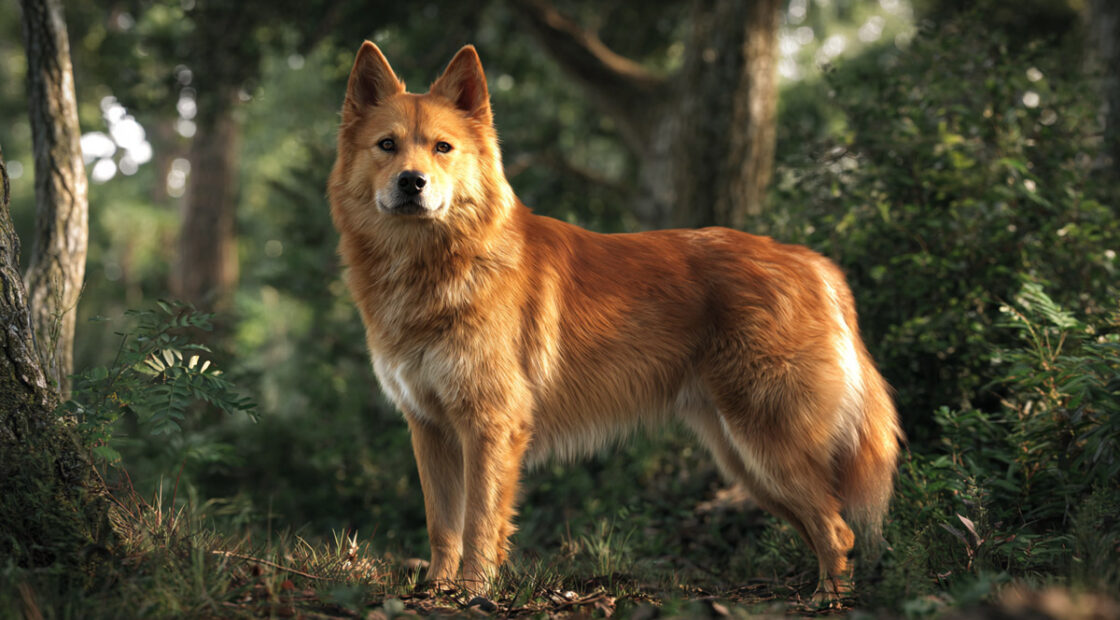
The Finnish Spitz stands as Finland’s national dog, captivating owners with fox-like features and an unmistakable bark that echoes through Nordic forests. This spitz breed combines striking red-gold coloring with an independent spirit that challenges even experienced dog owners.
Understanding this vocal, energetic companion requires knowledge beyond basic dog care. Their hunting heritage shapes every aspect of daily life, from exercise needs to training approaches.
This guide covers everything potential owners need to know about the Finnish Spitz. You’ll discover their unique physical characteristics, temperament traits, and specific care requirements.
Key topics include:
- Physical features and fox-like appearance
- Vocal nature and barking behavior
- Exercise and mental stimulation needs
- Training challenges and effective methods
- Grooming requirements for their double coat
- Health considerations and nutritional needs
- Living situations that suit this Nordic breed
Whether you’re considering adoption or already share your home with this remarkable purebred, you’ll gain practical insights for successful companionship.
Finnish Spitz Breed Statistics
| Characteristic | Details |
|---|---|
| Size | Medium |
| Height (Male) | 17-20 inches |
| Height (Female) | 15-18 inches |
| Weight (Male) | 31-35 pounds |
| Weight (Female) | 23-29 pounds |
| Lifespan | 12-15 years |
| Energy Level | High |
| Exercise Needs | 60-90 minutes daily |
| Trainability | Moderate (independent/stubborn) |
| Intelligence | High |
| Barking Level | Very High |
| Shedding | High (seasonal) |
| Grooming Needs | Moderate to High |
| Good with Kids | Yes (with socialization) |
| Good with Pets | Moderate (strong prey drive) |
| Apartment Living | Challenging |
| Climate Tolerance | Cold weather excellent, heat moderate |
| Coat Type | Double coat |
| Coat Colors | Red-gold, honey to auburn |
| AKC Group | Non-Sporting |
| Origin | Finland |
| Purpose | Hunting/Companion |
| Typical Health Issues | Hip dysplasia, luxating patella, eye problems |
| First-Time Owner | Not recommended |
| Activity Level | Very Active |
| Socialization Needs | High |
| Drooling | Low |
| Snoring | Low |
Physical Characteristics: The Fox Connection
Size and Build
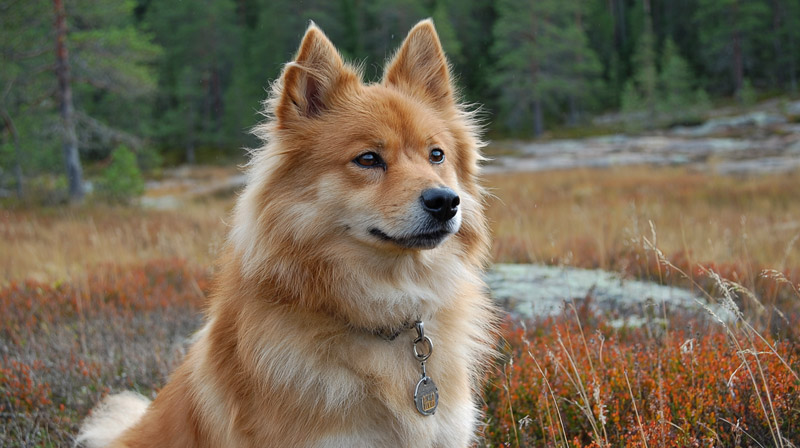
Finnish Spitz males stand 17-20 inches tall and weigh 31-35 pounds. Females measure 15-18 inches and weigh 23-29 pounds.
This Nordic dog displays a square, compact body structure. Strong but never heavy. Built for endurance and agility.
The Famous Fox-Like Features
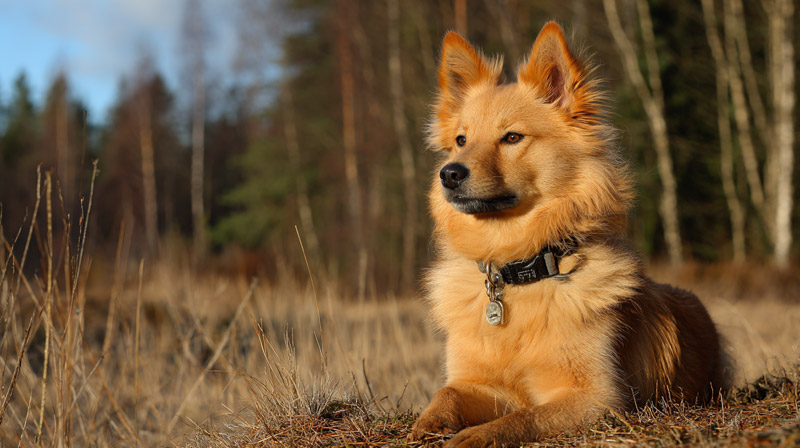
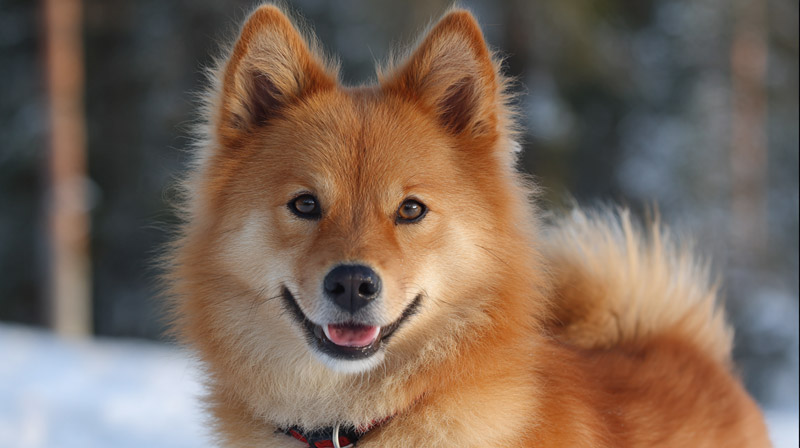
Wedge-shaped head with a pointed muzzle creates the signature look. Small, erect triangular ears sit alert and mobile.
Dark, almond-shaped eyes shine with intelligence. Alert expression reveals their hunting heritage.

The curled tail curves gracefully over the back. Dense and feathered, it’s a hallmark of the spitz family.
Coat and Colors
Double coat provides weather protection. Soft undercoat beneath longer guard hairs.
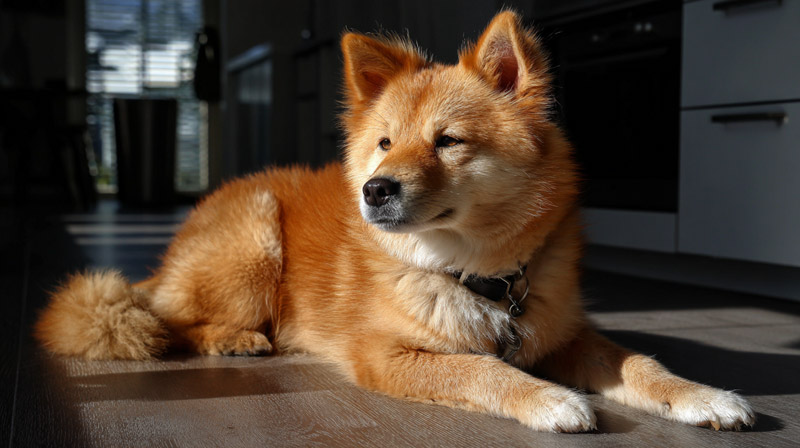
Red-gold color ranges from pale honey to deep auburn. White markings appear on chest, feet, and tail tip.
Seasonal coat changes bring heavy shedding twice yearly. Dense undercoat sheds completely during these periods.
Temperament and Personality Traits
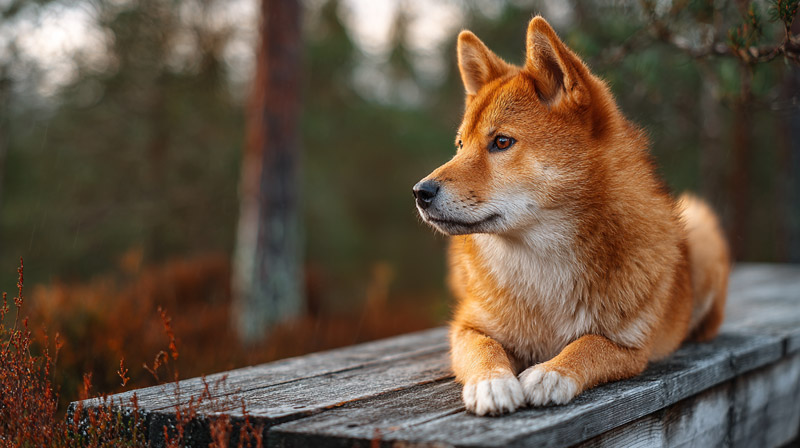
Core Personality Characteristics
Independent and strong-willed nature defines this breed. Intelligent but selective about following commands.
Loyal to family yet reserved with strangers. Protective instincts make them excellent watchdogs.
Playful and energetic disposition keeps them active throughout their 12-15 year lifespan. Mental stimulation prevents destructive behavior.
Social Behavior
Good with children when properly socialized from puppyhood. Patient with respectful kids who understand boundaries.
Can be territorial with other dogs. Early socialization helps, but supervision remains important.
Strong prey drive affects interactions with small animals. Cats and rabbits trigger chase instincts. Unlike calmer breeds such as the Golden Retriever, Finnish Spitz maintain high alertness around small pets.
Bonds closely with one family member while remaining friendly with others.
Mental Traits
Quick learners but selective listeners. Problem-solving abilities impress owners daily.
Strong memory for routines and commands. They remember what works and what doesn’t.
Need mental stimulation to prevent boredom. Puzzle toys and training sessions keep their minds engaged.
Unlike more docile breeds like the Cavalier King Charles Spaniel, Finnish Spitz require experienced owners who understand their independent nature.
Stubborn nature challenges first-time dog owners. Patience and consistency produce better results than force.
Vocal dogs by design. Their barking served hunters for centuries and remains strong today.
The Vocal Nature: Understanding Finnish Spitz Barking
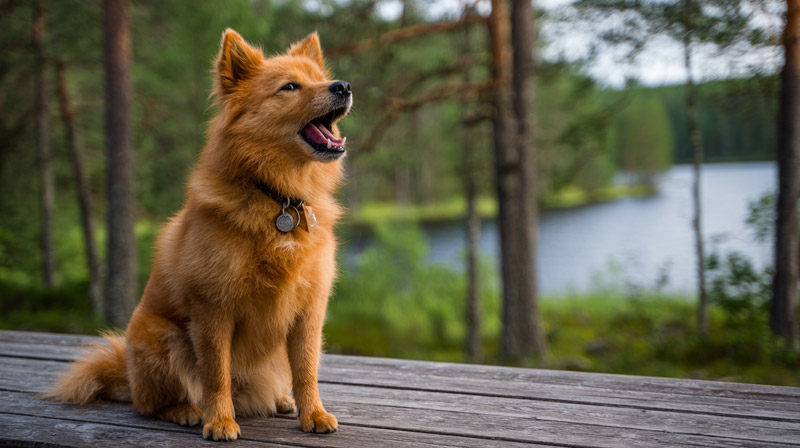
Why They Bark So Much
Bred to bark at treed game birds. Finnish hunters needed dogs that could locate and signal quarry location.
Communication method with hunters across forest distances. Natural alerting instinct remains strong today.
Expression of excitement and emotions. Unlike quieter breeds such as the Basenji, vocal expression defines this breed’s personality.
Types of Barking
Hunting bark for pointing game. Sharp, repetitive calls that carry long distances.
Alert barking announces strangers or unusual sounds. Deep, authoritative warnings.
Attention-seeking barks when bored or wanting interaction.
Boredom or anxiety barking develops without adequate exercise and mental stimulation.
Managing Excessive Barking
Training techniques focus on positive reinforcement. “Quiet” command paired with high-value treats works effectively.
Providing adequate exercise and mental stimulation reduces problem barking. Tired dogs bark less.
Understanding when barking is appropriate. Hunting instincts deserve respect, not punishment.
Avoiding punishment-based methods. Harsh corrections increase anxiety and worsen vocal behavior.
Exercise and Activity Requirements
Daily Exercise Needs
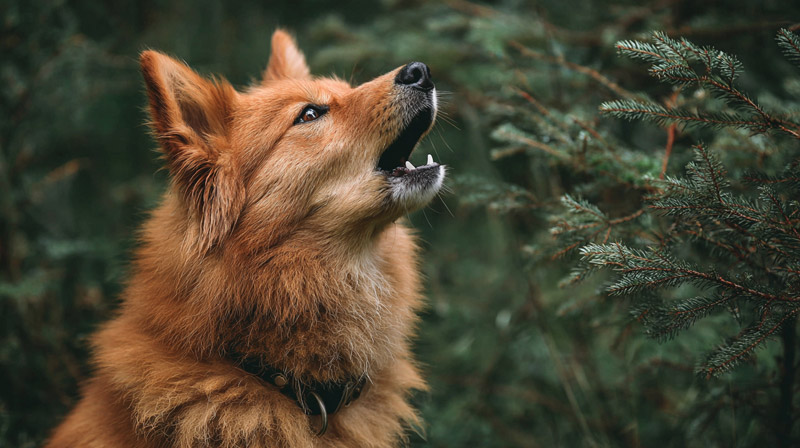
Minimum 60-90 minutes of activity daily. This working dog breed demands consistent physical challenges.
Mix of physical exercise and mental challenges prevents destructive behavior. Puzzle toys complement running time.
High energy levels throughout their lives. Even senior dogs need regular activity.
Varied activities prevent boredom. Routine walks aren’t enough for this intelligent breed.
Best Activities for Finnish Spitz
Long walks and hiking satisfy their endurance needs. Forest trails trigger natural instincts.
Running and jogging partners for active owners. Their compact build handles distance well.
Agility training and obstacle courses channel intelligence and athleticism. Mental and physical stimulation combined.
Fetch and retrieve games tap into hunting heritage. Unlike couch-potato breeds like the Bulldog, Finnish Spitz thrive on active play.
Mental Stimulation Requirements
Puzzle toys and problem-solving games challenge their quick minds. Rotate toys weekly to maintain interest.
Scent work and tracking activities engage natural hunting abilities. Hide treats around the yard.
Training sessions and trick learning satisfy their need for mental engagement. Keep sessions short but frequent.
Interactive play with family members strengthens bonds while providing stimulation. Unlike independent breeds such as the Chow Chow, Finnish Spitz enjoy family participation in activities.
Training Your Finnish Spitz
Training Challenges
Independent nature leads to stubbornness. They think before obeying commands.
High intelligence but selective obedience. They decide what’s worth their attention.
Strong prey drive creates distractions during training sessions. Squirrels win over sit commands.
Patient, consistent approach required. Unlike eager-to-please breeds such as the Labrador Retriever, Finnish Spitz need motivation.
Effective Training Methods
Positive reinforcement works better than force. High-value treats and praise motivate cooperation.
Short, frequent sessions maintain their attention. 5-10 minute sessions twice daily.
Making training fun and engaging prevents boredom. Games disguise obedience work.
Avoid harsh corrections. Punishment increases stubbornness and damages trust.
Important Commands and Skills
Basic obedience forms the foundation:
- Sit and stay commands
- Come when called (crucial for safety)
- Down position for calm moments
Recall training for off-leash situations. Practice in secure, fenced areas first.
Quiet command for barking control. Essential for apartment living and neighbor relations.
Leash training for strong pullers. Their hunting instincts create sudden direction changes.
Grooming and Coat Care
Regular Grooming Routine
Daily brushing during shedding seasons prevents matted fur and reduces household hair.
Weekly brushing during normal periods maintains coat health and bonding time.
Special attention to undercoat removal. Slicker brushes and undercoat rakes work best.
Monthly nail trimming and weekly ear cleaning prevent health issues.
Seasonal Coat Changes
Heavy shedding twice yearly requires intensive grooming. Spring and fall coat blowouts last 2-3 weeks.
Coat preparation for weather changes. Dense winter undercoat protects against harsh conditions.
Essential tools for different seasons:
- Undercoat rake for shedding periods
- Pin brush for daily maintenance
- Deshedding tool for problem areas
Managing hair around the house becomes a lifestyle. Unlike low-shedding breeds such as the Poodle, Finnish Spitz coat requires commitment.
Bathing and General Care
Bathing frequency every 6-8 weeks unless dirty. Over-bathing strips natural oils.
Choose appropriate shampoos for double coats. Moisturizing formulas work best.
Drying methods matter for thick coats. Blow-dry thoroughly to prevent skin problems.
Dental care weekly prevents tartar buildup. Start young for cooperation.
Regular veterinary checkups monitor coat and skin health. Professional grooming quarterly helps during shedding seasons.
Health and Lifespan
General Health Profile
12-15 year lifespan with proper care. Hardy constitution from working background.
Generally healthy breed with fewer genetic issues than many purebreds. Regular veterinary checkups catch problems early.
Active lifestyle requirements support natural health. Unlike sedentary breeds such as the Pug, Finnish Spitz stay fit through activity.
Common Health Concerns
Hip dysplasia appears in some breeding lines. Genetic testing helps responsible breeders reduce occurrence.
Luxating patella (kneecap dislocation) affects mobility. Grade 1-4 severity levels determine treatment needs.
Eye problems including cataracts and progressive retinal atrophy. Annual eye exams recommended.
Epilepsy occurs rarely but requires immediate veterinary attention when seizures develop.
Preventive Health Care
Regular checkups every 6-12 months monitor overall health. Senior dogs need more frequent visits.
Weight management prevents joint stress and extends healthy years. Obesity worsens hip dysplasia.
Exercise modifications as they age maintain fitness without overexertion. Swimming provides low-impact activity.
Genetic testing before breeding eliminates hereditary problems from breeding lines.
Feeding and Nutrition

Nutritional Requirements
High-quality protein supports active lifestyle needs. Working dog heritage demands premium nutrition.
Balanced diet promotes coat health and energy levels. Omega fatty acids enhance red-gold coloring.
Portion control prevents weight gain. Unlike food-motivated breeds such as the Beagle, Finnish Spitz rarely overeat.
Age-appropriate feeding schedules support different life stages.
Feeding Guidelines
Puppy requirements:
- 3-4 meals daily until 6 months
- High-calorie growth formula
- Gradual transition to adult food
Adult portions: 1.5-2 cups quality dry food daily, split into two meals.
Senior adjustments: Reduced calories, increased fiber, joint-supporting supplements.
Common Feeding Issues
Food allergies occasionally develop. Chicken and grain sensitivities most common.
Choose between dry and wet food based on dental health needs. Dry kibble helps clean teeth.
Supplements for coat and joint health benefit active dogs. Glucosamine supports aging joints.
High-value training treats motivate stubborn learners. Freeze-dried liver works exceptionally well.
Avoid overfeeding during training sessions. Treats should comprise less than 10% of daily calories.
Living with a Finnish Spitz
Ideal Living Situations
Homes with yards provide necessary exercise space. Fenced areas allow safe off-leash time.
Active families who enjoy outdoor activities match this breed’s energy needs. Weekend hikers and runners make perfect companions.
Owners who can handle vocal dogs without complaints. Barking is natural behavior, not a flaw.
Households with dog experience understand independent breeds. First-time owners often struggle with stubbornness.
Apartment Living Considerations
Limited space creates challenges for high-energy dogs. Daily walks become mandatory, not optional.
Increased exercise requirements compensate for confined living. 90+ minutes daily prevents destructive behavior.
Noise concerns with neighbors require training investment. Unlike quiet breeds such as the Shih Tzu, Finnish Spitz announce everything.
Creative solutions for apartment dwellers:
- Dog daycare for socialization
- Multiple daily walks
- Indoor puzzle games
- Stair climbing for exercise
Family Life Integration
Introducing to children requires supervised interactions. Teach kids respectful behavior around dogs.
Other pets need gradual introductions. Strong prey drive affects relationships with cats and small animals.
Creating routines and boundaries satisfies their need for structure. Consistent schedules reduce anxiety.
Traveling with your Finnish Spitz requires preparation. Motion sickness affects some individuals.
Balancing independence with family time. They need space but crave inclusion in activities.
Daily Life Realities
Shedding management becomes routine. Vacuum cleaners work overtime during coat blowouts.
Exercise scheduling around weather and work demands planning. Rain doesn’t excuse skipped walks.
Training consistency from all family members prevents confusion. Mixed messages create stubborn behavior.
Unlike low-maintenance breeds such as the Greyhound, Finnish Spitz demand active participation in their care.
Socialization opportunities maintain friendly behavior. Dog parks, training classes, and neighbor interactions prevent reactivity.
Regular mental challenges prevent boredom destruction. Rotate toys weekly and introduce new games.
Veterinary relationships establish health baselines. Find vets experienced with spitz breeds and their unique needs.
FAQ on Finnish Spitz
Are Finnish Spitz good family dogs?
Yes, with proper socialization. They’re loyal to family but reserved with strangers. Good with respectful children who understand boundaries. Their independent nature requires experienced owners who appreciate this Nordic breed’s unique personality and hunting heritage.
How much do Finnish Spitz bark?
Extensively. Bred to bark at treed game, they’re naturally vocal dogs. Expect alert barking, attention-seeking calls, and excitement vocalizations. Training helps manage excessive barking, but complete silence isn’t realistic for this communicative spitz breed.
Do Finnish Spitz shed a lot?
Yes, especially during seasonal coat changes. Heavy shedding occurs twice yearly when their double coat blows out. Daily brushing during these periods reduces household hair. Weekly grooming maintains their weather-resistant coat between shedding seasons.
How much exercise does a Finnish Spitz need?
60-90 minutes daily minimum. This high-energy working dog needs physical exercise plus mental stimulation. Long walks, hiking, and puzzle games prevent destructive behavior. Unlike sedentary breeds, Finnish Spitz maintain energy levels throughout their lifespan.
Are Finnish Spitz easy to train?
Challenging. Their independent nature and selective obedience require patient, consistent training. Positive reinforcement works better than force. Short sessions with high-value treats motivate cooperation. First-time owners often struggle with their stubborn streak.
What health problems do Finnish Spitz have?
Generally healthy with 12-15 year lifespan. Common issues include hip dysplasia, luxating patella, eye problems, and rare epilepsy cases. Regular veterinary checkups and genetic testing help prevent hereditary conditions. Weight management supports joint health.
Can Finnish Spitz live in apartments?
Possible but challenging. Their exercise requirements and vocal nature create difficulties. Noise concerns with neighbors require extensive training. Daily walks become mandatory, plus creative indoor activities for mental stimulation. Yards provide better living situations.
How big do Finnish Spitz get?
Medium-sized dogs. Males: 17-20 inches tall, 31-35 pounds. Females: 15-18 inches tall, 23-29 pounds. Compact build with square body structure. Strong but not heavy, built for endurance and agility rather than size.
What do Finnish Spitz eat?
High-quality protein supports their active lifestyle. 1.5-2 cups daily for adults, split into two meals. Puppies need 3-4 meals with growth formula. Senior dogs require reduced calories. Food allergies occasionally develop, typically chicken or grain sensitivities.
Are Finnish Spitz good with other pets?
Mixed results. Strong prey drive affects relationships with cats and small animals. Can be territorial with other dogs without proper socialization. Early introduction and supervision help, but hunting instincts remain strong throughout their lives.
Conclusion
The Finnish Spitz rewards dedicated owners with unwavering loyalty and spirited companionship. This primitive breed demands understanding of their hunting instincts and vocal communication style.
Success with this canine companion requires commitment to daily exercise, consistent training, and regular grooming routines. Their weather-resistant coat and hardy constitution make them excellent outdoor partners for active lifestyles.
Key considerations for ownership:
- Experienced handlers manage their stubborn nature best
- Adequate space accommodates their energy levels
- Patient training approaches yield better results
- Regular veterinary care maintains their health
This working dog thrives with owners who appreciate their independence while providing structure and stimulation. Their fox-like charm and protective instincts create lasting bonds with families who understand their unique needs.
Before bringing home this remarkable companion dog, evaluate your lifestyle honestly. Finnish Spitz flourish when their natural behaviors are channeled positively rather than suppressed.