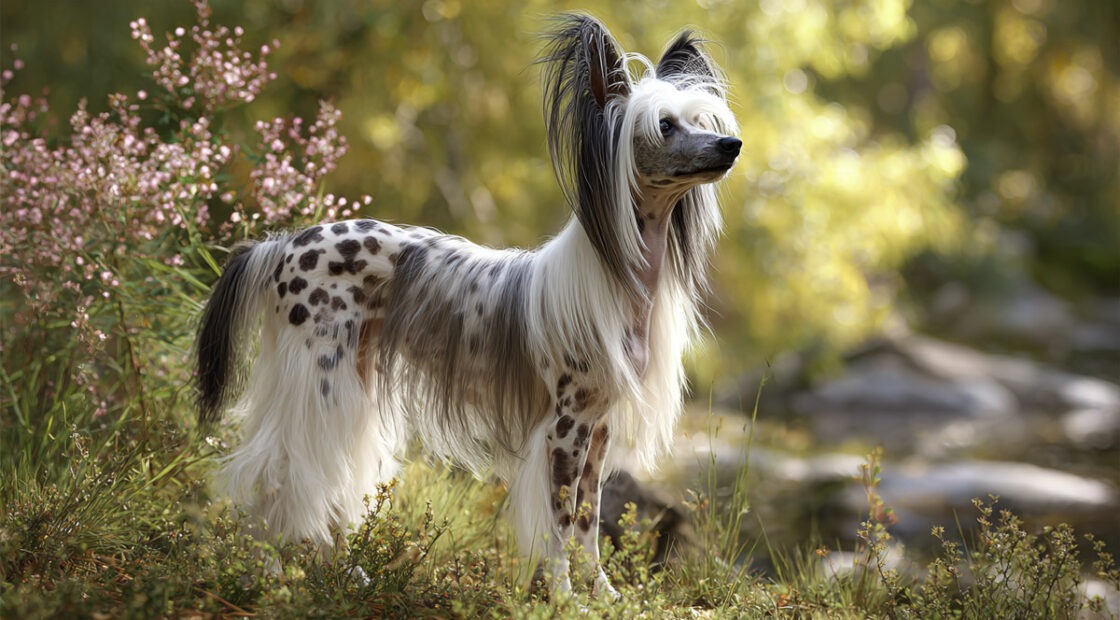
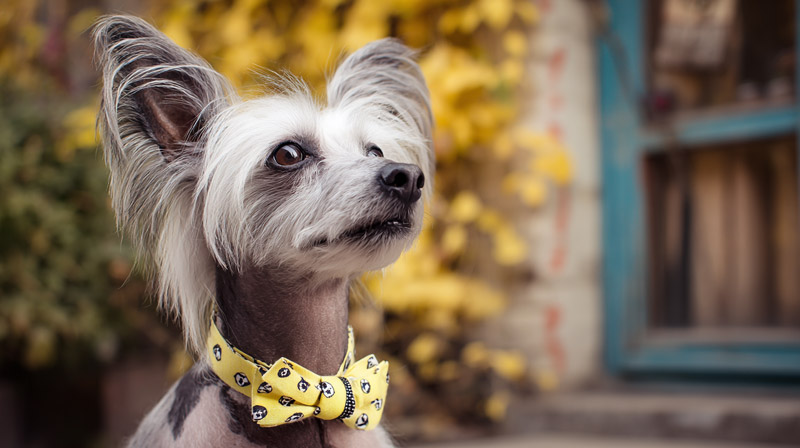
Few dogs turn heads quite like the Chinese Crested with their hairless bodies and silky hair crests. These unique companion dogs combine ancient mystery with modern charm.
Whether you’re considering adding one to your family or already own this rare dog breed, understanding their special needs makes all the difference. Their hypoallergenic qualities and apartment living suitability attract many, but their skin care requirements surprise new owners.
This guide covers everything from their disputed origins to daily grooming needs. You’ll learn about health considerations, temperament traits, and why these toy group members need different care than typical small breed dogs.
Veterinary dermatology knowledge, socialization training techniques, and breeding practices all play crucial roles in their wellbeing. By the end, you’ll understand why responsible breeding and proper care create such devoted family members.
Chinese Crested Breed Statistics
| Characteristic | Details |
|---|---|
| Size | Small (8-12 inches tall) |
| Weight | 5-12 pounds |
| Life Span | 12-14 years |
| Energy Level | Moderate |
| Exercise Needs | 20-30 minutes daily |
| Grooming Requirements | High (daily skin care for hairless) |
| Shedding | Minimal (hairless), Moderate (Powderpuff) |
| Trainability | Moderate to High |
| Good with Kids | Yes (older children preferred) |
| Good with Pets | Yes (with proper socialization) |
| Apartment Living | Excellent |
| Climate Tolerance | Poor (sensitive to temperature extremes) |
| Barking Level | Low to Moderate |
| Protection Instinct | Low (alert but not aggressive) |
| AKC Group | Toy Group |
| Origin | Disputed (China/Africa) |
| Coat Varieties | Hairless and Powderpuff |
| Colors | Any color combination |
| Health Issues | Dental problems, skin conditions, eye issues |
| Hypoallergenic | Considered hypoallergenic |
| First-Time Owner | Moderate (requires specialized care) |
| Cost Range | $1,200-$3,000+ |
Origins and History: From Ancient China to Modern Homes
Ancient Roots and Early Development
Nobody agrees where these dogs actually came from. China vs. Africa theories split historians and breed experts.
Chinese sailors loved these small companion dogs aboard their vessels. Perfect size for ship life. Natural rat catchers too.
Trade routes spread the breed across port cities worldwide. Every harbor seemed to have a few running around by the 1800s.
Early documentation stays fuzzy. Most records got lost or never existed. The American Kennel Club finally started tracking bloodlines properly in the 1900s.
Modern Breed Development
Western countries discovered these hairless wonders in the late 1800s. Britain first, then America followed quickly.
Key breeders like Debra Woods and Arlene Butterklee shaped today’s breed standards. Their breeding programs focused on:
- Stable temperament
- Consistent coat gene expression
- Reducing genetic health issues
- Maintaining both hairless and Powderpuff varieties
Recognition by major kennel clubs came gradually:
- AKC recognition: 1991
- Fédération Cynologique Internationale acceptance: Earlier in Europe
- Chinese Crested Dog Club of America formation: 1979
Population growth exploded after Westminster Dog Show appearances. These dogs went from rare curiosities to beloved family pets.
Breed stability improved through careful pedigree analysis and health clearances. Modern breeding practices focus on OFA certification and CERF examination requirements.
Personality Traits: The Heart Behind the Look
Temperament and Character

Loyal and devoted doesn’t begin to cover it. These dogs bond intensely with their families.
Alert tendencies make them excellent watchdogs. They bark at strangers but rarely show aggression.
Gentle nature shines with children and elderly family members. Calm disposition helps them adapt to apartment living easily.
Playful qualities emerge during interactive play sessions. They love puzzle toys and brain games that challenge their intelligence.
Sensitivity to owner’s emotions sets them apart from other toy breeds. They read your mood instantly and respond accordingly.
Social Behavior and Interaction
Bonding patterns typically favor one family member. This person becomes their whole world.
Stranger behavior varies dramatically between individual dogs. Some welcome everyone, others stay cautious for weeks.
Interaction with children requires supervision with very young kids. Their delicate frame can’t handle rough play.
Compatibility with other pets depends on early socialization. They often do well with cats and smaller dogs like Chihuahua or Maltese breeds.
Pack mentality shows up when multiple dogs live together. Hierarchy establishment happens quickly but peacefully.
Socialization training must start early. Puppy socialization windows close fast around 16 weeks old.
These dogs thrive on routine and predictability. Changes in schedule can trigger anxiety responses without proper preparation.
Therapy dog training potential runs high due to their empathetic nature and manageable size for hospital visits.
Temperature regulation affects their personality daily. Cold weather makes them clingy and heat-seeking. Warm days bring out their playful side.
Progressive retinal atrophy and other eye conditions can impact their confidence levels as they age. Regular veterinary dermatology checkups help maintain their quality of life.
The recessive traits that create their unique appearance also influence their gentle, somewhat fragile personality. They know they’re different and often act accordingly.
Health and Genetics: Understanding Special Needs
Common Health Issues
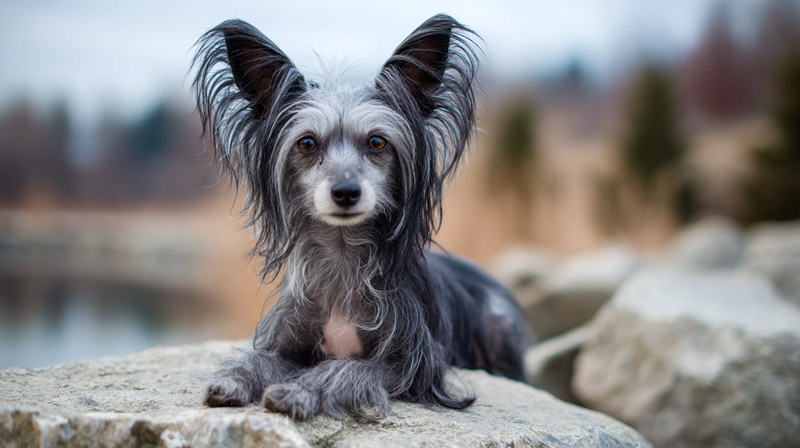
Skin problems plague the hairless variety constantly. Blackhead formation happens frequently around the face and body.
Acne in dogs develops easily without proper skincare routines. Daily cleansing prevents most breakouts.
Dental health concerns top the list for this breed. Tooth loss starts early, sometimes by age three. Missing premolars occur in many bloodlines.
Eye conditions include:
- Progressive retinal atrophy
- Dry eye syndrome
- Corneal dystrophy
- Lens luxation
Joint issues affect mobility as they age:
- Luxating patella (kneecap dislocation)
- Legg-Calve-Perthes disease
- Hip dysplasia (less common)
Allergic dermatitis triggers easily. Environmental allergens and food sensitivities cause constant scratching.
Temperature regulation problems make them vulnerable to heatstroke and hypothermia.
Genetic Considerations
The hairless gene creates their signature look but comes with trade-offs. Dominant genes produce hairless dogs, while recessive traits create Powderpuff varieties.
Breeding challenges include:
- Breeding coefficients must stay low
- Health clearances required before mating
- Genetic health testing identifies carriers
Life expectancy ranges 12-14 years with proper care. Some lines live longer with good genetics.
Preventive health measures:
- OFA certification for hips and elbows
- Annual CERF examination for eyes
- DNA testing for hereditary conditions
- Regular skin cancer screenings
Veterinary dermatology specialists help manage skin conditions. Regular veterinary care every six months catches problems early.
Grooming and Skincare: Keeping Your Crested Beautiful
Hairless Variety Care
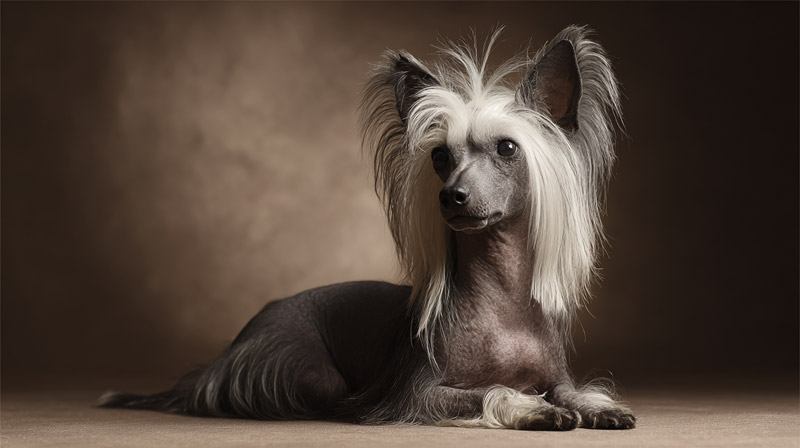
Daily skin protection prevents sun damage and irritation. Morning routines matter most.
Sunscreen application needs SPF 30 minimum. Reapply every four hours during outdoor time.
UV protection includes:
- Protective clothing
- Shade-seeking behavior
- Limited sun exposure times
Bathing frequency varies by season. Summer requires every 3-4 days, winter weekly.
Moisturizing routines prevent dry, flaky skin:
- Hypoallergenic lotions only
- Avoid products with alcohol
- Focus on elbows and pressure points
Acne prevention requires gentle cleansing with mild soap. Blackhead formation stops with consistent care.
Seasonal adjustments change everything:
- Winter: Heavy moisturizers, sweaters
- Summer: Lighter products, frequent baths
Powderpuff Variety Grooming
Daily brushing prevents matting in their double coat. Pin brushes work best.
Professional grooming every 6-8 weeks maintains coat health. Find groomers experienced with this breed.
Bathing techniques:
- Pre-brush thoroughly
- Use quality dog shampoo
- Rinse completely
- Blow-dry on cool setting
Coat trimming keeps them comfortable:
- Sanitary trims monthly
- Foot hair removal
- Optional full-body clips
Preventing matting requires:
- Daily attention to problem areas
- Detangling spray for tough spots
- Professional help for severe mats
General Care for Both Varieties
Nail trimming every 2-3 weeks prevents overgrowth. Dark nails make it harder to see the quick.
Ear cleaning weekly with vet-approved solutions. Check for wax buildup and odors.
Dental care fights tooth loss:
- Daily brushing with dog toothpaste
- Dental chews and toys
- Professional cleanings as needed
Eye cleaning removes tear stains. Gentle wipes work better than harsh chemicals.
Paw care includes:
- Checking between toes
- Moisturizing paw pads
- Removing debris after walks
The hairless variety needs year-round skin monitoring. Skin cancer risks increase with age and sun exposure.
Both varieties benefit from hypoallergenic products. Their sensitive skin reacts poorly to harsh chemicals.
Professional groomers familiar with toy breeds like Pomeranian or Yorkshire Terrier often understand these dogs’ needs better.
Training and Socialization: Building a Well-Behaved Companion
Basic Training Approaches
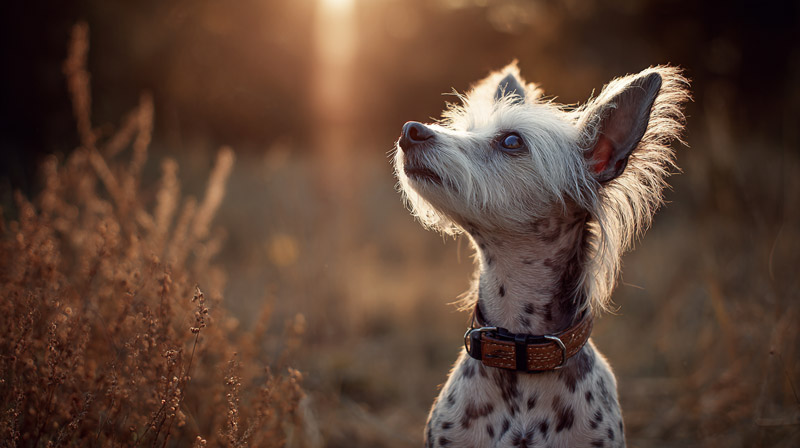
Positive reinforcement works best with sensitive personalities. Harsh corrections backfire immediately.
House training takes patience. Small bladders mean frequent trips outside.
Crate training provides security and comfort. These dogs love cozy, enclosed spaces.
Leash training starts indoors first. Their delicate frame requires gentle handling.
Basic commands include:
- Sit and stay
- Come when called
- Down and wait
- Leave it
Dog training methods must account for their emotional sensitivity. They shut down under pressure.
Socialization Needs
Early puppy socialization prevents lifelong fearfulness. Critical window closes at 16 weeks.
Introducing new people requires gradual exposure. Let them approach at their own pace.
Building confidence in shy dogs takes months of consistent work. Small victories matter most.
Managing fear responses requires professional help sometimes. Animal behaviorists understand toy breed psychology.
Ongoing socialization continues throughout life. Regular exposure prevents regression.
Unlike confident breeds like German Shepherd Dog or Labrador Retriever, these dogs need constant encouragement.
Advanced Training Options
Agility training suits their athletic ability. Modified equipment accommodates their size.
Therapy dog training matches their empathetic nature perfectly. Hospitals and nursing homes welcome them.
Trick training provides mental stimulation. They excel at:
- Dancing on hind legs
- Playing dead
- Spinning and twirling
- Fetch variations
Competitive obedience requires patience but achieves good results. Dog training academies often have toy breed specialists.
Exercise and Activity Requirements: Right-Sized Fun
Daily Exercise Needs
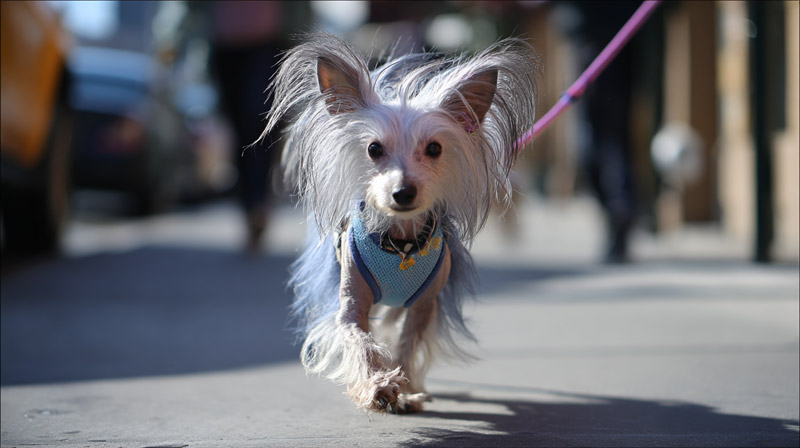
Moderate exercise satisfies most adults. Twenty minutes daily prevents behavior problems.
Indoor activities work year-round:
- Hallway fetch games
- Stair climbing (supervised)
- Hide and seek
- Tug-of-war with soft toys
Outdoor considerations include weather protection. Too hot or cold shuts down activity.
Weather adjustments change everything:
- Summer: Early morning walks only
- Winter: Sweaters and booties required
- Rain: Indoor alternatives essential
Age-appropriate levels vary significantly:
- Puppies: Short bursts, frequent naps
- Adults: Steady daily routine
- Seniors: Gentle, shorter sessions
Mental Stimulation and Enrichment
Puzzle toys challenge their intelligence. Rotate weekly to maintain interest.
Brain games include:
- Treat-dispensing balls
- Snuffle mats for foraging
- Interactive feeders
- Training sessions as exercise
Interactive play strengthens bonds while burning energy. Quality over quantity matters.
Rotating activities prevents boredom. Same toys daily lose appeal quickly.
Preventing destructive behavior requires consistent mental engagement. Bored dogs chew and bark excessively.
These small dogs tire faster than working breeds like Australian Cattle Dog or Border Collie.
Exercise requirements stay manageable for apartment dwellers. No marathon running needed.
Temperature control affects exercise tolerance. Monitor for overheating or shivering constantly.
Joint health benefits from regular, gentle movement. Swimming provides excellent low-impact exercise when available.
Pack mentality shows during group activities. They enjoy exercising with other small dogs like Havanese companions.
Professional dog training helps establish exercise routines. Many owners underestimate their activity needs initially.
Living Arrangements: Creating the Perfect Home
Indoor Living Requirements
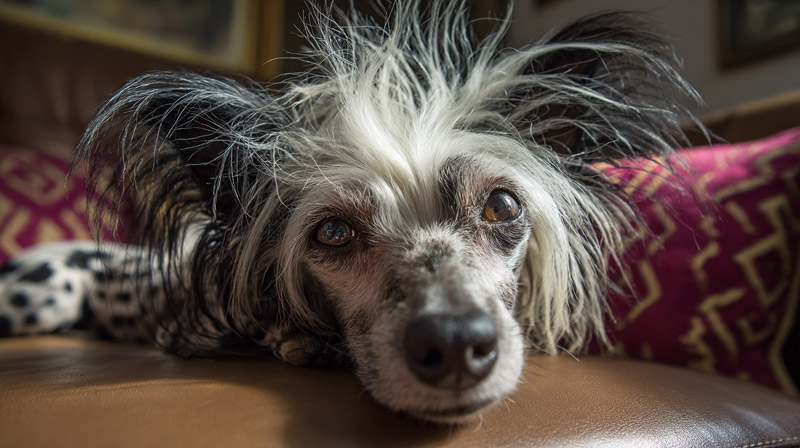
Temperature control matters most. Keep homes between 68-75°F year-round.
Safe spaces prevent injuries:
- Baby gates on stairs
- Non-slip rugs on smooth floors
- Cushioned landing areas near furniture
- Secured windows and balconies
Furniture considerations accommodate their jumping habits. Low couches work better than high beds.
Bedding requires warmth and comfort:
- Heated dog beds for cold weather
- Multiple blanket options
- Draft-free sleeping areas
- Elevated beds to avoid floor cold
Household hazards include:
- Small objects they might swallow
- Toxic plants and chemicals
- Sharp furniture corners
- Hot surfaces and radiators
Creating comfort zones helps anxious dogs. Designated quiet spaces reduce stress.
Outdoor Considerations
Yard safety requires secure fencing. Six-foot minimum height prevents escapes.
Weather protection limits outdoor time:
- Summer: Early morning or evening only
- Winter: Protective clothing mandatory
- Rain: Covered areas or indoor alternatives
Supervised time prevents overexposure. Monitor constantly for temperature stress.
Safe play areas include:
- Soft grass surfaces
- Shade structures
- Fresh water access
- Escape-proof enclosures
Unlike hardy breeds like Siberian Husky or Alaskan Malamute, these dogs need constant climate protection.
Diet and Nutrition: Feeding Your Chinese Crested
Nutritional Requirements

High-quality protein supports their active metabolism. Look for 22-25% minimum protein content.
Calorie intake varies by size and activity:
- Adults: 300-400 calories daily
- Seniors: 250-350 calories
- Puppies: 400-600 calories
Weight management prevents joint stress. Obesity hits small breeds harder.
Age-specific guidelines:
- Puppies: 3-4 meals daily until 6 months
- Adults: 2 meals daily
- Seniors: 2 smaller meals, easier digestion
Special considerations include dental health support. Kibble size matters for small mouths.
Feeding Practices
Meal frequency prevents hypoglycemia. Never skip meals with toy breeds.
Portion control uses measuring cups, not guesswork. Free feeding creates obesity.
Best food types:
- Premium small-breed formulas
- Limited ingredient diets for allergies
- Wet food for hydration
- Raw diets (with veterinary guidance)
Training treats should be tiny and healthy:
- Freeze-dried liver
- Small training biscuits
- Fresh vegetables (carrots, green beans)
- Commercial training treats under 3 calories each
Foods to avoid:
- Chocolate and caffeine
- Grapes and raisins
- Onions and garlic
- Xylitol sweetener
- High-sodium foods
Feeding schedules create routine and security. Same times daily reduce anxiety.
Canine nutritionists help with special dietary needs. Pet insurance often covers nutrition consultations.
Toxic substances include common household items. Keep everything locked away safely.
Water requirements increase with their high energy levels. Fresh water available constantly.
Small breeds like Pekingese and Shih Tzu share similar feeding needs and portion sizes.
Dental health impacts eating ability as they age. Soft foods become necessary eventually.
Allergies and sensitivities develop easily. Monitor for skin reactions and digestive upset after food changes.
Choosing and Bringing Home Your Chinese Crested
Finding a Reputable Breeder

Research starts with breed clubs. Chinese Crested Dog Club of America maintains breeder directories.
Health testing verification includes:
- OFA certification for hips and elbows
- CERF examination results for eyes
- DNA testing for hereditary conditions
- Genetic health testing documentation
Meeting parent dogs shows temperament and health. Both parents should be present and friendly.
Asking the right questions:
- How long breeding this line?
- What health problems have you seen?
- Can I contact previous puppy buyers?
- What health guarantee do you provide?
Red flags include:
- Multiple litters available constantly
- No health testing paperwork
- Won’t let you meet parents
- Pressure to buy immediately
- Puppy mill conditions
Breeding practices should focus on health over profit. Responsible breeding costs money and time.
Rescue and Adoption Options
Chinese Crested rescue organizations specialize in breed placement. They understand specific needs better than general shelters.
Shelter considerations require patience. Purebreds appear less frequently than mixed breeds.
Adult dog benefits:
- Known personality and size
- Past house training
- Calmer energy levels
- Grateful bonding potential
Special needs dogs often wait longer for homes. Senior dogs or those with minor health issues make wonderful companions.
Adoption processes include:
- Application and references
- Home visits sometimes required
- Meet-and-greet periods
- Trial placements possible
Unlike common breeds like Golden Retriever or Beagle, Chinese Cresteds need specialized rescue knowledge.
Preparing for Your New Dog
Puppy-proofing removes dangers:
- Electrical cords secured
- Toxic plants relocated
- Small objects stored safely
- Cabinet locks installed
Supply shopping covers basics:
- Food and water bowls
- High-quality puppy food
- Collar, leash, and ID tag
- Crate and bedding
- Toys for different ages
Feeding areas need quiet locations away from foot traffic. Sleeping arrangements require warmth and security.
Veterinary care scheduling starts immediately:
- Initial health check within 48 hours
- Vaccination schedule planning
- Pet insurance enrollment consideration
- Emergency vet contact information
First week planning reduces stress:
- Time off work for bonding
- Consistent routine establishment
- Limited visitors initially
- Gradual house exploration
Temperature preparation matters most. Heating pads, sweaters, and climate control ready before arrival.
The adoption process varies by source. Rescue organizations often provide more support than individual sellers.
Breed-specific considerations include skin protection supplies and gentle grooming tools.
Age considerations affect preparation:
- Puppies need frequent feeding schedules
- Adults adapt faster to new routines
- Seniors require comfort modifications
Home safety extends beyond puppy-proofing. These dogs injure easily and need protected environments.
Supply costs add up quickly. Budget for ongoing expenses beyond initial purchases.
Unlike low-maintenance breeds like Greyhound or Bulldog, Chinese Cresteds need specialized care from day one.
FAQ on Chinese Crested
Are Chinese Crested dogs hypoallergenic?
Hypoallergenic dogs don’t exist completely, but Chinese Cresteds produce less dander than most breeds. The hairless variety sheds minimal allergens. However, their skin care routine requires daily attention, and some people react to their natural oils and skin pigmentation.
How much exercise do Chinese Cresteds need?
Moderate exercise requirements suit apartment living perfectly. Twenty minutes daily satisfies most adults through indoor play and short walks. Unlike active breeds like Australian Shepherd, they prefer mental stimulation over intense physical activity.
Do Chinese Crested dogs have health problems?
Common health issues include dental health concerns, luxating patella, and progressive retinal atrophy. Skin problems affect hairless varieties frequently. Genetic health testing and OFA certification help identify potential issues. Life expectancy ranges 12-14 years with proper veterinary care.
How do you care for a Chinese Crested’s skin?
Daily skin protection prevents sun damage and acne formation. Apply sunscreen with SPF 30 minimum. Moisturizing routines using hypoallergenic products prevent dryness. Bathing frequency varies by season. Professional grooming helps maintain healthy skin condition.
Are Chinese Crested dogs good with children?
Gentle disposition makes them suitable for older children who understand careful handling. Their delicate frame requires supervision with toddlers. Socialization training from puppyhood improves interaction with children. They bond intensely with family members but need patient introduction to new people.
What’s the difference between hairless and Powderpuff varieties?
Genetic considerations create two distinct coat types from the same parents. Hairless gene produces mostly bald dogs with hair only on head, feet, and tail. Powderpuff variety has full double coats. Both varieties appear in single litters due to recessive traits.
How much do Chinese Crested puppies cost?
Responsible breeding costs $1,200-$3,000 from reputable sources. Health clearances, pedigree analysis, and breeding practices affect pricing. Rescue organizations offer alternatives for $200-$500. Avoid puppy mills with suspiciously low prices lacking health documentation.
Do Chinese Crested dogs bark a lot?
Alert tendencies make them excellent watchdogs without excessive noise. They bark at strangers but respond well to training methods. Positive reinforcement reduces unwanted barking. Their sensitive nature means harsh corrections backfire. Proper socialization prevents fear-based barking.
What should I feed my Chinese Crested?
High-quality protein supports their metabolism with 22-25% minimum content. Small breed dogs need 300-400 calories daily. Age-specific feeding varies from puppy to senior needs. Avoid foods toxic to dogs. Canine nutritionists help with special dietary requirements.
Are Chinese Crested dogs easy to train?
Positive reinforcement methods work best with their sensitive personalities. House training requires patience due to small bladders. Basic commands and socialization start early. Therapy dog training suits their empathetic nature. They excel at trick training and mental exercise activities.
Conclusion
The Chinese Crested stands out among toy dog group breeds for their devotion and unique appearance. These companion dogs thrive with owners who understand their specific needs and commit to proper care routines.
Breeding challenges and population growth have created healthier bloodlines through careful pedigree analysis. Modern kennel clubs promote responsible breeding practices that reduce genetic health issues while maintaining breed standards.
Success with this breed requires dedication to:
- Daily skin protection and temperature regulation
- Professional grooming schedules
- Preventive health measures and regular veterinary care
- Early socialization and positive reinforcement training
Pet insurance coverage helps manage veterinary dermatology costs. Rescue organizations provide alternatives to purchasing from breeders.
Their loyal and devoted nature makes every effort worthwhile. With proper preparation and understanding, these remarkable dogs become treasured family members for many years.